



Gangnam
Dr. Yoon-Gon Ryu
Aesthetic Medicine Specialist
Flagship clinic · for leading lifting & regenerative devices · Featured in Authority Magazine (2026)

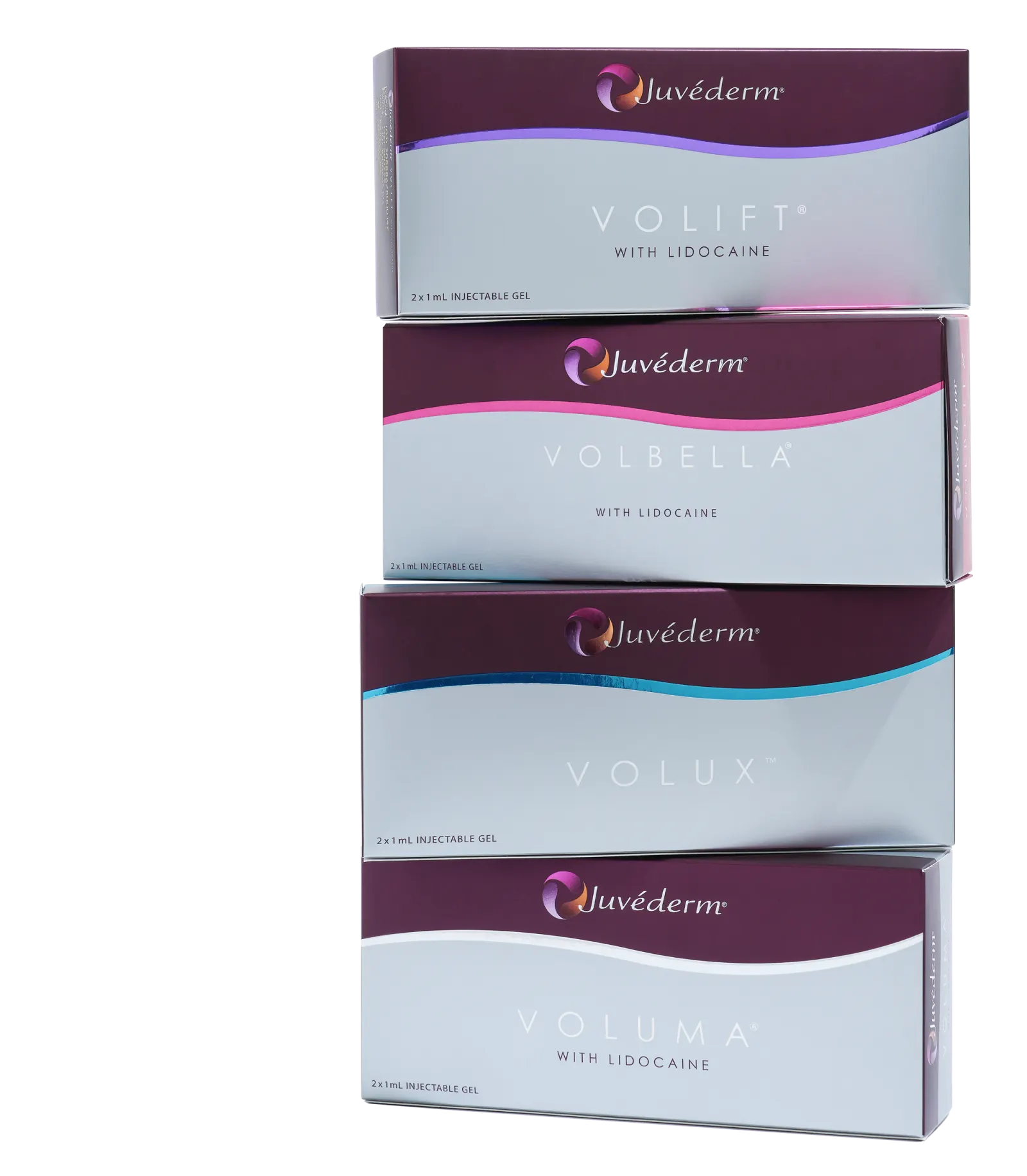
Under-eye and periorbital treatment has a documented safety record; in a real-world study of 136 patients all common reactions were mild or moderate and resolved within a month.
Periorbital rejuvenation with hyaluronic acid filler and skin boosters is safe when a trained doctor treats the delicate under-eye area, where skin is thin and blood vessels sit close to the surface. Most side effects are mild and short-lived, such as swelling or bruising, and HA is reversible with hyaluronidase. Safety in Korea depends on careful, conservative placement.
One-on-One guidance from a dedicated doctor, ensuring your skin is professionally monitored and treated from start to finish.
Fluent assistance in English, Japanese, and Chinese, making communication clear, respectful and comfortable for international patients.
Over 100,000 patients worldwide have received our personalized dermatological care, highlighting our expertise and reliable results.
Periorbital rejuvenation treats the eye area, including the tear trough, under-eye hollows and fine lines, usually with a soft hyaluronic acid filler and sometimes with HA-based skin boosters. It has a documented safety record: in a real-world study of 136 patients receiving periorbital HA injections, all common treatment responses were mild or moderate and resolved within a month, with 84.3% reporting satisfaction and no severe adverse events. That said, the under-eye is one of the most technique-sensitive areas of the face.
The skin here is thin, swelling shows easily, and important blood vessels sit close to the surface, so the two problems to avoid are a puffy or bluish look from placing too much product too superficially, and the very rare but serious risk of vascular compromise. Because HA is reversible, a doctor can dissolve filler with hyaluronidase to correct puffiness or manage a rare vascular event, which is a key reason HA is preferred in this zone over permanent materials. Correct depth, small volumes and a conservative approach are what keep it safe.
Reberry Clinic is a dermatology clinic and injectable treatments are performed by the clinic’s doctors. The clinic is consultation-led and serves international patients across three Seoul-area locations (Gangnam, Myeongdong, Incheon Airport) with English-speaking support, so your under-eye anatomy, skin quality and expectations are assessed before any periorbital treatment begins.
Periorbital rejuvenation relies on placing a soft HA gel deep against the bone in the tear trough, in small amounts, so it supports the hollow without sitting superficially where it can look puffy or blue. Cannulas are often preferred here because they push vessels aside rather than piercing them, lowering the chance of bruising and vascular entry. HA boosters may be used to improve crepey skin quality rather than add volume. The safety margin comes from small volumes, correct depth and knowing the angular and infraorbital vessels.
Because the under-eye reacts to over-treatment, an experienced injector treats conservatively and reviews at about two weeks before adding more. HA’s reversibility means puffiness or unevenness can be dissolved. Depending on your concern, the doctor may suggest that skin-quality options such as a polynucleotide booster or an energy-based approach fit better than volume alone, so the plan targets the real cause rather than simply filling the hollow.
One Reberry Clinic, multiple Seoul-area locations. Pricing & current promotions are listed on each branch's own site — tap a clinic to view pricing & book.
Our flagship in the heart of Gangnam.
In Seoul's shopping & tourism heart.
A beauty stop between flights.
The newest Reberry Clinic — in Seoul's trend district.
ONE REBERRY CLINIC · MFDS-REGISTERED DEVICES · MULTILINGUAL CARE AT EVERY LOCATION
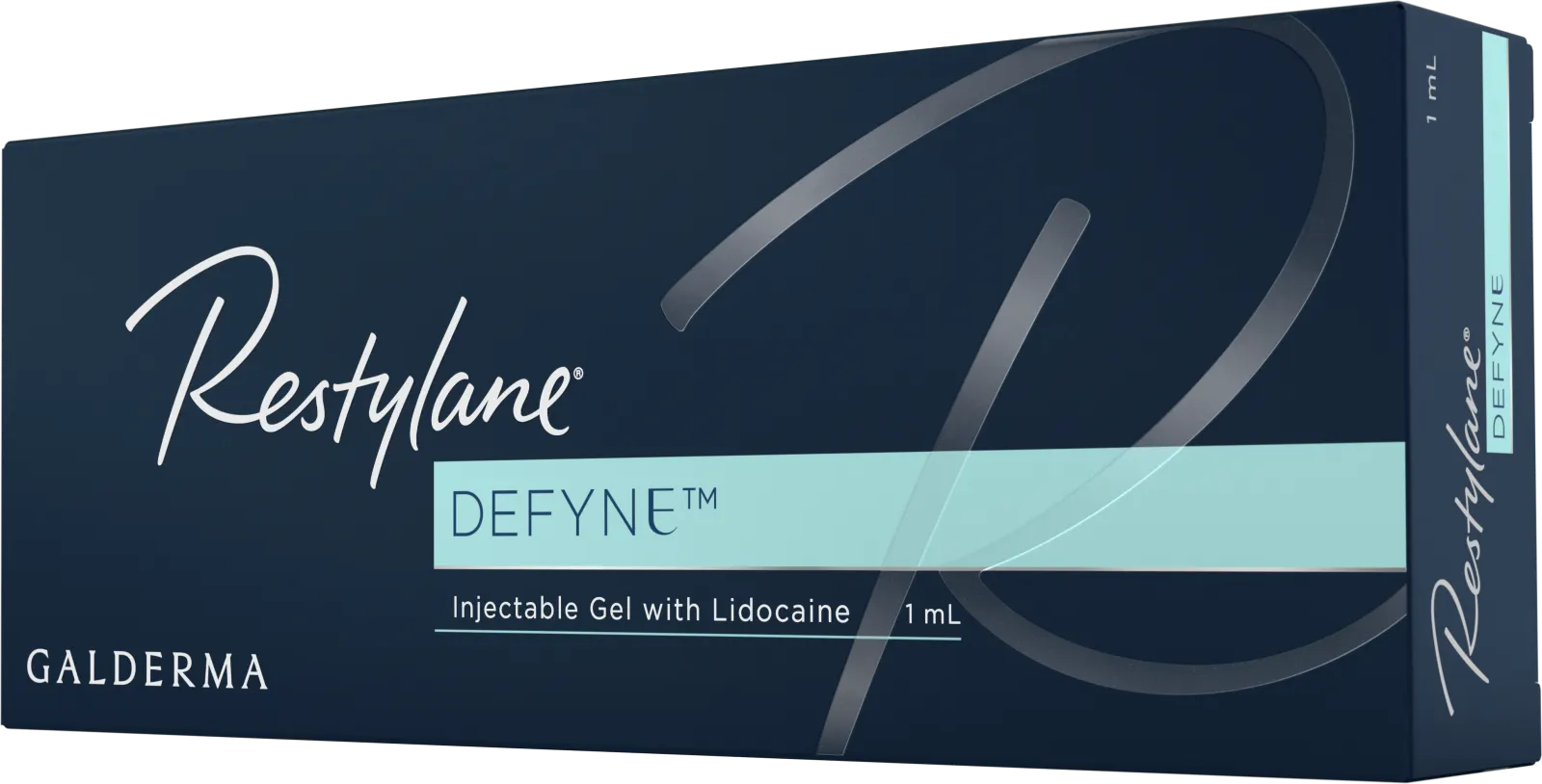
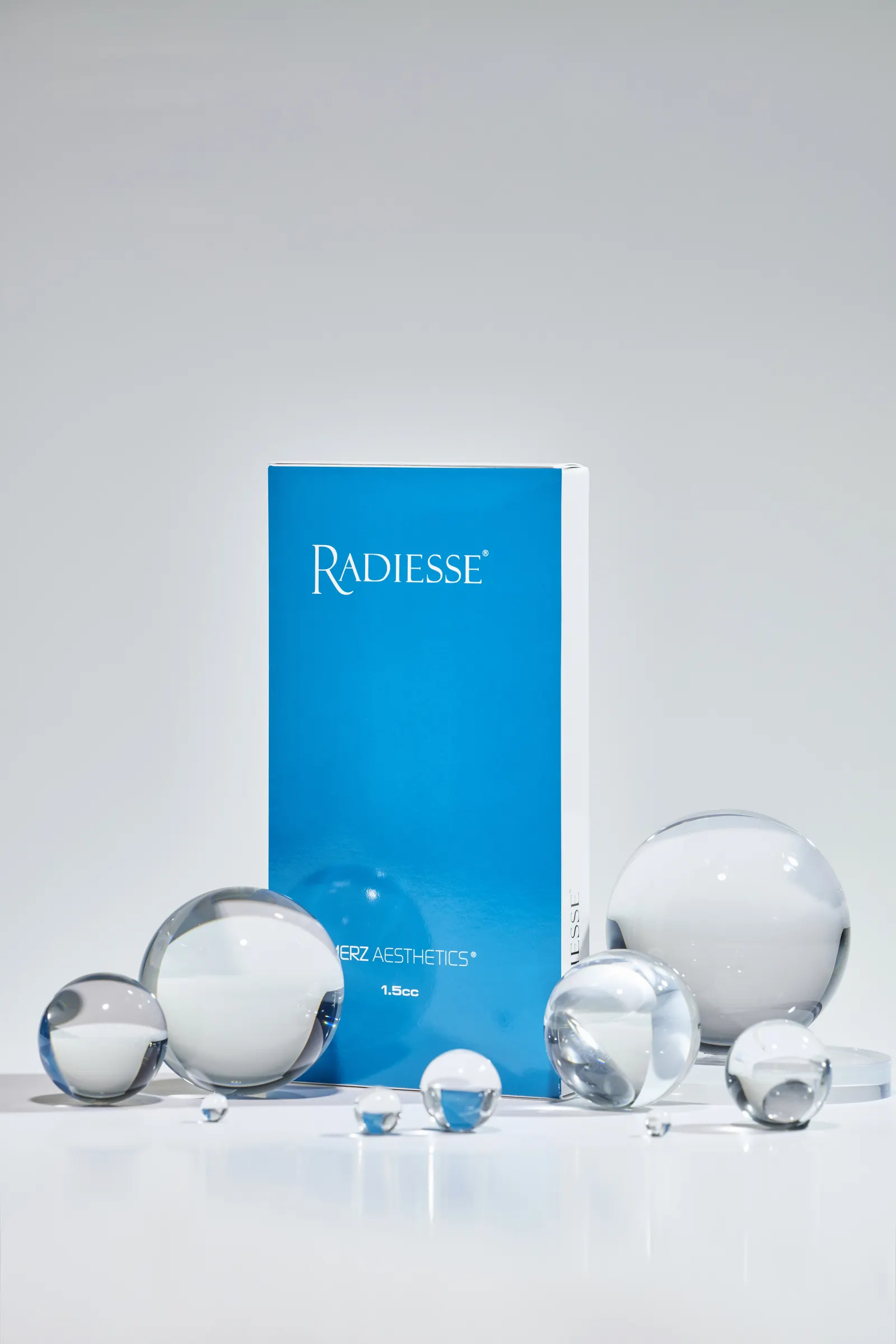
A doctor examines your under-eye anatomy, skin thickness and fluid tendency, and screens contraindications in 1 consultation.
The right approach of the 2 main tools, soft filler or an HA booster, is matched to whether your issue is volume or skin quality.
Filler is placed deep against the bone in small aliquots, usually under 1 mL per side, to avoid superficial puffiness.
A blunt cannula is often used to push aside the 2 to 3 vessels at risk and reduce bruising.
Your result is reassessed at about 2 weeks before any conservative top-up, and can be dissolved if puffy.

Reberry Clinic · Prices verified: Oct 2026
| Clinic | Price (KRW) |
|---|---|
| MyeongdongEye Re2O 1 Syringe (3cc) | from₩750,000 |
VAT excluded · Final price depends on treatment scope and skin condition · Confirmed after consultation
Before-and-after photos are being updated.
An English-language consultation examines your under-eye anatomy and fluid tendency and confirms whether filler or a booster suits you.
After cleansing and numbing, the doctor treats conservatively, often via cannula; a session commonly takes around 20 to 40 minutes.
A single visit fits a short trip, with a review at about 2 weeks before any small top-up.
Filler shows immediately with initial puffiness settling over 1 to 2 weeks; boosters build gradually.
Under-eye filler lasts roughly 9 to 18 months; avoid salt, alcohol and heat for 24 to 48 hours to limit swelling.



Periorbital rejuvenation with HA filler and boosters is safe when a trained doctor treats the delicate under-eye area, and a 136-patient study found all common reactions mild or moderate, resolving within a month. HA is reversible, adding a safety margin, which is why a consultation comes first when you discuss injectable fillers.
The under-eye skin is thin, swelling shows easily, and blood vessels sit close to the surface, so over-filling can look puffy or bluish and a rare vascular event is possible. This is why small volumes, deep placement and cannula technique matter. An experienced injector treats this zone conservatively, and HA can be dissolved if the result is puffy.
Yes, because hyaluronic acid filler is reversible it can be dissolved with hyaluronidase, usually within days, which is a major safety advantage in the under-eye area. If filler migrates, holds fluid or looks uneven, a doctor can adjust or remove it. Raise any concern at your filler review so a correction can be planned.
The most serious risk, though very rare, is vascular compromise, where filler enters or presses on a vessel near the eye. Published guidelines show it is managed promptly with hyaluronidase when injectors are trained to recognise it. Conservative volumes, cannula technique and an experienced doctor are the best ways to keep this risk low.
Most patients feel a brief pinch and pressure, which is generally manageable because numbing cream is applied and many HA fillers contain lidocaine. The under-eye can feel more tender than other areas. Comfort is checked during the session and technique is eased, so tell your doctor if anything feels sharp during treatment.
Bruising is possible because the skin is thin, though cannula technique lowers the chance compared with a needle, and it usually fades over about 5 to 10 days. Avoiding blood thinners, alcohol and heavy exercise beforehand helps. Concealer covers most bruising, so schedule treatment with a little buffer before an important event if you can.
Yes, hyaluronic acid is not pigment-dependent, so periorbital treatment suits a wide range of skin tones, and Korean and Asian-subject HA trials report mild, transient reactions with no serious adverse events. Technique still matters for puffiness. Your suitability is confirmed during the filler assessment before any injection.
It is generally avoided in pregnancy or breastfeeding, over active eye inflammation or infection, and with a strong fluid-retention tendency or true under-eye bags, which can look worse with filler. Bleeding disorders and blood thinners need review. Screening at consultation is how these are identified, so your under-eye anatomy is assessed before any plan is set.
Sometimes; if your concern is crepey, thin skin rather than a hollow, an HA-based skin booster improves skin quality without adding volume that could look puffy. If you have a clear hollow, soft filler is usually the better match. A doctor decides which tool, or combination, fits your under-eye at consultation.
Under-eye filler typically lasts around 9 to 18 months, often longer than in mobile areas like the lips because the region moves less. It is not permanent, which suits this delicate zone since the gel gradually breaks down. Your doctor estimates longevity for your plan and reviews timing for any conservative top-up rather than over-filling.
Aftercare is gentle: avoid rubbing the area, skip salt, alcohol, heat and heavy exercise for 24 to 48 hours, and sleep slightly elevated to limit swelling. Most patients resume normal activities the same day. Your doctor provides written instructions, and you can follow up from abroad if any question arises after you travel home.
Initial puffiness usually peaks in the first 1 to 2 days and settles over about 1 to 2 weeks, which is why a review is scheduled before any top-up. A cool compress and lower salt intake help. If swelling is one-sided, painful or worsening, contact the clinic promptly so it can be reviewed rather than waiting it out.
Yes, filler is often staged with skin-quality boosters or gentle energy treatments, since filler restores support while other options improve texture around the eyes. Timing and order matter to keep results even. Your doctor sequences any combination, for example adding a booster, at consultation rather than doing everything in one visit.
Usually under 1 mL per side, placed deep and conservatively, because the under-eye reacts strongly to over-treatment and puffiness. More is not better here. A doctor recommends a small, sensible amount at assessment and reviews before adding any, so the result looks refreshed and natural rather than heavy or swollen.
Yes, Reberry Clinic serves international patients with English-speaking support across three Seoul-area locations, including one near Incheon Airport, so screening, consent and aftercare are explained in English. You are assessed before treatment and supported afterward from abroad. Message us on WhatsApp to discuss your under-eye suitability.
Yes, most patients fly the same or next day, since downtime is minimal, though any bruising or swelling may still be settling, so allow a buffer before big events. Cabin pressure does not affect the filler. You receive a written aftercare plan so you can follow up on your periorbital treatment from abroad if needed.
| Under-eye HA filler | HA skin booster | Energy-based lifting | |
|---|---|---|---|
| Mechanism | Soft HA gel supporting the hollow | HA hydration to improve skin quality | Ultrasound or RF to firm skin |
| Reversible with hyaluronidase | Yes, can be dissolved | Partly, HA-based | No, energy is not injected |
| Best for | Tear-trough hollow and volume loss | Crepey, thin under-eye skin | Mild laxity and firmness |
| Immediate result | Yes, on the day | No, builds gradually | No, builds over weeks |
| Main risk in this zone | Puffiness or rare vascular event | Small bumps if too superficial | Rare heat-related effects |
| Downtime | Little; possible bruising | Little; brief bumps | Little; brief redness |
| Longevity | About 9 to 18 months | Gradual, needs repeating | Months, then maintenance |
Real verified reviews from our Google Business Profile, across all Reberry Clinic locations.
PULLED LIVE FROM GOOGLE · GANGNAM · MYEONGDONG · INCHEON AIRPORT
Your treatment is planned and performed by experienced, MFDS-registered doctors across our Seoul-area clinics, with multilingual support for international patients.
Flagship clinic · for leading lifting & regenerative devices · Featured in Authority Magazine (2026)

Multilingual tourist care beside Myeongdong Cathedral

Fast, effective care 20 minutes from the terminals
Message us on WhatsApp for a free consultation in English to check your suitability and discuss under-eye treatment safely.