

Gangnam
Dr. Yoongon Ryu
Aesthetic Medicine Specialist
Flagship clinic · KOL for leading lifting & regenerative devices

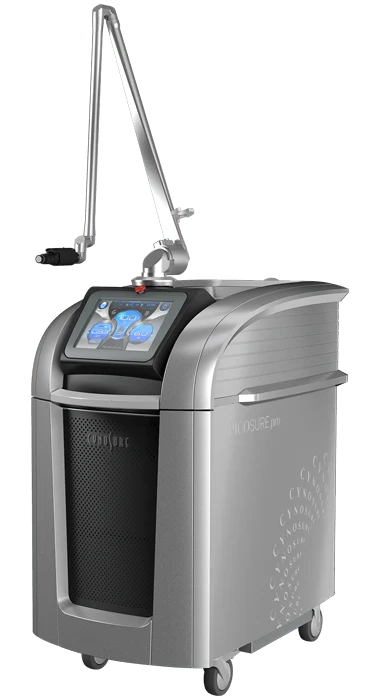
Pico laser is widely used and generally well tolerated when a trained doctor matches settings to your skin tone, with most side effects mild and lasting only 1 to a few days.
Pico laser is generally safe in Korea when performed by trained doctors who match energy settings to your skin tone after a consultation. Most side effects, like temporary redness, mild swelling, or short-lived darkening, settle within a few days. A test spot and conservative settings on darker tones further reduce the small risk of pigment change.
One-on-One guidance from a dedicated doctor, ensuring your skin is professionally monitored and treated from start to finish.
Fluent assistance in English, Japanese, and Chinese, making communication clear, respectful and comfortable for international patients.
Over 100,000 patients worldwide have received our personalized dermatological care, highlighting our expertise and reliable results.
Pico laser has a strong safety record for pigment treatment when it is performed correctly, which is why it is so widely used in Korean clinics. It is non-invasive and leaves no open wound for toning, so the most common reactions are temporary and predictable: brief redness, mild swelling, or short-lived darkening of treated spots as pigment lifts and clears.
The key to safety is not the device alone but the doctor operating it. Energy must be matched to your skin tone, especially for deeper tones prone to post-inflammatory pigmentation, and a consultation, sometimes with a test spot, helps confirm the right settings before a full session. Conservative, individualised settings are how clinics keep the small risk of pigment change low.
At Reberry Clinic, pico laser is consultation-led, with the clinic’s doctors assessing your pigment and skin tone before treatment. International patients are supported in English across our three Seoul-area locations (Gangnam, Myeongdong, Incheon Airport), so you can ask about risks and aftercare clearly before deciding.
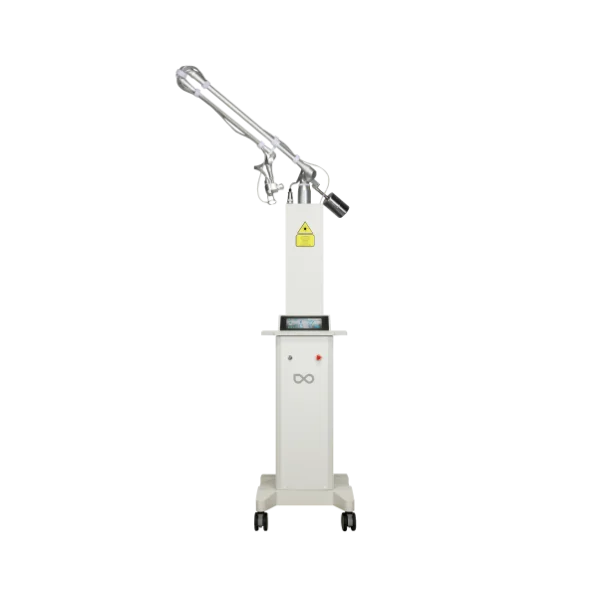
Pico laser owes much of its safety profile to how briefly it delivers energy. Pulses last roughly 300 to 750 picoseconds, hundreds of times shorter than the 5 to 20 nanosecond pulses of older Q-switched lasers, so energy stays concentrated in the pigment for a fraction of the time. This relies more on a photomechanical shattering effect than on sustained heat, which means less thermal spread into surrounding skin and a lower risk of burns. Reduced heat is particularly valuable for Asian and darker skin tones, where excess thermal injury can trigger post-inflammatory hyperpigmentation. The fragmented pigment particles are also smaller, making them easier for the immune system to clear over about 2 to 6 weeks, so results build gradually rather than through aggressive single passes.
One Reberry Clinic, multiple Seoul-area locations. Pricing & current promotions are listed on each branch's own site — tap a clinic to view pricing & book.
Our flagship in the heart of Gangnam.
In Seoul's shopping & tourism heart.
A beauty stop between flights.
The newest Reberry Clinic — in Seoul's trend district.
ONE REBERRY CLINIC · MFDS-REGISTERED DEVICES · MULTILINGUAL CARE AT EVERY LOCATION
The clinic’s doctors review your skin tone, pigment type, and history before choosing energy, since 1 wrong setting raises risk.
Energy is set lower for darker tones, and toning often uses low fluence across several gentle passes rather than 1 aggressive one.
For uncertain cases, a small test area is treated first and reviewed over 1 to 2 weeks before a full session.
Cooling and optional numbing keep tissue protected, helping limit side effects to brief redness that settles within hours to days.
Strict sun protection and review between sessions, spaced 2 to 4 weeks apart, catch any pigment change early and keep results safe.
See representative outcomes from Reberry Clinic. Results build gradually and vary by individual; your plan is assessed at consultation.
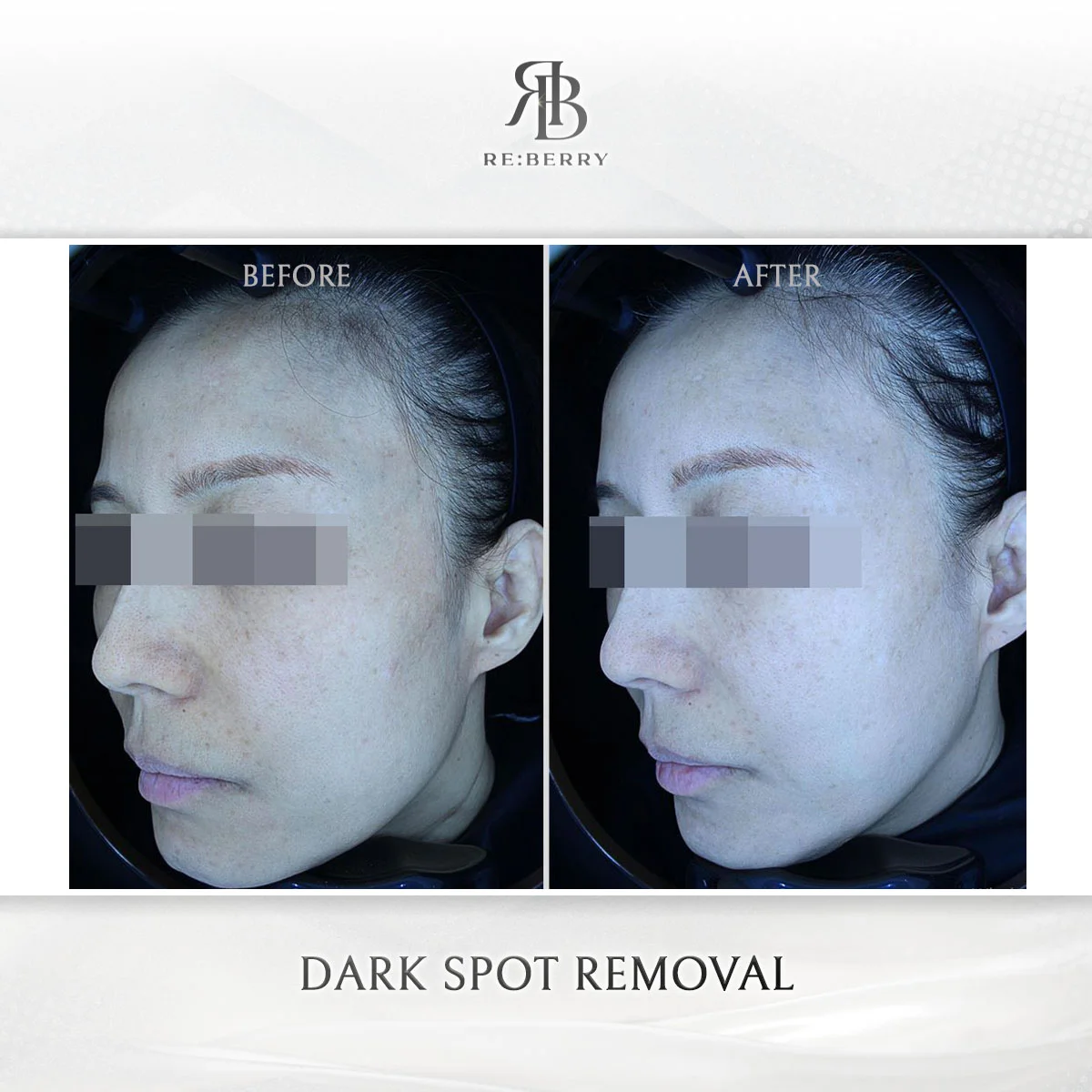
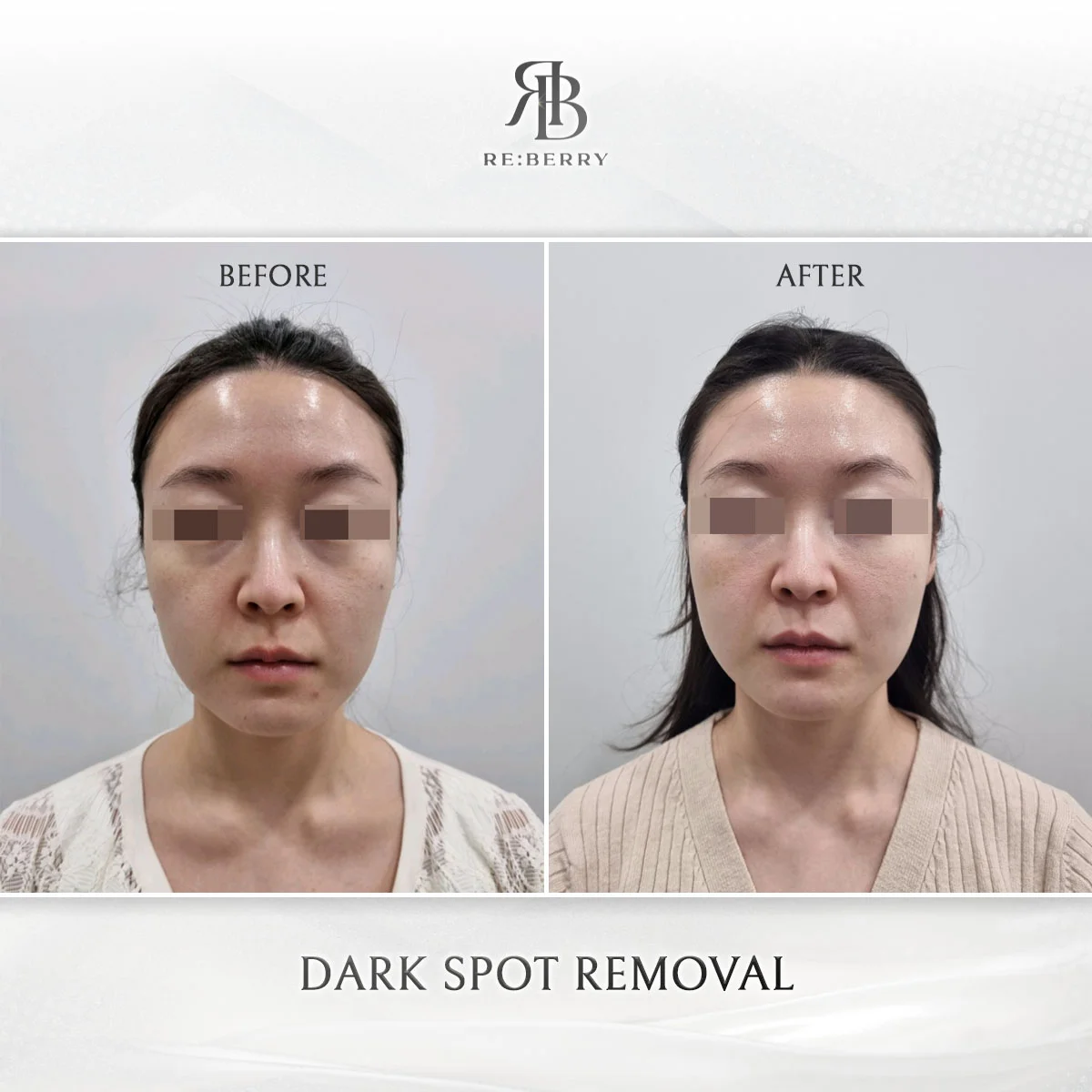
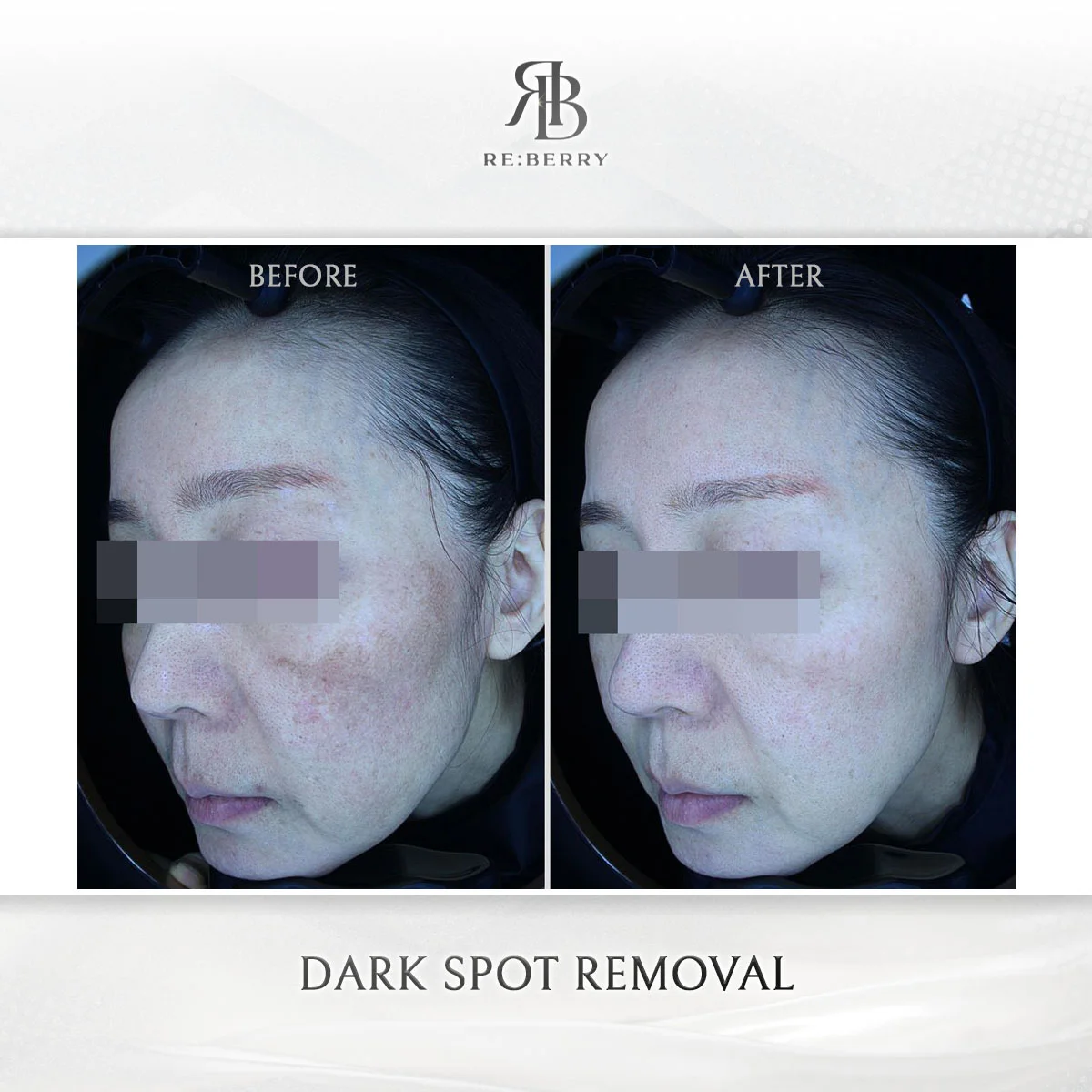
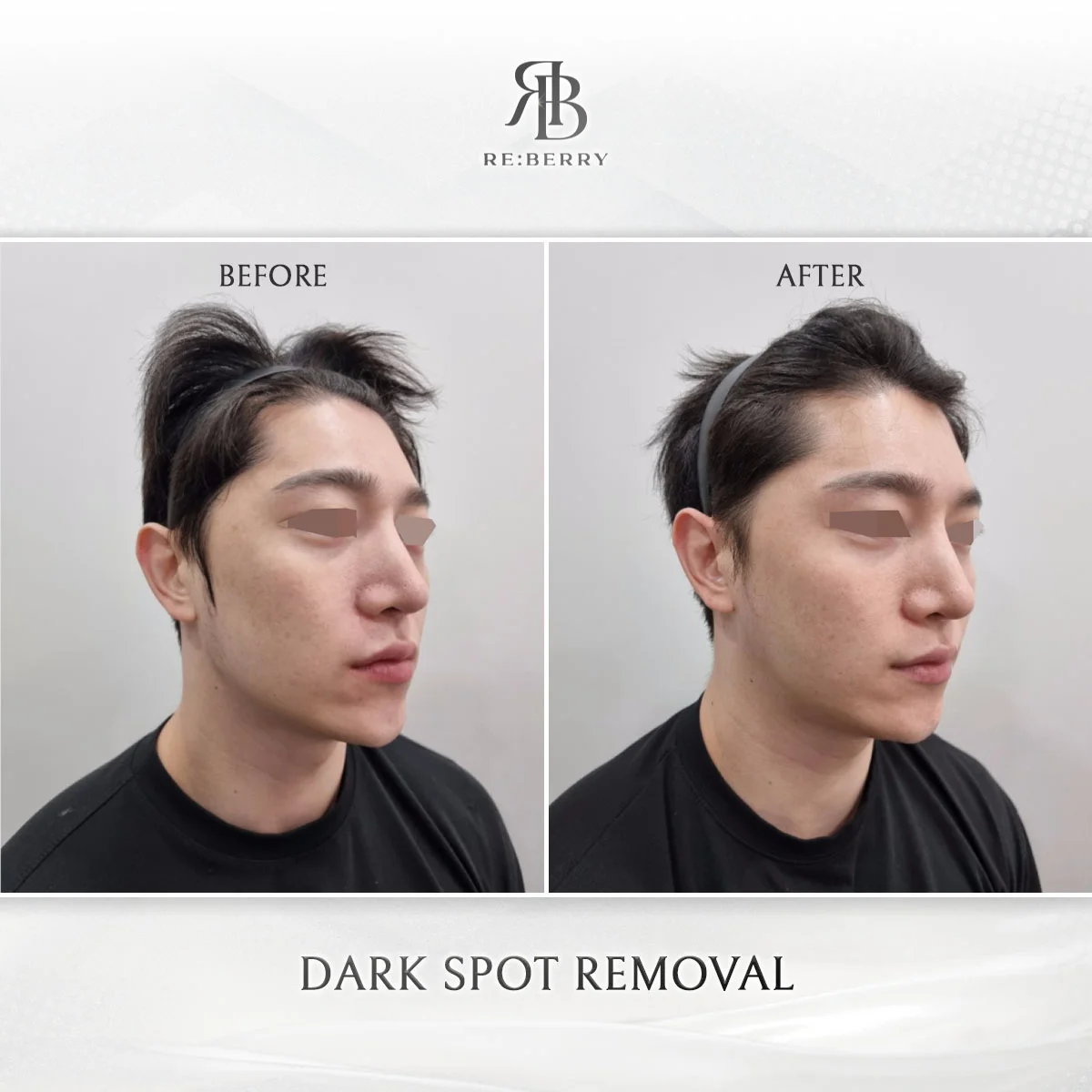
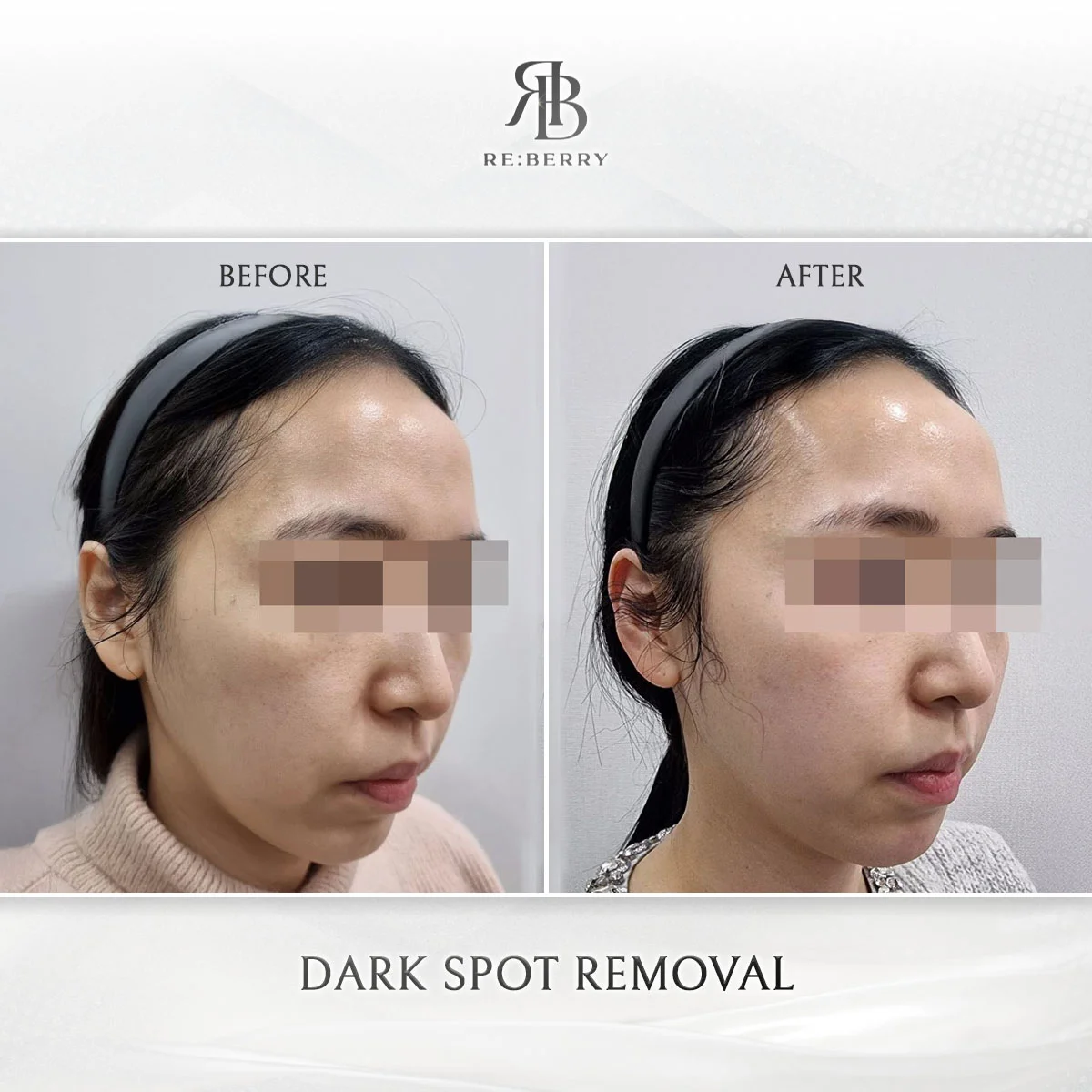
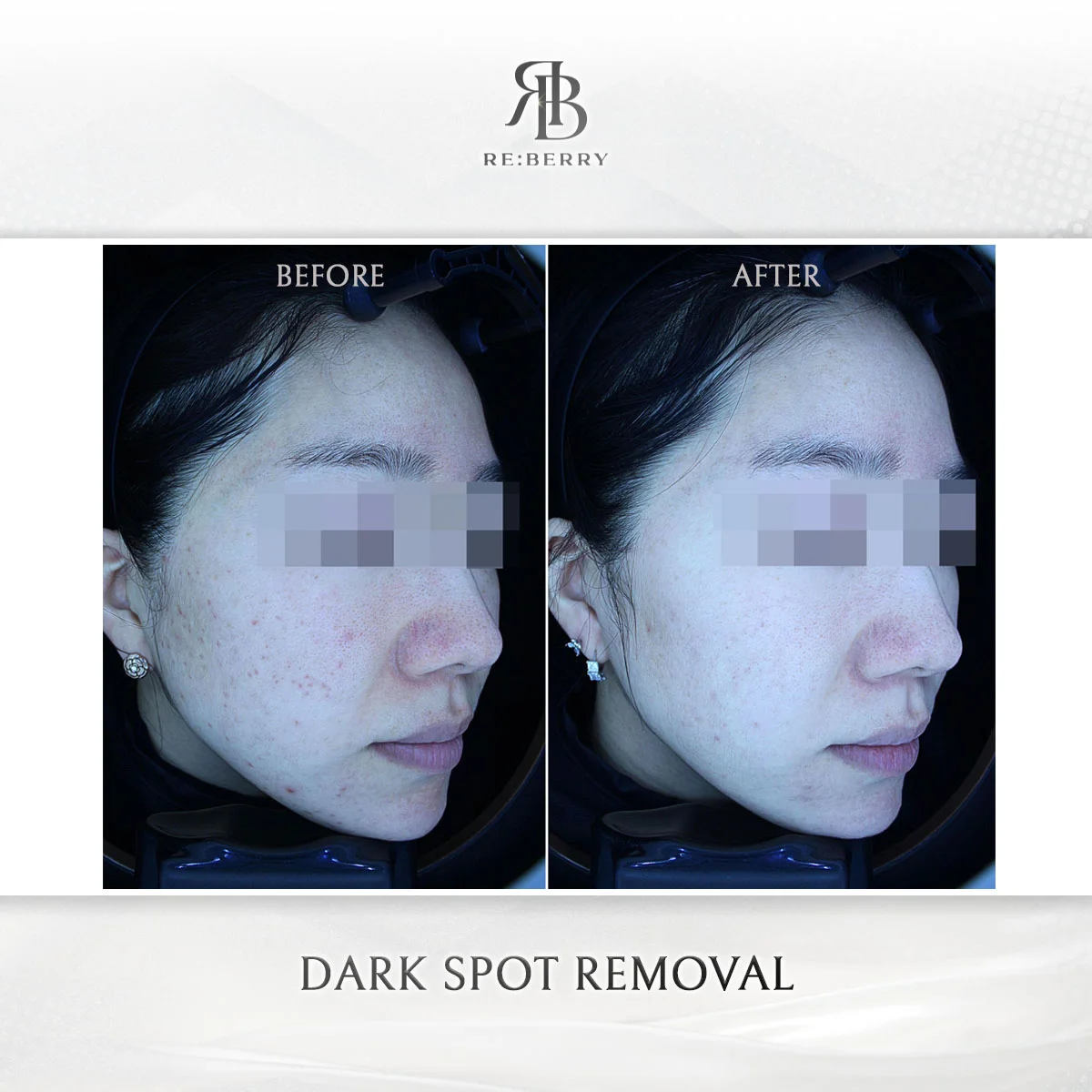
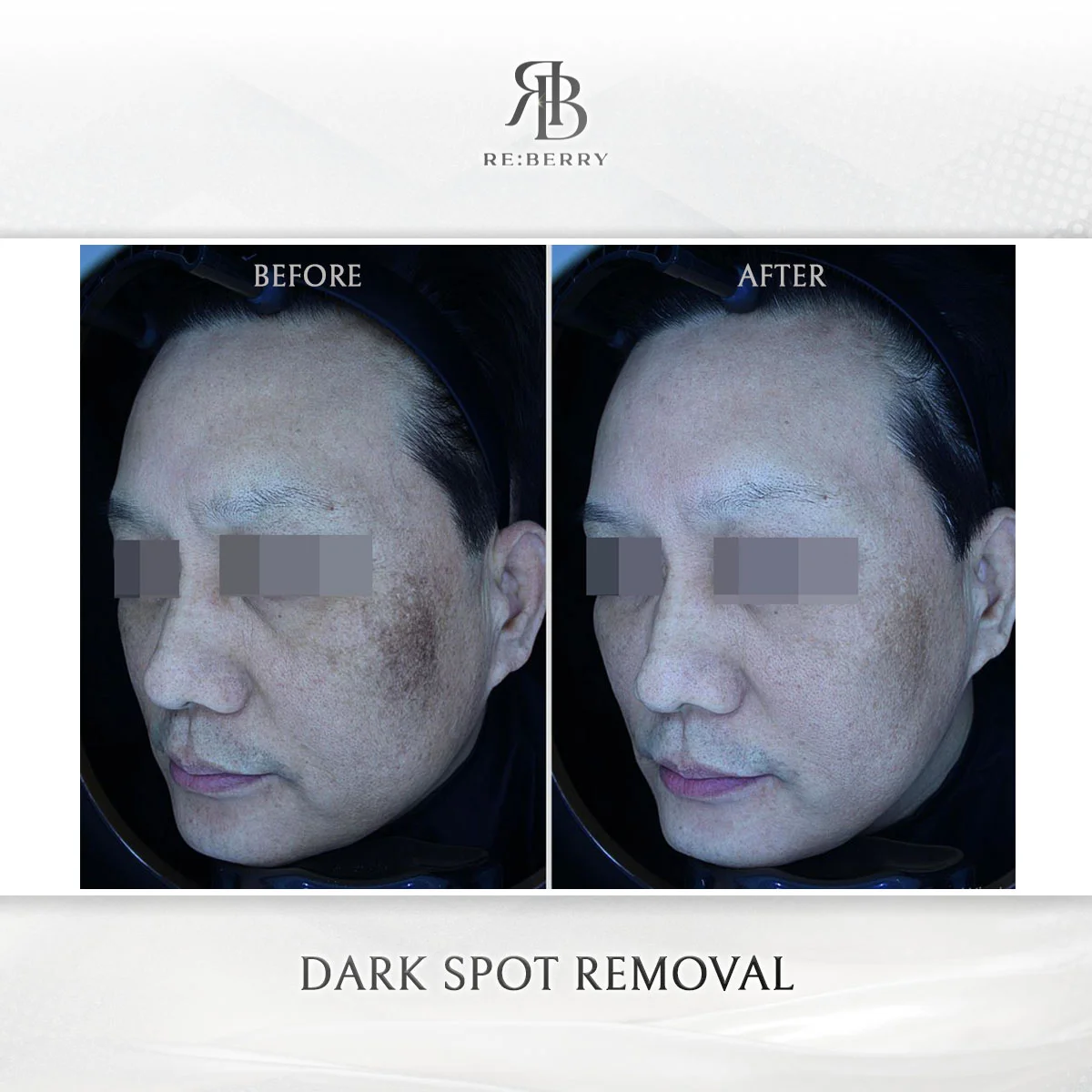
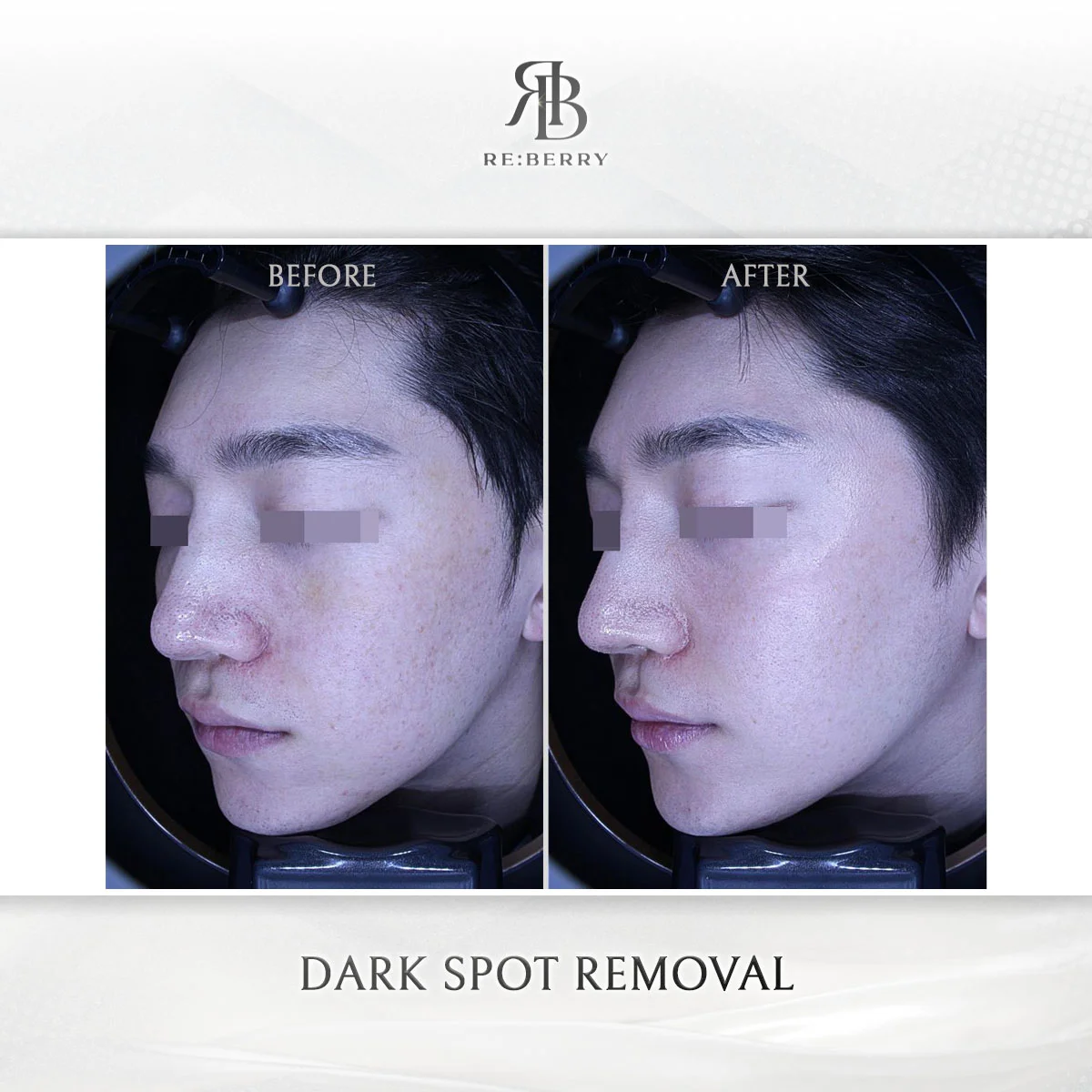
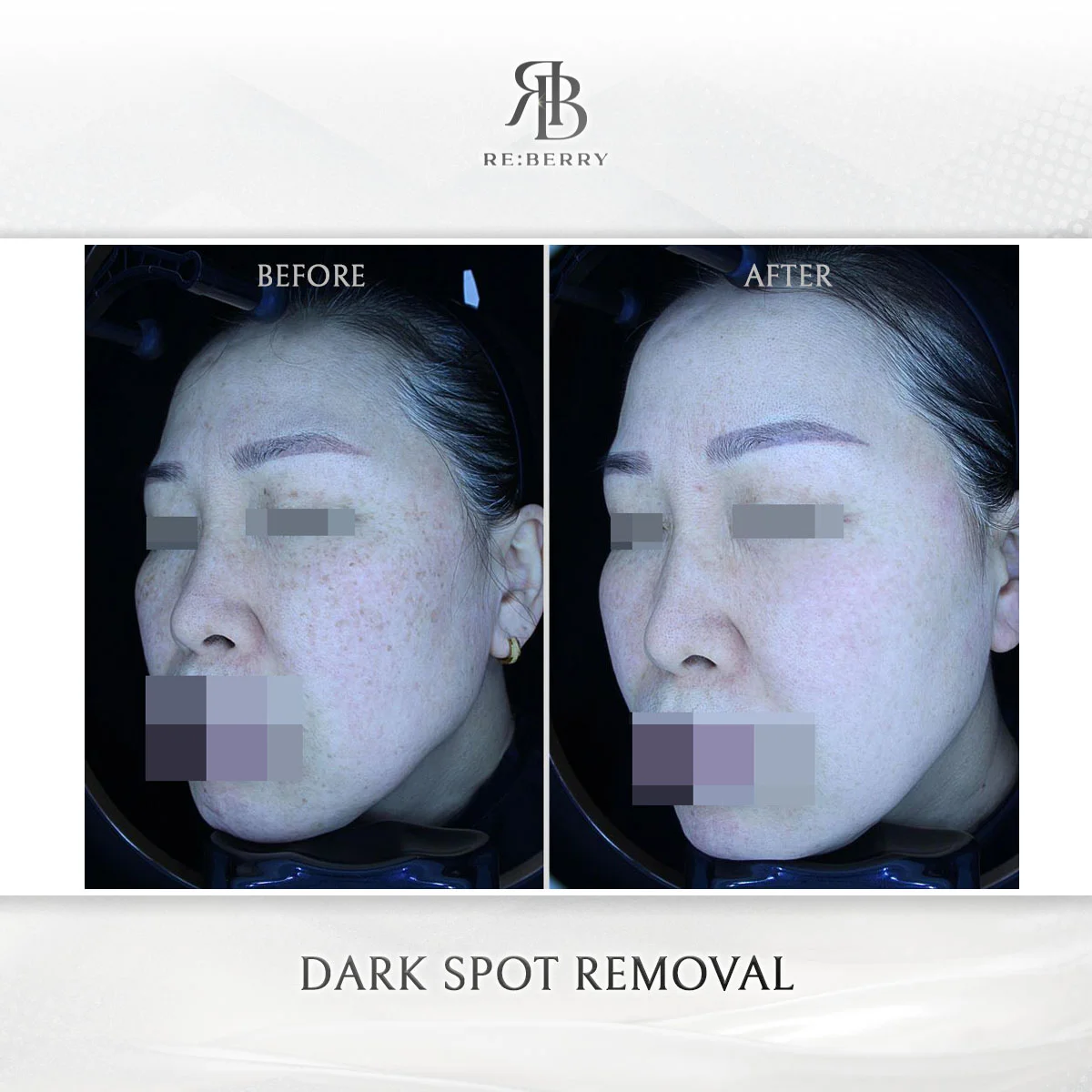
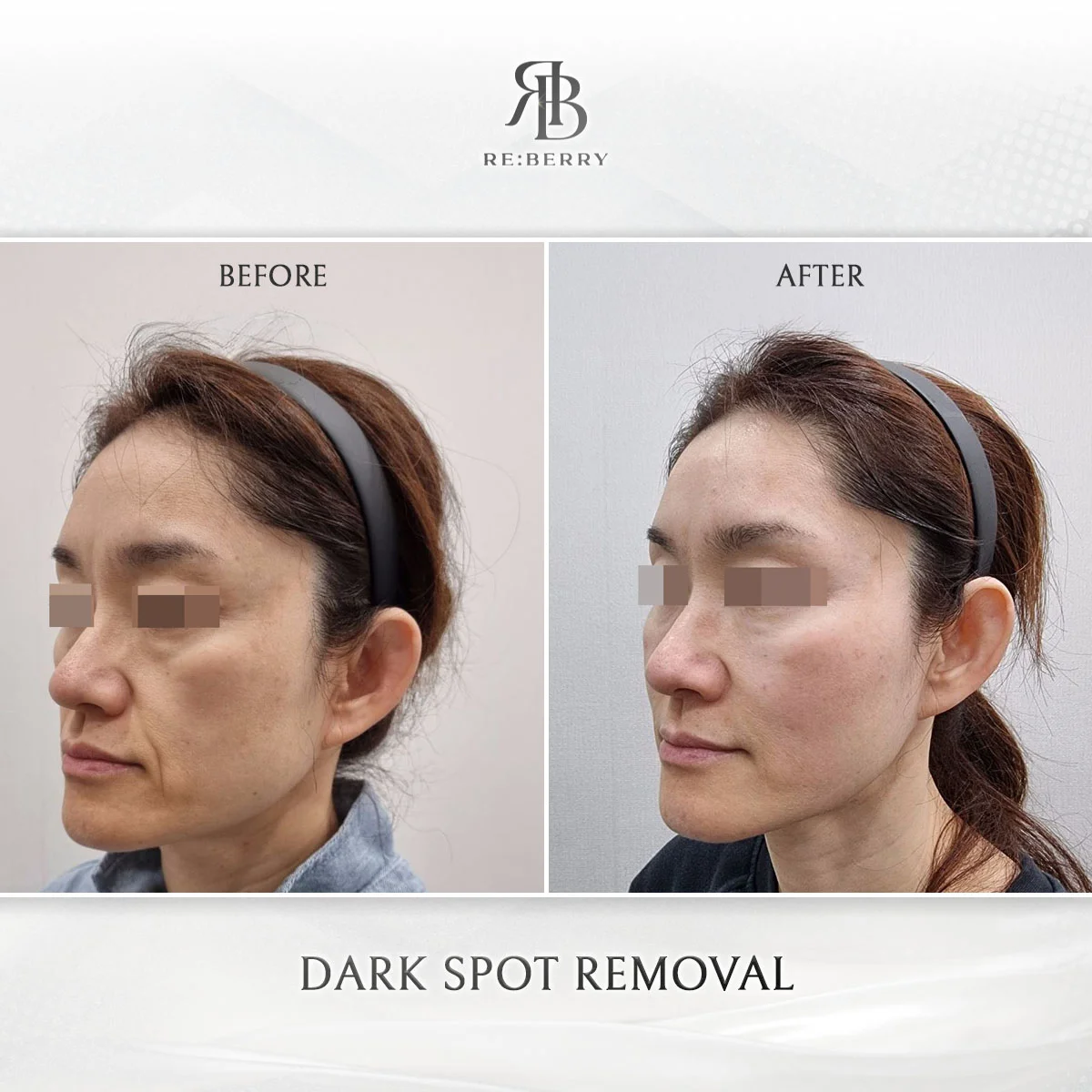
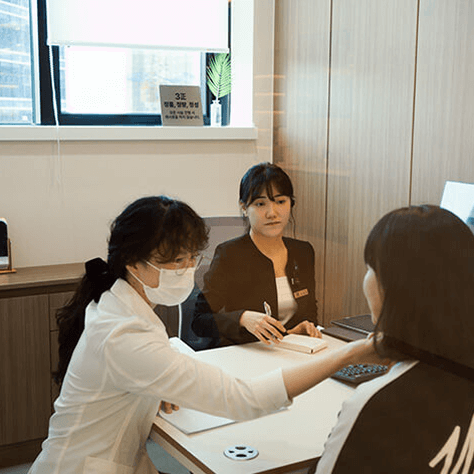
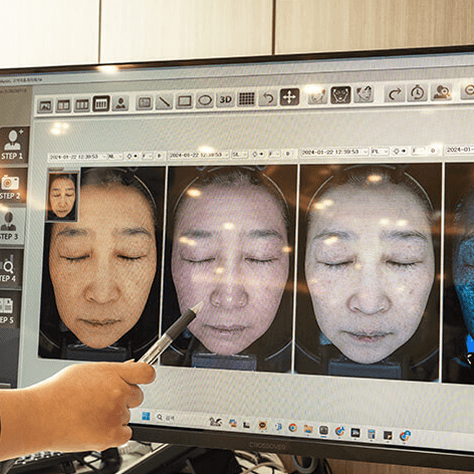
The clinic’s doctors examine your skin tone, pigment type, and history, then explain risks and choose safe energy settings in English.
After cleansing and optional numbing, a session usually takes 15 to 30 minutes, with cooling used to protect the skin throughout.
Toning visits are short, and most patients return to normal activities the same day with diligent sun protection.
Pigment fades gradually over 2 to 6 weeks per session, and your doctor reviews the skin’s response before the next visit.
Daily sunscreen and gentle skincare protect results and minimise the small risk of post-treatment pigment change over time.

Pico laser is generally safe in Korea when performed by trained doctors who match energy to your skin tone after a consultation. It is non-invasive, and most side effects are mild and temporary, settling within a few days. You can review related options on our dark spot removal page before your visit.
The main risks are temporary redness, mild swelling, and short-lived darkening or crusting of treated spots, which usually resolve within days. Rarely, transient pigment change can occur, more often after sun exposure or with aggressive settings. Conservative, individualised energy and strict aftercare keep these risks low for most patients.
Yes, pico laser is considered well suited to Asian and darker skin tones because its shorter pulses produce less heat than nanosecond lasers, lowering the risk of post-inflammatory pigmentation. The doctor uses conservative settings and sometimes a test spot. Explore broader options on our laser treatment page.
Serious burns or scarring are uncommon with pico laser because its ultra-short pulses limit heat spread into surrounding tissue. The greater safeguard is technique: settings matched to your skin tone and proper cooling, as outlined on our dark spot removal page. Choosing a trained doctor and following aftercare markedly reduces any risk of lasting marks.
A test spot can add reassurance, especially for darker tones or uncertain pigment, by treating a small area first and reviewing it over 1 to 2 weeks. This lets the doctor confirm how your skin responds before a full session. Not every case needs one, but it is a useful safety step when indicated.
Most adults with freckles, sun spots, age spots, dull tone, or stable melasma are suitable candidates after assessment. A consultation confirms your pigment type and skin tone so energy can be tailored safely. Darker tones simply need more conservative settings to keep results even and reduce pigment-change risk.
Most patients describe a mild snapping or rubber-band sensation rather than real pain, often around 2 to 3 out of 10. Numbing cream is available for sensitive areas, and cooling keeps sessions tolerable. Toning passes are generally more comfortable than focused spot treatment on defined lesions.
Downtime is usually little to none for pico toning, with mild redness settling within hours. Focused spot treatment can leave tiny darkened crusts or pinpoint redness for a few days as pigment lifts. Most international patients return to sightseeing the same afternoon comfortably with sun protection.
Visible improvement typically builds over 2 to 6 weeks after each session as fragmented pigment clears. This gradual pace is part of why pico is gentle, since it avoids forcing pigment out in one aggressive pass. Your doctor reviews progress between sessions and adjusts energy to stay safe.
Most pigment concerns need 3 to 5 sessions spaced about 2 to 4 weeks apart, while melasma toning often needs more, spaced carefully to protect the skin. Spacing sessions is itself a safety measure. Your doctor confirms the schedule at consultation based on your lesion type and skin tone.
Results can last many months to years for stable spots, but new sun exposure can trigger fresh pigment, and melasma is prone to recurrence. Daily sunscreen, gentle skincare, and occasional maintenance help sustain a brighter, more even tone and reduce the chance of pigment returning over time.
Yes, pico laser is often combined with brightening skincare or gentle hydration when sequenced carefully so the skin is not over-stressed. Some patients add a hydrating facial to support the barrier. Your doctor spaces combined treatments to keep recovery comfortable and safe.
Pico laser in low-fluence toning mode is a common option for melasma because lower heat reduces the risk of worsening pigment. However, melasma is chronic and recurrence-prone, so treatment focuses on gradual, supervised control plus strict sun protection rather than a one-time fix, which also keeps it safer.
Watch for redness or mild swelling that lasts longer than expected, unusual blistering, or new dark or light patches in the treated area. These are uncommon, but if they appear you should contact the clinic promptly. Following aftercare and strict sun protection prevents most problems for the majority of patients.
Daily broad-spectrum sunscreen is essential, along with gentle, fragrance-free skincare and avoiding heat, scrubbing, and sun for several days. A supportive skin care routine protects healing skin and lowers pigment-change risk. Your doctor provides a written aftercare plan tailored to your pigment type.
For a single toning session, 2 to 3 days is comfortable, allowing consultation, treatment, and a brief review to confirm a safe response. If you begin a multi-session plan, longer stays or split trips can be arranged. Our English-speaking team helps coordinate timing around your travel.
Yes, flying within 24 hours is generally fine because pico laser is non-invasive. Cabin air can be drying, so moisturise and protect treated skin from sun at your destination. If you had intensive spot treatment with crusting, your doctor will advise on aftercare and sun avoidance while you travel.
International patients can complete a pico laser series across one or more visits, and the clinic offers remote check-ins in English to review healing between trips. You can also book related care such as ongoing skin care when you return. Your treatment notes are kept on file for continuity.
| Pico Laser | Q-switched / Nd:YAG Toning | Intense Pulsed Light (IPL) | |
|---|---|---|---|
| Energy / mechanism | Picosecond pulses, mostly photomechanical | Nanosecond pulses, more photothermal | Broad-spectrum filtered light |
| Heat to skin | Lower, shorter pulse limits thermal spread | Moderate, longer pulse means more heat | Moderate, depends on filter and settings |
| Risk on darker tones | Lower when settings are conservative | Needs careful low-fluence technique | Higher if not carefully filtered |
| Typical side effects | Brief redness, mild crusting on spots | Mild redness and warmth | Redness, possible temporary darkening |
| Downtime | Little to none for toning | Minimal | Minimal, possible mild redness |
| Cost factors | Depends on area, pigment, and sessions | Depends on area and session count | Depends on area and session count |
Real verified reviews from our Google Business Profile, across all Reberry Clinic locations.
PULLED LIVE FROM GOOGLE · GANGNAM · MYEONGDONG · INCHEON AIRPORT
Your treatment is planned and performed by experienced, MFDS-registered doctors across our Seoul-area clinics, with multilingual support for international patients.
Flagship clinic · KOL for leading lifting & regenerative devices

Multilingual tourist care beside Myeongdong Cathedral

Fast, effective care 20 minutes from the terminals
Message us on WhatsApp for a free consultation in English about pico laser risks and what is right for your skin.