

Gangnam
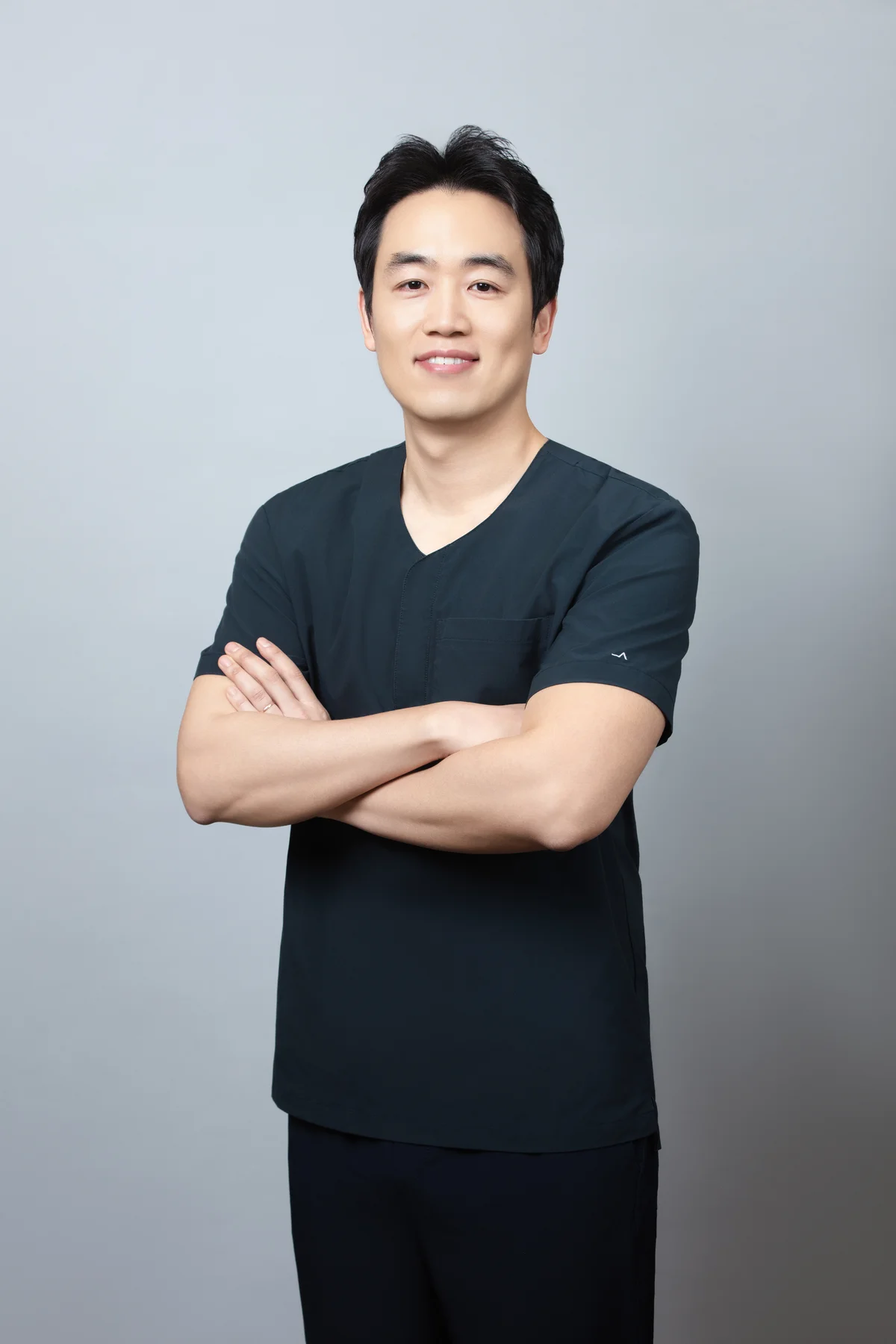
Dr. Yoongon Ryu
Aesthetic Medicine Specialist
Flagship clinic · KOL for leading lifting & regenerative devices

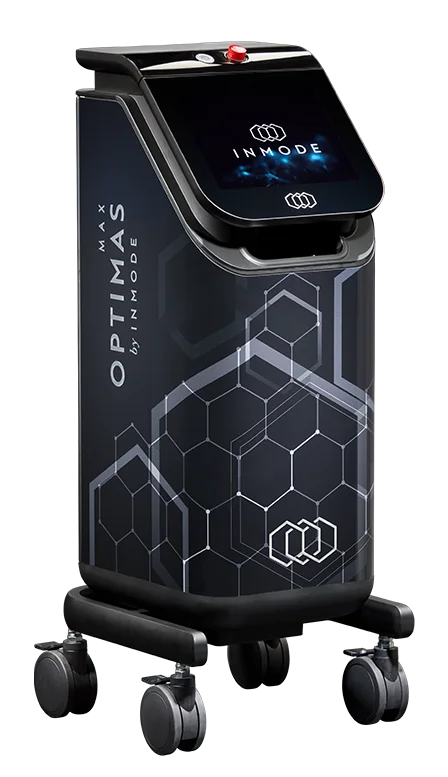
RF microneedling has a well-studied safety profile, with most side effects being short-lived redness or pinpoint marks that settle within 1 to 3 days.
RF microneedling is generally safe when performed by qualified doctors using genuine devices with correctly set depth and energy. Most side effects are mild and short-lived, such as redness, swelling or pinpoint marks settling within 1 to 3 days. Because energy is delivered below the surface, pigmentary risk is lower across skin tones, though assessment and aftercare remain essential.
One-on-One guidance from a dedicated doctor, ensuring your skin is professionally monitored and treated from start to finish.
Fluent assistance in English, Japanese, and Chinese, making communication clear, respectful and comfortable for international patients.
Over 100,000 patients worldwide have received our personalized dermatological care, highlighting our expertise and reliable results.
RF microneedling has a well-documented safety profile because it is a controlled, depth-limited treatment rather than an aggressive surface ablation. Fine insulated needles place radiofrequency energy precisely in the dermis, sparing much of the surface, which is why the most common side effects are short-lived: redness, mild swelling, pinpoint bleeding or a faint grid pattern that typically settles within 1 to 3 days. Serious complications are uncommon when a genuine device is used at appropriate settings by a trained doctor.
Safety, however, is not automatic; it depends on three things working together. First, the operator: a doctor who assesses your skin type, history and concern and sets the needle depth and energy accordingly. Second, the device: a genuine InMode platform with reliable depth control and insulated needles that concentrate heat where it is intended. Third, hygiene and protocol: single-use needle cartridges, proper skin preparation and clear aftercare. Skipping any of these is where avoidable problems arise, which is why where and with whom you have the treatment matters as much as the technology itself.
Reberry Clinic is a dermatology clinic and these treatments are performed by the clinic’s doctors, who assess each person before treatment. The clinic serves international patients across three Seoul-area locations (Gangnam, Myeongdong, Incheon Airport) with English-speaking support, and explains the realistic risks and aftercare so you can make an informed decision rather than relying on marketing claims.

RF microneedling works by inserting fine needles to a set depth and delivering bipolar radiofrequency (RF) energy from their tips, heating the dermis to trigger collagen remodeling while protecting the surface. Because the heat is targeted below the epidermis, the InMode RF platform can treat a wide range of skin tones with a comparatively low risk of post-treatment pigment change, which is a key safety advantage over some surface-heating methods. Insulated needles and adjustable depth let the doctor match energy to thin under-eye skin or thicker body skin precisely.
Reberry Clinic’s doctors choose settings based on your skin and concern, and will also explain when a different approach such as monopolar radiofrequency or a gentler option like polynucleotide skin healing may be safer or more suitable for you, so the recommendation reflects your safety rather than a single device.
One Reberry Clinic, multiple Seoul-area locations. Pricing & current promotions are listed on each branch's own site — tap a clinic to view pricing & book.
Our flagship in the heart of Gangnam.
In Seoul's shopping & tourism heart.
A beauty stop between flights.
The newest Reberry Clinic — in Seoul's trend district.
ONE REBERRY CLINIC · MFDS-REGISTERED DEVICES · MULTILINGUAL CARE AT EVERY LOCATION

A doctor reviews your skin type, medical history and any of the 5 main contraindications before agreeing to treat.
Needle depth and energy are matched to the area, using lower settings for thin skin and higher for the 2 to 3 mm deeper zones.
The skin is cleansed and topical numbing is applied for about 20 to 30 minutes to keep the session controlled and comfortable.
A fresh, single-use cartridge is used, and the doctor delivers measured passes across the mapped area.
You receive written aftercare covering the 1 to 3 day recovery, SPF and what warning signs to report.
See representative outcomes from Reberry Clinic. Results build gradually and vary by individual; your plan is assessed at consultation.
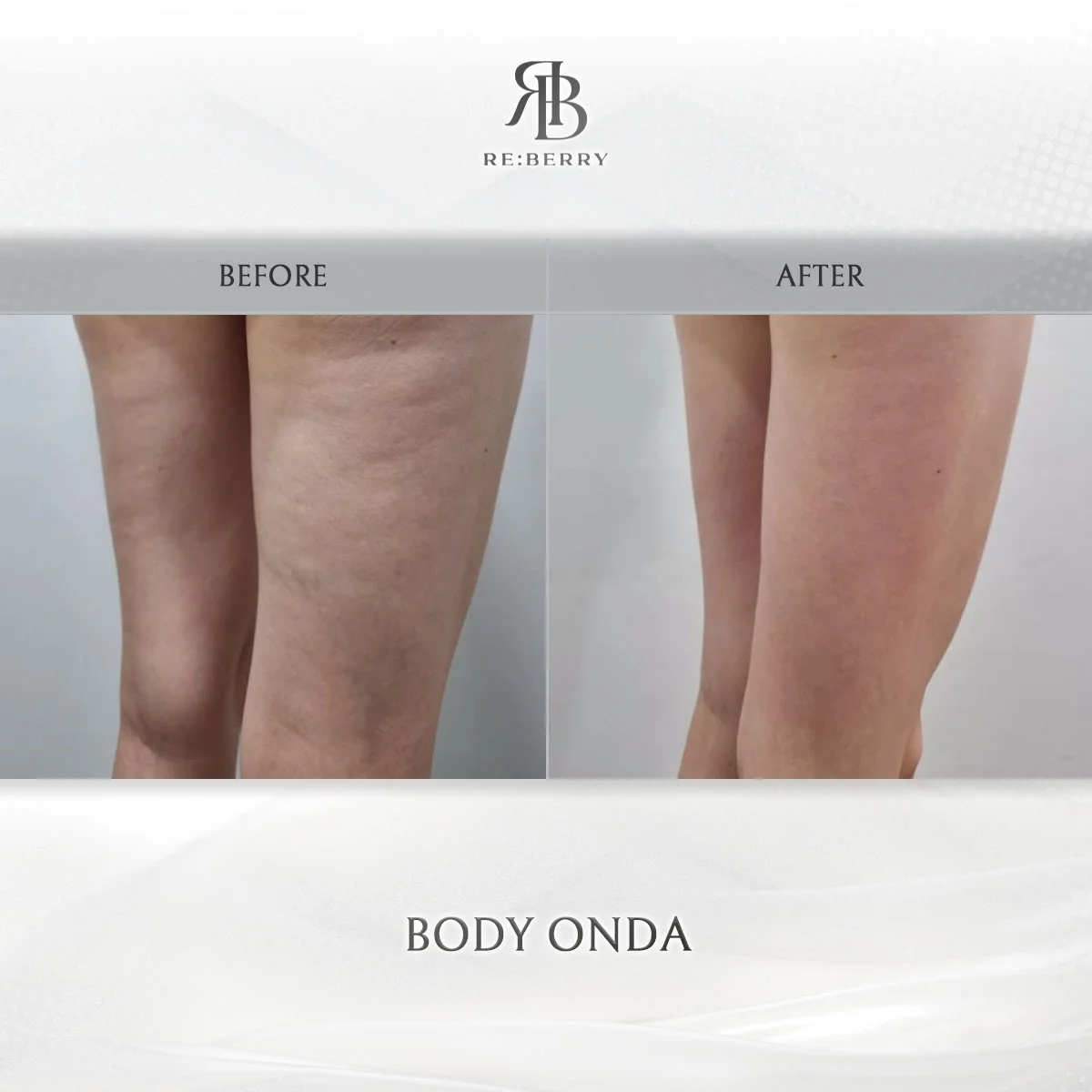
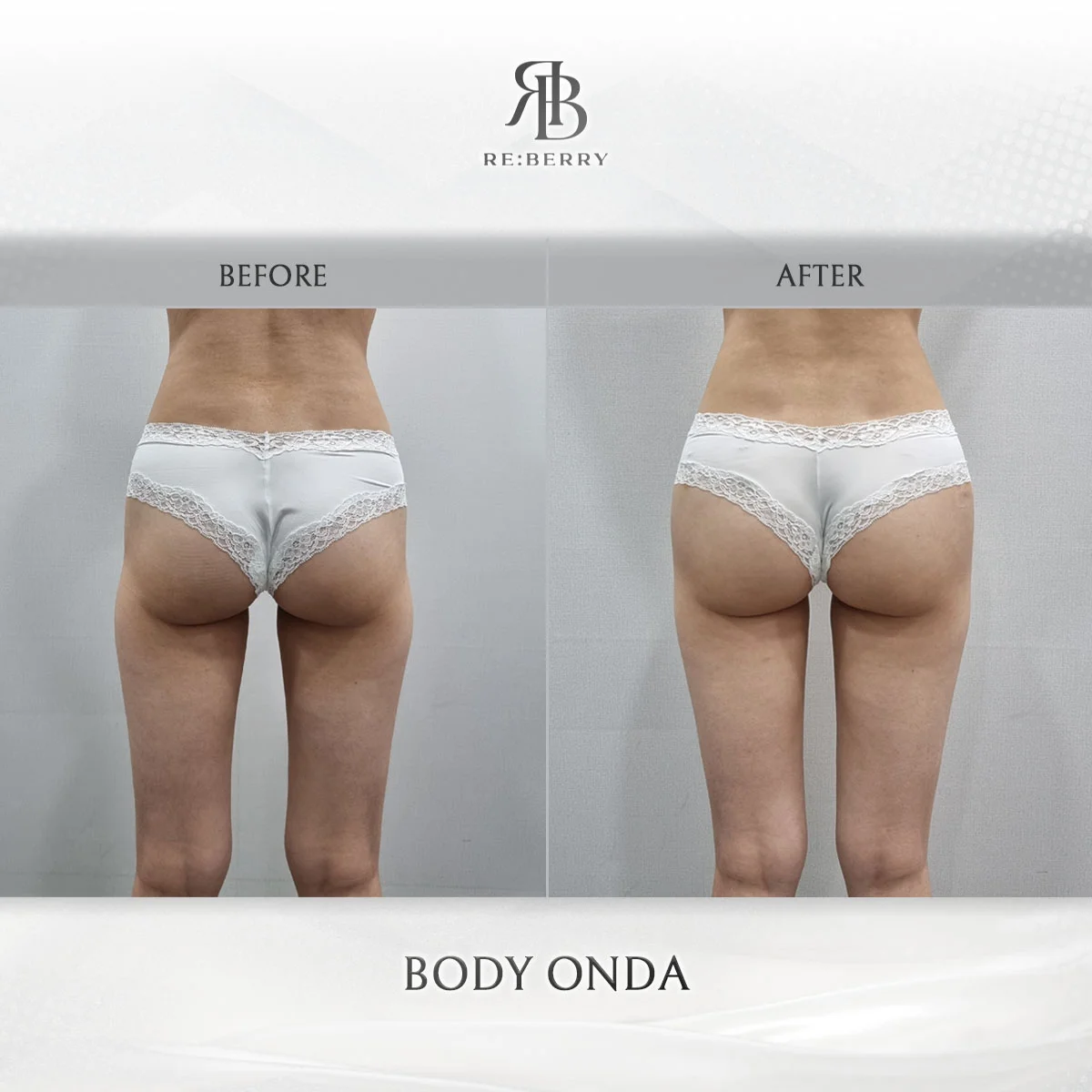
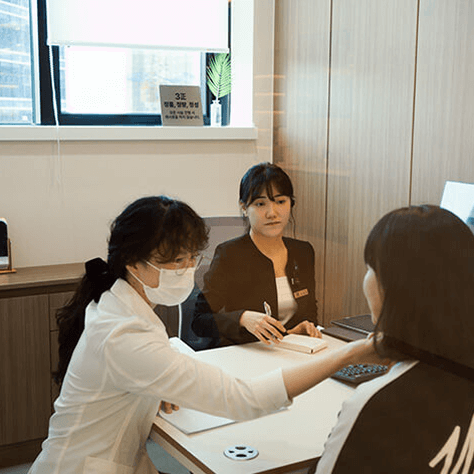
An English-language consultation screens your skin type and history, confirms suitability and maps the area and settings.
After cleansing and topical numbing (about 20 to 30 minutes), the doctor delivers measured passes with a single-use cartridge.
A session commonly takes 30 to 60 minutes; most plans run 3 to 4 sessions about 4 weeks apart.
Redness settles in 1 to 3 days, while collagen-led improvement builds over 2 to 3 months after each session.
You follow written aftercare with SPF and gentle skincare; the team supports follow-up from abroad if anything concerns you.
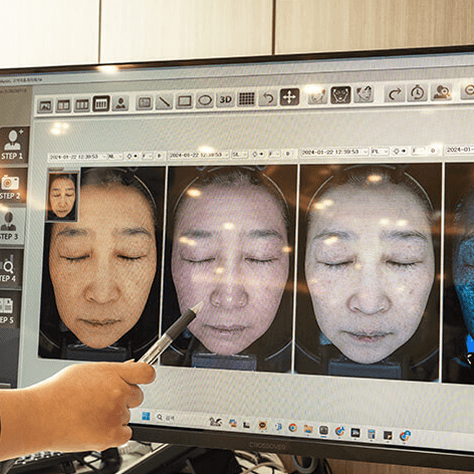

Yes, RF microneedling is generally safe when performed by qualified doctors using genuine devices at correct settings, with most side effects mild and lasting 1 to 3 days. Safety depends on screening, device and protocol. These are reviewed before you start RF microneedling with the team.
The most common side effects are short-lived: redness, mild swelling, pinpoint bleeding or a faint grid pattern, typically settling within 1 to 3 days. Serious problems are uncommon with a genuine device and trained operator. Your doctor explains what to expect and what to report during the assessment.
Yes, because radiofrequency is delivered through needles below the surface rather than as surface heat, RF microneedling carries a comparatively low pigmentary risk across skin tones when settings are correct. Doctor-set depth and energy support safety, and your suitability is confirmed before any treatment begins.
Most patients feel brief pricking and warmth, which is generally manageable because topical numbing is applied for about 20 to 30 minutes beforehand. Comfort depends on the area and depth. Your tolerance and options are discussed during the consultation so the session stays controlled and comfortable.
Recovery is usually short; redness and pinpoint marks commonly fade within 1 to 3 days, and most people return to normal activity within a day. A faint grid pattern may be briefly visible. Following the written aftercare, including SPF, helps the skin settle smoothly and safely.
Most plans use a course of 3 to 4 sessions spaced about 4 weeks apart, which lets the skin recover fully between treatments and keeps each session within safe energy limits. Deeper scarring may need more. Spacing sessions rather than rushing them is itself part of treating the skin safely.
For a few days, avoid sun exposure, intense heat such as saunas, harsh actives and vigorous exercise that causes sweating, and use SPF and gentle skincare. These steps lower irritation and pigment risk while the skin heals. Your written aftercare lists exactly what to do and for how long.
It should be deferred during pregnancy or breastfeeding, with active infection or inflamed acne in the area, and used cautiously with a keloid-scarring history or implanted electrical devices like a pacemaker. Recent isotretinoin also needs review. Honest disclosure during screening keeps the treatment safe for you.
At a reputable clinic, treatment uses a genuine, maintained platform and a fresh single-use needle cartridge for each patient, which are central to safety. Asking about the device and single-use needles is a fair question. Reberry Clinic explains its equipment and protocol during your consultation.
Look for doctor-led assessment, a genuine device, single-use needles, clear aftercare and honest risk discussion rather than claims that sound too perfect. Settings should be tailored to your skin, not a fixed template. Comparing what each clinic actually provides, including alternatives, helps you choose well.
All three are well established; RF microneedling keeps pigmentary risk low by working below the surface, Thermage avoids breaking the skin, and lasers need careful settings for darker tones. Each suits different goals. Compare Thermage FLX and laser treatment with the team.
These are uncommon when the device, depth and aftercare are correct, because energy is concentrated below the surface and the barrier is largely preserved. Risk rises with overly aggressive settings or poor sun protection. A keloid history needs careful discussion, which is part of why screening before treatment matters so much.
Often yes, but timing matters; RF microneedling is sometimes paired with skin boosters such as polynucleotide healing to support recovery, while recent fillers, threads or other resurfacing need review first. Your doctor sequences treatments safely so they complement rather than overload the skin.
Yes, Reberry Clinic serves international patients with English-speaking support across three Seoul-area locations, including one near Incheon Airport, and screens each person before treating. You can be assessed and treated on your trip and supported afterward. Message us on WhatsApp to ask questions and plan a safe visit.
Yes, most patients fly the next day, since downtime is short and redness or pinpoint marks settle within 1 to 3 days, while collagen change develops gradually afterward. You receive a written aftercare plan so you can care for your skin safely and follow up on your results from abroad.
| RF Microneedling (InMode) | Thermage FLX | Resurfacing Laser | |
|---|---|---|---|
| Energy / mechanism | Bipolar RF through fine needles to the dermis | Monopolar radiofrequency from the surface | Light energy heating or ablating the surface |
| Pigmentary risk | Lower; energy bypasses much of the surface | Low; non-needle surface heating | Higher in darker tones if not carefully set |
| Best for | Acne scars, pores, fine lines and laxity | Overall tightening and smoothing | Surface texture, tone and resurfacing |
| Common side effects | Redness, swelling, pinpoint marks for 1 to 3 days | Brief redness and warmth | Redness or peeling for several days |
| Downtime | Usually 1 to 3 days | Little | Often longer |
| Sessions | Often a course of 3 to 4 | Often a single session | Often a course |
| Key safety factor | Genuine device, set depth, single-use needles | Genuine tip, cooling, trained operator | Correct settings for skin tone, trained operator |
Real verified reviews from our Google Business Profile, across all Reberry Clinic locations.
PULLED LIVE FROM GOOGLE · GANGNAM · MYEONGDONG · INCHEON AIRPORT
Your treatment is planned and performed by experienced, MFDS-registered doctors across our Seoul-area clinics, with multilingual support for international patients.
Flagship clinic · KOL for leading lifting & regenerative devices
Multilingual tourist care beside Myeongdong Cathedral

Fast, effective care 20 minutes from the terminals
Message us on WhatsApp for a free consultation in English and an honest discussion of RF microneedling safety, suitability and aftercare.