



Gangnam
Dr. Yoon-Gon Ryu
Aesthetic Medicine Specialist
Flagship clinic · KOL for leading lifting & regenerative devices · Featured in Authority Magazine (2026)


Hydration facials and skin boosters are low-risk procedures; most people see only mild redness that settles within a few hours to 1 to 2 days.
Yes, skin hydration treatment in Korea is generally safe and low-risk at a licensed clinic. Gentle hydration facials cause little more than brief redness, while injectable boosters carry rare, transient side effects such as small bumps or bruising that fade within a few days. Safety depends far more on clinic hygiene and clinician skill than on the treatment itself.
One-on-One guidance from a dedicated doctor, ensuring your skin is professionally monitored and treated from start to finish.
Fluent assistance in English, Japanese, and Chinese, making communication clear, respectful and comfortable for international patients.
Over 100,000 patients worldwide have received our personalized dermatological care, highlighting our expertise and reliable results.
Skin hydration treatment covers a range of procedures that add moisture and improve the skin barrier, from surface-level hydrating facials and aqua-peel to injectable skin boosters that place hyaluronic acid or polynucleotides just under the skin. Surface hydration facials are among the mildest aesthetic procedures available, working only on the outer skin with no needles and no real recovery, so their safety profile is very high.
Injectable hydration boosters are still considered low-risk, but they do break the skin, so the small risks that exist are procedural rather than about the ingredient. Reported side effects are typically limited to short-lived redness, tiny injection marks, occasional bruising, and rarely a small transient bump. Serious problems are uncommon and are almost always linked to poor technique or non-sterile conditions, not to hydration itself.
At Reberry Clinic, hydration treatment is consultation-led: the clinic’s doctors assess your skin type and barrier condition first, then choose the gentlest effective option. International patients are supported in English in Korea across our operating Seoul and Incheon Airport locations, so you can plan any brief recovery around your schedule.
Surface hydration facials such as aqua-peel use vortex water flow to cleanse and infuse serums without heat or light, so they disturb only the outermost skin and carry almost no downtime. Because nothing penetrates the living dermis, the risk of infection or lasting marks is minimal, and most people leave with skin that simply looks plumper and brighter. Injectable hydration boosters go slightly deeper, delivering hyaluronic acid or polynucleotide fragments a few millimetres under the surface to draw and hold water. Here the small risks come from the needle, not the substance: temporary redness usually settles within a few hours, pinpoint marks fade over 1 to 2 days, and any bruising typically resolves within 3 to 7 days. Sterile single-use needles, a controlled clinical setting, and an experienced hand keep the rare risks of nodules or infection low, which is exactly why choosing a licensed clinic matters more than the product name.
One Reberry Clinic, multiple Seoul-area locations. Pricing & current promotions are listed on each branch's own site — tap a clinic to view pricing & book.
Our flagship in the heart of Gangnam.
In Seoul's shopping & tourism heart.
A beauty stop between flights.
The newest Reberry Clinic — in Seoul's trend district.
ONE REBERRY CLINIC · MFDS-REGISTERED DEVICES · MULTILINGUAL CARE AT EVERY LOCATION
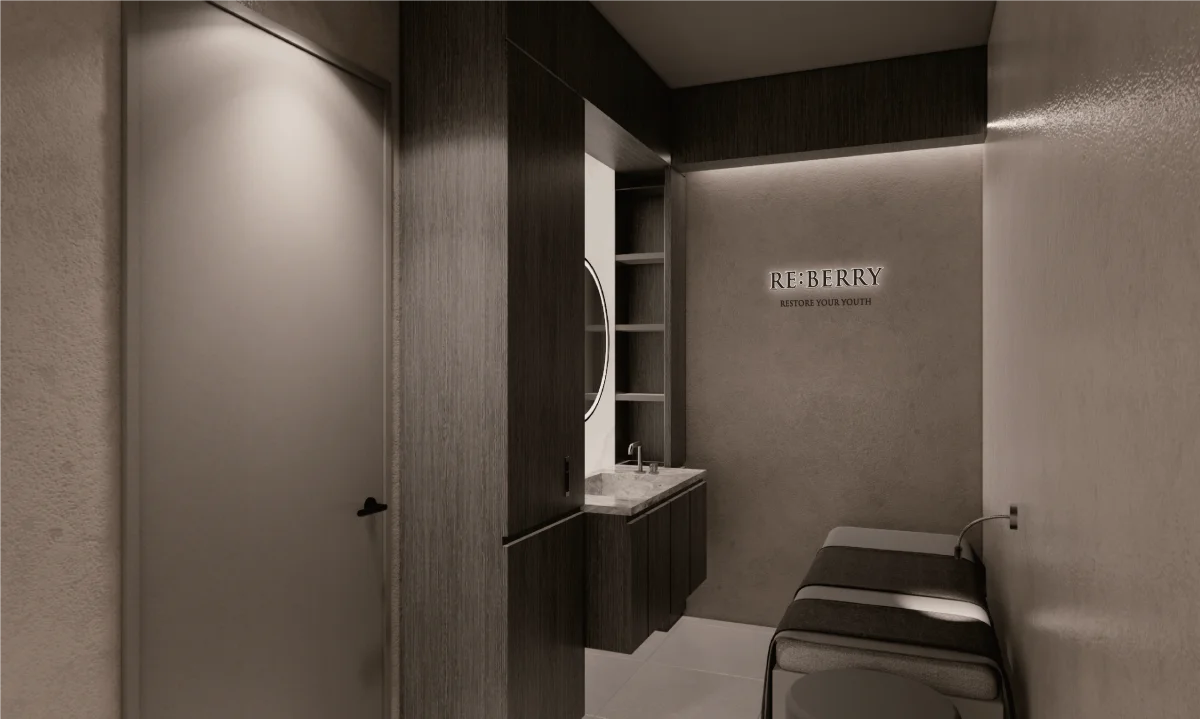

The clinic’s doctors evaluate your barrier and hydration in 1 short consultation to rule out active infection or irritation before any procedure.
Where possible a no-needle hydrating facial is chosen; injectable boosters are used only when deeper hydration is indicated, keeping risk to the lowest effective level.
Single-use needles and antiseptic prep are standard; this is the main factor that keeps infection and nodule rates below 1 in most published series.
Mild redness and, for injectables, tiny marks appear in the first 1 to 2 hours and are considered normal, not a complication.
Redness and pinpoint marks usually fade within 1 to 2 days; any bruising resolves over 3 to 7 days with sun protection.
You receive clear aftercare and a contact route so any concern in the first 3 to 5 days can be reviewed quickly.
Reberry Clinic · Prices verified: Oct 2026
| Clinic | Price (KRW) |
|---|---|
| Incheon Airport2.5cc | from₩110,000 |
VAT excluded · Final price depends on treatment scope and skin condition · Confirmed after consultation
See representative outcomes from Reberry Clinic. Results build gradually and vary by individual; your plan is assessed at consultation.
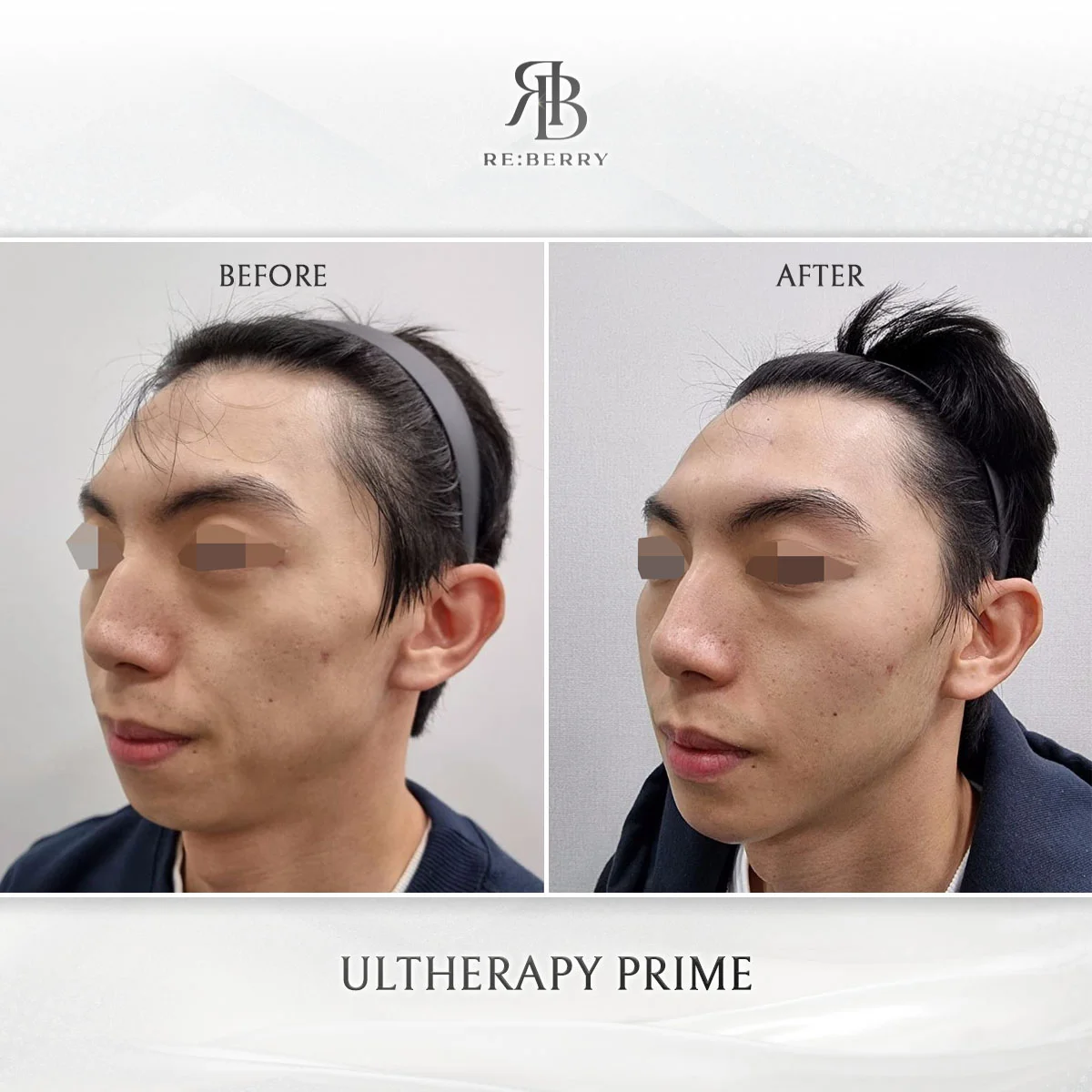
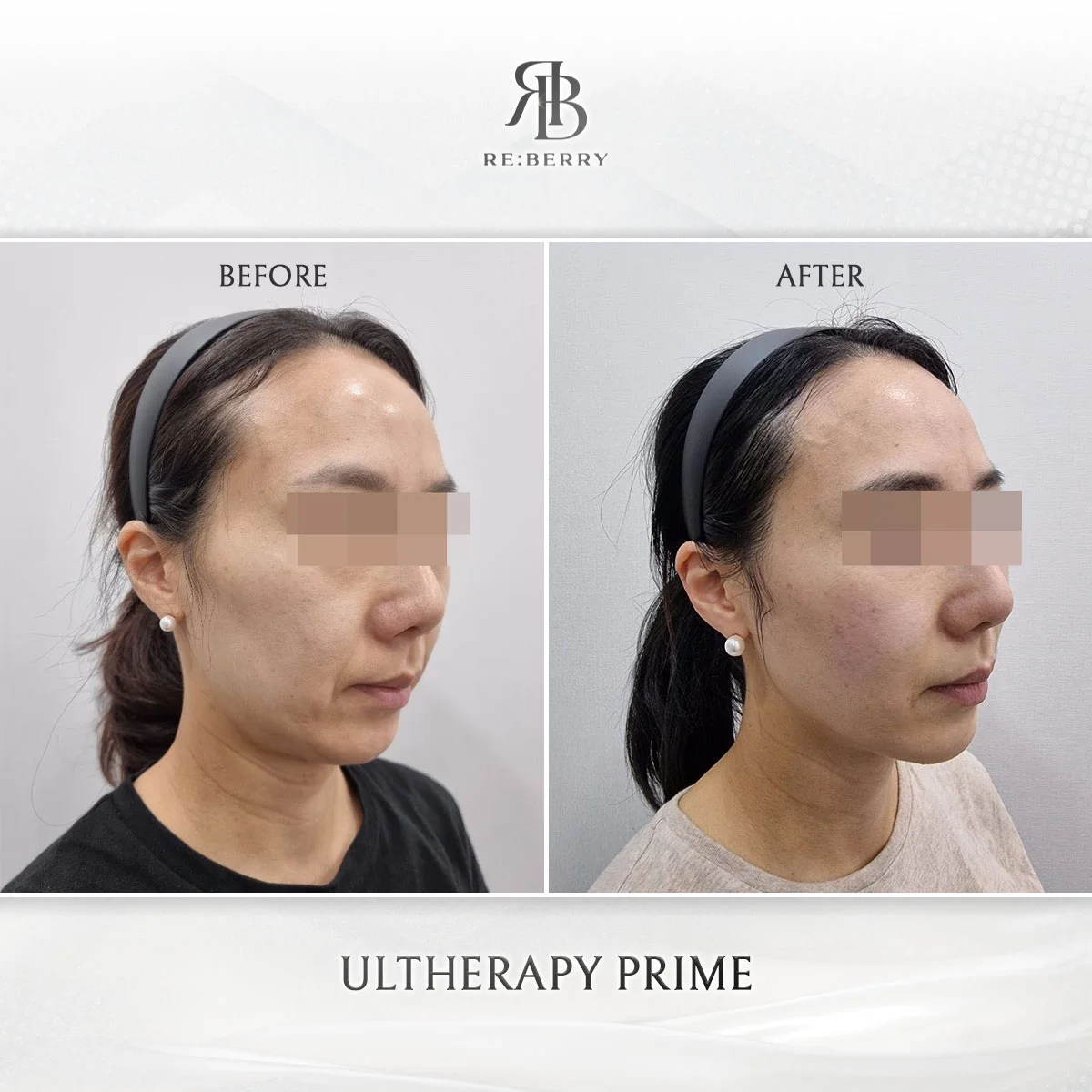
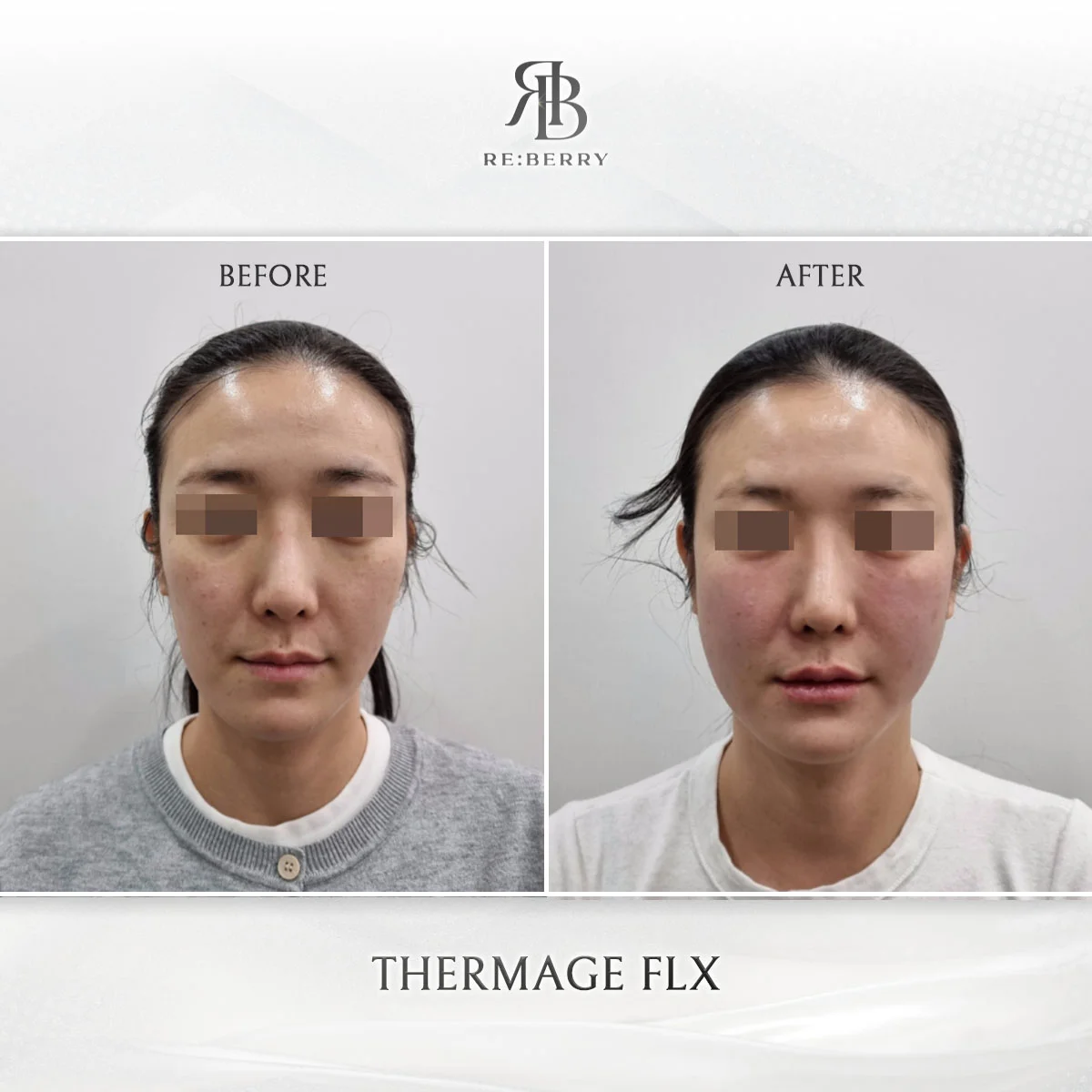
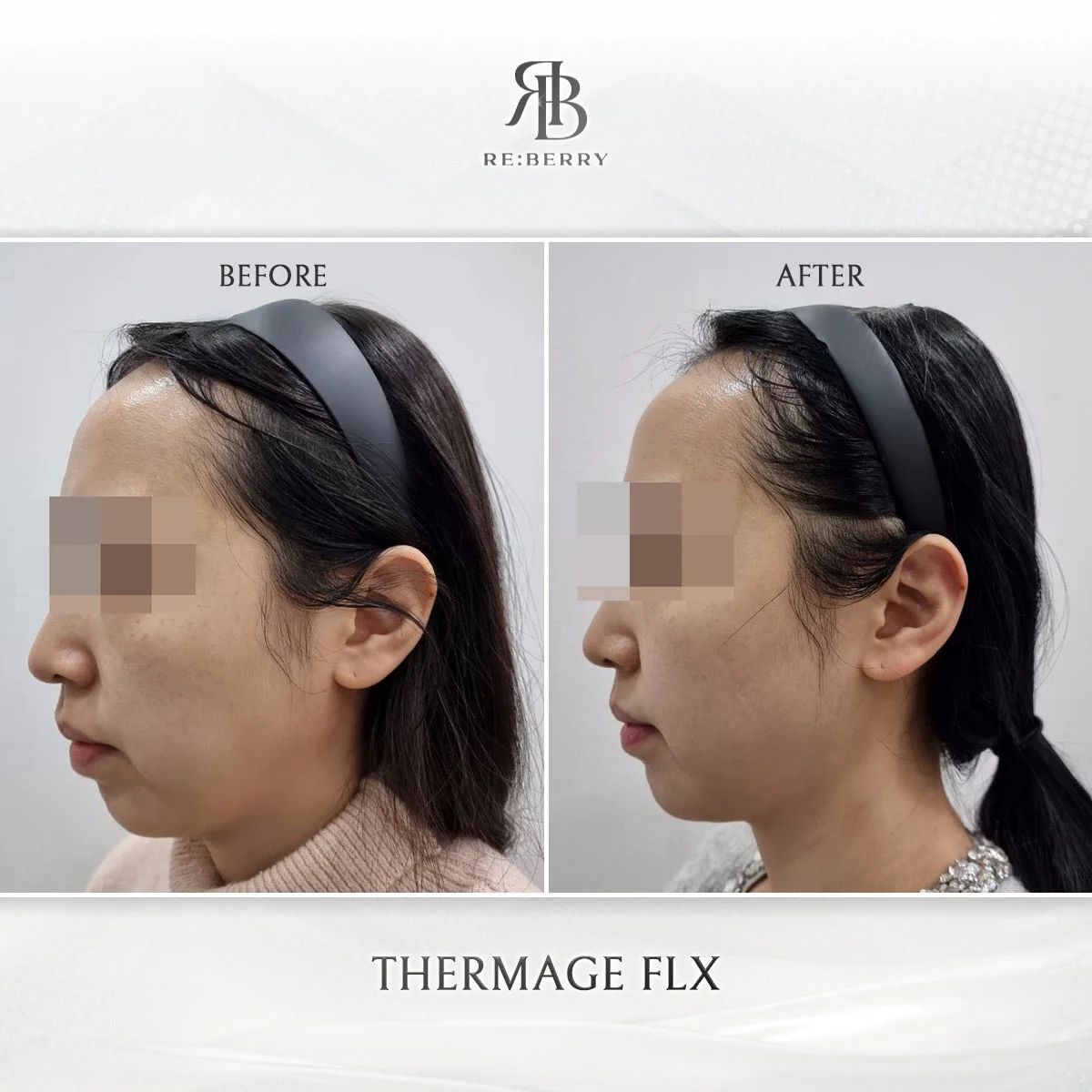
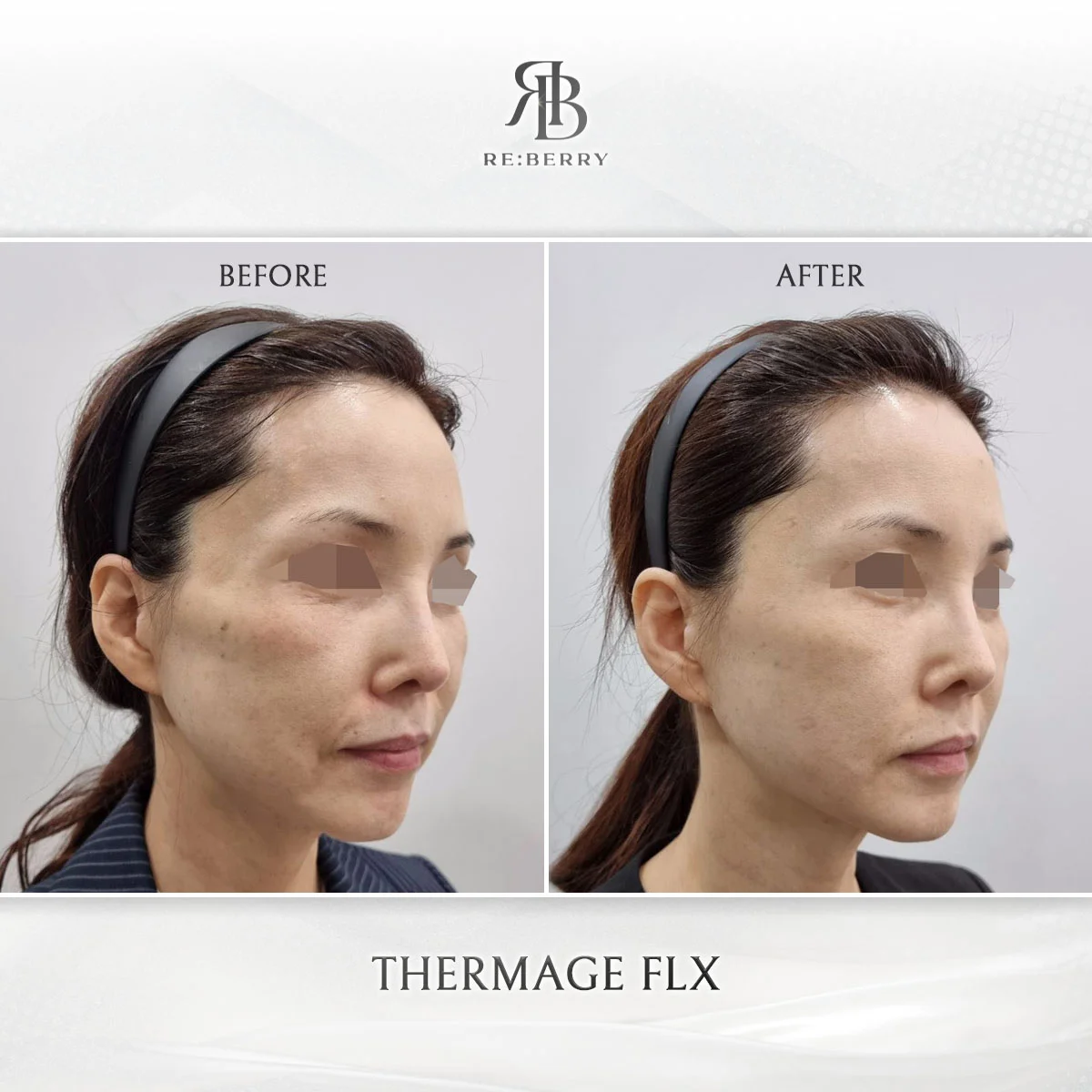
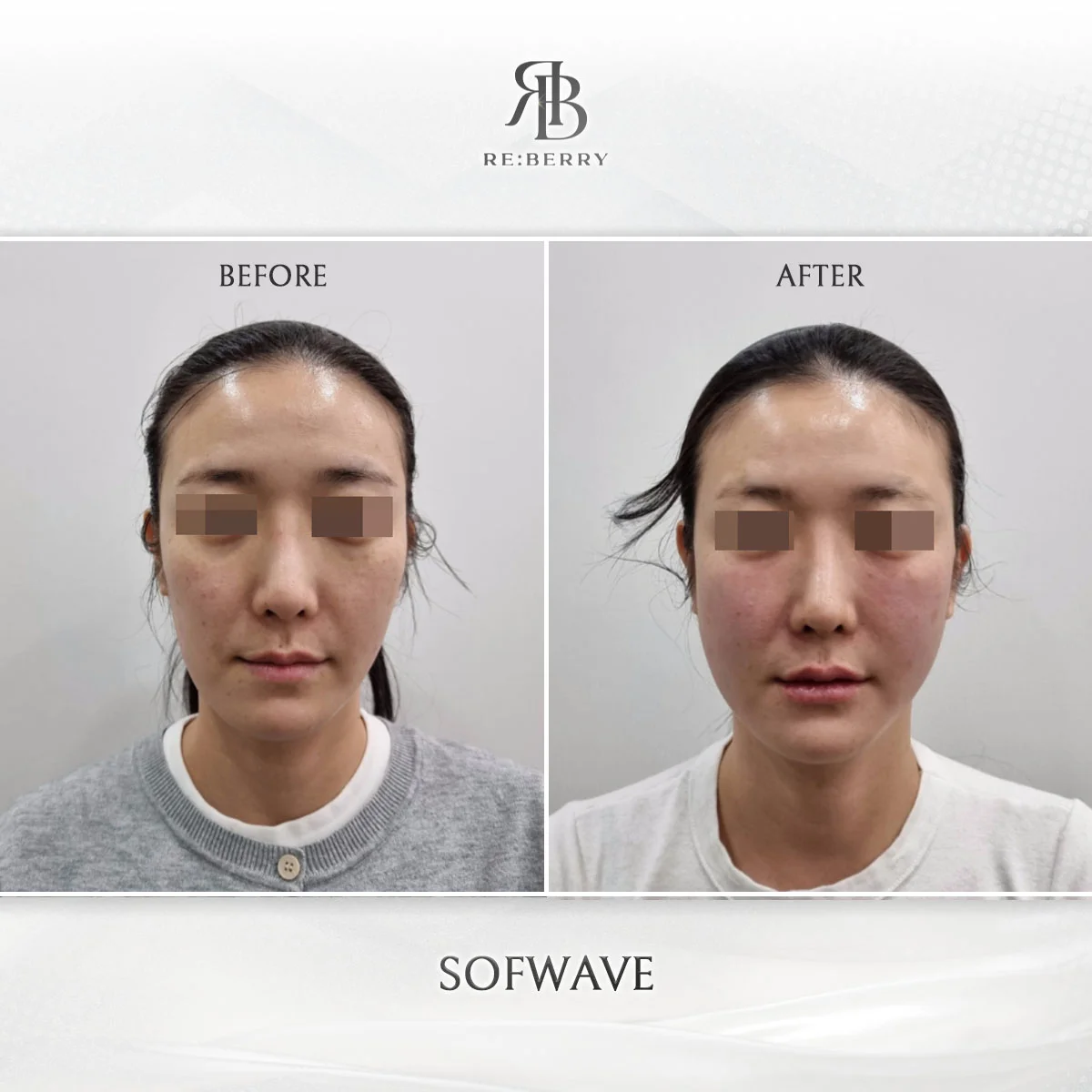
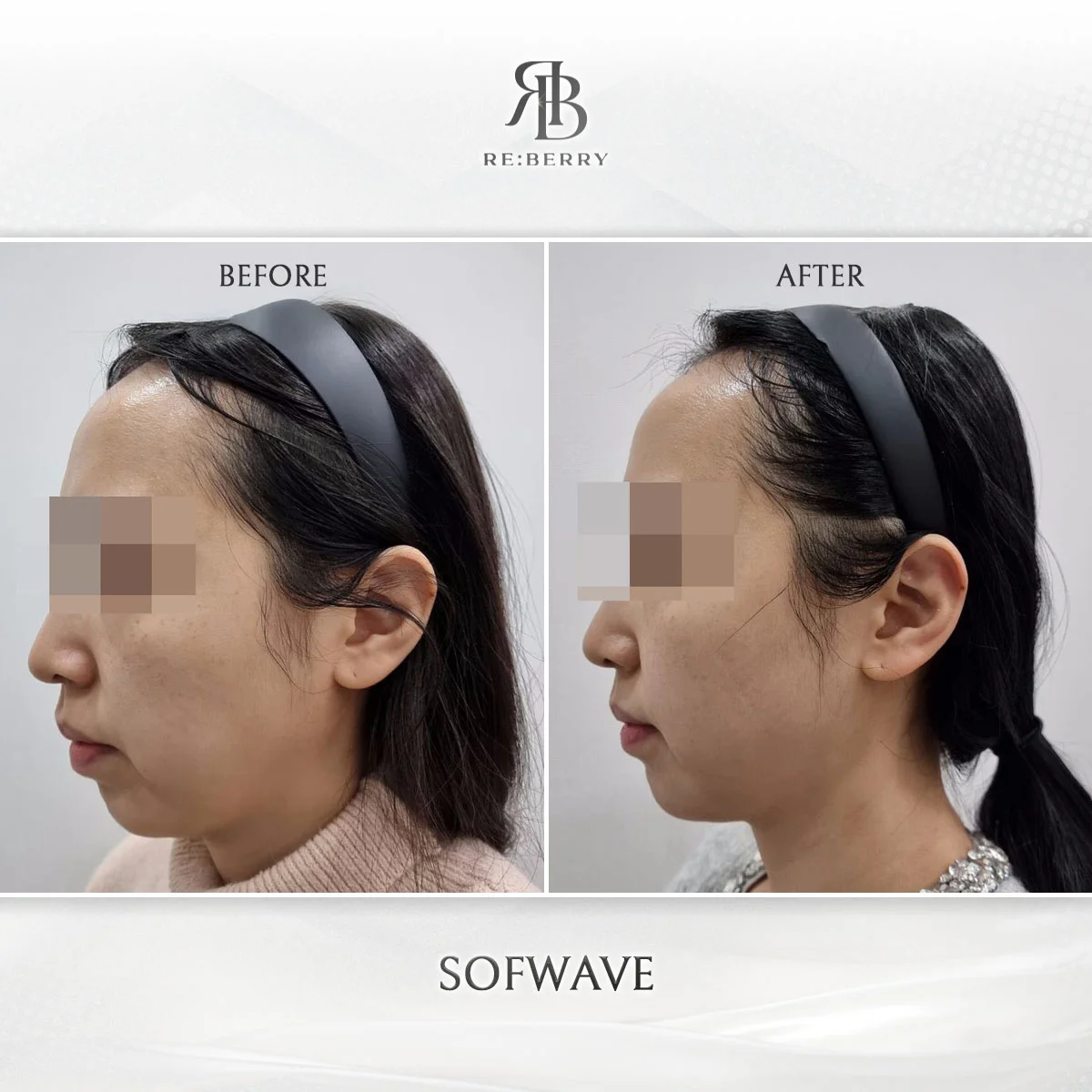
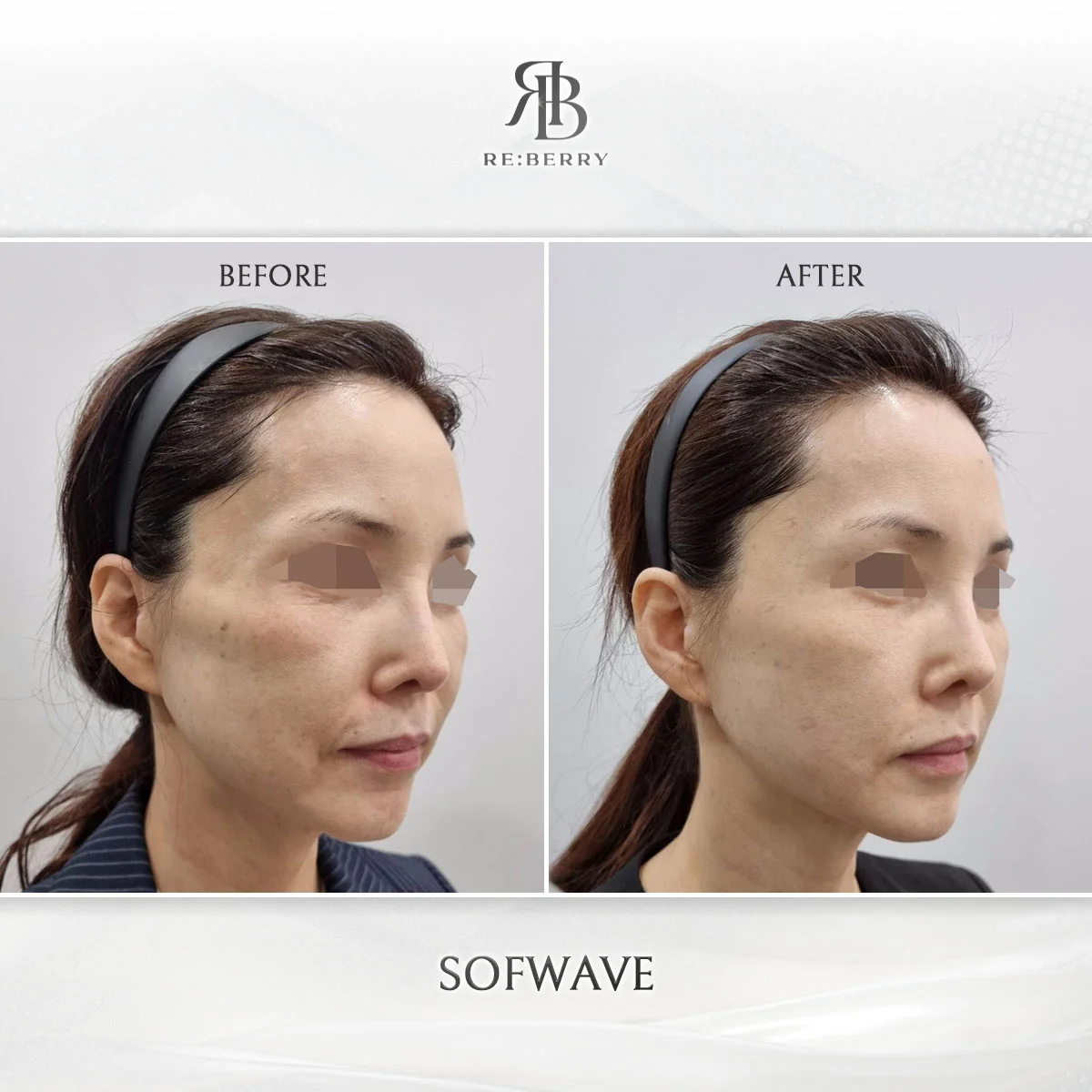
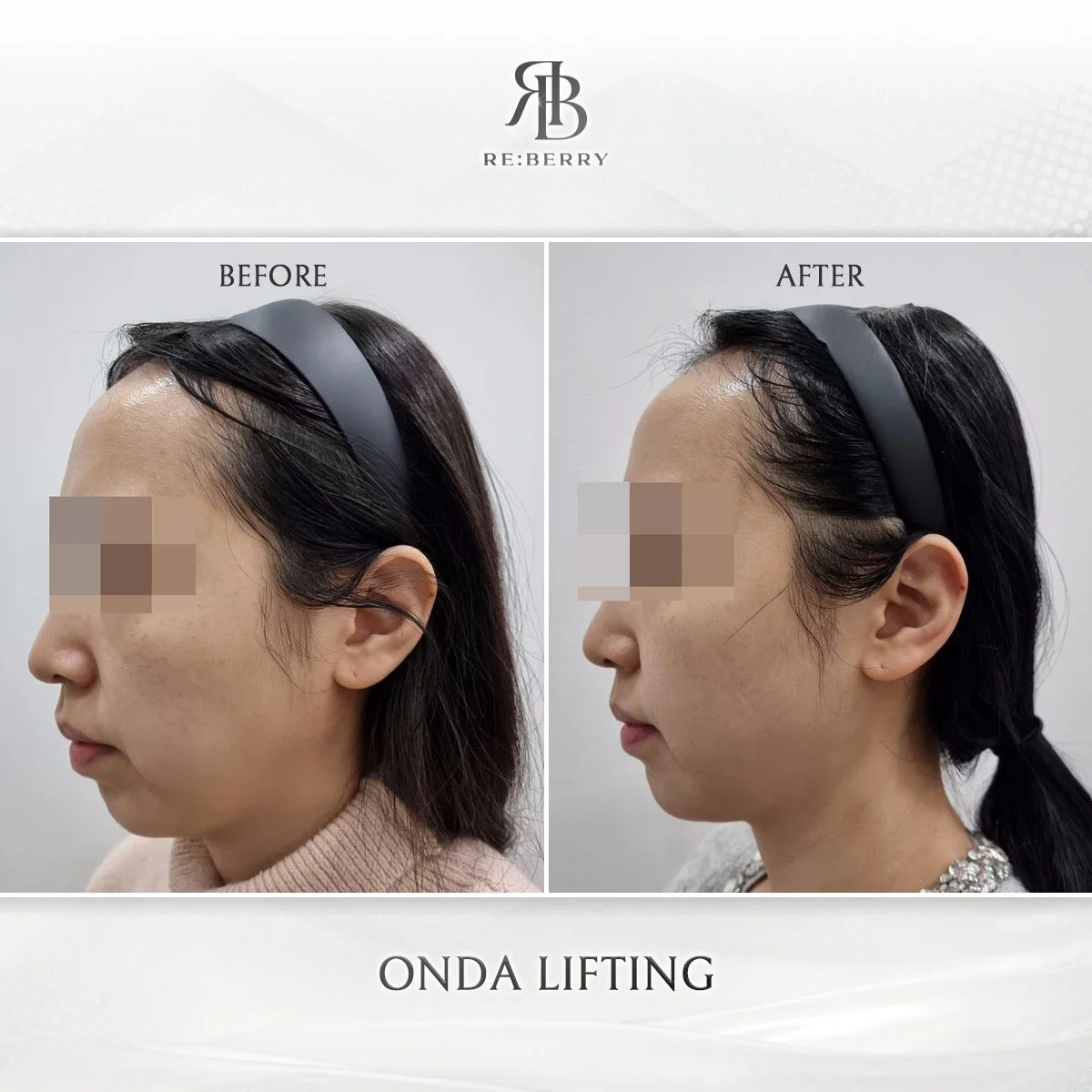
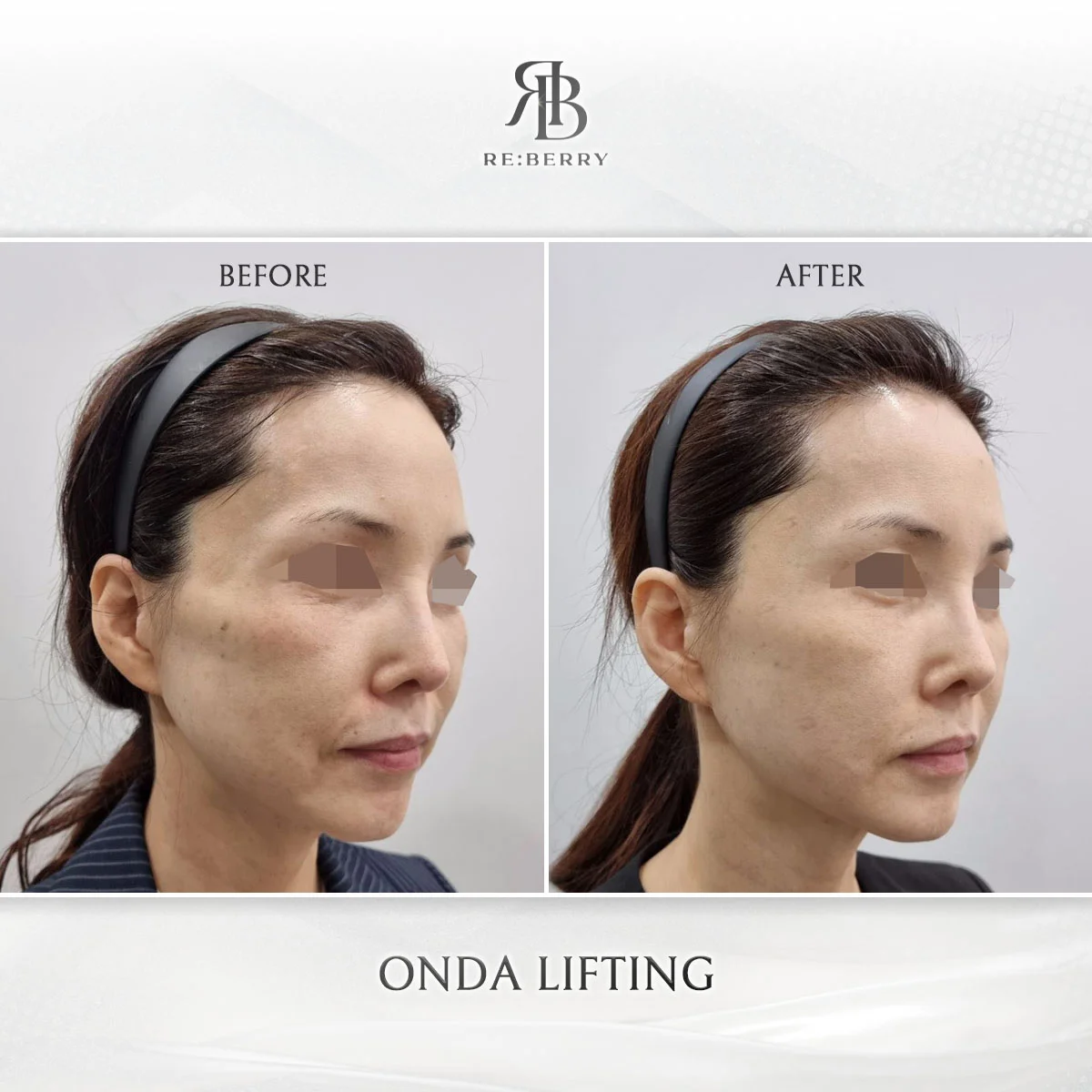
The clinic’s doctors assess your skin barrier and rule out active irritation before recommending the gentlest suitable option.
A surface facial takes about 30 to 45 minutes; an injectable booster adds numbing time, so plan roughly 45 to 60 minutes total.
Facials leave immediately; after a booster, expect redness for a few hours to 1 to 2 days.
Facials plump skin at once, while injectable hydration builds over 1 to 2 weeks.
Use sun protection and gentle moisturiser; hydration is maintained, not a one-time fix, so periodic sessions help.



Yes, it is generally safe and low-risk at a licensed clinic. Surface hydration facials have almost no risk, while injectable boosters carry only rare, transient effects such as brief redness or small bumps. Safety depends mostly on clinic hygiene and clinician skill, so choose an accredited skin care provider.
No, a surface hydration facial such as aqua-peel has essentially no downtime. Because it works only on the outer skin with no needles, most people leave with plumper, brighter skin and can resume all activity the same day, making a hydrafacial a popular pre-event or pre-travel option.
Injectable boosters usually cause only mild, short-lived effects: redness, tiny injection marks, and occasional bruising that fade within 1 to 7 days. Rarely a small transient bump appears. Serious reactions are uncommon and almost always relate to technique, which is why a skilled clinic matters.
Yes, hydration boosters are considered suitable across skin tones because they add moisture rather than heat the skin. Post-inflammatory pigmentation risk is low compared with laser procedures. At consultation the clinic’s doctors still match the gentlest option to your skin type for the safest result.
Discomfort is mild. Numbing cream is applied about 20 to 30 minutes beforehand, so most patients describe only light pricking during injectable boosters. Surface facials are comfortable and need no numbing at all. Any tenderness afterward is brief and settles within hours.
Surface facials plump and brighten skin immediately, while injectable hydration builds gradually over 1 to 2 weeks as the skin holds more water. Results are cumulative, so a short initial series is sometimes suggested. You can discuss realistic timelines during your injection treatment consultation.
Longevity varies by treatment: facial hydration is short-term and often repeated, while injectable boosters typically last several weeks to a few months. Hydration is maintained rather than permanent, so periodic sessions keep the effect. Your skin type and lifestyle influence how long results hold.
Yes, hydration boosters pair well with many treatments and are often used to support recovery after lasers. The clinic’s doctors sequence procedures safely so the skin is not overloaded. A booster is sometimes added alongside a laser treatment plan for barrier support.
Surface hydrating facials are often considered gentle, but injectable boosters are usually deferred during pregnancy and breastfeeding as a precaution. Always tell the clinic if you are pregnant. The clinic’s doctors will recommend only options they judge appropriate for your situation at consultation.
Look for a licensed clinic with sterile single-use needles, doctors performing or supervising injectables, and clear aftercare. Avoid places promising flawless outcomes. A reputable skin care clinic will assess your skin first rather than sell a fixed package.
Aftercare is simple: keep skin clean, apply gentle moisturiser, use daily sun protection, and avoid heavy exfoliation for a few days. After injectables, avoid saunas and intense exercise for about 24 hours. These steps lower irritation risk and help hydration settle evenly.
Small transient bumps at injection points are occasionally seen and usually smooth out within days as the product settles. Persistent nodules are rare and typically technique-related, which is why an experienced injector matters. Any lasting bump should be reviewed at the clinic promptly.
Yes, polynucleotide boosters are often chosen for sensitive, reactive skin because they focus on barrier repair and calming. Reported side effects are mild and transient. If your skin flares easily, ask about a rejuran healer style option during consultation.
Most hydration treatments need only 1 short visit, so even a single day works. If you want an initial series of injectable boosters, spacing sessions over a longer trip helps. International patients can plan appointments in English around a short Seoul stay.
Yes, you can typically fly the same day or next day after hydration treatment. Cabin air is drying, so apply moisturiser and drink water in flight. There is no medical reason to delay travel after a routine hydration facial or booster in most cases.
Yes, international patients can message the clinic in English for aftercare questions once home. Because hydration side effects are usually mild and short-lived, remote follow-up is straightforward. You can reach the team through WhatsApp to review any concern within the first days.
A quick view of how three common hydration options differ in depth, downtime, and risk profile.
| Hydration facial (aqua-peel) | HA skin booster | Polynucleotide booster | |
|---|---|---|---|
| Depth / mechanism | Surface hydradermabrasion, no needle | Hyaluronic acid placed just under the skin | Polynucleotide fragments placed just under the skin |
| Best for | Quick glow, no downtime | Deeper, longer-lasting hydration | Barrier repair on sensitive, reactive skin |
| Pain / comfort | Comfortable, no numbing needed | Mild; numbing cream usual | Mild; numbing cream usual |
| Downtime | None to a few hours | Redness and marks 1 to 2 days | Redness and marks 1 to 2 days |
| Typical side effects | Very rare, mild dryness | Transient bumps, bruising | Transient swelling, redness |
| Results timeline | Immediate plumping | Builds over 1 to 2 weeks | Builds over a few weeks |
| Sessions | Repeatable as desired | Often a short initial series | Often a short initial series |
Real verified reviews from our Google Business Profile, across all Reberry Clinic locations.
PULLED LIVE FROM GOOGLE · GANGNAM · MYEONGDONG · INCHEON AIRPORT
Your treatment is planned and performed by experienced, MFDS-registered doctors across our Seoul-area clinics, with multilingual support for international patients.
Flagship clinic · KOL for leading lifting & regenerative devices · Featured in Authority Magazine (2026)

Multilingual tourist care beside Myeongdong Cathedral

Fast, effective care 20 minutes from the terminals
Message us on WhatsApp for a free consultation in English about safe hydration options in Korea.