



Gangnam
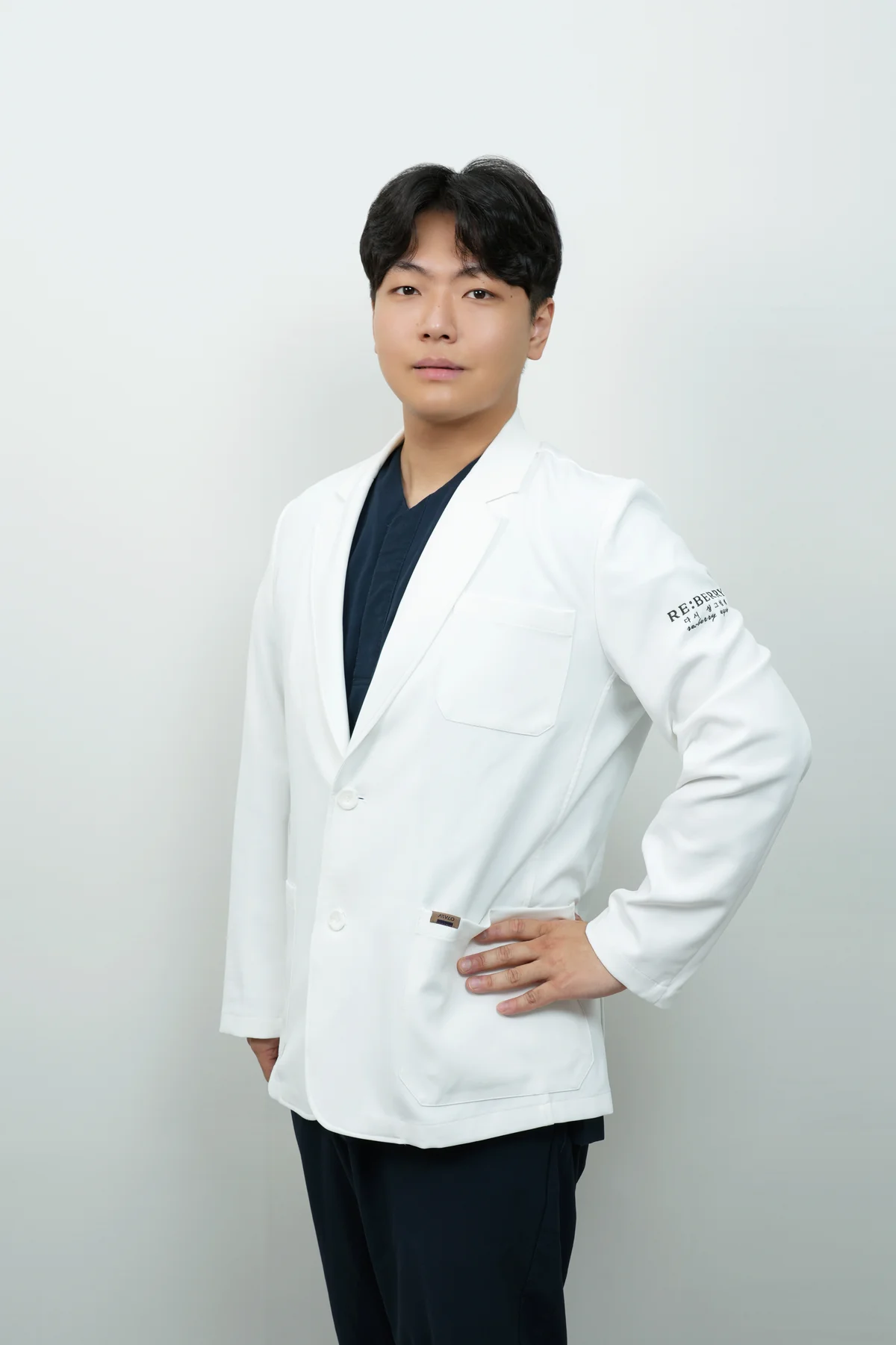
Dr. Yoon-Gon Ryu
Aesthetic Medicine Specialist
Flagship clinic · KOL for leading lifting & regenerative devices · Featured in Authority Magazine (2026)

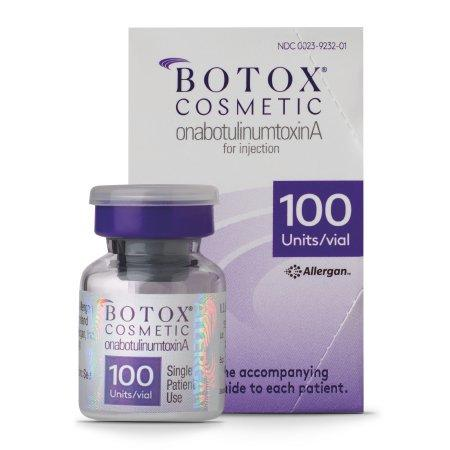
Plantar botox injects botulinum toxin type A into the skin of the sole to control foot sweating; relief lasts about 4 to 6 months, and because thick sole skin needs comfort planning, the main considerations are pain control and even placement.
Sole hyperhidrosis treatment with botulinum toxin type A is generally safe in Korea when a qualified doctor screens you, doses correctly and injects intradermally with precision. Foot-sweat relief lasts about 4 to 6 months and is fully reversible. Because sole skin is thick and sensitive, the main considerations are comfort planning and even placement, not serious risk.
One-on-One guidance from a dedicated doctor, ensuring your skin is professionally monitored and treated from start to finish.
Fluent assistance in English, Japanese, and Chinese, making communication clear, respectful and comfortable for international patients.
Over 100,000 patients worldwide have received our personalized dermatological care, highlighting our expertise and reliable results.
Plantar hyperhidrosis treatment injects small amounts of botulinum toxin type A into the skin of the sole to block the nerve signal that drives the sweat glands there. Because the toxin acts only where it is placed and wears off over about 4 to 6 months, the effect is temporary and reversible, not permanent. Clinical reports show it reliably reduces foot sweating for months at a time, which is why it is a recognized option for severe cases that antiperspirants cannot control.
The sole has two practical features that shape the treatment. First, its skin is thick and richly supplied with nerves, so injections can be uncomfortable and comfort planning matters; second, the small muscles of the foot arch sit beneath the injection field, so accurate intradermal placement keeps the toxin in the skin and away from muscle. Serious problems are uncommon; reported side effects are usually limited to brief soreness, small bruises or, rarely, a short-lived sense of tired feet, all of which resolve as the effect wears off.
Reberry Clinic is a dermatology clinic that performs injectables through the clinic’s doctors, using genuine product and a careful assessment of your medical history and how much you are on your feet. The clinic serves international patients across three Seoul-area locations (Gangnam, Myeongdong, Incheon Airport) with English-speaking support, so you can discuss comfort options, suitability and aftercare clearly before any botox treatment for sweaty feet.
Sweating is triggered when a nerve releases acetylcholine onto a sweat gland. Botulinum toxin type A temporarily blocks that messenger, so the treated sweat glands in the sole quieten within 2 to 7 days and the foot stays drier. Nothing is removed and the glands are not destroyed; the nerve endings regenerate over roughly 4 to 6 months and sweating gradually returns, which makes the treatment repeatable and reversible by design.
The sole needs many shallow injections placed evenly, often 30 to 50 points per foot, because sweat glands are dense across the weight-bearing surface. Keeping each injection in the dermis rather than deep toward the foot muscles is the key safety factor. Korea has a high volume of injector experience, but volume alone is not safety; a genuine toxin at a standard dilution plus an accurate map are what count. Because the sole is sensitive, the clinic plans comfort carefully and explains how the plan fits with your travel and general injection treatment needs.
One Reberry Clinic, multiple Seoul-area locations. Pricing & current promotions are listed on each branch's own site — tap a clinic to view pricing & book.
Our flagship in the heart of Gangnam.
In Seoul's shopping & tourism heart.
A beauty stop between flights.
The newest Reberry Clinic — in Seoul's trend district.
ONE REBERRY CLINIC · MFDS-REGISTERED DEVICES · MULTILINGUAL CARE AT EVERY LOCATION
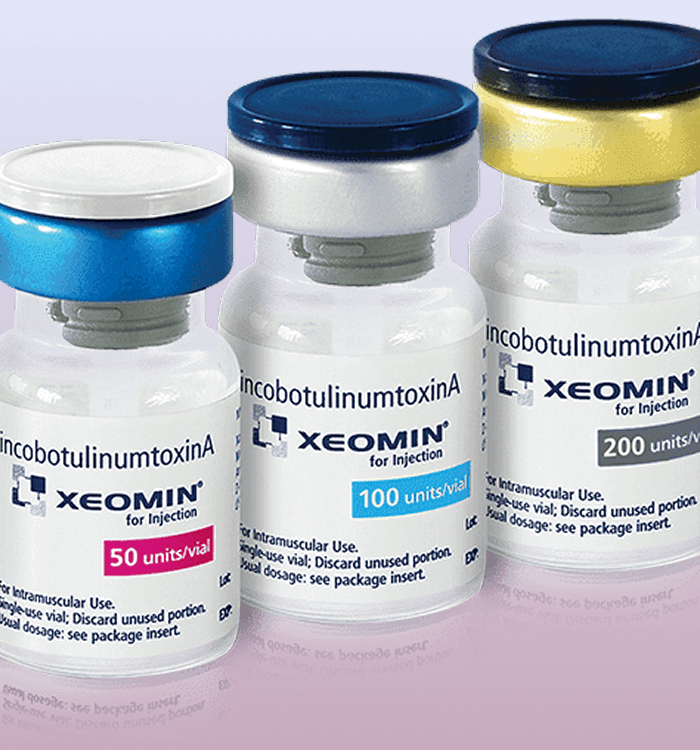
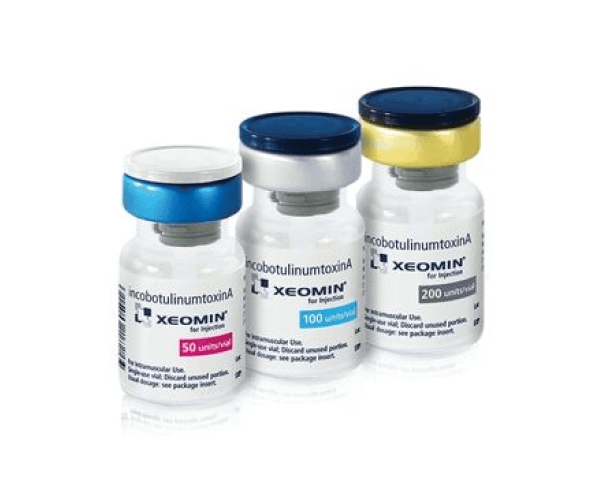
The doctor reviews your history and how active you are on your feet, and rules out contraindications during 1 detailed consultation.
A genuine botulinum toxin type A is reconstituted at a standard dilution so each of the many small doses behaves predictably.
Injection points are mapped across the sole, commonly 30 to 50 shallow intradermal points per foot, to cover sweat glands while sparing foot muscles.
Because sole skin is thick and sensitive, topical numbing, cooling, vibration or a nerve block is offered so the roughly 20 to 30 minute session stays tolerable.
You receive written aftercare and a follow-up around 2 weeks to confirm dryness and comfort, adding small touch-ups if needed.

Reberry Clinic · Prices verified: Oct 2026
| Clinic | Price (KRW) |
|---|---|
| Gangnam & Incheon AirportHyperhidrosis Botox 50U (Hands/Feet/Armpits/Scalp) (Domestic) | from₩69,000 |
VAT excluded · Final price depends on treatment scope and skin condition · Confirmed after consultation
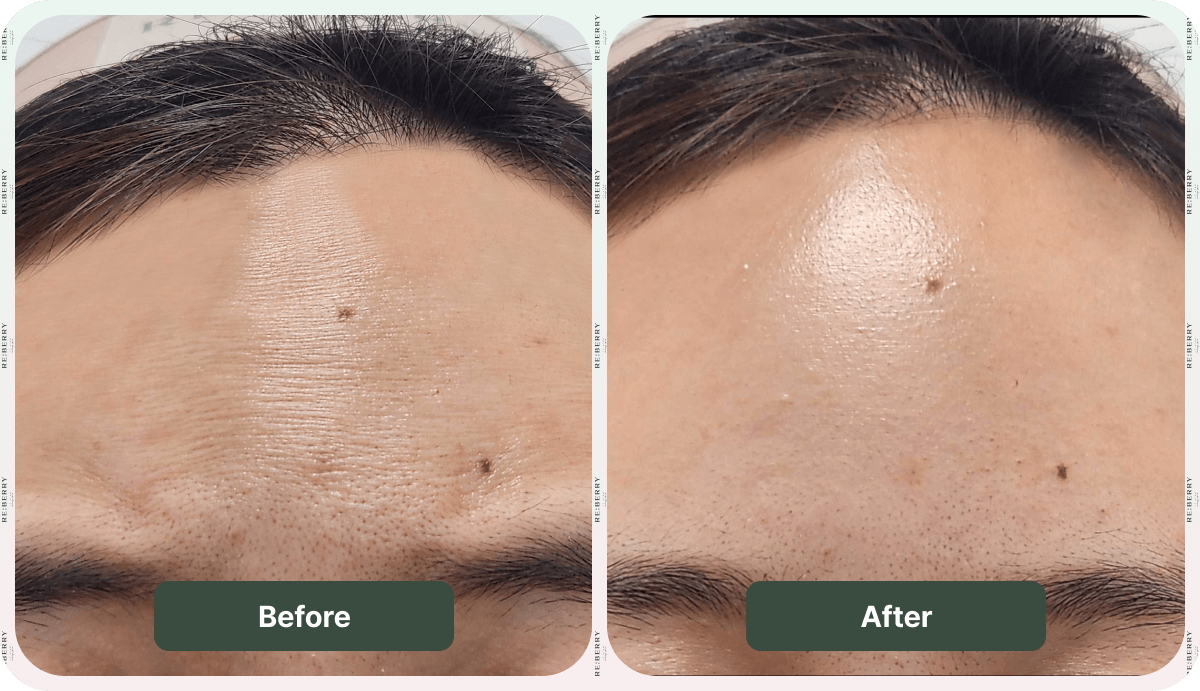
See representative outcomes from Reberry Clinic. Results build gradually and vary by individual; your plan is assessed at consultation.
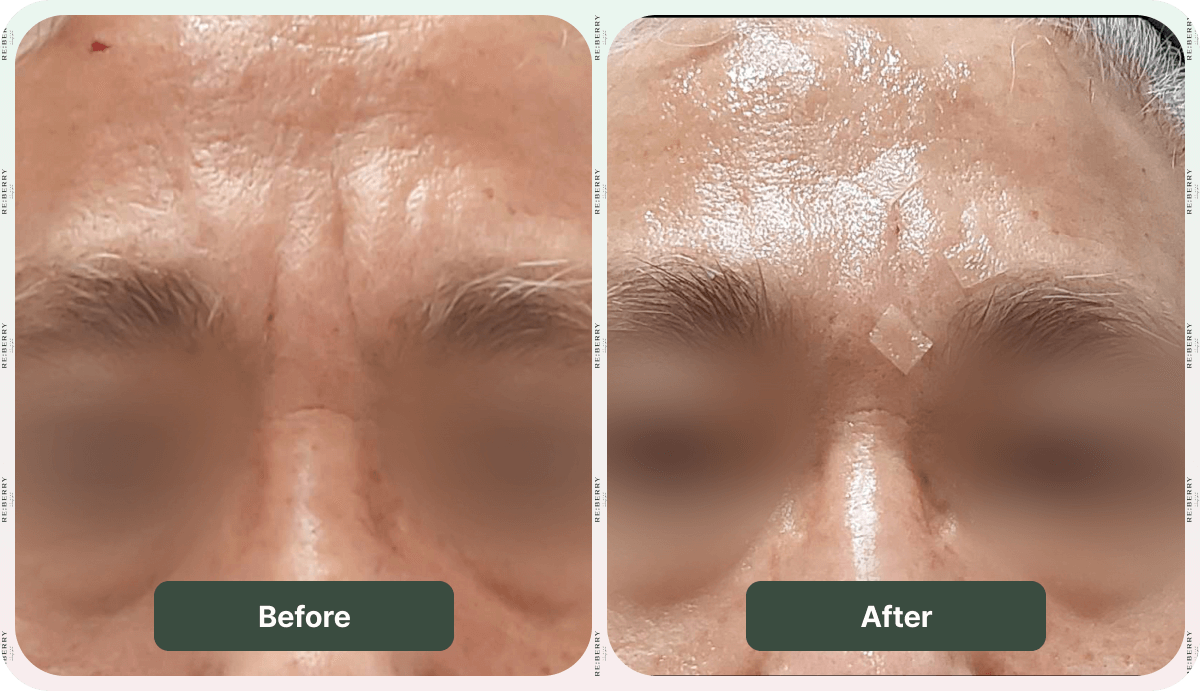
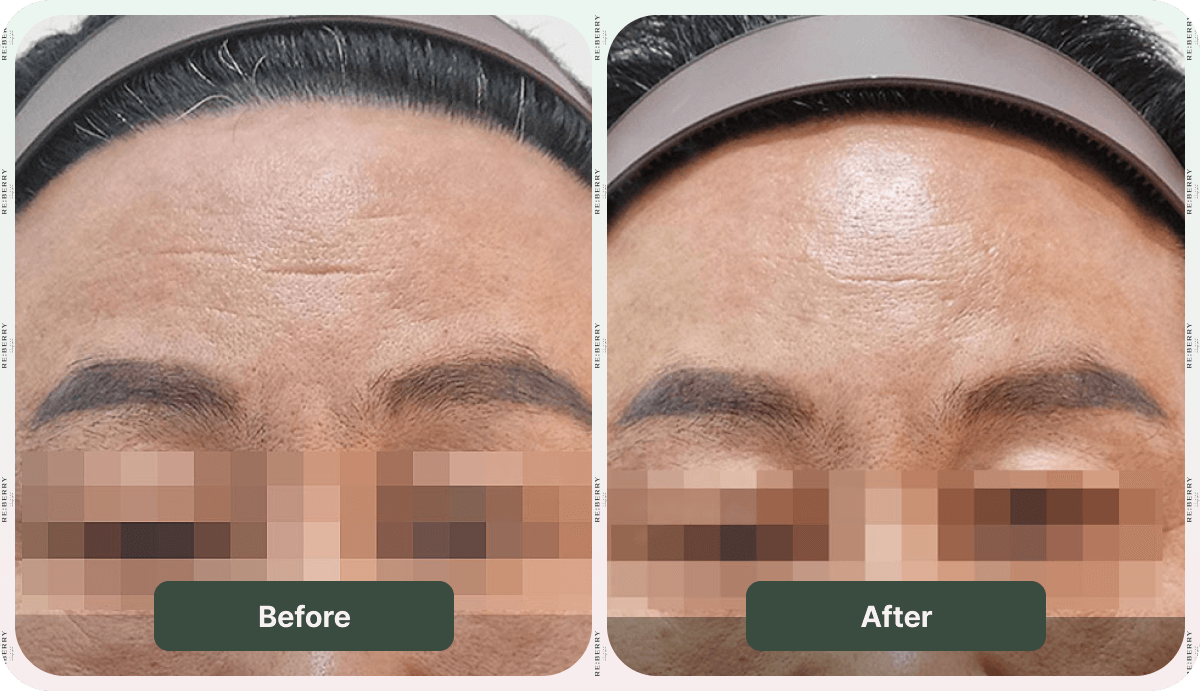
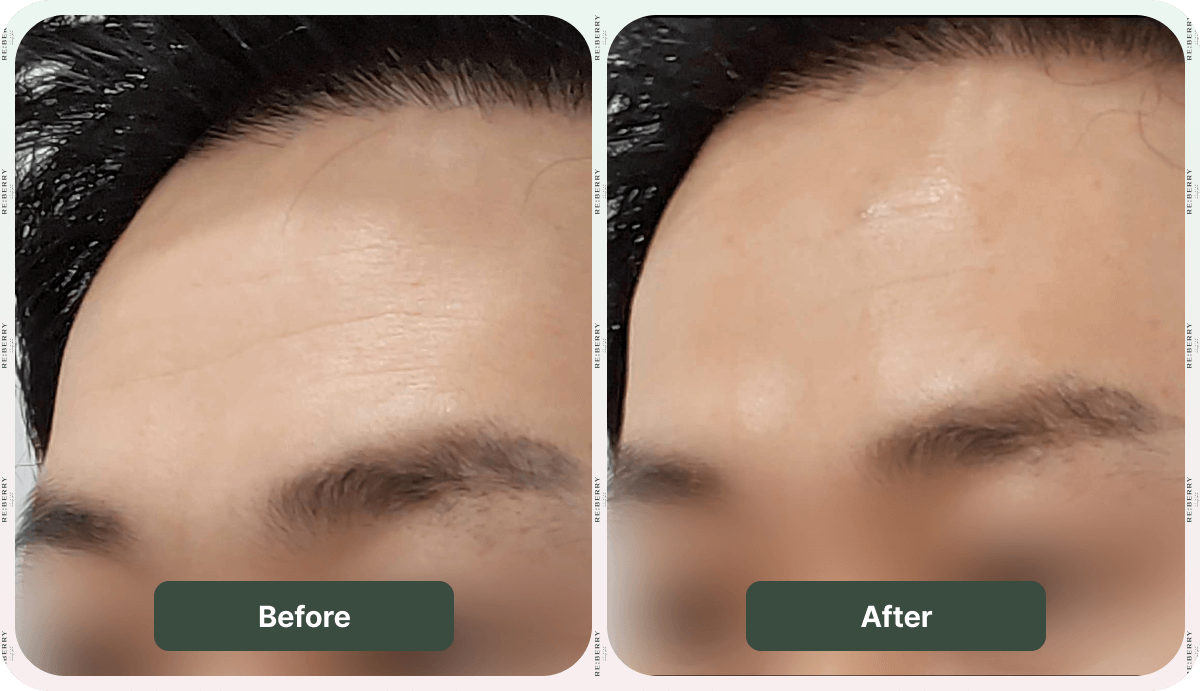
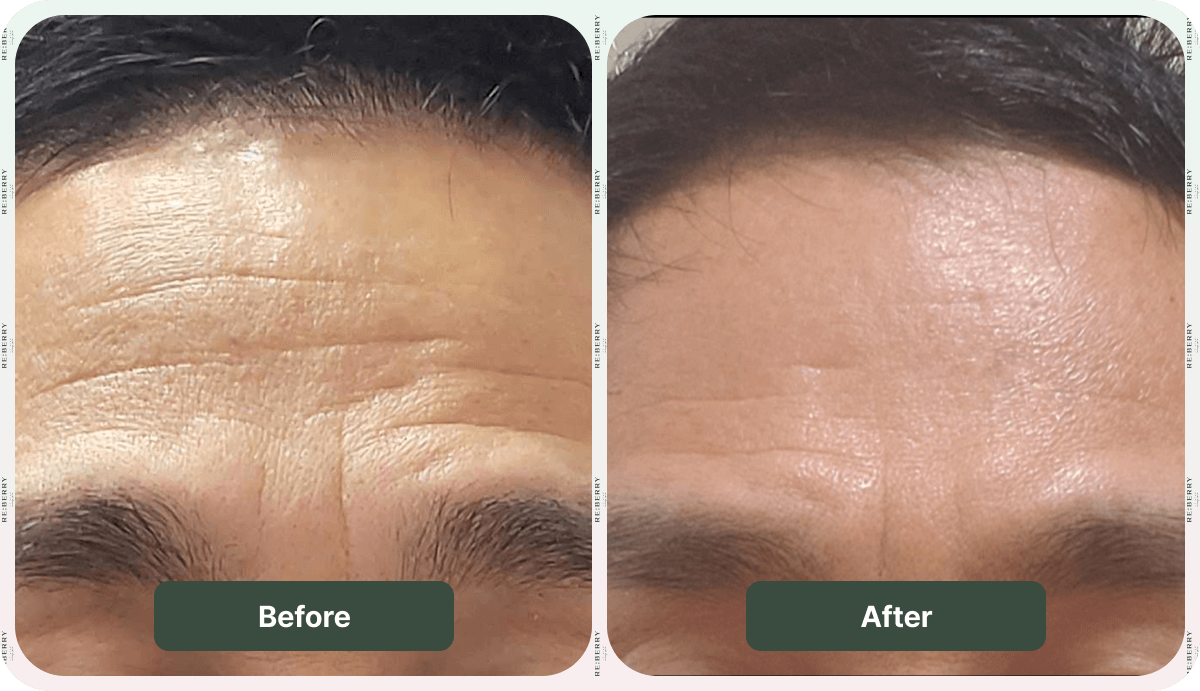
An English-language consultation screens your medical history and confirms you are a suitable candidate before any injection into the sole.
After cleansing, numbing and mapping, the doctor places the intradermal points; a sole session commonly takes around 20 to 30 minutes per foot.
Treatment fits a short Seoul trip; you are asked to rest the feet, wear comfortable shoes and avoid long walks for a few hours afterward.
Dryness begins in 2 to 7 days and reaches its full effect by about 2 weeks, when it is reviewed.
The effect fades over roughly 4 to 6 months and is fully reversible; a repeat session maintains dryness when you wish.
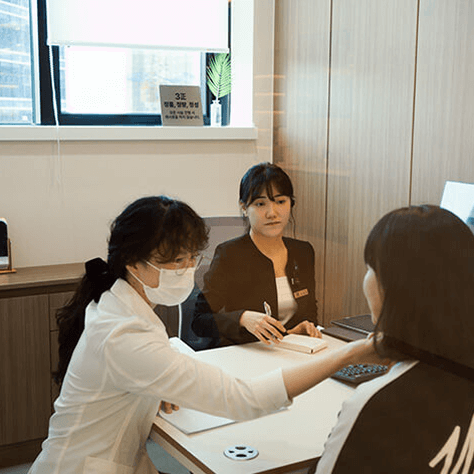
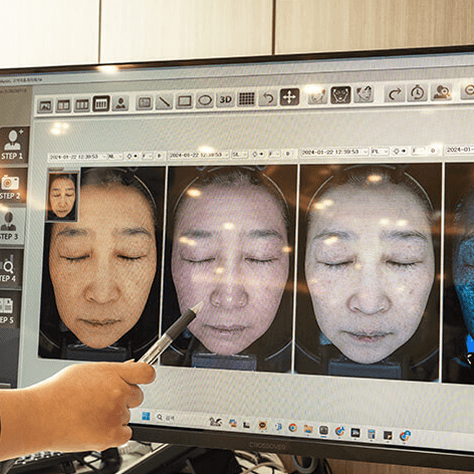
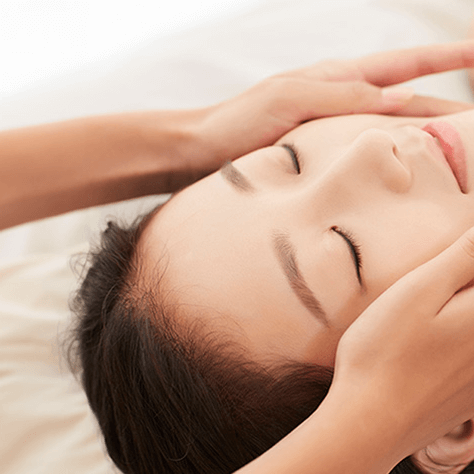
Sole hyperhidrosis treatment with botulinum toxin type A is generally safe in Korea when a qualified doctor screens you, doses correctly and injects into the skin with precision. Foot dryness lasts about 4 to 6 months and is reversible. Safety depends on the clinic and technique, which is why an honest botox treatment consultation matters.
Sole skin is thick and sensitive, so comfort planning matters; topical numbing, cooling, vibration or a nerve block keeps the roughly 20 to 30 minute session tolerable. Most patients describe brief soreness rather than lasting pain. Your comfort options are agreed beforehand during your consultation so the experience is manageable.
Most side effects are mild and short-lived: brief soreness, small bruises at injection points, and occasionally a short-lived sense of tired feet. These usually settle within days and are checked at your follow-up. Serious events are uncommon and are most often linked to incorrect dosing or non-genuine product.
Foot dryness typically lasts about 4 to 6 months, then sweating gradually returns as the nerve endings regenerate. The effect is reversible by design, so nothing is permanently altered. Many patients schedule a repeat session once dryness begins to fade, which is discussed during your botox treatment review.
Walking and balance are not usually affected because the toxin is placed shallowly in the skin, away from the foot muscles, and doses are targeted to sweat glands. Feet may feel briefly tender on the day, which settles quickly. Accurate intradermal placement is the key safety step, and it is reviewed before any injection.
Each sole usually needs about 30 to 50 shallow intradermal points because sweat glands are dense across the weight-bearing surface. Spreading the dose evenly covers the sweat glands while sparing foot muscles. The exact map is tailored to your foot size and sweat pattern during your assessment before treatment.
Ask the clinic which botulinum toxin type A it uses and confirm a doctor reconstitutes it at a standard dilution. Genuine, properly stored product behaves predictably, which is central to safety. Reberry Clinic uses genuine product and explains your options during the injection treatment consultation so you know exactly what is injected.
For about 24 hours, rest the feet, wear comfortable shoes, and avoid long walks, hot baths, saunas and vigorous exercise, which helps the toxin settle where intended. These simple steps also keep the treated skin calm. You receive a written aftercare plan covering exactly what to do.
Yes, first-timers are common candidates; a measured starting dose lets the doctor see how your soles respond and fine-tune at the 2-week review. Starting conservatively is itself a safety measure, since dryness builds over 2 to 7 days. Suitability is confirmed during screening before any injection into the sole.
Treatment is deferred or avoided in pregnancy and breastfeeding, with certain neuromuscular disorders, active infection or broken skin on the soles, or a known allergy to the toxin. Some medications warrant caution too. These are checked during the medical screening that precedes any botox treatment.
Each has a different safety profile: sole botox wears off over months, prescription antiperspirants need constant use, and iontophoresis needs repeated sessions. The key safety factor differs too. Discuss injection treatment options with the team to choose the safest fit for your lifestyle.
Yes, because botulinum toxin acts on sweat nerves beneath the skin rather than on pigment, it does not carry the pigment-related risks of some light-based treatments. Dose and injection map are tailored to your foot by the clinic’s doctors. Your suitability is confirmed during the assessment before any plan is finalized.
There is no instant reversal agent, but the effect is temporary and resolves on its own over about 4 to 6 months as sweating returns. A conservative initial dose lowers the chance of an unwanted result, and small adjustments can be made at the follow-up review rather than waiting for it to fully fade.
Yes, Reberry Clinic serves international patients with English-speaking support across three Seoul-area locations, including one near Incheon Airport, so screening, consent and aftercare are explained clearly in English. You can be assessed and treated on your trip. Message us on WhatsApp to discuss suitability and plan your visit.
Yes, most patients fly the same or next day, since skin downtime is minimal, though feet may feel tender briefly, so comfortable shoes help. Dryness develops gradually after you return. You are advised to rest the feet early on, and you receive written aftercare so you can follow up on your botox treatment from abroad.
| Plantar Botox | Prescription Antiperspirants | Iontophoresis | |
|---|---|---|---|
| Mechanism | Botulinum toxin type A blocks sweat-nerve signals in the sole | Aluminium salts plug sweat ducts at the skin surface | A mild electric current in water reduces sweat output |
| Reversibility | Wears off naturally in about 4 to 6 months | Stops working when you stop applying | Effect fades without ongoing sessions |
| Common side effects | Brief soreness, small bruises, occasional short-lived tired feet | Skin irritation or stinging | Tingling, dryness or skin irritation |
| Onset of effect | 2 to 7 days | Gradual over days to weeks | Gradual over several weeks of sessions |
| Downtime | Little for the skin; feet feel tender briefly | None | None |
| Effort to maintain | One session lasting about 4 to 6 months | Nightly or frequent application | Repeated home or clinic sessions |
| Key safety factor | Correct intradermal dose, even mapping and comfort planning | Correct use to limit irritation | Correct settings and consistency |
Real verified reviews from our Google Business Profile, across all Reberry Clinic locations.
PULLED LIVE FROM GOOGLE · GANGNAM · MYEONGDONG · INCHEON AIRPORT
Your treatment is planned and performed by experienced, MFDS-registered doctors across our Seoul-area clinics, with multilingual support for international patients.
Flagship clinic · KOL for leading lifting & regenerative devices · Featured in Authority Magazine (2026)

Multilingual tourist care beside Myeongdong Cathedral
Fast, effective care 20 minutes from the terminals
Message us on WhatsApp for a free consultation in English to review your suitability and a personalized plan.