


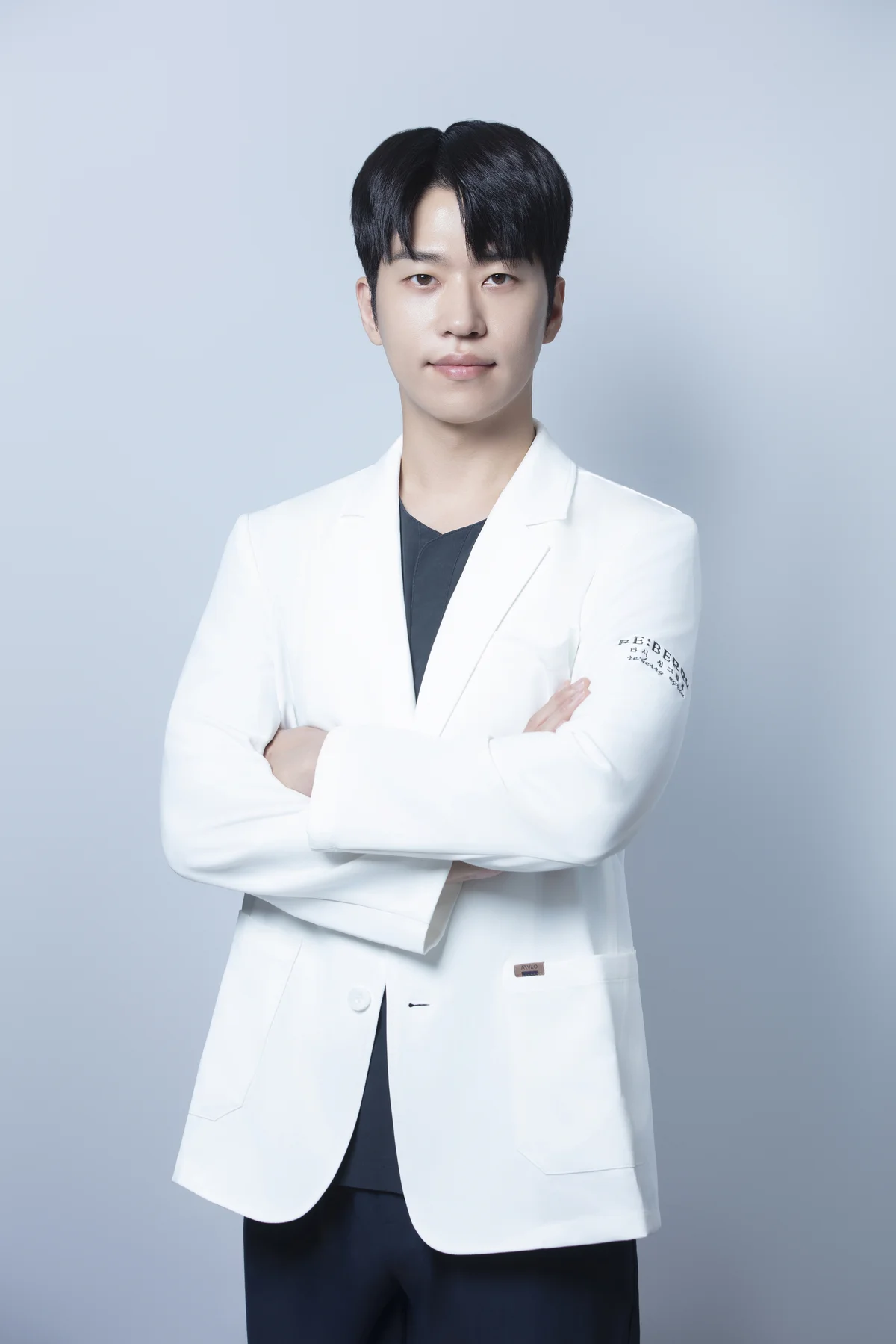
Gangnam
Dr. Yoon-Gon Ryu
Aesthetic Medicine Specialist
Flagship clinic · KOL for leading lifting & regenerative devices · Featured in Authority Magazine (2026)

Soprano Titanium is a non-ablative triple-wavelength diode laser (755, 810, 1064nm) with built-in cooling; studies in Asian skin report strong safety with no adverse events observed.
Soprano Titanium is considered a well-tolerated, non-ablative laser when a trained doctor sets it for your skin type, and studies in Asian skin report no adverse events observed. No laser is entirely without risk; expect temporary warmth, mild redness, and occasional swelling. At Reberry Clinic in Seoul, the clinic’s doctors screen your skin and history first to keep it safe.
One-on-One guidance from a dedicated doctor, ensuring your skin is professionally monitored and treated from start to finish.
Fluent assistance in English, Japanese, and Chinese, making communication clear, respectful and comfortable for international patients.
Over 100,000 patients worldwide have received our personalized dermatological care, highlighting our expertise and reliable results.
Soprano Titanium is a triple-wavelength diode laser (755nm, 810nm, 1064nm) that heats the mid-dermis to stimulate collagen without breaking the skin’s surface. Because it is non-ablative and uses continuous contact cooling, it has a favourable safety profile compared with older, more aggressive lasers. Published studies in Asian skin report strong efficacy with no adverse events observed, which is reassuring for the darker and reactive skin tones common among patients travelling to Korea.
That said, no medical laser is entirely without risk, and honest expectation-setting matters. The most common effects are temporary: warmth during treatment, mild redness for a few hours, and occasionally brief swelling. Serious effects such as burns or pigment change are uncommon and are minimised when an experienced doctor selects conservative parameters, tests settings, and screens your skin type before starting.
At Reberry Clinic, safety starts with a doctor-led assessment in English. The clinic’s doctors review your skin type, medical history, and current medications, then tailor the wavelengths and energy to you. This individualised, consultation-first approach is what keeps a Soprano Titanium session in Seoul both comfortable and safe for international patients.
Soprano Titanium delivers 755, 810, and 1064nm energy in a single pulse using an in-motion technique of up to 150 pulses per second, gradually raising the mid-dermis to a therapeutic temperature rather than delivering one intense shot. This gentle heat-and-build approach, combined with continuous contact cooling of the skin surface, is central to its safety, because it lowers the chance of overheating the epidermis. The 1064nm wavelength penetrates more deeply and is generally considered safer for darker skin tones, which is why triple-wavelength systems are studied specifically in Asian skin. Because the laser is non-ablative, it does not remove the outer skin layer, so there is no open wound to infect and downtime stays minimal. Safety still depends on the operator: an experienced doctor sets fluence and pulse settings for your Fitzpatrick skin type, avoids recently tanned skin, and monitors your response through the session. These controls, not the device alone, are what make each of the typical 3 to 6 sessions predictable and low-risk when performed correctly.
One Reberry Clinic, multiple Seoul-area locations. Pricing & current promotions are listed on each branch's own site — tap a clinic to view pricing & book.
Our flagship in the heart of Gangnam.
In Seoul's shopping & tourism heart.
A beauty stop between flights.
The newest Reberry Clinic — in Seoul's trend district.
ONE REBERRY CLINIC · MFDS-REGISTERED DEVICES · MULTILINGUAL CARE AT EVERY LOCATION
The clinic’s doctors check your Fitzpatrick skin type, medications, and history to rule out the main contraindications before any of the 3 to 6 sessions.
Fluence and pulse settings are chosen for your tone, using lower energy for reactive or darker skin across 1 test area first.
Contact cooling runs throughout the up-to-150-pulses-per-second delivery to keep the surface protected during treatment.
Your skin is watched through each session, so settings can be adjusted within 1 visit if any excess redness appears.
You leave with a written plan; most redness settles within a few hours to 1 day, and sunscreen is advised for at least 2 weeks.
Reberry Clinic · Prices verified: Oct 2026
| Clinic | Price (KRW) |
|---|---|
| GangnamSoprano Titanium 40kJ | from₩390,000 |
| MyeongdongSoprano Titanium 80kJ | from₩890,000 |
VAT excluded · Treatment packages differ by clinic — see each clinic page for its full menu · Confirmed after consultation
See representative outcomes from Reberry Clinic. Results build gradually and vary by individual; your plan is assessed at consultation.
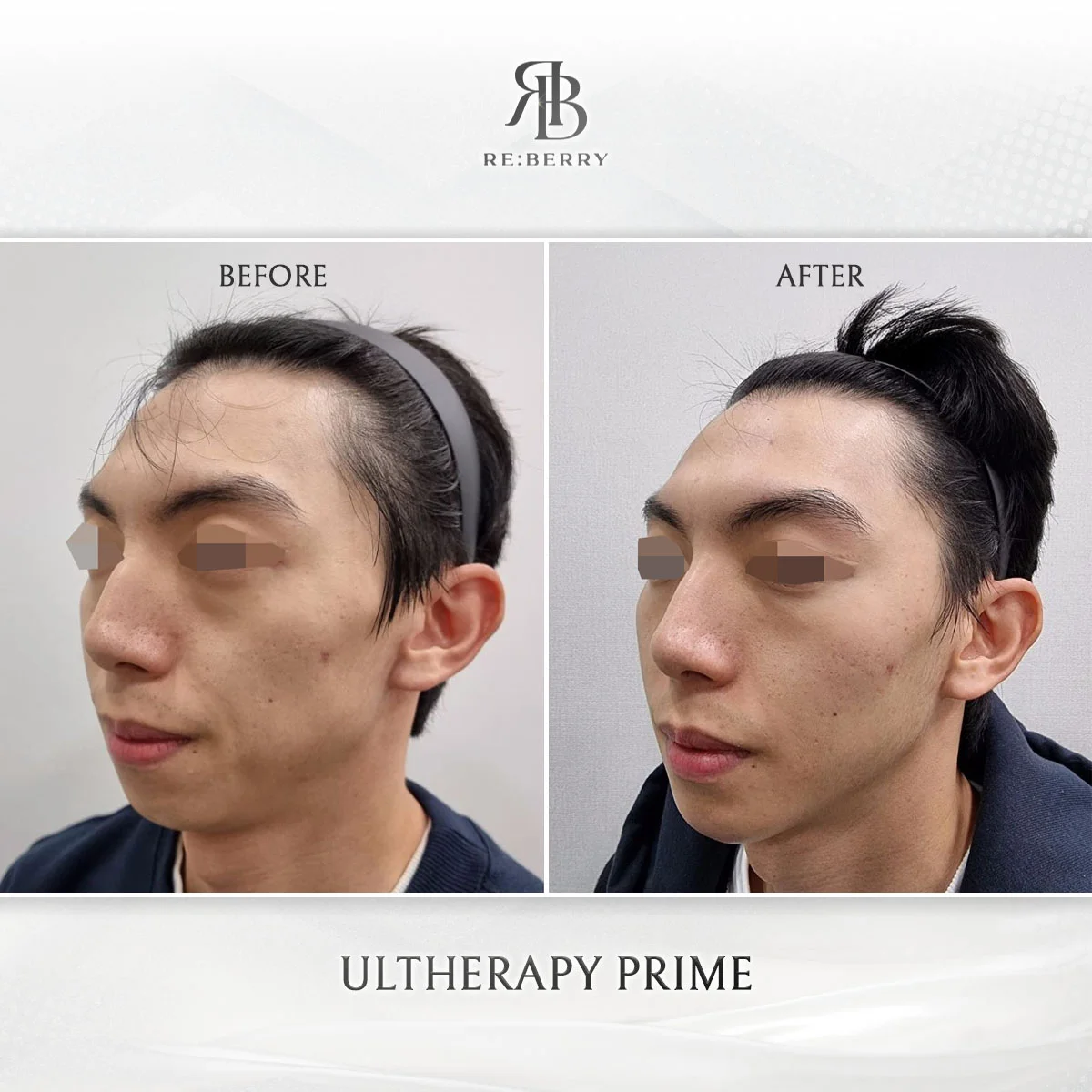
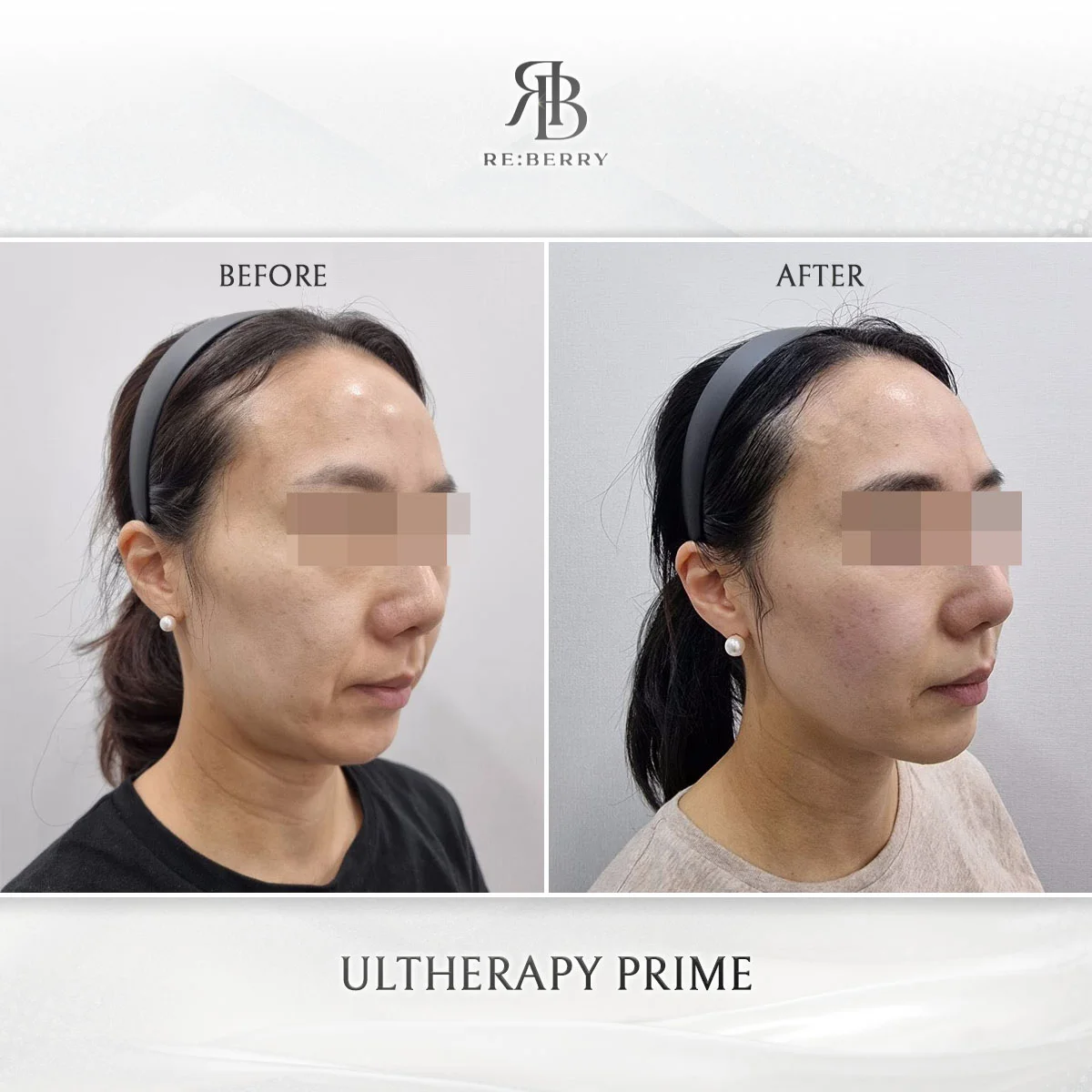
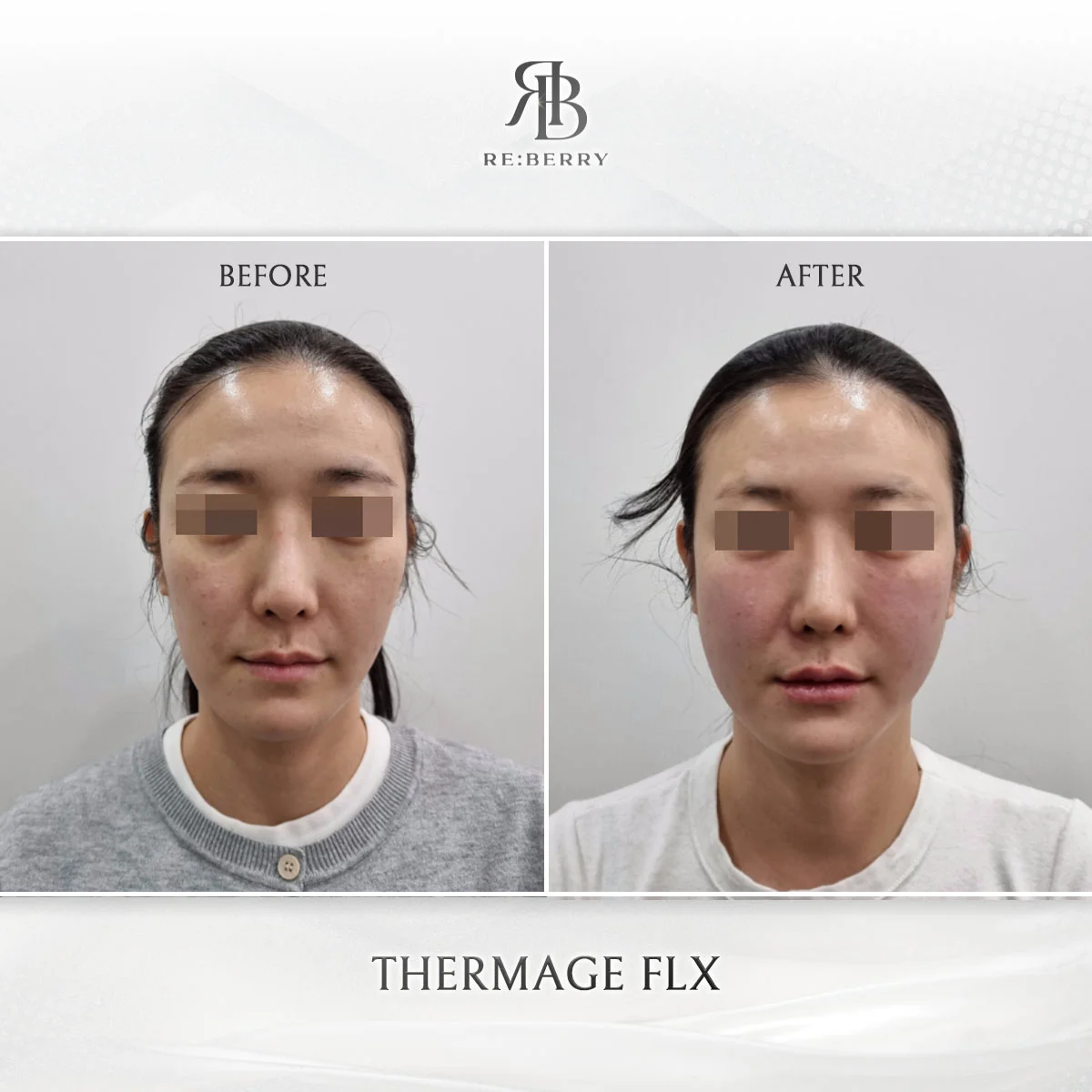
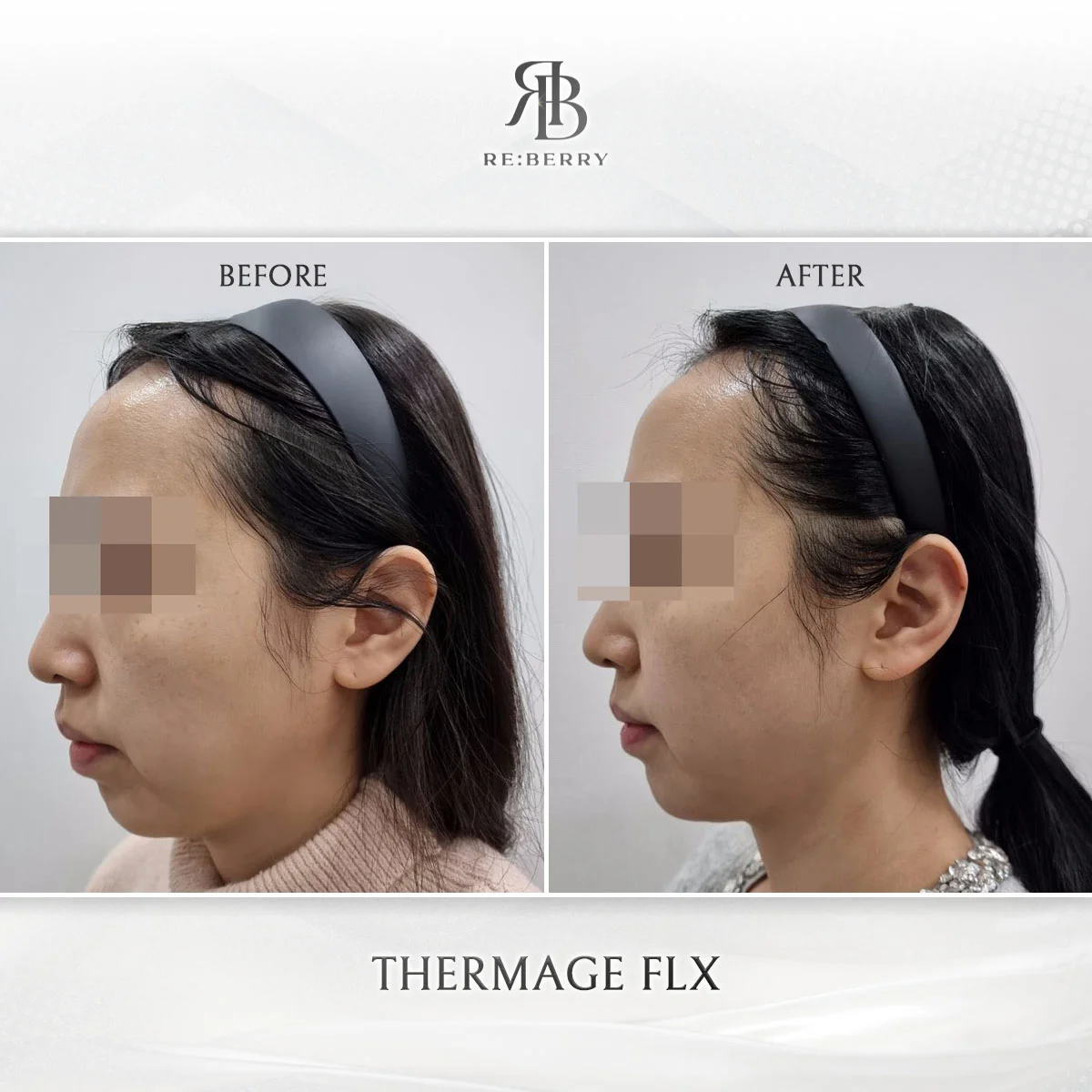
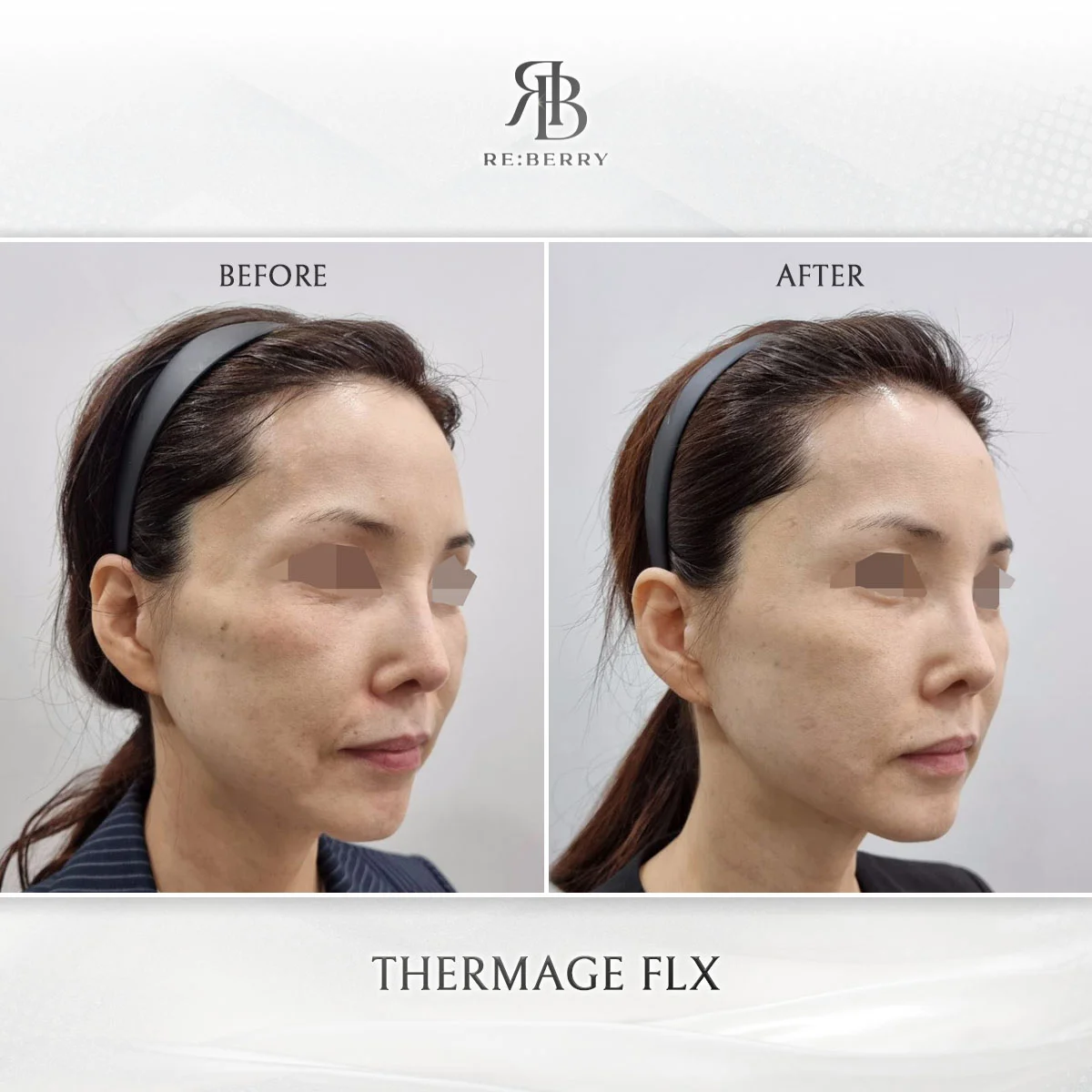
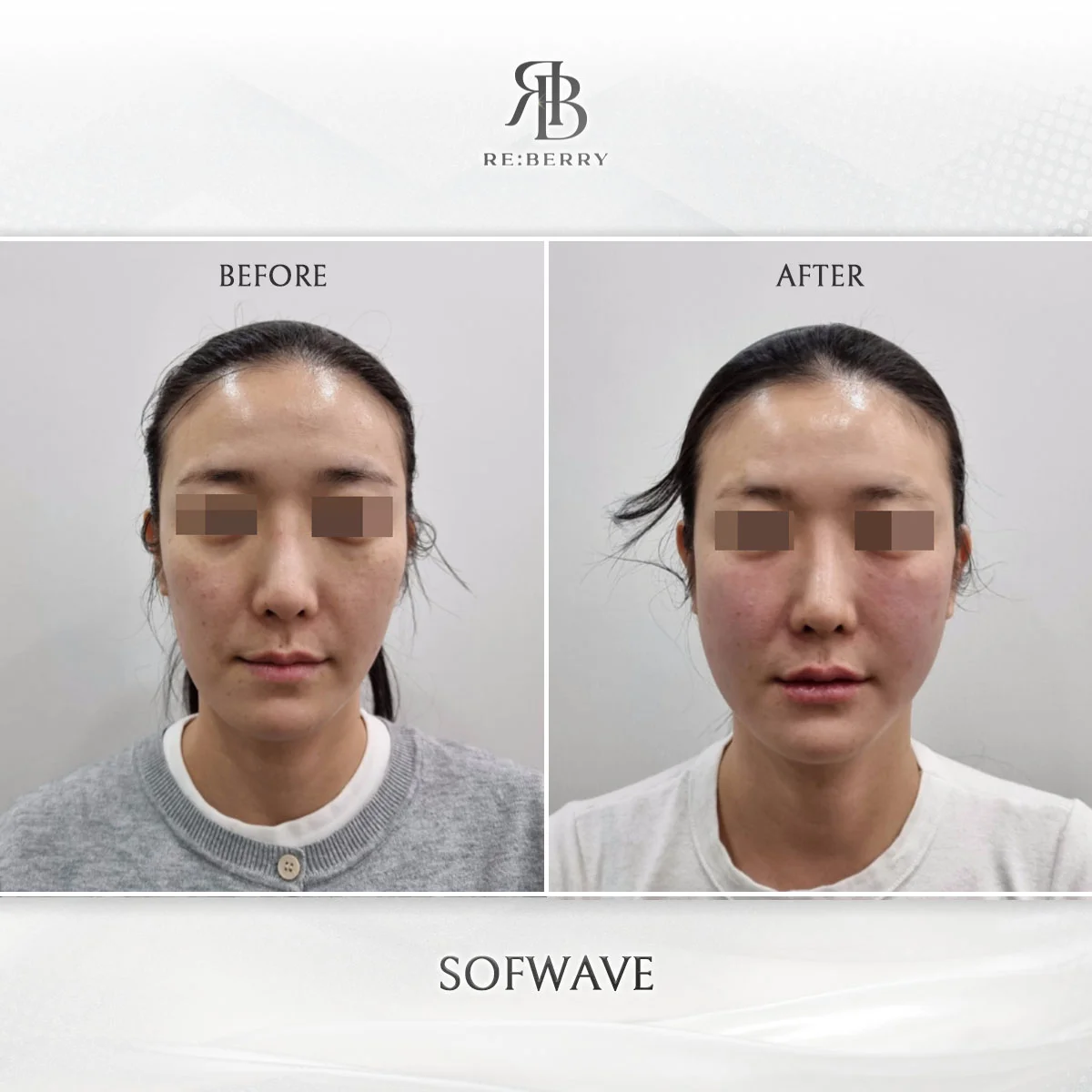
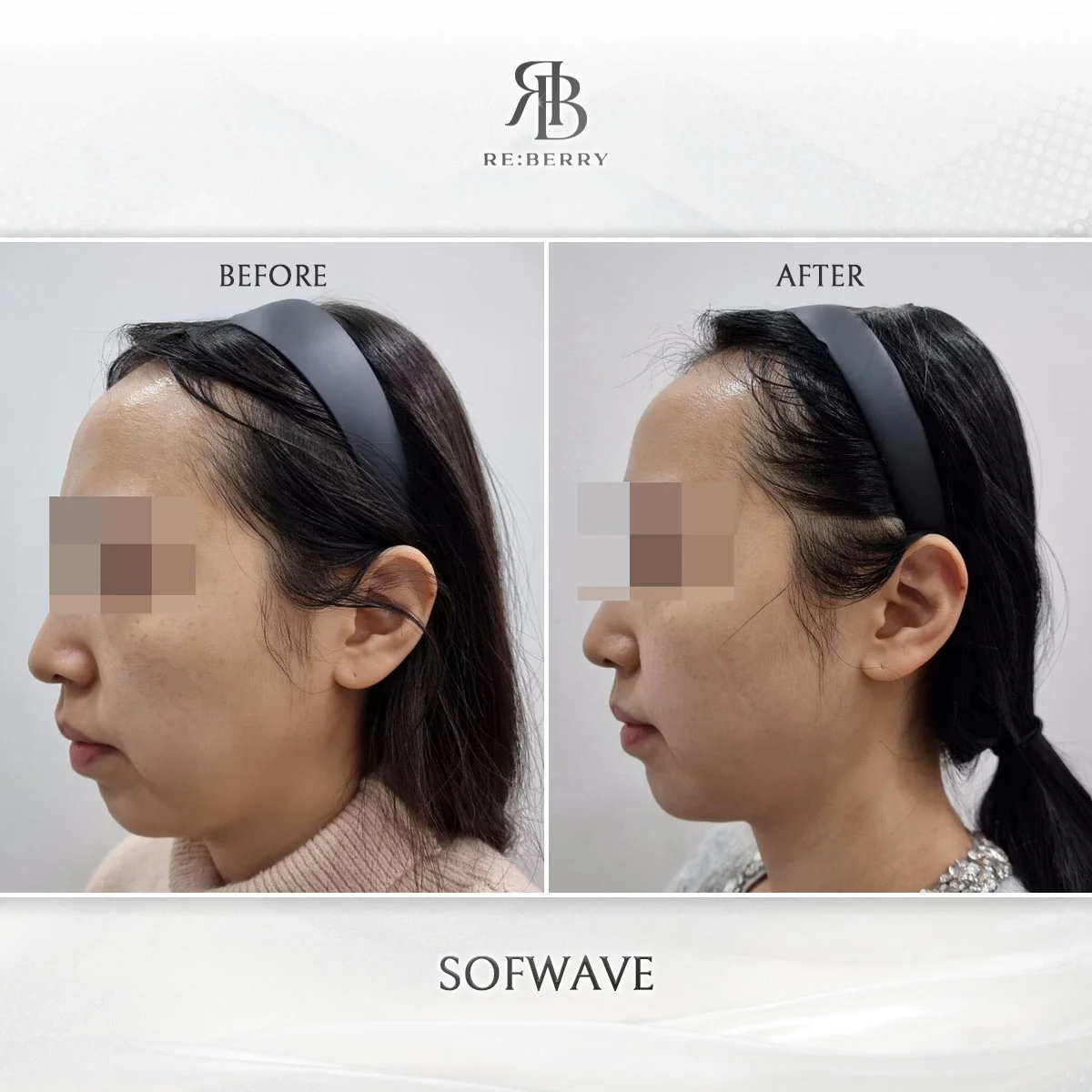
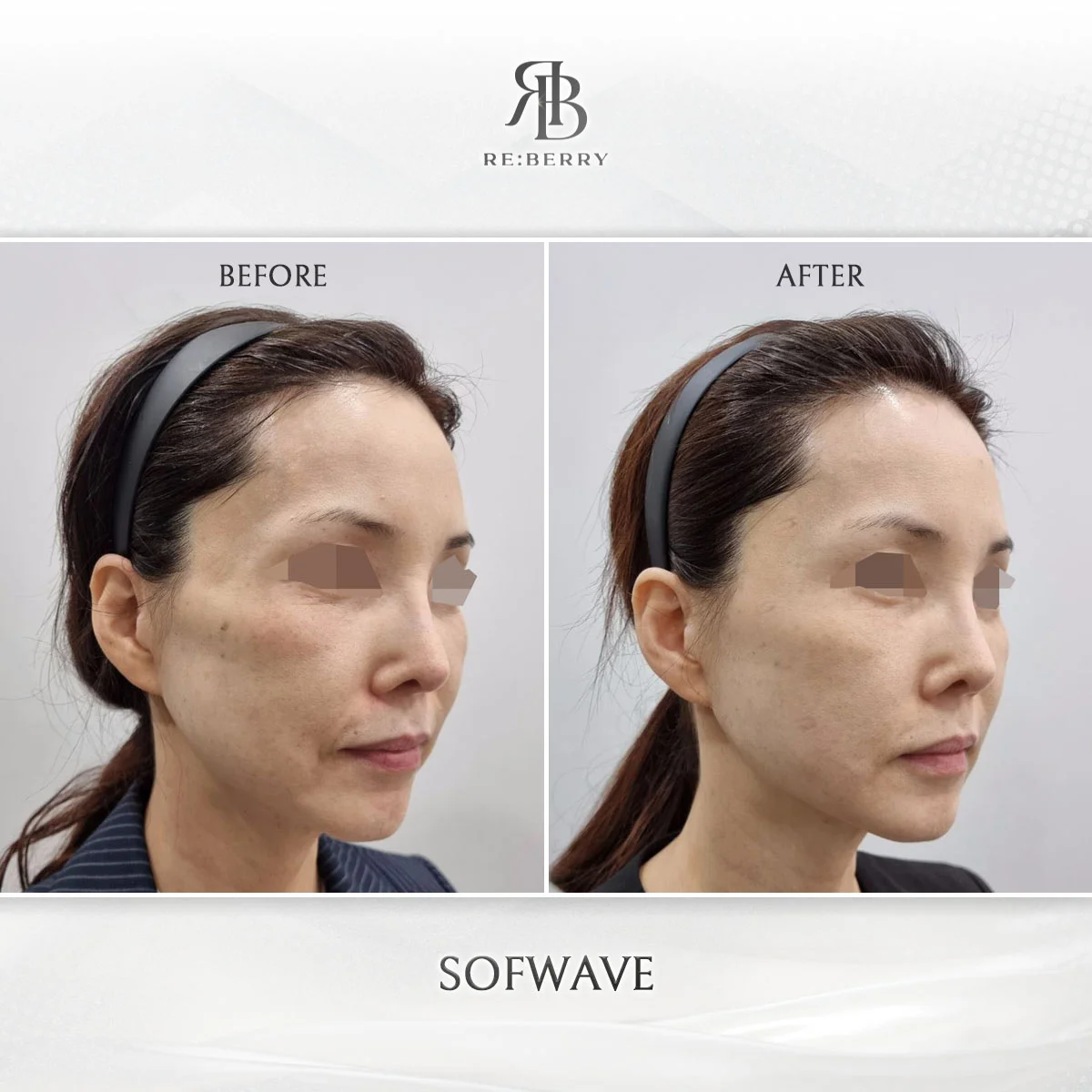
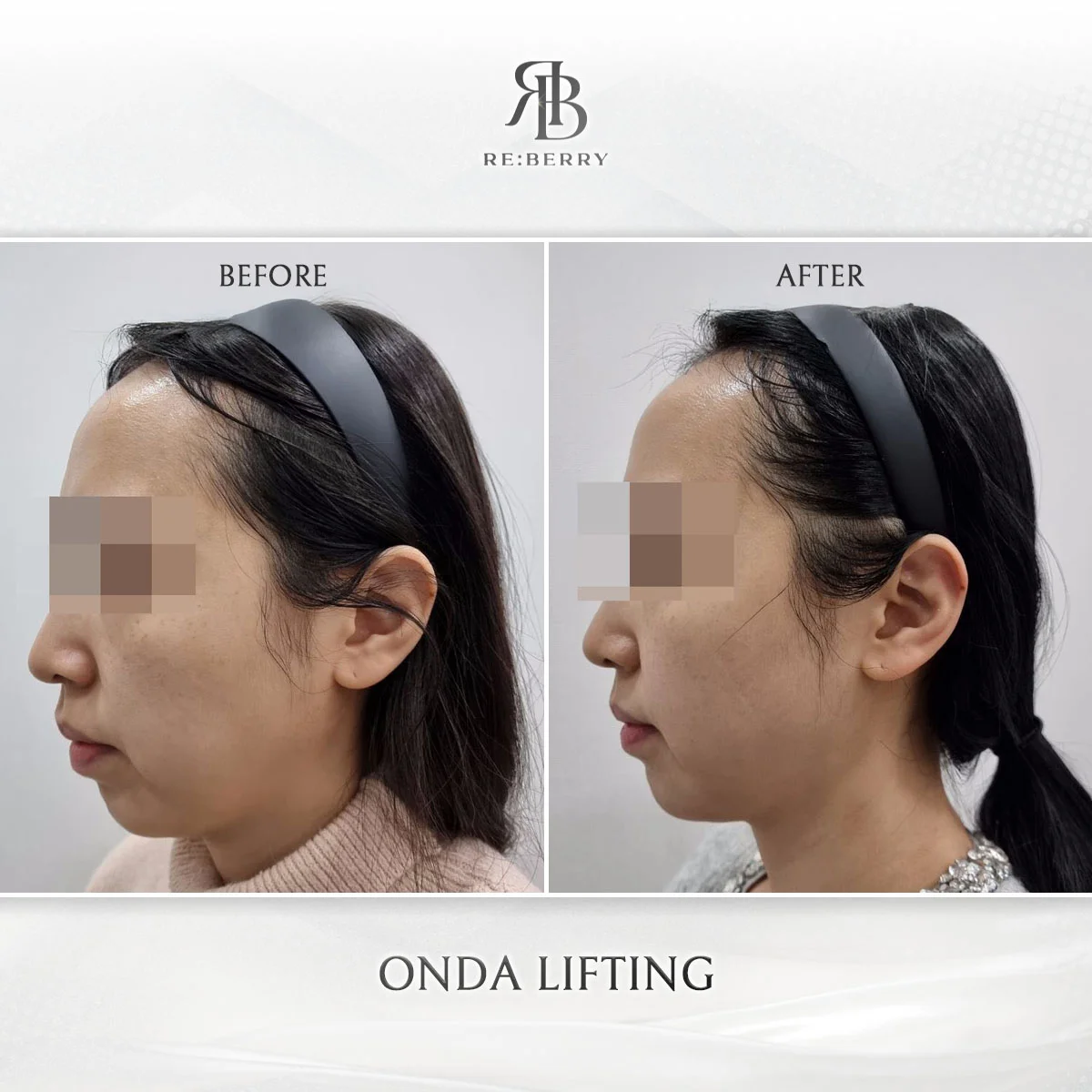
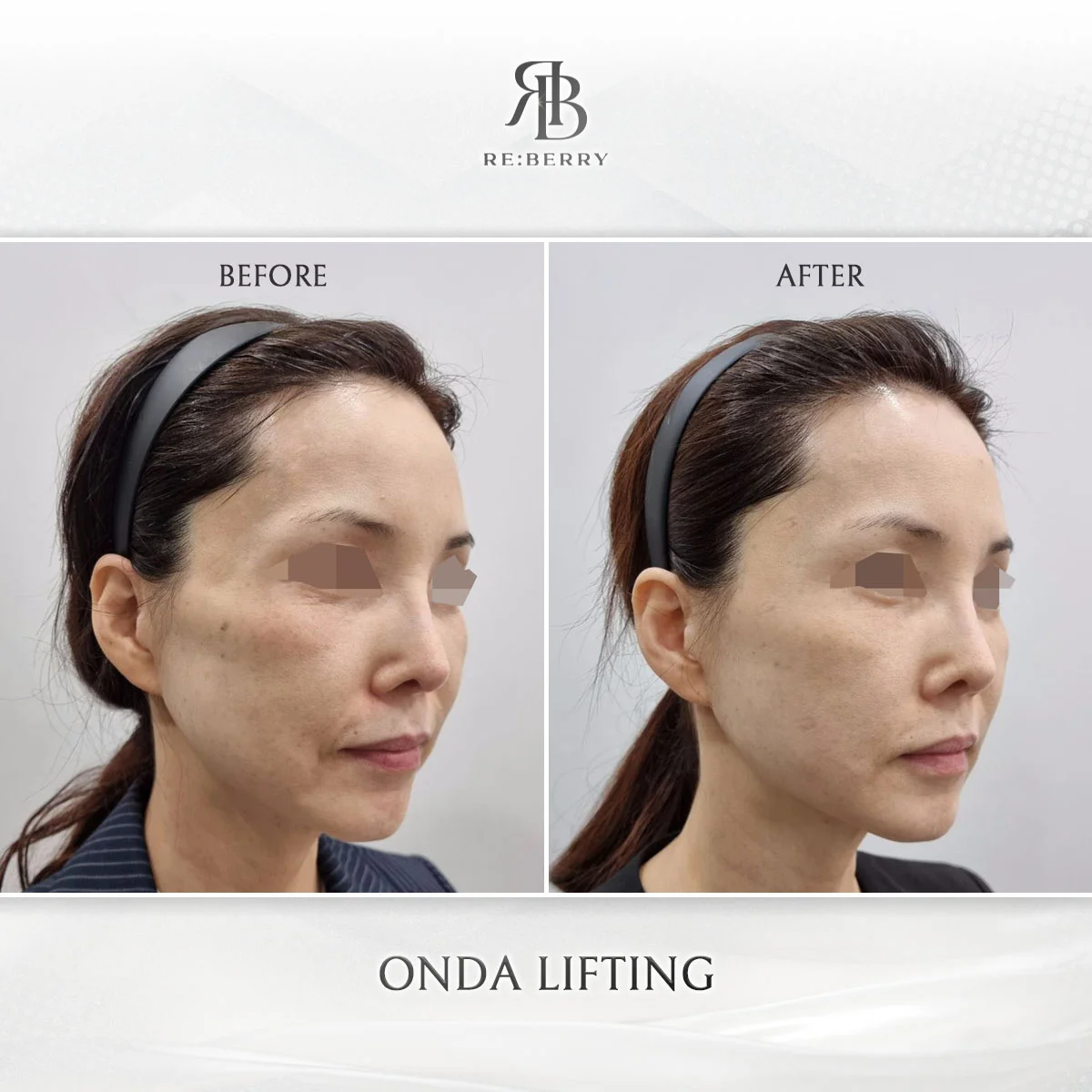
The clinic’s doctors assess your skin type and history in English and explain realistic side effects before your first of 3 to 6 sessions.
A session usually takes about 30 to 45 minutes, with continuous cooling and monitoring throughout for comfort and safety.
Most redness settles within a few hours to 1 day, so downtime is minimal and there is no open wound to care for.
Tightening builds over 8 to 12 weeks, so your doctor tracks both progress and skin response across the course.
Daily sunscreen for at least 2 weeks and gentle hydration protect the skin and keep future sessions safe.
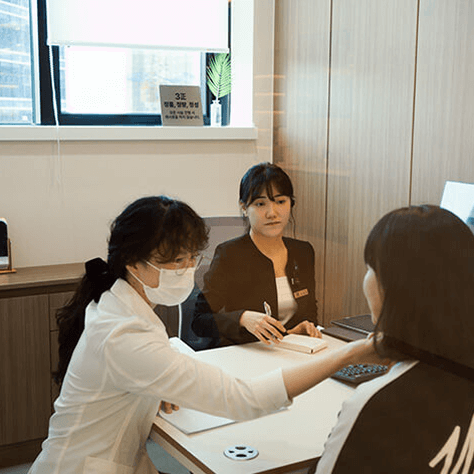
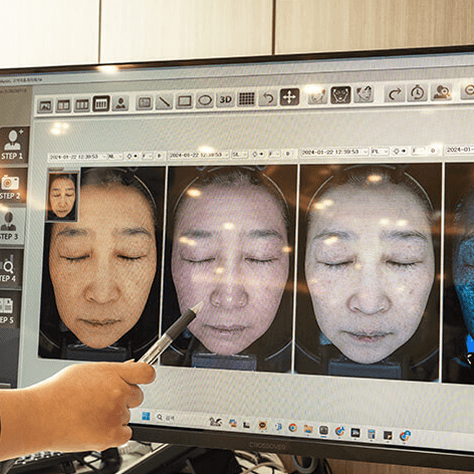
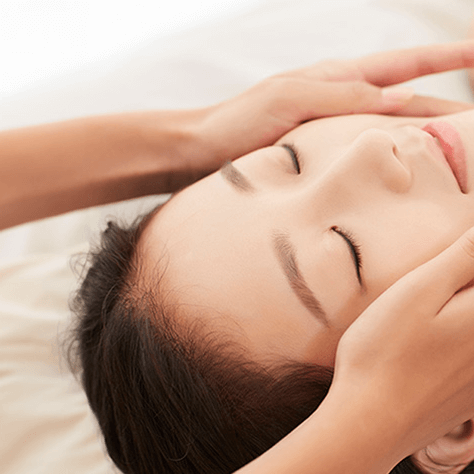
Soprano Titanium is considered well tolerated when a trained doctor sets it for your skin type, and Asian-skin studies report no adverse events observed. No laser is entirely without risk; expect temporary warmth, mild redness, and occasional brief swelling. A doctor-led assessment first is what keeps it safe. You can read more on our titanium lifting page.
Yes, generally, because the 1064nm wavelength penetrates deeply and is considered suitable for darker skin when settings are tailored. Triple-wavelength studies in Asian skin report no adverse events observed. Your doctor still tests conservative parameters first. This makes it a common choice for international patients with varied skin tones seeking care in Korea.
The most common side effects are temporary: warmth during treatment, mild redness for a few hours, and occasionally brief swelling. Because the laser is non-ablative, there is no open wound. Serious effects like burns or pigment change are uncommon and are minimised by conservative, doctor-set parameters and continuous skin cooling during each session.
Most patients find it comfortable, describing a warm, massage-like sensation rather than sharp pain, thanks to the in-motion technique and continuous cooling. Discomfort varies by area and settings, and your doctor can adjust energy within the session. This gentle, gradual heating is a key reason the treatment is generally well tolerated across skin types.
Redness is usually mild and settles within a few hours to about 1 day, because the laser does not break the skin surface. You can typically return to normal activities the same day. Your doctor gives written aftercare, and a gentle skin care routine with sunscreen helps the skin settle quickly.
It is generally avoided during pregnancy or breastfeeding, over active infections, open wounds, or a fresh tan, and with photosensitising medication or recent isotretinoin without review. A history of keloid scarring or metal implants in the area needs assessment. Your doctor screens all of this at consultation to confirm you are a suitable candidate.
Burns and pigment changes are uncommon and are largely preventable, because they are usually linked to overly aggressive settings or treating tanned skin. A trained doctor selects conservative parameters, tests a small area, and cools the skin continuously. This operator-led control, not the device alone, is what keeps the risk low across each session.
Often yes, and combining is planned carefully so the skin is not overloaded in one visit. Treatments are sequenced to protect the skin barrier. For example, some patients pair it with a complementary lifting option, spaced appropriately. Your doctor confirms a safe schedule at consultation based on your skin’s tolerance.
A typical course is 3 to 6 sessions spaced a few weeks apart, which is considered safe when parameters are tailored each time. Spacing allows the skin to recover and collagen to build. Your doctor sets the number and interval for your skin, avoiding over-treatment, so the course stays both effective and comfortable.
Downtime is minimal because the laser is non-ablative, so most people resume normal activities the same day with only brief redness. There is no open wound to manage. Avoiding heat, saunas, and intense sun for a couple of days, plus daily sunscreen, is usually all the aftercare that a session requires.
All three are generally well tolerated non-surgical options, but Soprano Titanium is non-ablative with continuous cooling, while HIFU and RF deliver focused or radiofrequency heat differently. Side-effect patterns differ slightly by device. You can compare an RF tightening option to see how comfort and downtime vary by technology.
They can, which is why your doctor reviews all current medications before treatment. Photosensitising drugs and recent isotretinoin, for example, may need the treatment postponed or adjusted. Being honest about your full medical history at consultation lets the clinic’s doctors set safe parameters or advise a different timing for your Soprano Titanium course.
Yes, simple aftercare protects both your skin and your results: hydrate, avoid heat and saunas for a couple of days, and use daily sunscreen for at least 2 weeks. A consistent skin care routine supports recovery. Following the written plan your doctor provides keeps each session in the course safe and comfortable.
Yes, flying after Soprano Titanium is generally fine because downtime is minimal and there is no open wound. Many international patients treat in Seoul and fly home the same or next day. Staying hydrated and using sunscreen at your destination is advised. Your doctor can confirm timing based on your individual skin response.
Look for a doctor-led consultation that reviews your skin type and history, tailors parameters, and explains realistic side effects rather than promising a flawless outcome. Continuous cooling and conservative test settings are good signs. You can read how we approach the titanium lifting treatment at our Seoul locations.
| Soprano Titanium | Ultherapy Prime | Thermage FLX | |
|---|---|---|---|
| Energy / mechanism | Non-ablative triple-wavelength diode laser (755/810/1064nm) | Micro-focused ultrasound (MFU) to the SMAS | Monopolar radiofrequency (RF) |
| Skin surface | Left intact, no open wound | Left intact, deeper focal points | Left intact, surface heating |
| Common side effects | Temporary warmth, mild redness, brief swelling | Tenderness, possible temporary numbness | Warmth, temporary redness or swelling |
| Darker skin tones | 1064nm depth generally suitable with tailored settings | Generally suitable, operator-dependent | Generally suitable, operator-dependent |
| Downtime | Little to none | Little to none | Little to none |
| Comfort | In-motion warmth, often well tolerated | Brief focal discomfort during pulses | Heat-then-cool pulses, tolerable |
| Who manages risk | Doctor sets parameters per skin type | Doctor sets depth and lines | Doctor sets area and tip |
Real verified reviews from our Google Business Profile, across all Reberry Clinic locations.
PULLED LIVE FROM GOOGLE · GANGNAM · MYEONGDONG · INCHEON AIRPORT
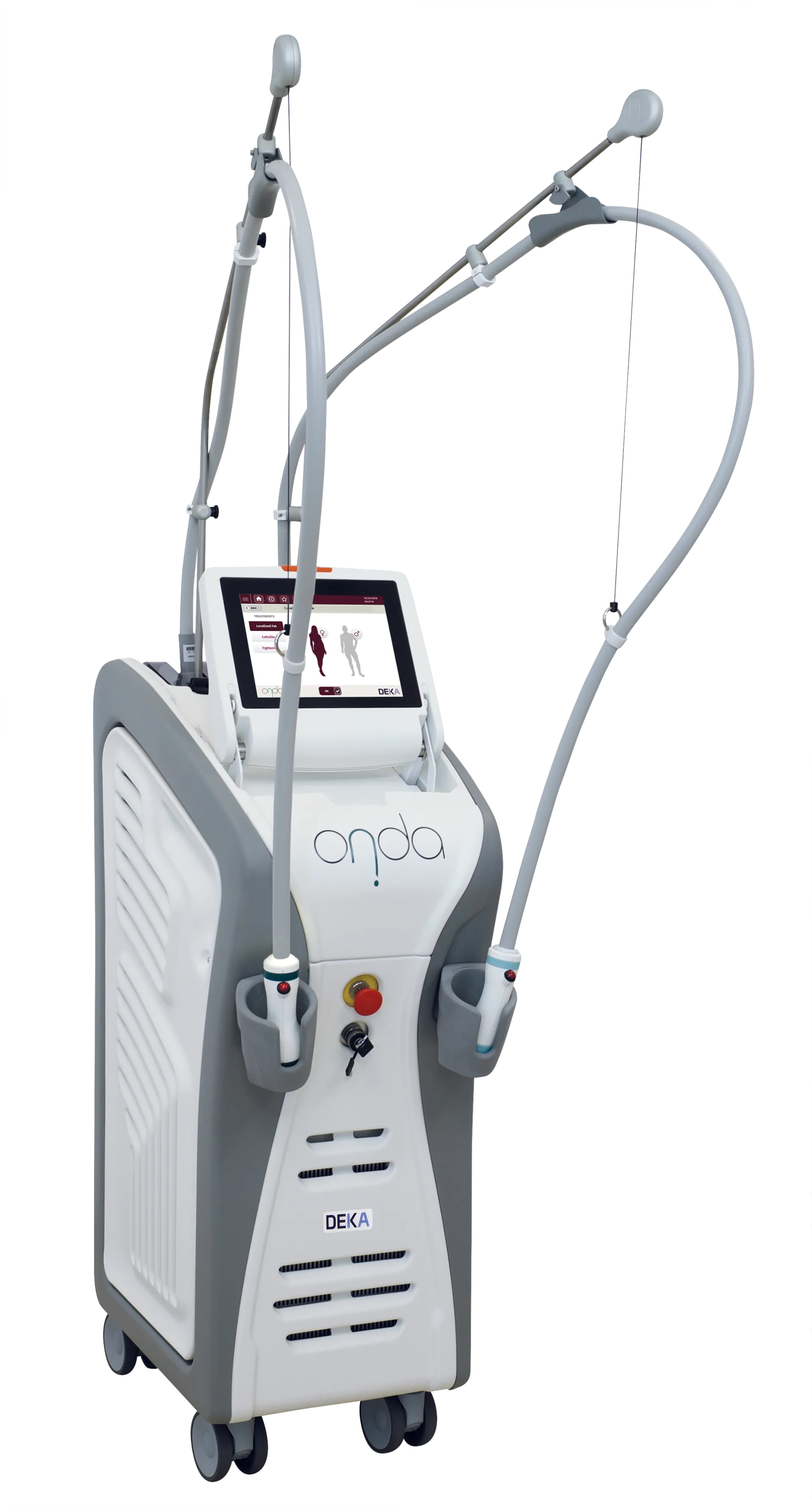 Onda LiftingMicrowave lifting for jawline and cheeksView →
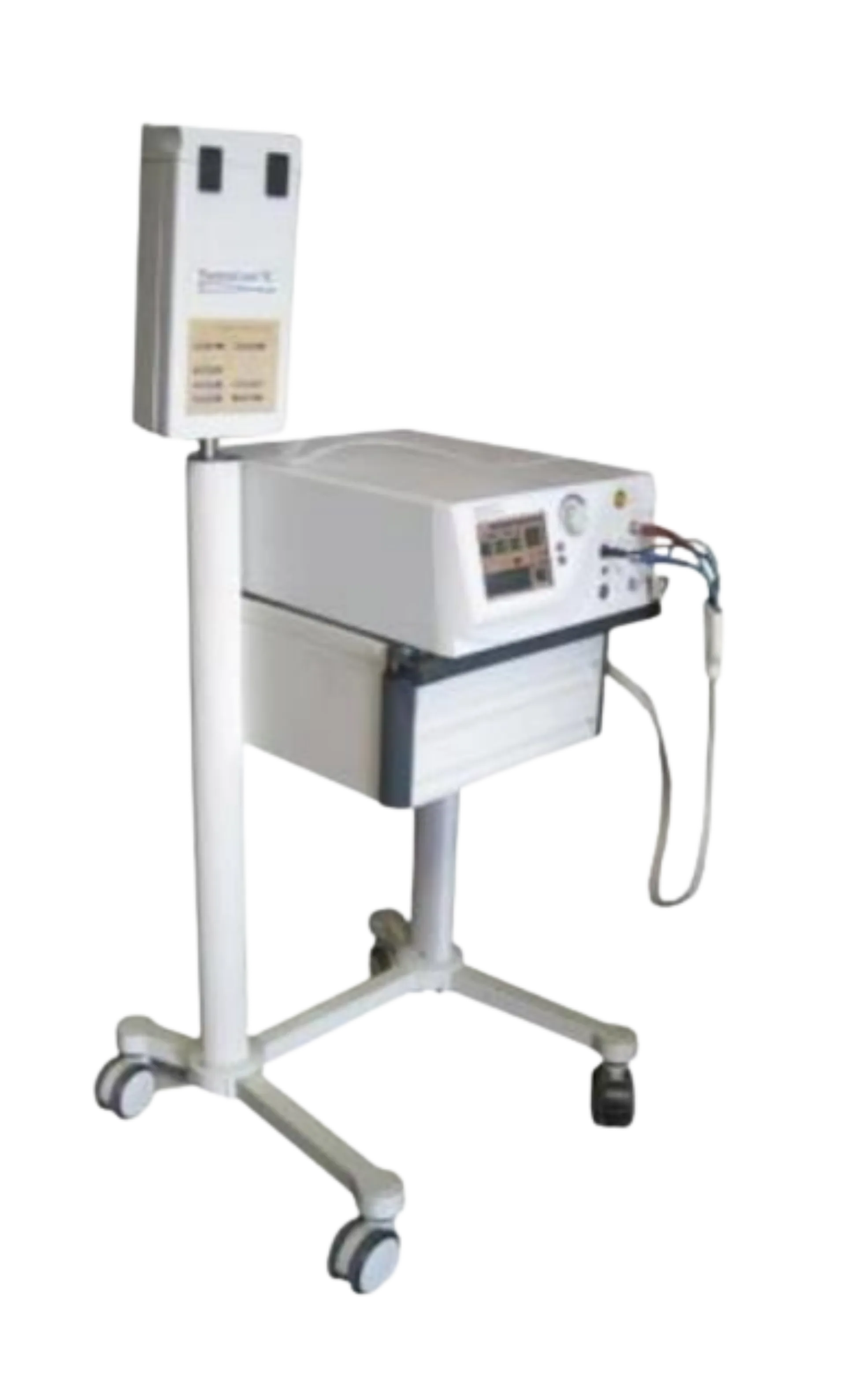 Thermage FLXRF tightening — the most compared alternativeView →
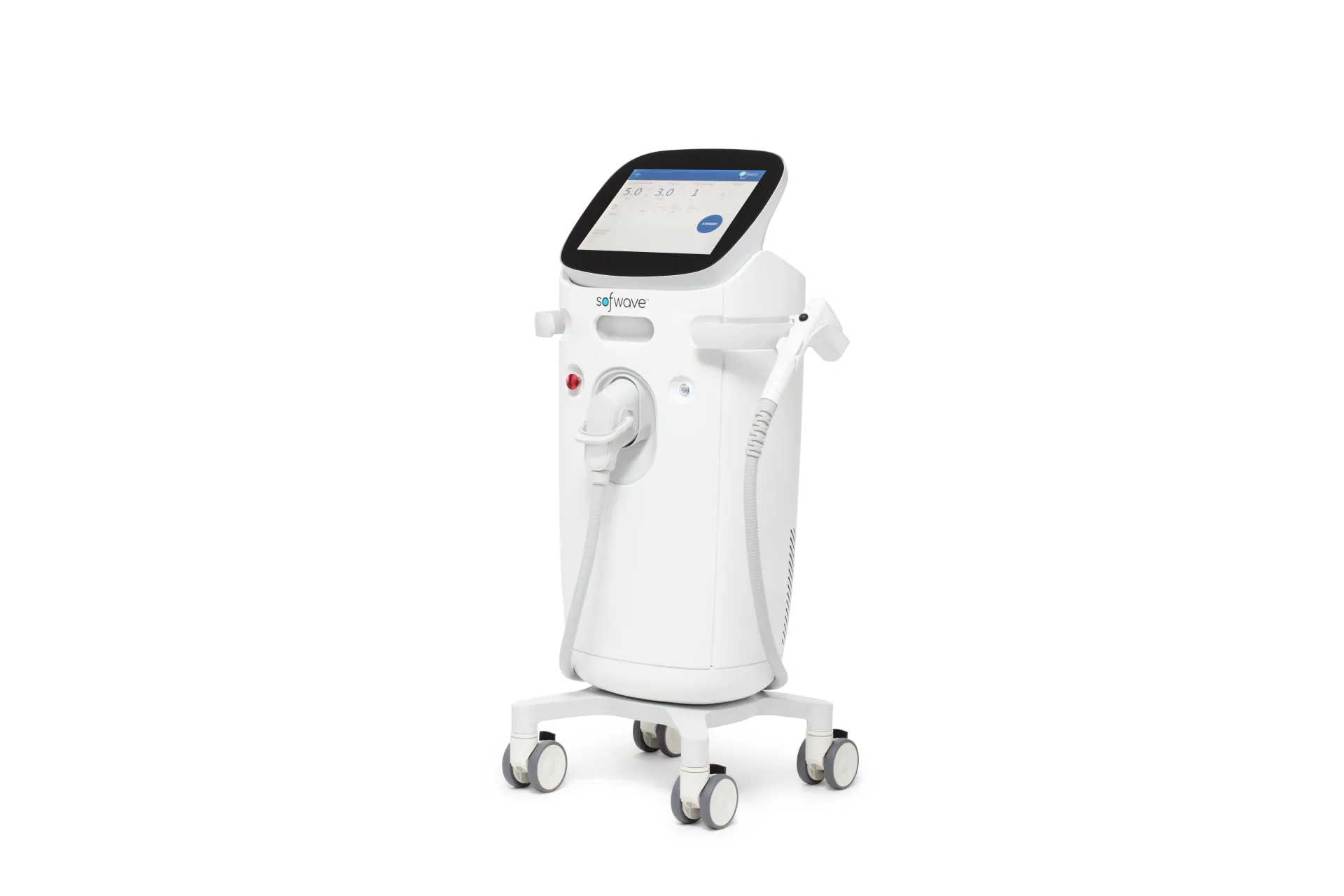 SofwaveLighter ultrasound lifting with shorter downtimeView →
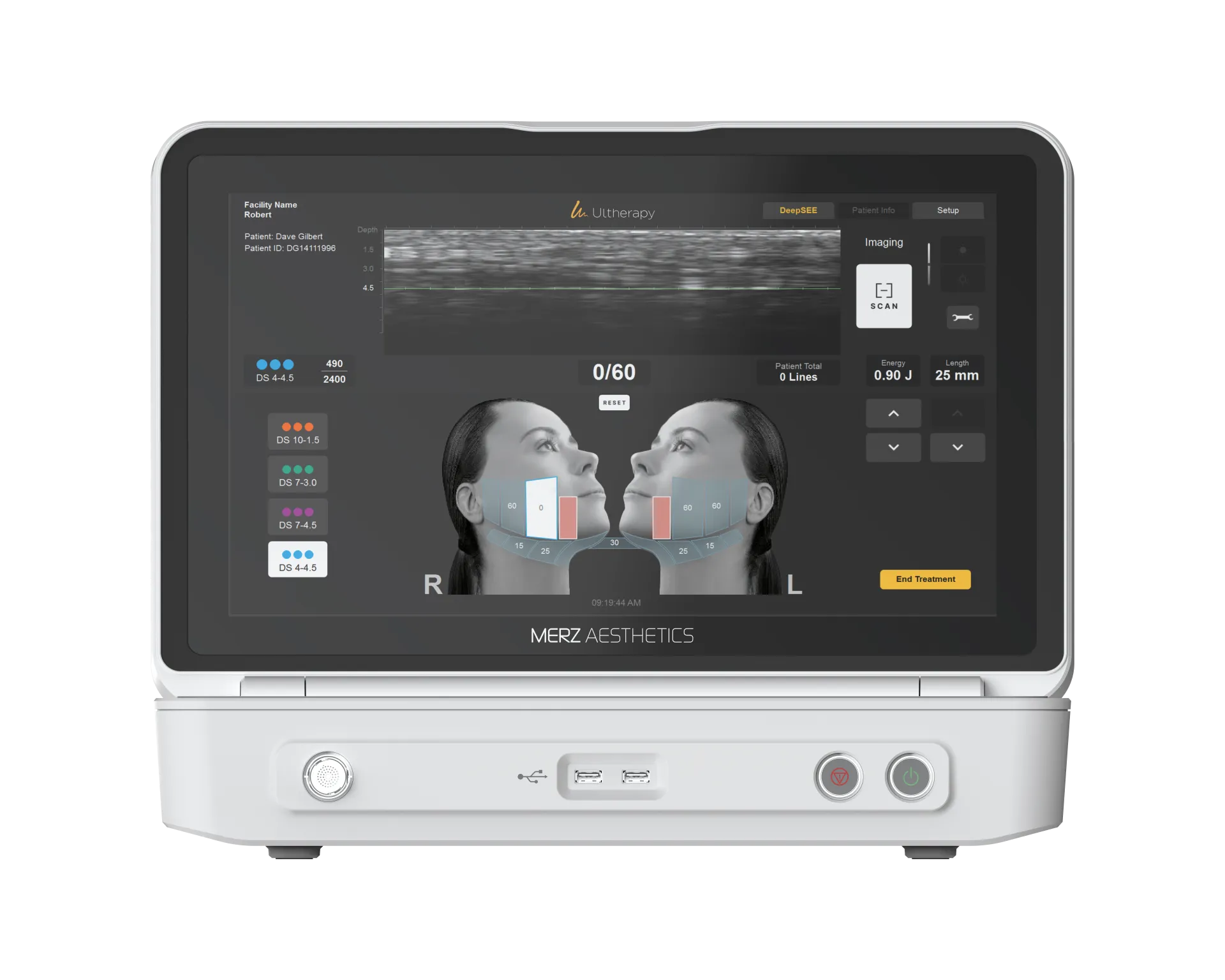 UltherapyUltrasound lifting for deeper layersView →
Guides: Is Titanium Lifting worth it? · Titanium Lifting vs Thermage
Your treatment is planned and performed by experienced, MFDS-registered doctors across our Seoul-area clinics, with multilingual support for international patients.
Flagship clinic · KOL for leading lifting & regenerative devices · Featured in Authority Magazine (2026)
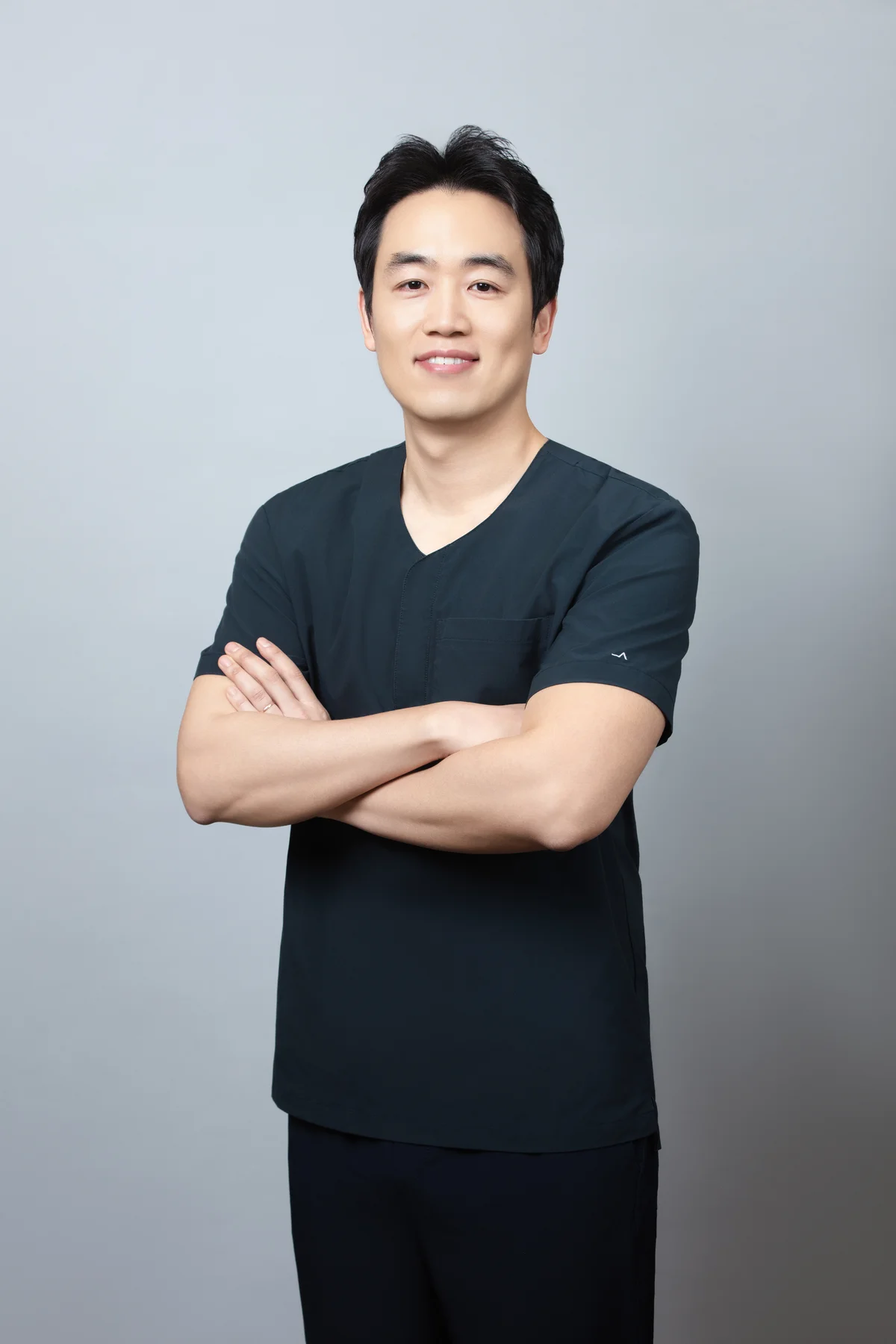
Multilingual tourist care beside Myeongdong Cathedral
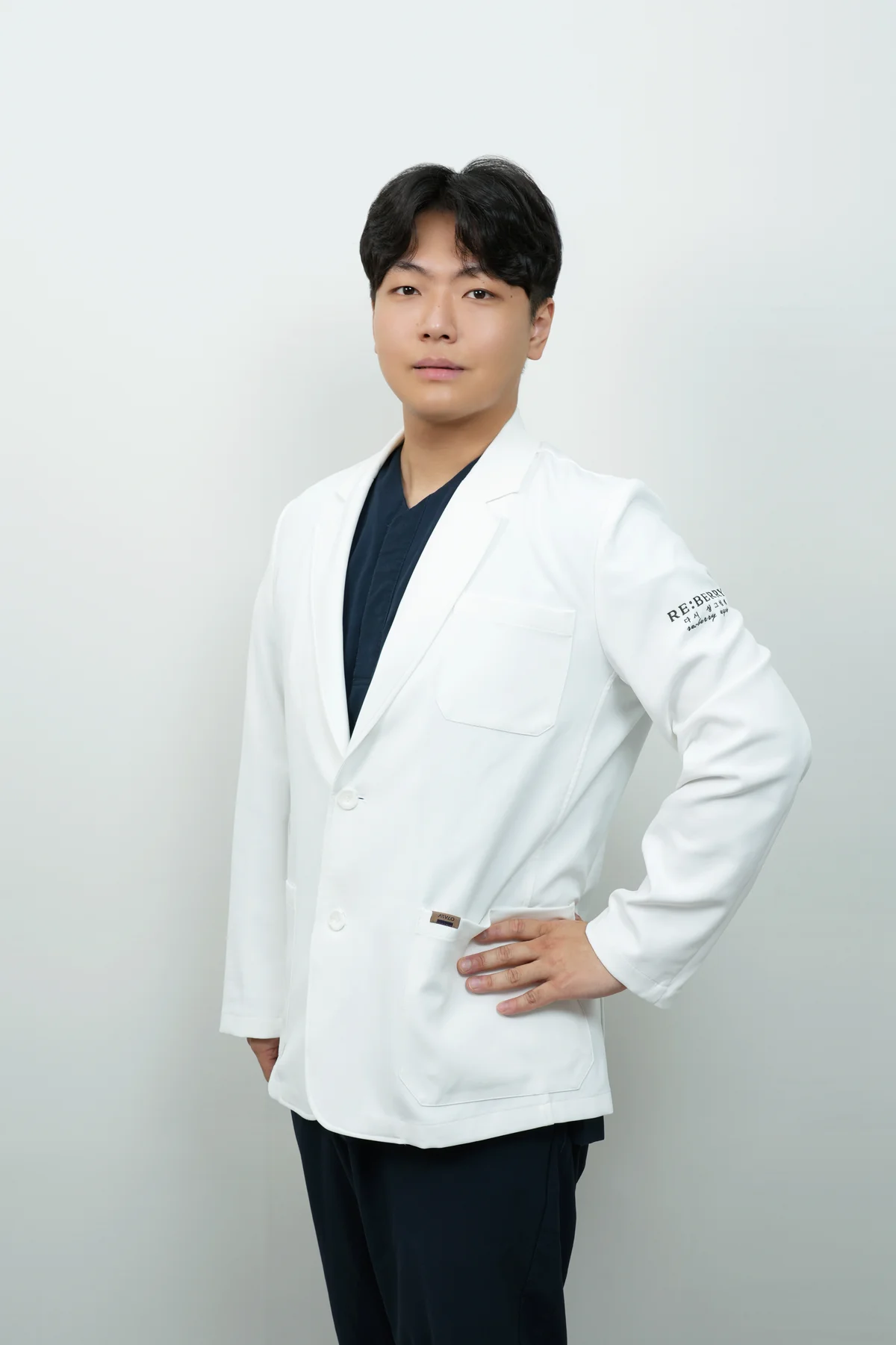
Fast, effective care 20 minutes from the terminals
Message us on WhatsApp for a free consultation in English to check if Soprano Titanium is suitable and safe for your skin.