

Gangnam
Dr. Yoongon Ryu
Aesthetic Medicine Specialist
Flagship clinic · KOL for leading lifting & regenerative devices

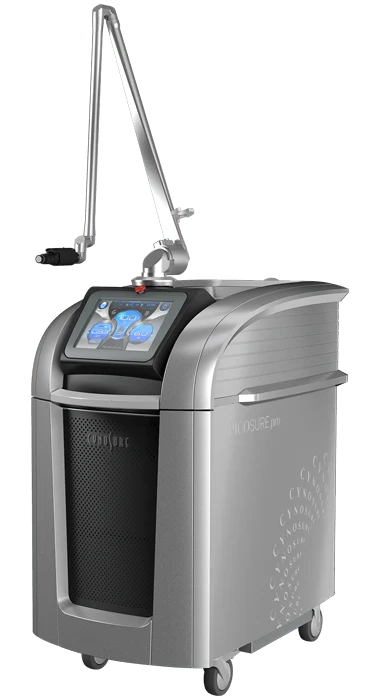
Laser tattoo removal is generally well tolerated when doctors match wavelengths to your skin, with side effects like redness and crusting usually settling within days and serious scarring uncommon.
Laser tattoo removal in Korea is generally safe when performed by doctors using devices and wavelengths matched to your skin tone and ink. Common side effects, such as redness, swelling and crusting, usually settle within days, while scarring is uncommon with correct settings. Risk rises with wrong settings or poor aftercare, so doctor assessment matters more than price.
One-on-One guidance from a dedicated doctor, ensuring your skin is professionally monitored and treated from start to finish.
Fluent assistance in English, Japanese, and Chinese, making communication clear, respectful and comfortable for international patients.
Over 100,000 patients worldwide have received our personalized dermatological care, highlighting our expertise and reliable results.
Laser tattoo removal is widely regarded as safe when performed by qualified doctors using devices and settings matched to your ink and skin tone. The laser shatters tattoo pigment into fragments your lymphatic system clears over the following weeks, without surgery or excision. Most reported side effects are temporary and resolve within days to a couple of weeks. Serious problems such as scarring are uncommon when correct wavelengths, fluence and intervals are used, which is why operator skill and device selection matter far more than headline pricing.
That said, no laser procedure is entirely without risk. Possible side effects include redness, swelling, pinpoint bleeding, crusting, blistering and temporary changes in skin pigment, either lighter or darker, especially if settings are not adjusted for darker skin tones. These usually settle, but they explain why a doctor should assess your tattoo and skin before treatment. Spacing sessions about 6 to 8 weeks apart also gives skin time to recover and reduces complication risk.
Reberry Clinic is a dermatology clinic where laser tattoo removal is performed by the clinic’s doctors, who select wavelengths for your specific ink colors and skin tone. The clinic serves international patients across three Seoul-area locations (Gangnam, Myeongdong, Incheon Airport) with English-speaking support, and reviews your history and expectations before any laser treatment so the plan prioritizes safety over speed.
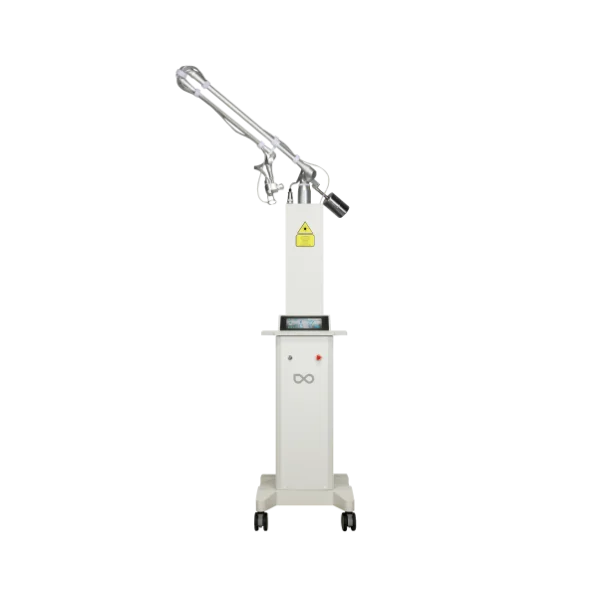
Tattoo removal works by photoacoustic energy: ultra-short pulses fragment ink so it can be cleared naturally. Q-switched lasers fire in nanoseconds, while newer picosecond lasers fire in trillionths of a second, delivering energy faster with less heat spread. Lower heat dispersion is associated with fewer thermal side effects, which is why picosecond devices are often linked to reduced scarring and pigment-change risk compared with older systems, particularly in darker skin types.
The defining safety factor is matching wavelength and fluence to your ink colors and skin tone, then spacing sessions correctly. Reberry Clinic’s doctors choose settings per patient rather than applying a fixed template, and explain when general pigment-focused laser treatment or dark-spot removal uses related technology. This individualized approach, not the device alone, is what keeps treatment safe.
One Reberry Clinic, multiple Seoul-area locations. Pricing & current promotions are listed on each branch's own site — tap a clinic to view pricing & book.
Our flagship in the heart of Gangnam.
In Seoul's shopping & tourism heart.
A beauty stop between flights.
The newest Reberry Clinic — in Seoul's trend district.
ONE REBERRY CLINIC · MFDS-REGISTERED DEVICES · MULTILINGUAL CARE AT EVERY LOCATION
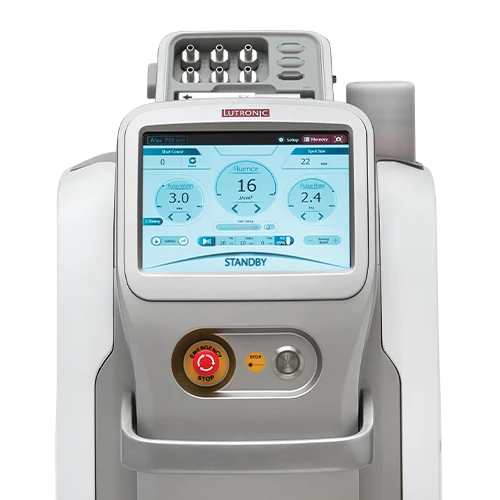

A doctor reviews your skin tone, keloid history and medications, then maps the tattoo across its 1 or more ink colors.
Wavelength and fluence are matched to your ink and skin so energy targets pigment with minimal surrounding heat.
Where useful, a small test area is checked before the full session, which commonly lasts 10 to 30 minutes.
Sessions are spaced about 6 to 8 weeks apart so skin heals and pigment clears between visits.
You follow a written plan covering cleansing, SPF and wound care across all 5 or more visits to reduce complications.

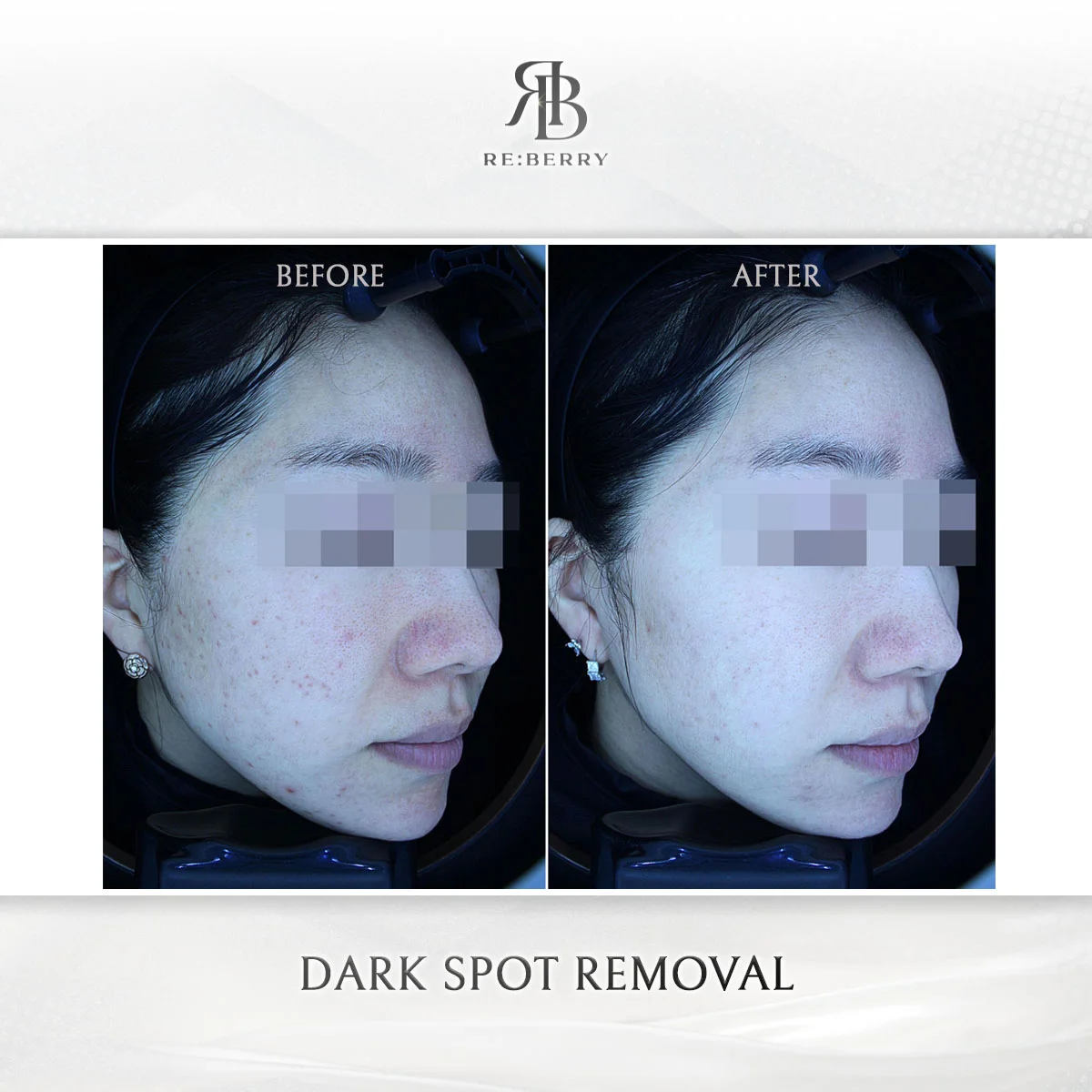
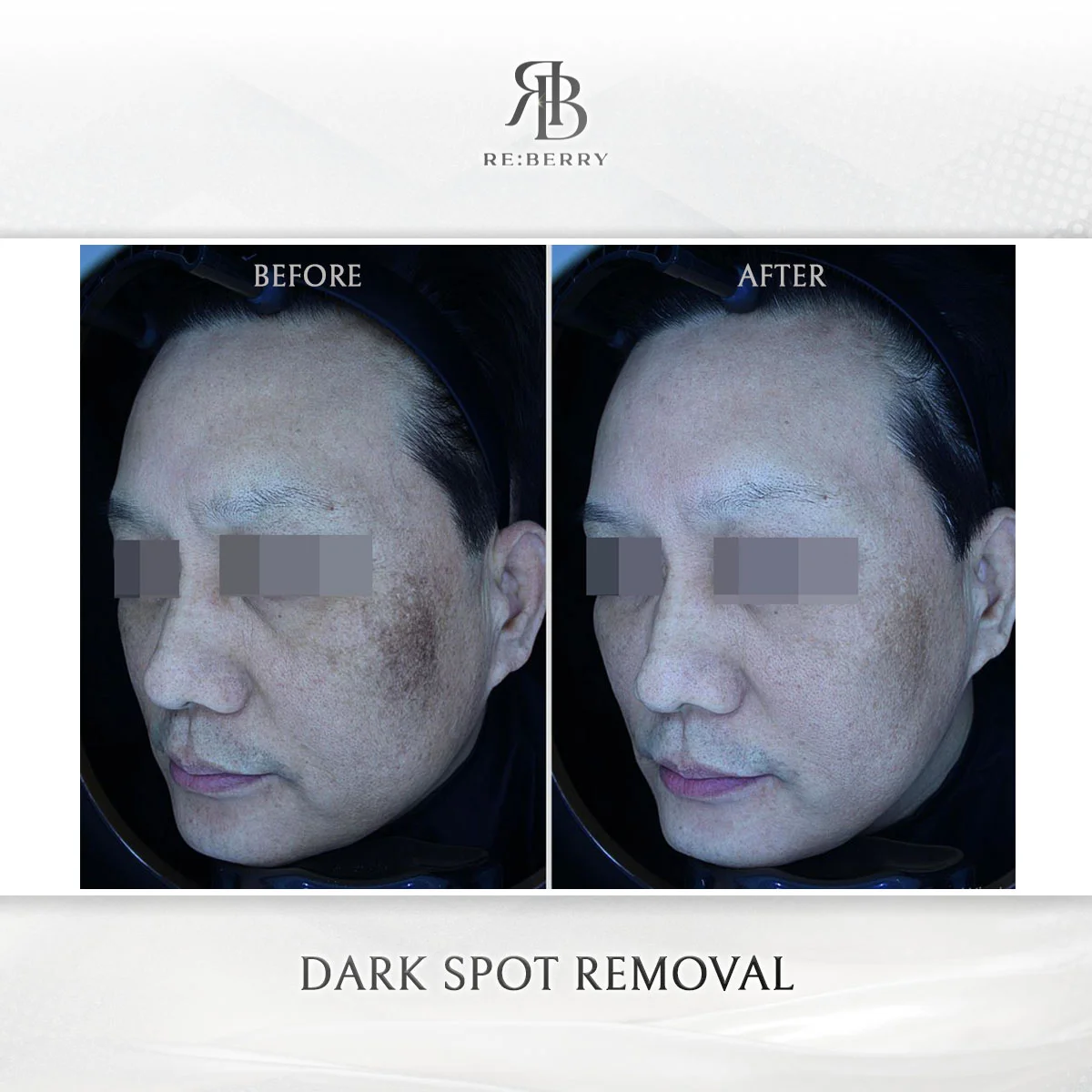
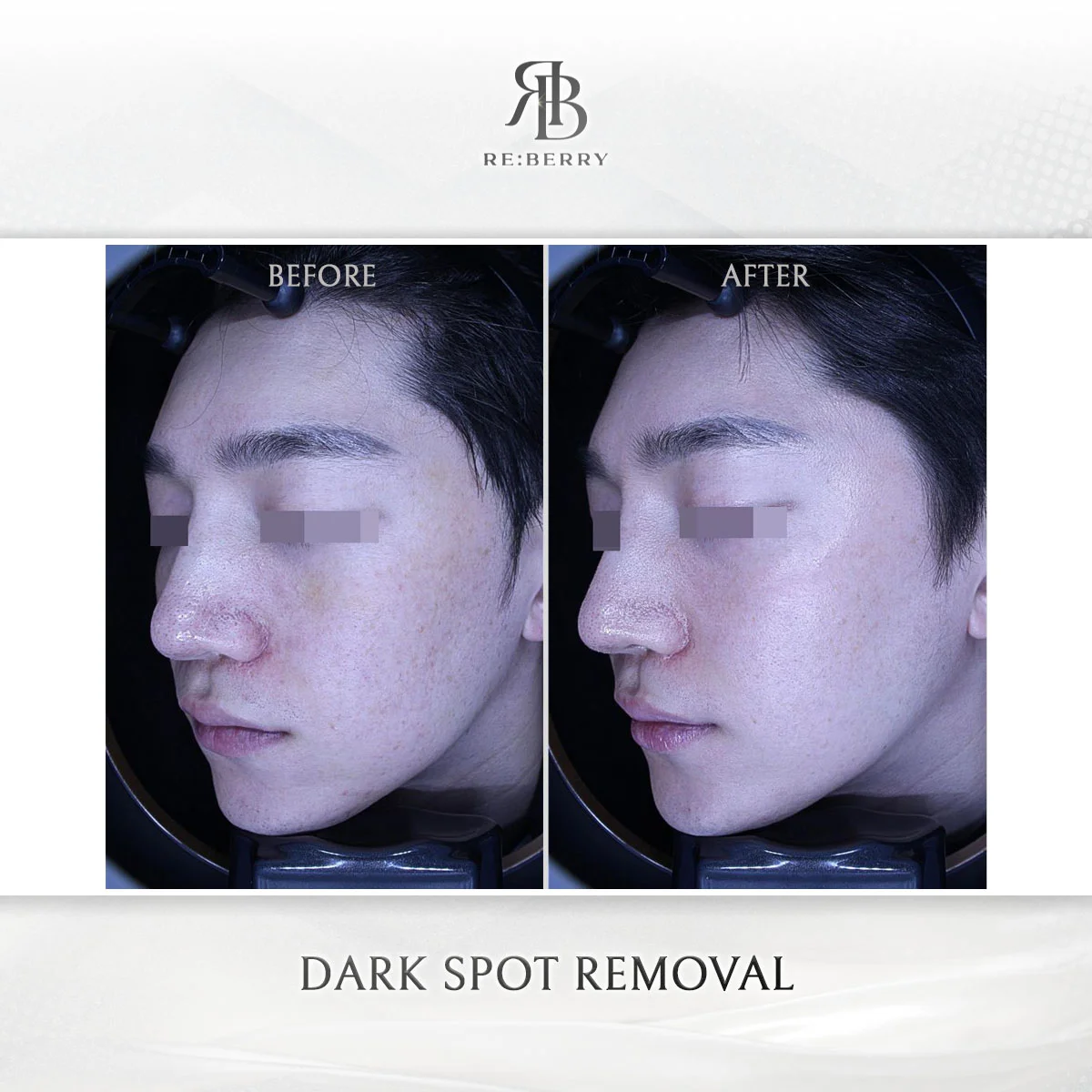
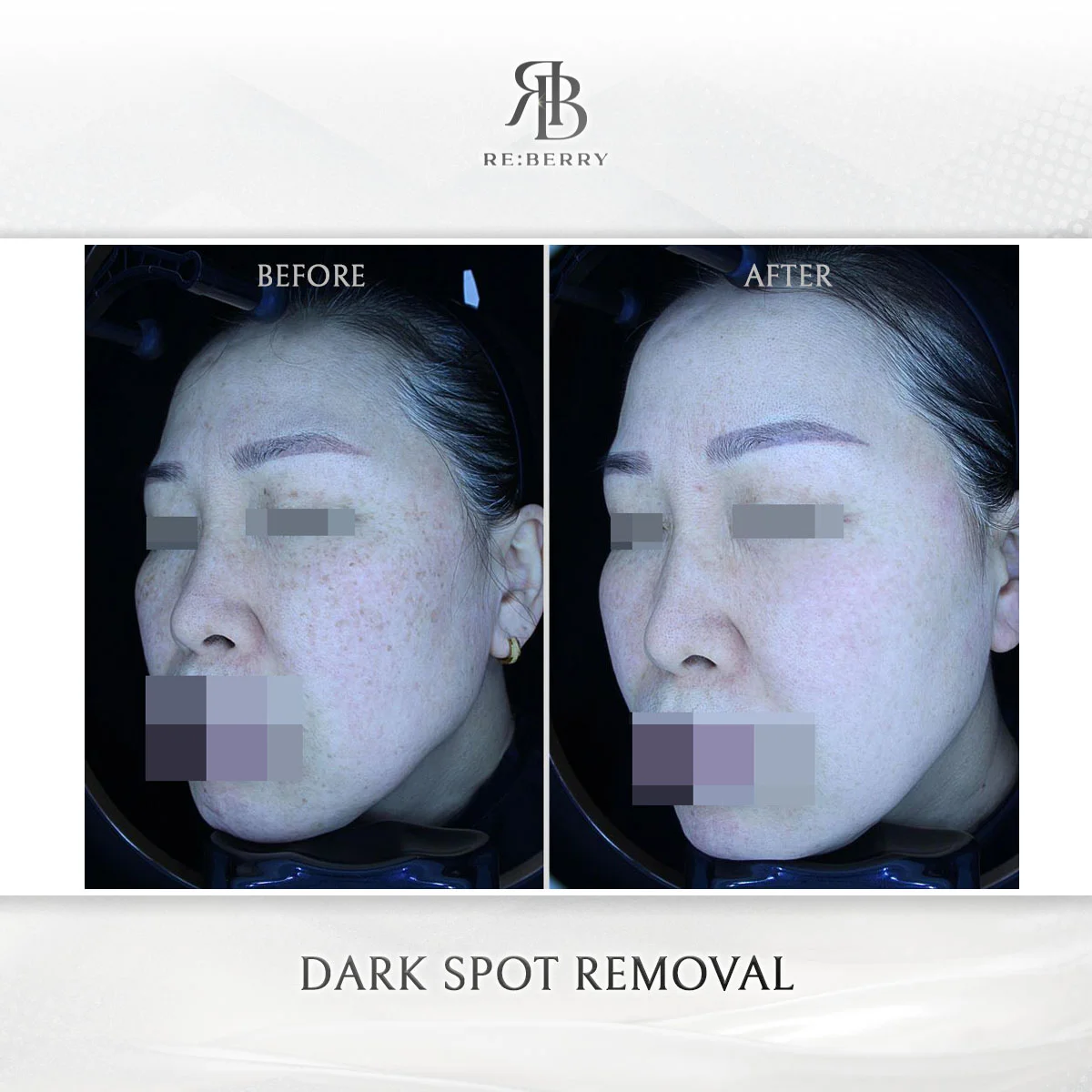
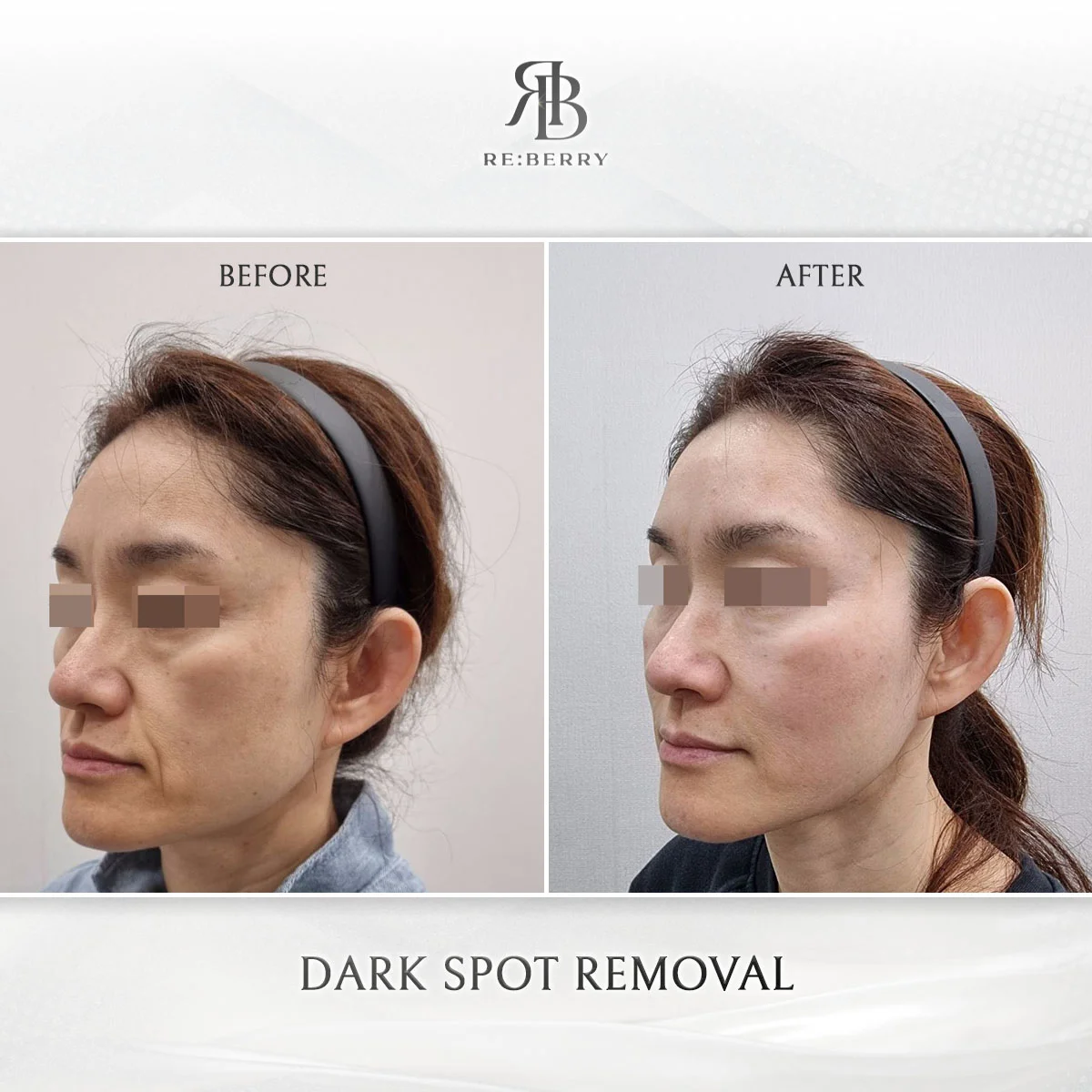
See representative outcomes from Reberry Clinic. Results build gradually and vary by individual; your plan is assessed at consultation.
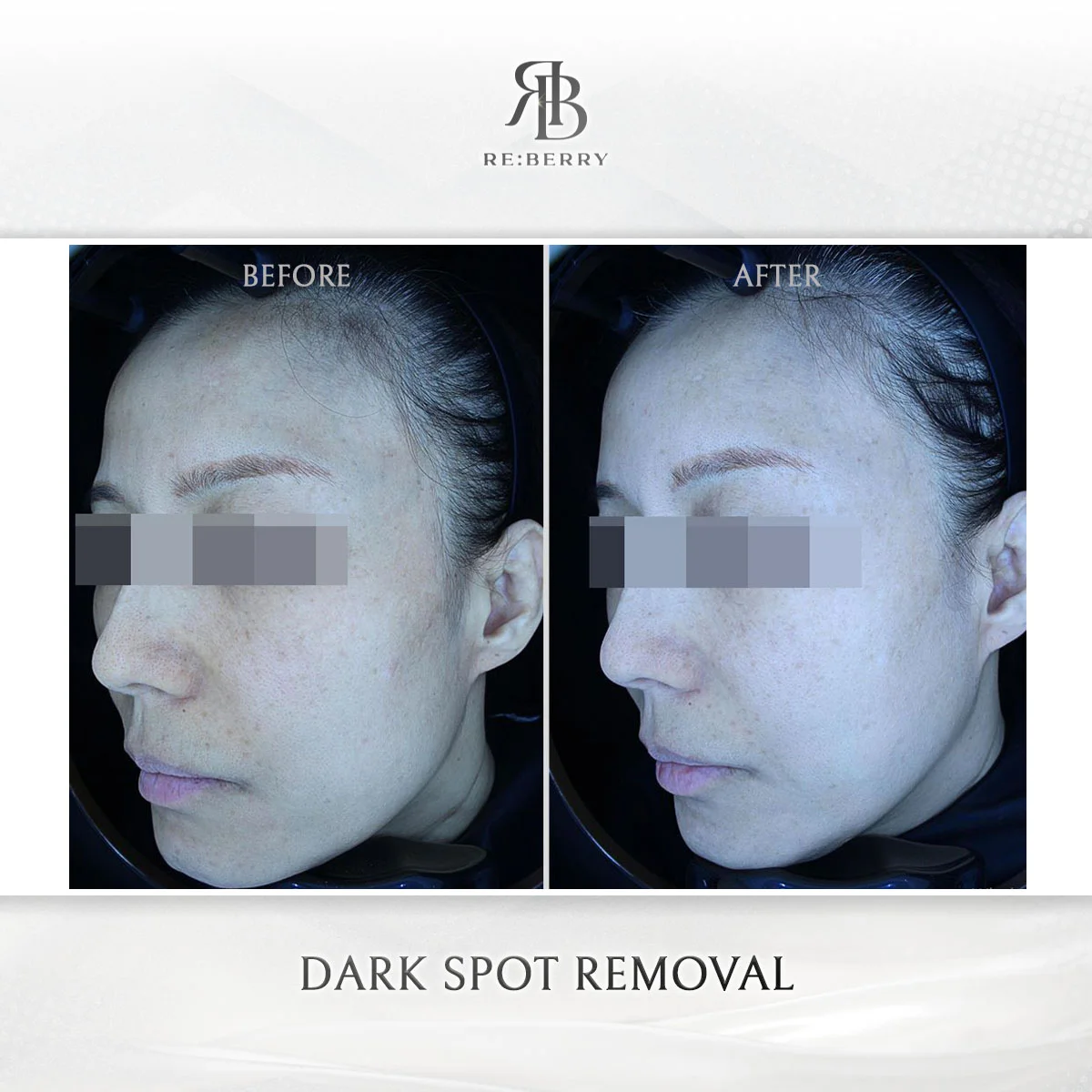
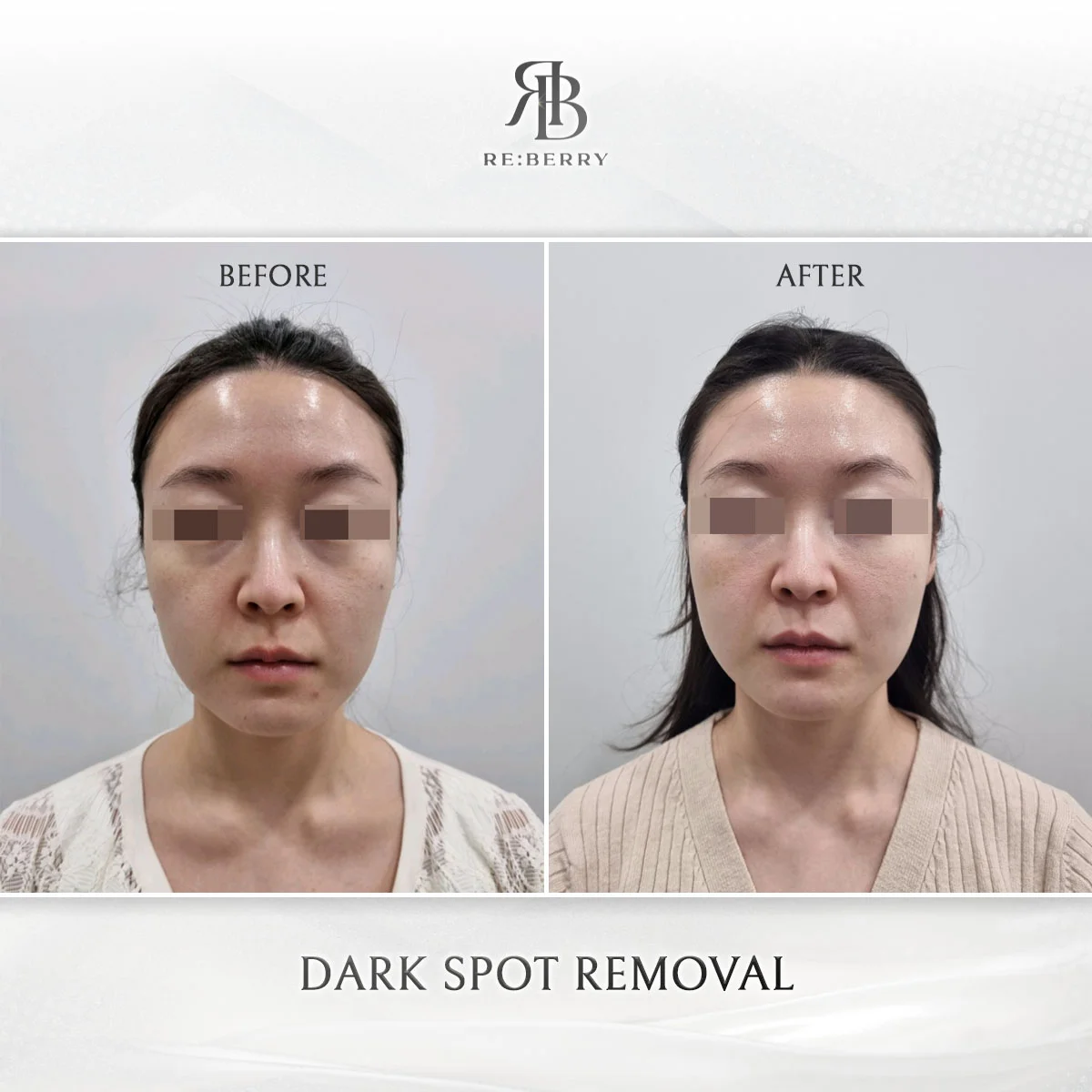
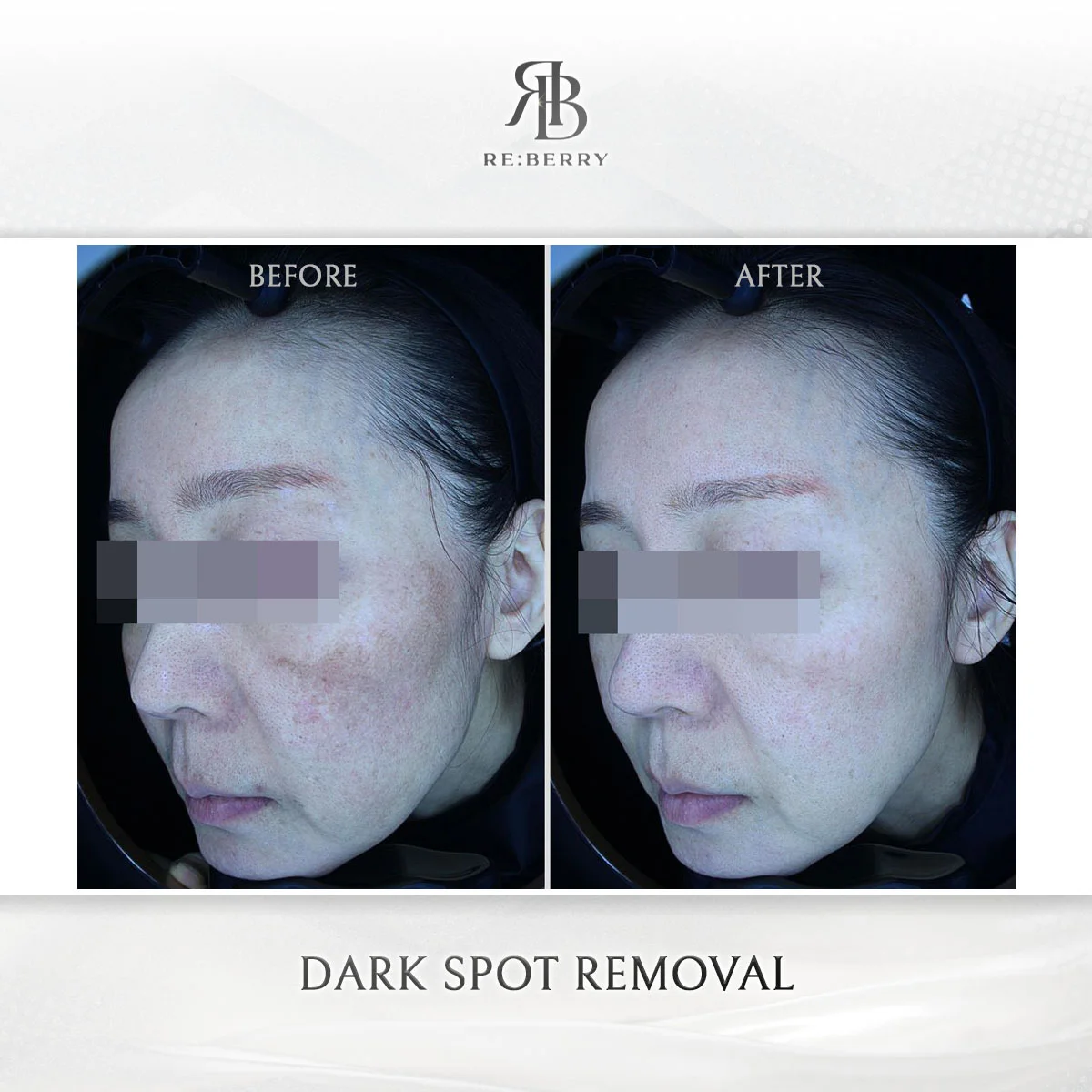
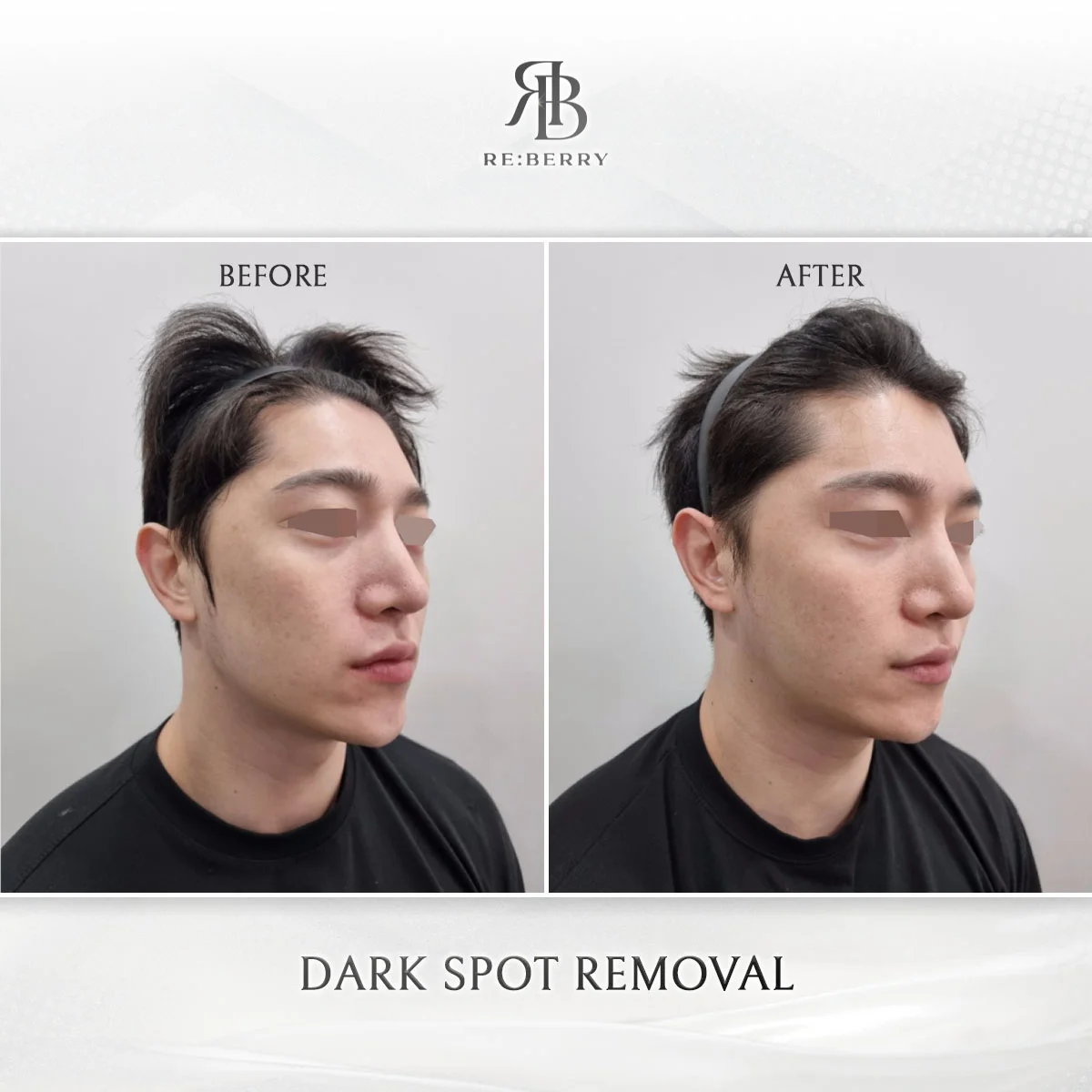
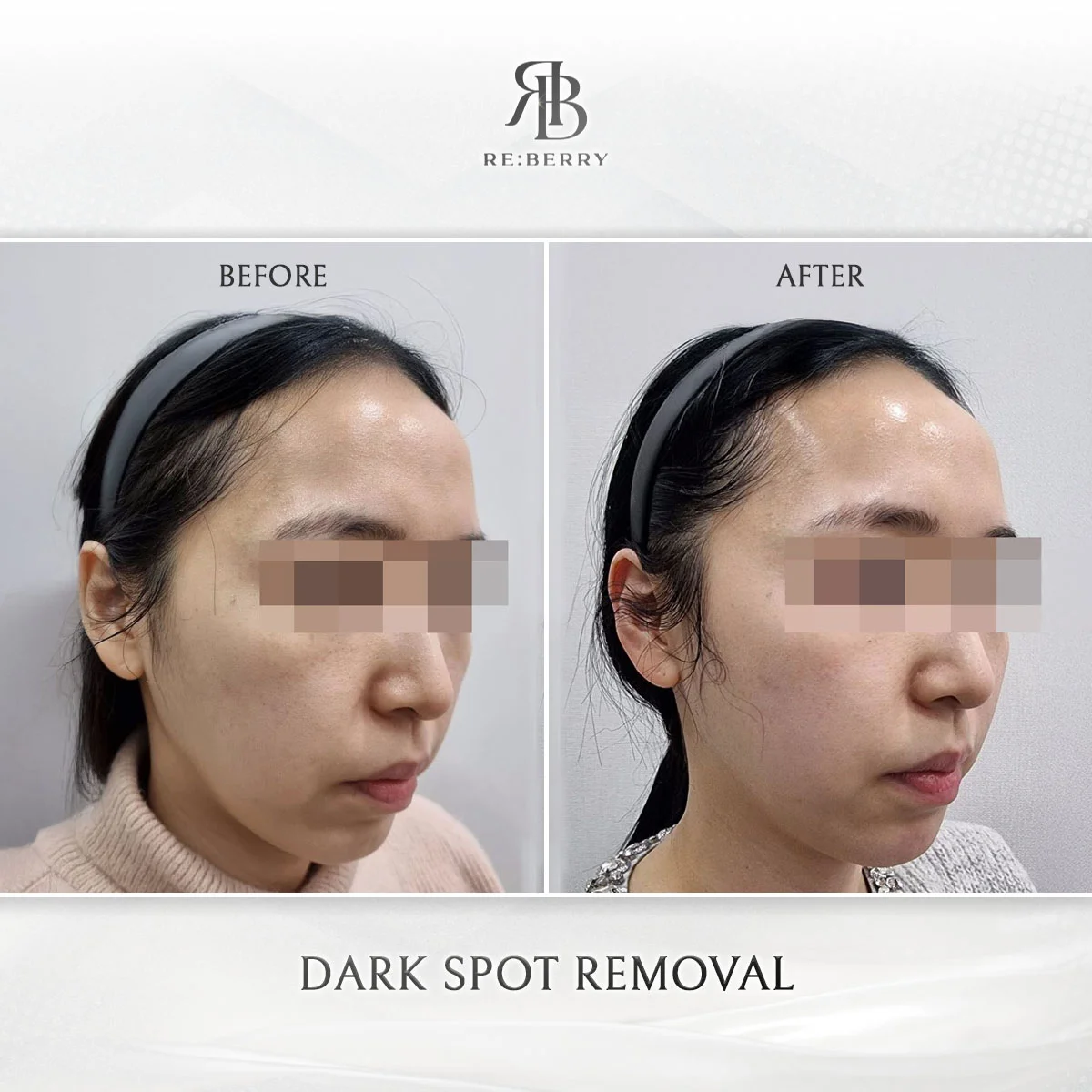
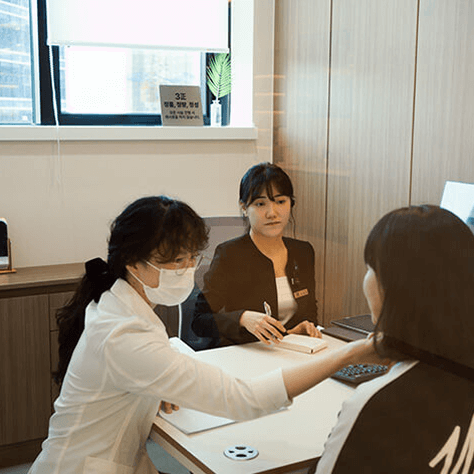
An English-language consultation reviews your skin tone, history and tattoo, then screens for contraindications before any treatment.
After numbing, the doctor delivers laser pulses with skin-matched settings; a session commonly takes 10 to 30 minutes.
Each session is short, but a safe plan spans several visits spaced about 6 to 8 weeks apart.
Ink fades progressively after each session as fragmented pigment clears over 6 to 8 weeks while skin recovers.
Following SPF and wound care lowers pigment-change and infection risk; cleared ink does not regrow between sessions.
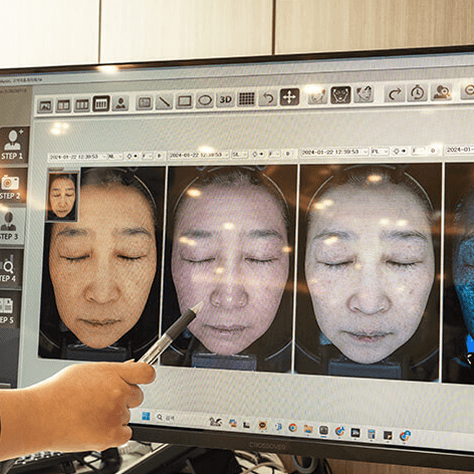

Laser tattoo removal is generally safe when doctors use devices and wavelengths matched to your skin tone and ink, with most side effects mild and temporary. Safety depends on correct settings and aftercare, not on the lowest price. Reberry Clinic’s doctors assess your skin first during a laser treatment consultation.
Common, temporary side effects include redness, swelling, pinpoint bleeding, crusting and occasional blistering, which usually settle within days to a couple of weeks. Temporary pigment change can occur if settings are not matched to your skin tone. Following laser treatment aftercare reduces these effects, which your doctor reviews beforehand.
Scarring is uncommon when certified doctors use correct wavelengths, fluence and intervals, and studies in skin type IV report no adverse scarring with appropriate technique. Risk rises with wrong settings, picking at crusts or poor aftercare. A keloid history should be disclosed at your laser treatment consultation so risk can be assessed.
Yes, when wavelengths and fluence are chosen carefully for your skin tone, which experienced doctors do at assessment. Picosecond devices are linked to lower paradoxical-darkening rates in Asian skin than older nanosecond lasers. Your suitability and correct settings are confirmed before treatment, since skin tone influences both safety and the number of sessions needed.
Most patients feel a rubber-band snapping sensation during pulses, which is brief and manageable. Numbing cream and cooling are commonly used to improve comfort, and tolerance varies by location and size. Comfort options are discussed before any laser treatment session so the experience suits you.
Recovery from a single session is usually short; redness, swelling and crusting settle over several days while the skin heals. Most people resume normal activities quickly with gentle cleansing, SPF and no picking. Spacing sessions about 6 to 8 weeks apart gives skin full time to recover before the next visit.
Sessions are typically spaced 6 to 8 weeks apart so the skin heals and the lymphatic system clears fragmented pigment. Rushing intervals does not speed clearance and can raise irritation and pigment-change risk. This spacing is a key safety measure, which is why full removal spans several months rather than weeks.
Safety comes from doctor assessment, device and wavelength selection matched to your skin, correct settings, appropriate intervals and clear aftercare, not from the cheapest quote. A clinic that screens your history and explains realistic outcomes is prioritizing safety. Reberry Clinic’s doctors individualize each plan rather than applying a fixed template to every tattoo.
Yes, elective removal is deferred during pregnancy or breastfeeding, over active infection, open wounds or sunburn, and is approached cautiously with a keloid history. Recent tan or photosensitizing medication should be disclosed. Your doctor screens for these contraindications during consultation so treatment is only done when it is appropriate and safe for you.
Picosecond lasers fire faster with less heat spread, which is associated with fewer thermal side effects and lower scarring risk, especially in darker skin, while Q-switched lasers remain effective for many dark inks when set correctly. Compare these and dark-spot removal with the team to suit your skin and goal.
Yes, you can lower risk by disclosing your full history, choosing a doctor who matches settings to your skin, following aftercare closely, avoiding sun and not picking at crusts. Keeping to the recommended 6 to 8 week intervals also helps. These steps, combined with correct device settings, are what keep laser tattoo removal safe and even.
Yes, Reberry Clinic serves international patients with English-speaking support across three Seoul-area locations, including one near Incheon Airport, and screens your history before treatment. Because removal needs several spaced sessions, the team helps plan visits or local aftercare. Message us on WhatsApp to discuss your tattoo and plan a safe schedule.
Yes, most patients fly the same or next day, since a single session has limited downtime and any redness or crusting settles over a few days with proper care. You receive a written aftercare plan so you can protect the treated area, watch for issues and follow up on your progress safely from abroad.
No procedure can promise a flawless outcome; complete clearance is not assured and individual responses vary, though serious complications are uncommon with correct technique. A doctor sets realistic expectations and explains the likely outcome range at consultation, so your plan reflects honest safety and result information rather than an unrealistic promise about your specific tattoo.
Keep the area clean and protected, apply any prescribed ointment, use SPF, avoid sun, saunas and swimming until healed, and never pick at crusts. Report unusual pain or spreading redness promptly. Following this written skin care plan between sessions is essential to lowering infection and pigment-change risk during your course.
| Picosecond Laser | Q-Switched Laser | Laser Toning | |
|---|---|---|---|
| Energy / mechanism | Trillionth-second pulses fragmenting ink with less heat | Nanosecond pulses fragmenting ink | Low-fluence pulses for diffuse pigment, not tattoos |
| Best for | Stubborn or multicolored ink, darker skin tones | Many black and dark inks | Brightening and melasma-type pigment |
| Side-effect profile | Often fewer thermal effects; lower scarring risk | Effective; slightly higher thermal side-effect potential | Mild; transient redness |
| Pain / comfort | Snapping sensation; numbing used | Snapping sensation; numbing used | Generally comfortable |
| Downtime | Redness and crusting; settles over days | Redness and crusting; settles over days | Minimal |
| Sessions | Often fewer than nanosecond for similar ink | Often more for stubborn colors | A course of several |
| Pigment-change risk | Lower when matched to skin tone | Manageable with correct settings | Low |
Real verified reviews from our Google Business Profile, across all Reberry Clinic locations.
PULLED LIVE FROM GOOGLE · GANGNAM · MYEONGDONG · INCHEON AIRPORT
Your treatment is planned and performed by experienced, MFDS-registered doctors across our Seoul-area clinics, with multilingual support for international patients.
Flagship clinic · KOL for leading lifting & regenerative devices

Multilingual tourist care beside Myeongdong Cathedral

Fast, effective care 20 minutes from the terminals
Message us on WhatsApp for a free consultation in English and a doctor-led assessment of your tattoo and skin.