
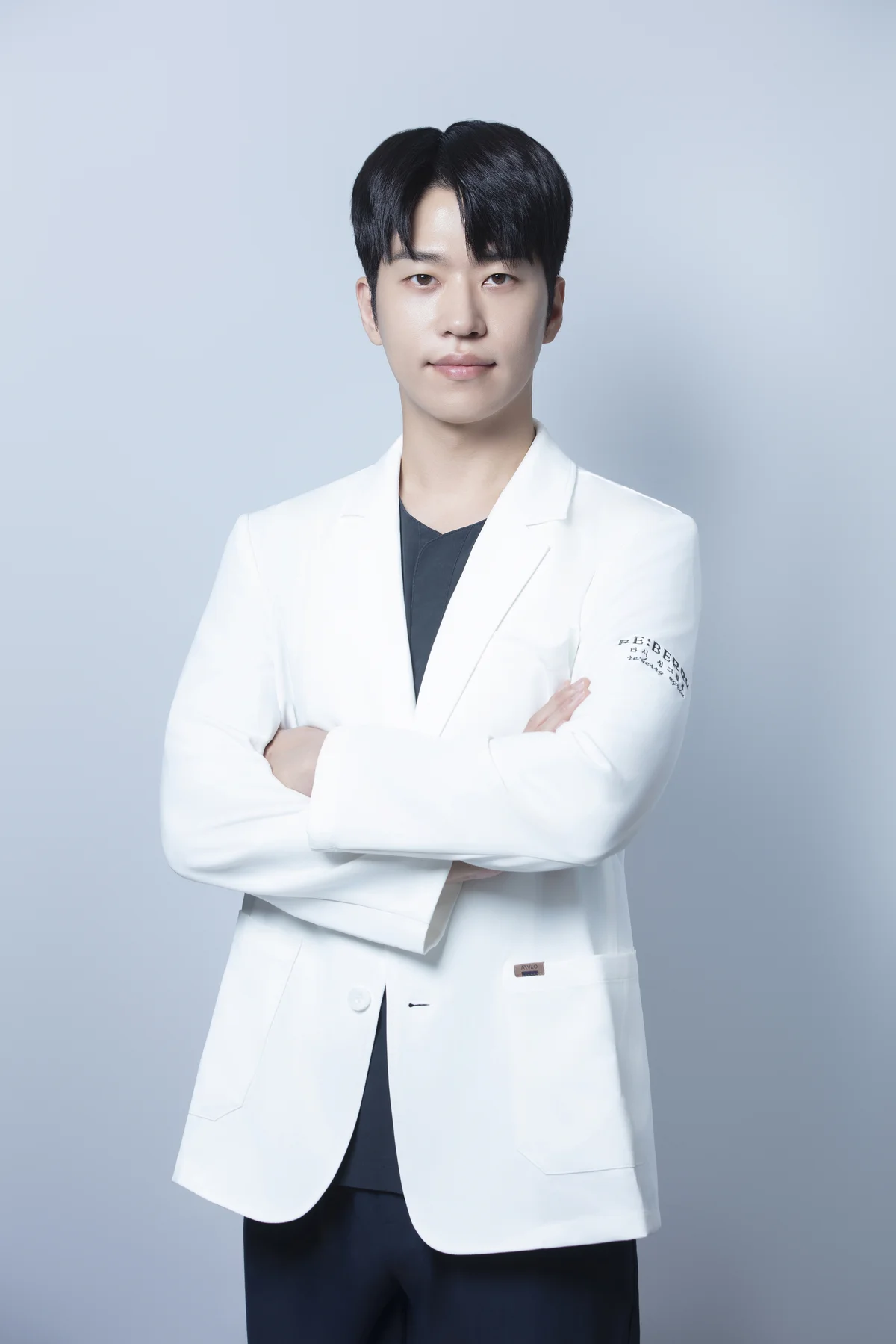
Gangnam
Dr. Yoongon Ryu
Aesthetic Medicine Specialist
Flagship clinic · KOL for leading lifting & regenerative devices


Thread lifts use absorbable PDO/PLLA threads and carry a generally low rate of serious complications, with most side effects mild and resolving within 1 to 2 weeks.
A thread lift in Korea is a minimally invasive procedure with a generally low rate of serious complications when performed by an experienced doctor using regulated, absorbable threads. Most side effects, such as swelling or bruising, are mild and settle within 1 to 2 weeks. Safety depends on candidacy, sterile technique and proper vector planning, all assessed at consultation.
One-on-One guidance from a dedicated doctor, ensuring your skin is professionally monitored and treated from start to finish.
Fluent assistance in English, Japanese, and Chinese, making communication clear, respectful and comfortable for international patients.
Over 100,000 patients worldwide have received our personalized dermatological care, highlighting our expertise and reliable results.
A thread lift is considered a minimally invasive, low-risk procedure when performed correctly, which is one reason it is so common in Korea. The threads are absorbable PDO or PLLA, the same family of materials used in surgical sutures for decades, and they dissolve naturally over months. No general anesthesia is needed, no skin is removed, and there are no large incisions, which keeps the serious-complication rate low in published series.
That said, no aesthetic procedure is free of risk, and honesty matters. The common side effects are mild and temporary: swelling, bruising, tenderness, a tight feeling, or small dimples where threads were anchored, most settling within one to two weeks. Less common issues, such as thread visibility, asymmetry, or minor infection, are usually manageable and are far less likely with experienced placement and sterile technique. Choosing the right candidate and the right vectors is central to a safe, natural result.
Reberry Clinic is a dermatology clinic and thread lifting is performed by the clinic’s doctors. The clinic serves international patients across three Seoul-area locations (Gangnam, Myeongdong, Incheon Airport) with English-speaking support, and reviews your medical history, expectations and suitability before recommending a plan, so safety is assessed individually rather than assumed.
A thread lift uses absorbable PDO or PLLA threads inserted through fine cannulas, not blades. PDO has a long track record as a surgical suture material, and both PDO and PLLA are broken down by the body over several months into harmless byproducts, so nothing permanent is left behind. As they dissolve, they stimulate the skin’s own collagen, which is why the supportive effect can outlast the threads themselves.
Because the threads are placed through small entry points rather than open surgery, the procedure avoids the risks tied to incisions and general anesthesia. Safety still depends on technique: correct depth, planned vectors and sterile handling. When a different approach suits you better, the clinic may suggest an energy-based option such as micro-focused ultrasound or a mid-dermis ultrasound device that needs no insertion at all.
One Reberry Clinic, multiple Seoul-area locations. Pricing & current promotions are listed on each branch's own site — tap a clinic to view pricing & book.
Our flagship in the heart of Gangnam.
In Seoul's shopping & tourism heart.
A beauty stop between flights.
The newest Reberry Clinic — in Seoul's trend district.
ONE REBERRY CLINIC · MFDS-REGISTERED DEVICES · MULTILINGUAL CARE AT EVERY LOCATION
The doctor screens for the 4 main contraindications: pregnancy, active infection, suture allergy and bleeding risk.
Suitability is confirmed for your laxity level, since 1 procedure does not fit every degree of sagging.
Threads are inserted under local anesthetic through small entry points using sterile, single-use cannulas.
Placement follows mapped vectors to reduce the 2 most common issues: asymmetry and visible dimpling.
You receive written instructions and warning signs to watch for in the first 1 to 2 weeks.

See representative outcomes from Reberry Clinic. Results build gradually and vary by individual; your plan is assessed at consultation.
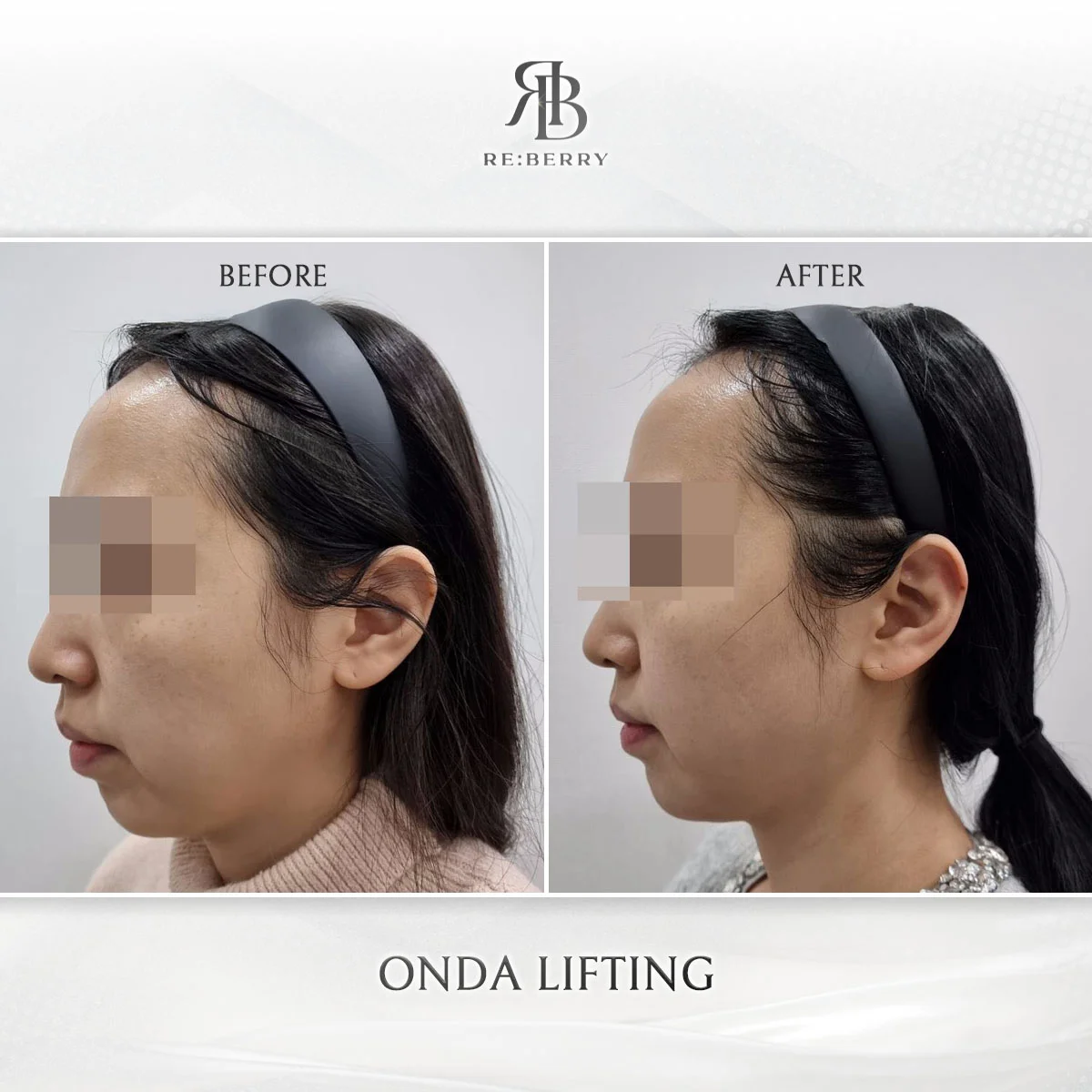
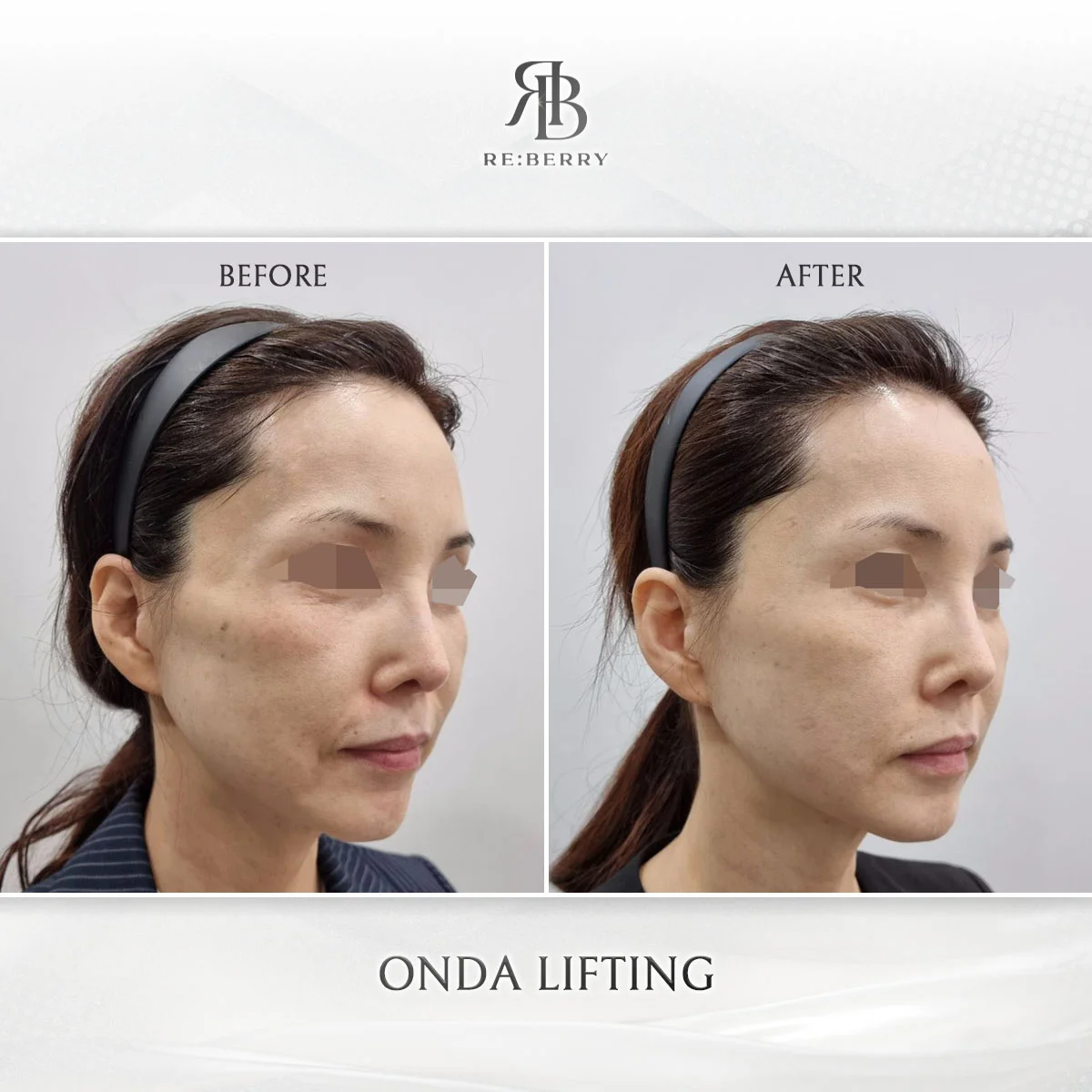
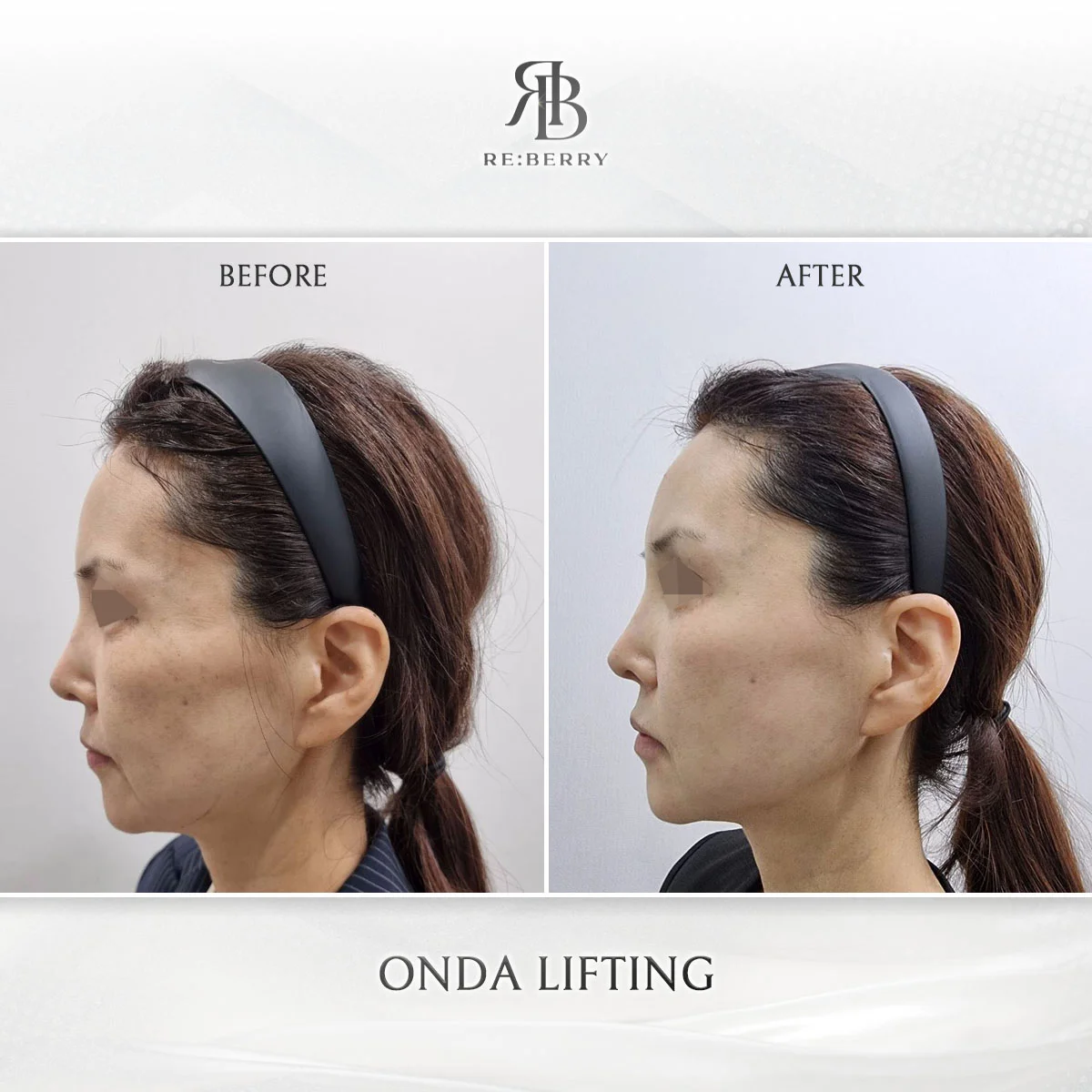
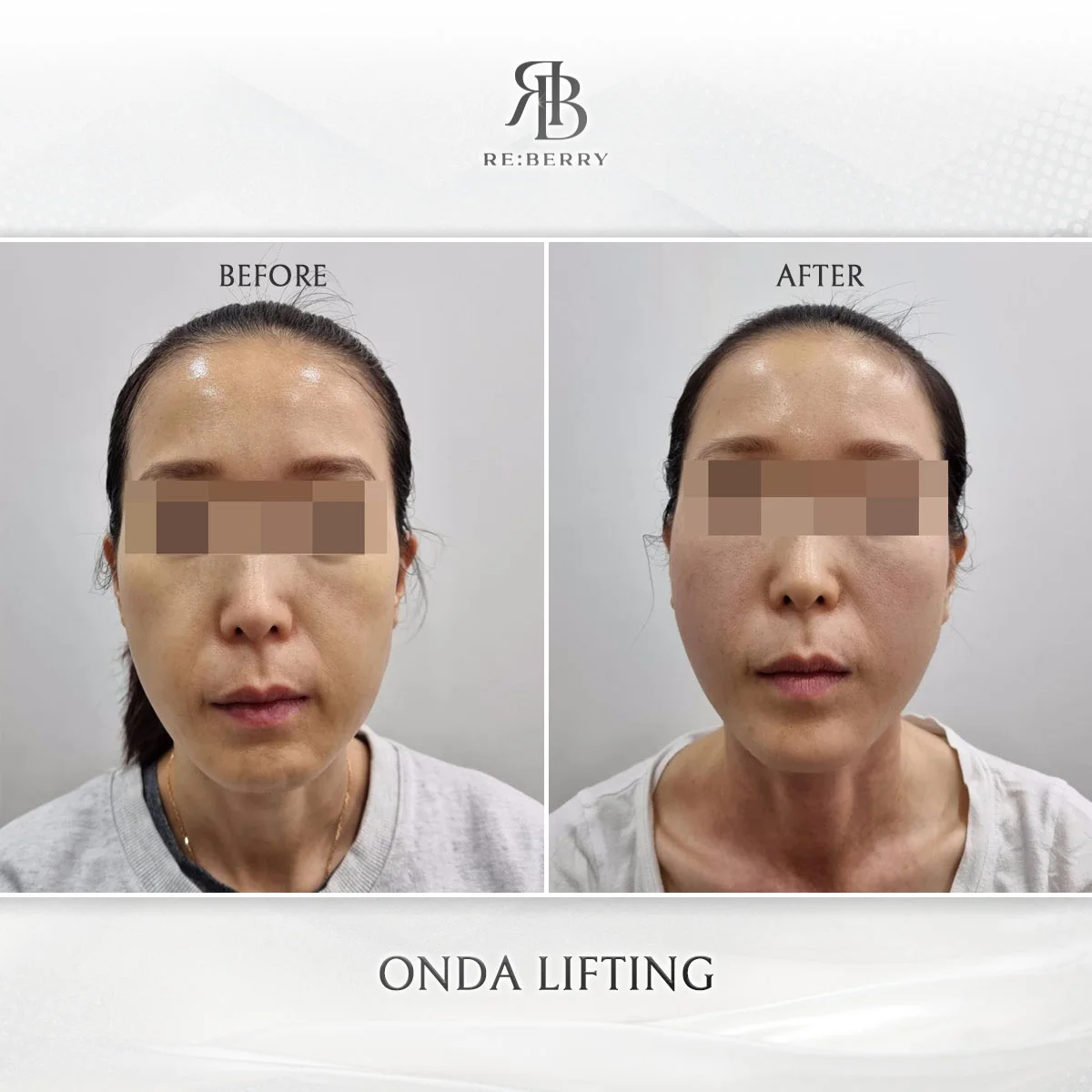
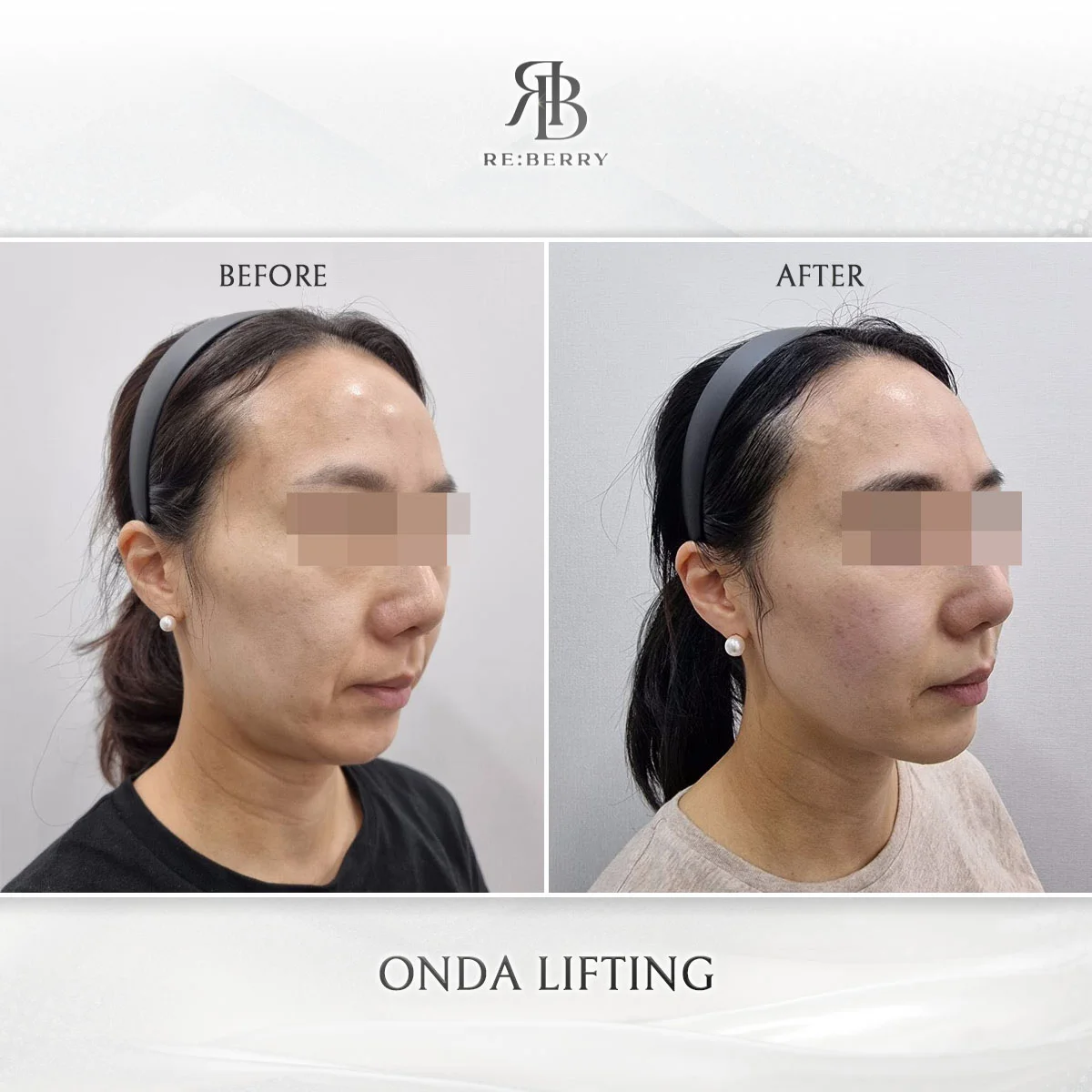
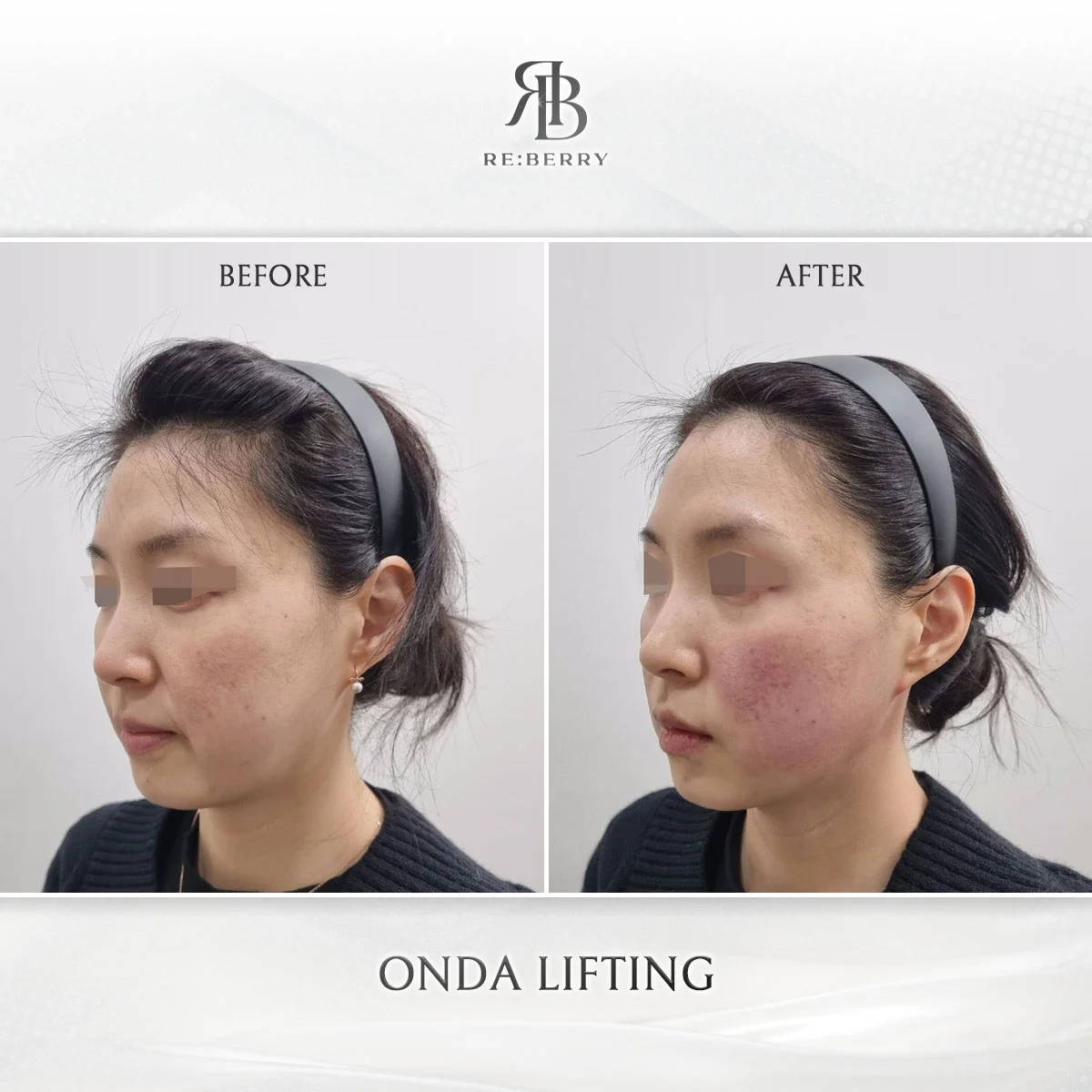
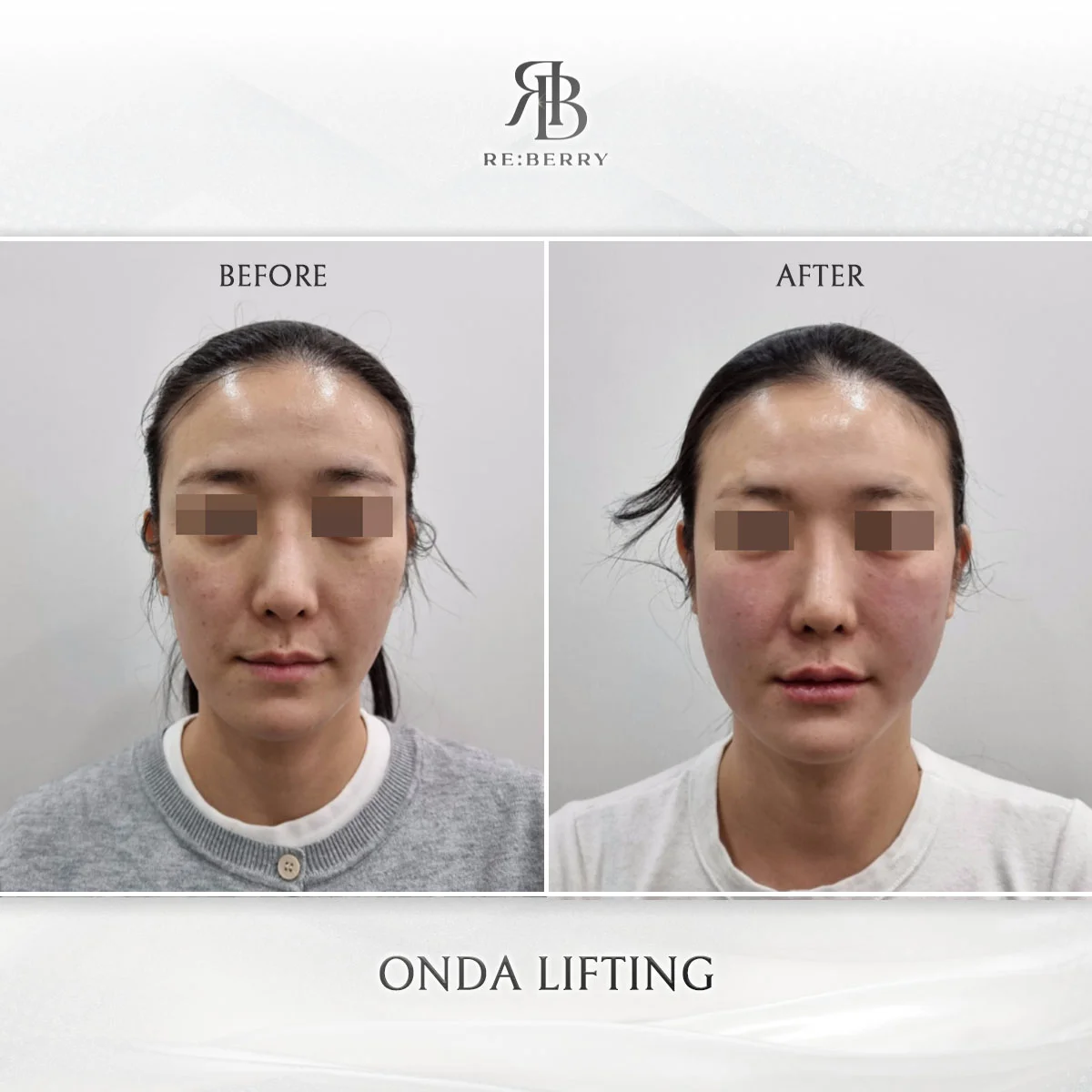
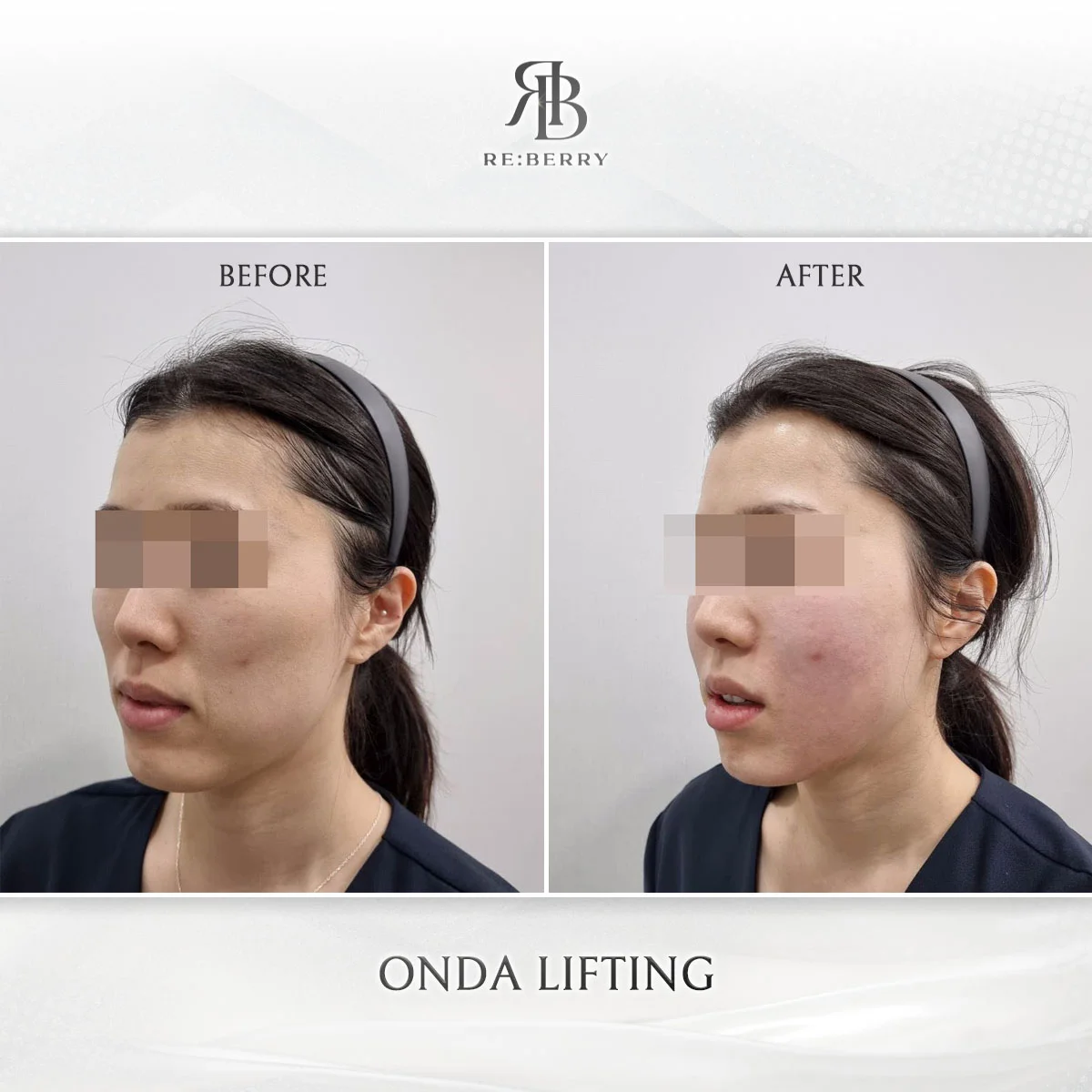
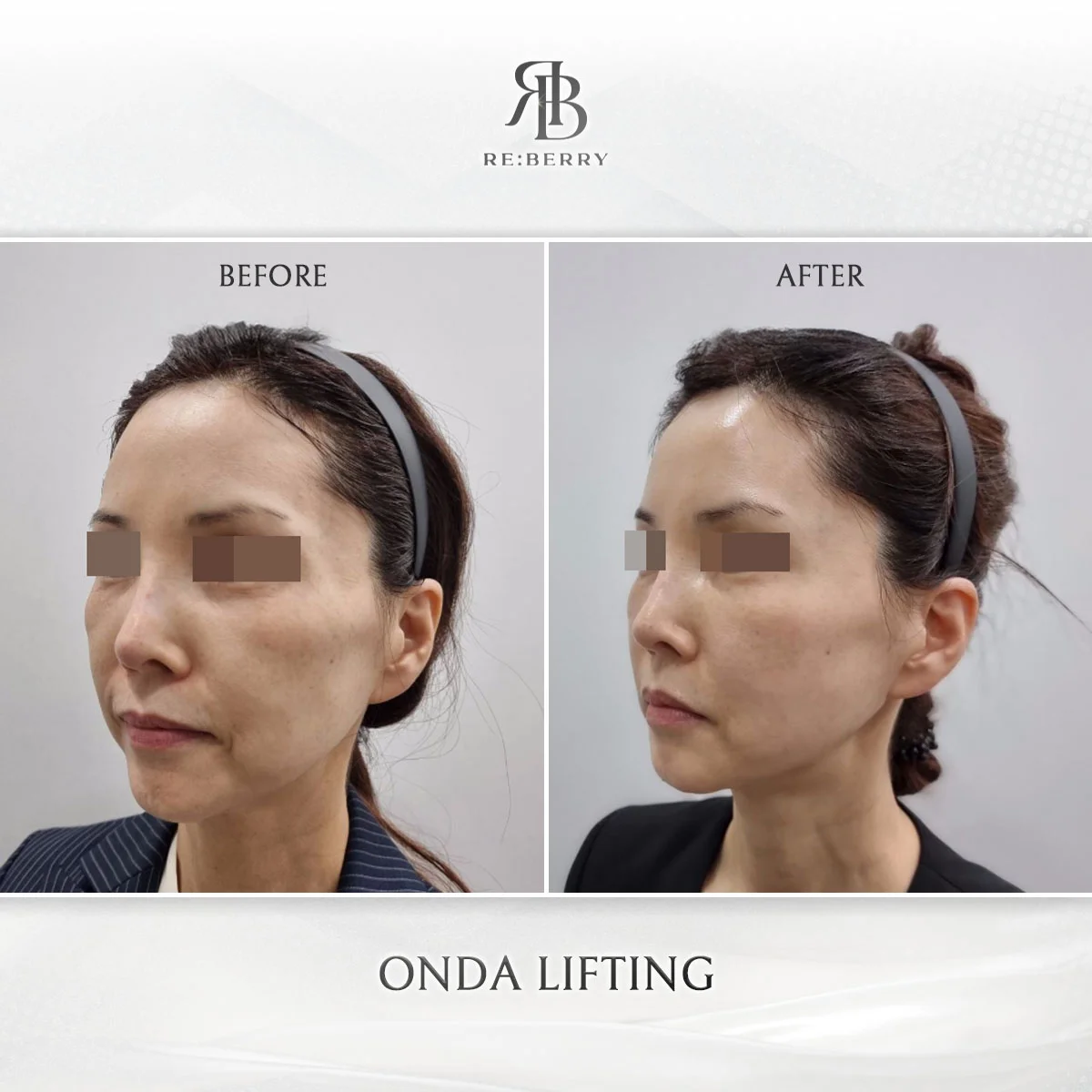
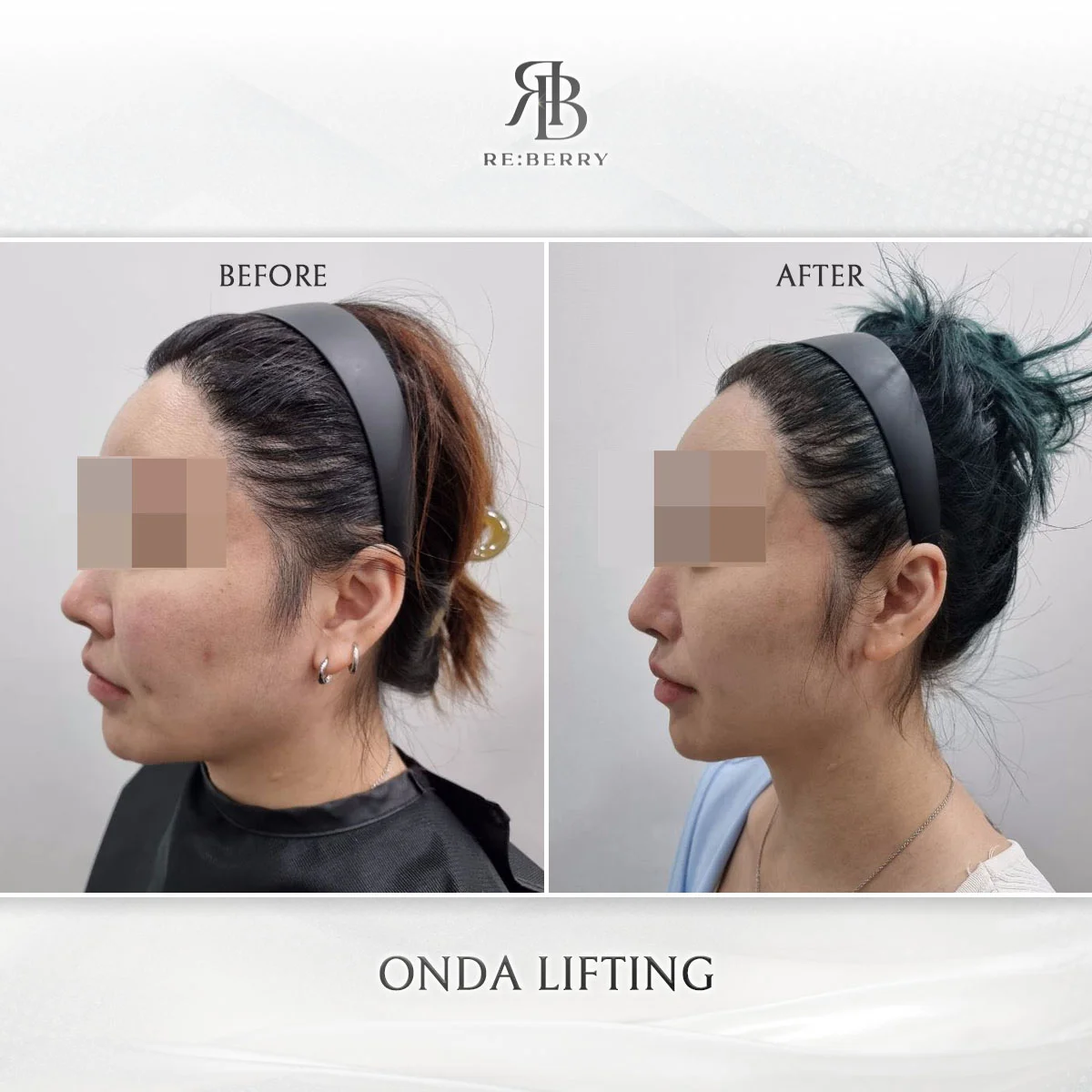
An English-language consultation reviews your medical history, screens contraindications and confirms you are a suitable candidate.
Under local anesthetic, the doctor places threads through small, sterile entry points; a session commonly takes 30 to 60 minutes.
Most patients have a single session, so recovery monitoring fits a short Seoul trip.
Early swelling settles within days; common side effects typically resolve within 1 to 2 weeks.
You receive written aftercare and warning signs; gentle care early on supports a safe recovery.
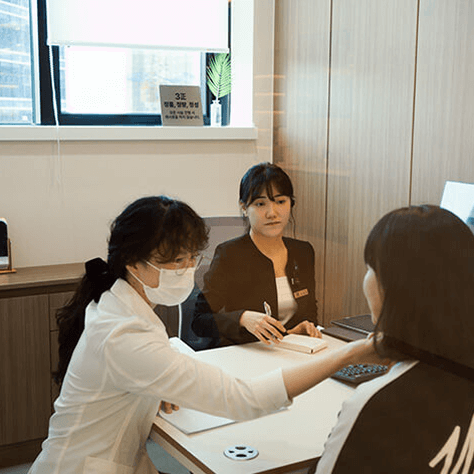
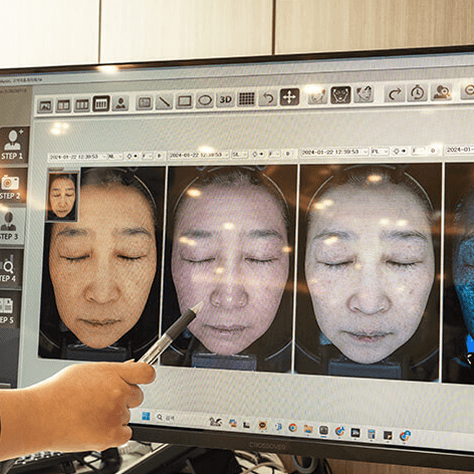
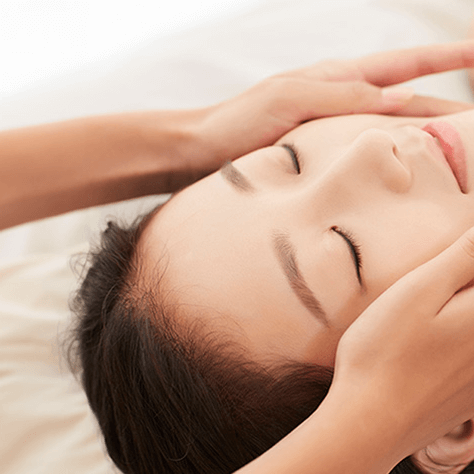
A thread lift is a minimally invasive procedure with a generally low rate of serious complications when performed by an experienced doctor using regulated absorbable threads. Most side effects are mild and settle within 1 to 2 weeks. Safety is assessed individually before any thread lift plan is recommended.
The common side effects are mild and temporary: swelling, bruising, tenderness, a tight feeling, or small dimples where threads are anchored. Most resolve within 1 to 2 weeks. Your doctor explains what to expect and what to watch for during the thread lift consultation beforehand.
Serious problems are uncommon and usually manageable: thread visibility, asymmetry, prolonged swelling, or a localized infection. Experienced placement, sterile technique and correct vector planning lower this risk substantially. Your doctor reviews your individual risk and provides warning signs to watch for after the procedure.
The threads are absorbable PDO or PLLA and dissolve naturally over several months, so nothing permanent stays in your face. As they break down, they stimulate your own collagen, which provides lasting support. This dissolving nature is part of why the procedure is considered low-risk compared with permanent implants.
No general anesthesia is used; a thread lift is done under local anesthetic, which avoids the risks tied to being put fully asleep. You stay awake and feel pressure rather than pain. Avoiding general anesthesia is one reason the overall safety profile is favorable for suitable candidates.
A thread lift is generally avoided during pregnancy or breastfeeding, with active infection or acne in the area, with a known suture-material allergy, or with uncontrolled bleeding risk. Very severe sagging may be better suited to surgery. Your suitability is confirmed during assessment before any plan is made.
Recovery discomfort is usually mild: tightness, soreness or a pulling sensation when you move your face widely, easing over several days. Bruising and swelling settle within 1 to 2 weeks. Most patients manage with simple measures, and your aftercare plan explains how to keep recovery comfortable and safe.
To an extent, yes; because the threads absorb over months, any minor asymmetry tends to ease as tissue settles, and a doctor can plan adjustments. This is a practical advantage over permanent procedures. Realistic expectations are discussed during your thread lift assessment to reduce the chance of dissatisfaction.
Choose an experienced doctor, disclose your full medical history, follow the aftercare plan and avoid wide jaw movements early on. Sterile technique and correct vector planning by a skilled doctor are the biggest factors. The clinic screens candidacy carefully and gives you clear instructions to support a safe recovery.
All three are well tolerated, but they differ: a thread lift is minimally invasive with a few days of swelling, while energy devices are non-invasive with minimal downtime. The right choice depends on your laxity and preference. Compare Ultherapy Prime and Sofwave with the team.
Yes, the clinic uses regulated, absorbable PDO or PLLA threads from established suppliers, the same material family long used in surgical sutures. Using approved threads and sterile, single-use cannulas is a core part of safe practice. Your doctor confirms the thread lift type and plan with you before the procedure.
When vectors are planned correctly and a sensible thread count is used, the result looks like a refreshed, lifted version of your own face rather than an overdone pull. Overcorrection is avoided by skilled placement. Realistic, natural goals are agreed during your assessment so safety and appearance are balanced.
Yes, Reberry Clinic serves international patients with English-speaking support across three Seoul-area locations, including one near Incheon Airport, and screens candidacy carefully. You are assessed before treatment and supported afterward from abroad. Message us on WhatsApp to ask about suitability and plan your visit.
Allowing 2 to 3 days after the procedure lets initial swelling and any bruising settle before you fly, even though most patients feel fine quickly. There is no required multi-week stay. Our team helps schedule around your trip and explains warning signs to monitor after you return home.
Yes, most patients can fly within a day or two, since downtime is short, though a couple of extra days lets swelling settle and lets the doctor check you. You receive a written aftercare plan with warning signs so you can follow up on your thread lift from abroad.
| Thread Lift | Ultherapy Prime | Sofwave | |
|---|---|---|---|
| Energy / mechanism | Absorbable PDO/PLLA threads placed under the skin | Micro-focused ultrasound (MFU) to the SMAS with DEEPSEE imaging | SUPERB synchronous ultrasound to the mid-dermis (~1.5 mm) |
| Invasiveness | Minimally invasive; threads inserted through small entry points | Non-invasive; energy delivered through intact skin | Non-invasive; energy delivered through intact skin |
| Common side effects | Swelling, bruising, tightness, occasional dimpling | Brief redness, mild tenderness | Brief redness, mild warmth |
| Anesthesia | Local anesthetic | None or topical numbing | None or topical numbing |
| Downtime | A few days to a couple of weeks for swelling/bruising | Little; same-day return to activity | Little; same-day return to activity |
| Recovery profile | Generally low serious-complication rate with skilled placement | Generally well tolerated | Generally well tolerated |
| Cost context | Consultation-led; depends on thread count and type | Consultation-led; depends on lines and area | Consultation-led; depends on area |
Real verified reviews from our Google Business Profile, across all Reberry Clinic locations.
PULLED LIVE FROM GOOGLE · GANGNAM · MYEONGDONG · INCHEON AIRPORT
Your treatment is planned and performed by experienced, MFDS-registered doctors across our Seoul-area clinics, with multilingual support for international patients.
Flagship clinic · KOL for leading lifting & regenerative devices
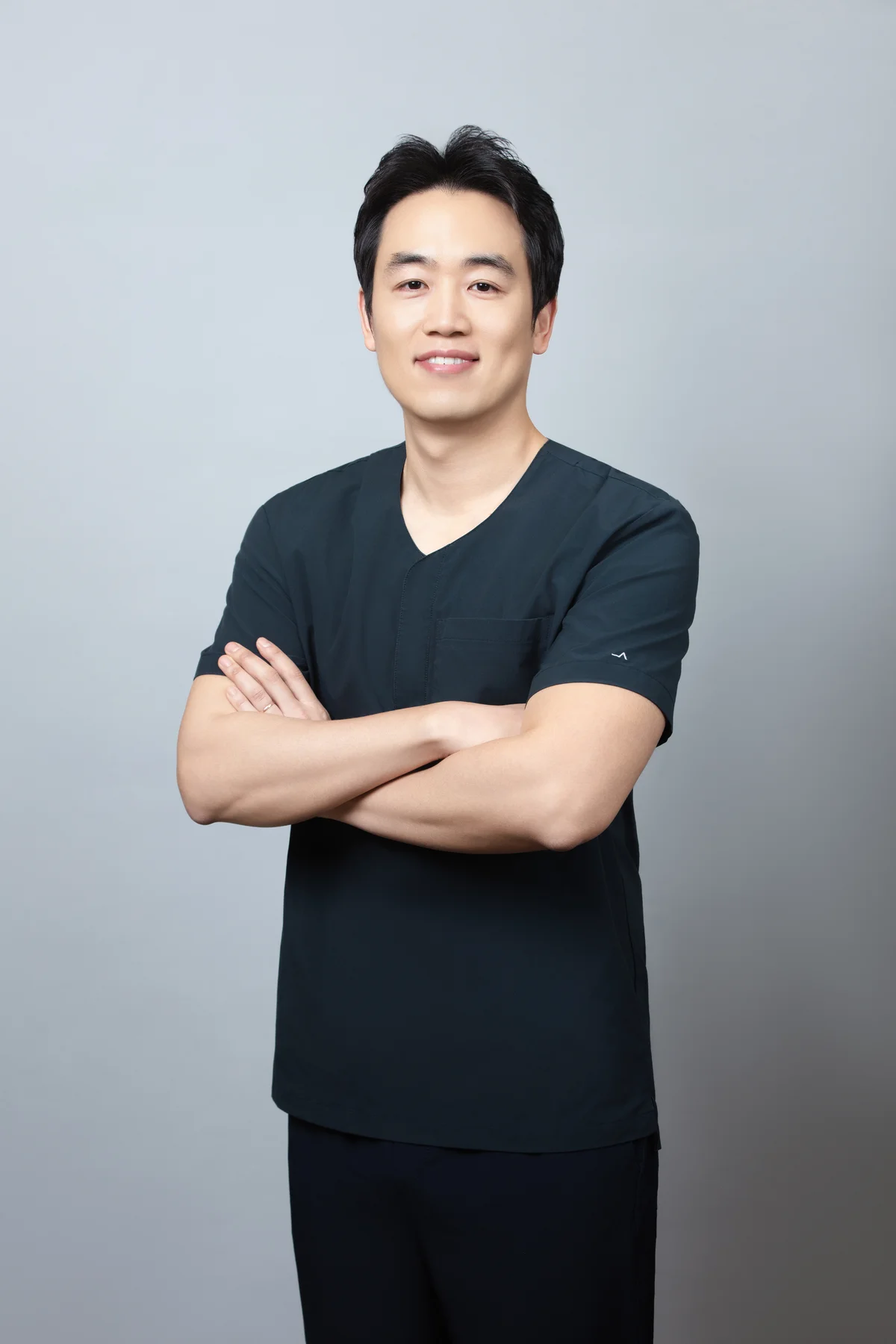
Multilingual tourist care beside Myeongdong Cathedral
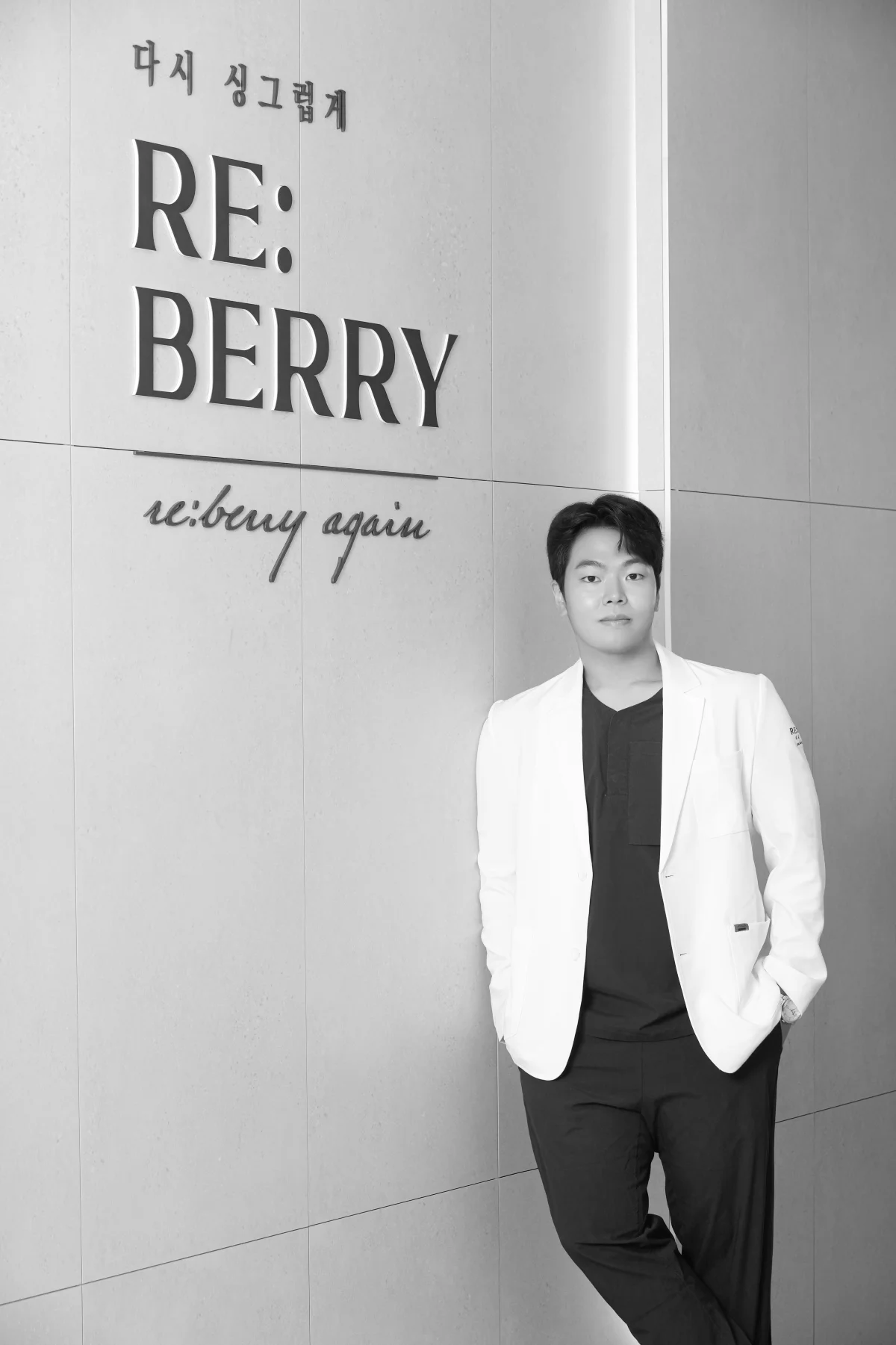
Fast, effective care 20 minutes from the terminals
Message us on WhatsApp for a free consultation in English to review your suitability and a personalized thread lift plan.