



Gangnam
Dr. Yoon-Gon Ryu
Aesthetic Medicine Specialist
Flagship clinic · KOL for leading lifting & regenerative devices · Featured in Authority Magazine (2026)

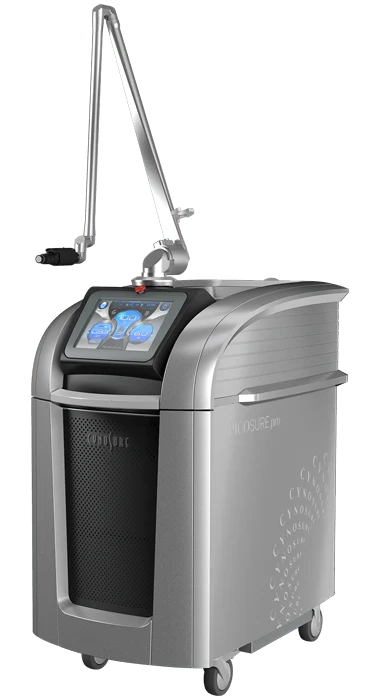
CO2 laser and cryotherapy remove warts in a controlled way, and trials report clearance in roughly 70 to 95 percent of treated lesions with proper technique.
Wart removal is safe in Korea when a doctor uses CO2 laser or cryotherapy with proper technique and infection control. Because warts are viral, the aim is to destroy the lesion while limiting spread to nearby skin. The main managed effects are pain during treatment, temporary blistering or crusting, and a chance that warts recur and need repeat sessions.
One-on-One guidance from a dedicated doctor, ensuring your skin is professionally monitored and treated from start to finish.
Fluent assistance in English, Japanese, and Chinese, making communication clear, respectful and comfortable for international patients.
Over 100,000 patients worldwide have received our personalized dermatological care, highlighting our expertise and reliable results.
Common warts (verruca vulgaris) are benign skin growths caused by human papillomavirus (HPV), most often types 2, 4, and 7 on the hands and feet. They are contagious and can spread to other skin or other people, which is exactly why safe removal focuses not only on clearing the lesion but on containing the virus. Because effective methods destroy tissue, and because warts can be stubborn, safety and recurrence are common questions.
The two mainstays are CO2 laser, which vaporises the wart precisely, and cryotherapy, which freezes it with liquid nitrogen. In a randomized trial on plantar warts, CO2 laser cleared about 89.7 percent of cases versus about 70.4 percent for cryotherapy, and a genital-wart trial reported clearance near 95 percent with laser. Both are effective when performed correctly, and the right choice depends on wart type, number, and location.
At Reberry Clinic, wart removal is consultation-led: the clinic’s doctors confirm the lesion is a wart, assess its type and location, and choose a method with proper sterile technique and viral-spread precautions. International patients are supported in English across our three Seoul-area locations (Gangnam, Myeongdong, Incheon Airport), so risks, aftercare, and the chance of recurrence are explained clearly before treatment.
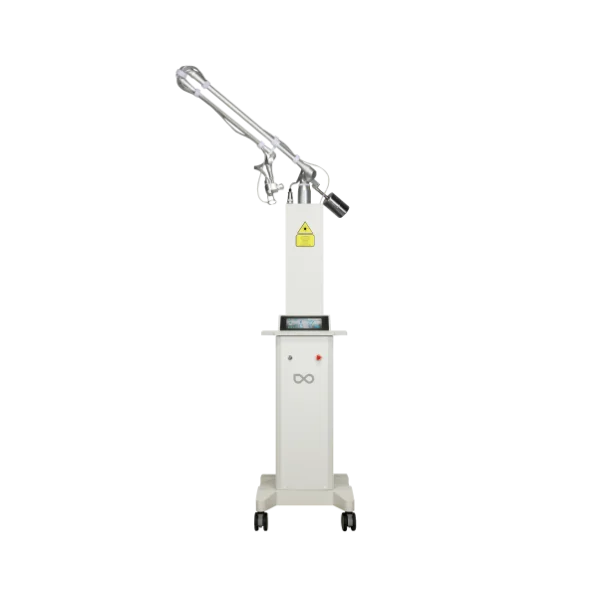
CO2 laser uses a 10,600 nm beam absorbed by water to vaporise the wart layer by layer under magnification, letting the doctor stop precisely at healthy tissue and limit collateral damage. A smoke evacuator captures the plume, which can carry viral particles, protecting both patient and staff from spread. Cryotherapy instead applies liquid nitrogen at around minus 196 degrees Celsius in short freeze-thaw cycles that destroy infected cells and provoke a local immune response against HPV. In both methods, settings are matched to the wart’s thickness and location, since thick plantar warts need more energy or freeze time than thin hand warts, and sensitive sites need gentler treatment. Sterile single-use tips, protective eyewear, and careful margins reduce infection and spread. The biggest safety variable is technique: too shallow and the wart persists, too aggressive and blistering or scarring can follow, so an experienced operator balances thorough destruction against tissue preservation.
One Reberry Clinic, multiple Seoul-area locations. Pricing & current promotions are listed on each branch's own site — tap a clinic to view pricing & book.
Our flagship in the heart of Gangnam.
In Seoul's shopping & tourism heart.
A beauty stop between flights.
The newest Reberry Clinic — in Seoul's trend district.
ONE REBERRY CLINIC · MFDS-REGISTERED DEVICES · MULTILINGUAL CARE AT EVERY LOCATION
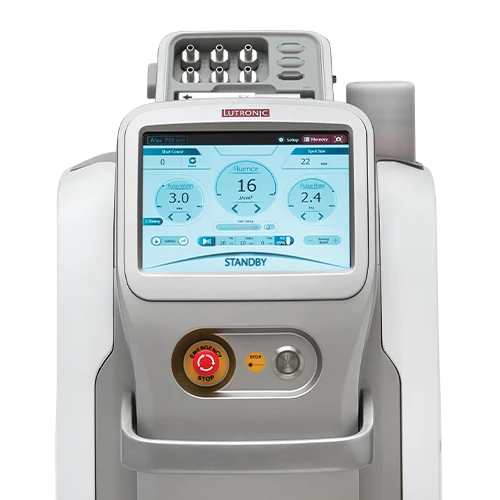
A consultation confirms the lesion is a wart, reviews its type, number, and location, and screens your history before any of the 1 or more sessions.
The doctor chooses CO2 laser or cryotherapy based on wart thickness and site, since thick plantar warts and thin hand warts need different settings.
The wart is vaporised layer by layer or frozen in short cycles, stopping at healthy tissue to limit blistering and scarring.
Smoke evacuation, sterile single-use tips, and a 1 to 2 mm healthy margin reduce spread to nearby skin and to staff during the procedure.
Wound care, keeping the area clean and dry, and avoiding picking help each healing window of about 1 to 2 weeks finish cleanly.
Reberry Clinic · Prices verified: Oct 2026
| Clinic | Price (KRW) |
|---|---|
| GangnamCO2 Laser Small Lesion (under 1mm) | from₩10,000 |
| MyeongdongCO2 Laser 1 Area (1mm) | from₩15,000 |
VAT excluded · Treatment packages differ by clinic — see each clinic page for its full menu · Confirmed after consultation
See representative outcomes from Reberry Clinic. Results build gradually and vary by individual; your plan is assessed at consultation.
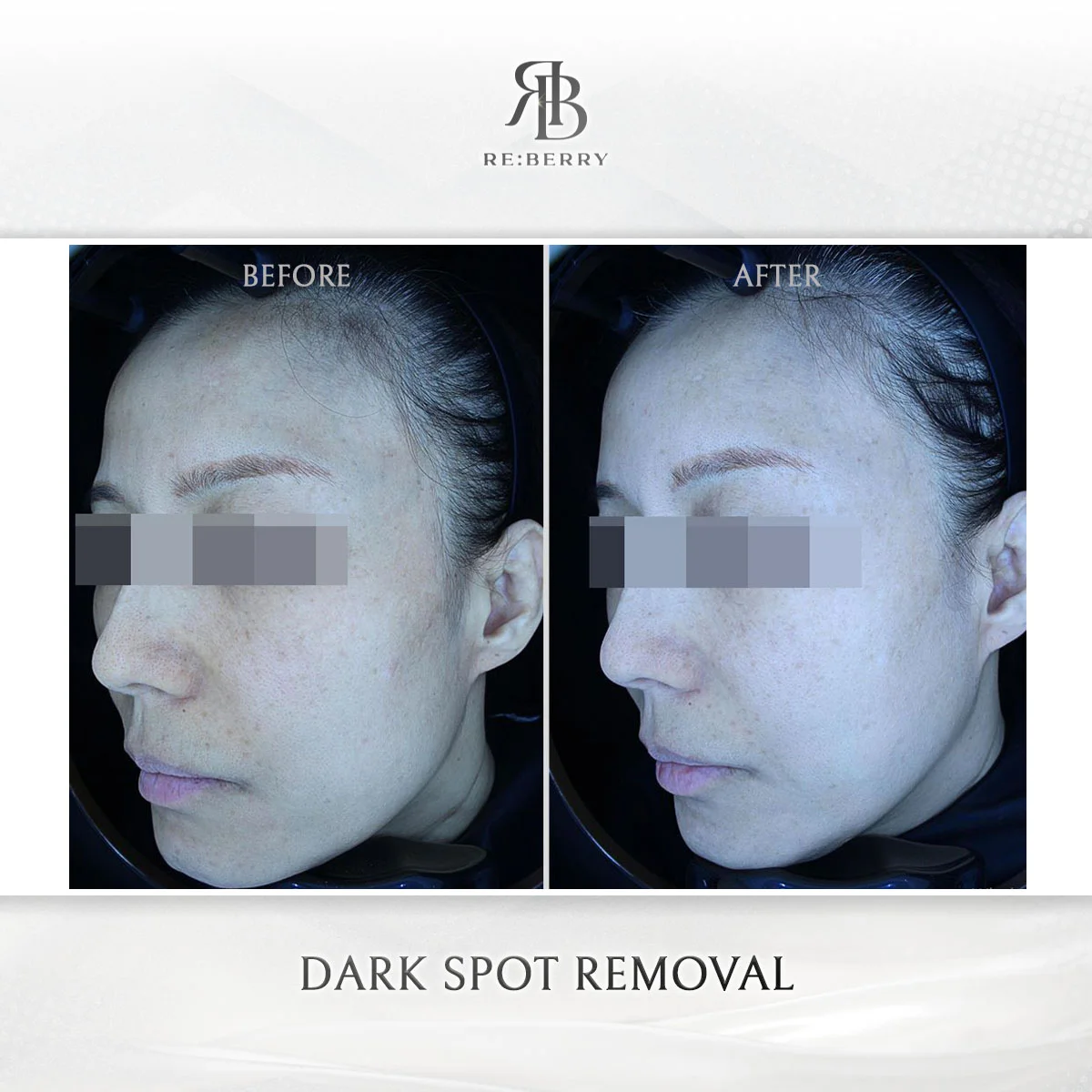
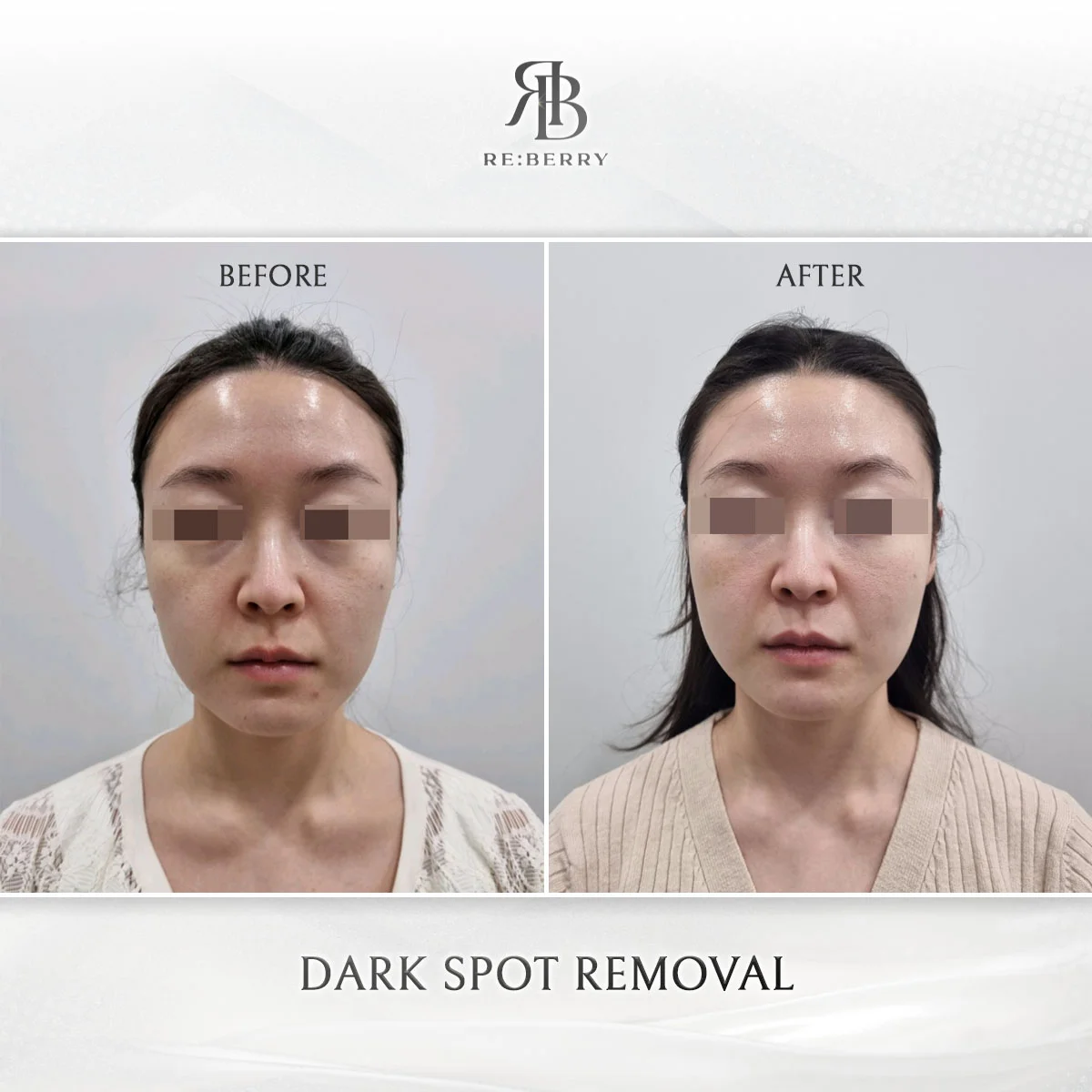
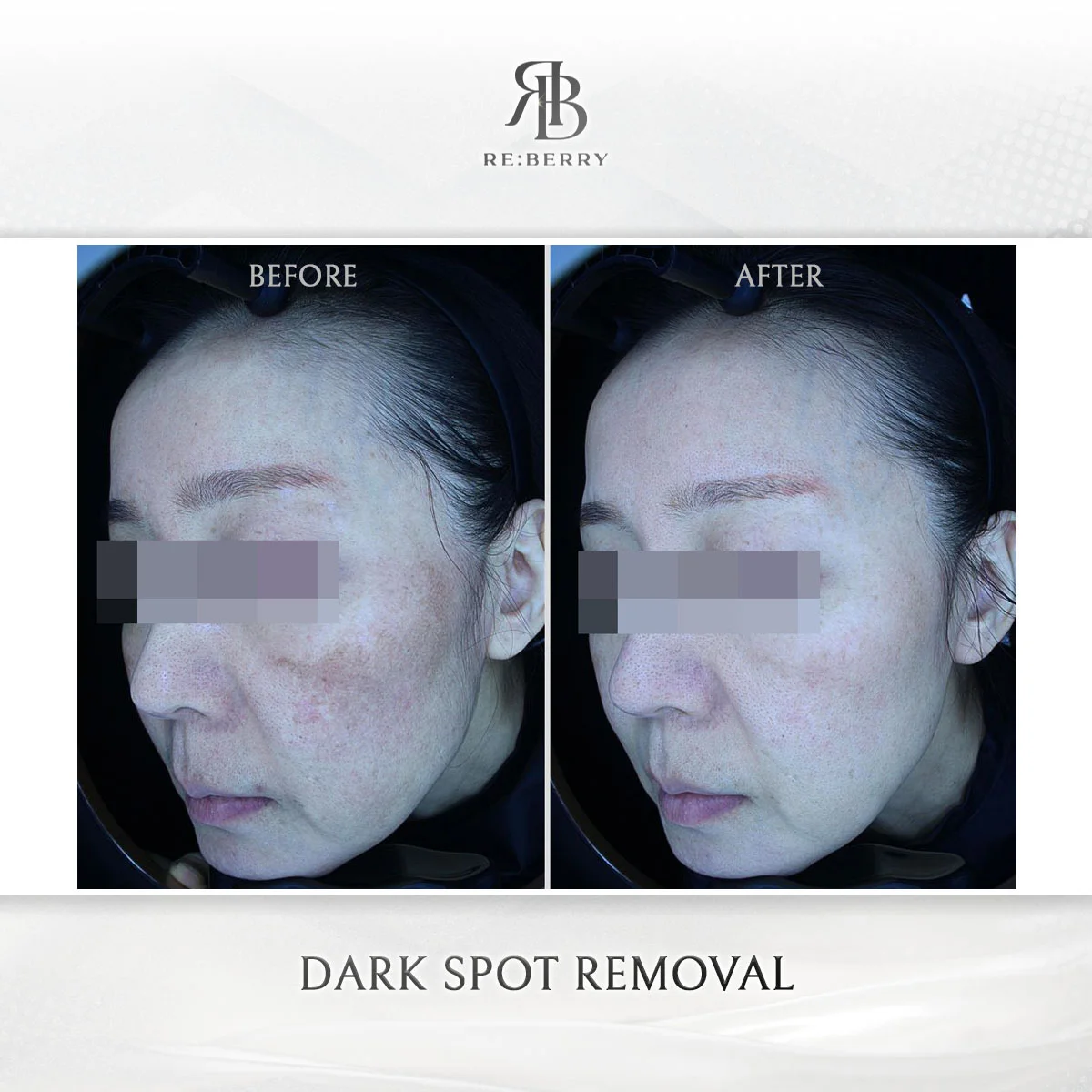
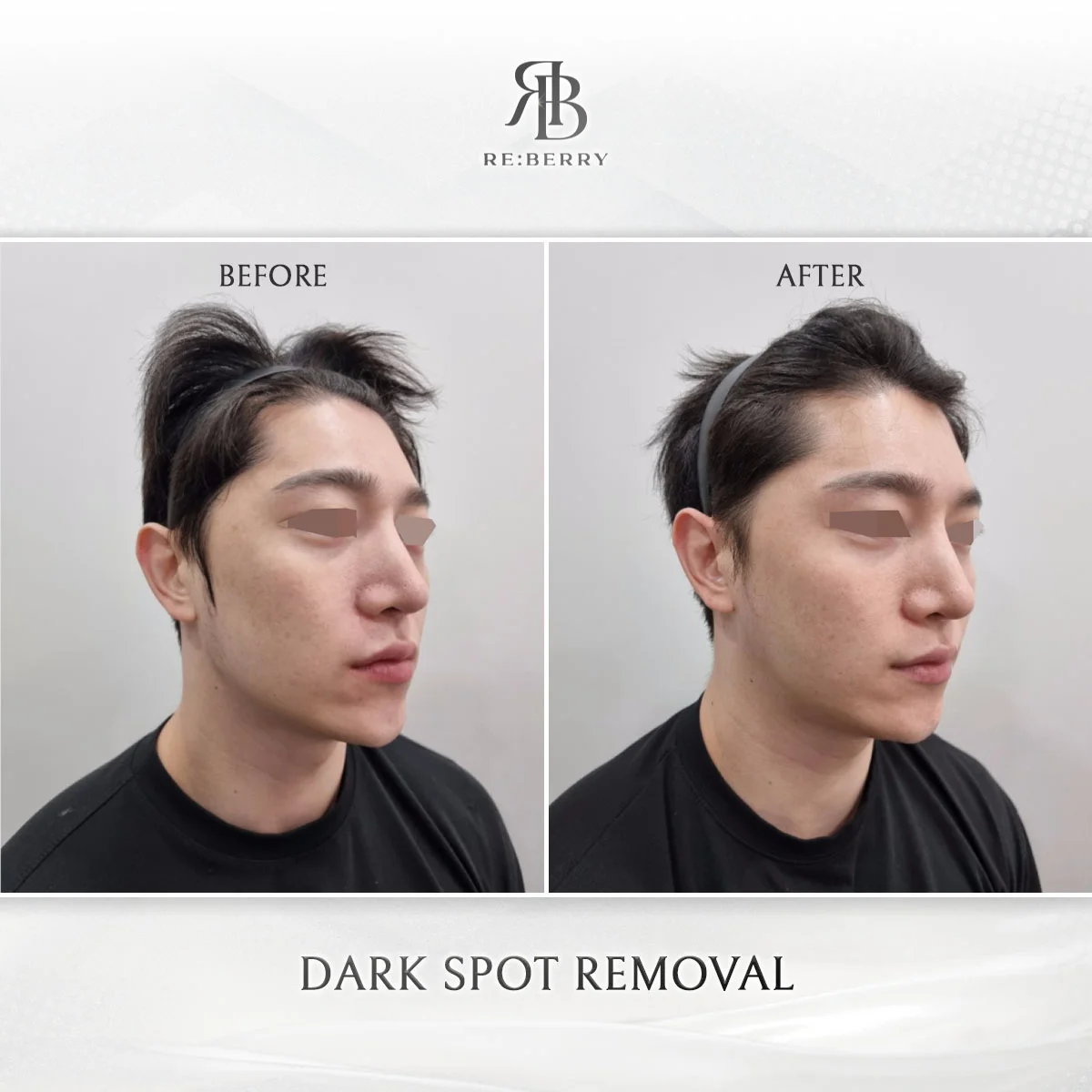
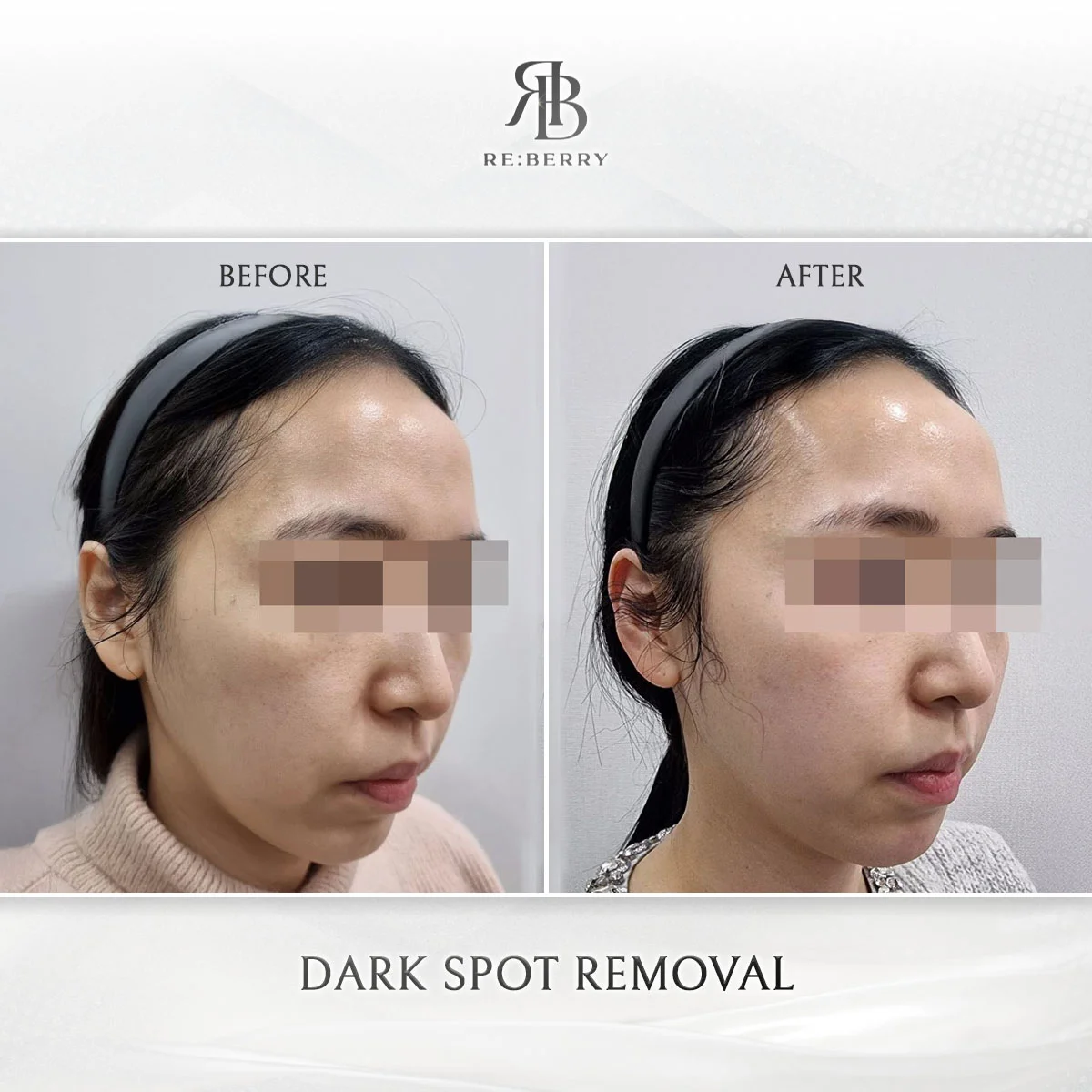
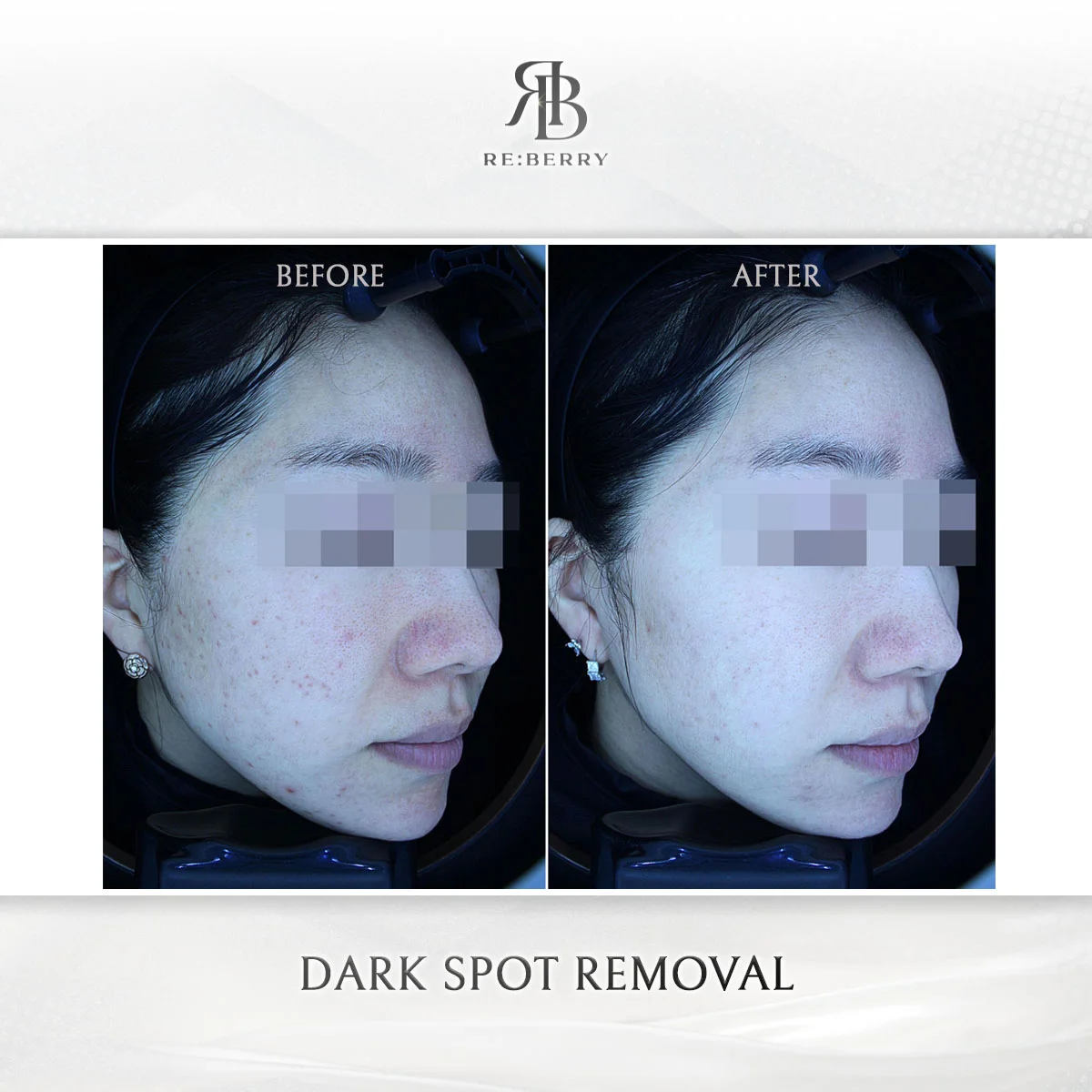
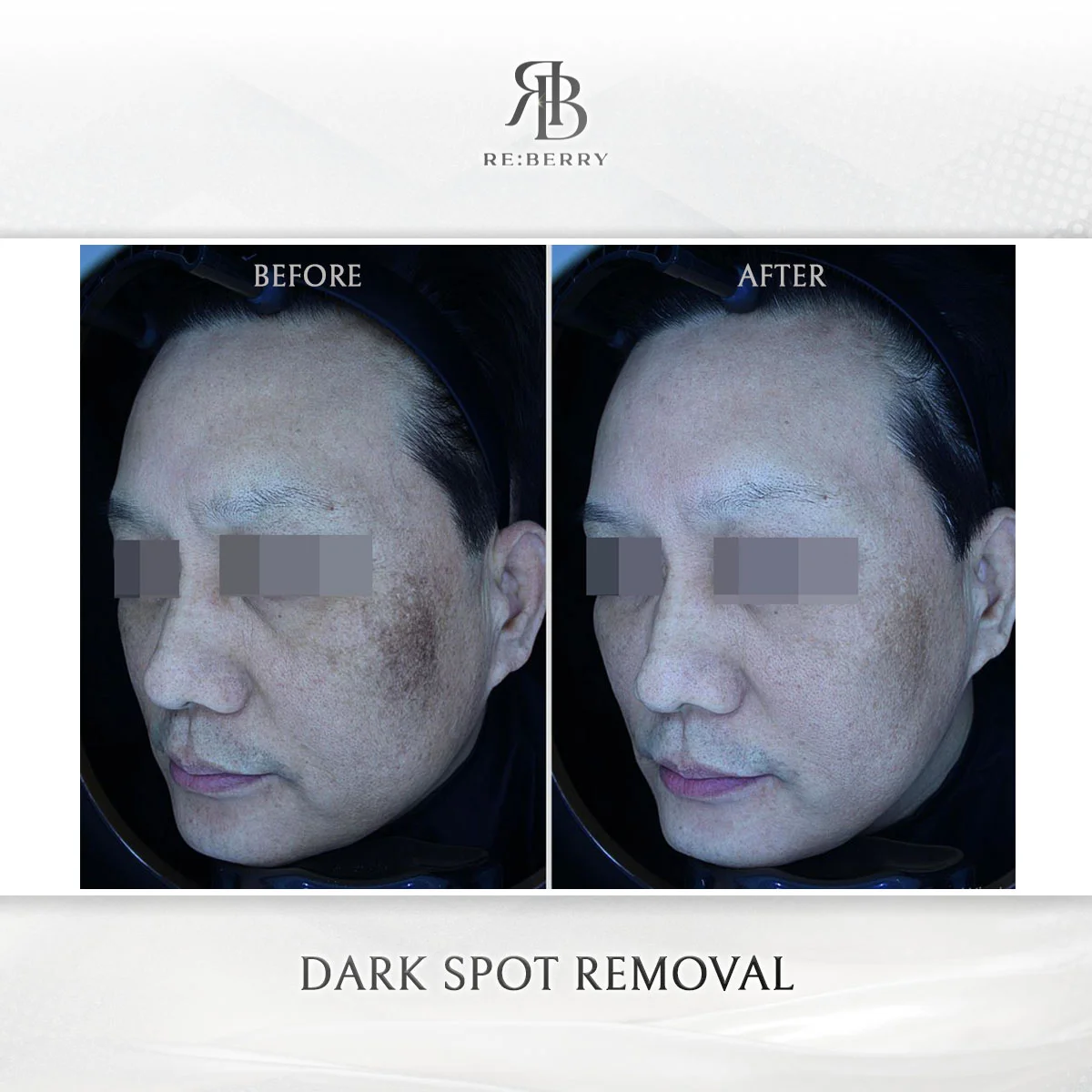
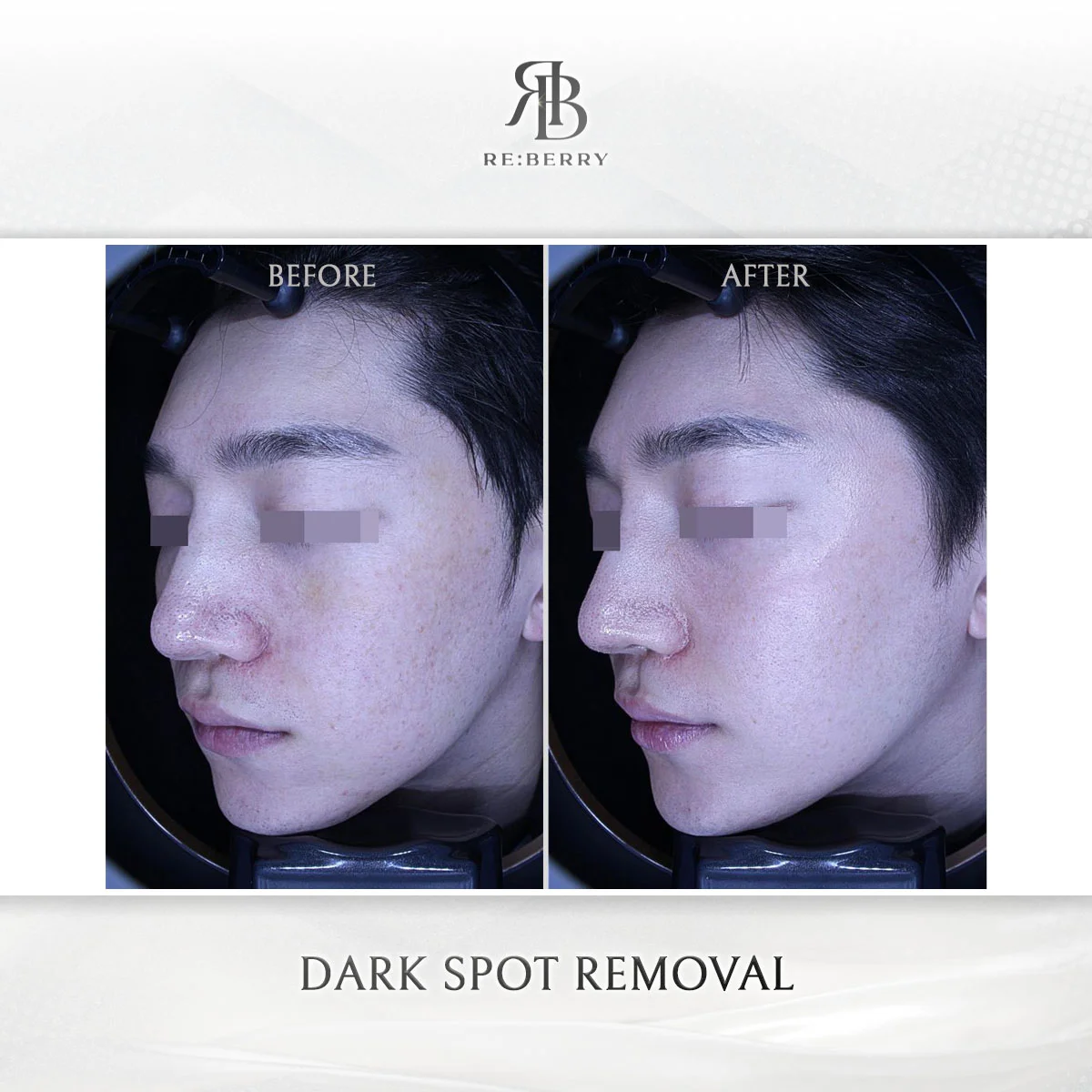
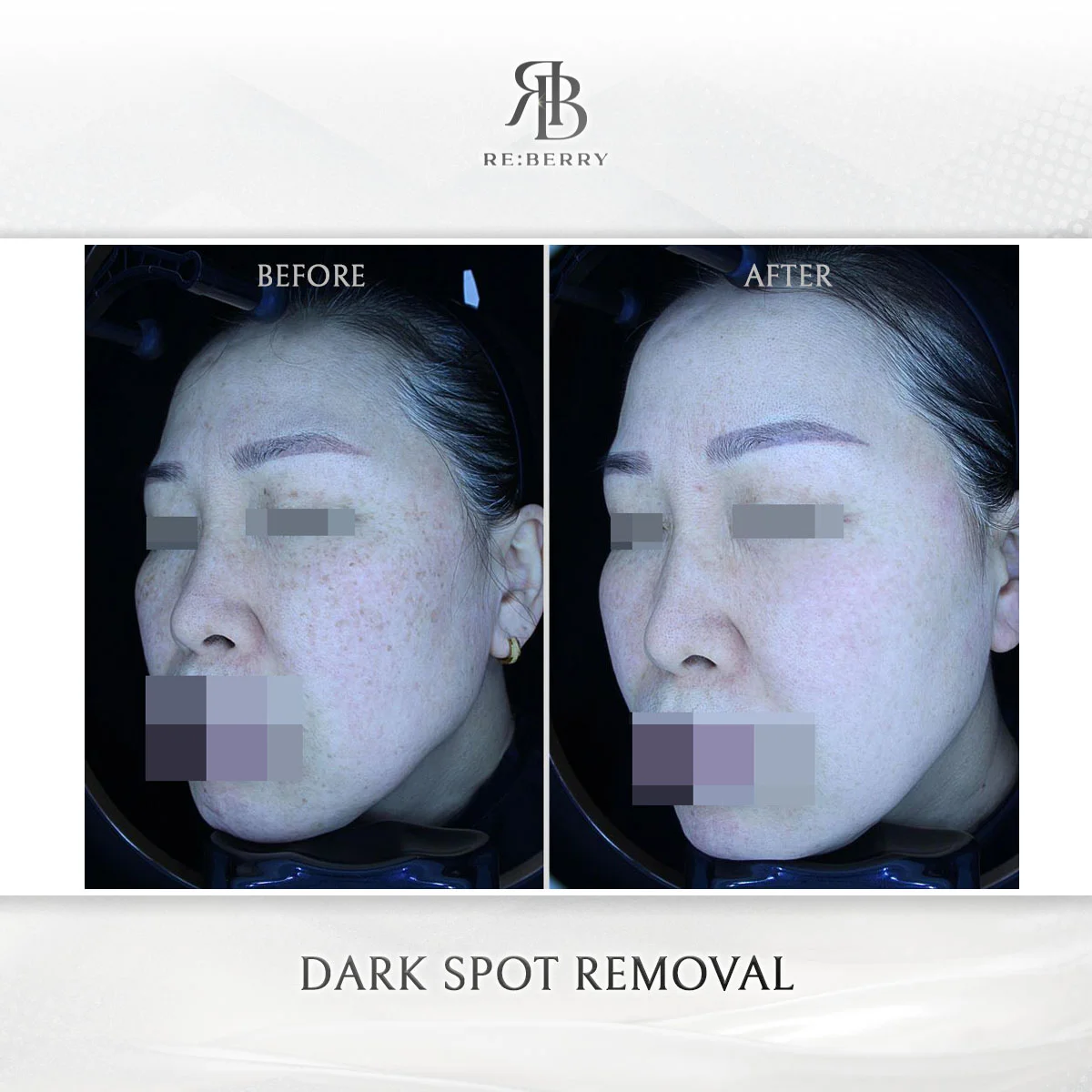
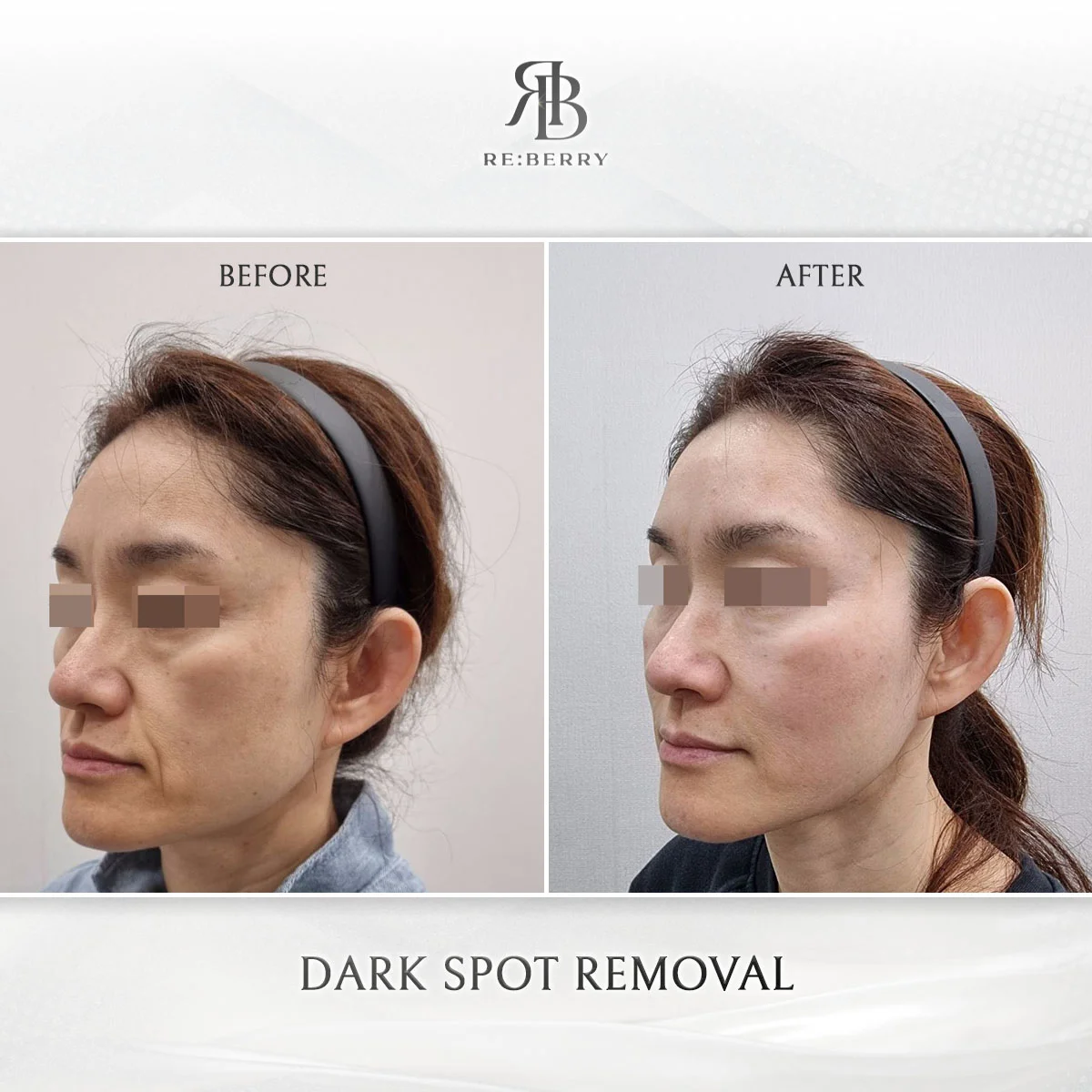
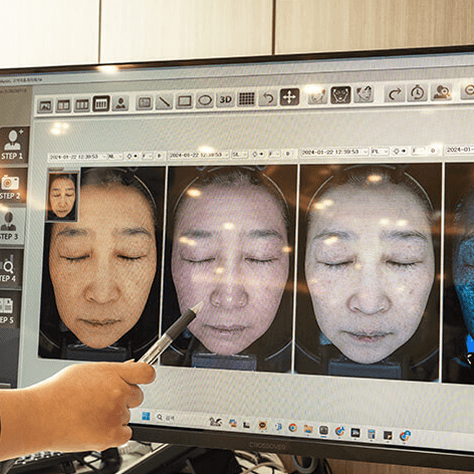
The clinic’s doctors confirm the lesion is a wart, assess its type, number, and location, and explain method, risks, viral-spread care, and recovery in English.
After local anaesthetic for laser or a brief freeze for cryotherapy, the procedure itself usually takes 10 to 30 minutes depending on the number of warts.
Expect a small wound, blister, or crust over the treated warts, with the most active healing across the first 1 to 2 weeks.
The wart clears as the wound heals over 1 to 2 weeks, though stubborn or thick warts may need a second session weeks later.
Keeping the area clean and dry, not picking scabs, and daily sunscreen protect healing; because HPV can persist, warts may recur and need repeat treatment.
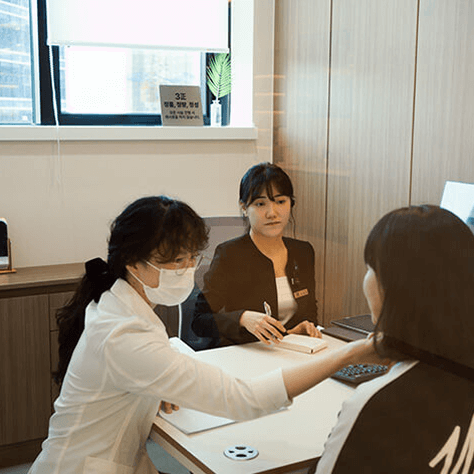
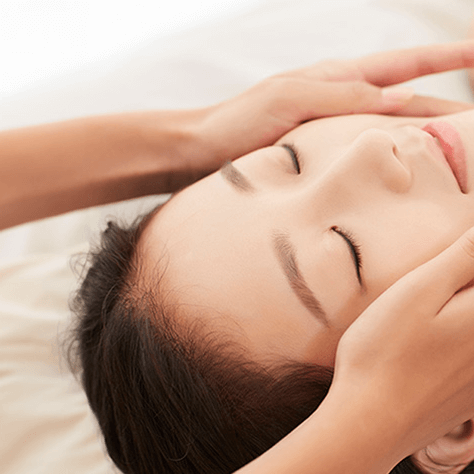
Wart removal is safe in Korea when a doctor uses CO2 laser or cryotherapy with proper technique and infection control. Because warts are viral, the aim is to destroy the lesion while limiting spread. A consultation, sterile technique, and settings matched to the wart keep risks low for most healthy adults.
The most common effects are pain during treatment, temporary blistering or crusting, and a chance of pigment change or a small scar over the 1 to 2 week healing window. Rarer risks include infection or spread to nearby skin. Proper technique and aftercare, explained on our laser treatment page, reduce these.
Cryotherapy commonly causes a blister within a day or two as frozen skin lifts, which is expected and part of how it works. CO2 laser instead leaves a small wound that crusts over. Both usually heal within 1 to 2 weeks. Your doctor explains normal blistering versus signs of infection so you know what to watch for during recovery.
Warts are viral, so spread is possible, which is why doctors use smoke evacuation during laser, sterile single-use tips, and careful margins. After treatment, not picking the area, keeping it covered, and good hand hygiene limit spread to nearby skin. Following the aftercare on our laser treatment page helps contain the virus.
Warts can recur because HPV may persist in the skin even after the visible lesion is cleared. Removal reliably clears treated warts, but new or returning warts can appear over weeks to months. This is not a one-time fix for a viral infection, so some patients need repeat sessions. Your doctor explains realistic recurrence expectations at consultation.
Healthy adults with confirmed common, plantar, or hand warts are usually good candidates. A consultation confirms the diagnosis and rules out contraindications like uncertain lesions, active infection, or foot-healing concerns in diabetes. You can review the broader laser treatment options and discuss which method suits your warts.
CO2 laser is usually done under local anaesthetic, so you feel pressure rather than sharp pain during vaporisation. Cryotherapy causes a stinging, burning cold for several seconds per freeze without anaesthetic. Afterwards the area feels sore or tender for a day or two, especially on the sole of the foot, easing as healing begins.
Most patients heal over about 1 to 2 weeks as the wound or blister crusts and closes. Warts on the sole may feel tender when walking during this time, so comfortable footwear helps. Hand warts are usually easier to manage. Your doctor explains the recovery window and how to keep the area clean and dry.
The treated wart is destroyed at the session, and the area clears as it heals over 1 to 2 weeks. Thick plantar warts or resistant lesions may need a second session weeks later to fully clear. Because HPV can persist, watch for any regrowth, and your doctor will schedule follow-up if repeat treatment is needed.
CO2 laser often clears many warts in 1 to 2 sessions, while cryotherapy commonly needs 2 to 4 sessions spaced weeks apart. Thick or stubborn warts may need more. Spacing allows full healing between treatments. Your doctor confirms a safe schedule at consultation. You can compare modalities on our laser treatment page.
Expect soreness, a small wound or blister, crusting, and sometimes temporary pigment change over 1 to 2 weeks. A minor scar is possible, especially with aggressive treatment of thick warts. Less commonly, infection or spread to nearby skin can occur; sterile technique and aftercare markedly lower these risks. Report spreading redness or pus to your doctor.
Keep the area clean and dry, apply any prescribed ointment, do not pick scabs or blisters, and protect healing skin with daily sunscreen once closed. A supportive skin care routine aids recovery. Good hand hygiene limits viral spread, and your doctor provides a written aftercare plan tailored to the site treated.
Yes, doctors sometimes combine methods, such as laser plus a topical or immune-boosting approach, for stubborn or numerous warts, though not always in one session. Once the treated area heals, further care can be staged. Your doctor sequences treatments so healing is never compromised and recurrence is monitored across follow-up visits.
Yes, plantar warts are commonly treated, but the sole heals more slowly and can feel tender when walking for 1 to 2 weeks. Doctors adjust technique for thick, pressure-bearing skin and screen for circulation or diabetes concerns that affect foot healing. Comfortable footwear and keeping the wound dry help recovery on weight-bearing skin.
Staying about 2 to 4 days lets you have a consultation and treatment with an early review before travelling. Because some warts need a repeat session weeks later, many international patients clear what they can in Seoul and monitor for recurrence at home. Our English-speaking team helps coordinate timing around your travel.
Yes, flying within a day or two is generally fine, since wart removal is a superficial procedure rather than surgery. If a foot wart was treated, walking may be tender, so plan airport transfers accordingly. Keep the wound clean and dry per your aftercare, and your doctor confirms timing based on the site and method used.
International patients can complete wart care over one or more visits, and the clinic offers remote check-ins in English between trips to review healing and any recurrence. You can also arrange related care such as ongoing skin care when you return, with your treatment notes kept on file for continuity.
| CO2 Laser | Cryotherapy | Salicylic Acid | |
|---|---|---|---|
| Energy / mechanism | 10,600 nm light vaporises the wart | Liquid nitrogen freezes infected cells | Topical acid gradually dissolves the wart |
| Best for | Thick, resistant, or multiple warts in one visit | Small hand and foot warts, in-clinic | Mild warts, at-home over weeks |
| Pain / comfort | Local anaesthetic used; controlled discomfort | Stinging cold; may need repeat visits | Minimal, some irritation over time |
| Downtime | A wound crusts over about 1 to 2 weeks | Blister then crust over 1 to 2 weeks | Little, gradual peeling |
| Sessions | Often 1 to 2 for many warts | Often 2 to 4 spaced weeks apart | Daily use for several weeks |
| Recurrence | Possible; viral so warts can return | Possible; may need repeat freezing | Common if stopped early |
| Cost factors | Depends on number and thickness of warts | Depends on number of sessions | Depends on duration of use |
Real verified reviews from our Google Business Profile, across all Reberry Clinic locations.
PULLED LIVE FROM GOOGLE · GANGNAM · MYEONGDONG · INCHEON AIRPORT
Your treatment is planned and performed by experienced, MFDS-registered doctors across our Seoul-area clinics, with multilingual support for international patients.
Flagship clinic · KOL for leading lifting & regenerative devices · Featured in Authority Magazine (2026)
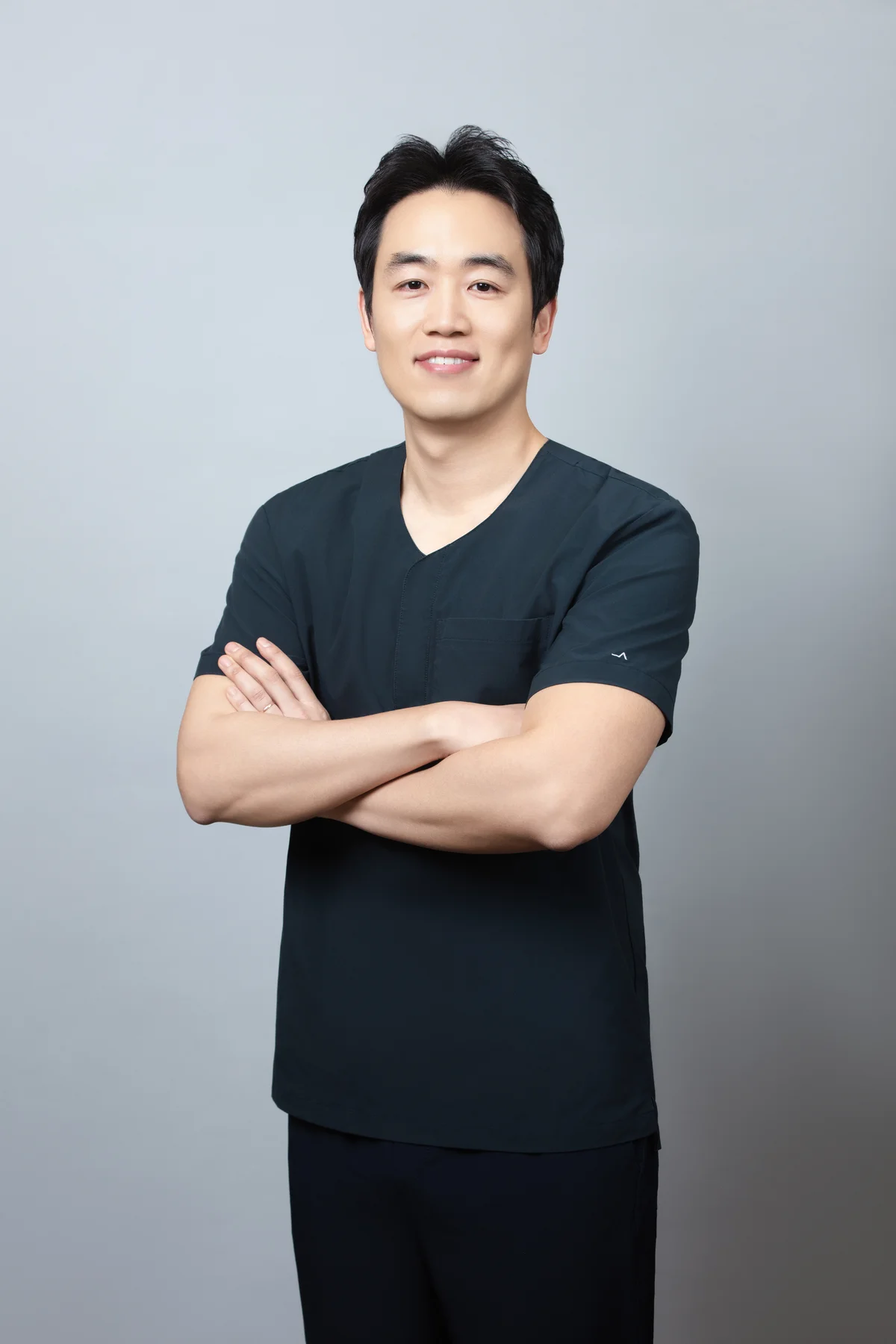
Multilingual tourist care beside Myeongdong Cathedral
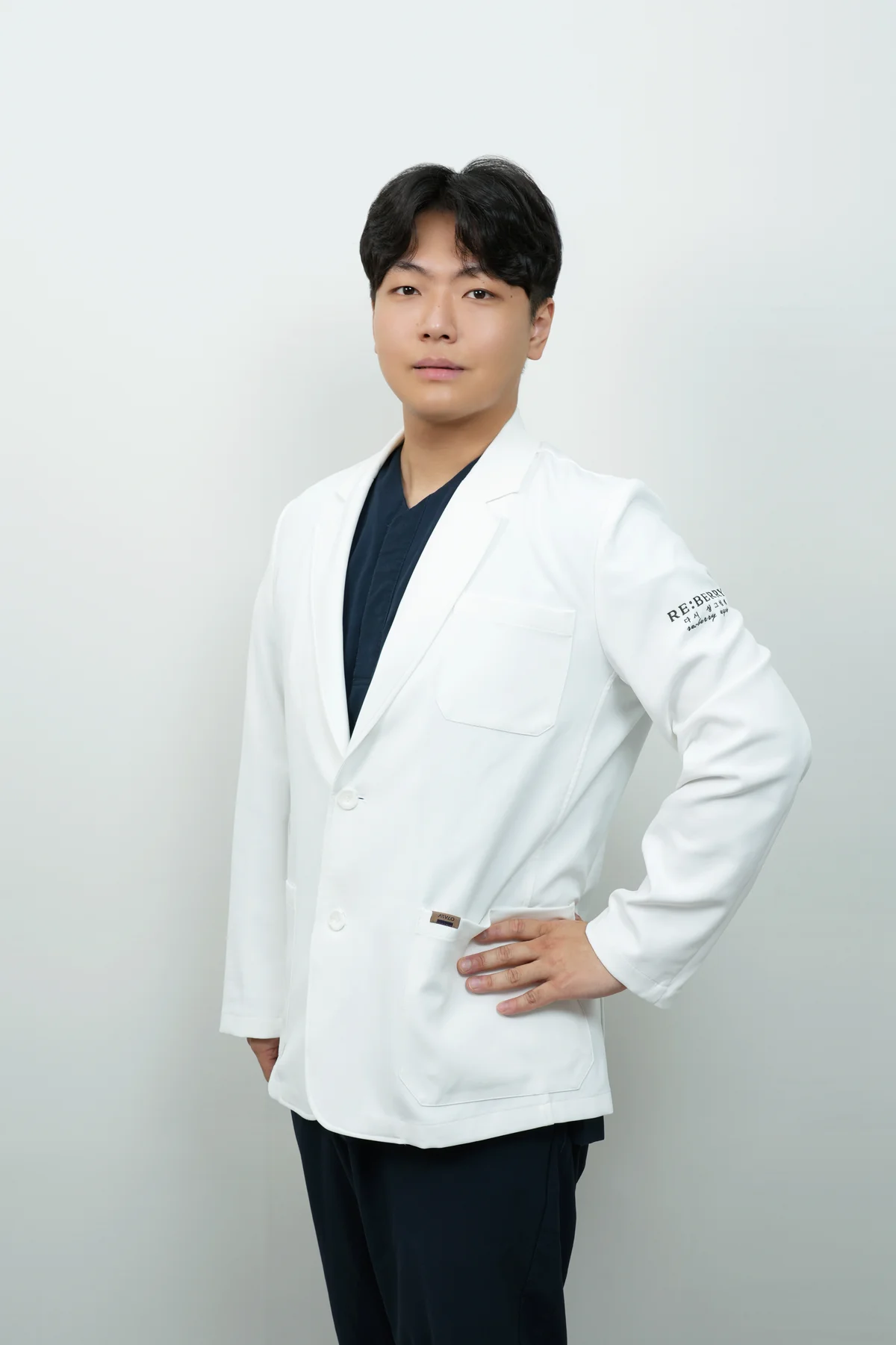
Fast, effective care 20 minutes from the terminals
Message us on WhatsApp for a free consultation in English about wart removal safety and your skin.