
Gangnam
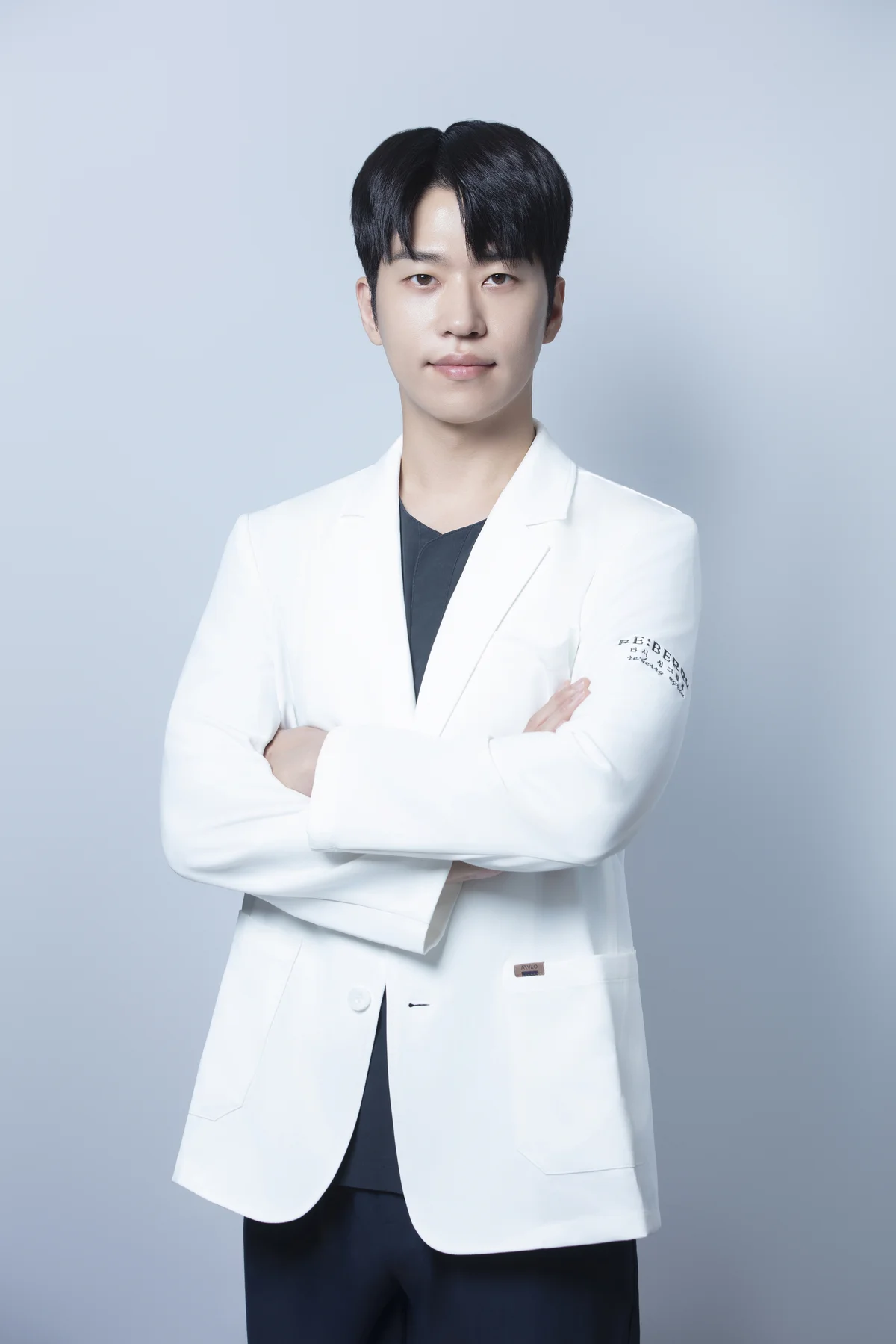
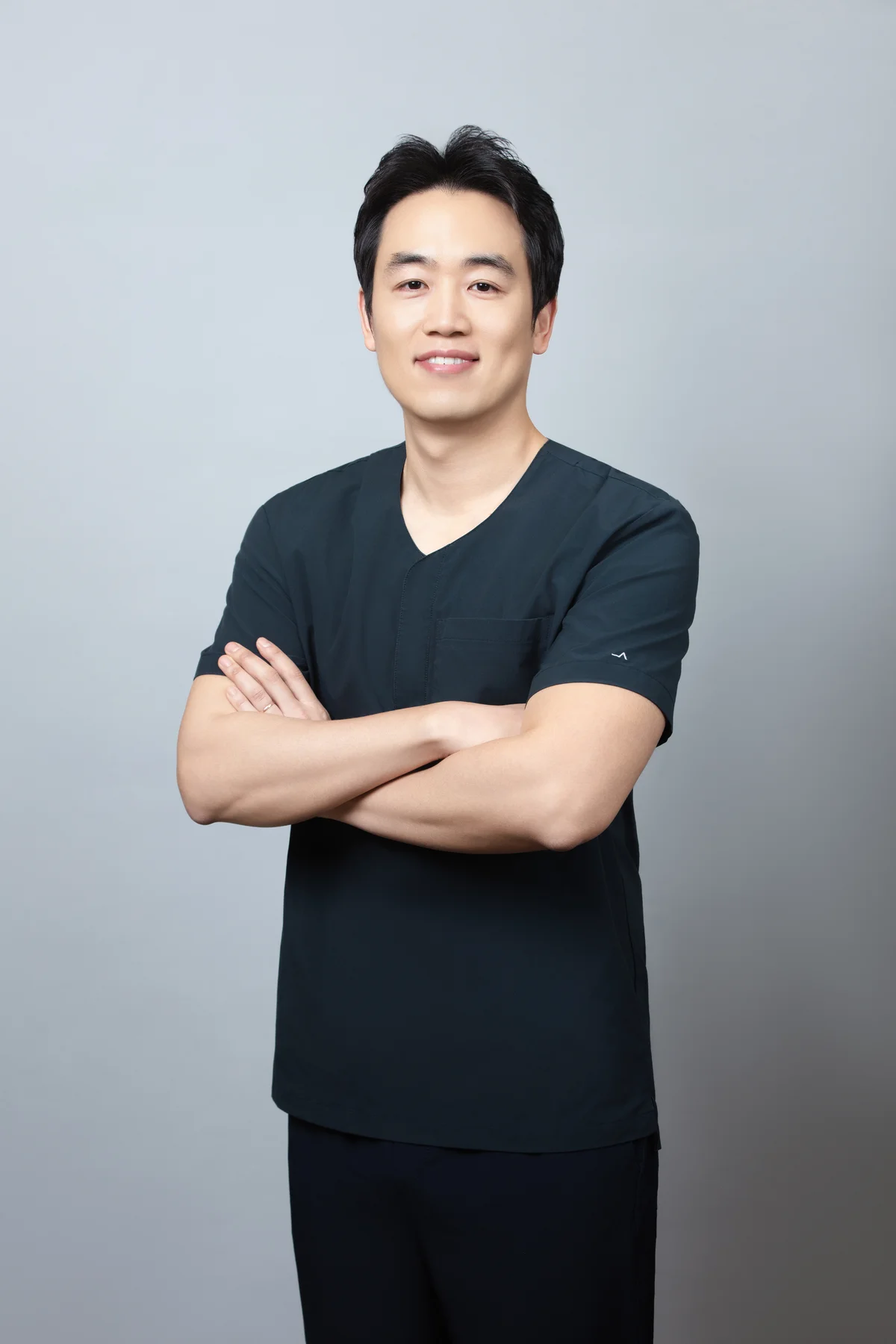
Dr. Yoongon Ryu
Aesthetic Medicine Specialist
Flagship clinic · KOL for leading lifting & regenerative devices

Because keloids recur in a large share of cases, up to nearly all after excision alone without combined therapy, a useful review tells you the modality, the follow-up length, and how honestly recurrence is discussed, not just a star rating.
Keloid treatment reviews in Seoul, Korea are most useful when they name the exact modality, state how long the patient was followed, and stay honest about recurrence rather than promising a flawless result. Read them as clues to a clinic’s approach, then confirm your own plan in an English consultation, since keloids behave differently on every skin type.
One-on-One guidance from a dedicated doctor, ensuring your skin is professionally monitored and treated from start to finish.
Fluent assistance in English, Japanese, and Chinese, making communication clear, respectful and comfortable for international patients.
Over 100,000 patients worldwide have received our personalized dermatological care, highlighting our expertise and reliable results.
Keloid treatment reviews in Seoul, Korea can help you shortlist clinics, but only if you read them critically. A keloid is not an ordinary scar: it grows beyond the original wound, is prone to coming back, and usually needs a combination of treatments over months. That means a one-line five-star review saying skin looks perfect tells you very little about whether a clinic manages keloids well over the long term.
The most informative reviews mention specifics: which modality was used, such as intralesional steroid, laser combined with injection, or pressure and silicone; how many sessions were involved; how long the person was followed; and whether the keloid stayed flat or started to regrow. Reviews that discuss realistic expectations, recurrence, and aftercare are usually more trustworthy than ones that sound too perfect.
At Reberry Clinic, keloid care is consultation-led and evidence-based. Rather than promising a fixed outcome, the clinic’s doctors assess your keloid, skin type, and history first, then explain a staged plan in English. Reviews are a starting point; your individual assessment is what actually determines your plan and expected results.
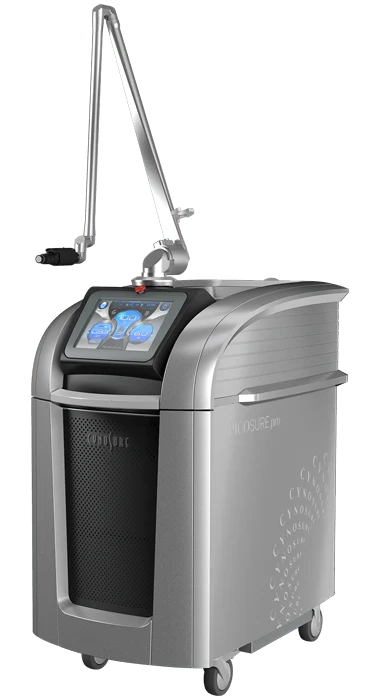
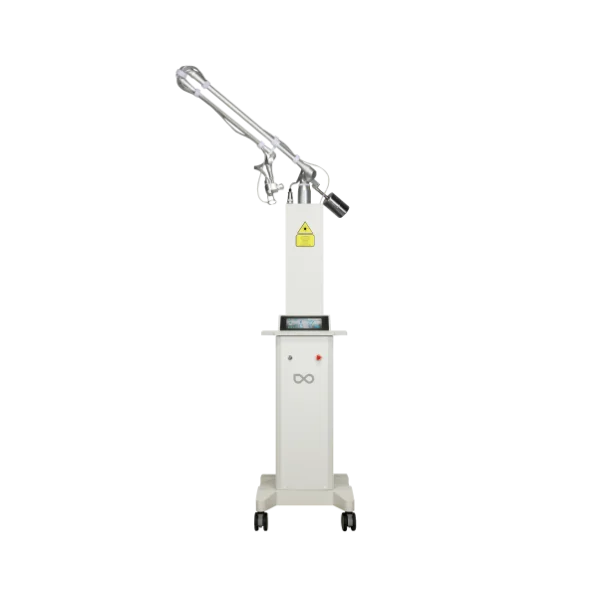
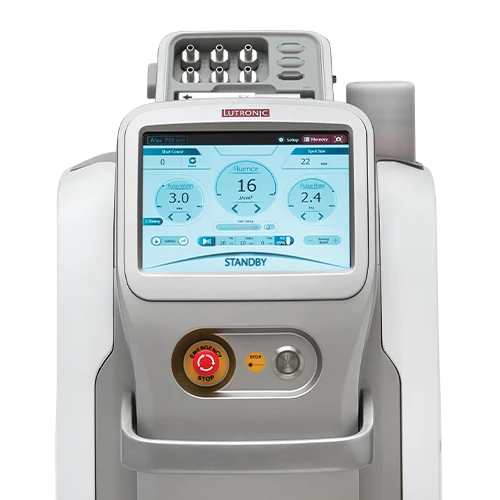
Keloid management combines several tools, and understanding them helps you decode reviews. Intralesional corticosteroid injection, most commonly triamcinolone, remains the backbone: it softens and flattens the raised tissue and calms itch over a series of sessions spaced roughly 3 to 4 weeks apart. Many Seoul clinics pair injection with a laser step, because vascular or resurfacing lasers can reduce the redness and thickness of the scar while making the steroid work more evenly. Reviews that mention a laser plus injection combination usually reflect this modern, layered approach rather than a single quick fix. Additional options described in the literature include silicone sheeting, pressure therapy, cryotherapy, and, for stubborn or large keloids, adjuncts such as 5-fluorouracil. No single modality suits every keloid, so the mix is chosen by lesion size, location, skin tone, and how the keloid has behaved before. When you read a review, note whether the writer describes a combination approach and a follow-up period of several months, because keloids that look treated at 4 weeks can still recur later. That context matters far more than the star count.
One Reberry Clinic, multiple Seoul-area locations. Pricing & current promotions are listed on each branch's own site — tap a clinic to view pricing & book.
Our flagship in the heart of Gangnam.
In Seoul's shopping & tourism heart.
A beauty stop between flights.
The newest Reberry Clinic — in Seoul's trend district.
ONE REBERRY CLINIC · MFDS-REGISTERED DEVICES · MULTILINGUAL CARE AT EVERY LOCATION
In the first 1 or 2 sentences, look for the named treatment. A review that says only that staff were friendly tells you nothing about keloid control.
Keloids can recur beyond 6 to 12 months, so a review written just 2 weeks after treatment cannot show durability. Prioritise reviews with a longer follow-up.
Because recurrence affects a meaningful share of keloids, reviews that acknowledge maintenance or a repeat session are usually more realistic than ones promising a perfect, permanent result.
Keloids are up to 15 times more common in darker skin, so a review from someone with a similar skin tone to yours is more relevant to your likely response.
Use reviews to make a shortlist, then book 1 consultation. Only an in-person assessment of your keloid and skin can set a realistic, individual plan.
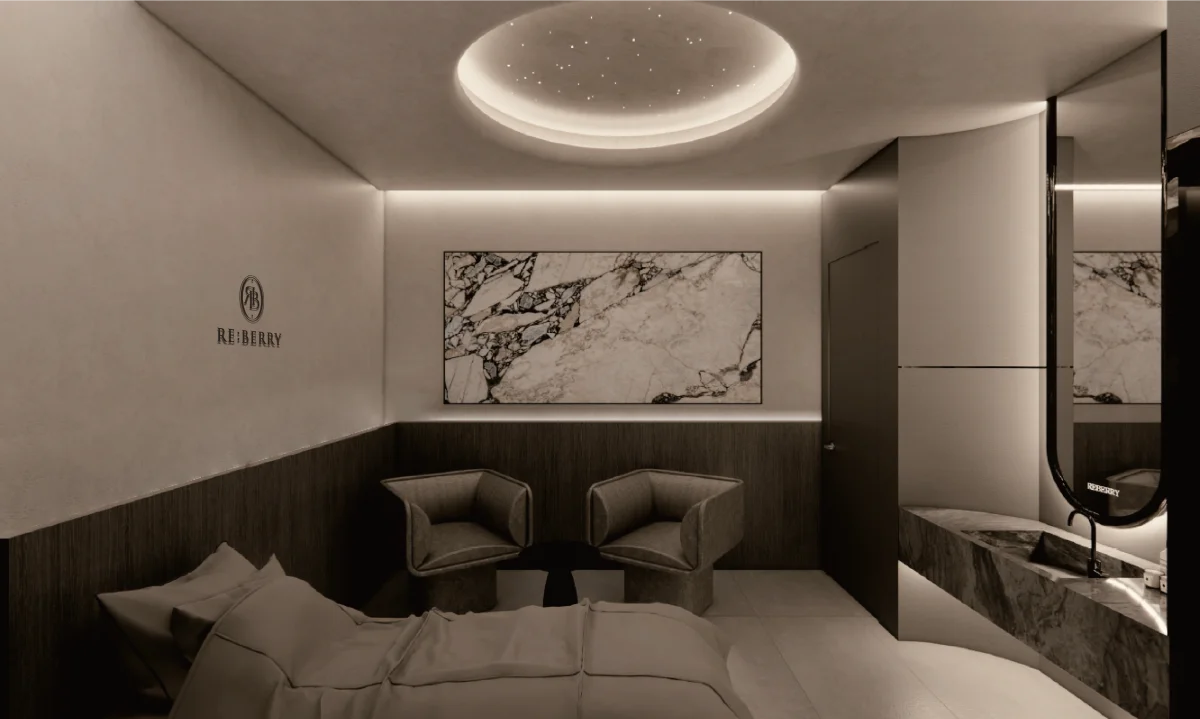
See representative outcomes from Reberry Clinic. Results build gradually and vary by individual; your plan is assessed at consultation.
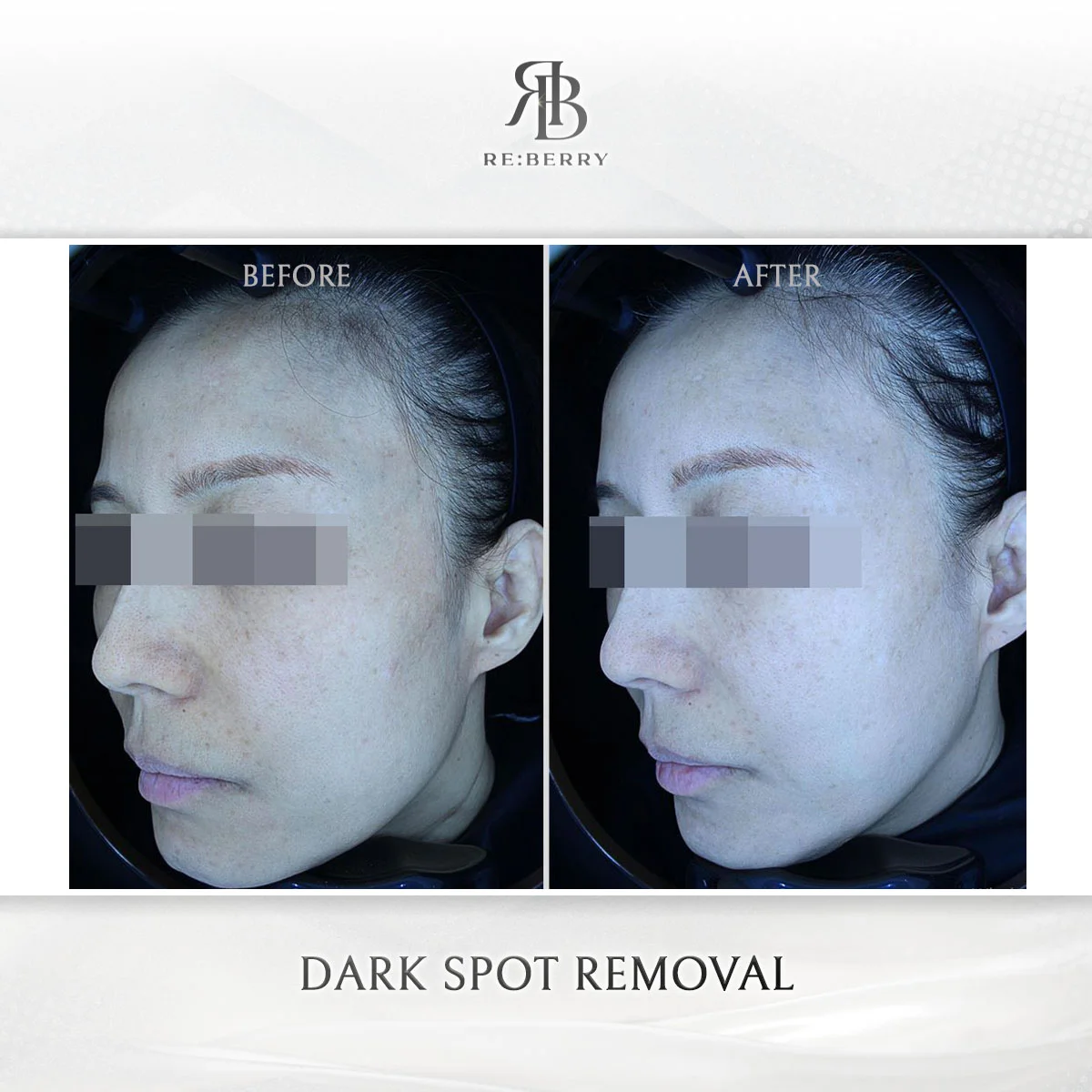
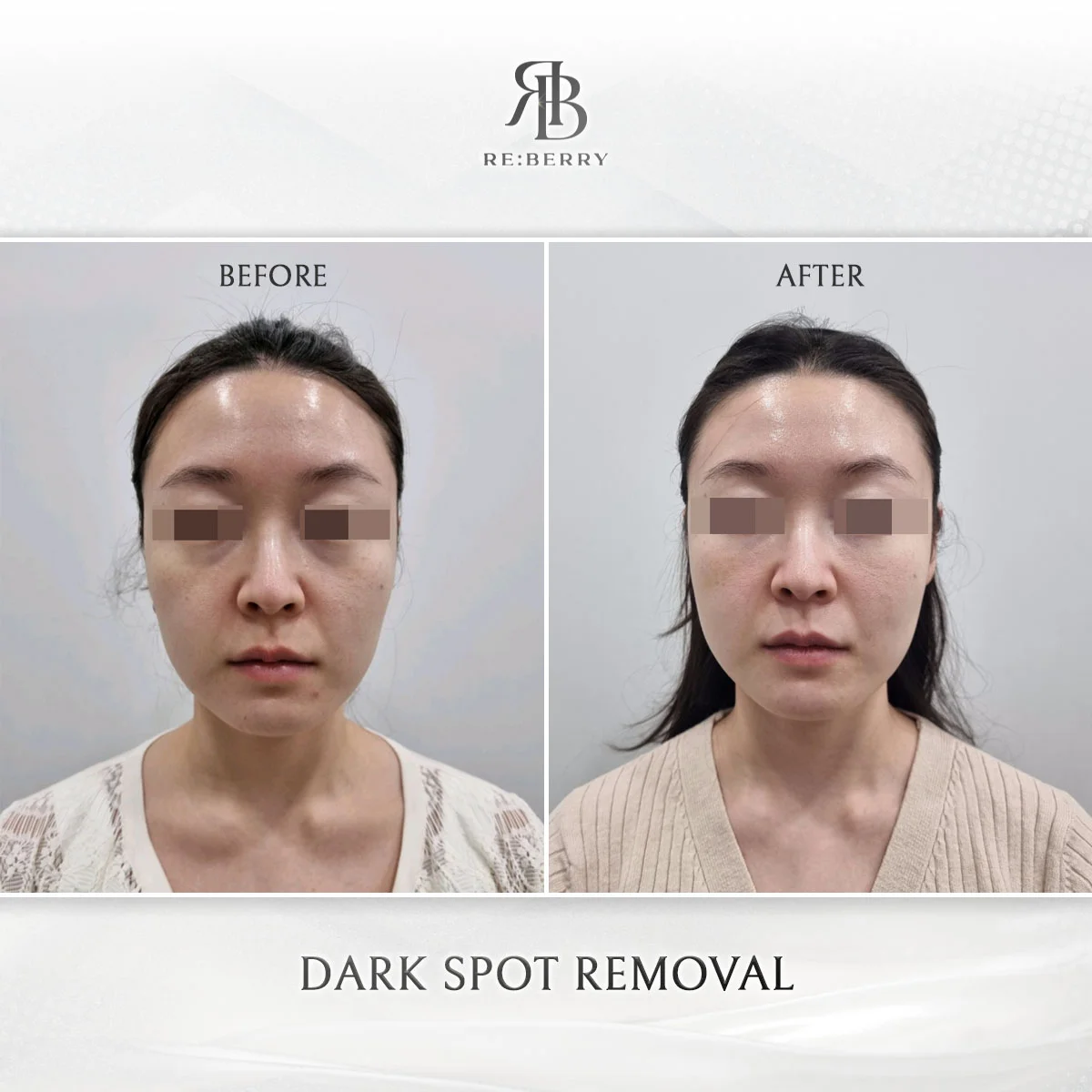
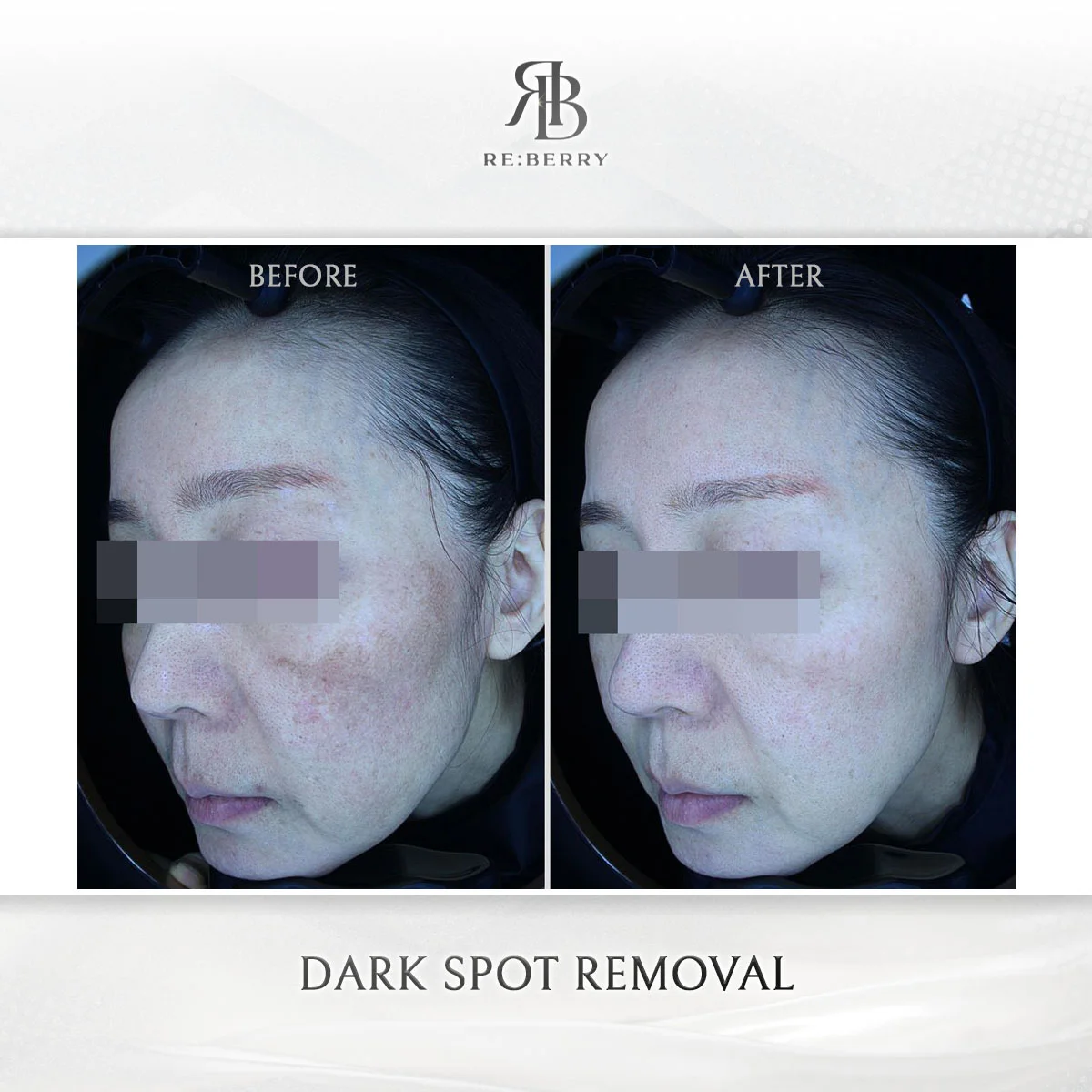
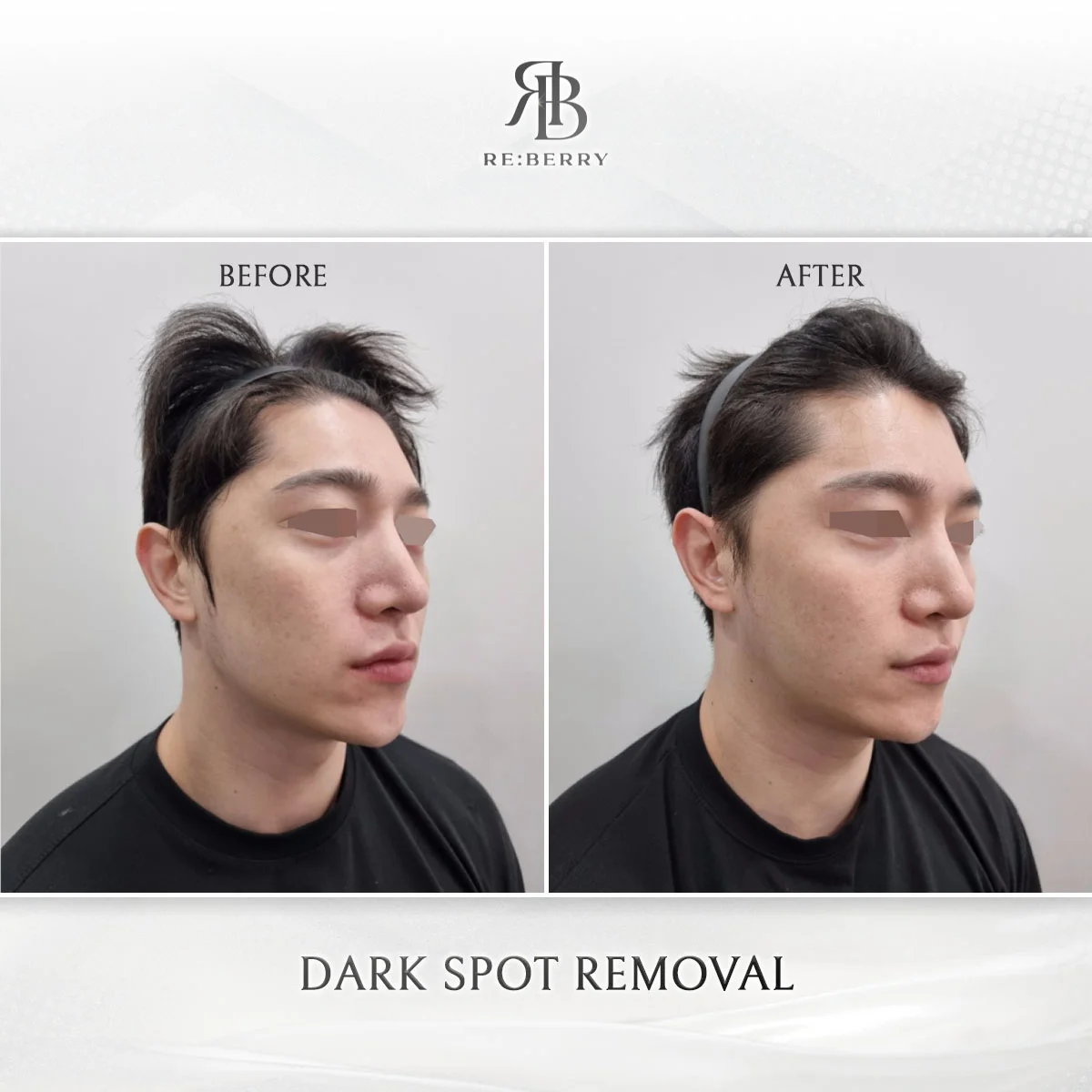
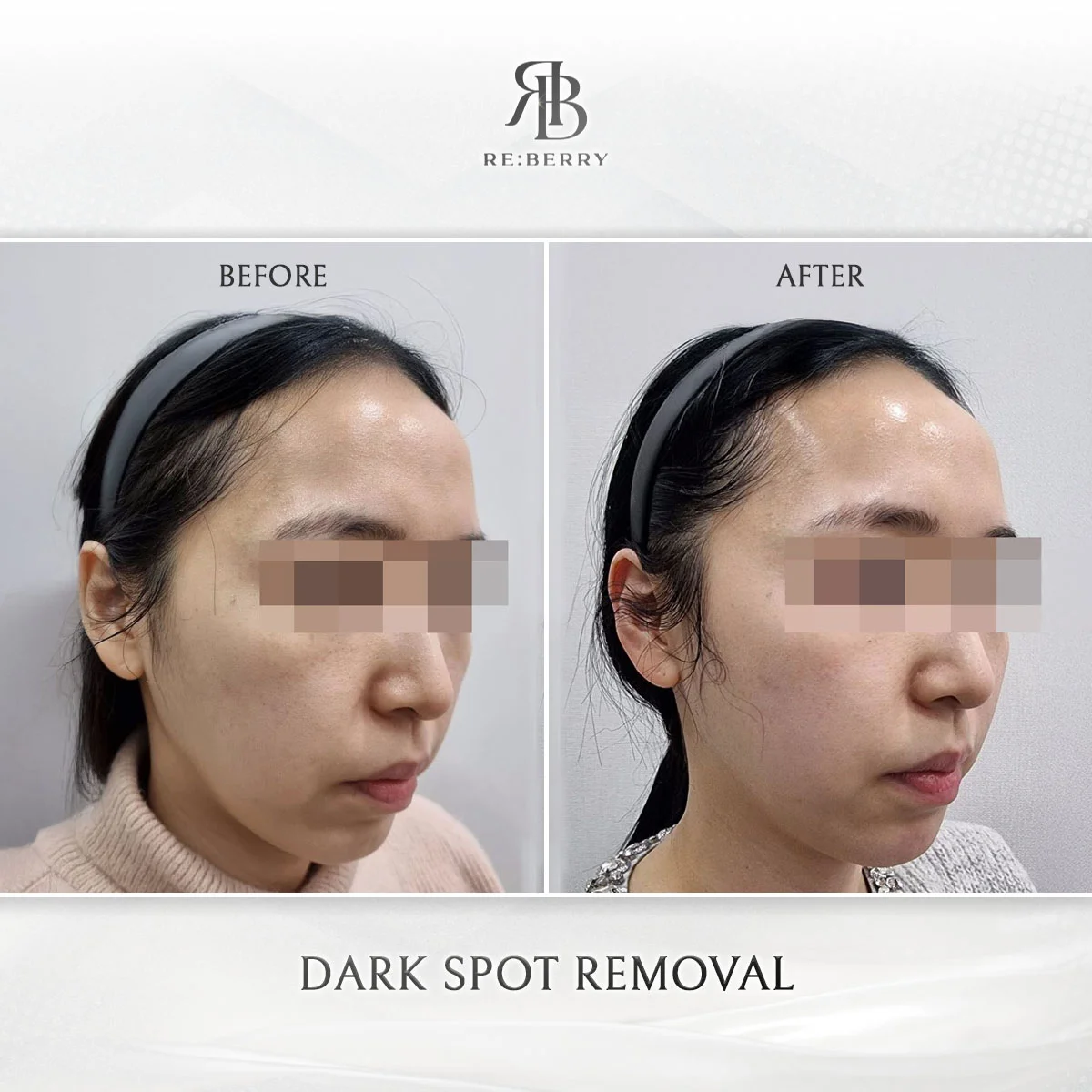
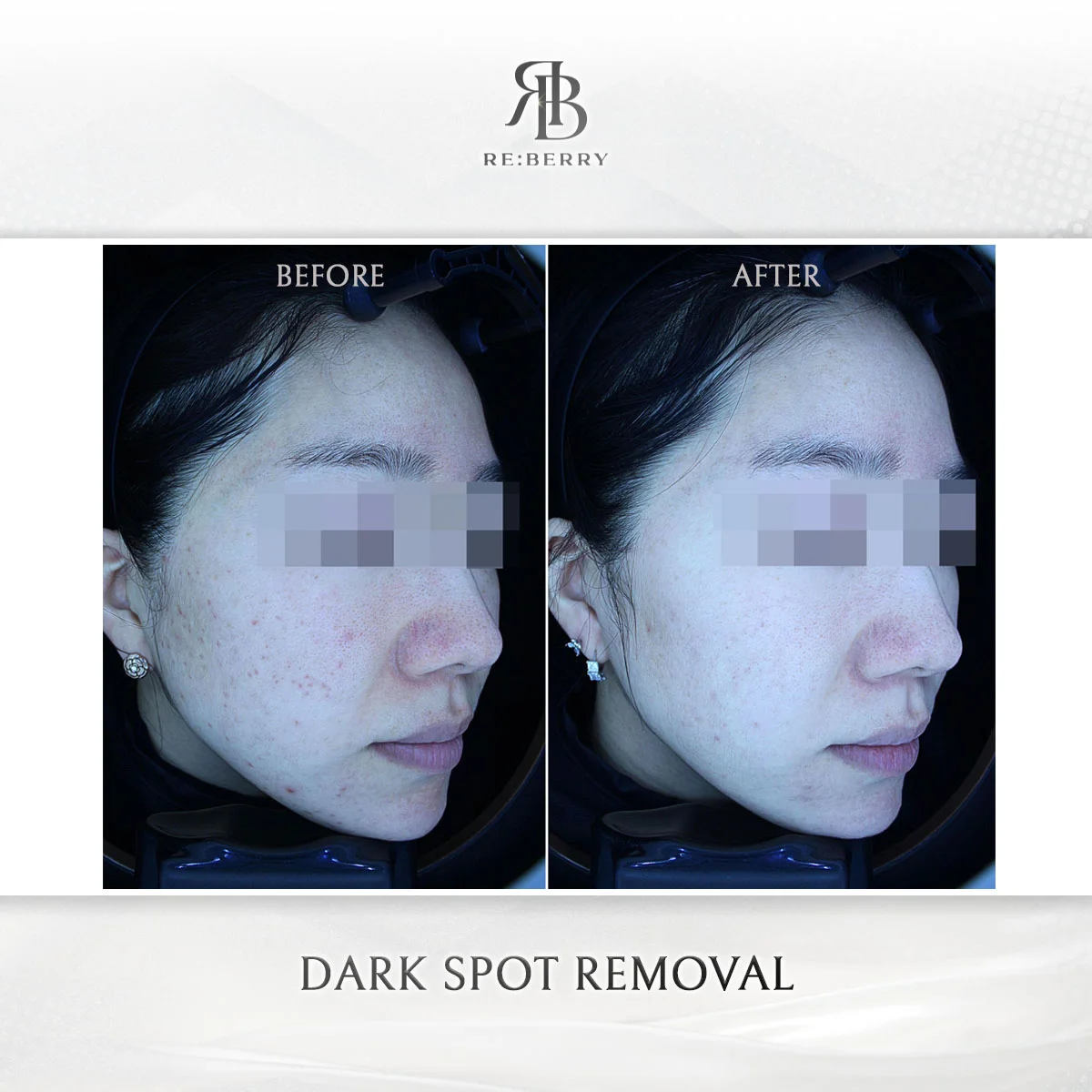
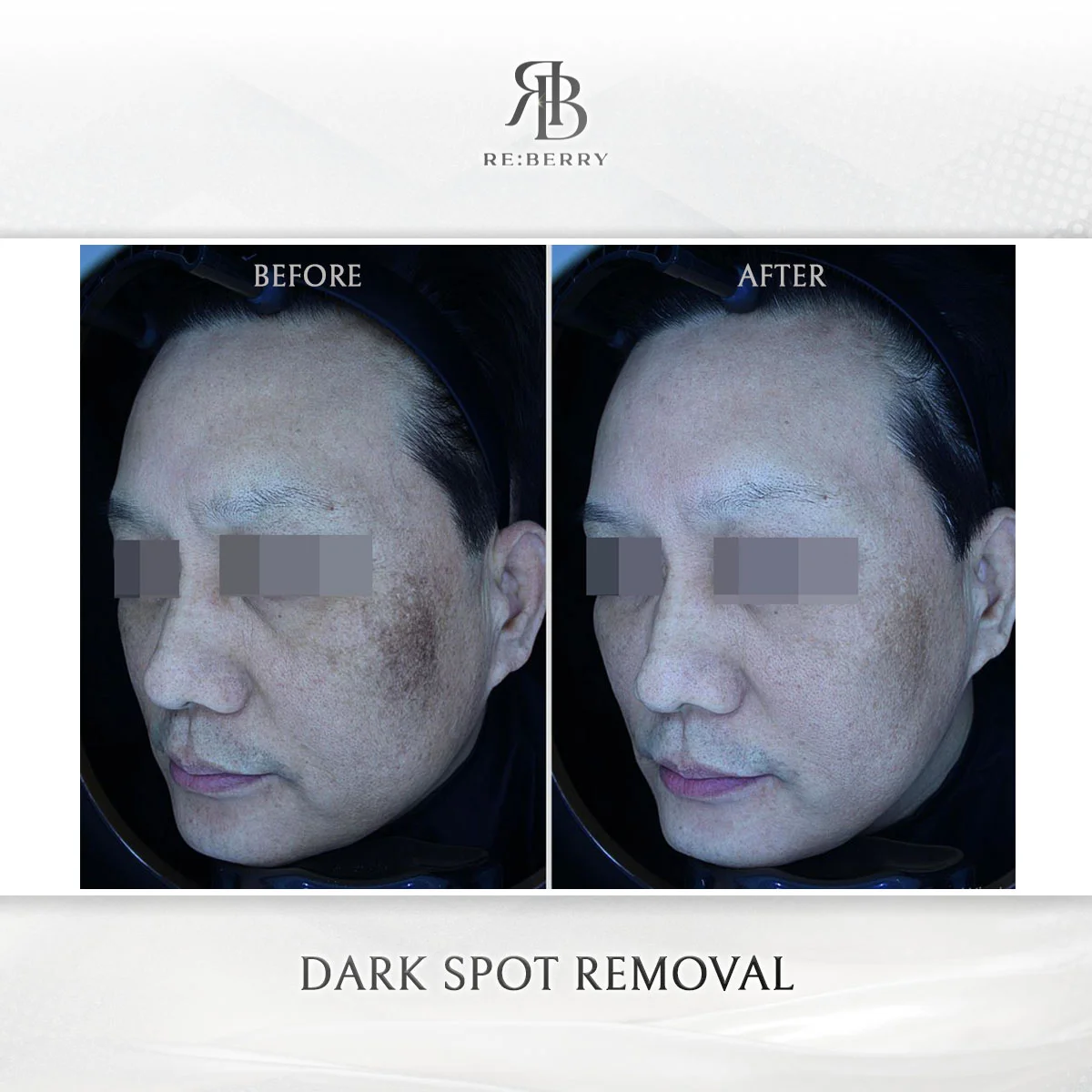
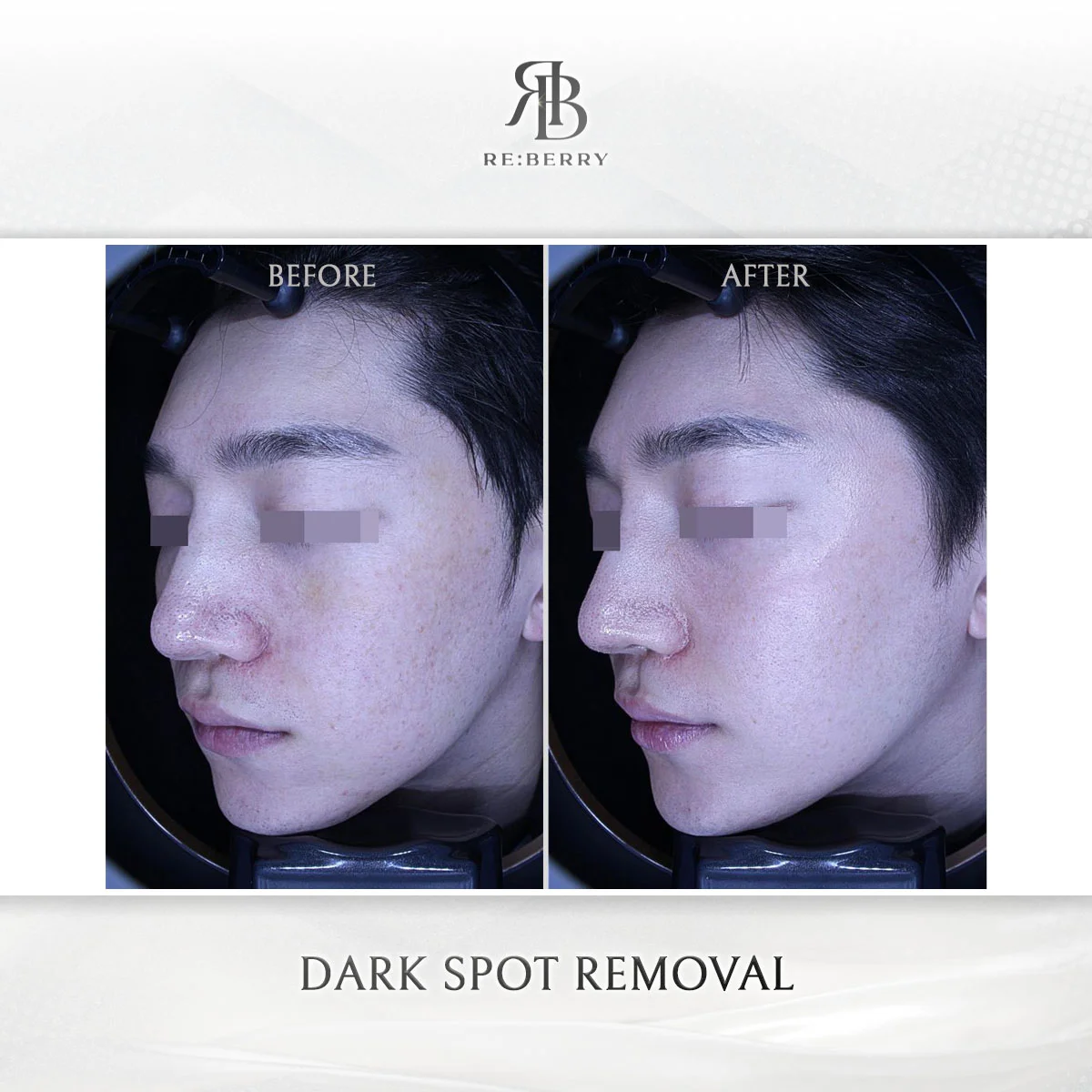
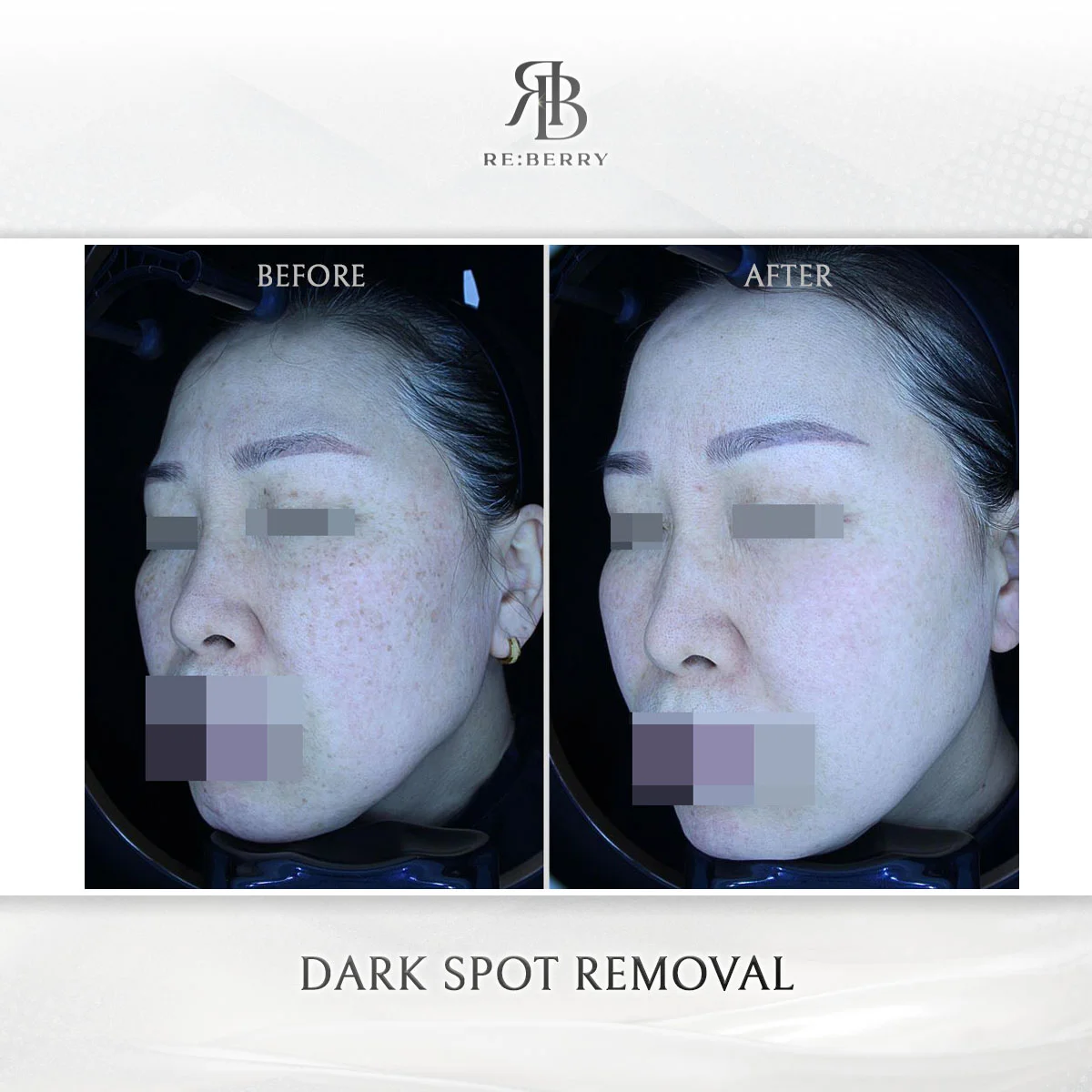
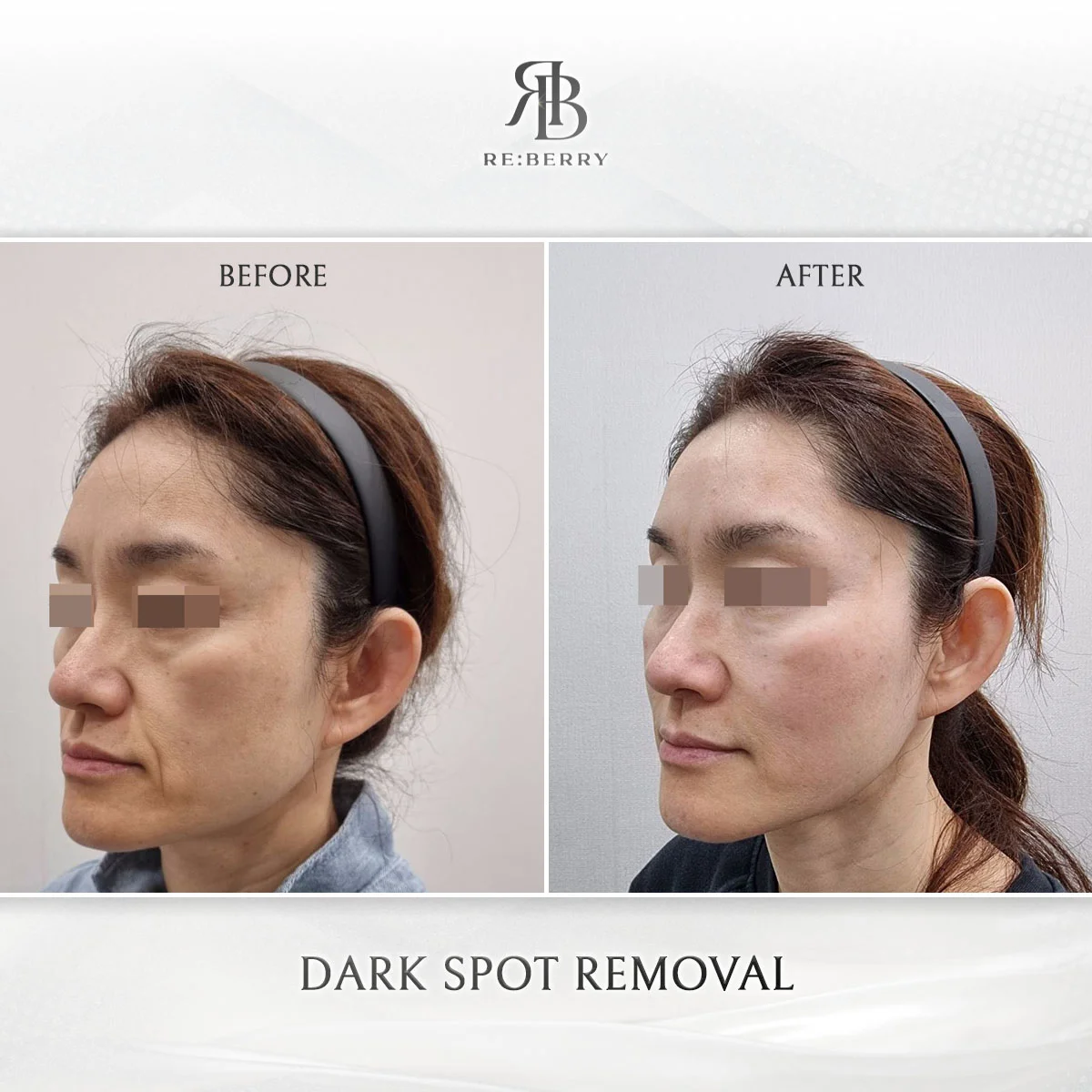
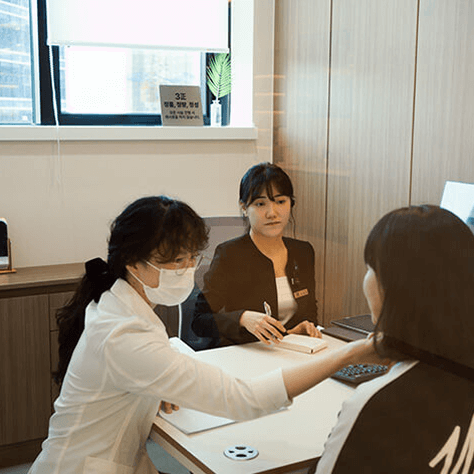
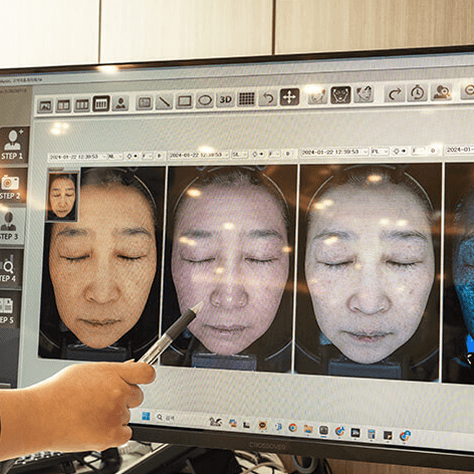
The clinic’s doctors examine your keloid, ask about its history and your skin type, and explain in English which combination of modalities suits it, rather than promising a fixed outcome.
A first keloid session, often a steroid injection with or without a laser step, usually takes about 15 to 30 minutes depending on the size and number of lesions.
Keloid treatment is a series, typically spaced about 3 to 4 weeks apart over several months, so progress is reviewed and the plan adjusted between visits.
Flattening and reduced itch often build gradually over multiple sessions rather than after one visit, which is why realistic reviews describe change over months.
Because keloids can recur, maintenance such as silicone, pressure, or occasional review is often advised, and this long-term view is part of honest planning.
Reviews are useful as a shortlist tool but unreliable on their own, because keloids recur in a meaningful share of cases and many reviews are written only weeks after treatment. Weigh reviews that name the modality and a longer follow-up more heavily, then confirm your plan on our laser treatment page.
A trustworthy keloid review usually names the exact modality, the number of sessions, the follow-up length, and whether the keloid stayed flat or recurred. Reviews that discuss realistic expectations and skin type are more informative than a bare five-star rating, which reveals little about long-term keloid control.
Keloids are prone to recurrence, so reviews promising a flawless or permanent result should be read carefully. The literature reports recurrence in a large share of keloids treated by excision alone, which is why realistic reviews mention maintenance or repeat sessions rather than a single, complete cure.
Many positive reviews describe intralesional steroid injection, often combined with a laser step, since this layered approach is common in Seoul. Combination therapy tends to control redness, thickness, and itch better than one modality alone. You can read more about the laser component on our laser treatment page.
Not always, which is a limitation. Keloids are up to 15 times more common in darker and Asian skin and can respond differently, so a review from someone with a similar skin tone is more relevant. During consultation, the clinic’s doctors assess how your specific skin is likely to respond rather than relying on generic reviews.
Reviews that are specific often describe a series rather than a single visit, commonly several sessions spaced about 3 to 4 weeks apart over months. This matches how keloid injection and combined laser protocols work, so a review describing one session cannot show whether the result lasted.
Many reviews describe steroid injections as briefly uncomfortable rather than severely painful, and clinics use fine needles and comfort measures. Laser steps are usually tolerable with cooling. Experiences vary by lesion size and location, so the clinic’s doctors explain what to expect for your specific keloid before starting.
Reviews typically report minimal downtime after steroid injection, with brief soreness or bruising. If a laser step is added, mild redness for a few days is common. This makes keloid sessions convenient to plan around travel, though your doctor will advise on sun protection and aftercare for your skin type.
Reviews often note gradual change rather than an instant fix, with flattening and reduced itch building over several sessions. Early photos may show redness fading first. Because keloids can regrow, results are best judged over months, which is why longer-follow-up reviews are more informative than immediate ones.
Yes, keloids can recur, which is why realistic reviews and doctors both emphasise maintenance. Recurrence is reported in a large share of keloids treated by excision alone, so combination therapy and follow-up are standard. A staged plan, explained during your laser treatment consultation, aims to reduce that risk.
Most adults with an established keloid are candidates for a doctor-led combination plan, but suitability depends on your keloid size, location, skin type, and history. A consultation confirms which modalities fit and sets realistic expectations. Very inflamed or infected lesions may need treatment before keloid-specific steps begin.
Because keloids vary so much, reviews rarely give a figure that applies to you, and cost depends on lesion size, number of lesions, modality, and sessions needed. Reberry Clinic keeps keloid care consultation-led, explaining your individual cost transparently in English after assessment rather than quoting one fixed price.
Yes, keloid care often combines injection, laser, silicone, and pressure, and can be sequenced alongside other skin treatments when appropriate. Combining approaches addresses redness, thickness, and itch together. Your doctor plans the order carefully so the skin is not over-stressed, and explains how each step fits your overall skin care.
Reviews frequently mention silicone sheeting or gel, sun protection, and avoiding further skin trauma, all of which help control keloids long term. Consistent aftercare is inexpensive but important. The clinic’s doctors give tailored guidance in English, and a supportive skin care routine helps protect your result between sessions.
Keloid consultations are available at our Seoul locations in Gangnam and Myeongdong, and our Incheon Airport (Yeongjongdo) location suits transit patients. Our English-speaking team helps you choose based on your itinerary. You can begin by reviewing options on our laser treatment page before booking.
A single keloid session usually needs about 1 to 2 hours including consultation, so it fits easily into a Seoul trip. Because keloid care runs as a series over months, many international patients start here and continue across return visits. Our team helps coordinate timing so your plan stays on track.
Yes, international patients can begin a keloid course in Seoul and continue on return trips, and the clinic offers English remote check-ins so progress is monitored between visits. Your treatment notes are kept on file for continuity. Consistent home aftercare, such as silicone and sun protection, supports the plan while you travel.
| Star-Rating-Only Review | Single-Session Photo Review | Detailed Long-Follow-Up Review | |
|---|---|---|---|
| What it describes | Overall impression, little clinical detail | One session with a before-and-after image | Modality, sessions, months of follow-up |
| Best for | A rough sense of service and comfort | Seeing early flattening or redness change | Judging real, lasting keloid control |
| Recurrence insight | Usually none | Limited, since keloids can regrow later | Strong, if follow-up runs several months |
| Skin-type relevance | Rarely stated | Sometimes visible in the photo | Often described, which is most useful |
| How much to weigh it | Low on its own | Moderate, as an early snapshot | High, especially with honest recurrence notes |
| Reliability signal | Weak unless combined with others | Better with a stated timeframe | Strongest when balanced and specific |
Real verified reviews from our Google Business Profile, across all Reberry Clinic locations.
PULLED LIVE FROM GOOGLE · GANGNAM · MYEONGDONG · INCHEON AIRPORT
Your treatment is planned and performed by experienced, MFDS-registered doctors across our Seoul-area clinics, with multilingual support for international patients.
Flagship clinic · KOL for leading lifting & regenerative devices
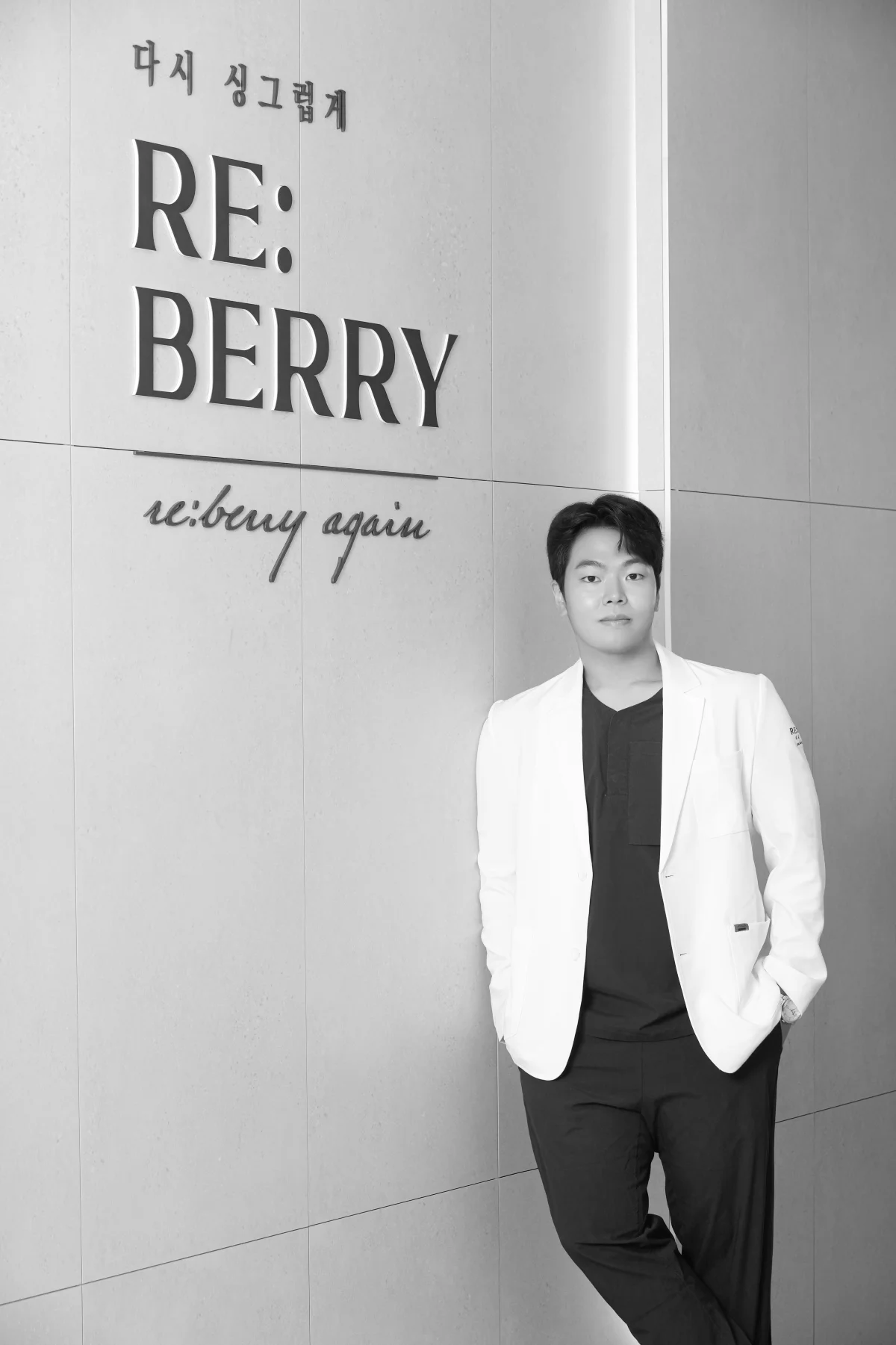
Multilingual tourist care beside Myeongdong Cathedral
Fast, effective care 20 minutes from the terminals
Message us on WhatsApp for a free consultation in English, where the clinic’s doctors assess your keloid and explain a realistic, individual plan and cost.