



Gangnam
Dr. Yoon-Gon Ryu
Aesthetic Medicine Specialist
Flagship clinic · for leading lifting & regenerative devices · Featured in Authority Magazine (2026)


An English-language program pairs in-clinic procedures with a home routine, typically scheduled across 2 to 4 visits that fit a short trip.
For foreigners, Korean skincare in Seoul is a structured program delivered in English, not a single product. A doctor combines hydrating facials, skin boosters and gentle laser toning with a home routine you continue after travelling. Sessions are planned around your trip across roughly 2 to 4 visits, then maintained remotely from abroad.
One-on-One guidance from a dedicated doctor, ensuring your skin is professionally monitored and treated from start to finish.
Fluent assistance in English, Japanese, and Chinese, making communication clear, respectful and comfortable for international patients.
Over 100,000 patients worldwide have received our personalized dermatological care, highlighting our expertise and reliable results.
Korean skincare for foreigners is a step-by-step clinical program designed to work around a short visit and continue at home. Rather than chasing one quick fix, it treats the skin as a system, building a strong barrier, deep hydration and even tone, the foundations of the glass-skin look. The key difference for international patients is logistics: the plan is mapped so the in-clinic steps fit your travel dates, and the home routine is written in English so progress holds after you fly back.
In the clinic, the program usually layers hydrating facials, skin boosters that deliver hyaluronic acid or polynucleotides into the upper dermis, and gentle laser toning for clarity and pigment. These are matched to your skin type, climate and goals. Because many visitors have only a few days in Seoul, a doctor prioritises the steps that give the most benefit during the trip and schedules the rest as maintenance or a follow-up visit.
Reberry Clinic designs and reviews these programs for international patients across three Seoul-area locations (Gangnam, Myeongdong, Incheon Airport), with English-speaking support and treatment overseen by the clinic’s doctors. The Incheon Airport location is convenient for travelers fitting a session in before or after a flight.
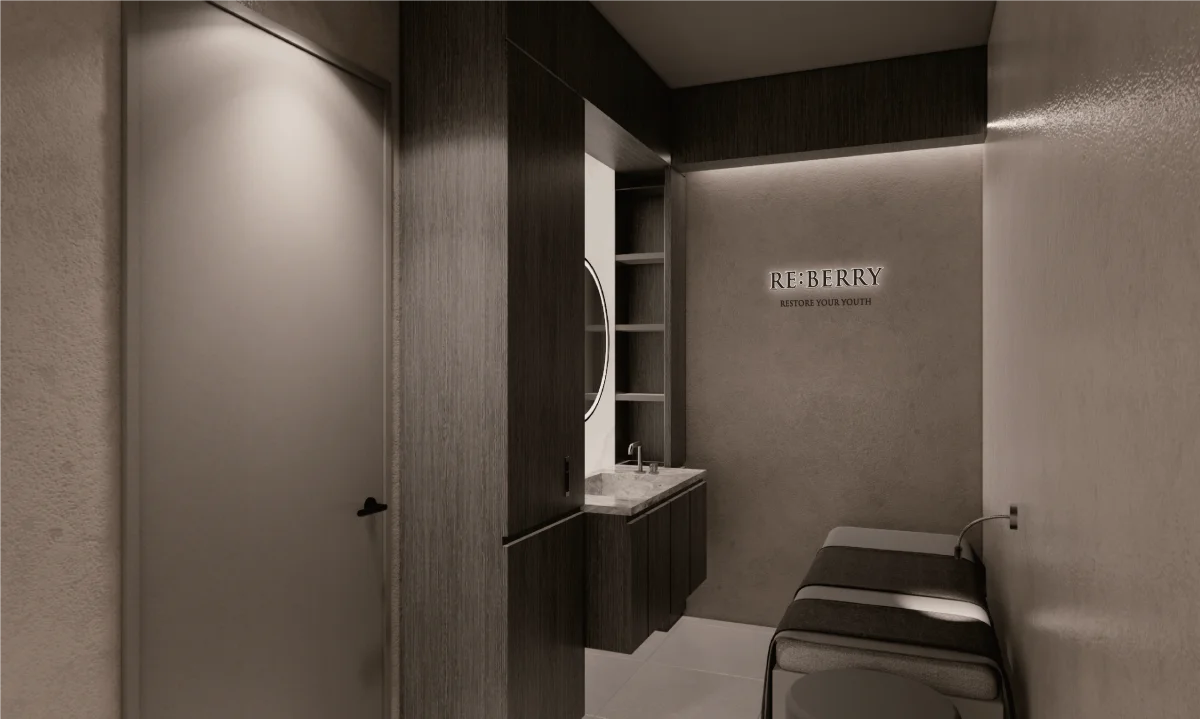
A Korean program relies on layering complementary tools rather than one device. Hydrating facials use vortex-based cleansing and serum infusion to exfoliate and hydrate the surface. Skin boosters microinject hyaluronic acid or polynucleotides into the upper dermis to improve hydration, elasticity and barrier recovery. Gentle laser toning, typically a 1064 nm picosecond or Q-switched laser, breaks up pigment and evens tone without heavy downtime. A doctor selects the combination and spacing based on your barrier strength, pigment and oil level. For foreigners, the doctor also accounts for the climate you are returning to and the products you can realistically obtain at home, so the routine stays practical once your trip ends.
One Reberry Clinic, multiple Seoul-area locations. Pricing & current promotions are listed on each branch's own site — tap a clinic to view pricing & book.
Our flagship in the heart of Gangnam.
In Seoul's shopping & tourism heart.
A beauty stop between flights.
The newest Reberry Clinic — in Seoul's trend district.
ONE REBERRY CLINIC · MFDS-REGISTERED DEVICES · MULTILINGUAL CARE AT EVERY LOCATION

The doctor evaluates barrier strength, hydration, pigment and oil in English, building a plan across 2 to 4 visits.
In-clinic steps are sequenced to fit your travel dates, often with sessions 2 to 4 weeks apart if you stay longer.
A hydrating facial cleanses and exfoliates in about 30 to 60 minutes, usually with minimal downtime for same-day plans.
Skin boosters and gentle laser toning are layered across 1 to 3 sessions to improve hydration and clarity.
A guided daily routine of cleanse, hydrate and SPF protects results over 8 to 12 weeks after you fly home.
Reberry Clinic · Prices verified: Oct 2026
| Clinic | Price (KRW) |
|---|---|
| GangnamMulti-Master Care (Iontophoresis/Regeneration/Cryocell) | from₩59,000 |
| MyeongdongBasic Facial Package 10 Sessions | from₩490,000 |
| Incheon AirportMy-Choice Skin Care 10 Sessions | from₩650,000 |
VAT excluded · Treatment packages differ by clinic — see each clinic page for its full menu · Confirmed after consultation
Before-and-after photos are being updated.
The clinic’s doctors analyse your barrier, hydration and tone in English, then design a plan over 2 to 4 visits around your trip.
A facial or booster session takes about 30 to 60 minutes, often with minimal downtime so you can continue sightseeing.
If you stay longer, in-clinic steps are spaced roughly 2 to 4 weeks apart so the skin recovers and responds.
Glow appears quickly, while barrier and tone improvements build over 8 to 12 weeks.
A consistent home routine of cleanse, hydrate and SPF, with periodic maintenance, keeps results going after you fly home.



It is a structured clinical program delivered in English that combines in-clinic facials, skin boosters and gentle toning with a home routine you continue abroad. The plan is mapped around your trip rather than sold as one product. You can see how the steps fit together on our skin care page.
Yes, Reberry Clinic supports international patients in English across three Seoul-area locations, including one near Incheon Airport. A doctor analyses your skin, explains each step and writes a routine you can follow at home. Message us on WhatsApp to arrange a consultation before you travel.
For an initial program with one or two sessions, 2 to 4 days is usually enough, covering consultation and treatments with short reviews. A fuller multi-step plan may need a longer stay or a follow-up trip. Our English team coordinates scheduling so appointments fit around sightseeing.
Glass skin is a result achieved through both treatments and consistent care, not a single procedure. Clinics build it with hydrating facials, skin boosters and toning, supported by a daily routine. Our glass facial page explains the in-clinic side, while sunscreen and hydration maintain it at home.
Most steps are comfortable. Hydrating facials use no needles, laser toning feels like mild warmth, and skin boosters cause brief stinging at injection points under numbing cream. Any discomfort is short-lived and settles quickly. Your provider adjusts each step to your sensitivity and tolerance during the session.
Downtime is minimal across the program. Facials have essentially none, laser toning may cause brief flushing, and skin boosters create tiny bumps that fade within a day. Most international visitors continue sightseeing the same day, simply avoiding heavy makeup and strong heat for a short time.
A hydrating glow can appear within days, while barrier strength, smoother texture and more even tone build over 8 to 12 weeks with repeated sessions and consistent home care. Korean programs prioritise gradual, lasting improvement, so steady routines matter more than a single intensive treatment.
Most programs run across 2 to 4 clinic visits, with skin boosters adding 1 to 3 sessions and toning often a short series. Your doctor sets the number after analysing your skin, then recommends periodic maintenance. The home routine continues daily to support what the clinic work achieves.
With consistent home care, results hold for months, since the program strengthens the barrier and maintains hydration over time. Skin naturally changes, so periodic maintenance preserves the glow. A daily routine of cleanse, hydrate and SPF is essential; see our skin care options for guidance.
Yes, a Korean program is designed to layer safely with treatments like deeper hydration or gentle peels, sequenced by your doctor. Many patients add a Hydrafacial for deep cleansing. Combining steps addresses hydration, tone and texture together for a more complete, balanced result.
Yes, the program prioritises barrier support and gentle, gradual steps, and laser depth is adjusted for a wide range of skin tones. The doctor reviews your sensitivity and medications, then starts with milder parameters. People with active skin disease or recent isotretinoin use need assessment before energy-based steps to stay safe.
Side effects are usually mild and temporary: brief redness, slight swelling or small bumps for a day after boosters, and short flushing after toning. Bruising is uncommon and self-resolving. Serious reactions are rare when an experienced provider tailors the treatment and you follow the aftercare instructions carefully.
A core Korean routine is cleanse, hydrate in layers and protect with daily SPF, plus targeted serums your doctor recommends. Consistency is more important than the number of products. Your clinic provides a written routine in English so you can continue the program confidently between maintenance visits.
Yes, evening tone and restoring radiance are central goals. Hydrating facials and skin boosters improve clarity, while gentle 1064 nm laser toning targets pigment. Pairing in-clinic care with our glass facial supports a brighter, smoother, glass-skin finish over a short series.
Yes, most program steps are non-surgical with minimal downtime, so flying the same or next day is generally fine; you may have brief flushing or tiny booster bumps that settle quickly. Stay hydrated and use SPF in transit. A session near Incheon Airport can fit conveniently around your departure.
International patients can have remote check-ins in English and follow the written home routine your doctor designed. Progress is reviewed as results develop over weeks. If you want to add steps later, explore our skin care options. Your plan and notes stay on file for future visits.
| Hydrating Facial | Skin Boosters | Laser Toning | |
|---|---|---|---|
| Energy / mechanism | Vortex cleansing and serum infusion | Microinjected hyaluronic acid or polynucleotides | 1064 nm laser targeting pigment |
| Best for | Surface dullness and congestion | Dehydration and weak barrier | Uneven tone and mild pigment |
| Pain / comfort | Comfortable, no needles | Brief stinging at injection points | Mild warmth, well tolerated |
| Downtime | None to minimal, good for a same-day trip | Tiny bumps settle within a day | Minimal, possible brief flushing |
| Results timeline | Immediate glow, builds with repetition | Hydration in days, texture over weeks | Gradual over a short series |
| Sessions | Regular maintenance | 1 to 3, then maintenance | Often a short series |
| Cost factors | Depends on add-ons and frequency | Depends on product and sessions | Depends on number of sessions |
Real verified reviews from our Google Business Profile, across all Reberry Clinic locations.
PULLED LIVE FROM GOOGLE · GANGNAM · MYEONGDONG · INCHEON AIRPORT
Your treatment is planned and performed by experienced, MFDS-registered doctors across our Seoul-area clinics, with multilingual support for international patients.
Flagship clinic · for leading lifting & regenerative devices · Featured in Authority Magazine (2026)

Multilingual tourist care beside Myeongdong Cathedral

Fast, effective care 20 minutes from the terminals
Message us on WhatsApp for a free consultation in English about a Korean skincare program for international patients in Seoul.