

Gangnam
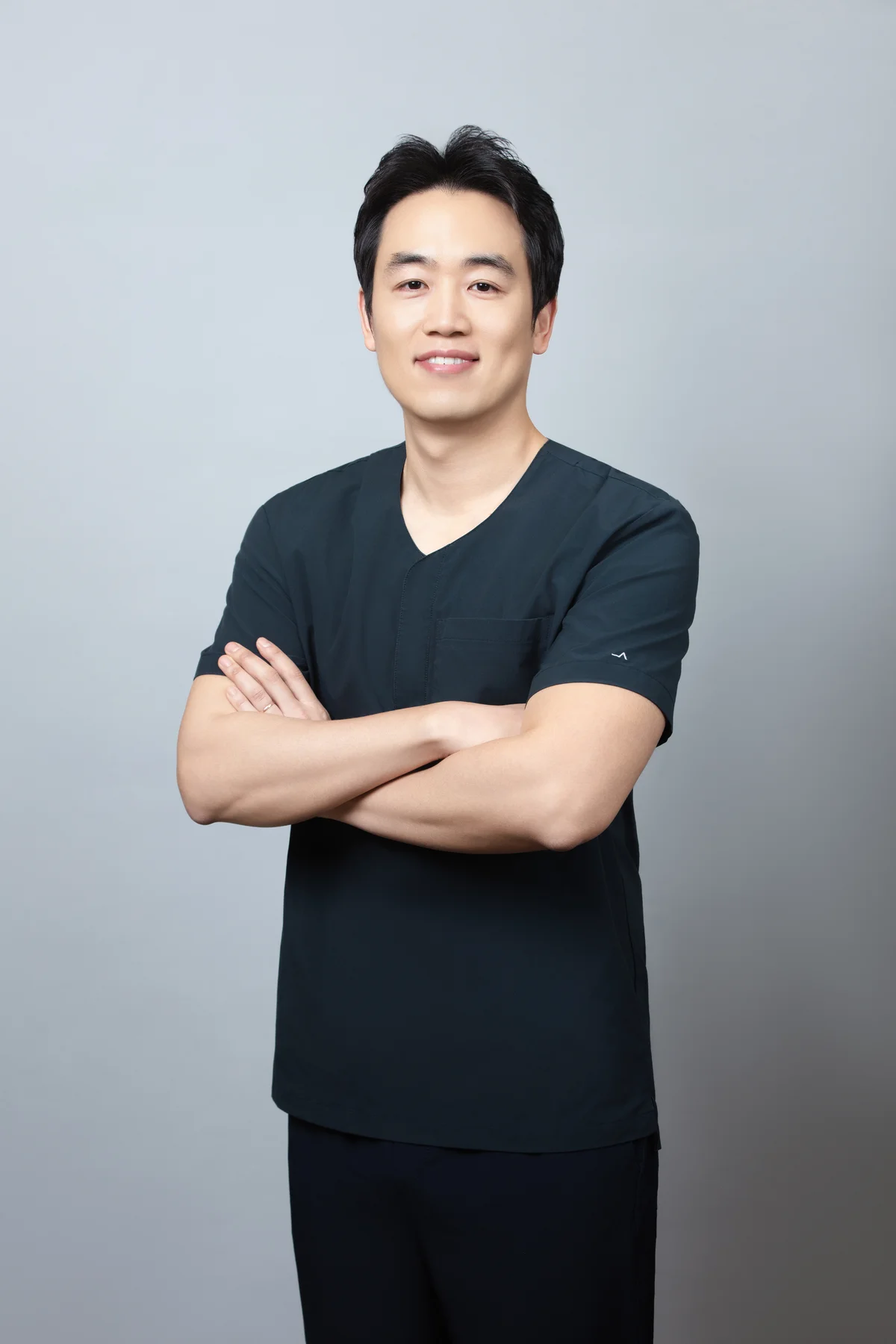
Dr. Yoongon Ryu
Aesthetic Medicine Specialist
Flagship clinic · KOL for leading lifting & regenerative devices

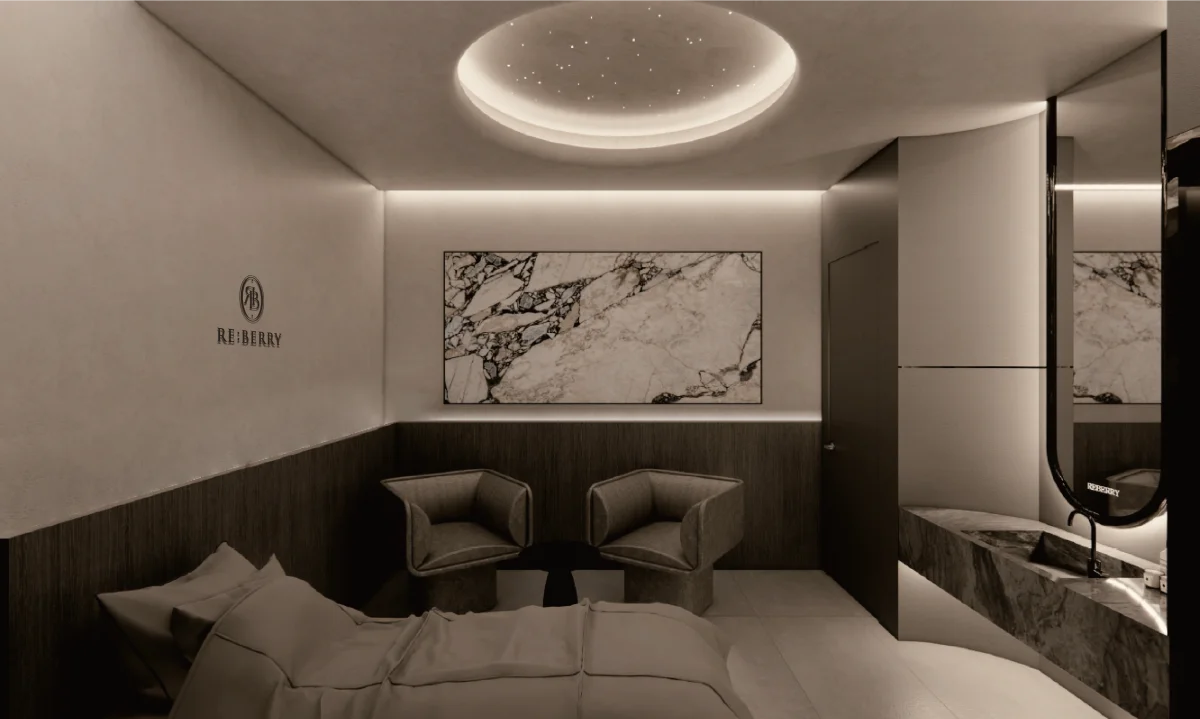
K-beauty medical skincare is not one product but a menu of 5+ modality families (boosters, lasers, peels, hydration facials, energy devices) sequenced to your skin.
Korean skincare treatment in Myeongdong, Seoul is a medical-grade menu, not a single procedure: injectable skin boosters, resurfacing lasers, chemical and hydra peels, and energy devices are combined and sequenced to your skin type and goals. At our Myeongdong (Seoul) location, the plan is built in English at consultation with Dr. Seung Jae Baek.
One-on-One guidance from a dedicated doctor, ensuring your skin is professionally monitored and treated from start to finish.
Fluent assistance in English, Japanese, and Chinese, making communication clear, respectful and comfortable for international patients.
Over 100,000 patients worldwide have received our personalized dermatological care, highlighting our expertise and reliable results.
Korean skincare treatment, often called K-beauty medical skincare, is a structured menu of in-clinic procedures rather than a single service. Where over-the-counter routines work on the skin surface, medical K-beauty pairs regenerative injectables, resurfacing lasers, exfoliating peels, and hydration facials so that hydration, tone, texture, pores, and firmness are addressed together. The philosophy is prevention and strengthening the skin over time, not just correcting one visible concern.
The most requested outcome is the so-called glass skin look, meaning skin that is deeply hydrated, even-toned, and naturally luminous. In practice that outcome comes from combining several tools: injectable boosters such as Rejuran Healer polynucleotide or a PDLLA collagen booster for skin quality, a gentle resurfacing laser for tone and pores, and a hydrating facial to finish. No single step delivers it alone.
At Reberry Clinic, Korean skincare treatment is consultation-led. At our Myeongdong (Seoul) location, 5, Myeongdong 10-gil, Jung-gu, the clinic’s doctors first assess your skin, then map which modalities to combine and in what order. International patients are supported in English, and Myeongdong Station is about 5 minutes away, making the clinic easy to reach during a Seoul trip.
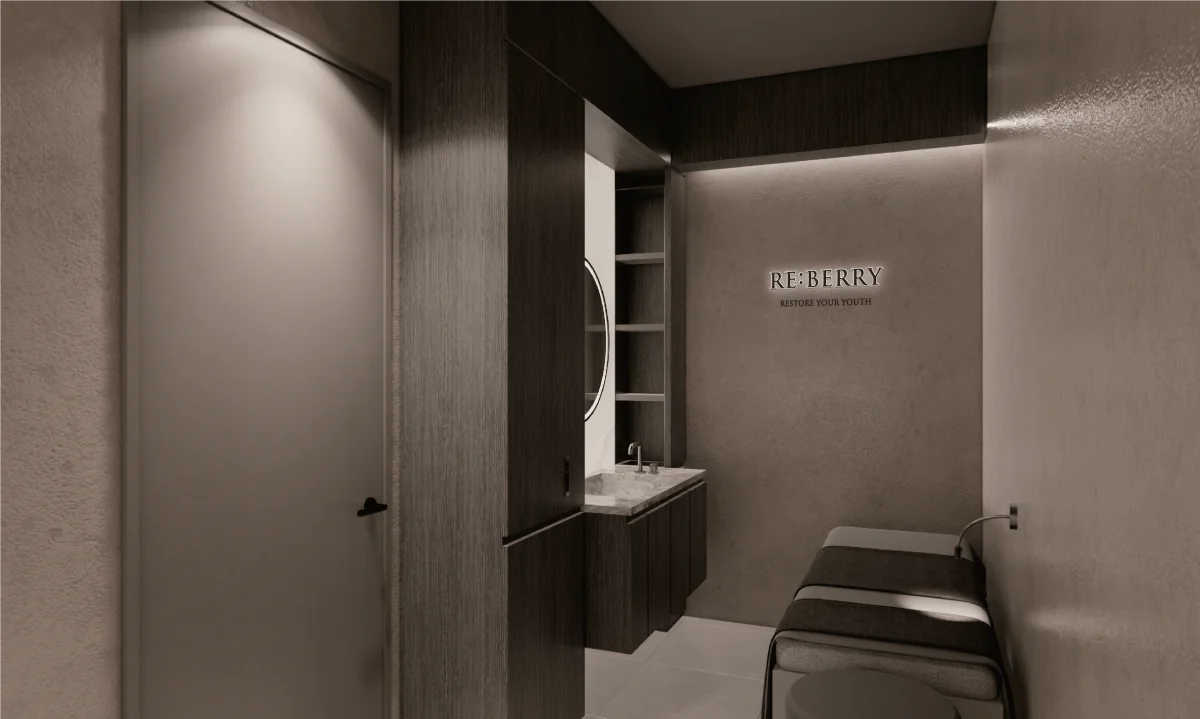
A Korean skincare plan draws from several distinct technology families, and understanding them helps you see why plans are combined. Injectable skin boosters are micro-injections of hydrating and regenerative ingredients delivered across the face, including polynucleotide (PDRN salmon DNA) boosters like Rejuran and PDLLA collagen stimulators like Juvelook that work on skin quality over weeks. Resurfacing and toning lasers, such as picosecond and non-ablative fractional lasers, target pigment, texture, and pore appearance. Chemical peels and hydra-based facials like HydraFacial exfoliate and hydrate with little to no downtime. Energy devices using ultrasound or radiofrequency add firmness for those who also want lifting. Because each family solves a different problem, the doctor sequences 2 to 4 of them into one plan rather than relying on a single tool, spacing sessions so the skin is not over-stressed.
One Reberry Clinic, multiple Seoul-area locations. Pricing & current promotions are listed on each branch's own site — tap a clinic to view pricing & book.
Our flagship in the heart of Gangnam.
In Seoul's shopping & tourism heart.
A beauty stop between flights.
The newest Reberry Clinic — in Seoul's trend district.
ONE REBERRY CLINIC · MFDS-REGISTERED DEVICES · MULTILINGUAL CARE AT EVERY LOCATION
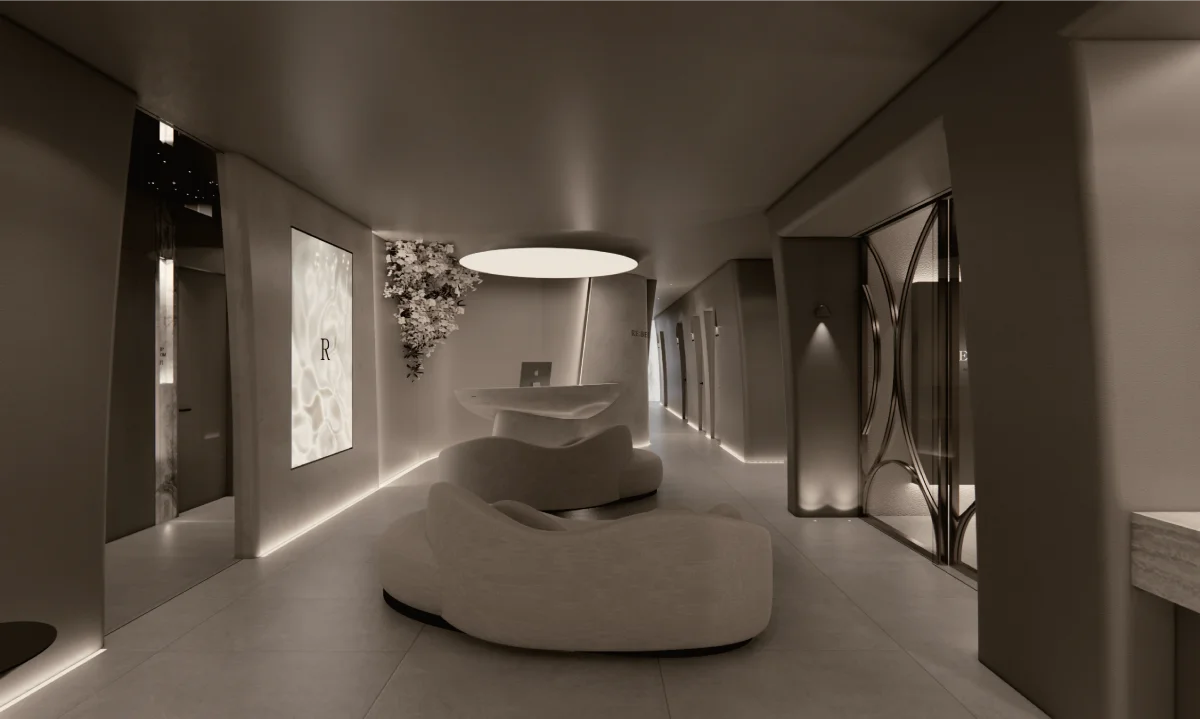
Doctors evaluate 5 core dimensions (hydration, tone, texture, pores, firmness) to decide which modality families your plan needs.
A typical plan pairs 2 to 4 tools, for example a booster plus a toning laser plus a hydrating facial, each addressing a different concern.
Steps are spaced roughly 2 to 4 weeks apart so the skin recovers between them and results build without over-treating.
Injectable boosters like polynucleotide or PDLLA usually run as a short course of 2 to 3 sessions to improve skin quality over time.
Your doctor reviews progress and sets a light maintenance rhythm, since K-beauty is about strengthening skin, not a one-time fix.
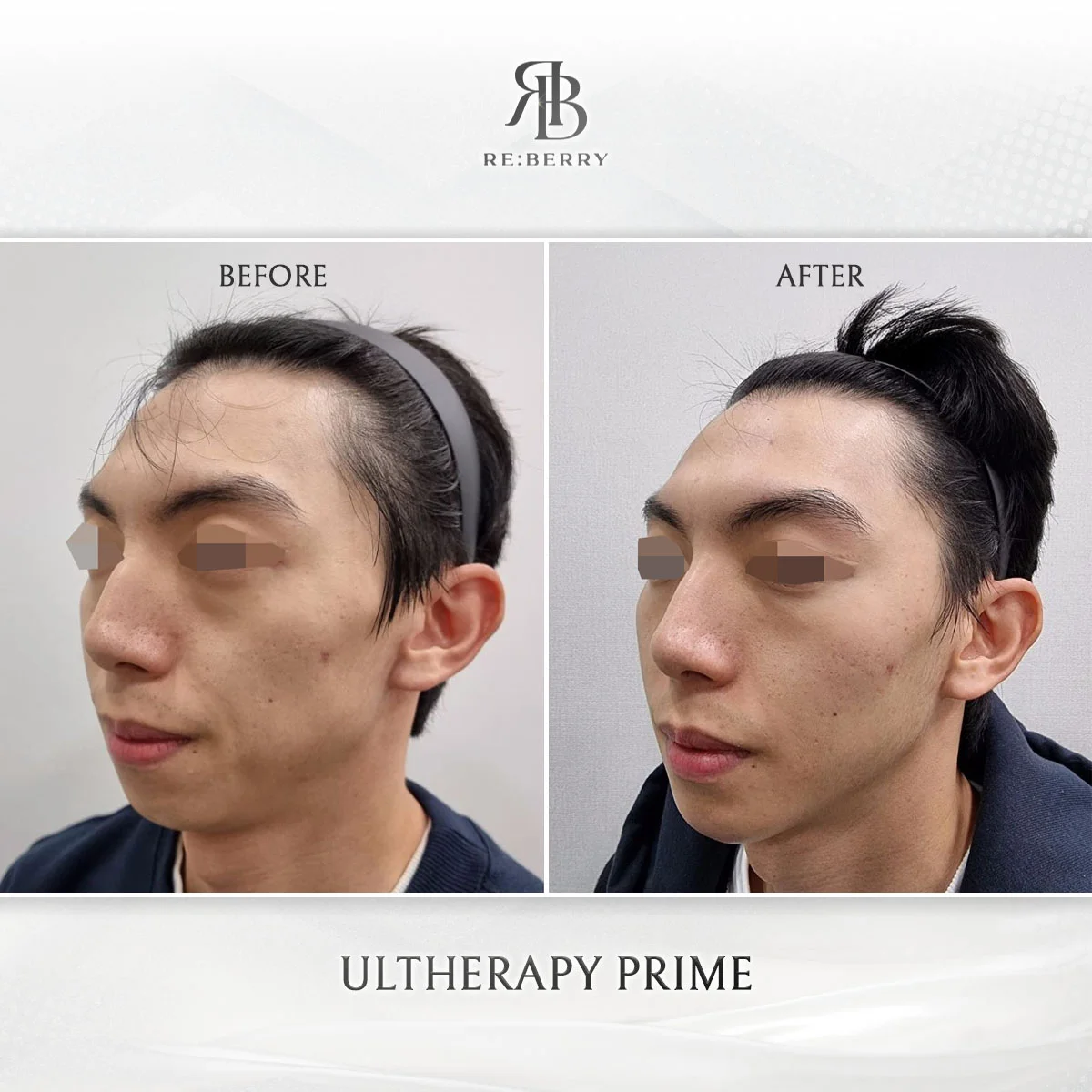
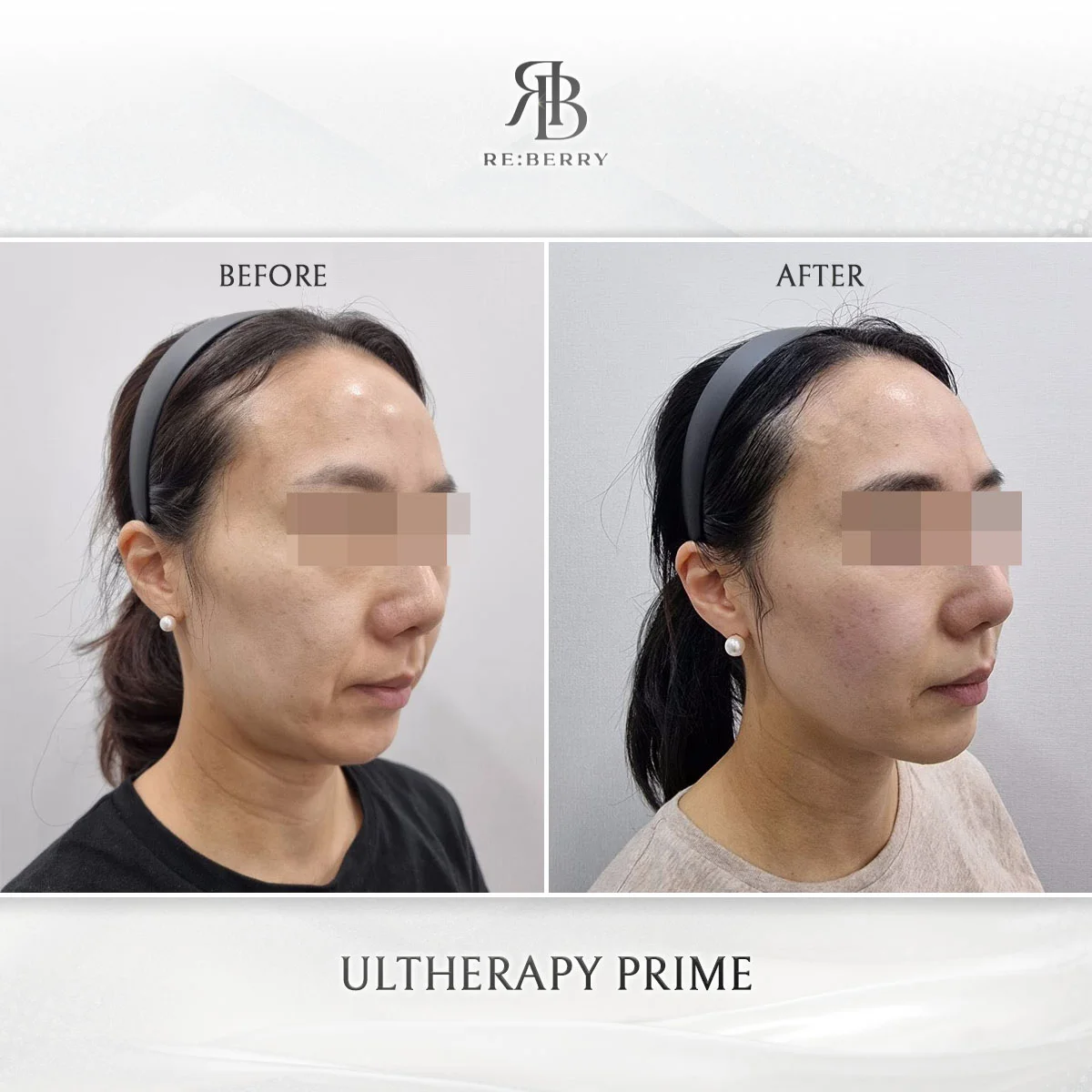
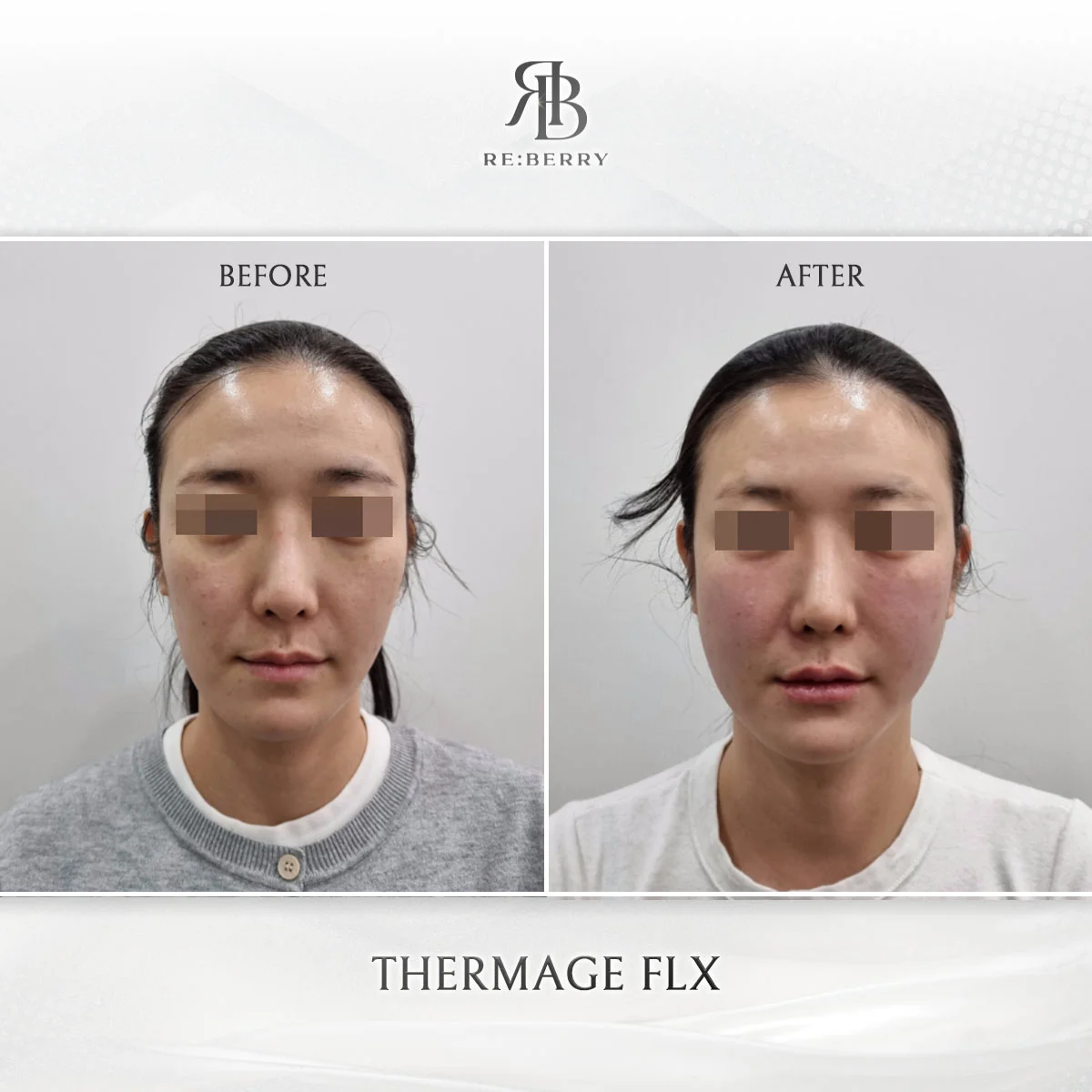
See representative outcomes from Reberry Clinic. Results build gradually and vary by individual; your plan is assessed at consultation.
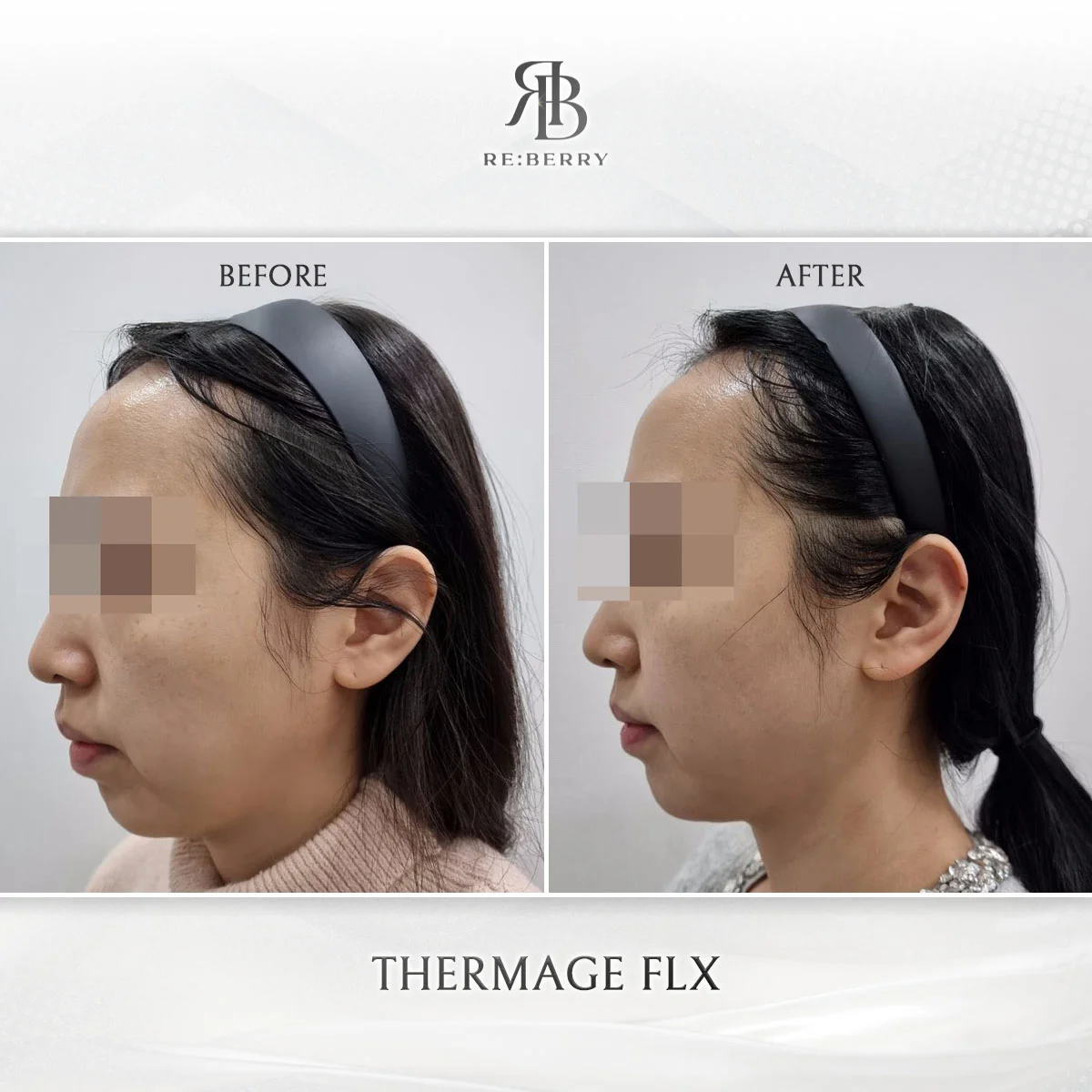
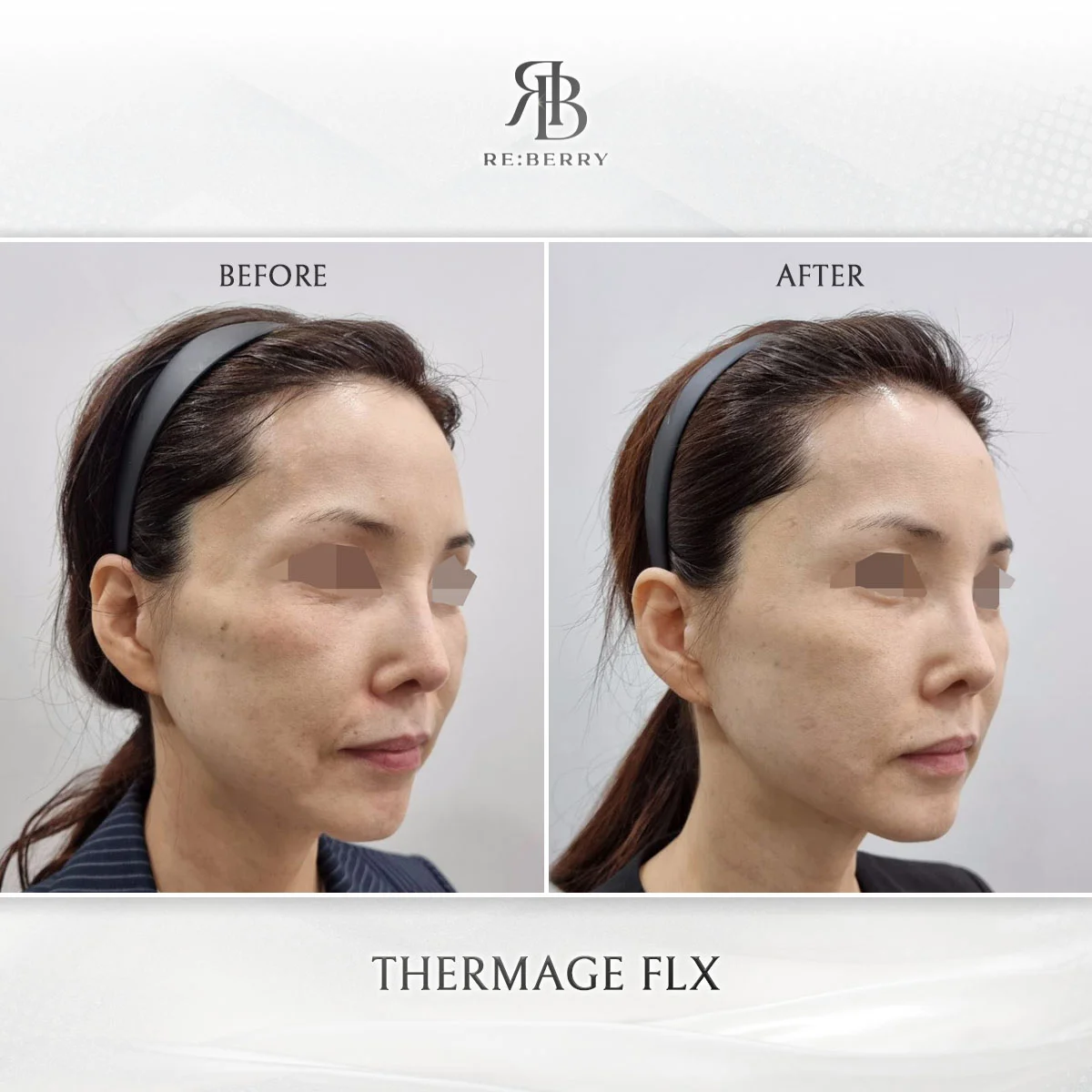
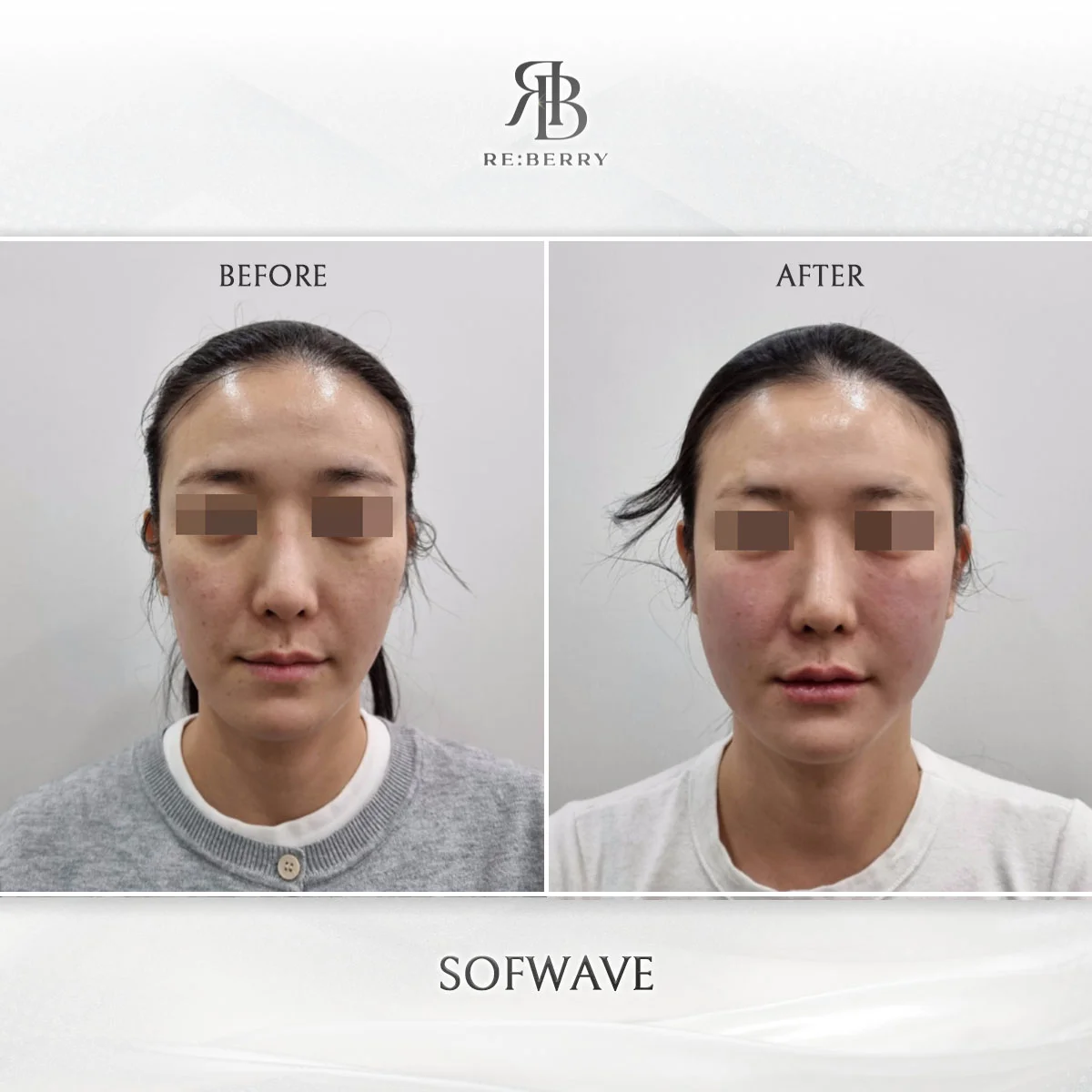
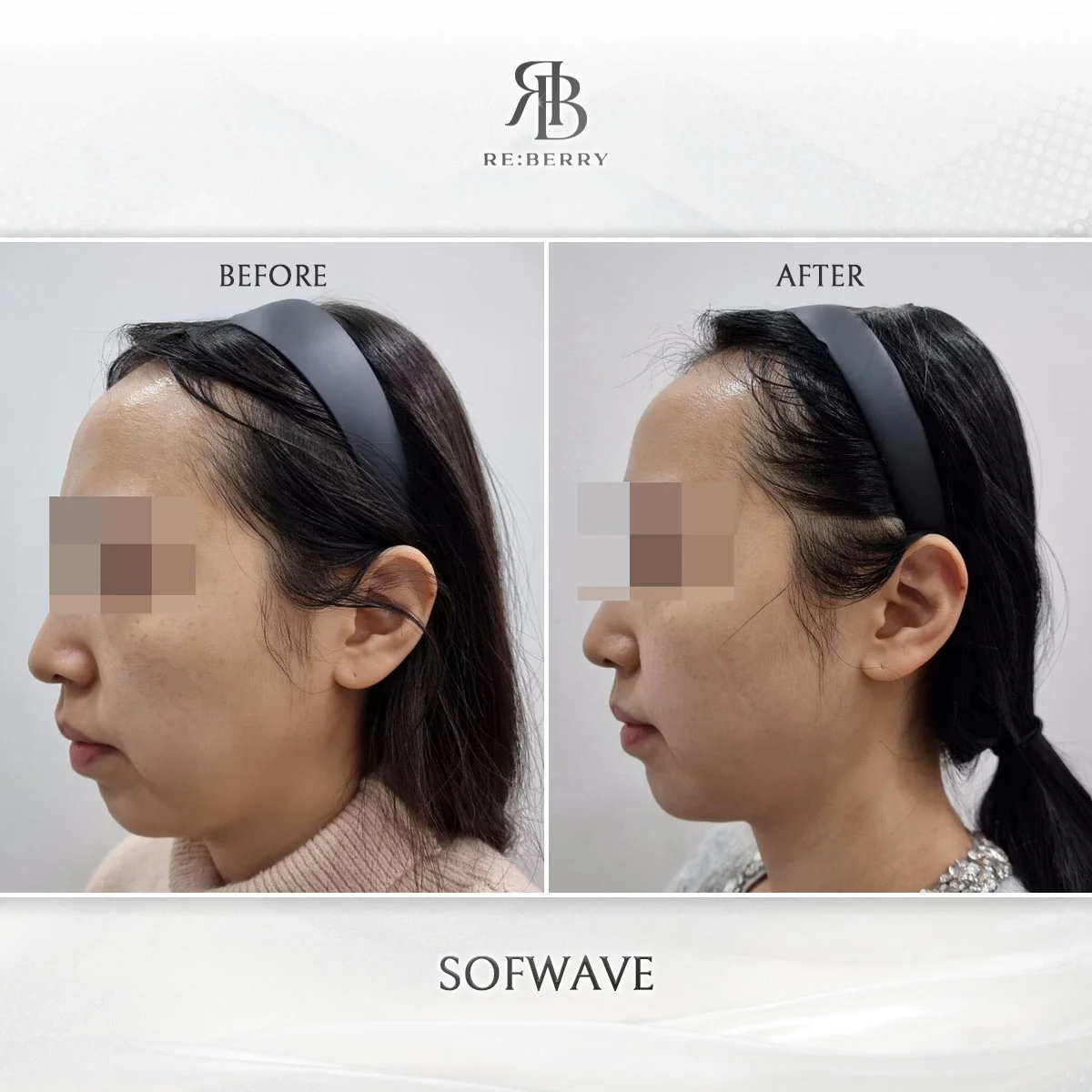
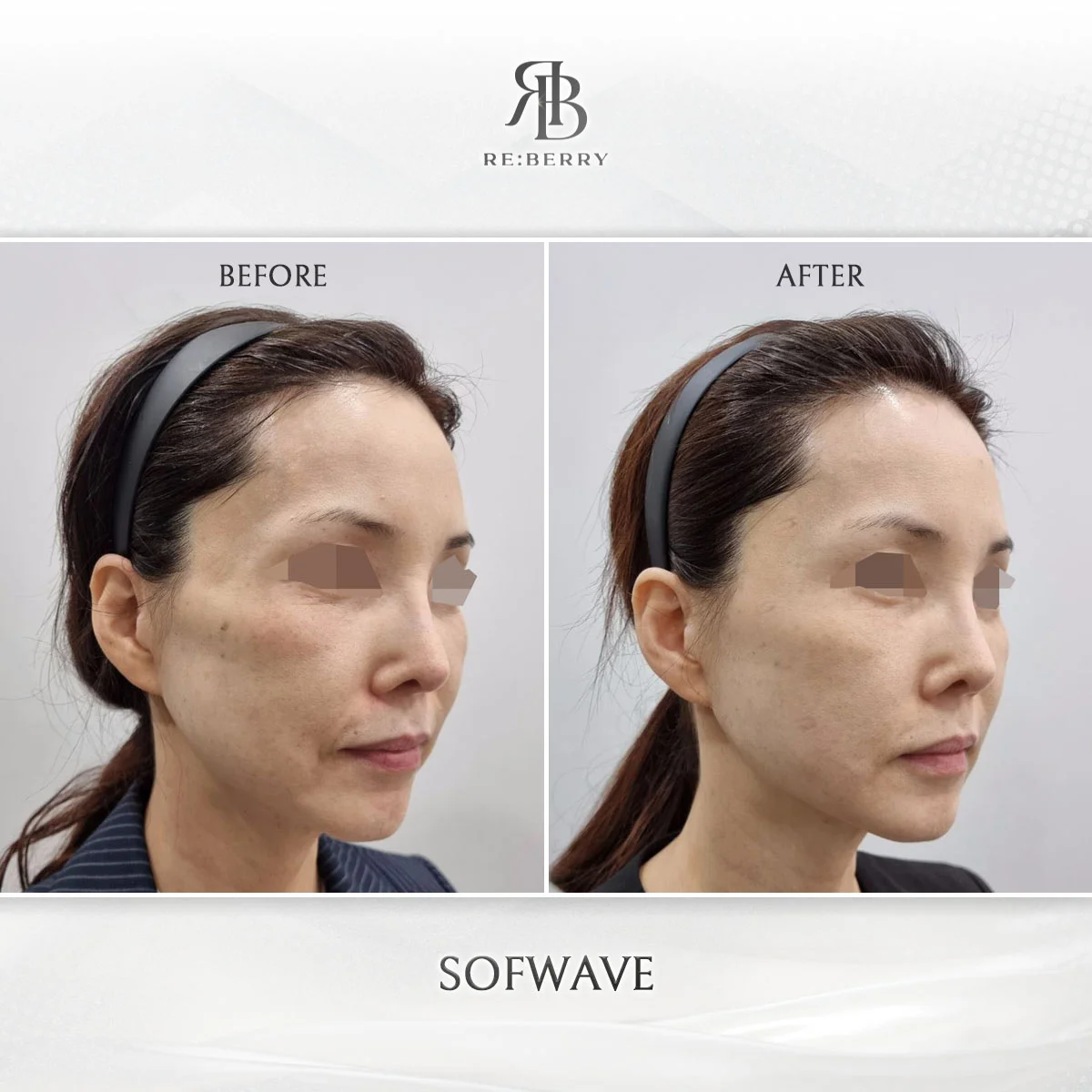
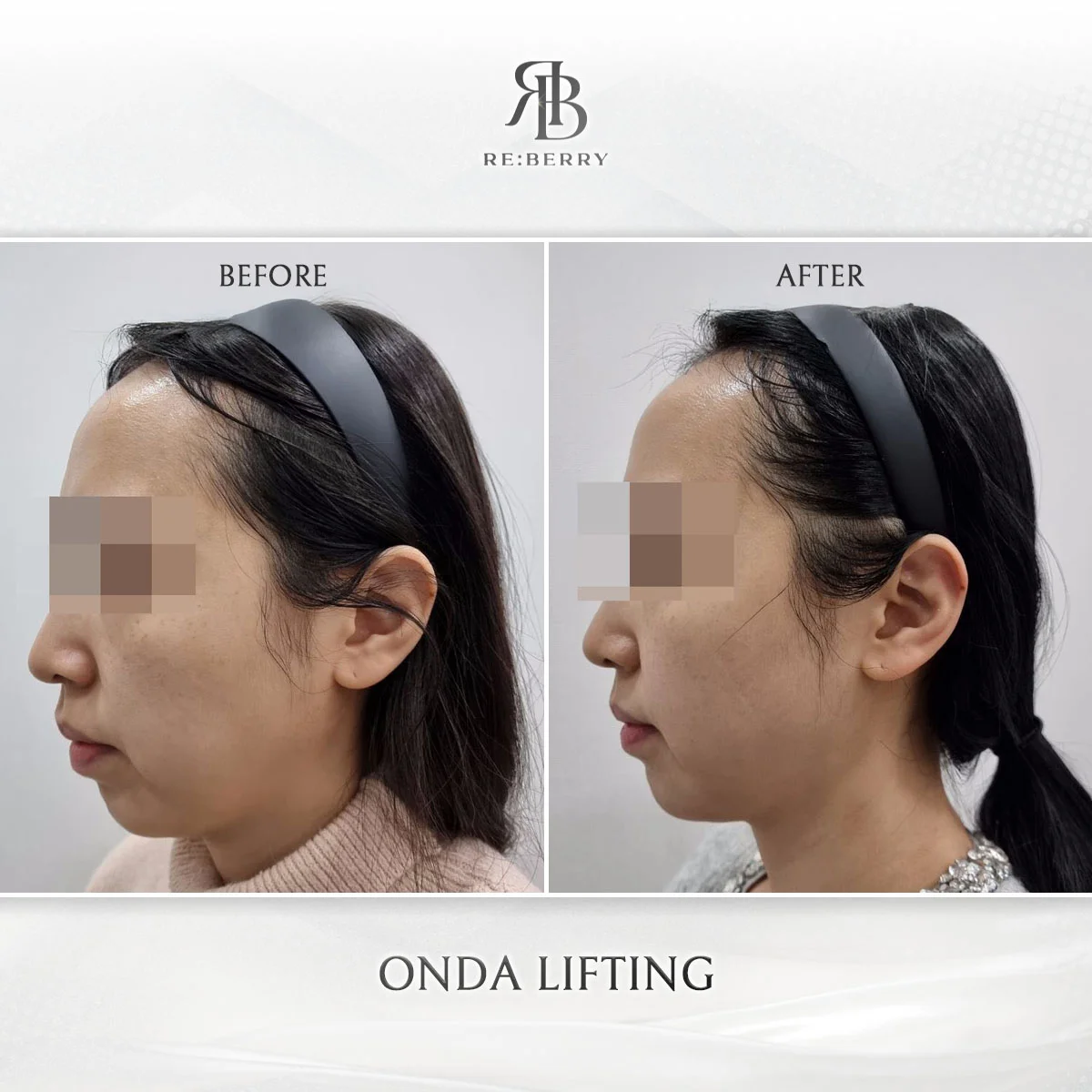
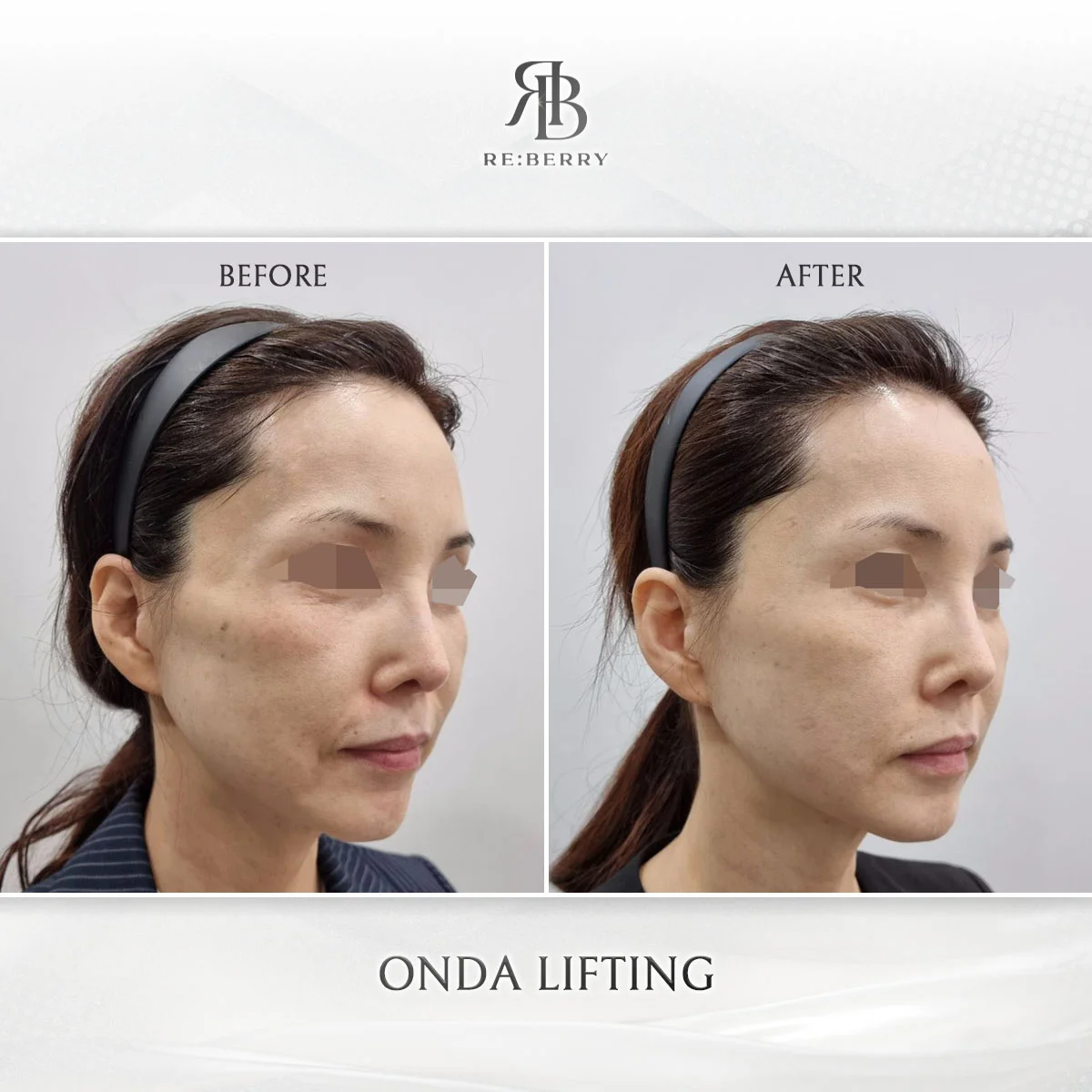
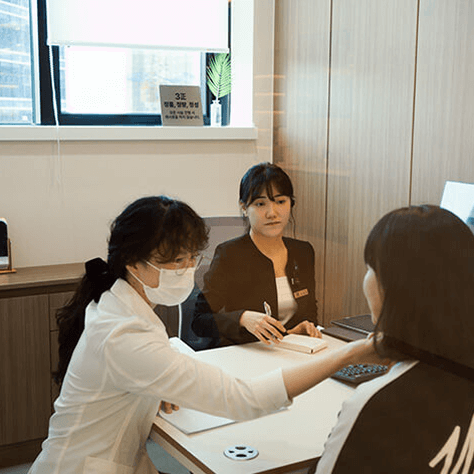
At our Myeongdong (Seoul) location, Dr. Seung Jae Baek assesses your skin in English and maps which modalities to combine and in what order.
Your first session usually takes about 30 to 60 minutes depending on how many steps are included that visit.
A full plan runs across several visits spaced 2 to 4 weeks apart rather than being completed in a single appointment.
Facials give immediate radiance, while boosters and lasers build skin quality over the following weeks as the plan progresses.
A light maintenance rhythm plus daily sunscreen and a suitable home routine help sustain results, since K-beauty strengthens skin over time.
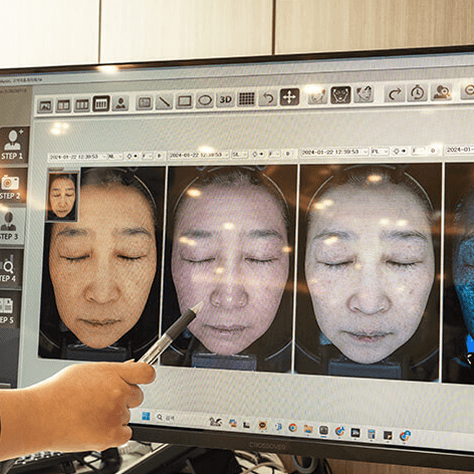
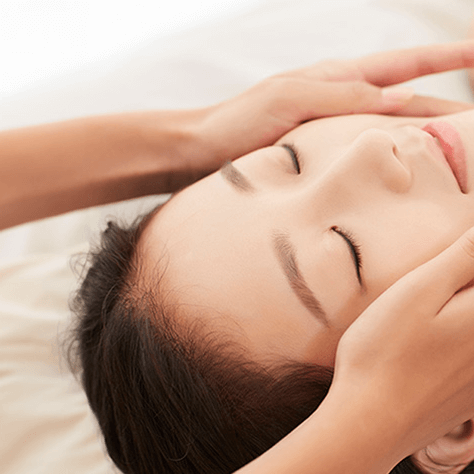
Korean skincare treatment is a medical-grade menu of in-clinic procedures, not one product, combining injectable boosters, resurfacing lasers, peels, and hydration facials. Modalities are sequenced to your skin so hydration, tone, texture, pores, and firmness are improved together. Explore the full menu on our skin care page.
A home routine works mainly on the skin surface, while medical K-beauty adds regenerative injectables, lasers, and clinical devices that reach deeper layers. The result is a stronger, more coordinated effect across several concerns at once. Doctors also grade your skin first, so the plan matches your actual needs rather than a generic set of steps.
The glass skin look, meaning deeply hydrated and even-toned skin, usually comes from combining tools, not one step. A common mix is a regenerative booster, a gentle toning laser, and a hydrating facial over several weeks. A tailored glass facial skin plan sequences these so radiance builds naturally rather than being forced in one visit.
Most plans pair 2 to 4 modalities, for example a skin booster for quality, a picosecond laser for tone and pores, and a HydraFacial for hydration. Firming devices are added if lifting is also a goal. Your doctor chooses the combination and order based on your skin assessment, budget, and how much downtime you can accept.
Yes, injectable skin boosters are central to K-beauty and include polynucleotide boosters like Rejuran and PDLLA collagen stimulators. They are micro-injected across the face to improve hydration and skin quality over a short course. You can read more on our Rejuran Healer page to see how one booster fits into a plan.
Comfort depends on the step. Facials and most lasers feel like warmth or mild tingling, while injectable boosters use numbing cream and feel like small pinpricks. Sessions are generally well tolerated, and your doctor adjusts settings and numbing to keep each step comfortable for your skin type.
Downtime is usually minimal to short. HydraFacials and gentle peels have little to none, toning lasers may leave brief redness for a day, and boosters can leave tiny marks that settle quickly. Your doctor sequences steps so any downtime is manageable, especially if you are visiting Seoul on a fixed schedule.
It depends on your concerns, but plans typically run across several visits spaced 2 to 4 weeks apart, since regenerative boosters and lasers build over time. A single facial gives a quick glow, whereas skin quality and pore improvement need a short course, which your doctor maps at consultation.
Results vary by modality: facial radiance is shorter-lived, while booster and laser gains last longer with maintenance. Because K-beauty strengthens skin gradually, it is maintained over time rather than being a one-time fix. Your doctor sets a light maintenance rhythm suited to your skin and lifestyle.
Yes, pore appearance and texture are common goals and respond to combined care such as toning lasers, boosters, and peels over a few sessions. Pores are minimized rather than erased. You can see a focused approach on our laser treatment page for tone and texture work.
Korean skincare is performed across many skin types when a doctor matches modalities and settings to you. Deeper tones may need more conservative laser settings to protect pigment, for example. A consultation grades your skin first, which is how risks like temporary redness or irritation are minimized before any step begins.
Cost depends on which modalities your plan combines and how many sessions it runs, so there is no single fixed figure. A hydrating facial and a multi-modality plan differ significantly. The clinic’s doctors explain a transparent, individualised cost in English after assessing your skin at consultation.
Yes, many patients add an ultrasound or radiofrequency firming step for elasticity alongside their skincare plan. These energy devices tighten while boosters and lasers refine tone and texture. Your doctor decides whether firming belongs in your plan and how to space it so the skin is not over-treated in one visit.
Daily broad-spectrum sunscreen, gentle non-irritating skincare, and avoiding harsh actives right after treatment are the essentials. A suitable skin care routine protects results between visits. Your doctor recommends products that support, not duplicate, your in-clinic plan so the two work together.
Korean skincare treatment is available at our Myeongdong (Seoul) location, 5, Myeongdong 10-gil, Jung-gu, about 5 minutes from Myeongdong Station. Dr. Seung Jae Baek, Medical Director, oversees care there with English-language support, making it convenient for international patients staying in central Seoul.
For a first visit, 2 to 3 days is comfortable, covering consultation, an initial session, and a short review. Because plans run as a course, many international patients begin in Myeongdong and continue on return trips. Our English-speaking team helps coordinate steps and cost around your travel dates.
Yes, flying within a day or so is generally fine for facials, peels, and most toning lasers, which are non-invasive to minimally invasive. Cabin air is drying, so moisturise and protect treated skin from sun. If boosters or resurfacing were done, your doctor advises tailored aftercare for travel.
International patients can complete a program across one or more Seoul visits, and the clinic offers English check-ins between trips so the plan stays on track. You can maintain results with home skin care between visits, and your treatment notes are kept on file for continuity.
| Korean Skincare Plan (combined) | Skin Booster only | HydraFacial only | |
|---|---|---|---|
| Mechanism | Combines injectables, lasers, peels, and facials | Micro-injections of hydrating or regenerative ingredients | Vortex hydradermabrasion cleansing and hydration |
| Best for | Multiple concerns at once (tone, texture, pores, glow) | Skin quality, hydration, and fine-line softening | Quick radiance, gentle exfoliation, event-ready glow |
| Pain / comfort | Varies by step; numbing used for injectables | Mild; numbing cream applied first | Comfortable, non-injectable |
| Downtime | Minimal to short, depending on modalities | Minor pinpoint marks, usually brief | Little to none |
| Results timeline | Builds across the plan over several weeks | Improves over a short booster course | Immediate glow, shorter-lived |
| Sessions | A sequenced plan of several visits | A course of 2 to 3 sessions | Single or repeated on demand |
Real verified reviews from our Google Business Profile, across all Reberry Clinic locations.
PULLED LIVE FROM GOOGLE · GANGNAM · MYEONGDONG · INCHEON AIRPORT
Your treatment is planned and performed by experienced, MFDS-registered doctors across our Seoul-area clinics, with multilingual support for international patients.
Flagship clinic · KOL for leading lifting & regenerative devices
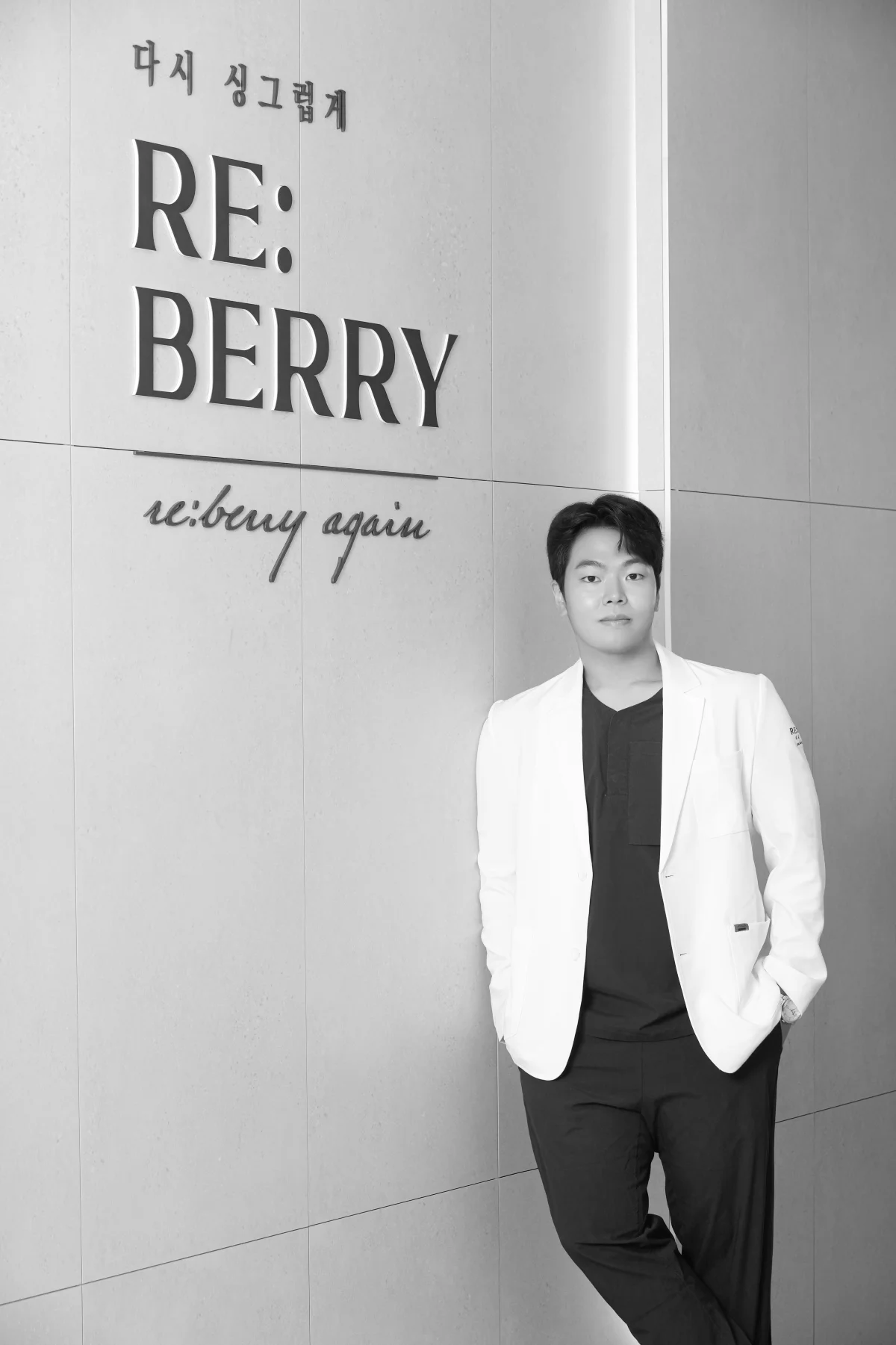
Multilingual tourist care beside Myeongdong Cathedral
Fast, effective care 20 minutes from the terminals
Message us on WhatsApp for a free consultation in English and a Korean skincare plan tailored to your skin.