

Gangnam
Dr. Yoon-Gon Ryu
Aesthetic Medicine Specialist
Flagship clinic · KOL for leading lifting & regenerative devices · Featured in Authority Magazine (2026)


In 2024, about 1.17 million international patients were treated in Korea, roughly 85% of them in Seoul, and dermatology was the single largest field at 56.6%, so knowing what language support to expect protects your consent, safety, and results.
Language support at a Seoul skin clinic for foreigners means interpreters or bilingual coordinators, care in your own language across booking, consultation, consent, and aftercare, translated materials, and remote follow-up. Expect the doctor, not only reception, to discuss your skin, options, and risks in a language you fully understand before you consent.
One-on-One guidance from a dedicated doctor, ensuring your skin is professionally monitored and treated from start to finish.
Fluent assistance in English, Japanese, and Chinese, making communication clear, respectful and comfortable for international patients.
Over 100,000 patients worldwide have received our personalized dermatological care, highlighting our expertise and reliable results.
Language support at a Seoul skin clinic is the set of services that lets an international patient move through every stage of care, enquiry, booking, consultation, consent, treatment, and aftercare, in a language they understand. In practice that means interpreters or bilingual coordinators, staff who speak your language, consent and aftercare materials you can actually read, and a way to follow up remotely after you fly home. It is much more than an English marketing page or a translation app at the front desk.
The meaningful test is whether the doctor, not only reception, examines your skin and explains options and risks with you directly, because that is the conversation where the real decisions about your skin are made. When a bilingual coordinator or trained interpreter supports that conversation, nuance about your skin type, the risks of a laser or injectable, and realistic outcomes is far less likely to be lost. That is why language support is a safety and consent issue, not just a convenience.
Reberry Clinic is a Seoul dermatology and aesthetic skin clinic built for international patients, with multilingual staff (English, Simplified Chinese, Traditional Chinese, Japanese and Spanish). Dr. Seung Jae Baek and the clinic’s doctors consult, obtain consent, treat, and follow up in the patient’s language, which is the standard this guide describes so you can recognise strong language support wherever you look.
Strong language support is a system with several moving parts, not a single feature. It usually starts before you arrive with foreigner-friendly booking, so you can enquire and schedule in your own language, often through a familiar messenger, and describe your skin concern so the clinic can prepare. On the day, a bilingual coordinator or trained interpreter should stay with you so the doctor, not only reception, can assess your skin and explain options, risks, and realistic outcomes in your language. Research consistently shows that trained professional interpreters reduce errors and improve comprehension far more than ad hoc helpers, which is why the quality of the interpreter matters as much as their presence. Consent is the next layer: options and risks should be explained, and the consent form provided, in a language you fully understand, because consent you cannot read is not truly informed. Translated materials extend this to aftercare, so you leave with written instructions on sun protection, products to avoid, and warning signs that you can actually follow on your own. Skin-type assessment sits alongside all of this, because your skin type guides which lasers and settings are safe, and a misunderstanding there matters for pigment-prone skin. Finally, remote follow-up in your language lets you check in after you fly home, closing the loop when a short trip ends before your skin has fully settled. A clinic that offers each of these layers, rather than one of them, is one genuinely set up to support foreign patients.
One Reberry Clinic, multiple Seoul-area locations. Pricing & current promotions are listed on each branch's own site — tap a clinic to view pricing & book.
Our flagship in the heart of Gangnam.
In Seoul's shopping & tourism heart.
A beauty stop between flights.
The newest Reberry Clinic — in Seoul's trend district.
ONE REBERRY CLINIC · MFDS-REGISTERED DEVICES · MULTILINGUAL CARE AT EVERY LOCATION

Confirm whether an interpreter or bilingual coordinator supports the visit, since trained interpreters cut errors of potential consequence to about 12% versus 22% for ad hoc helpers.
Check the doctor, not only reception, discusses your skin in your language, because that is the 1 conversation that decides your plan and consent.
Ask that options, risks, and consent forms are provided in your language before any of the 1 or more treatments begins, since consent you cannot read is not informed.
Confirm you will leave with written aftercare in your language, essential when you fly home within about 2 to 3 days of treatment and follow instructions alone.
Make sure there is a follow-up path in your language so you can check in from abroad, ideally within the first 1 to 2 weeks after treatment.
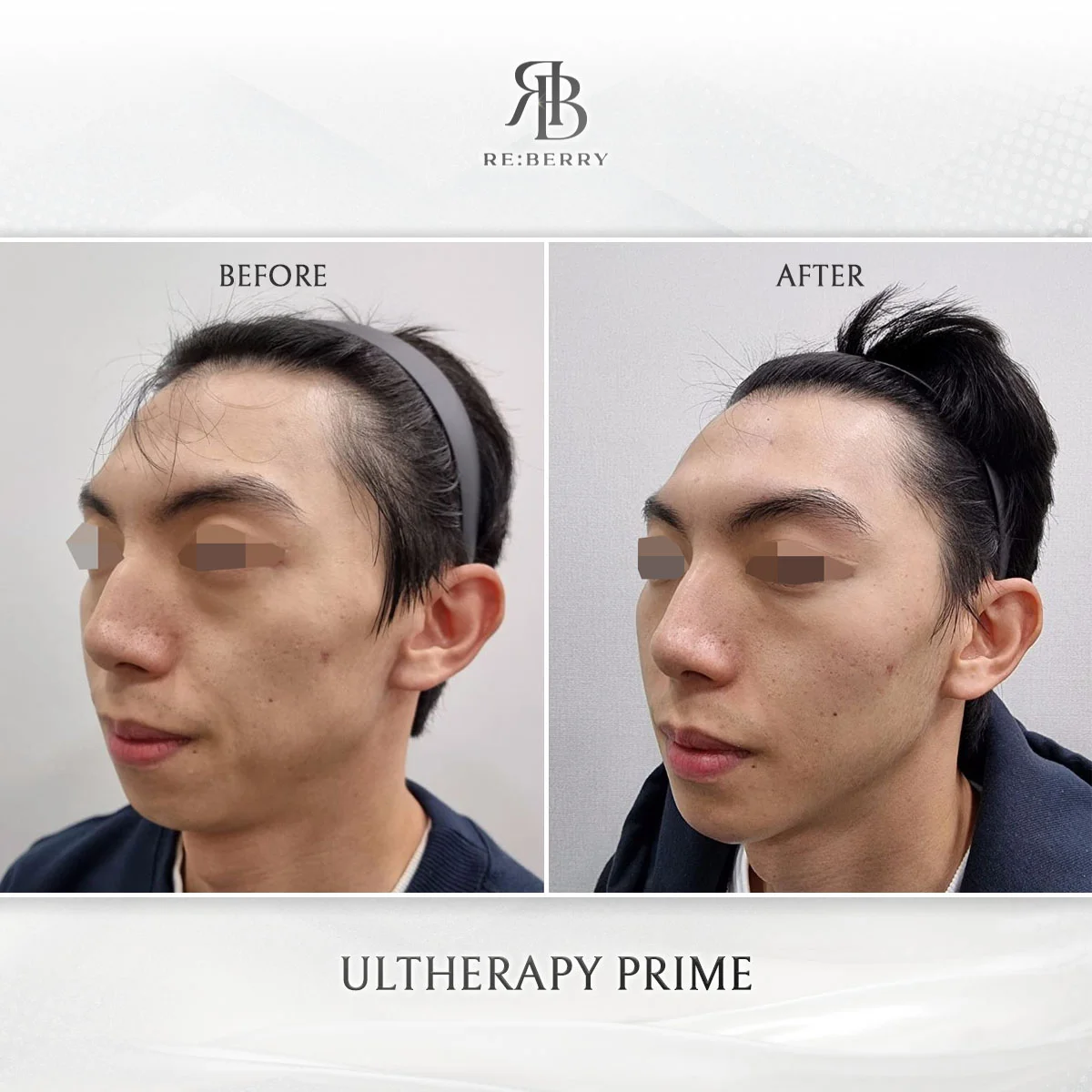
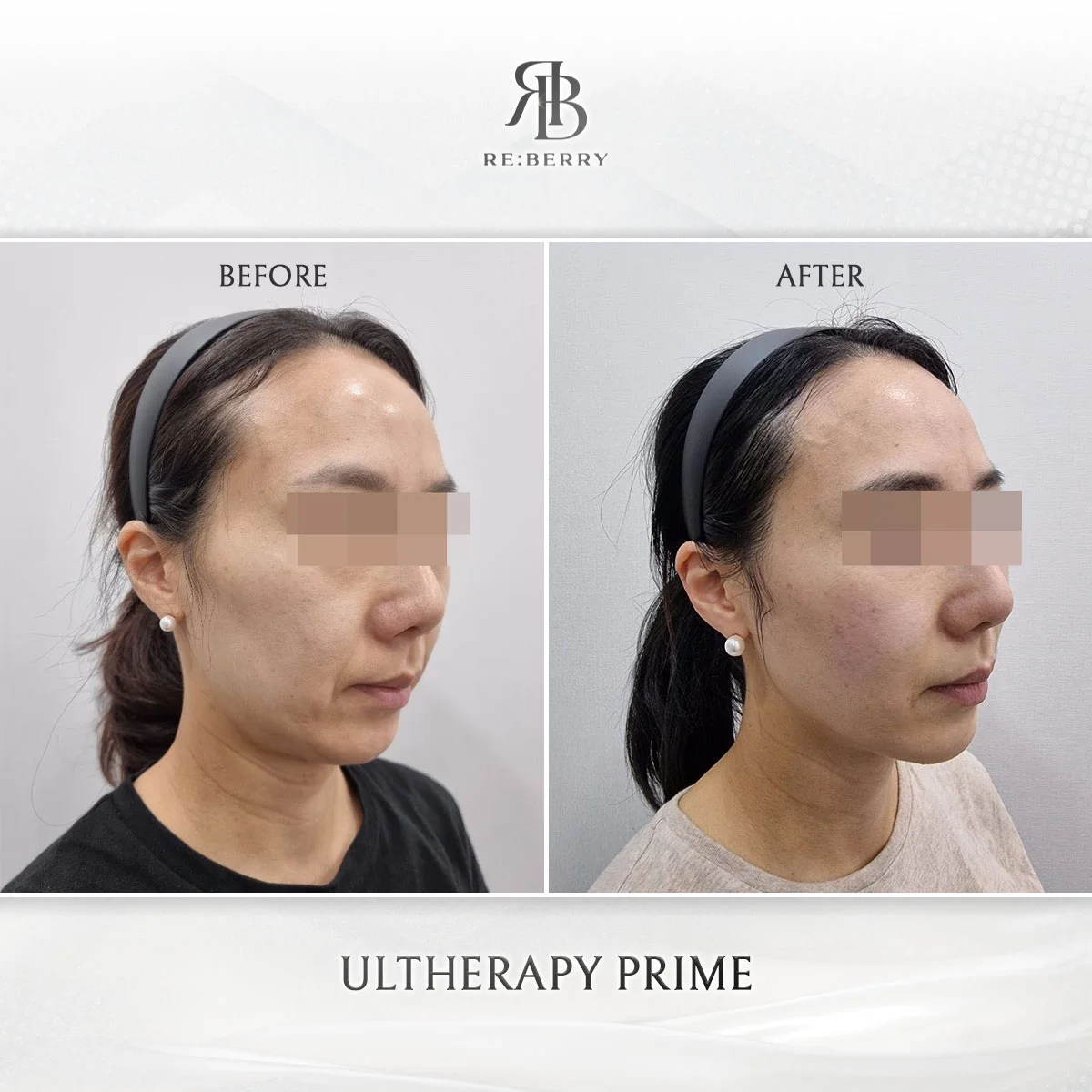
See representative outcomes from Reberry Clinic. Results build gradually and vary by individual; your plan is assessed at consultation.
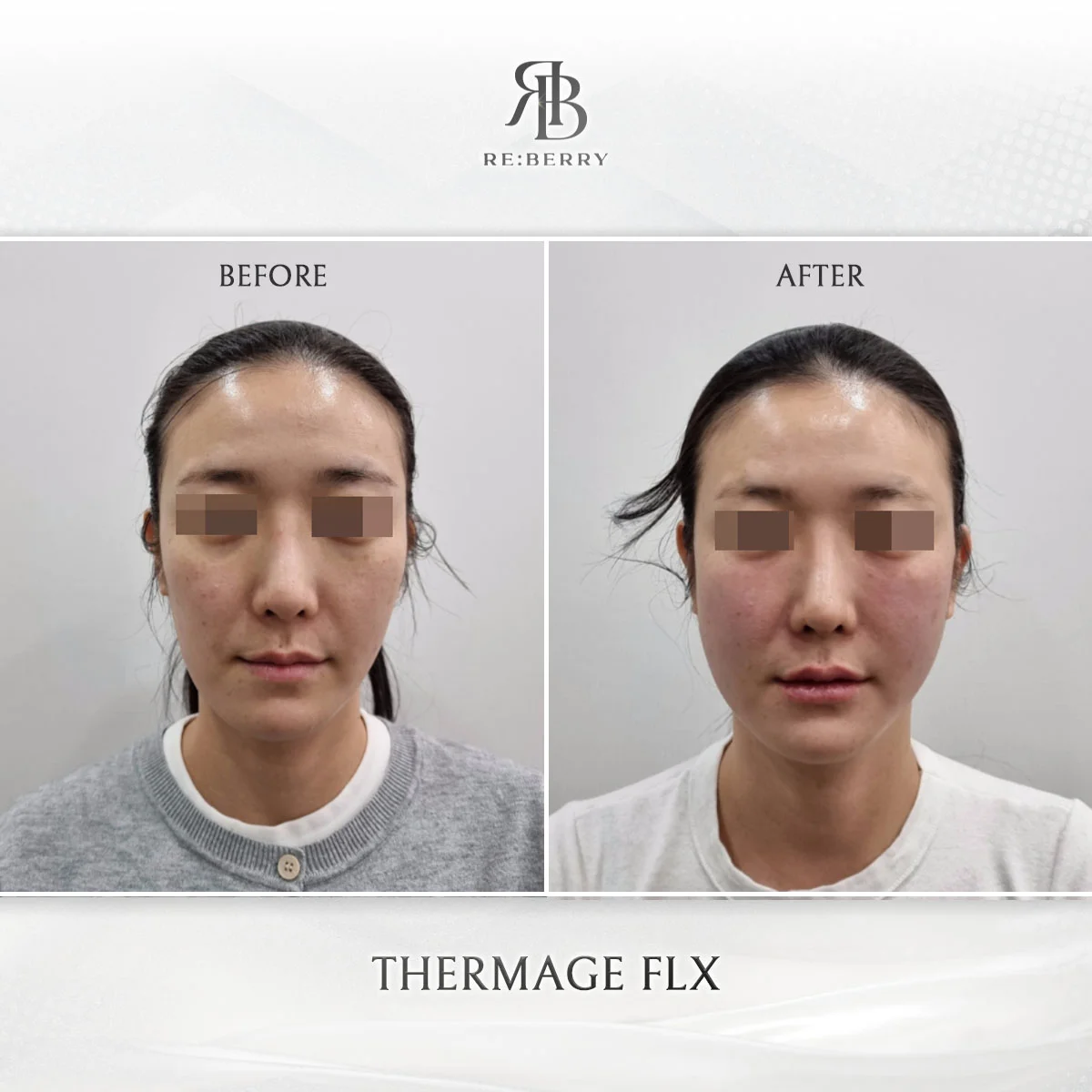
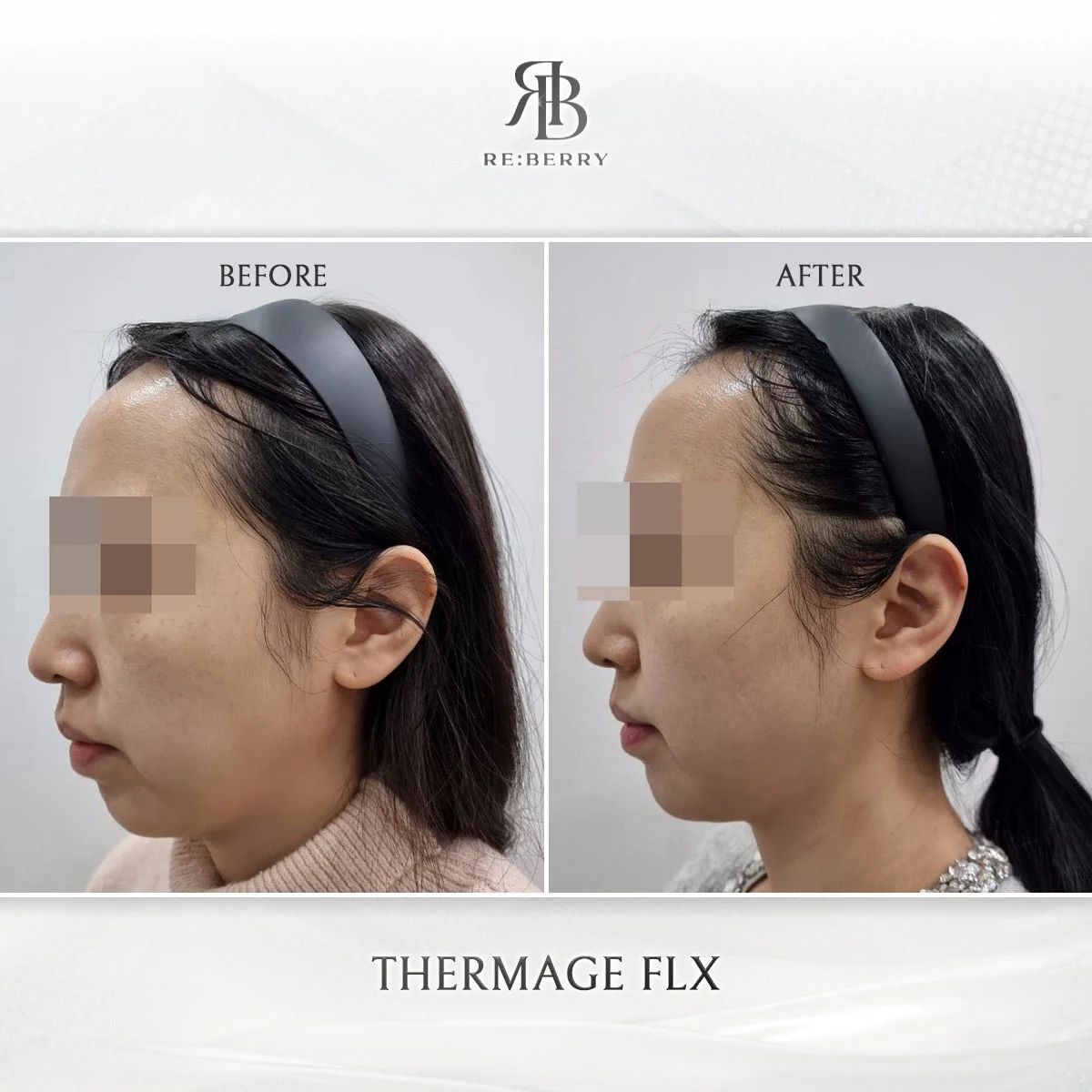
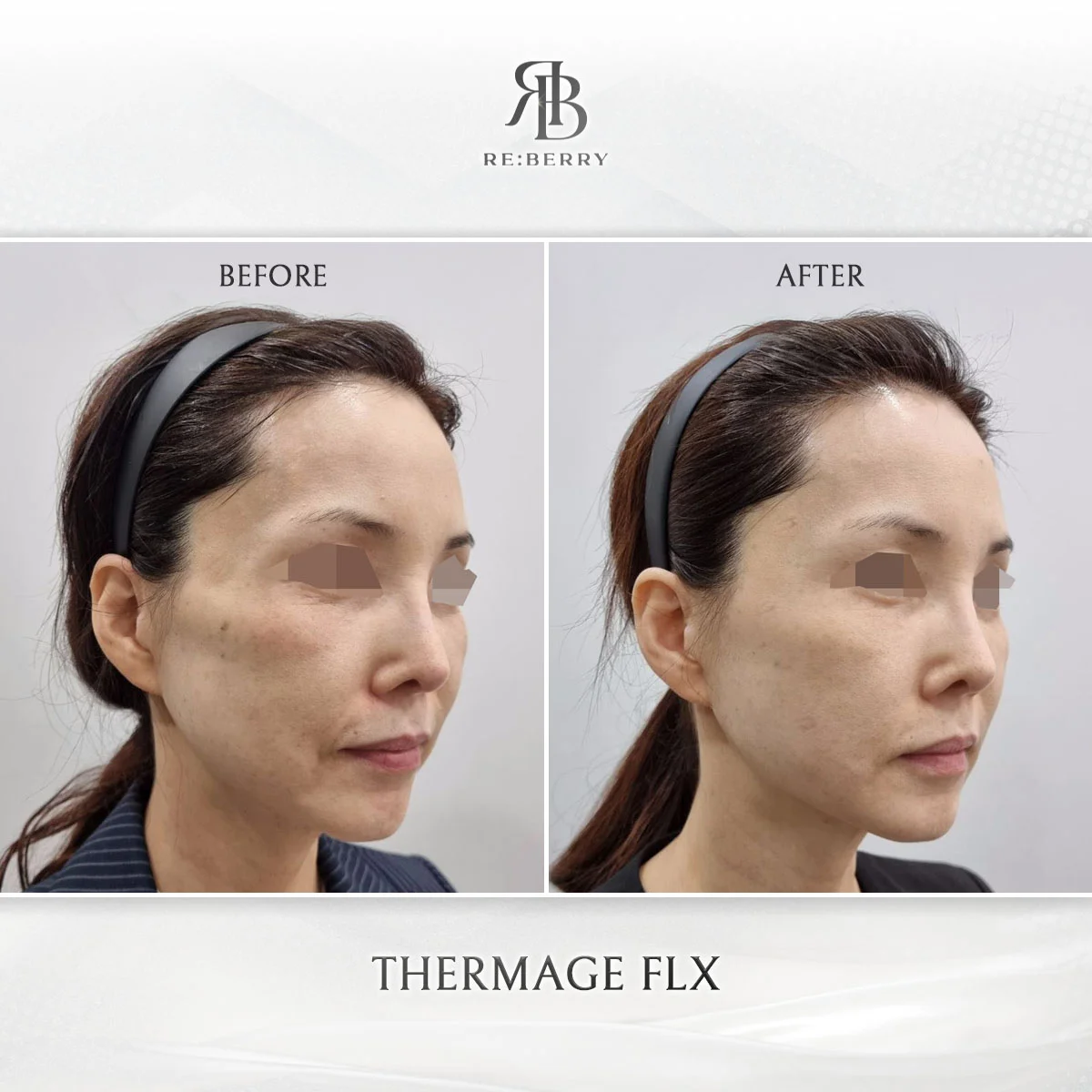
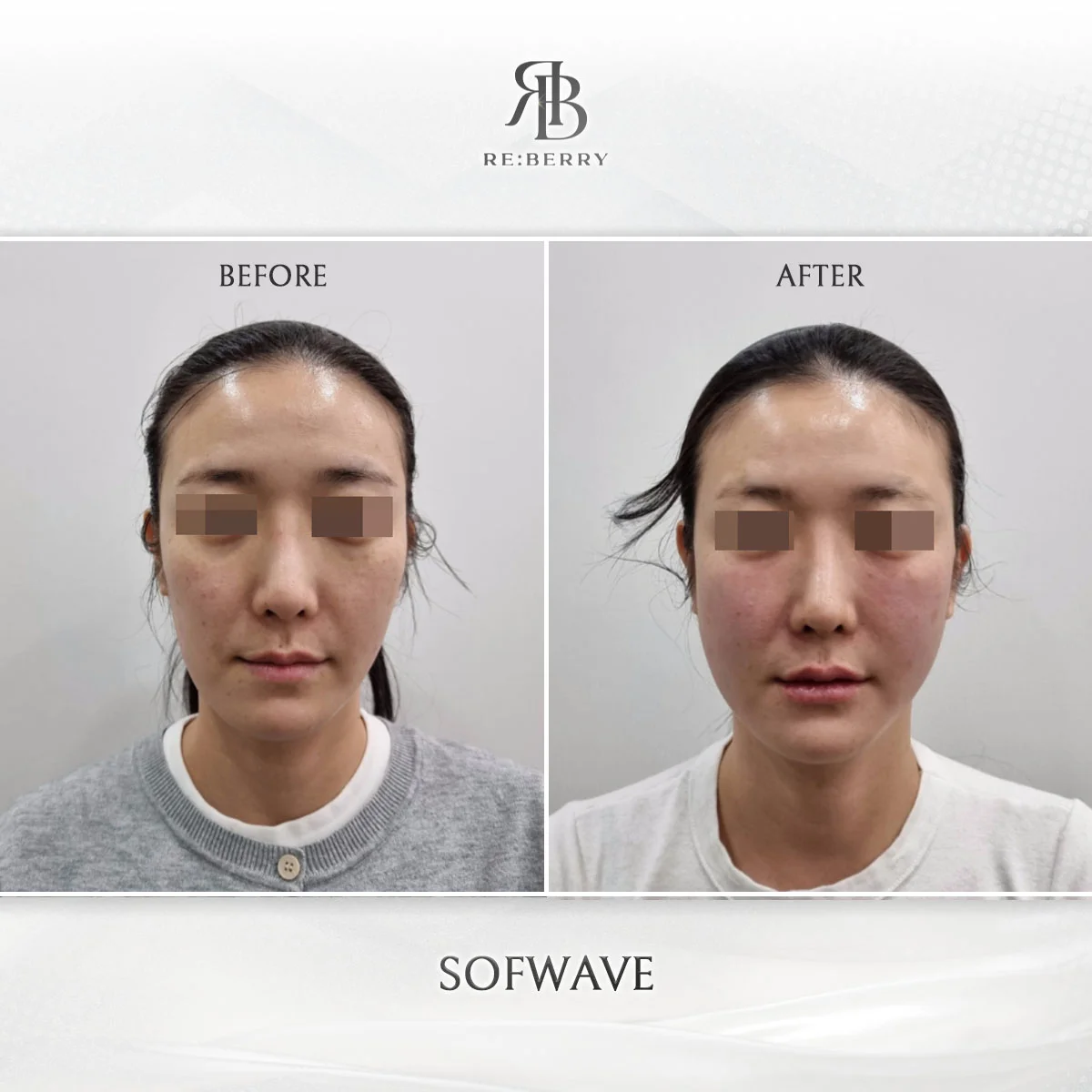
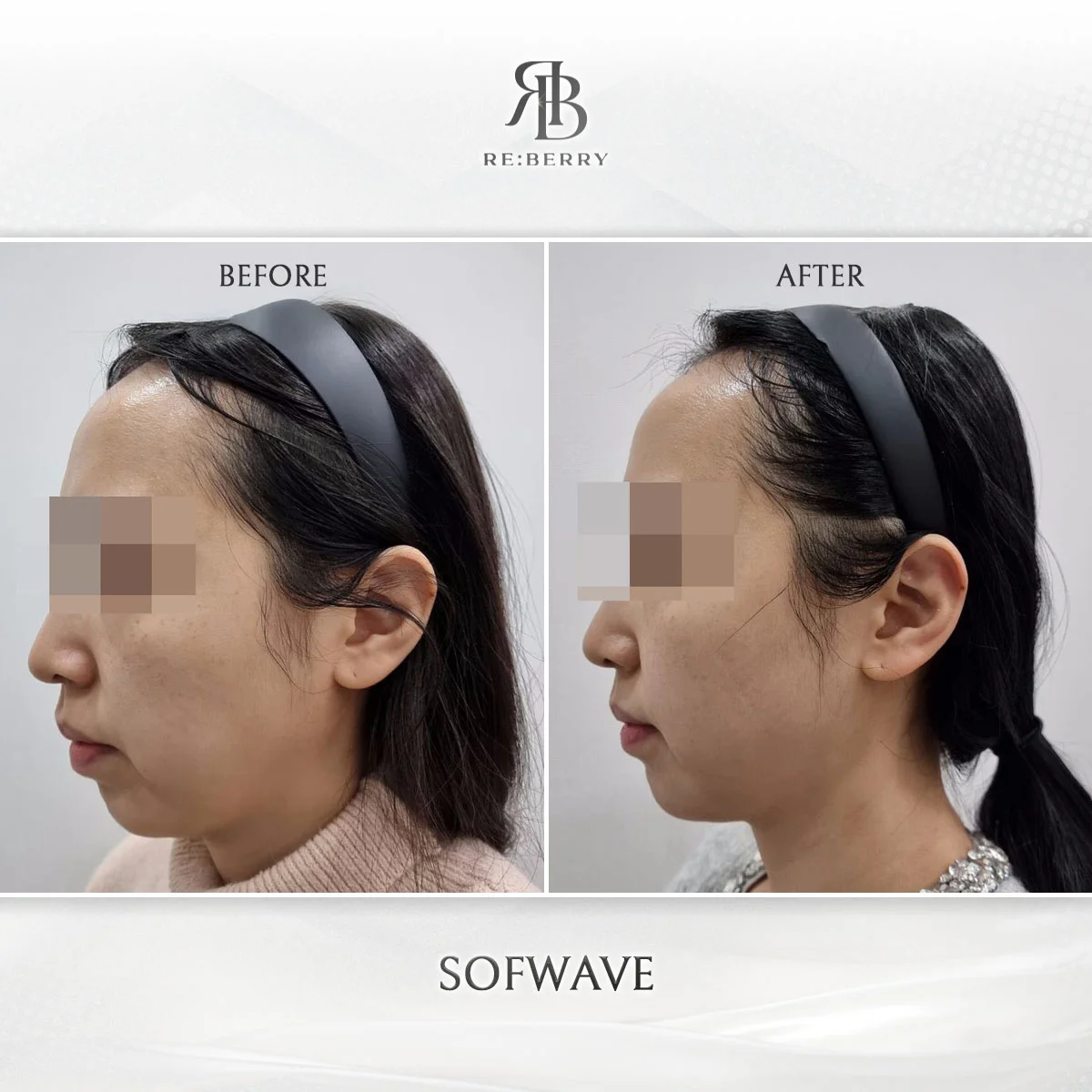
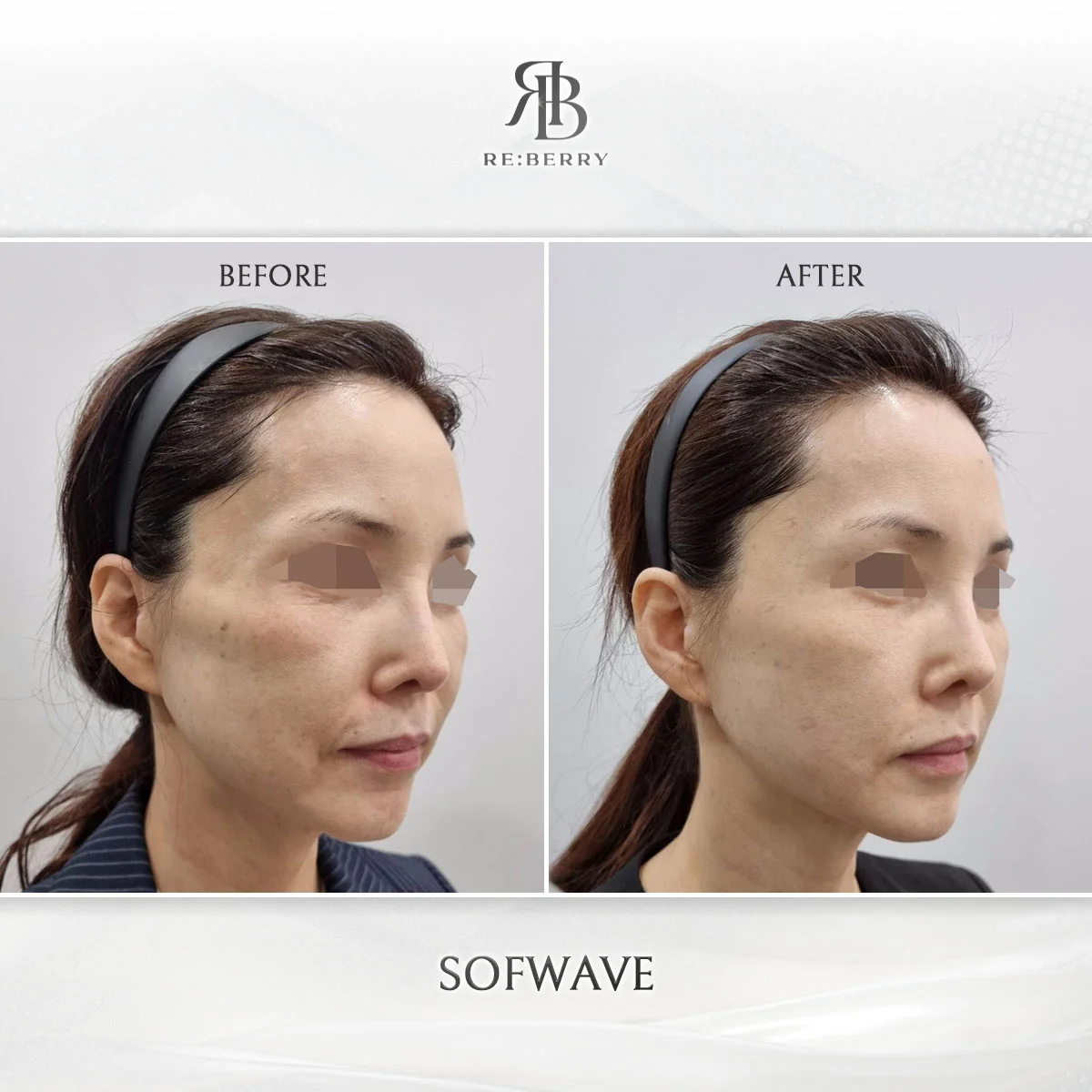
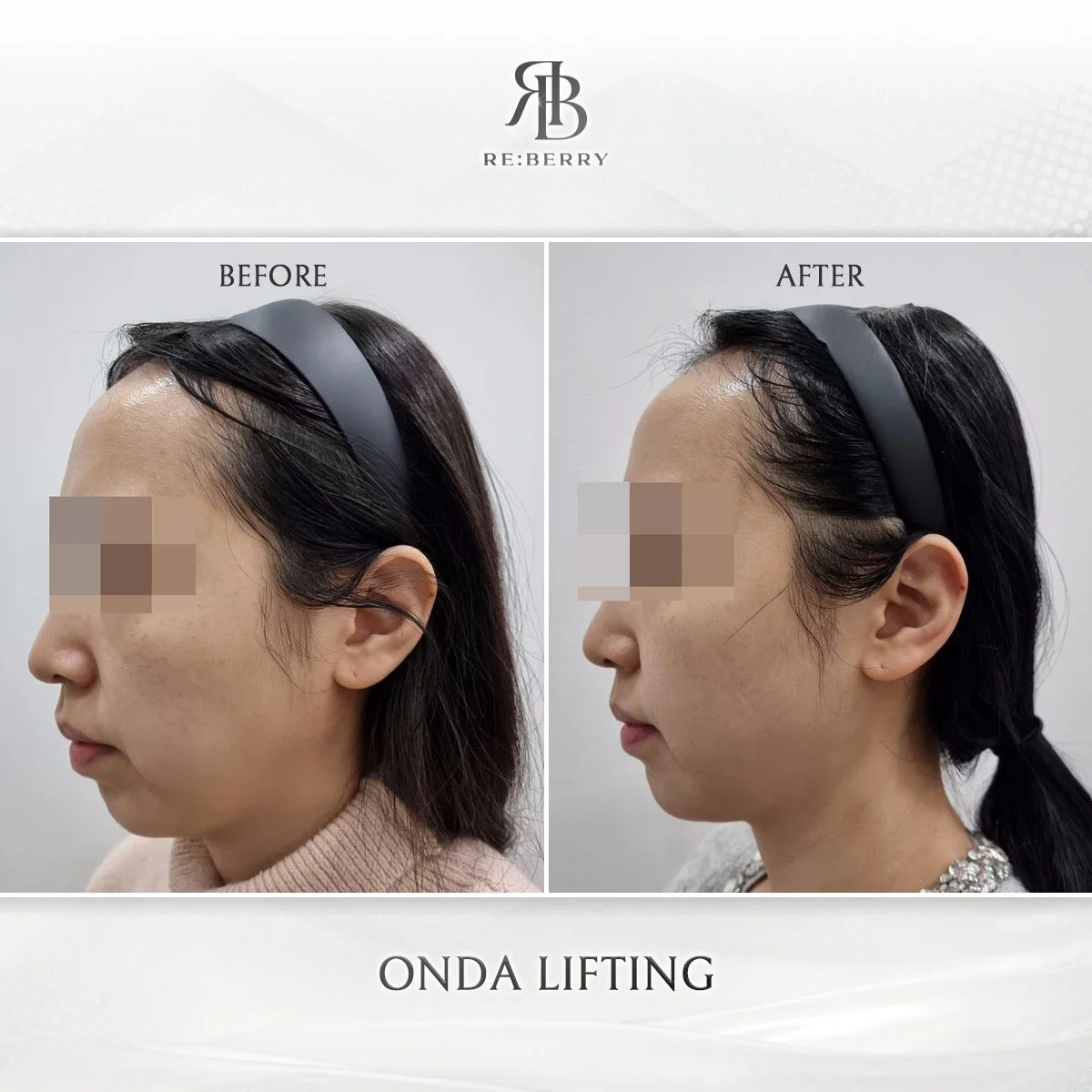
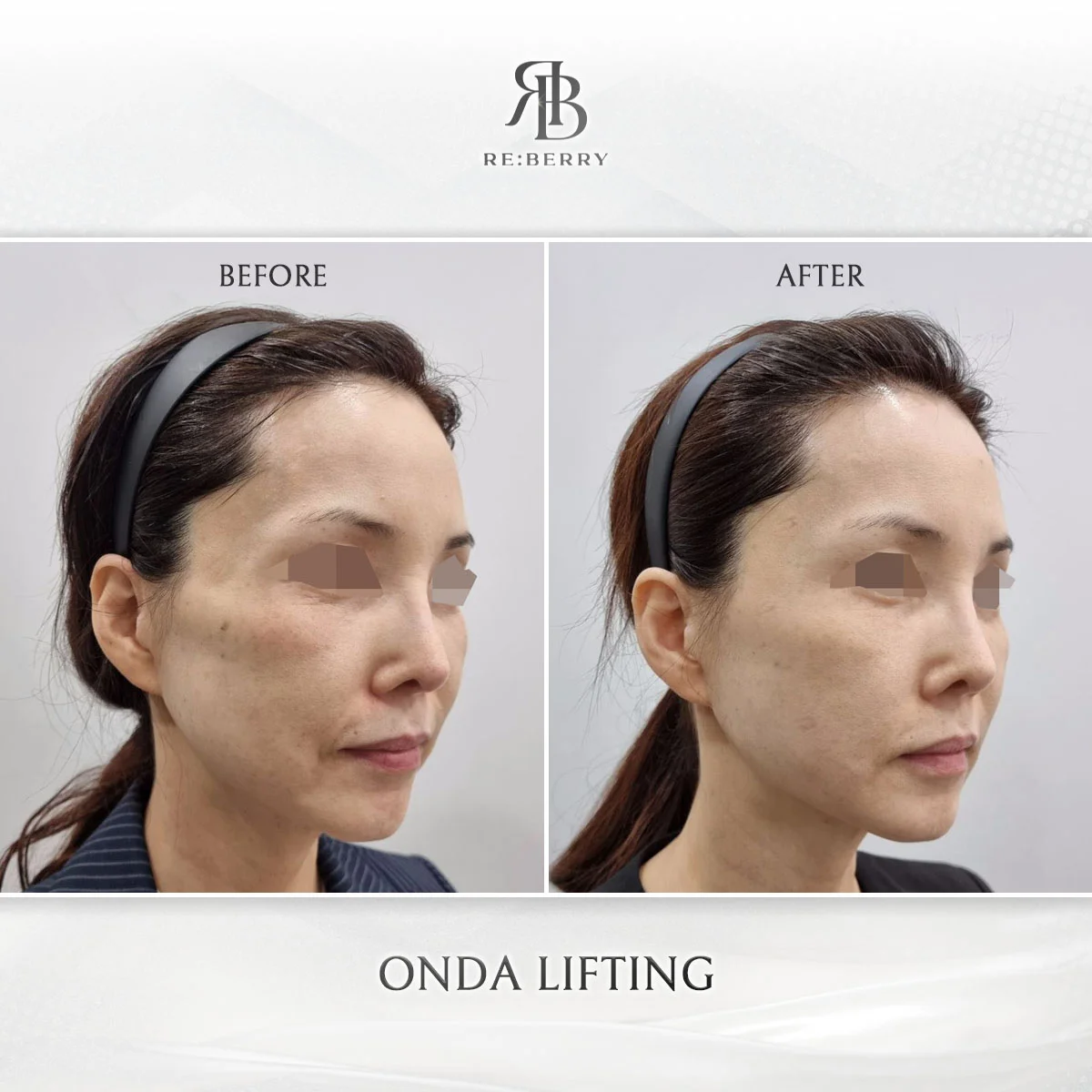
You reach the clinic in your language before travelling, describe your skin concern, and the clinic’s doctors explain likely options so you arrive with a clear plan.
A bilingual coordinator or interpreter supports your assessment and treatment, options and risks are explained, and you give informed consent understanding exactly what is planned.
Because plans are individualised, the number of visits and time in Seoul are mapped to your skin and treatment, not to a fixed package.
You leave with realistic expectations, explained clearly in your language, so you are not surprised by a gradual or staged skin response.
You receive translated written aftercare and a way to follow up from home, so your skin care continues after you fly back rather than ending at the door.



Expect interpreters or bilingual coordinators, care in your language across booking, consultation, consent, and aftercare, translated materials, and remote follow-up. The doctor, not only reception, should discuss your skin in your language. You can gauge how clearly a clinic communicates by reviewing its skin care pages before you enquire.
It includes a person, an interpreter or bilingual coordinator, who supports your consultation, plus consent and aftercare materials in your language and a follow-up path. It is not just an English website or app. This end-to-end support, rather than one feature, is what distinguishes a clinic built for international patients from one merely adapted for them.
Yes, a trained interpreter or bilingual coordinator communicates nuance an app misses, which matters for consent and safety. In one study, errors of potential consequence fell to about 12% with professional interpreters versus 22% with ad hoc helpers. Review a clinic’s laser treatment pages to judge how clearly it explains care.
No, at a clinic with real language support you do not need Korean; consultation, consent, treatment, and aftercare all happen in your language. That is the point of choosing a clinic built for international patients. Reberry Clinic’s team communicates in English and other languages throughout, so you can focus on your skin rather than on translation.
A translation app can help with small logistics, but it is a backup, not a substitute for a person who supports the consultation directly. Nuance about your skin, risks, and device settings is easily lost in an app, which matters for both consent and safety. Prefer a clinic where a coordinator or interpreter is present.
Options and risks should be explained and consent obtained in your language before treatment, because consent you cannot fully read is not truly informed. Ask that the consent form and instructions be provided in your language. A clinic that does this readily is a clear marker of one genuinely set up for international patients rather than adapted for them.
Foreigner-friendly clinics let you enquire and schedule in your language, often through a familiar messenger, and describe your concern in advance so they can prepare. This makes a short trip more efficient. Our multilingual team can discuss your goals before you arrive and point you to relevant pages, such as skin care, to plan.
You should, and it is worth confirming before you book. Translated aftercare matters because you may fly home within days and need to follow instructions on your own. A good clinic provides clear guidance on sun protection, what to avoid, and warning signs, plus a supportive skin care routine to protect your result.
Yes, at a clinic set up for international patients, remote follow-up in your language lets you send photos and ask questions after you fly home. This closes the loop when a short trip ends before your skin has settled. Ask about the follow-up path, ideally within the first 1 to 2 weeks, before you commit to any plan.
Yes, your skin type strongly influences which lasers and settings are safe, especially for pigment-prone or deeper skin tones. Clear language support ensures this is explained before light-based treatment. You can see this individualised approach on pages such as our laser treatment section, where skin-type care is central.
Watch for consent forms only in Korean, reliance on an app with no coordinator, vague answers about interpreters or follow-up, and claims that sound too perfect. These are common warning signs. A clinic with strong language support explains realistic expectations, assesses your skin individually, and gives you space to decide without pressure.
Many international-focused Seoul skin clinics support English, and some add Japanese, Chinese, and Thai through bilingual staff or interpreters. Reberry Clinic offers English, Simplified Chinese, Traditional Chinese, Japanese and Spanish support. Confirm your specific language before booking, and browse pages like acne treatment to frame your concern in advance.
It depends on your treatment, which is why individual planning matters; simple procedures may need 1 to 2 days, while staged or injectable plans may span return visits. A clinic with good language support maps this for you upfront in your language. Reberry Clinic helps international patients plan days in Seoul around their specific skin treatment and travel.
For many non-invasive skin treatments, flying within a day or two is fine, but it depends on the procedure, so ask the clinic directly. A clinic with real language support will advise clearly in your language on travel timing and aftercare. This is exactly the kind of logistics a clinic set up for foreign patients handles for you.
A full-service skin clinic offers skin-quality boosters, lasers, lifting, and injectables, all discussed in your language. The right treatment depends on your concern and skin type and is decided at consultation. You can browse options, from Rejuran Healer to general skin care, to see the breadth available.
Reberry Clinic operates Gangnam (Seoul), Myeongdong (Seoul), and Incheon Airport (Yeongjongdo) locations, all supporting international patients with multilingual staff. Choosing the site closest to your itinerary keeps travel simple, and each location provides doctor-led consultation, consent, treatment, and aftercare in your language so foreign visitors receive consistent care across Seoul.
| English Website Only | Translation-App Support | Interpreter or Bilingual Coordinator | |
|---|---|---|---|
| Who communicates in your language | Marketing pages, not necessarily the doctor | Front-desk staff via an app during the visit | A trained person supports the doctor's consultation |
| Booking experience | May still require Korean once you enquire | Basic booking, app-assisted | Foreigner-friendly booking in your language end to end |
| Consultation depth | Unknown until you arrive | Can be shallow when nuance is lost in an app | Skin graded and options explained before you decide |
| Informed consent | May feel rushed | Risk of misunderstanding fine points | You understand and consent in your own language |
| Aftercare materials | Generic handouts | App-translated, sometimes ambiguous | Written aftercare translated into your language |
| Follow-up from abroad | Often unclear | Depends on staff availability | Remote check-ins in your language between trips |
| Added cost | None, but limited value | None, but limited reliability | Often included; confirm at consultation |
Real verified reviews from our Google Business Profile, across all Reberry Clinic locations.
PULLED LIVE FROM GOOGLE · GANGNAM · MYEONGDONG · INCHEON AIRPORT
Your treatment is planned and performed by experienced, MFDS-registered doctors across our Seoul-area clinics, with multilingual support for international patients.
Flagship clinic · KOL for leading lifting & regenerative devices · Featured in Authority Magazine (2026)

Multilingual tourist care beside Myeongdong Cathedral

Fast, effective care 20 minutes from the terminals
Message us on WhatsApp for a free consultation in English about your skin goals and how we support international patients in Seoul.