

Gangnam
Dr. Yoongon Ryu
Aesthetic Medicine Specialist
Flagship clinic · KOL for leading lifting & regenerative devices

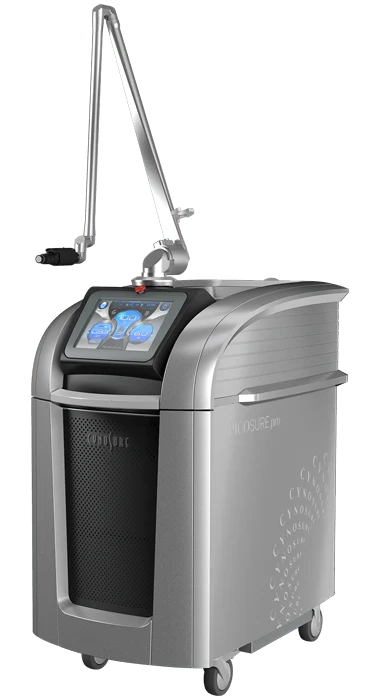
Recovery is short and localised: because milia are only 1 to 2 mm, treated points heal over about 1 to 3 days, with any tiny crust flaking off by roughly day 5.
Milia removal downtime in Korea is minimal. Because each milium is a 1 to 2 mm surface cyst, only the treated points heal, showing tiny marks or crusts for about 1 to 3 days, with any crust flaking off near day 5. Most people resume normal activity the same day, though laser points heal a little slower than extractions.
One-on-One guidance from a dedicated doctor, ensuring your skin is professionally monitored and treated from start to finish.
Fluent assistance in English, Japanese, and Chinese, making communication clear, respectful and comfortable for international patients.
Over 100,000 patients worldwide have received our personalized dermatological care, highlighting our expertise and reliable results.
Milia removal downtime in Korea is short because the procedure is superficial and precise. Milia are tiny keratin cysts, usually 1 to 2 mm, sitting just under the skin surface. When a clinician opens and empties each one, or vaporises it with a fine laser touch, only that pinpoint spot needs to heal, while the surrounding skin stays completely normal. There is no broad peeling, no bandaging, and no extended recovery of the kind that follows full resurfacing.
The typical recovery runs in a predictable timeline. On the day, treated points may look slightly red or show a pinpoint crust. Over the next 1 to 3 days that redness fades and any crust dries. Small crusts from deeper or laser-treated points usually flake off on their own by around day 5, and you should let them do so rather than picking. Any faint pinkness continues to soften over 1 to 2 weeks, after which the skin looks smooth.
At Reberry Clinic, recovery is planned around you. The clinic’s doctors match the gentlest effective method to your milia, then give clear English aftercare, including sun protection, which is especially important on richer and Asian skin tones to avoid temporary dark marks. Because recovery is so brief, milia removal fits easily into a trip to Korea, and your individual timeline is confirmed at consultation.
Recovery length depends mainly on how each milium is cleared. With manual extraction, the clinician makes a tiny opening with a sterile needle or lancet and lifts out the keratin plug; this leaves only a pinpoint mark that usually settles within about 1 to 2 days, making it the fastest-healing method. A fine or fractional CO2 laser vaporises firmer, deeper, or clustered milia precisely, and because a small amount of tissue is treated, these points may form a tiny crust that takes roughly 1 to 3 days to dry and flake by about day 5. Electrodesiccation, using a small controlled current for stubborn lesions, heals on a similar short timeline. Across all methods the treated area is minute, so downtime is measured in days at pinpoint spots, not weeks across the face. Studies of fractional CO2 resurfacing in Asian skin help set expectations: the skin barrier, measured by transepidermal water loss, returns toward baseline within about 1 week, and post-laser redness resolves within 1 month in roughly half of patients, though milia points are far smaller than a full resurfacing field, so recovery is correspondingly quicker. Skin tone matters too, since strict sun protection during recovery reduces the small chance of temporary pigmentation. Your exact recovery is confirmed after assessment.
One Reberry Clinic, multiple Seoul-area locations. Pricing & current promotions are listed on each branch's own site — tap a clinic to view pricing & book.
Our flagship in the heart of Gangnam.
In Seoul's shopping & tourism heart.
A beauty stop between flights.
The newest Reberry Clinic — in Seoul's trend district.
ONE REBERRY CLINIC · MFDS-REGISTERED DEVICES · MULTILINGUAL CARE AT EVERY LOCATION
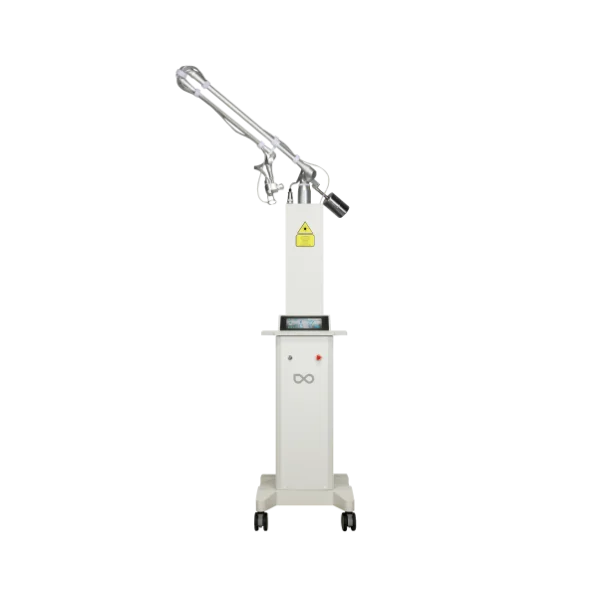
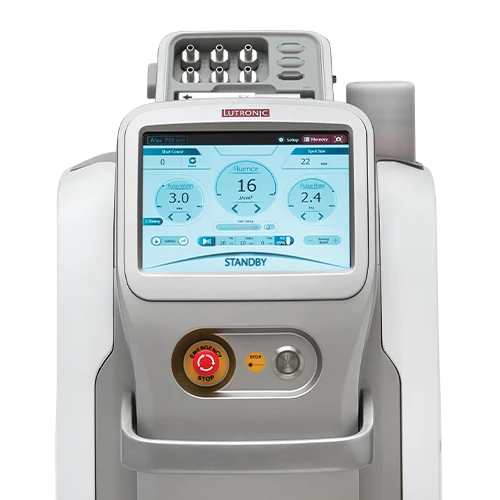
Right after treating several milia in about 10 to 20 minutes, treated points may look slightly red or show a pinpoint crust, and most people return to normal activity.
Over the first 1 to 3 days, redness fades and any crusts dry, while the untreated skin around each point stays normal.
Small crusts from deeper or laser-treated points usually flake off by about day 5, and you should let them fall away rather than picking.
Any faint pinkness typically softens within 1 to 2 weeks, leaving smooth skin where the milia were.
Daily sun protection for at least 2 weeks safeguards the result, and occasional review helps if new milia form later.

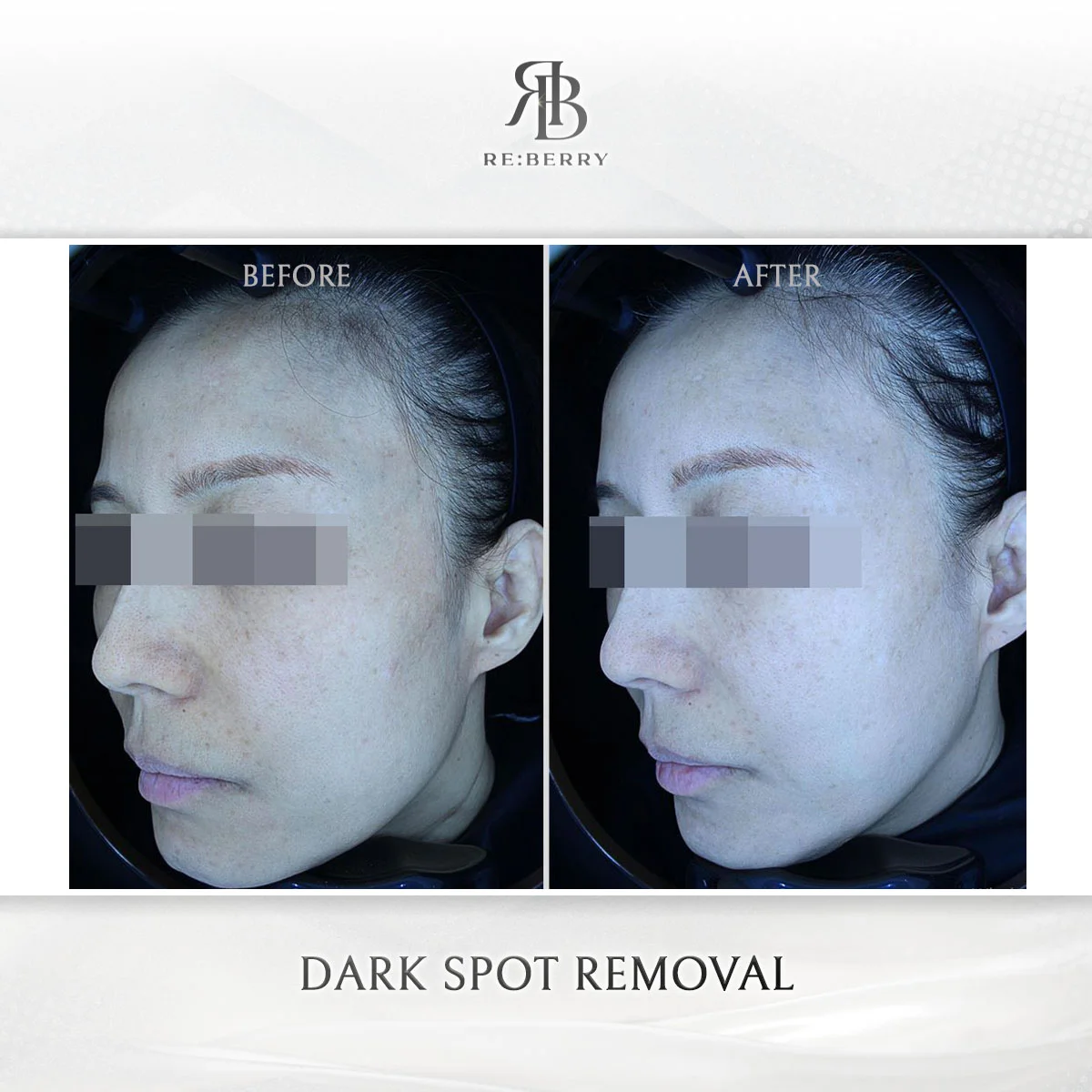
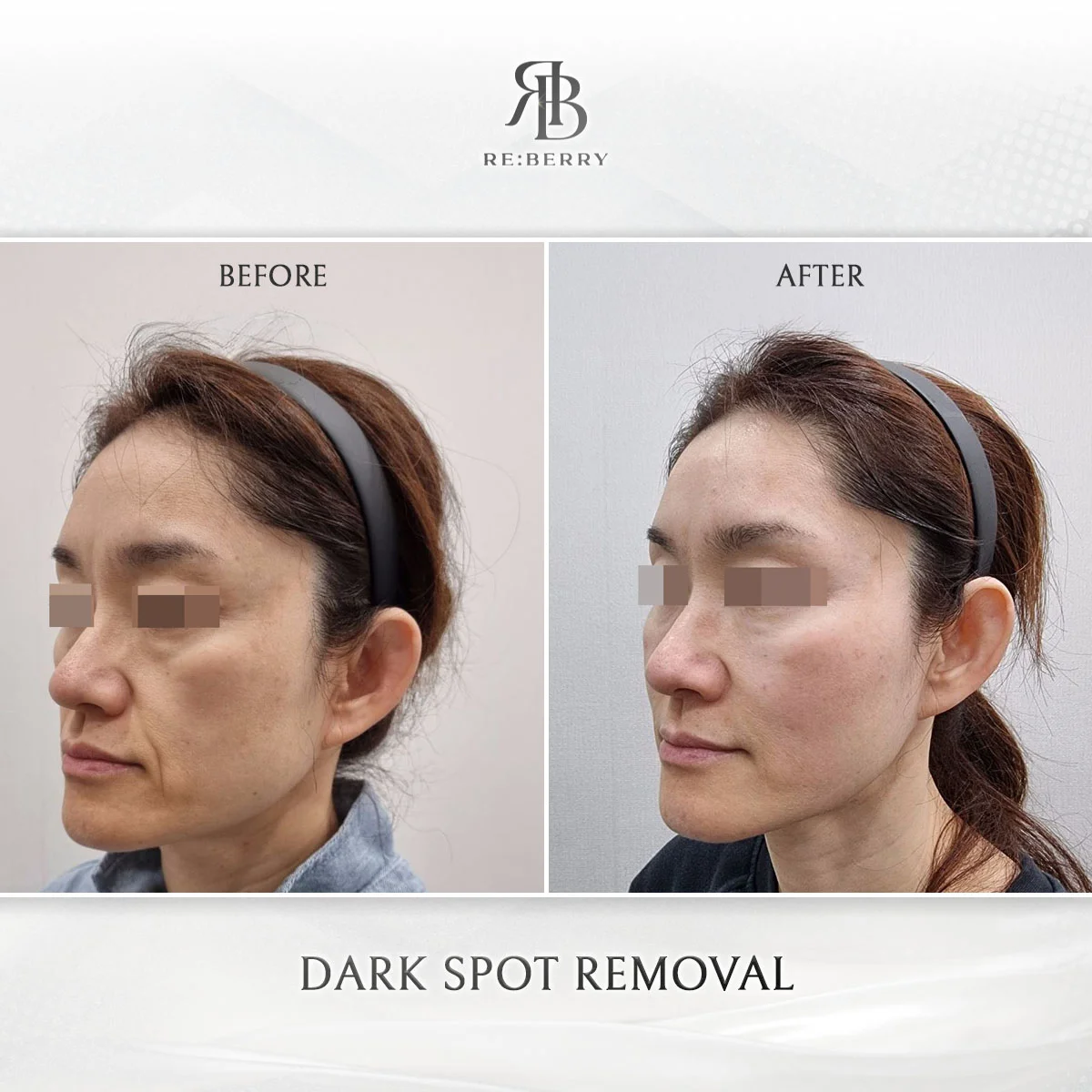
See representative outcomes from Reberry Clinic. Results build gradually and vary by individual; your plan is assessed at consultation.
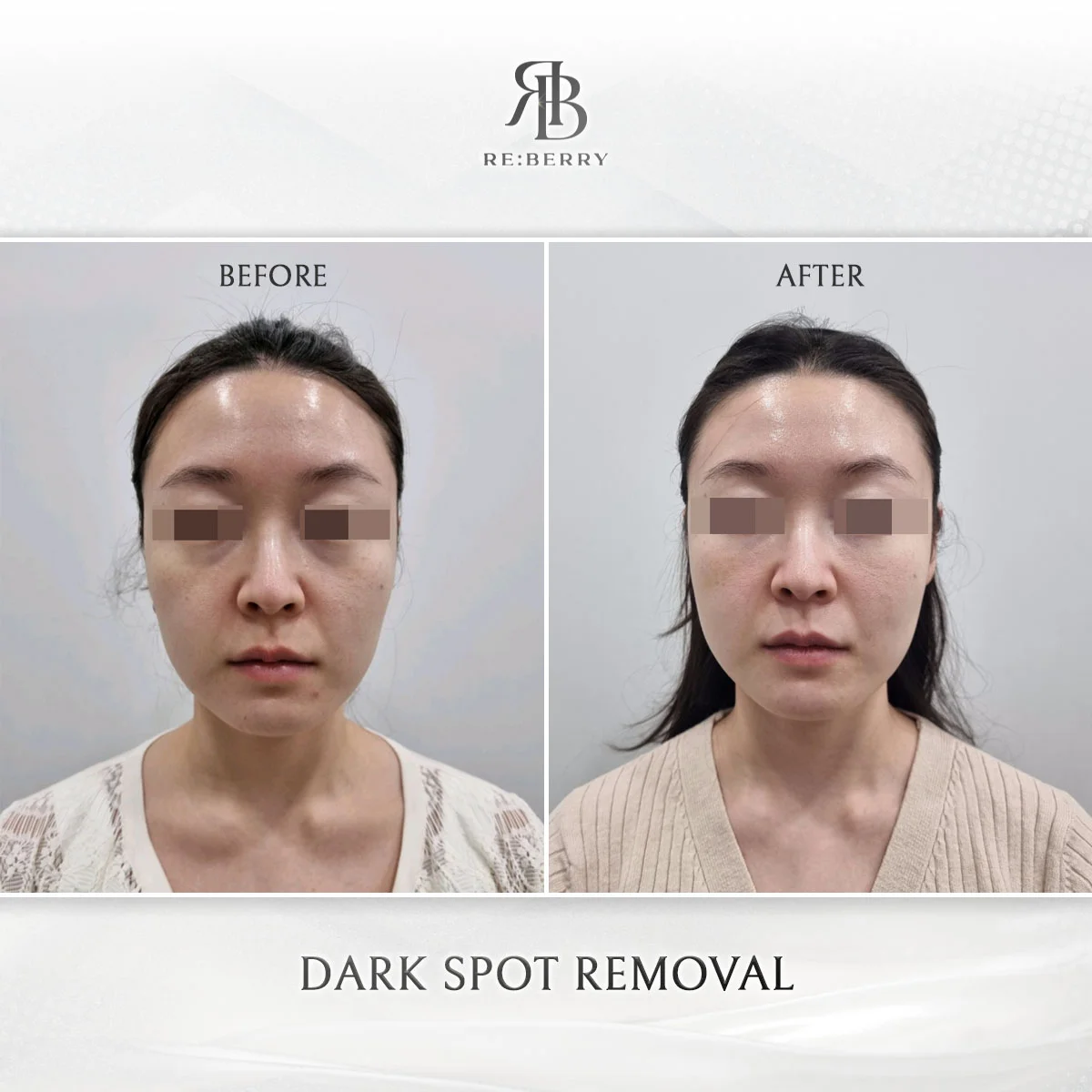
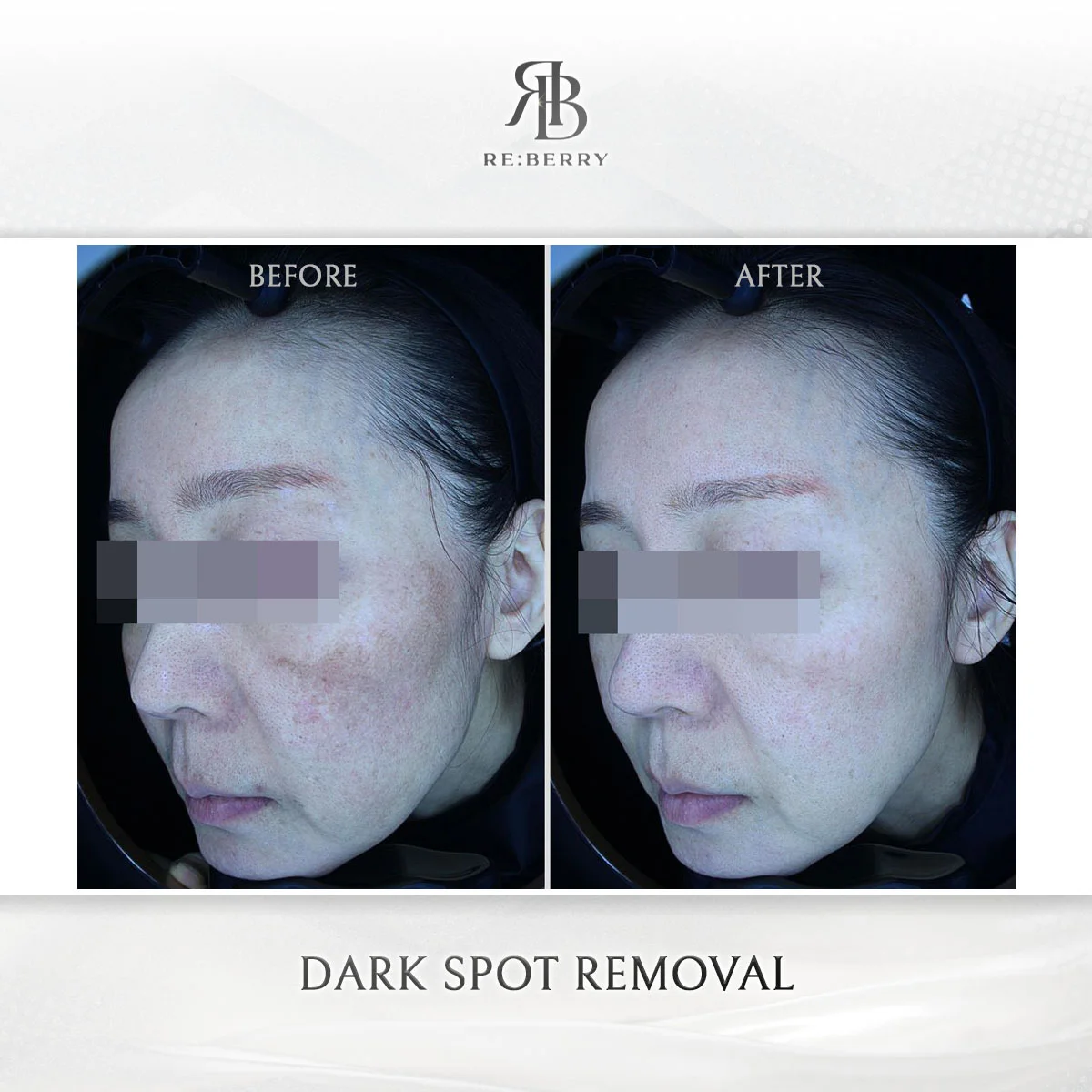
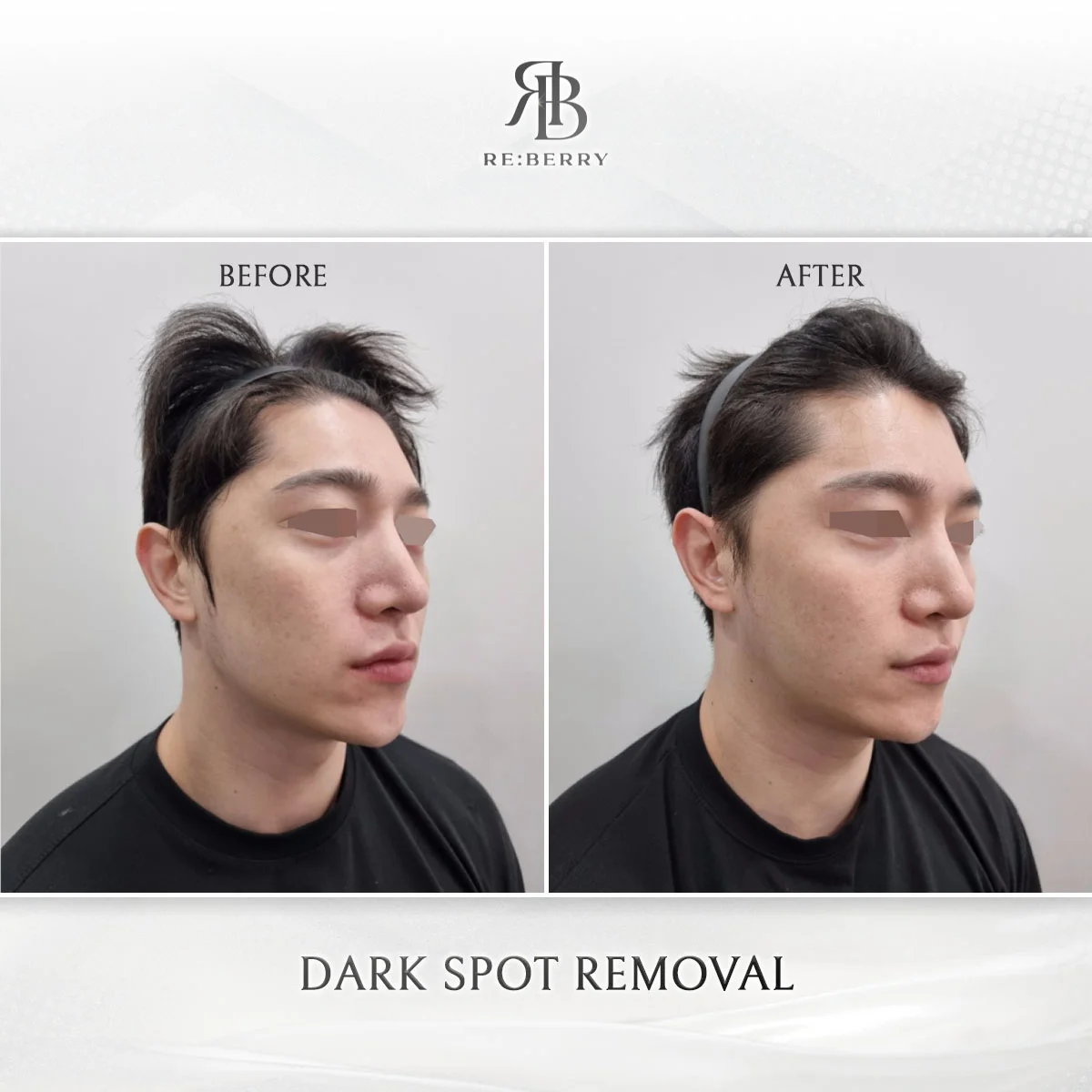
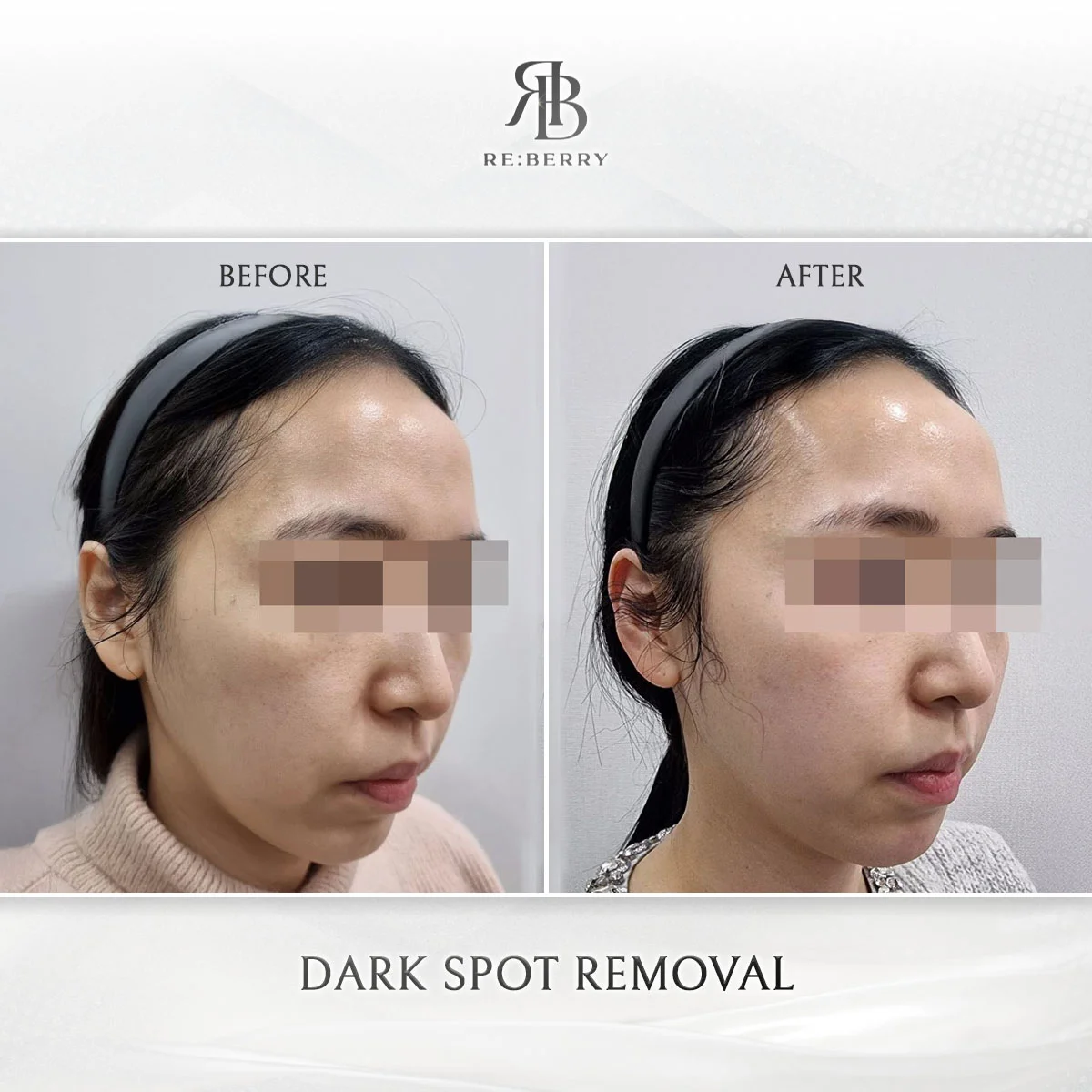
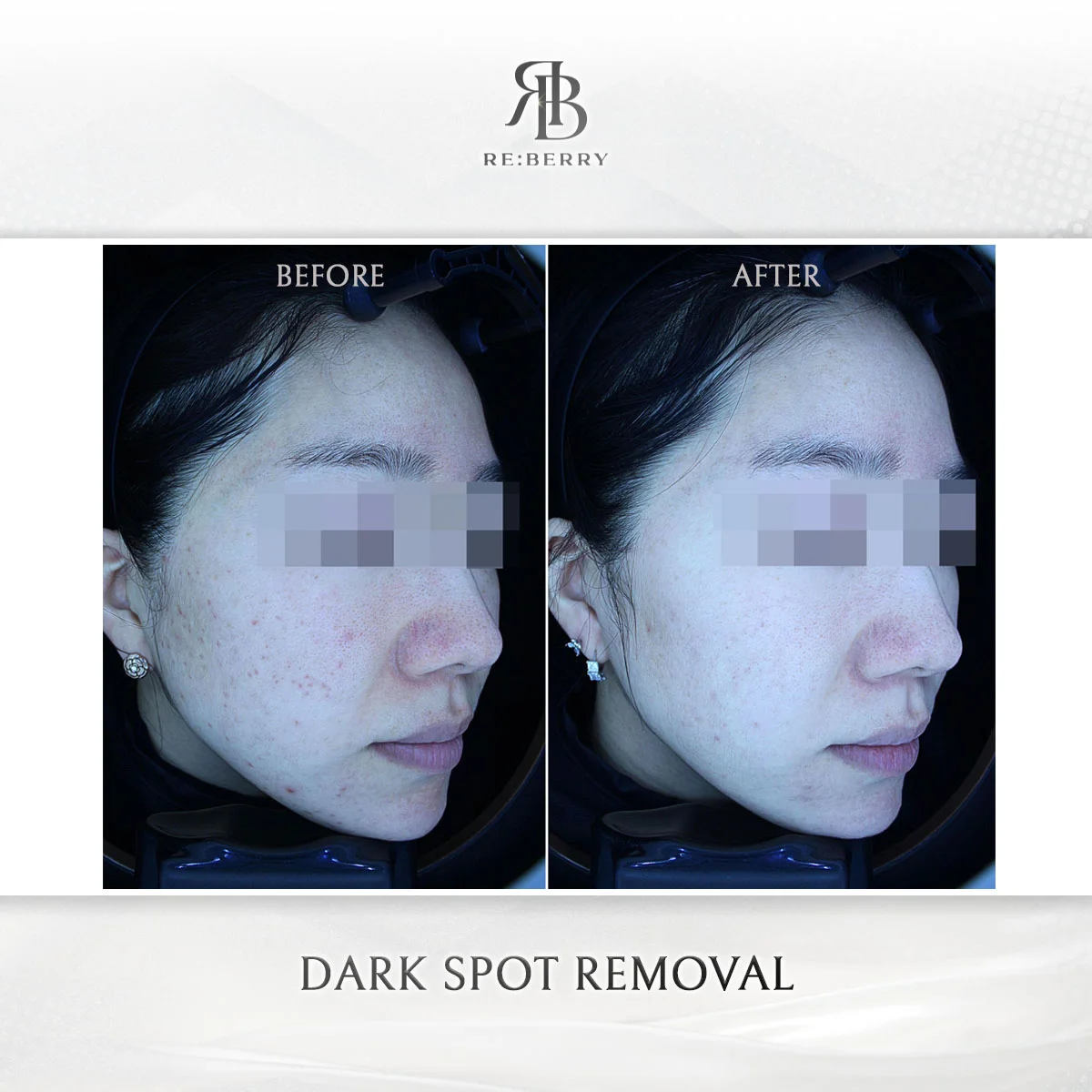
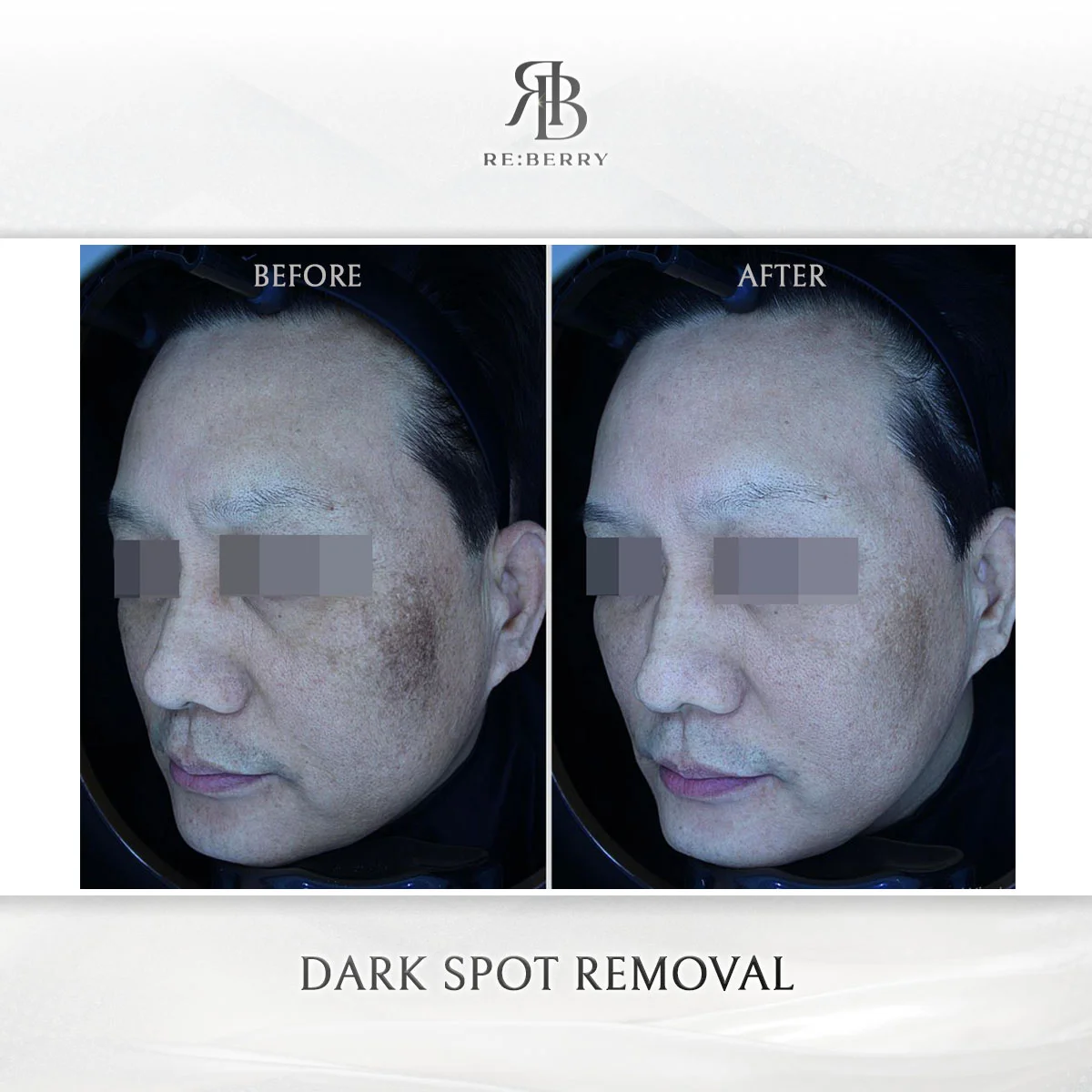
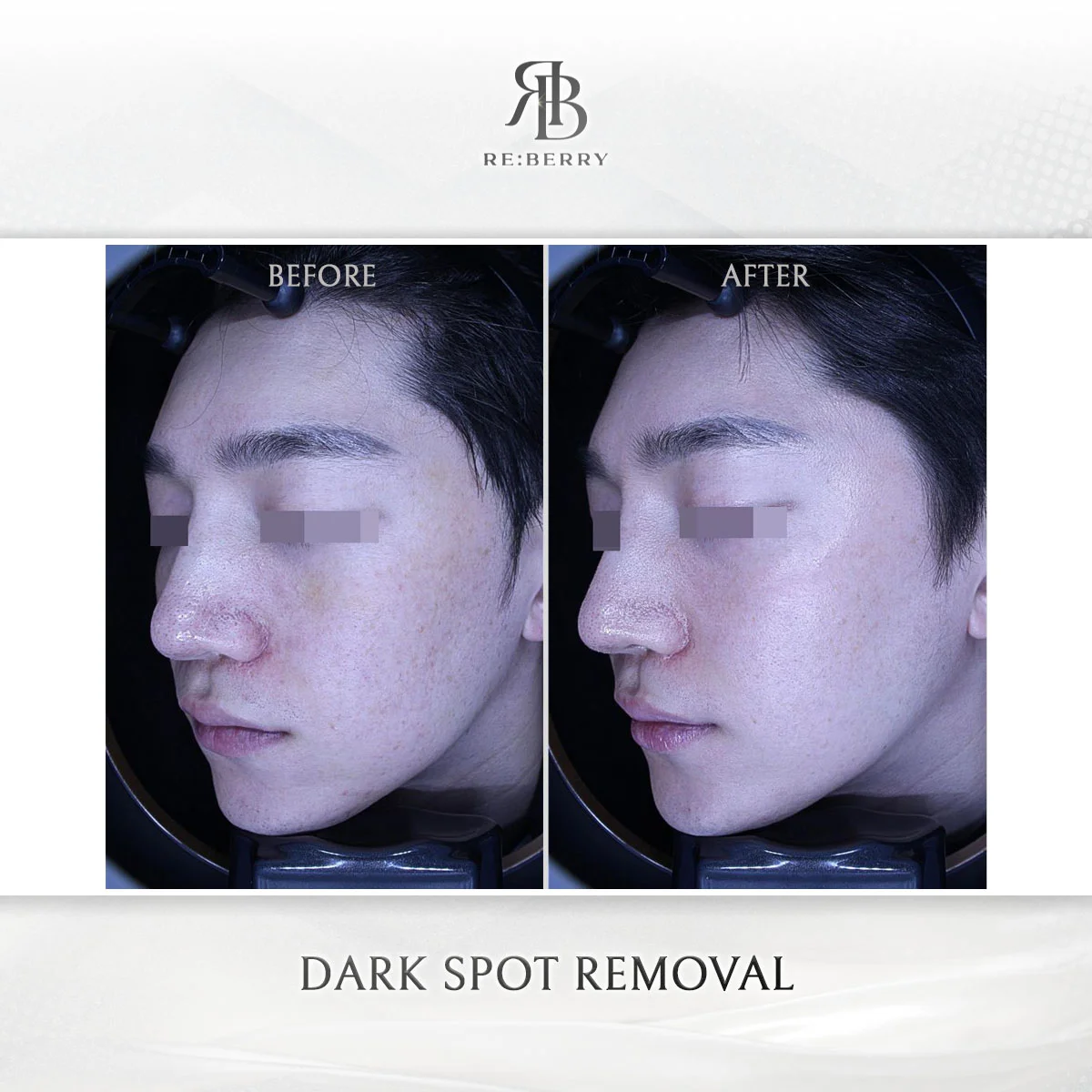
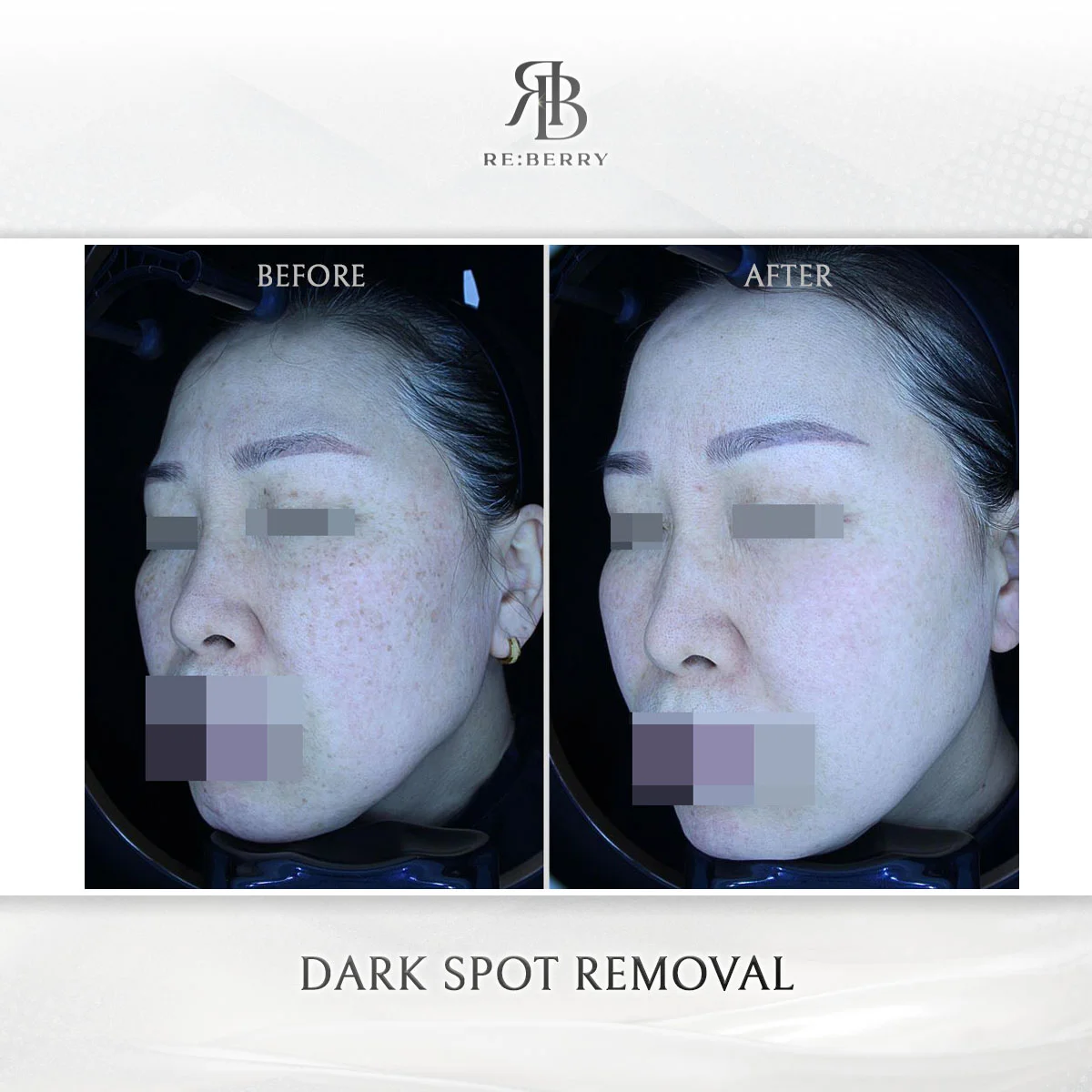
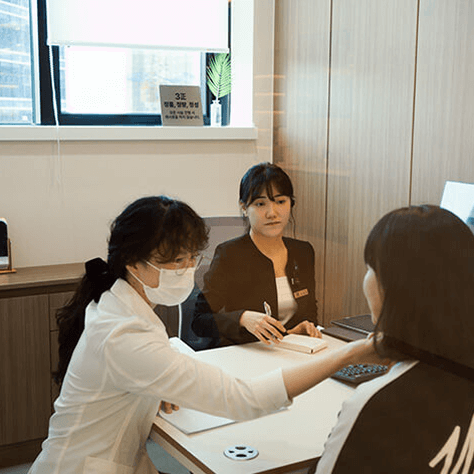
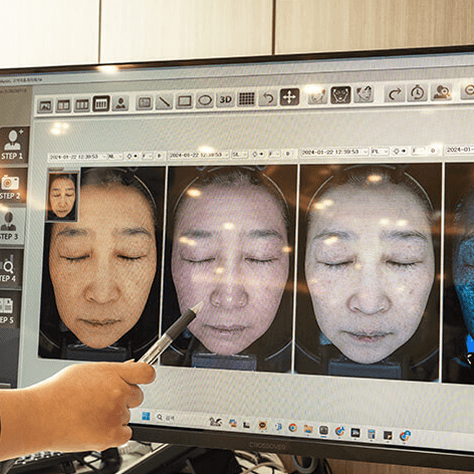
The clinic’s doctors confirm the bumps are milia, choose the gentlest effective method, and explain your recovery timeline and sun-care plan in English.
Treating several milia takes about 10 to 20 minutes, and most people leave with only pinpoint marks and resume normal activities the same day.
Active recovery is brief, with treated points settling over about 1 to 3 days and any crust flaking off by around day 5.
Skin usually looks smooth within 1 to 2 weeks as any pinkness fades, which is the full recovery point for most people.
Sun protection for at least 2 weeks and gentle products protect the result, and because new milia can form, occasional review keeps skin clear.

Milia removal downtime is short, usually about 1 to 3 days of pinpoint marks or small crusts at the treated points, with the surrounding skin unaffected. Any crust typically flakes off by around day 5. Most people resume normal activities the same day. You can read about the methods on our laser treatment page.
On day 0 you may see slight redness or pinpoint crusts, which settle over days 1 to 3. Small crusts usually flake off by about day 5, and any faint pinkness fades within 1 to 2 weeks, leaving smooth skin. The timeline is short because only tiny points are treated, not the whole face.
Yes, method matters. Manual extraction heals fastest, often within 1 to 2 days, while a fine CO2 laser or electrodesiccation may leave a small crust that flakes by day 5. The clinic’s doctors pick the gentlest effective method for your milia, explained on our laser treatment page.
Usually yes, because milia removal downtime is minimal and limited to pinpoint spots. Many people return to work or sightseeing the same day, applying gentle products and sun protection. If several deeper milia were laser-treated, you may prefer light coverage for a day or two while the tiny crusts settle.
Most people can apply light makeup after about 1 to 2 days, once the pinpoint spots are no longer open and any crust has dried. Avoid heavy rubbing over treated points. The clinic’s doctors give specific timing based on your method and skin, so healing is not disturbed and the result stays clean.
Yes, any small crusts should be left to flake off on their own, usually by around day 5, because picking raises the risk of marks or scarring. Keep the area clean and moisturised. Letting the skin heal undisturbed gives the cleanest recovery, and a gentle skin care routine supports this.
Discomfort during recovery is minimal, usually just slight tenderness at the treated points for a day or so. Milia removal itself is brief and minor, and numbing can be used during the procedure. If anything feels more than mildly sore, the clinic’s doctors are available to check it and advise you.
Daily sun protection is the single most important step during recovery, ideally for at least 2 weeks, along with gentle, non-comedogenic products and not picking. Sun care matters more on richer and Asian skin tones to prevent temporary dark marks. A simple skin care routine keeps healing on track.
Performed professionally, milia removal is designed to avoid scarring, since the lesions are superficial and treated points are tiny, and case series report clearance with no noticeable scarring. Following sun protection and gentle aftercare during recovery further reduces the small chance of temporary marks, especially on darker skin tones.
Yes, flying within a day or so is generally fine, because recovery is limited to pinpoint healing. Cabin air is drying, so moisturise gently, avoid touching treated spots, and use sun protection at your destination. If a laser step was used, follow the specific aftercare the clinic’s doctors give for the treated points.
Richer and Asian skin tones can be slightly more prone to temporary pigmentation, so strict sun protection during recovery is emphasised. With careful technique and good aftercare, recovery is usually clean and quick. Your skin type is assessed at consultation so the method and recovery advice are matched to reduce any risk of marks.
Most milia clusters clear in one session, so downtime is a single short recovery. Very widespread or deep milia may be staged across visits, each with its own brief recovery of a few days. Your doctor plans this at consultation so downtime stays manageable around your schedule in Korea.
Yes, milia removal is often paired with a gentle facial or exfoliation, which may add mild, brief redness but keeps overall downtime short. Combining is sequenced carefully so the skin is not over-stressed. Your doctor explains how it fits alongside a HydraFacial or other skincare.
Because recovery is so short, milia removal fits into even a brief trip: the session takes about 30 to 60 minutes and active downtime is only 1 to 3 days at pinpoint spots. Many international patients complete it in one visit early in their stay, allowing any small crusts to settle before flying home.
Recovery is straightforward to manage from abroad, and the clinic offers English remote check-ins if you have questions as the pinpoint spots heal. Your treatment notes are kept on file for continuity. If new milia appear later, you can plan removal on a return trip, and home skin care helps in between.
| Manual Extraction | Fine CO2 Laser | Electrodesiccation | |
|---|---|---|---|
| How it treats milia | Tiny opening, keratin plug lifted out | Precise laser vaporises the small cyst | Small controlled current clears the lesion |
| Immediate look | Pinpoint mark, minimal redness | Tiny spot, may form a small crust | Small spot, brief redness |
| Downtime length | About 1 to 2 days per point | Around 1 to 3 days, crust by day 5 | About 1 to 3 days per point |
| Crusting | Rare, very small if any | Small crust common at treated points | Small crust possible |
| Best for | Superficial, easily reached milia | Firm, deep, or clustered milia | Stubborn milia resisting extraction |
| Sun-care need | Sun protection advised | Strict sun protection during healing | Sun protection advised |
Real verified reviews from our Google Business Profile, across all Reberry Clinic locations.
PULLED LIVE FROM GOOGLE · GANGNAM · MYEONGDONG · INCHEON AIRPORT
Your treatment is planned and performed by experienced, MFDS-registered doctors across our Seoul-area clinics, with multilingual support for international patients.
Flagship clinic · KOL for leading lifting & regenerative devices

Multilingual tourist care beside Myeongdong Cathedral

Fast, effective care 20 minutes from the terminals
Message us on WhatsApp for a free consultation in English about milia removal, your recovery timeline, and a transparent, individual cost plan.