

Gangnam
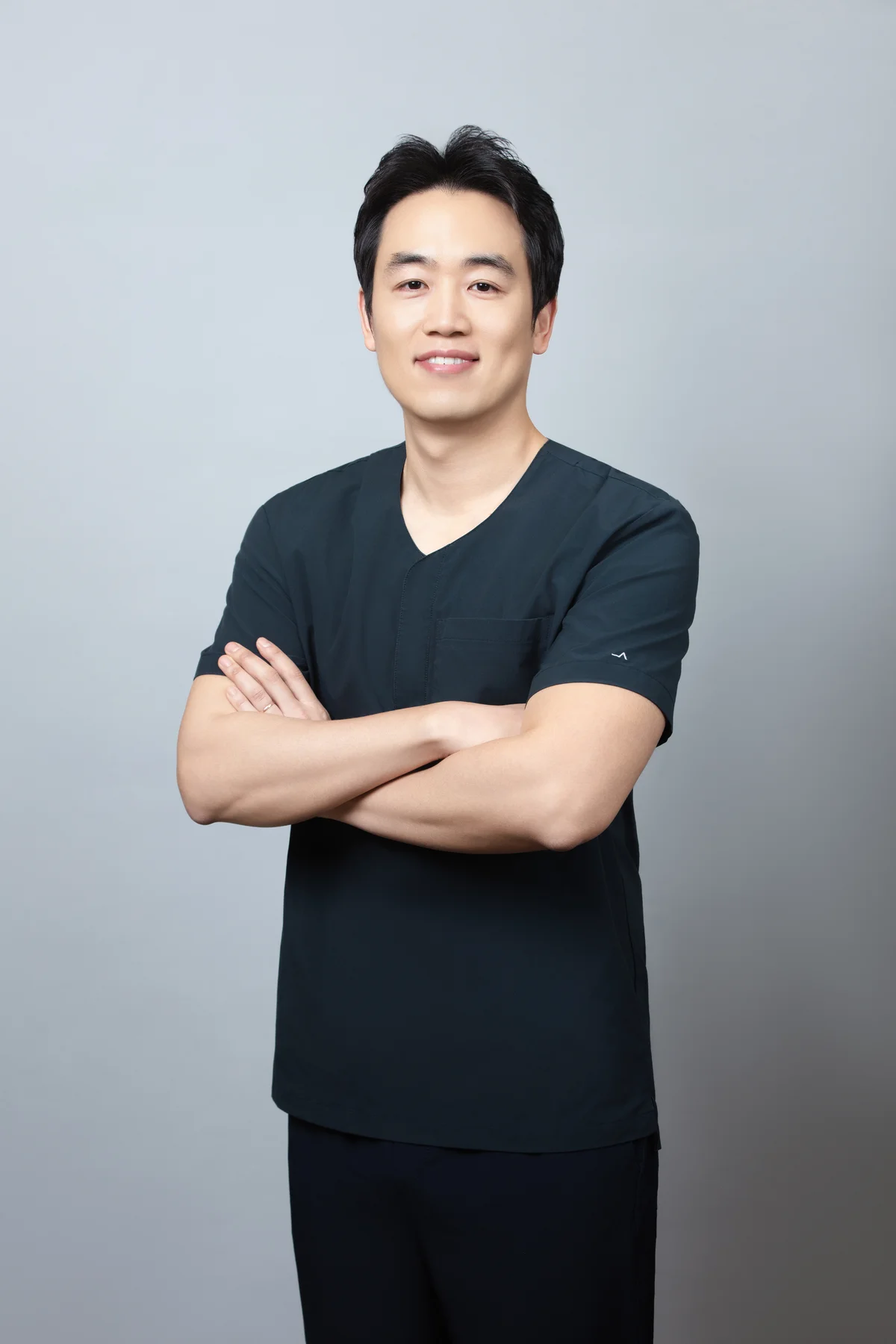
Dr. Yoongon Ryu
Aesthetic Medicine Specialist
Flagship clinic · KOL for leading lifting & regenerative devices

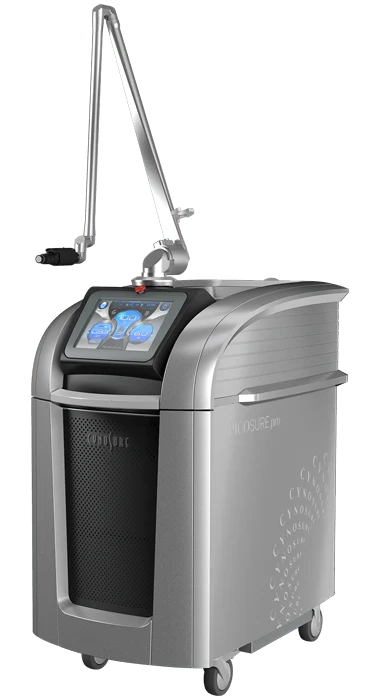
Benign moles are commonly removed by CO2 laser ablation, with the treated site healing over about 1 to 2 weeks and settling further across the following months.
Before mole removal, a doctor examines the mole to confirm it looks benign, sending anything atypical for biopsy first. Benign moles are then commonly ablated with a CO2 laser; afterwards the site forms a small scab, heals over about 1 to 2 weeks, and keeps fading over months. Reberry Clinic offers English-speaking consultation in Seoul.
One-on-One guidance from a dedicated doctor, ensuring your skin is professionally monitored and treated from start to finish.
Fluent assistance in English, Japanese, and Chinese, making communication clear, respectful and comfortable for international patients.
Over 100,000 patients worldwide have received our personalized dermatological care, highlighting our expertise and reliable results.
A mole (a benign melanocytic nevus) is a cluster of pigment-producing cells, and mole removal is the clinical process of taking a benign one off the skin, most commonly with a CO2 laser for small raised or flat facial moles. The before-and-after picture is straightforward: beforehand the mole sits on the skin; immediately after ablation there is a small shallow wound, which scabs, heals over about 1 to 2 weeks, and then continues to blend into surrounding skin over the following months.
The single most important step comes before treatment. A doctor examines the mole, ideally with dermoscopy, to judge whether it looks benign. Anything with atypical or changing features is not lasered but sent for surgical excision and biopsy, because a laser vaporizes tissue and would remove the ability to examine it. This is a safety principle, not an optional extra, and any honest before-and-after discussion begins there.
Reberry Clinic is a dermatology clinic serving international patients across three Seoul-area locations (Gangnam, Myeongdong, Incheon Airport) with English-speaking staff. Because CO2 mole removal is a minor procedure with a predictable healing course, it fits a Seoul trip, but the clinic sets realistic before-and-after expectations, including the small chances of a residual mark or recurrence, before anything is done.
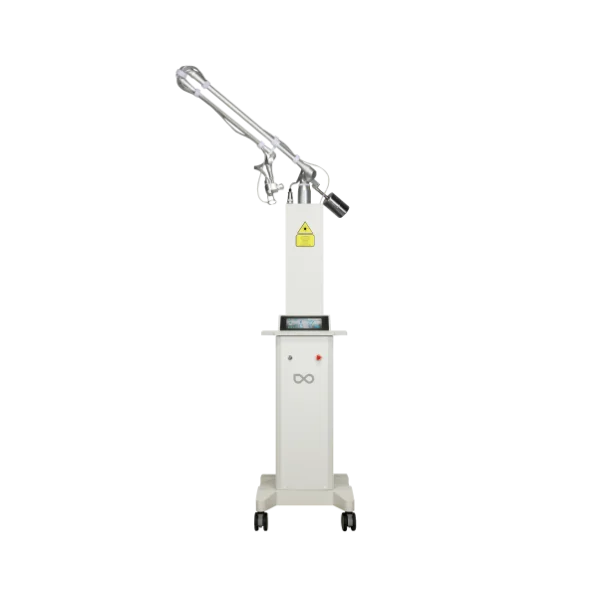
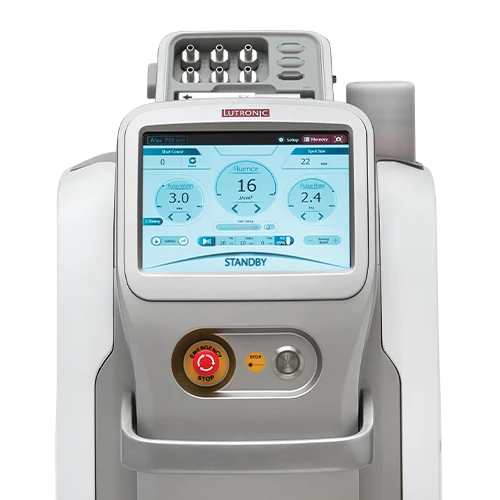
CO2 laser ablation uses a 10,600 nm wavelength absorbed by water in the skin, allowing the doctor to vaporize the visible mole layer by layer with sub-millimeter control. After local anaesthetic, the raised or pigmented tissue is removed until the surface is level with surrounding skin, leaving a shallow wound rather than a stitched cut. This precision is why CO2 laser is widely used for small benign facial moles where a fine cosmetic result matters.
One honest limitation shapes the before-and-after outcome: CO2 laser has a restricted vaporization depth and cannot always reach nevus cells deep in the dermis, so a proportion of moles can partially recur and need a second session. Published work shows adding dermoscopy guidance meaningfully lowers recurrence. Deeper or atypical lesions are better suited to surgical excision, which also allows biopsy. The clinic’s doctors match method to the mole and can outline related laser treatment options during assessment.
One Reberry Clinic, multiple Seoul-area locations. Pricing & current promotions are listed on each branch's own site — tap a clinic to view pricing & book.
Our flagship in the heart of Gangnam.
In Seoul's shopping & tourism heart.
A beauty stop between flights.
The newest Reberry Clinic — in Seoul's trend district.
ONE REBERRY CLINIC · MFDS-REGISTERED DEVICES · MULTILINGUAL CARE AT EVERY LOCATION
A doctor examines the mole, ideally with dermoscopy, in a few minutes to judge whether it looks benign or needs biopsy.
Benign-looking moles are suited to CO2 laser; atypical or deeper ones are referred for surgical excision and biopsy in 1 pathway.
Local anaesthetic is injected and takes effect within about 5 to 10 minutes so the ablation is comfortable.
The CO2 laser vaporizes the visible mole layer by layer until level with the skin, usually in under 15 minutes per lesion.
An ointment and dressing are applied; the site scabs and heals over about 1 to 2 weeks with aftercare and SPF.

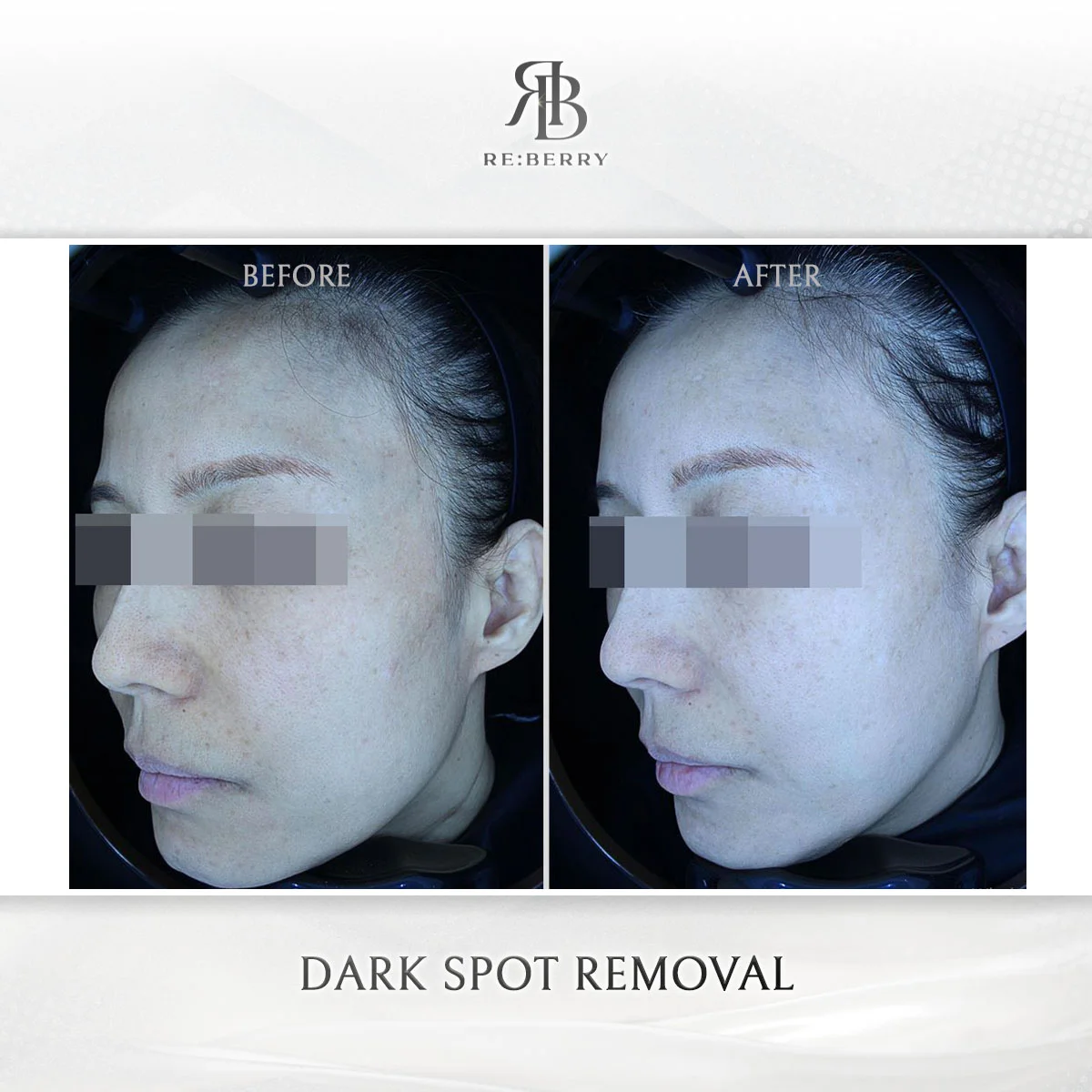
See representative outcomes from Reberry Clinic. Results build gradually and vary by individual; your plan is assessed at consultation.
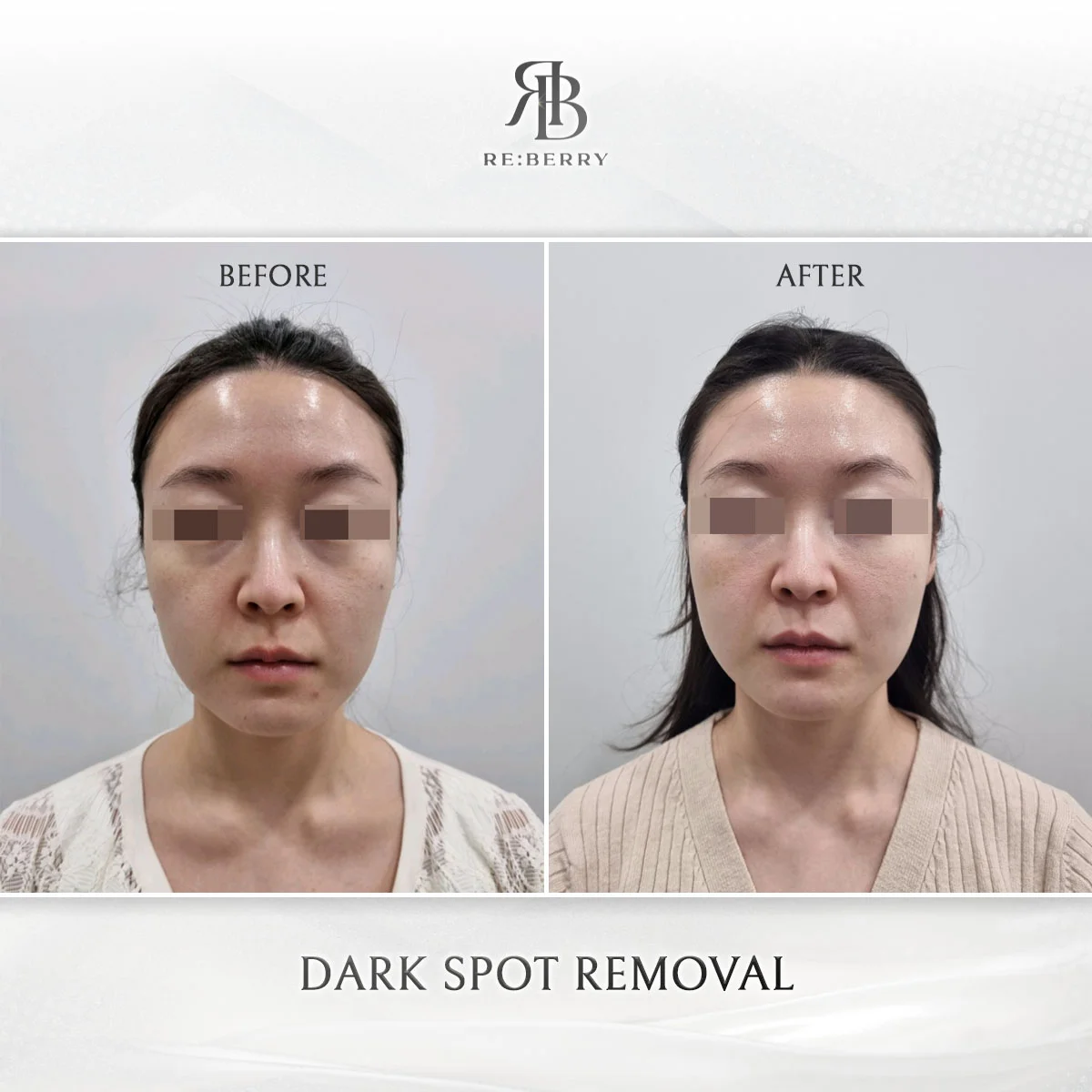
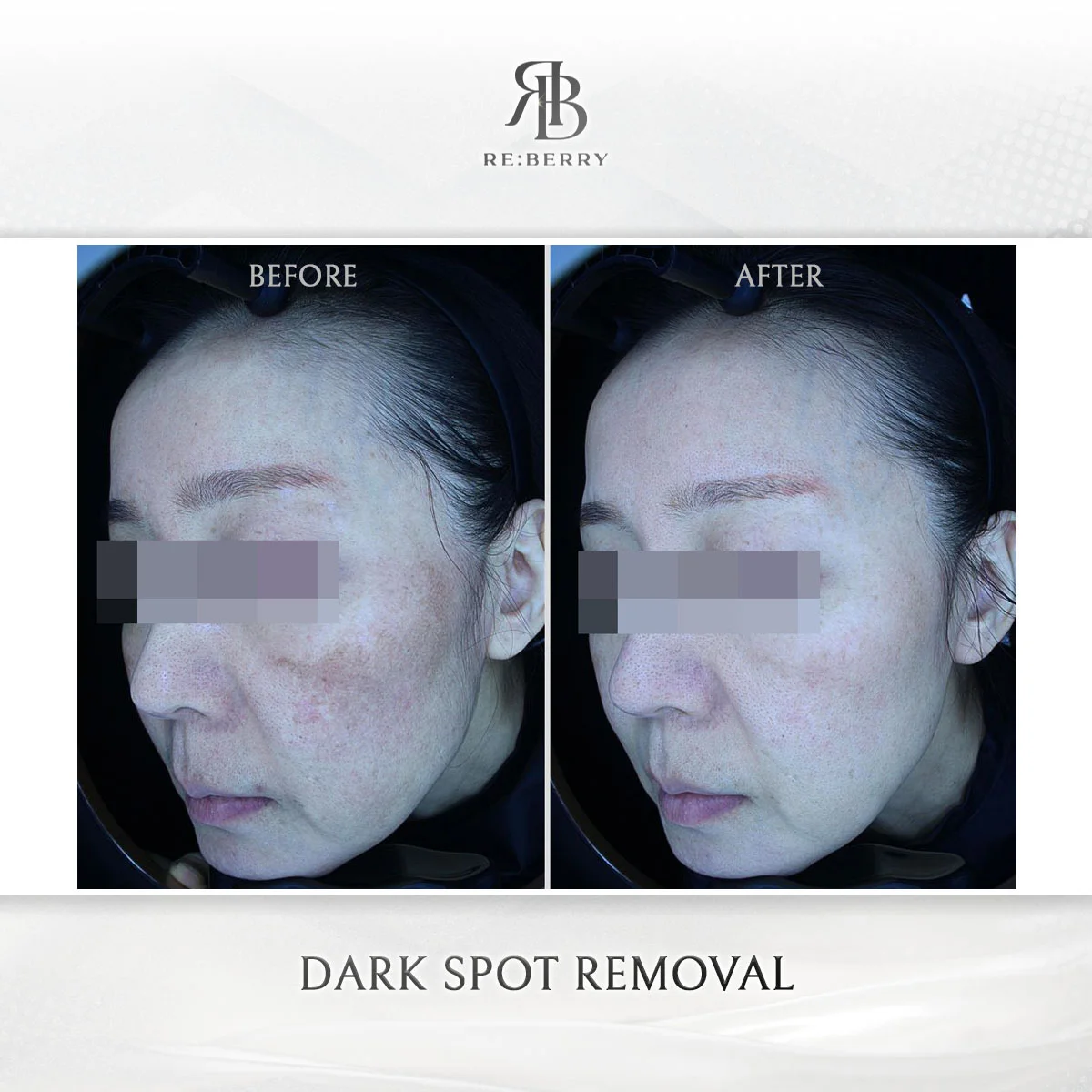
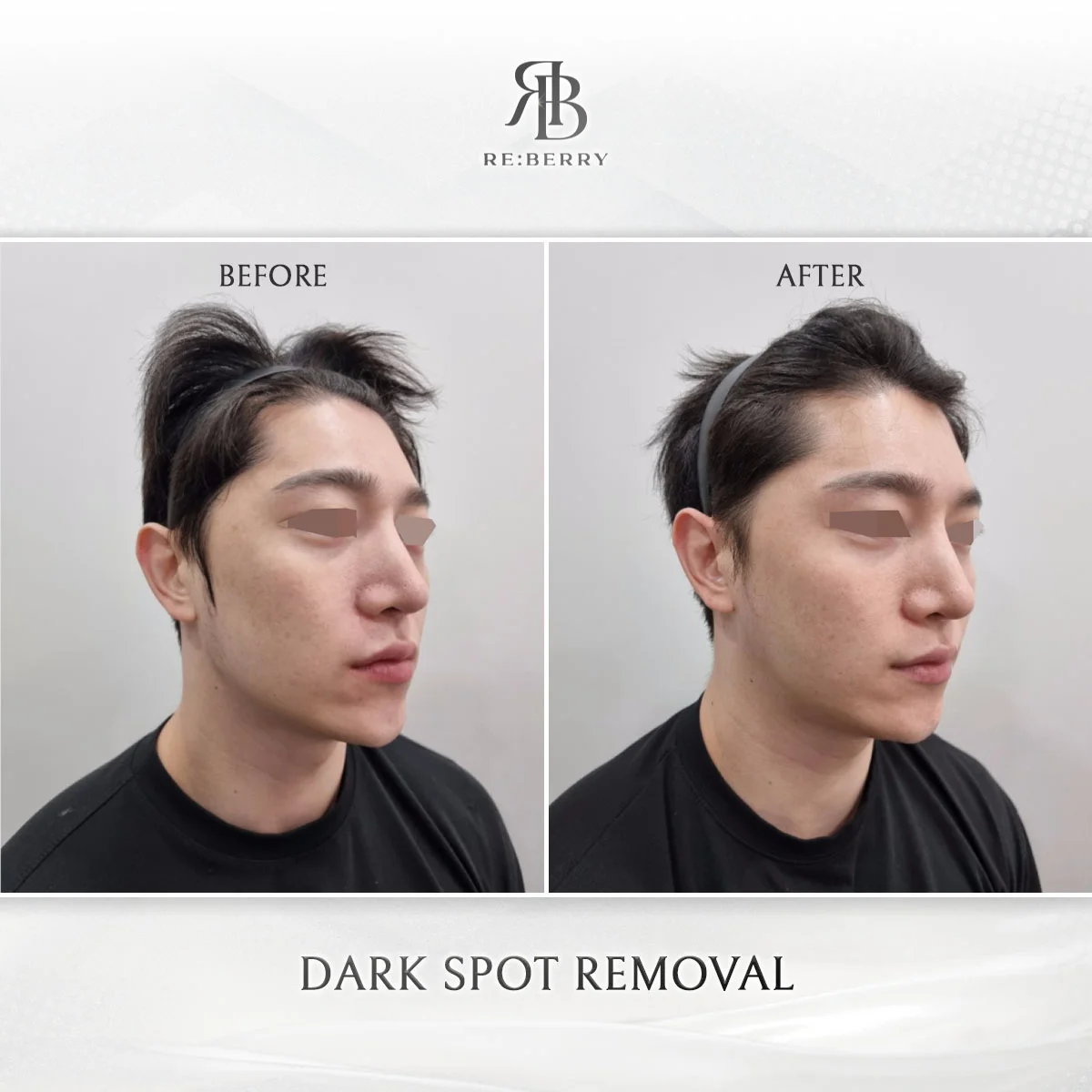
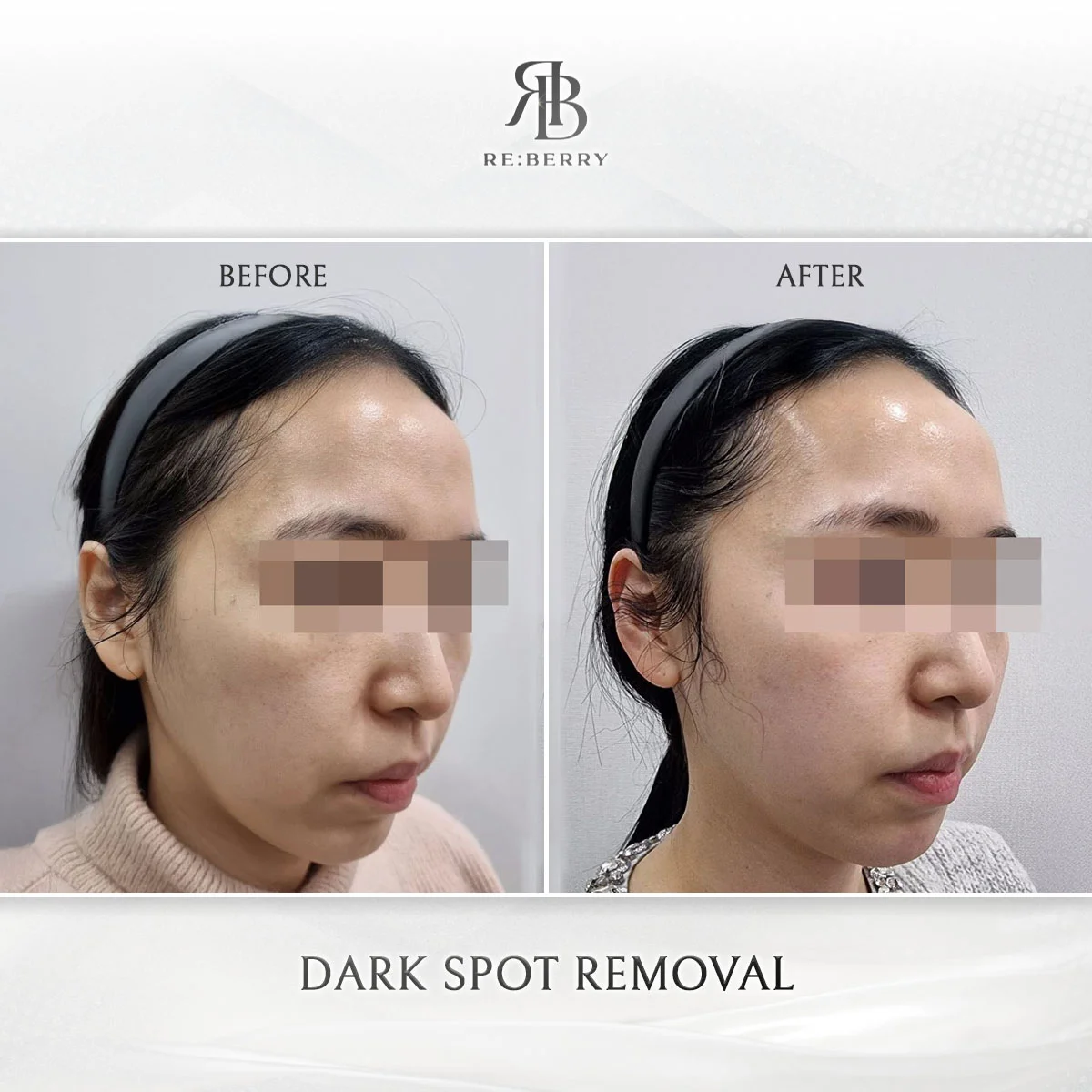
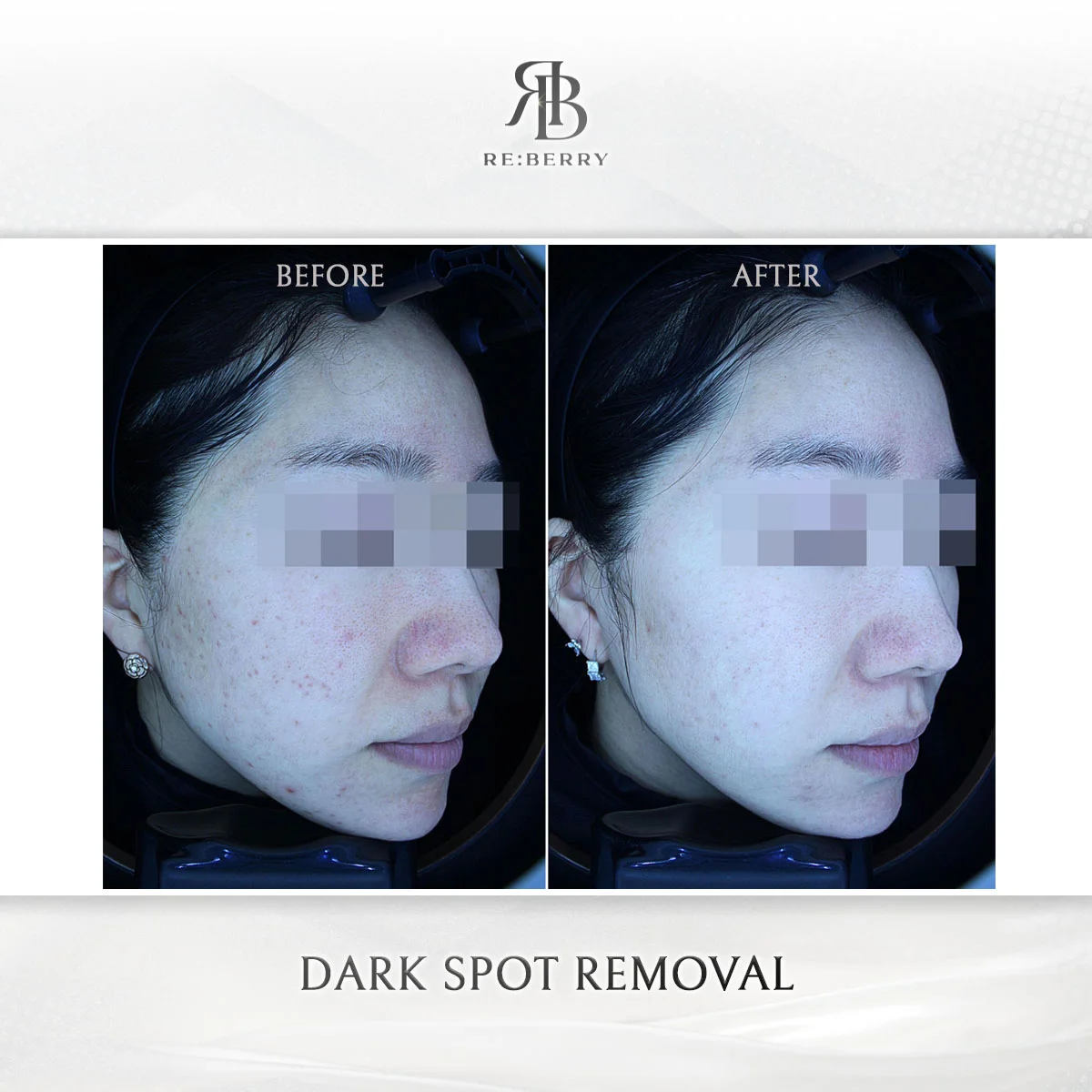
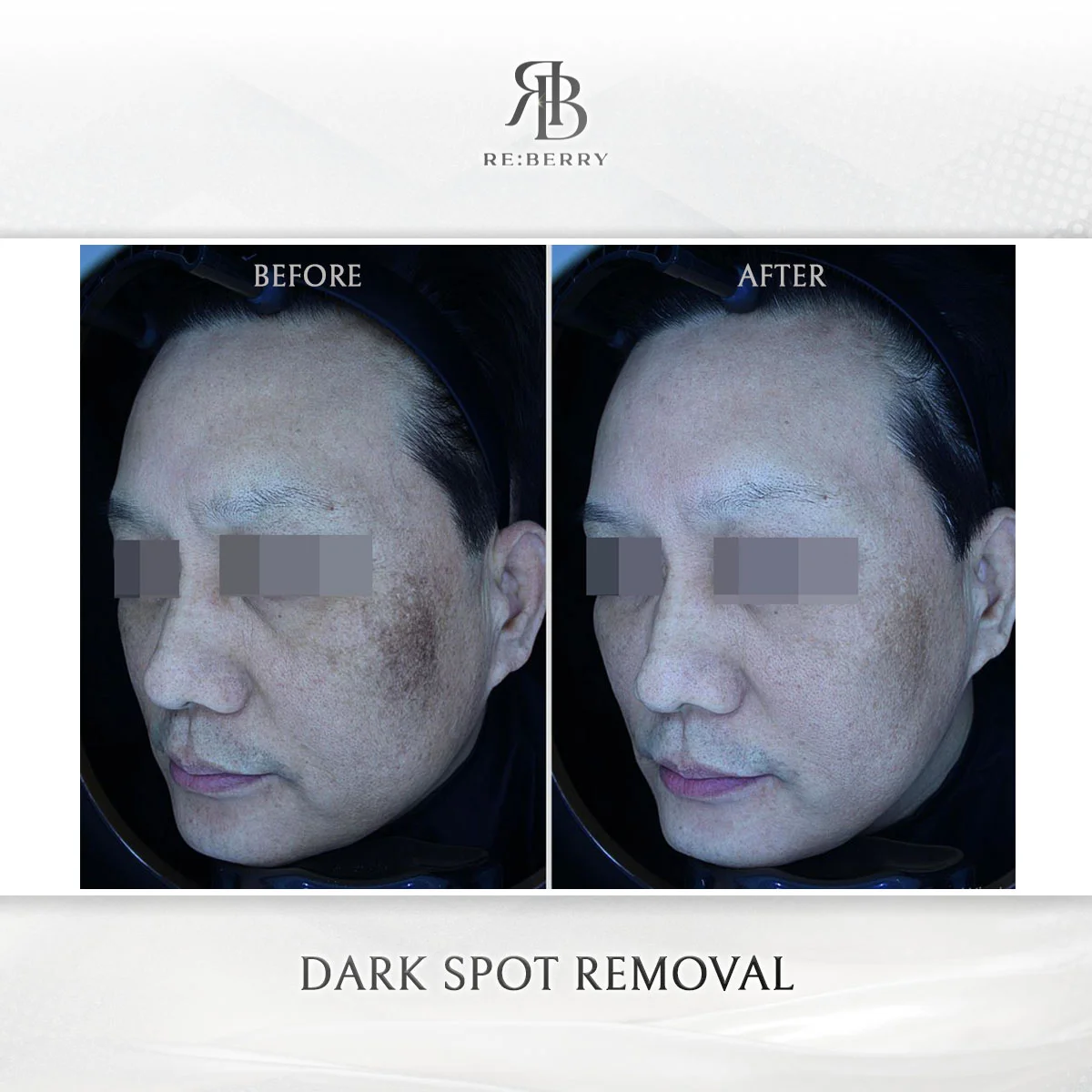
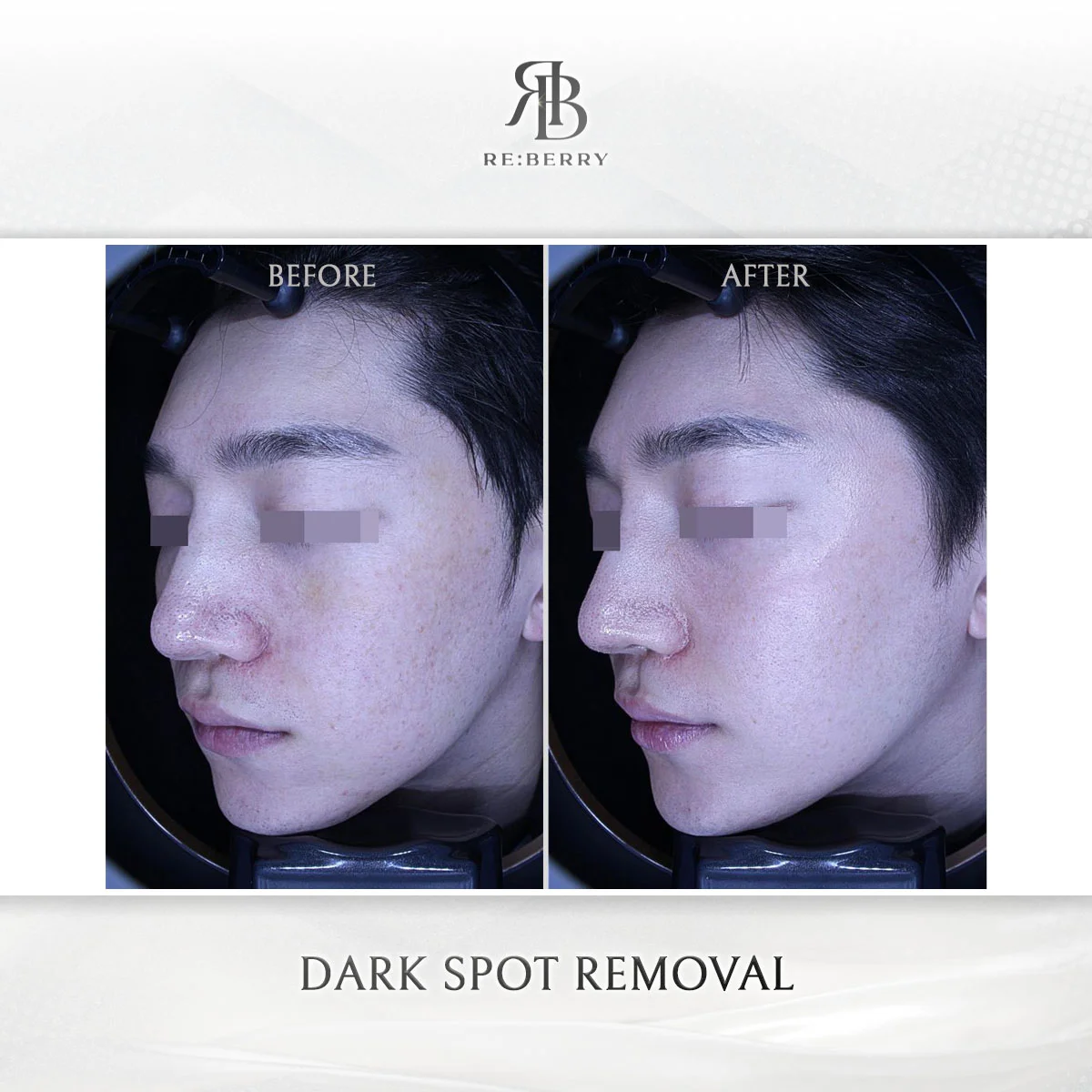
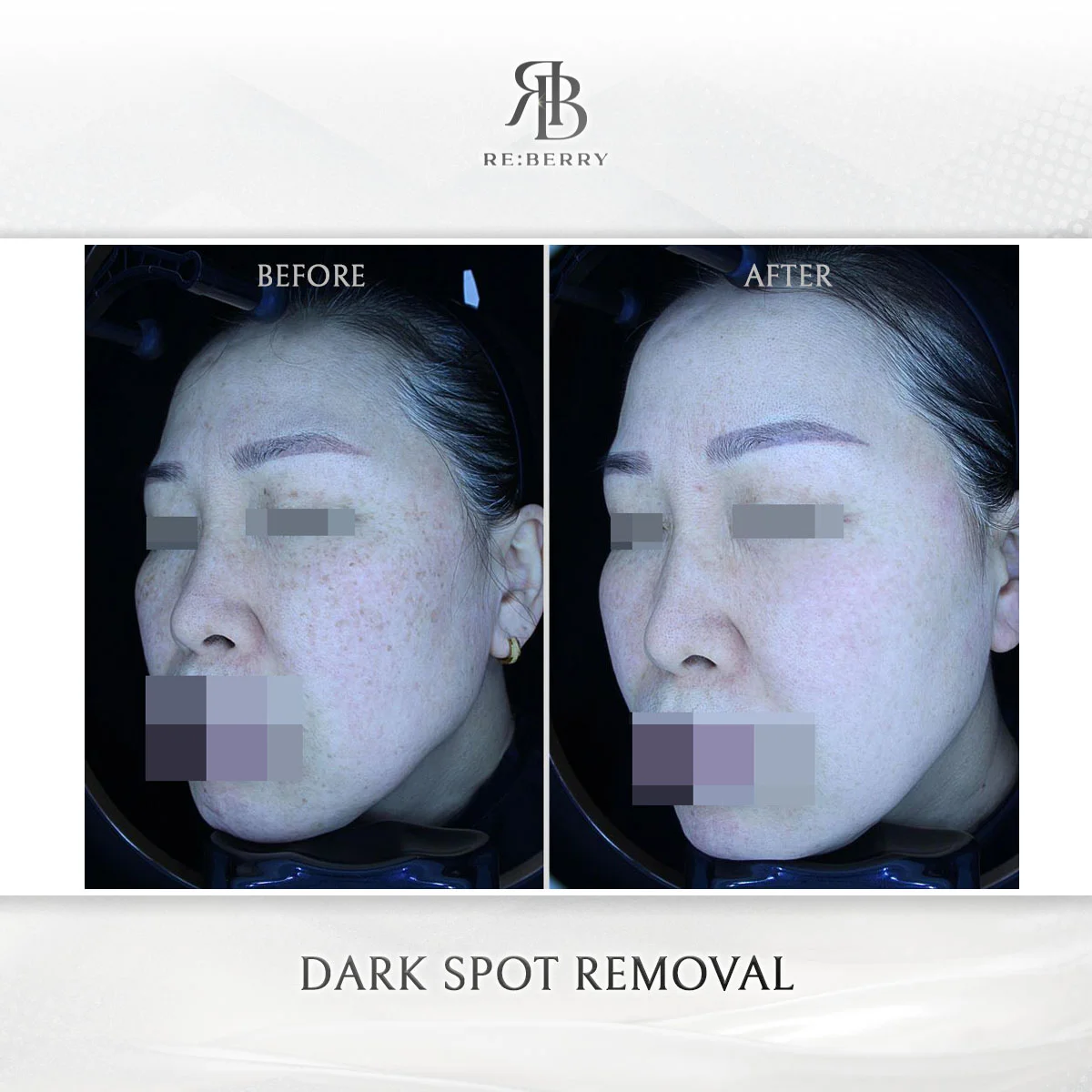
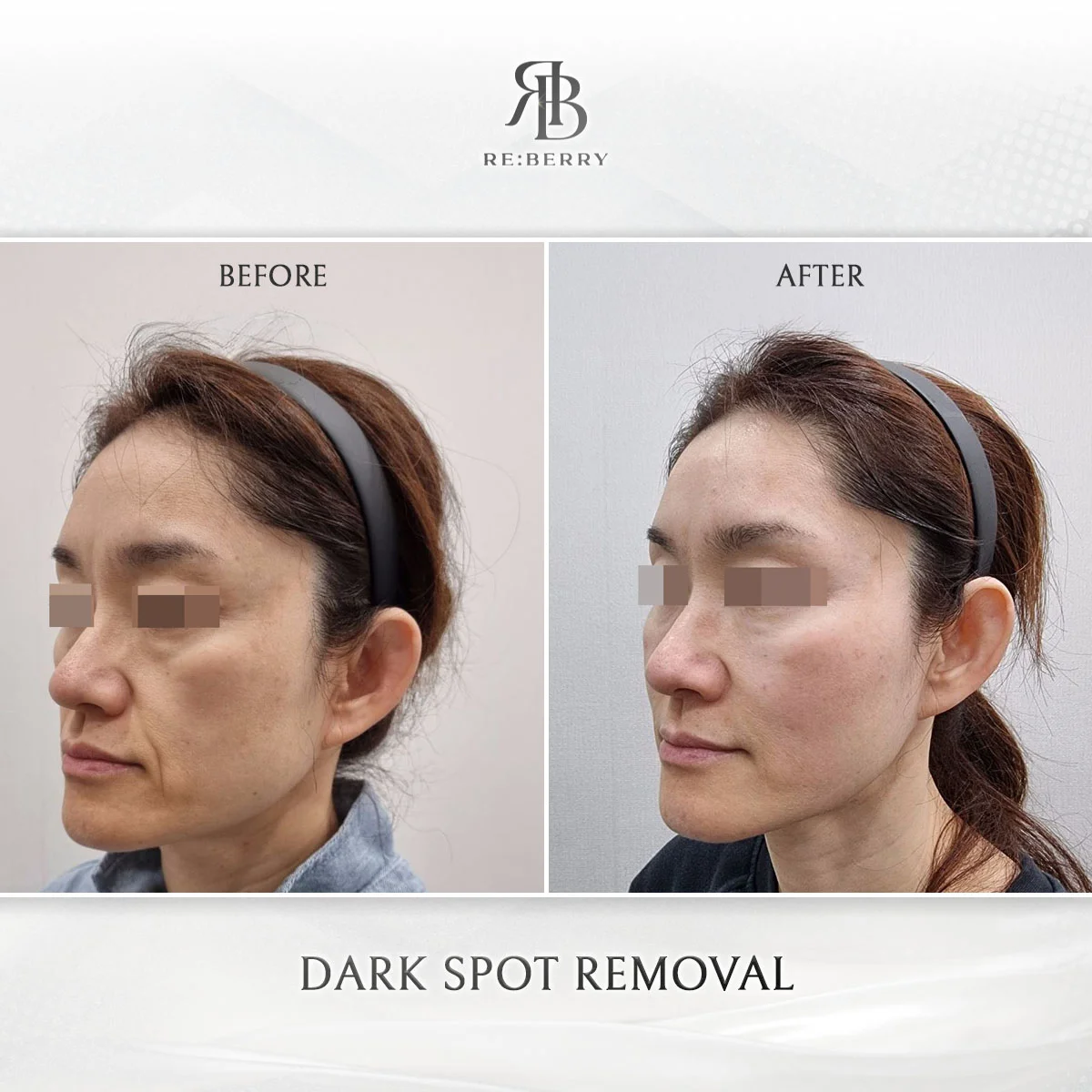
An English-language consultation examines the mole, ideally with dermoscopy, and decides between CO2 laser and referral for biopsy.
After local anaesthetic, a small benign mole is usually ablated in under 15 minutes and dressed.
Most single small moles are handled in one visit, so no return trip is needed unless recurrence occurs.
A scab forms and separates over about 1 to 2 weeks; pinkness then fades gradually over the following months.
Fully removed moles do not return, but deep cells can occasionally recur; SPF and gentle care aid healing.
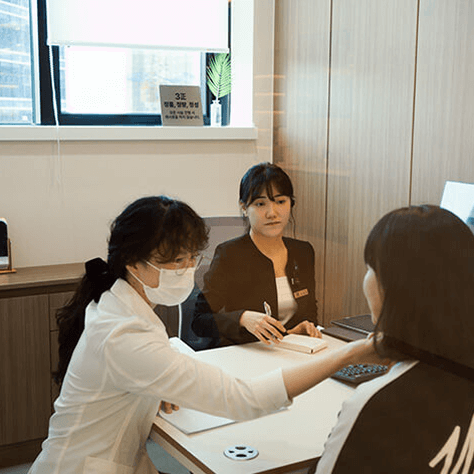
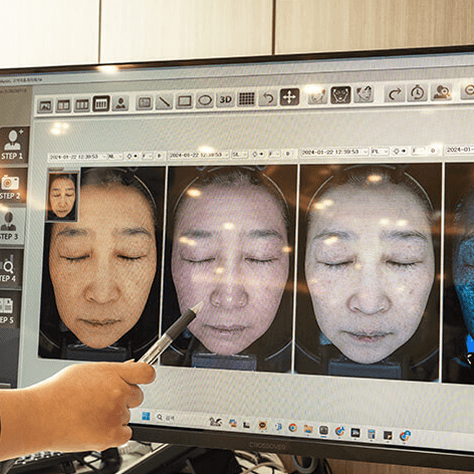

Before treatment a doctor confirms the mole looks benign; a benign one is then CO2-lasered, leaving a small scab that heals over about 1 to 2 weeks and fades over months. Anything atypical is referred for biopsy first. You can review the clinic’s laser treatment methods during an English consultation before deciding.
Because a laser vaporizes the mole, an atypical or changing lesion must be identified beforehand and sent for surgical excision and biopsy instead, since lasering it would destroy the tissue a pathologist needs. This diagnosis-first step, taking only a few minutes with dermoscopy, is a core safety principle rather than an optional extra, and it protects you.
The treated site typically forms a scab that separates over about 1 to 2 weeks, after which a pink area remains and fades gradually over the following months. Most people resume normal activities the same or next day. Following SPF and aftercare guidance helps the final result blend well and reduces the chance of a lasting mark.
The procedure itself is comfortable because local anaesthetic is injected first and takes effect within about 5 to 10 minutes, so you feel pressure rather than pain during the ablation. Afterwards the site may sting mildly as it heals. The doctor explains what to expect and provides aftercare to keep the healing period manageable.
CO2 laser aims for a fine, level finish and most small benign moles heal with little to no visible mark, though any skin procedure carries a small chance of a residual scar or pigment change treatable with dark spot removal. People with a history of keloids should mention it so the doctor can plan the safest approach.
It can, because CO2 laser has a limited depth and may leave deep nevus cells behind, so a proportion of moles partially recur and need a second session. This is a known limitation, not a treatment failure, and dermoscopy guidance lowers the risk. Deeper moles are often better excised. Your risk is discussed at the laser treatment assessment.
It depends on the mole: small benign facial moles suit CO2 laser for its fine finish, while atypical, deep or biopsy-requiring moles need surgical excision. The doctor decides after examining the lesion, ideally with dermoscopy. The two pathways serve different needs, and the right choice is confirmed before any treatment begins.
Yes, mole removal suits a wide range of skin tones when settings and aftercare are adjusted, since darker skin has a slightly higher tendency to temporary pigment change that careful technique manages. The clinic’s doctors tailor the approach and SPF guidance to your skin to support an even final result and reduce the small risk of marks.
Several small moles can often be removed in a single session, though the doctor may stage a large number for comfortable healing and to monitor each site. Each small mole usually takes under 15 minutes to ablate. Your plan is confirmed at the assessment after every mole is examined to ensure none needs biopsy first.
Cost is consultation-led and depends mainly on the number, size and depth of moles and whether laser or excision is used, so a personalized quote follows assessment. Reberry Clinic does not advertise fixed figures because cases differ. Pricing is explained transparently alongside the relevant laser treatment plan.
Aftercare is simple: keep the site clean, apply the ointment provided, do not pick the scab, and follow gentle skin care with daily SPF once healed to protect the pink area from darkening. The scab settles over about 1 to 2 weeks. The clinic provides written English instructions to take with you.
Most people can cover the healed area once the scab has fully separated, usually after about 1 to 2 weeks, but not over an open or scabbed site. The doctor confirms timing for your skin. Until then, keep the area clean and protected, and prioritize gentle healing over cosmetic coverage to protect the final result.
Yes, Reberry Clinic serves international patients with English-speaking support across three Seoul-area locations, including one near Incheon Airport. A benign mole is usually removed in a single laser treatment visit. Message us on WhatsApp to arrange an assessment, and plan for about 1 to 2 weeks of healing.
The procedure itself needs only a short visit, often under 15 minutes per small mole after assessment, so a single appointment is usually enough. The visible healing, about 1 to 2 weeks, continues after you leave. Our team helps fit the appointment into your itinerary and provides the quote at your English-language consultation beforehand.
Yes, most patients fly the same or next day because the wound is small and downtime is minimal, though you should keep the dressing clean and follow aftercare while the scab settles over 1 to 2 weeks. You receive written instructions so you can care for the site from abroad and arrange follow-up on a return trip if needed.
| CO2 laser ablation | Surgical excision | Shave removal | |
|---|---|---|---|
| Mechanism | 10,600 nm laser vaporizes mole layer by layer | Cut out full-thickness and stitch closed | Shaved level with a blade |
| Best for | Small benign, especially raised facial moles | Atypical, deep, or moles needing biopsy | Raised benign moles, no biopsy needed |
| Biopsy possible | No — tissue is vaporized | Yes — sample sent to pathology | Limited — superficial sample only |
| Stitches | None for most small moles | Usually required | None |
| Healing | Scab settles over about 1 to 2 weeks | Sutured wound over 1 to 2 weeks plus | Heals over about 1 to 2 weeks |
| Recurrence | Possible if deep cells remain | Lowest when fully excised | Possible for deeper moles |
| Cost context | Consultation-led; depends on number and size | Consultation-led; includes pathology | Consultation-led; depends on number |
Real verified reviews from our Google Business Profile, across all Reberry Clinic locations.
PULLED LIVE FROM GOOGLE · GANGNAM · MYEONGDONG · INCHEON AIRPORT
Your treatment is planned and performed by experienced, MFDS-registered doctors across our Seoul-area clinics, with multilingual support for international patients.
Flagship clinic · KOL for leading lifting & regenerative devices
Multilingual tourist care beside Myeongdong Cathedral

Fast, effective care 20 minutes from the terminals
Message us on WhatsApp for a free consultation in English and a personalized mole-removal assessment and quote.