

Gangnam
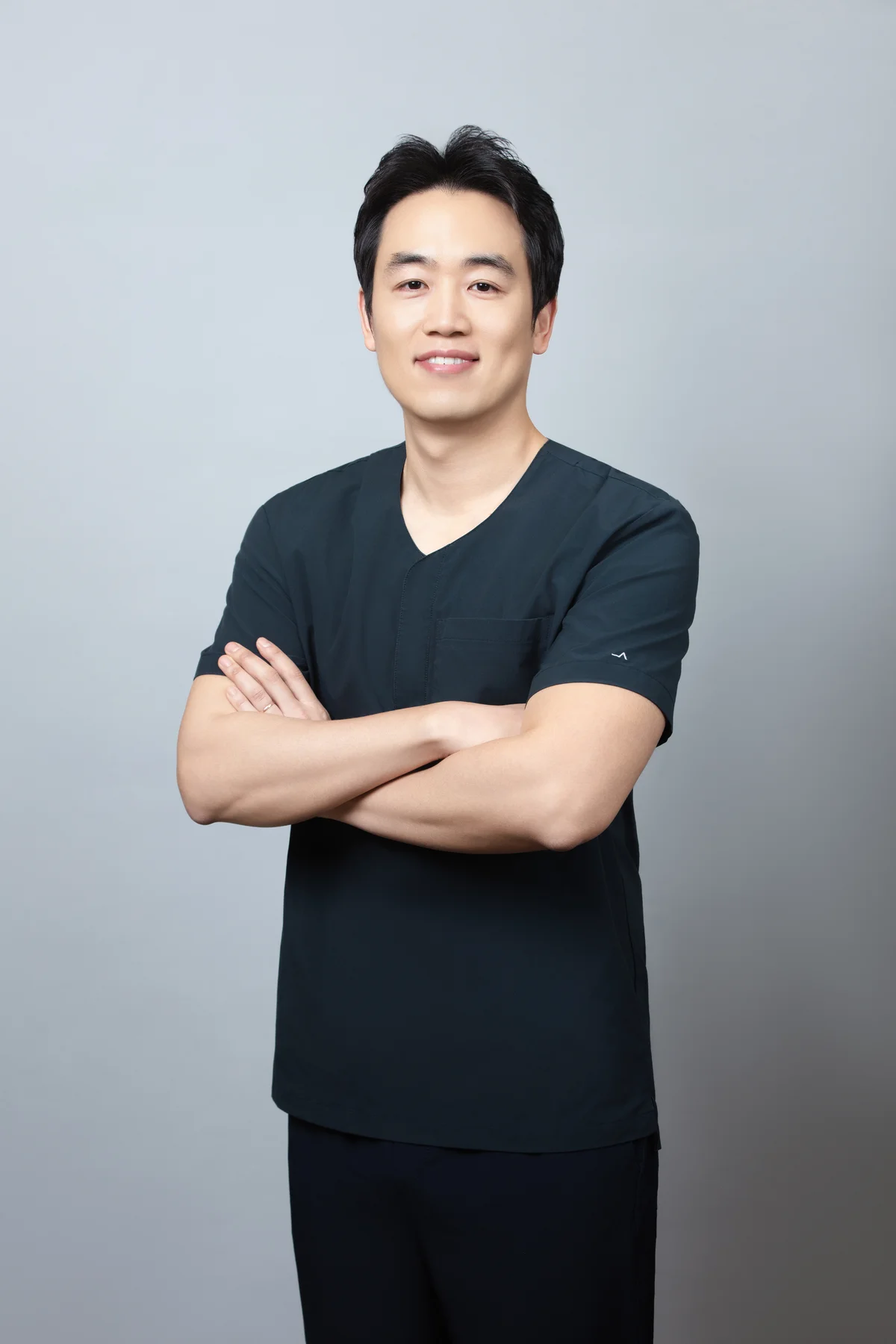
Dr. Yoongon Ryu
Aesthetic Medicine Specialist
Flagship clinic · KOL for leading lifting & regenerative devices


A nose thread lift inserts absorbable PDO threads along the bridge and tip to add height and definition without surgery, with structure supported by collagen over 2 to 3 months.
A nose thread lift inserts fine absorbable PDO threads along the bridge and into the tip to add height, straighten the line, and lift the tip without surgery. The threads create immediate structure, then dissolve over months while collagen forms a firmer scaffold. It needs minimal downtime and suits people wanting subtle, non-surgical refinement rather than major reshaping.
One-on-One guidance from a dedicated doctor, ensuring your skin is professionally monitored and treated from start to finish.
Fluent assistance in English, Japanese, and Chinese, making communication clear, respectful and comfortable for international patients.
Over 100,000 patients worldwide have received our personalized dermatological care, highlighting our expertise and reliable results.
A nose thread lift is a non-surgical procedure that uses fine, absorbable threads to add height and definition to the nose. Rather than cutting or grafting, a doctor inserts mono and multi-directional PDO threads along the bridge to lift and straighten the dorsal line, and into the tip to give it more projection and a slightly raised, refined shape. Because the threads sit within the soft tissue, the change is subtle and natural rather than a dramatic rebuild.
The threads are made from polydioxanone (PDO), an absorbable material long used in surgical sutures. Stacked along the bridge, the threads act as a temporary scaffold that the body reinforces with new collagen over the following months; the PDO then dissolves while the collagen it stimulated continues to provide structure. This is why a nose thread lift offers a defined but gradual result, and why it is best understood as enhancement of your existing nose shape rather than a substitute for surgical rhinoplasty.
Because a nose thread lift is consultation-led, the number of threads and their placement depend on your nasal anatomy, skin thickness, and goals, and your doctor will explain what is realistic for your nose. A nose thread lift refines rather than reconstructs, so it does not narrow bone or treat significant structural concerns. Reberry Clinic serves international patients across three Seoul-area locations (Gangnam, Myeongdong, Incheon Airport), and each nose plan is assessed and performed by the clinic’s doctors and explained in English.
A nose thread lift relies on absorbable PDO threads, not energy, heat, or implants. Along the bridge, several mono threads are stacked through a fine needle to act as a vertical scaffold that lifts and straightens the dorsal line; in the tip, multi-directional or molded threads add projection and a small lift of around 1 to 2 mm. The threads provide immediate structure, and the body then surrounds them with new collagen, a controlled fibrotic response that firms and reinforces the column over roughly 8 to 12 weeks. PDO typically dissolves over about 6 months, but the collagen scaffold it stimulates persists, which is why some definition can remain after the threads are gone. The nasal area is delicate and richly supplied with blood vessels, so the clinic’s doctors place each thread carefully at the correct depth and number to balance height, symmetry, and safety.
One Reberry Clinic, multiple Seoul-area locations. Pricing & current promotions are listed on each branch's own site — tap a clinic to view pricing & book.
Our flagship in the heart of Gangnam.
In Seoul's shopping & tourism heart.
A beauty stop between flights.
The newest Reberry Clinic — in Seoul's trend district.
ONE REBERRY CLINIC · MFDS-REGISTERED DEVICES · MULTILINGUAL CARE AT EVERY LOCATION

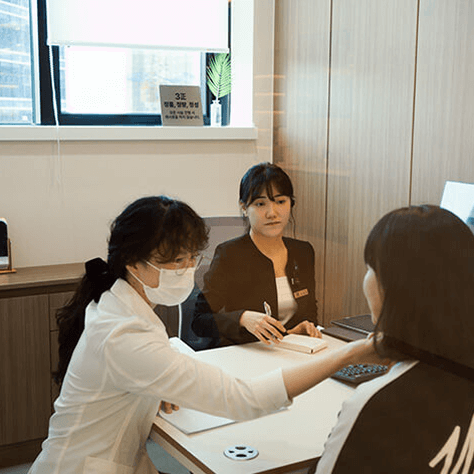
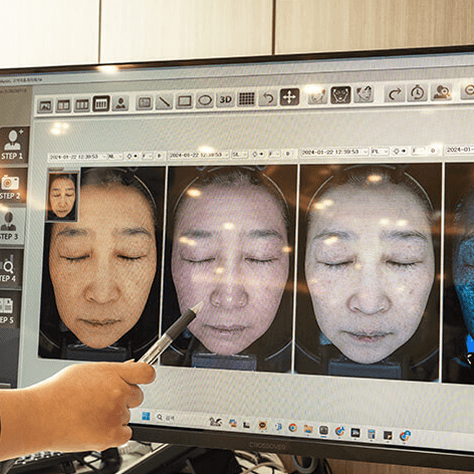
The clinic’s doctors assess your bridge height, tip, and skin thickness, planning the number of threads for the dorsum and tip across 1 treatment.
A local anaesthetic or numbing cream is applied; the procedure usually takes about 15 to 30 minutes, shorter than most facial thread lifts.
Several absorbable PDO mono threads are stacked along the bridge through a fine needle to build a scaffold that straightens the dorsal line.
Multi-directional threads in the tip add projection and a small lift of around 1 to 2 mm for a more defined profile.
Over roughly 8 to 12 weeks the threads stimulate a collagen scaffold, then dissolve over about 6 months for PDO.

See representative outcomes from Reberry Clinic. Results build gradually and vary by individual; your plan is assessed at consultation.
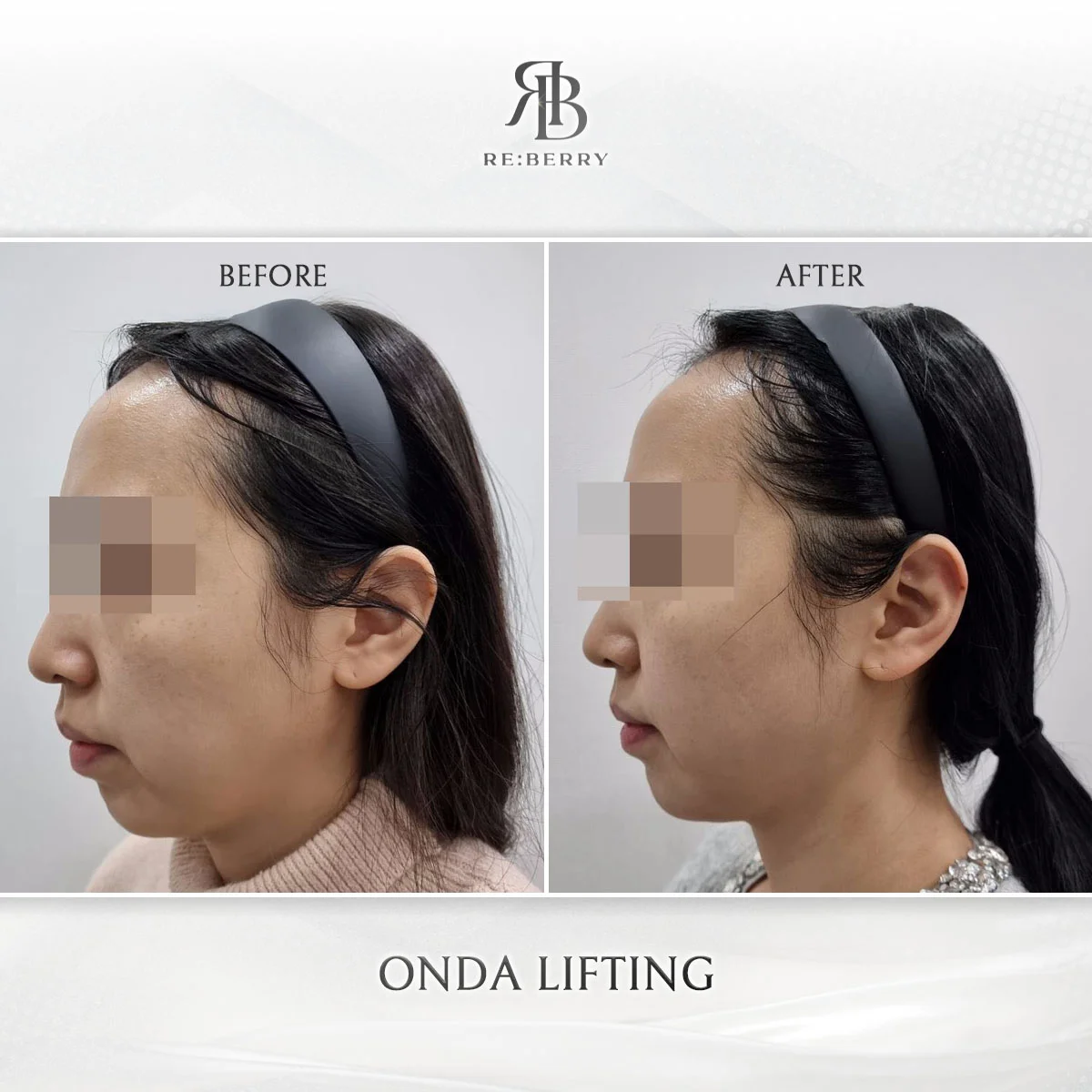
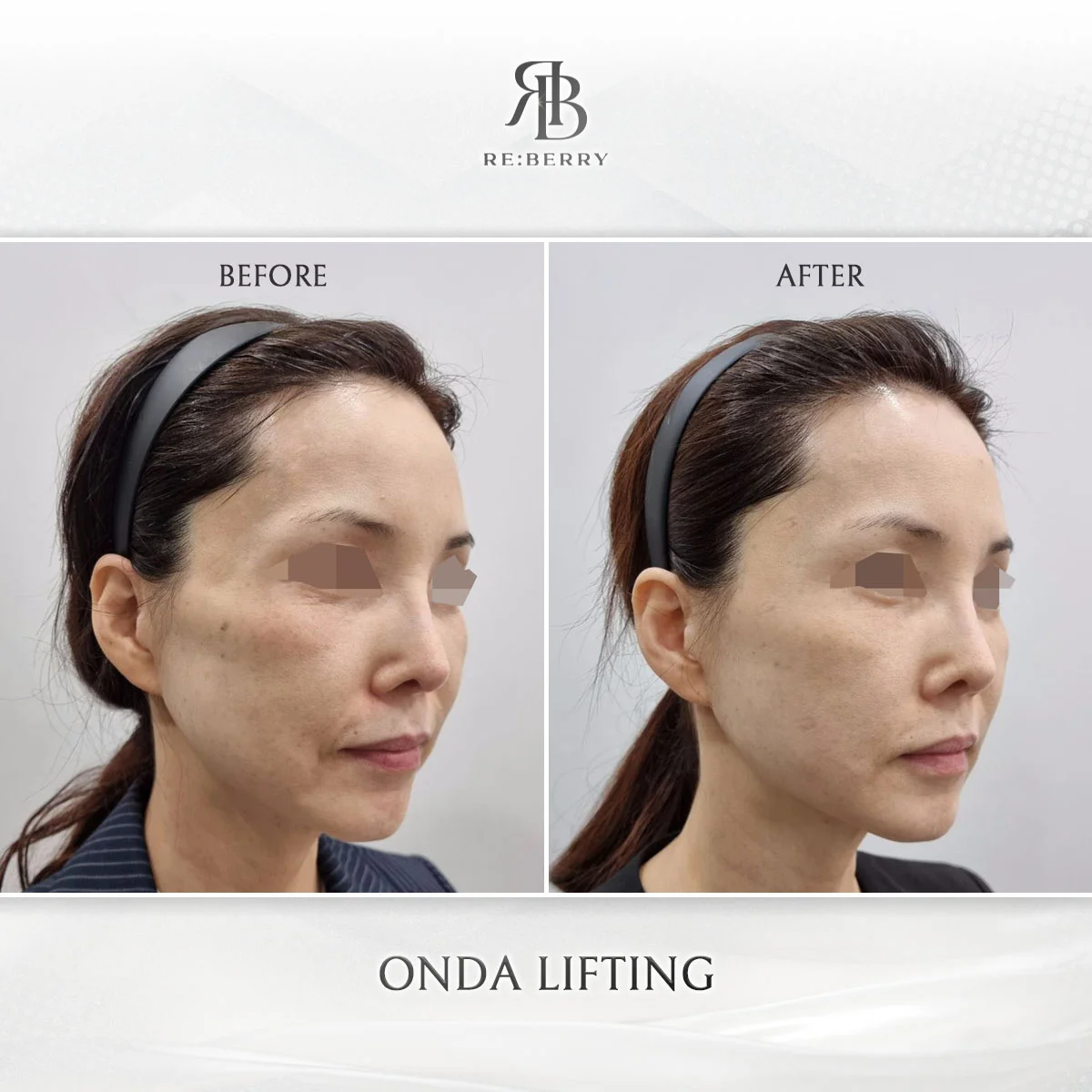
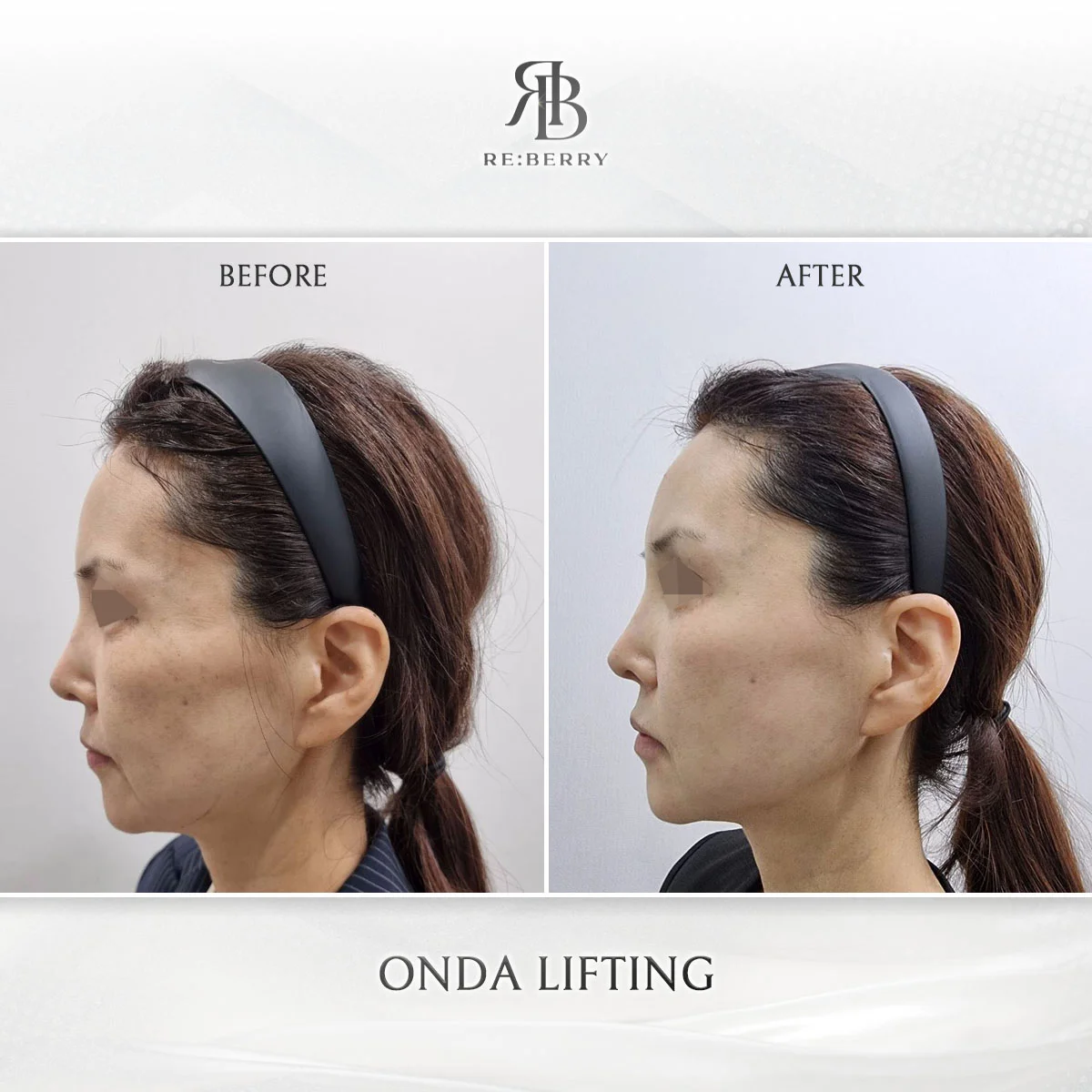
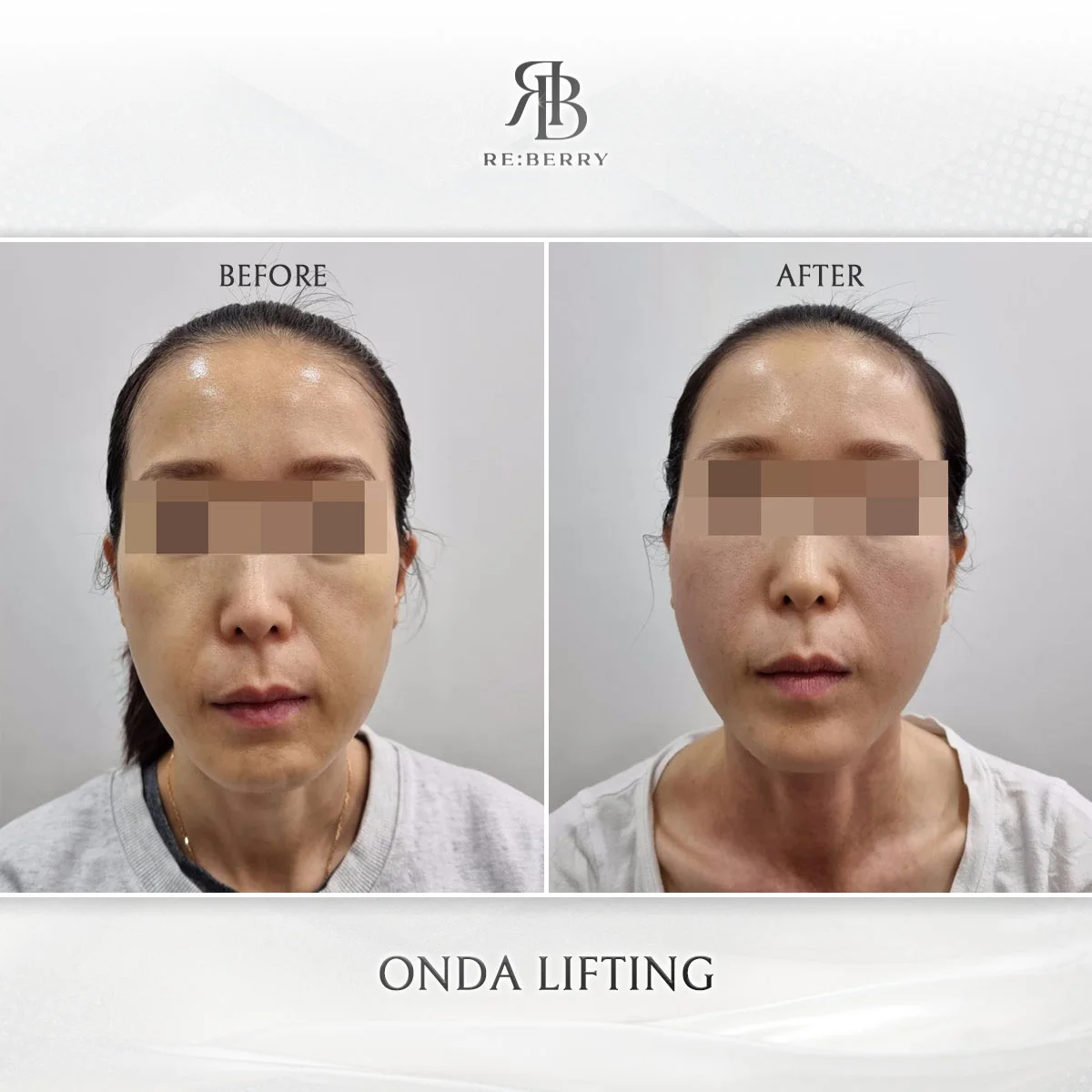
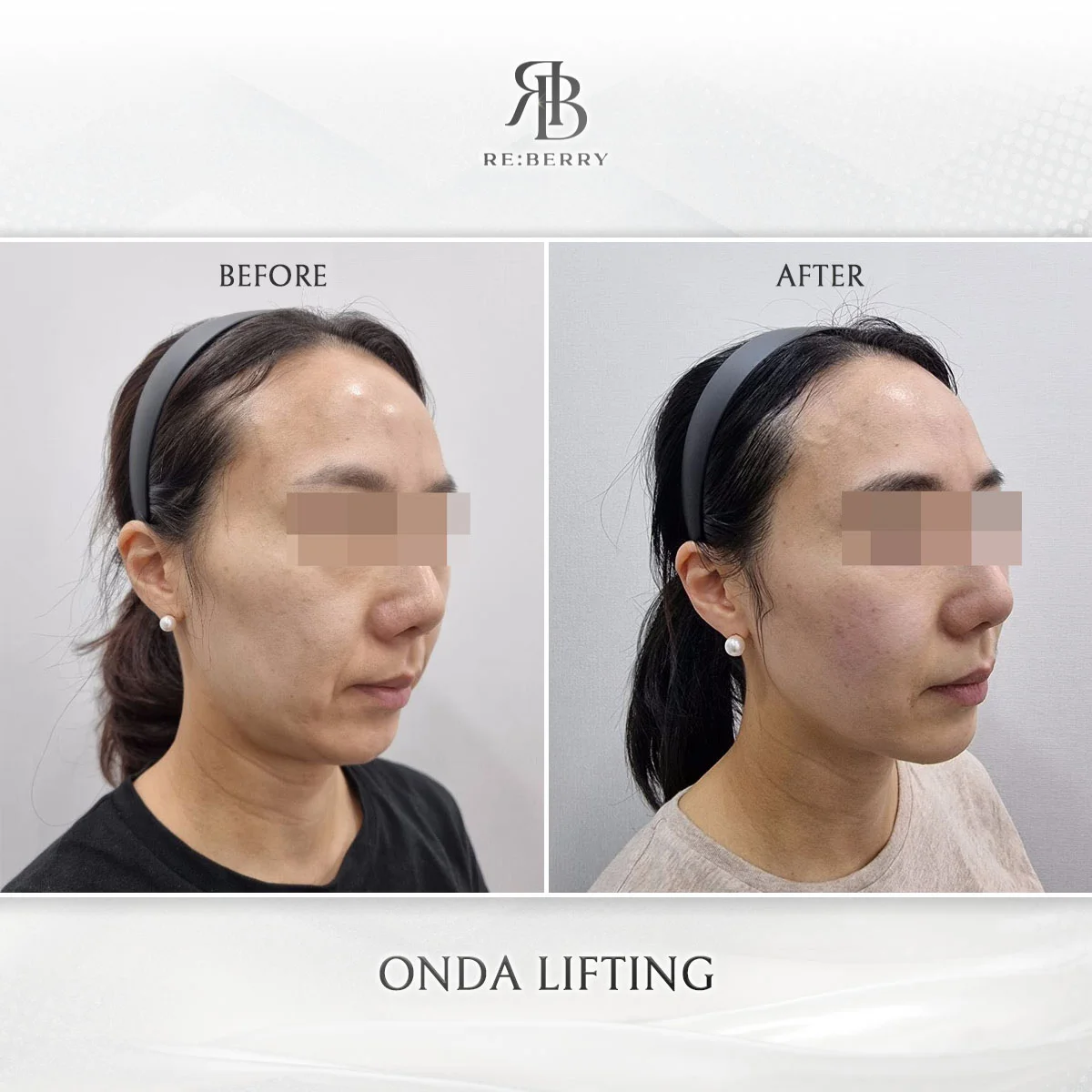
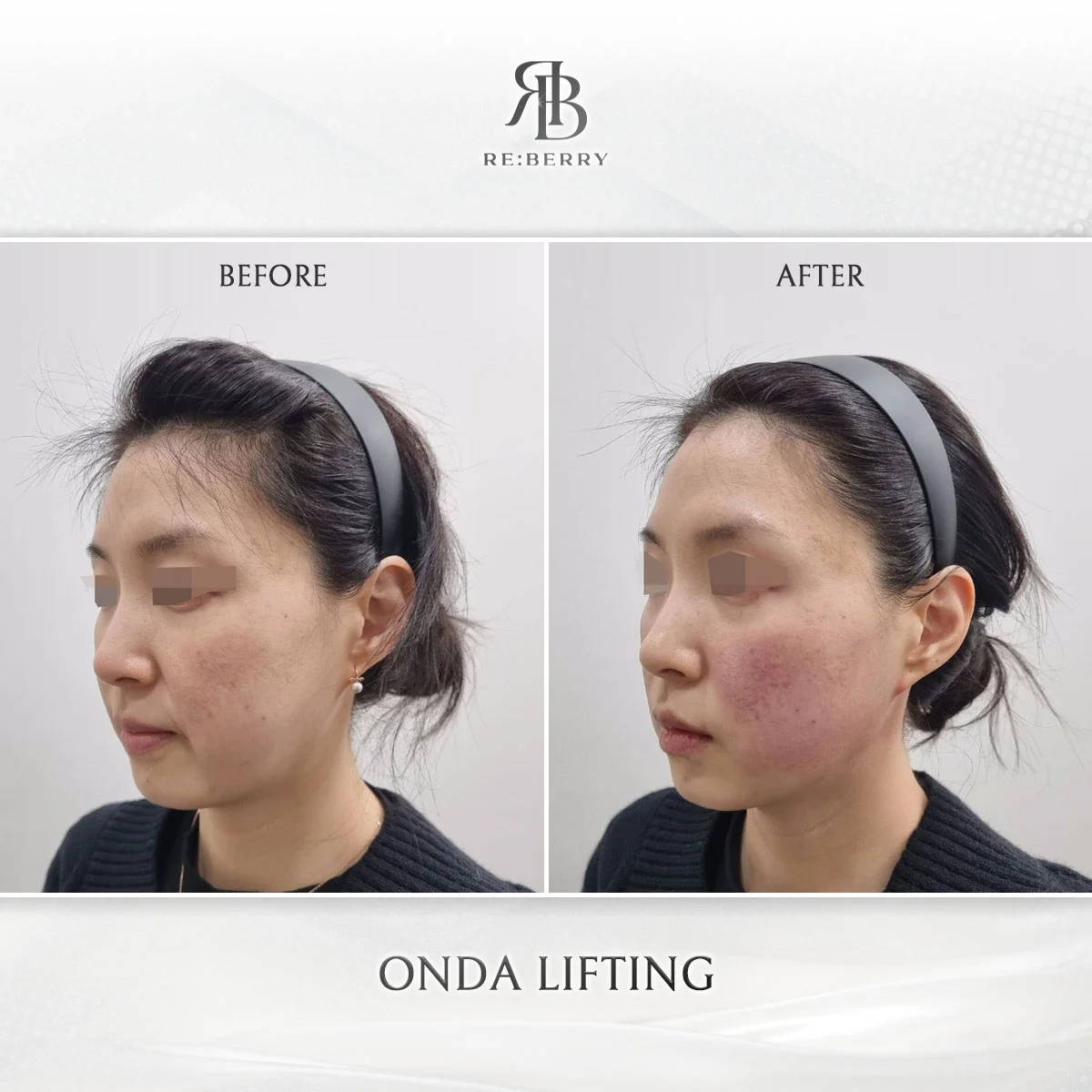
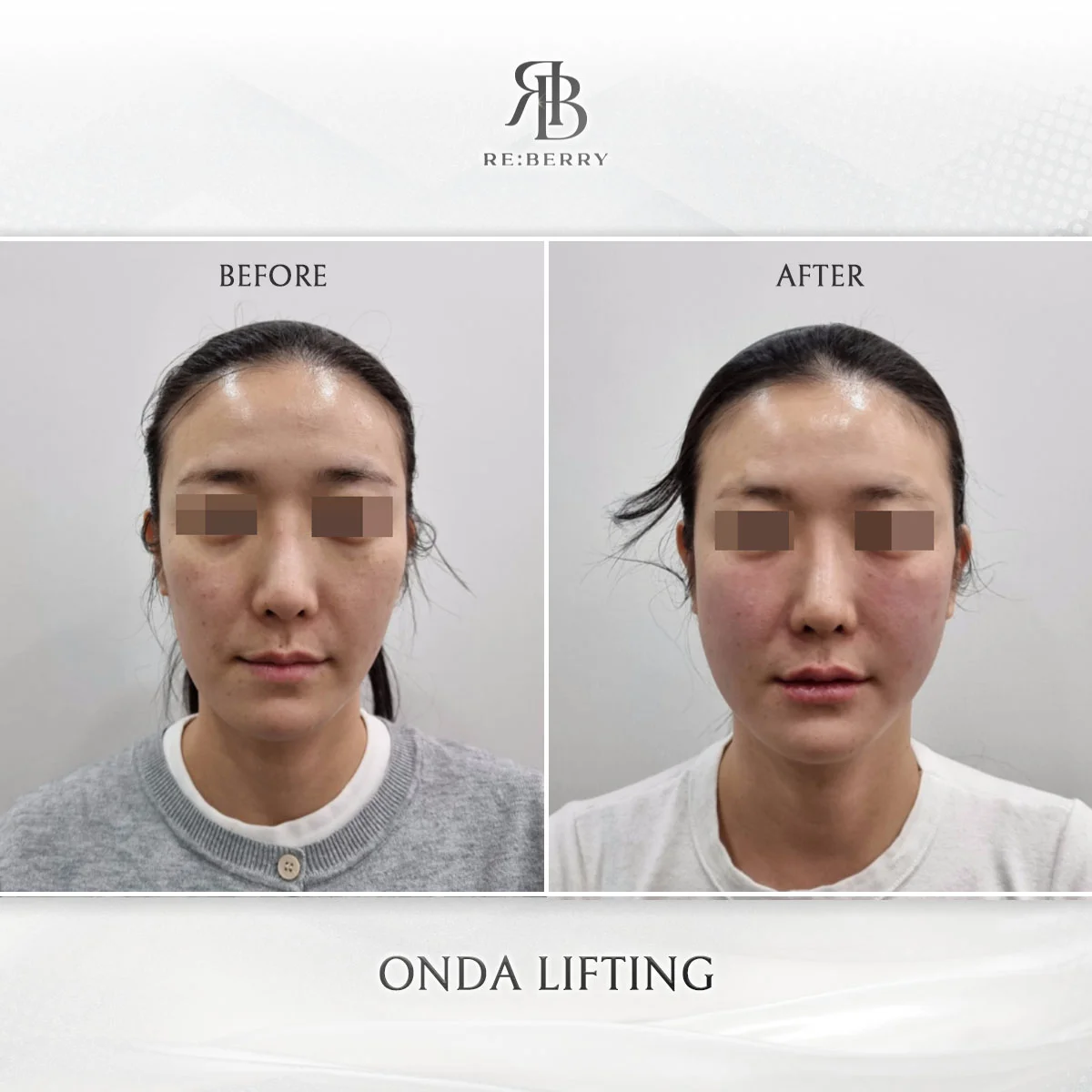
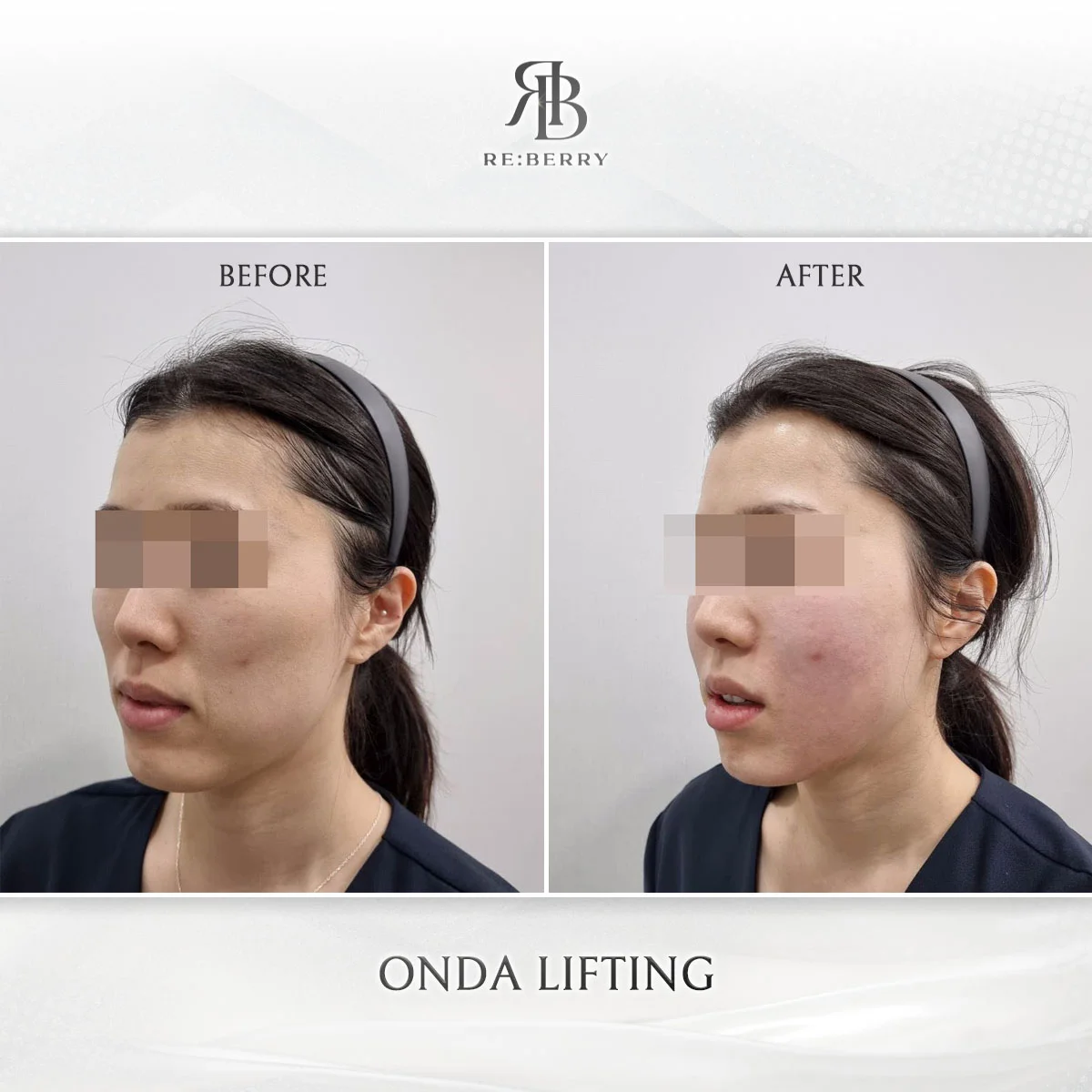
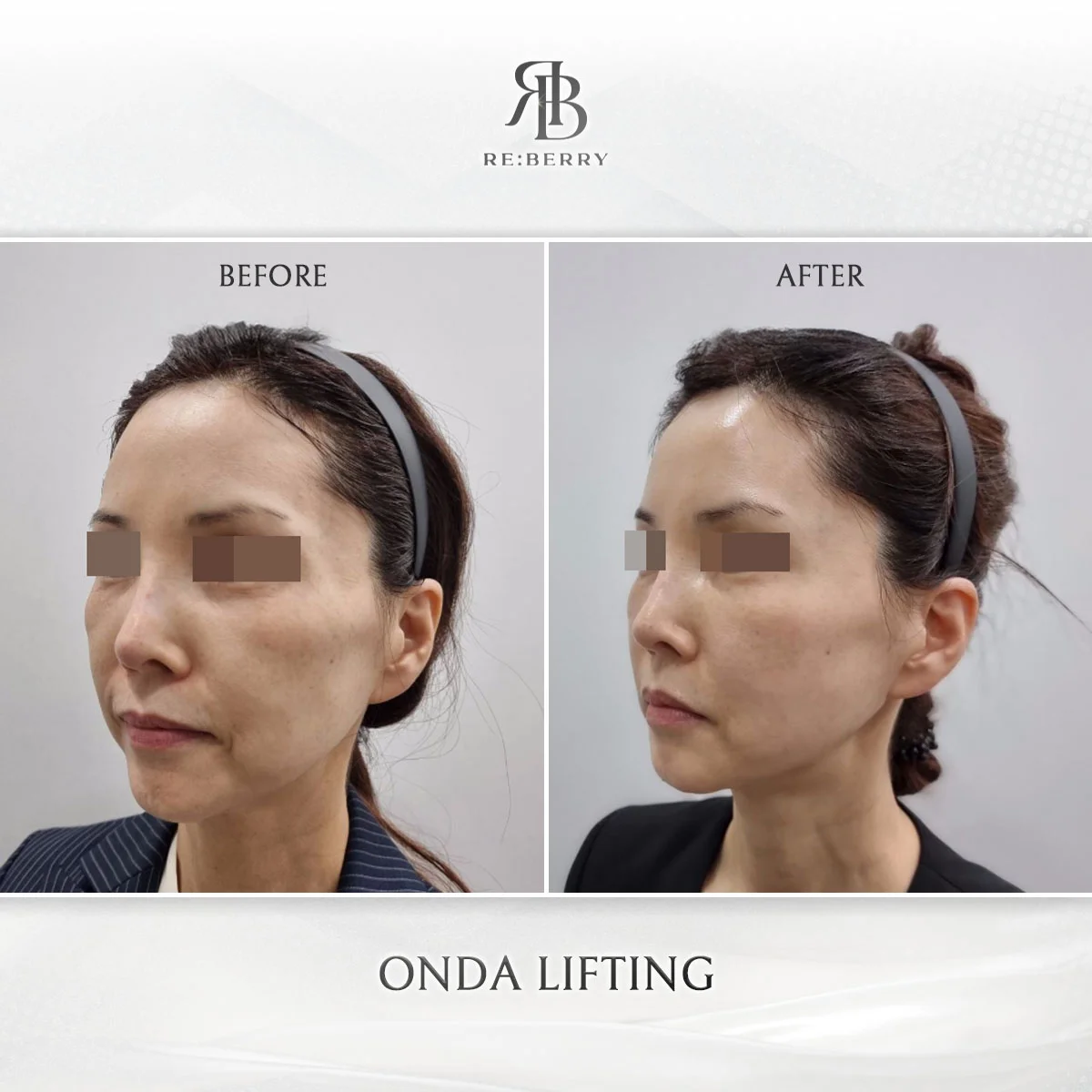
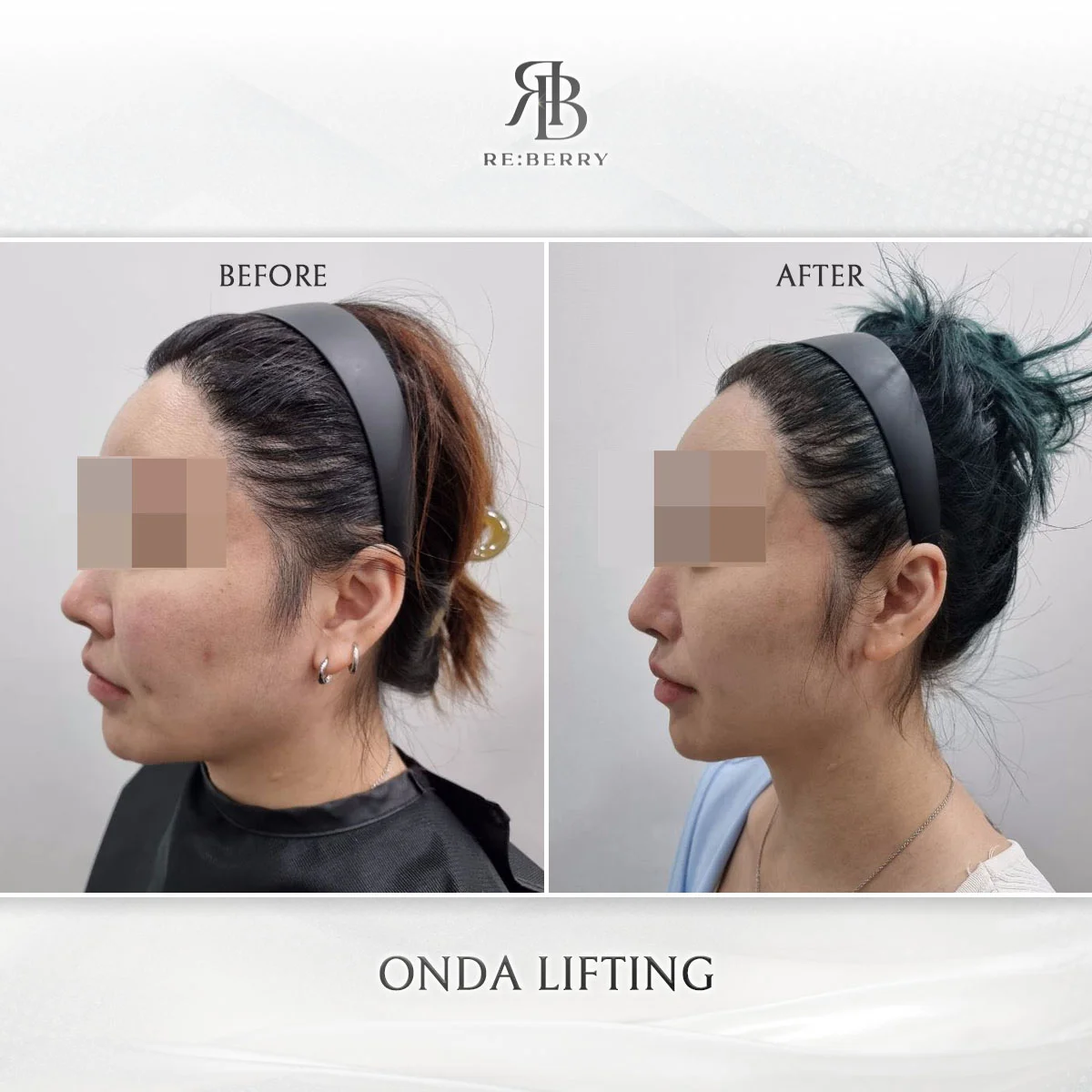
The clinic’s doctors assess your bridge and tip, plan the number of threads, and explain a realistic, non-surgical outcome in English.
After numbing, threads are placed along the bridge and tip in about 15 to 30 minutes, and you return home the same day.
Most patients complete treatment in 1 short visit with simple aftercare.
You see an immediate change in height and tip definition, which settles as mild swelling resolves, while collagen builds over 2 to 3 months.
Results often last around 12 months; avoid pressing, rubbing, or wearing heavy glasses on the nose early to protect the threads.

A nose thread lift inserts fine absorbable PDO threads along the bridge and into the tip to add height and definition without surgery, part of the broader thread lift family. The threads create an immediate scaffold, then dissolve while new collagen reinforces the structure over a few months.
The threads are absorbable polydioxanone (PDO), a material long used in surgical sutures. PDO typically dissolves over about 6 months. While the threads are present they form a scaffold that the body reinforces with new collagen, so some structure can remain after the material is gone, though the effect is gradual rather than permanent like surgery.
Adults wanting subtle height or tip definition without surgery are typical candidates, especially those with a slightly low bridge or under-projected tip. Major reshaping or breathing concerns are better suited to surgery. Many patients combine a nose thread lift with a facial thread lift plan; a consultation confirms what is realistic for you.
The nose is numbed with cream or a local anaesthetic, so you mainly feel pressure and a brief insertion sensation rather than sharp pain during the procedure. Afterward, mild tenderness, slight soreness, or a feeling of tightness on the bridge is common for a few days. Most people find the discomfort easily manageable as it settles.
Downtime is minimal: expect mild swelling, slight tenderness, and occasionally a small bruise at an entry point for a few days. You can usually return to normal activities quickly, but you should avoid pressing the nose, sleeping face-down, and wearing heavy glasses early on. Many visitors resume sightseeing within a day or two.
You see an immediate change in bridge height and tip definition right after the procedure, though it looks most natural once mild swelling settles over several days to two weeks. The collagen scaffold then continues to firm the structure over 2 to 3 months, so the final result combines the early lift with gradual reinforcement of the nasal line.
Results commonly last around 12 months, varying with skin thickness, the number of threads, and how the collagen scaffold develops, since the PDO dissolves while natural ageing continues. Many patients repeat treatment to maintain definition. A consistent skin care routine and sun protection support the surrounding skin.
No, a nose thread lift is a non-surgical refinement, not a rhinoplasty. It adds height and tip definition with absorbable threads and a collagen scaffold, but it cannot narrow bone, correct breathing problems, or make large structural changes. It enhances your existing nose shape subtly, whereas surgery reconstructs the nose with cartilage, grafts, or implants.
Yes, a nose thread lift is often combined with a small amount of filler or with facial threads, sequenced safely by your doctor, since some people use filler for the bridge and threads for the tip. Many patients also plan a wider thread lift for the lower face on the same visit to harmonise the overall profile.
A nose thread lift has a documented safety profile when performed by trained doctors using absorbable threads, with side effects usually limited to temporary swelling, tenderness, or minor bruising. The nose is delicate and vascular, so careful depth, placement, and thread count matter to reduce uncommon issues such as thread visibility or infection. An experienced operator is especially important for the nose.
Expect mild swelling, slight tenderness, and occasionally a small bruise for several days. A brief feeling of tightness or a thread sensation on the bridge can occur early and usually settles. Rarely, a thread may become palpable or need adjustment. Serious complications are uncommon when threads are placed correctly at the right depth by a trained doctor.
In most cases the threads are placed deep enough that they are neither visible nor felt once healing settles. Early on you might feel slight firmness or a thread sensation on the bridge, which usually fades within weeks. If anything remains palpable or visible, your doctor can review and adjust the nose at follow-up to keep the line smooth.
Aftercare protects the new structure: avoid pressing or rubbing the nose, sleeping face-down, wearing heavy glasses, saunas, and strenuous exercise for one to two weeks. Do not massage the area, keep entry points clean, and protect skin from sun. Your clinic provides written aftercare so you can follow it confidently once you travel home.
Plan for about 2 to 4 days, allowing consultation, the short procedure, and a brief review once early swelling settles. Because a small bruise is possible, a little buffer is wise before key events. You can pair it with a facial option like a thread lift for the lower face if your doctor advises.
Yes, flying a day or two after a nose thread lift is generally fine, since it is minimally invasive, though mild swelling or tenderness on the nose may still be present. Avoid pressing the nose, keep it protected from sun, and stay hydrated. Your doctor will confirm the best timing based on how many threads were used.
International patients can arrange remote check-ins in English after returning home, with the bridge and tip reviewed as swelling settles and the collagen scaffold develops. If you want complementary care later, you can explore our skin care options. Your treatment plan and notes are kept on file for any future visit to Seoul.
A nose thread lift adds structure with absorbable threads; here is how it compares with two other non-surgical approaches.
| Nose Thread Lift | Nose Filler | Surgical Rhinoplasty | |
|---|---|---|---|
| Mechanism | Absorbable PDO threads + collagen scaffold | Hyaluronic acid filler adds volume | Cartilage/bone reshaping with implants or grafts |
| Best for | Adding height and tip definition without surgery | Smoothing the bridge and camouflaging bumps | Major reshaping or structural correction |
| Pain / comfort | Numbing cream or local; brief insertion sensation | Numbing; injection pressure | Surgical anaesthesia |
| Downtime | A few days of mild swelling or tenderness | Minimal | Weeks of recovery |
| Results timeline | Immediate structure, collagen over 2 to 3 months | Immediate | Settles over months |
| Longevity | Often around 12 months, varies | Around 6 to 18 months, varies | Long-lasting |
| Reversibility | Threads absorb naturally | Can be dissolved | Permanent |
| Cost factors | Varies by number of threads | Varies by amount of filler | Varies widely by procedure |
Real verified reviews from our Google Business Profile, across all Reberry Clinic locations.
PULLED LIVE FROM GOOGLE · GANGNAM · MYEONGDONG · INCHEON AIRPORT
Your treatment is planned and performed by experienced, MFDS-registered doctors across our Seoul-area clinics, with multilingual support for international patients.
Flagship clinic · KOL for leading lifting & regenerative devices
Multilingual tourist care beside Myeongdong Cathedral

Fast, effective care 20 minutes from the terminals
Message us on WhatsApp for a free consultation in English about a nose thread lift in Seoul.