



Gangnam
Dr. Yoon-Gon Ryu
Aesthetic Medicine Specialist
Flagship clinic · KOL for leading lifting & regenerative devices · Featured in Authority Magazine (2026)

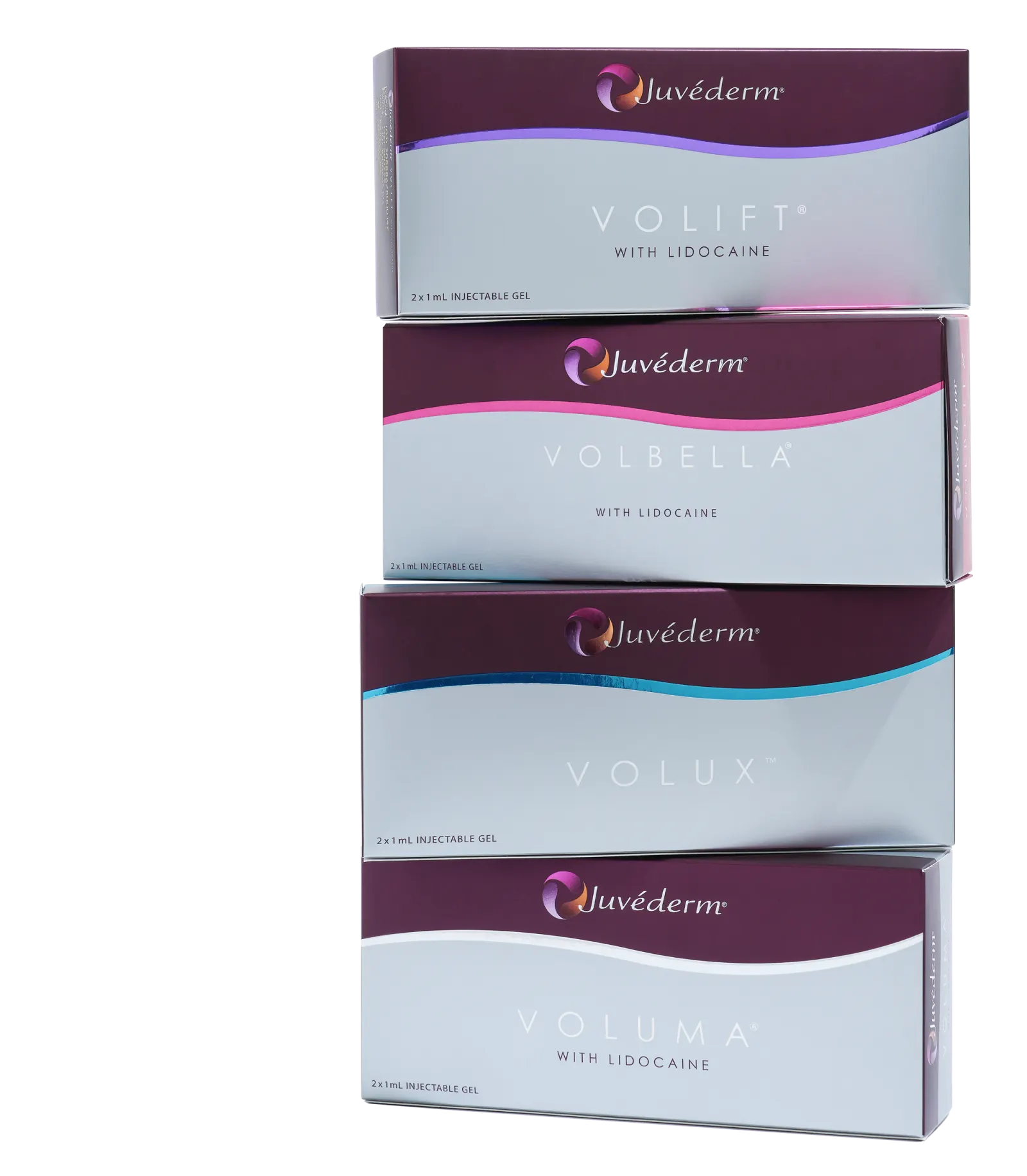
The eye area spans up to 3 zones (tear trough, under-eye, temple), so cost reflects how many zones and which HA or booster approach your plan addresses.
Periorbital rejuvenation cost at our Incheon Airport (Yeongjongdo) location depends on which eye-area zones are treated (tear trough, under-eye, temple), whether hyaluronic acid filler, a skin booster, or both are used, and how many sessions are needed. Because the periorbital area is delicate, Dr. Sunbeen Kim, Medical Director, confirms your cost at consultation.
One-on-One guidance from a dedicated doctor, ensuring your skin is professionally monitored and treated from start to finish.
Fluent assistance in English, Japanese, and Chinese, making communication clear, respectful and comfortable for international patients.
Over 100,000 patients worldwide have received our personalized dermatological care, highlighting our expertise and reliable results.
Periorbital rejuvenation cost at Incheon Airport, Korea is shaped less by a single price tag and more by what the eye area actually needs. The periorbital region includes the tear trough (the hollow between the lower lid and cheek), the under-eye, and the temples, and these often relate to each other. A tired eye look can come from a true hollow, from lost temple and cheek support above and around it, or from skin quality changes, so the number of zones your plan addresses is the biggest cost driver.
The second driver is the approach. Volume loss in the tear trough or temple is typically corrected with a soft, low-swelling hyaluronic acid (HA) filler, while crepey texture and fine lines respond better to a skin booster that improves skin quality rather than adding contour. Some patients need only one; others benefit from a combined plan, and each choice changes the cost. Number of sessions matters too, since boosters usually run as a short series.
At Reberry Clinic, periorbital care is consultation-led and conservative, because the under-eye is one of the most technique-sensitive areas of the face. Dr. Sunbeen Kim, Medical Director at our Incheon Airport (Yeongjongdo) location near ICN, assesses the eye area, builds a tailored plan, and explains cost transparently in English, convenient for transit and near-airport patients.
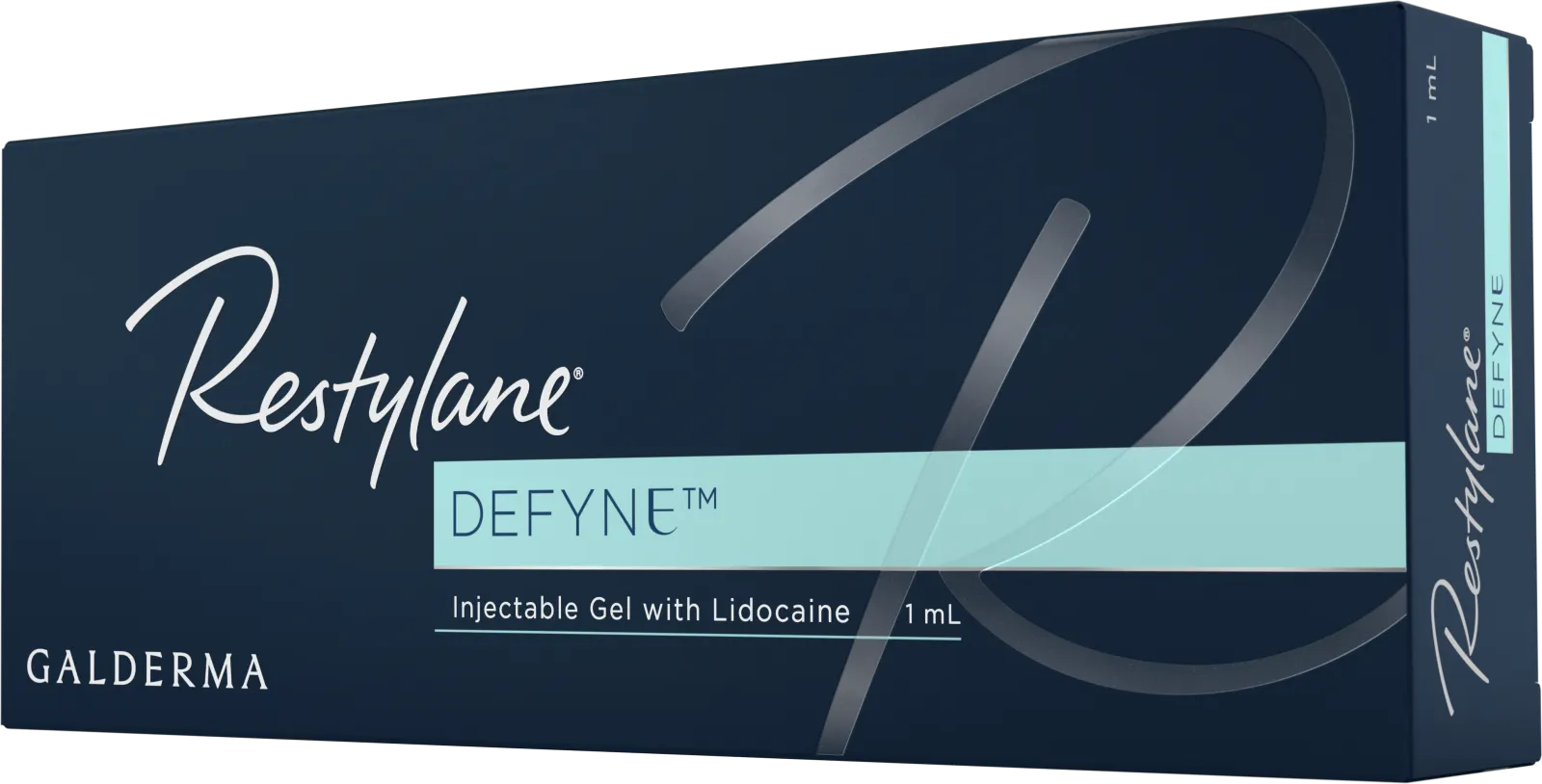
The periorbital area is corrected by matching the tool to the problem, which is why cost varies. A true tear-trough hollow or a flat temple is a volume issue, best treated with a soft, low-hydrophilic HA filler placed deep and conservatively so it does not draw water and puff under the thin lower-lid skin. Because this skin is delicate and vascular, doctors often use a blunt cannula and small volumes, frequently under 1 syringe across both eyes, prioritising safety over speed. Crepey texture, fine lines, and dull under-eye skin are quality issues rather than volume issues, and respond to a skin booster that improves hydration and elasticity over a short series of sessions rather than a single fill. Temple support is often addressed first because restoring the upper framework can lift the whole eye region and reduce how much under-eye product is needed. Since these zones and tools combine differently for each face, and boosters run as a course, your final cost is confirmed after assessment rather than from a fixed menu.
One Reberry Clinic, multiple Seoul-area locations. Pricing & current promotions are listed on each branch's own site — tap a clinic to view pricing & book.
Our flagship in the heart of Gangnam.
In Seoul's shopping & tourism heart.
A beauty stop between flights.
The newest Reberry Clinic — in Seoul's trend district.
ONE REBERRY CLINIC · MFDS-REGISTERED DEVICES · MULTILINGUAL CARE AT EVERY LOCATION
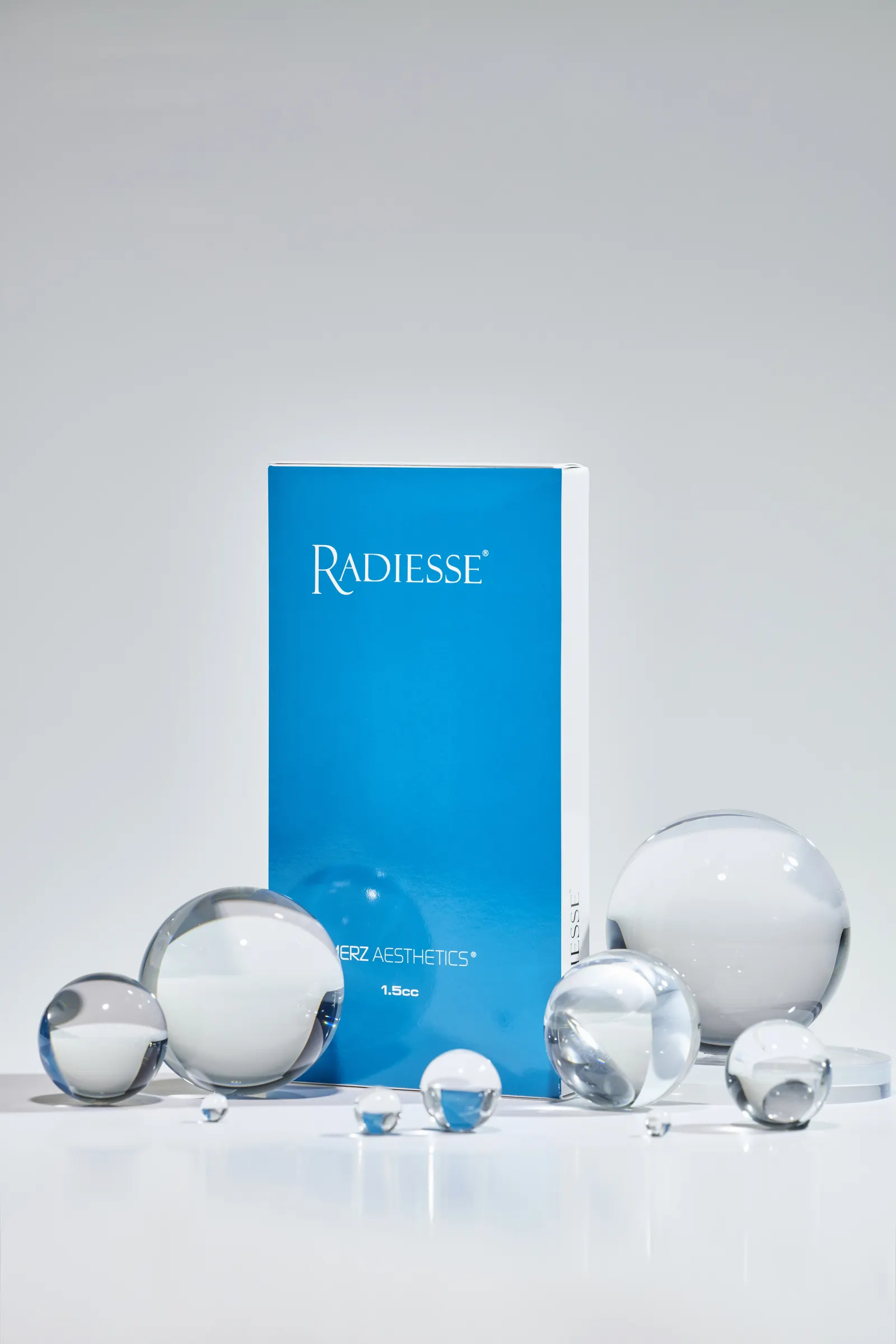

The doctor examines the 3 zones (tear trough, under-eye, temple) and identifies whether the issue is volume, skin quality, or both.
Hollows use a soft HA filler while texture uses a booster, so each of the zones may use a different tool, changing the cost.
The under-eye often uses under 1 syringe of HA, while boosters run as a series of 2 to 3 sessions, so cost scales with both.
Temple or cheek support is often treated first, which can reduce how much under-eye product 1 plan needs.
After assessment, Dr. Sunbeen Kim gives you a transparent, individualised cost in English rather than a single fixed price.

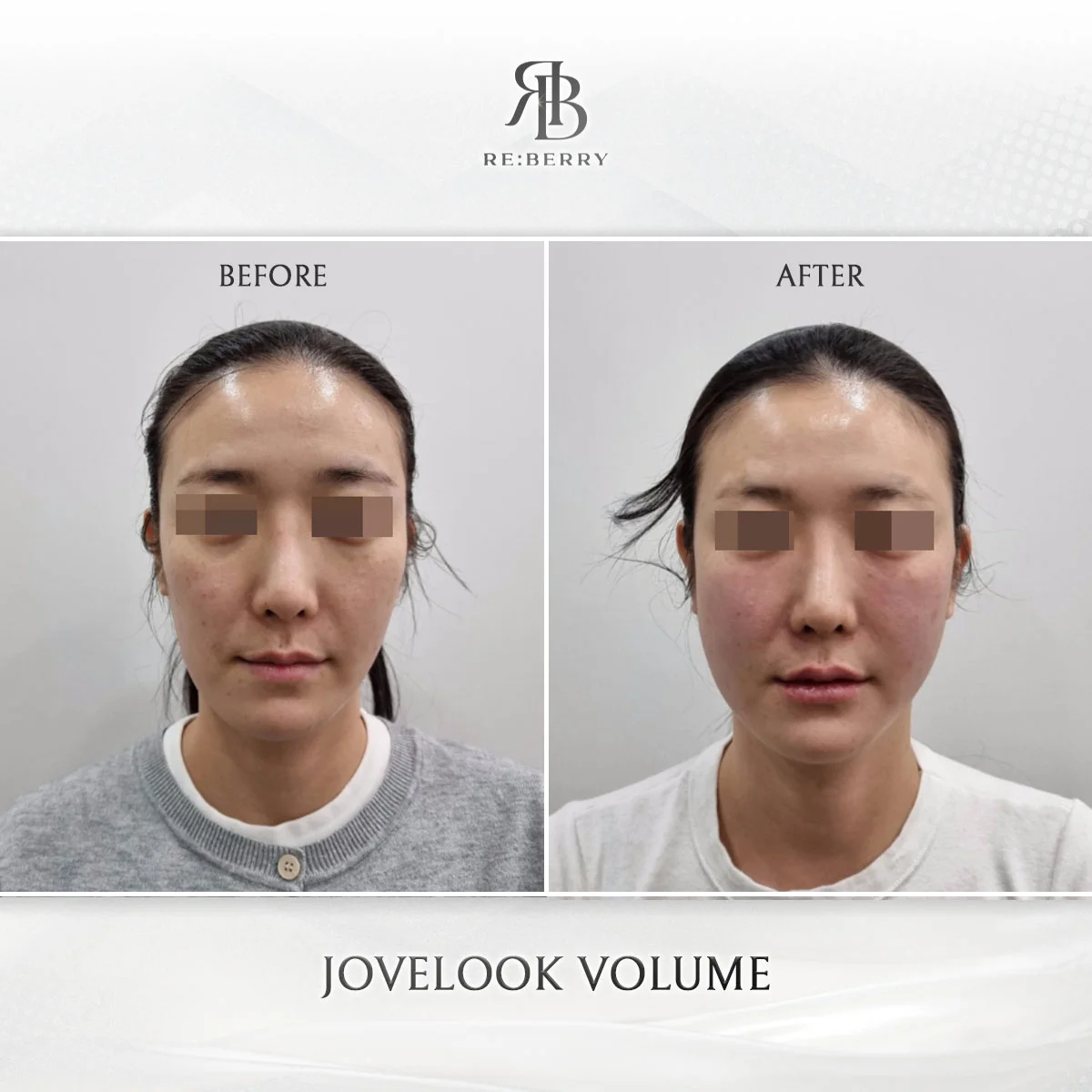
See representative outcomes from Reberry Clinic. Results build gradually and vary by individual; your plan is assessed at consultation.
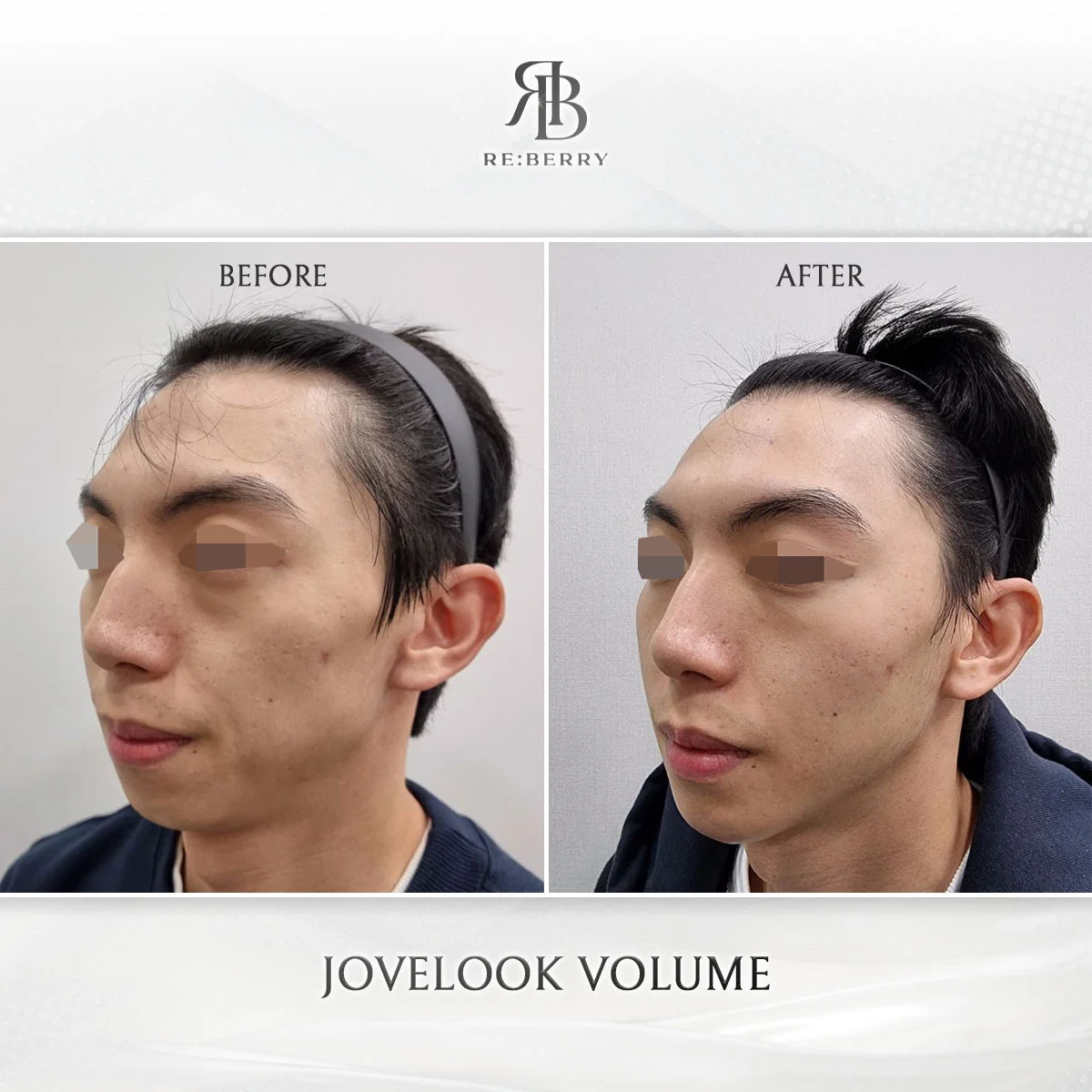
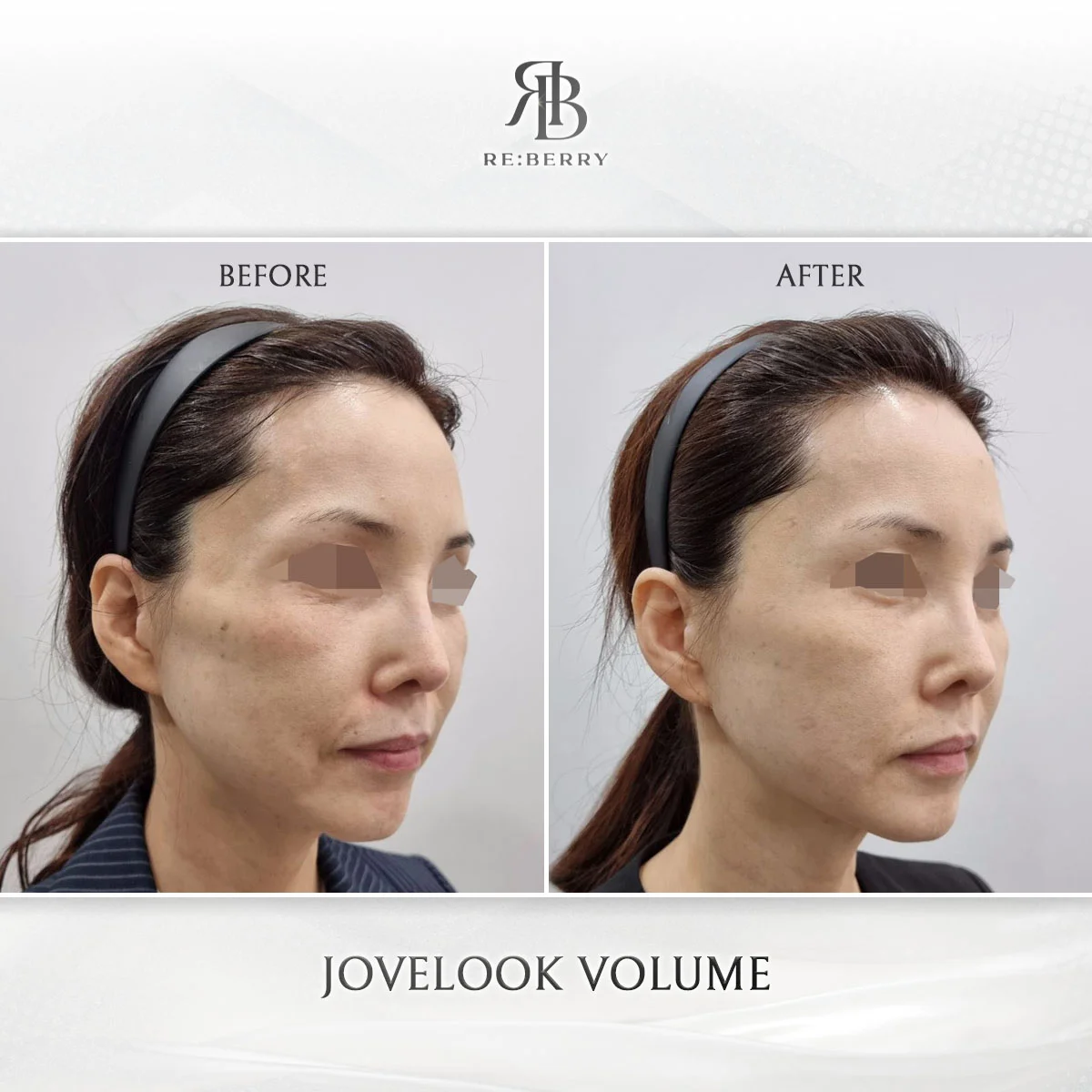
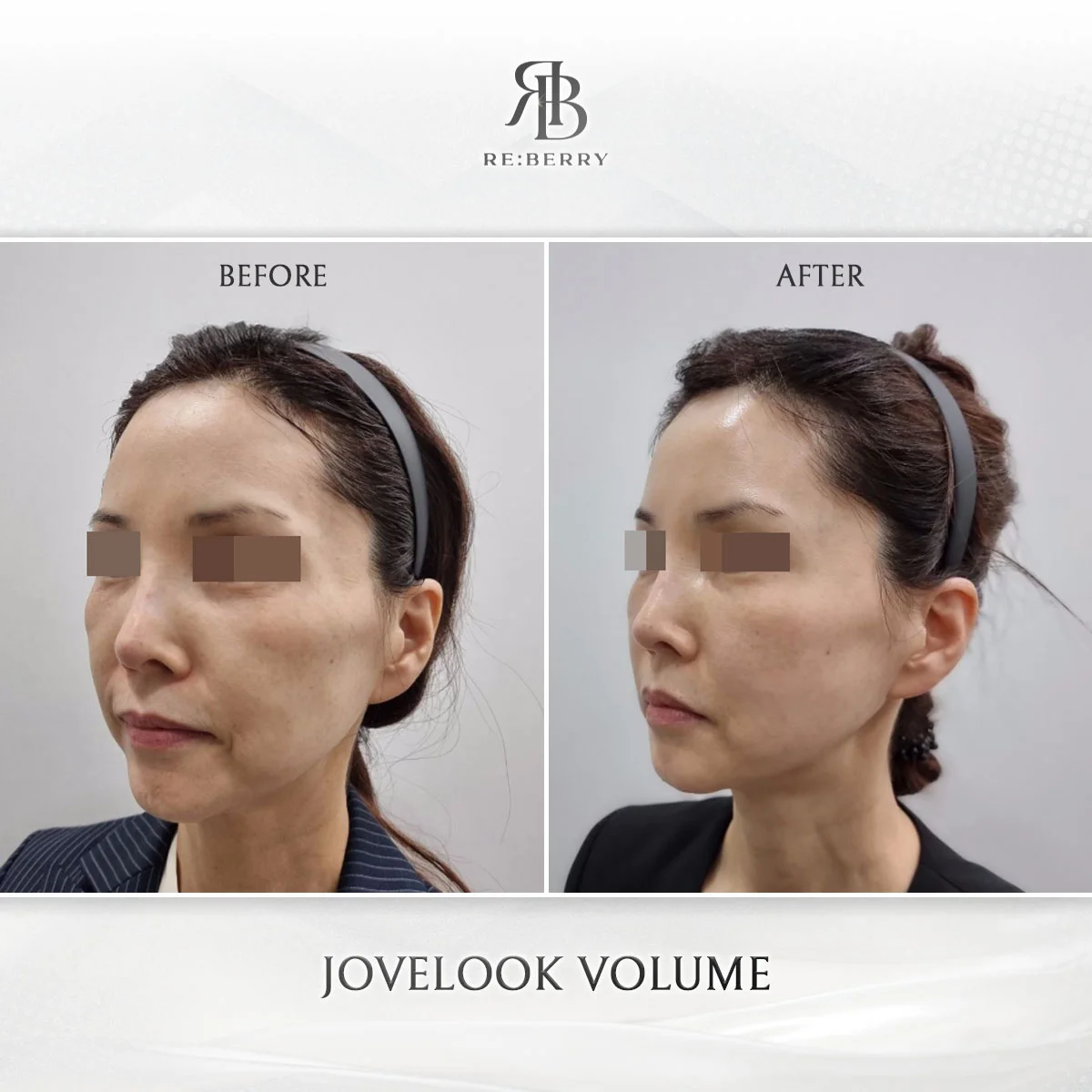
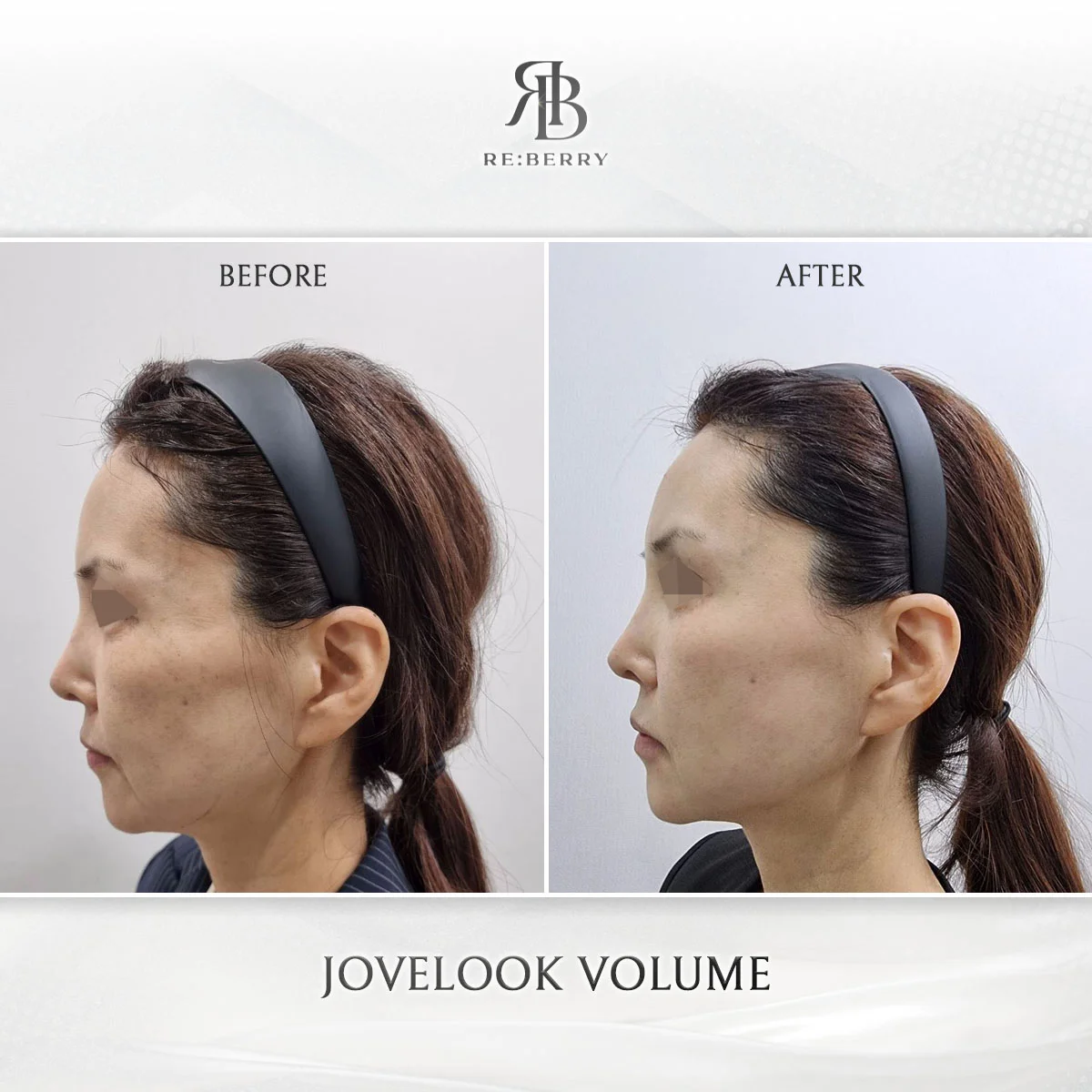
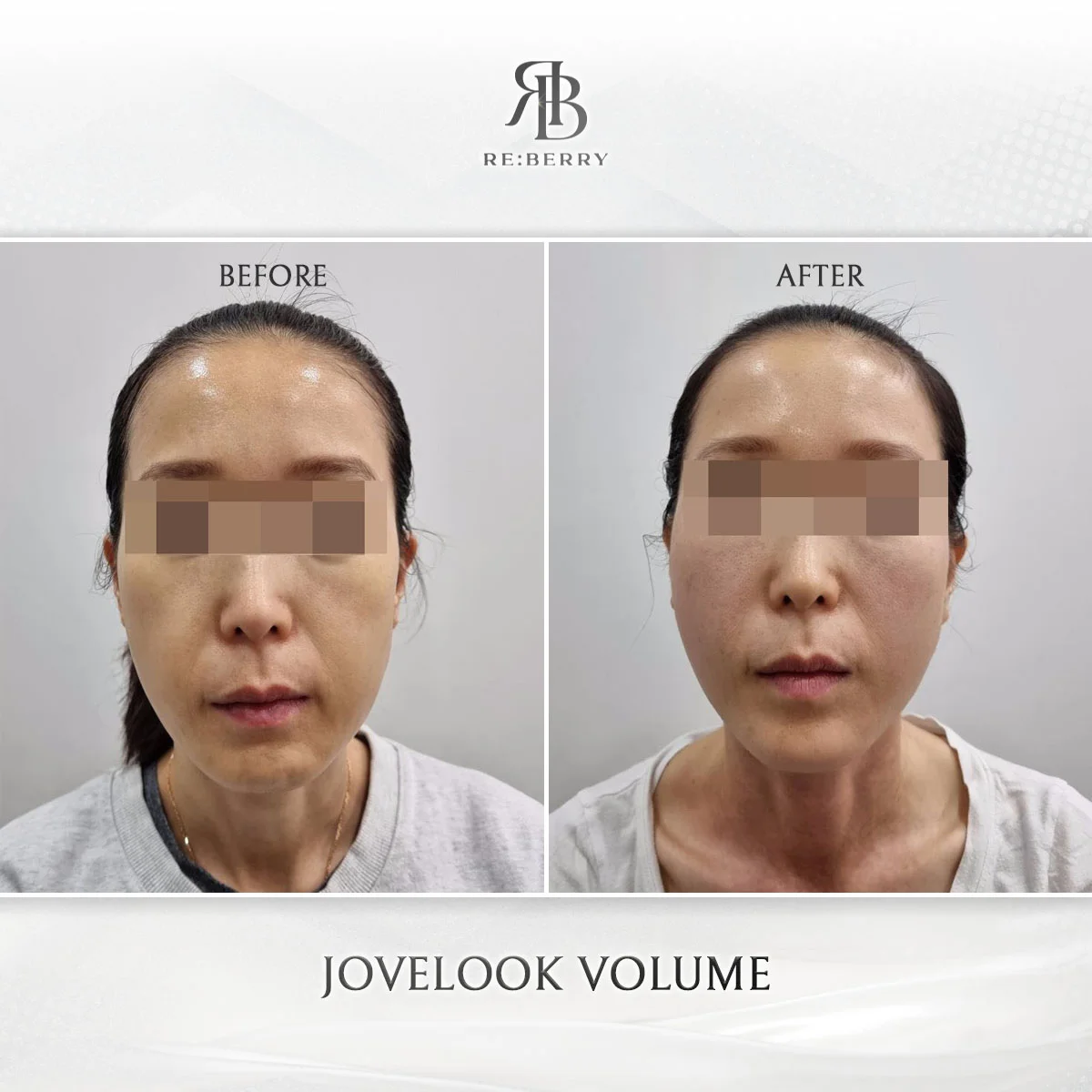
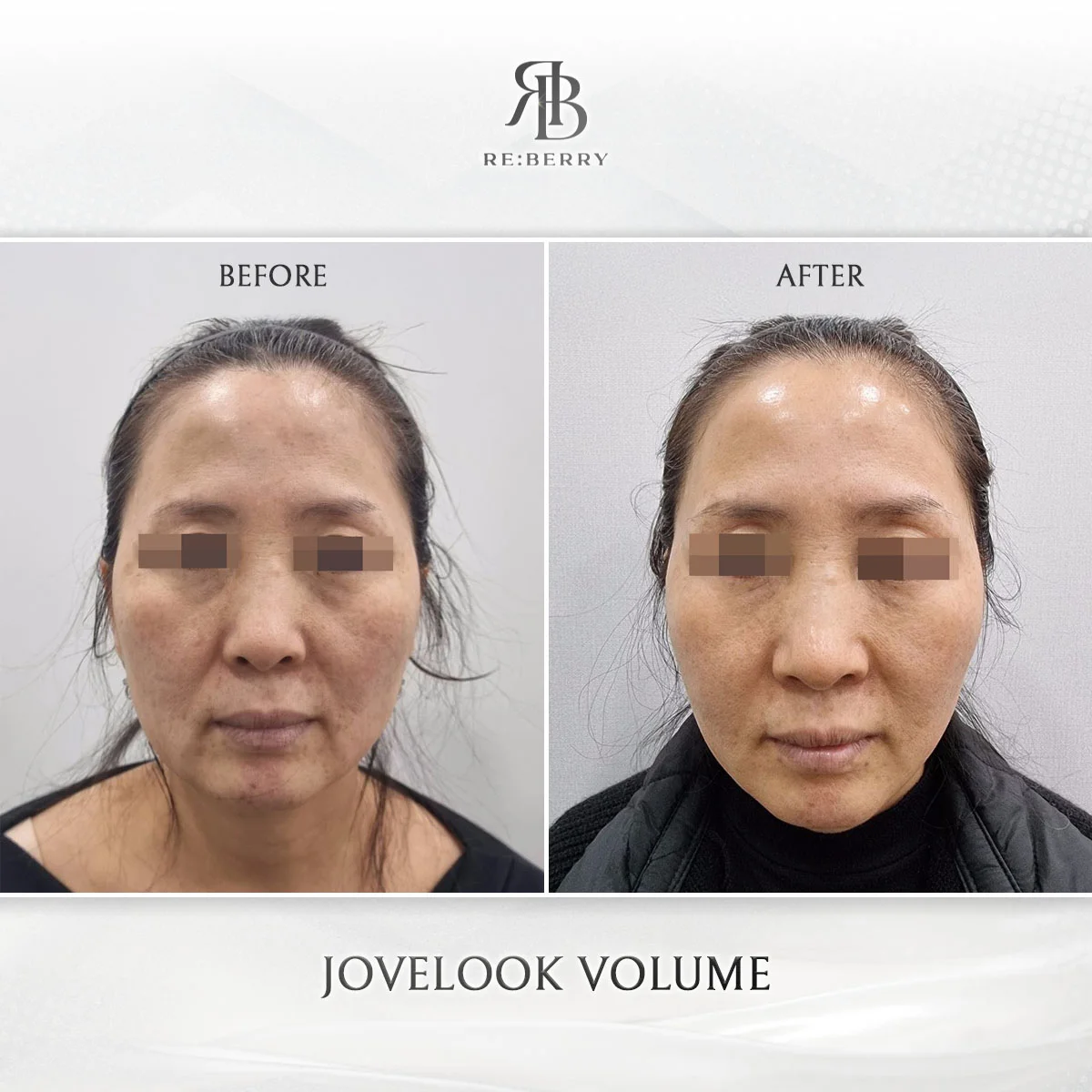
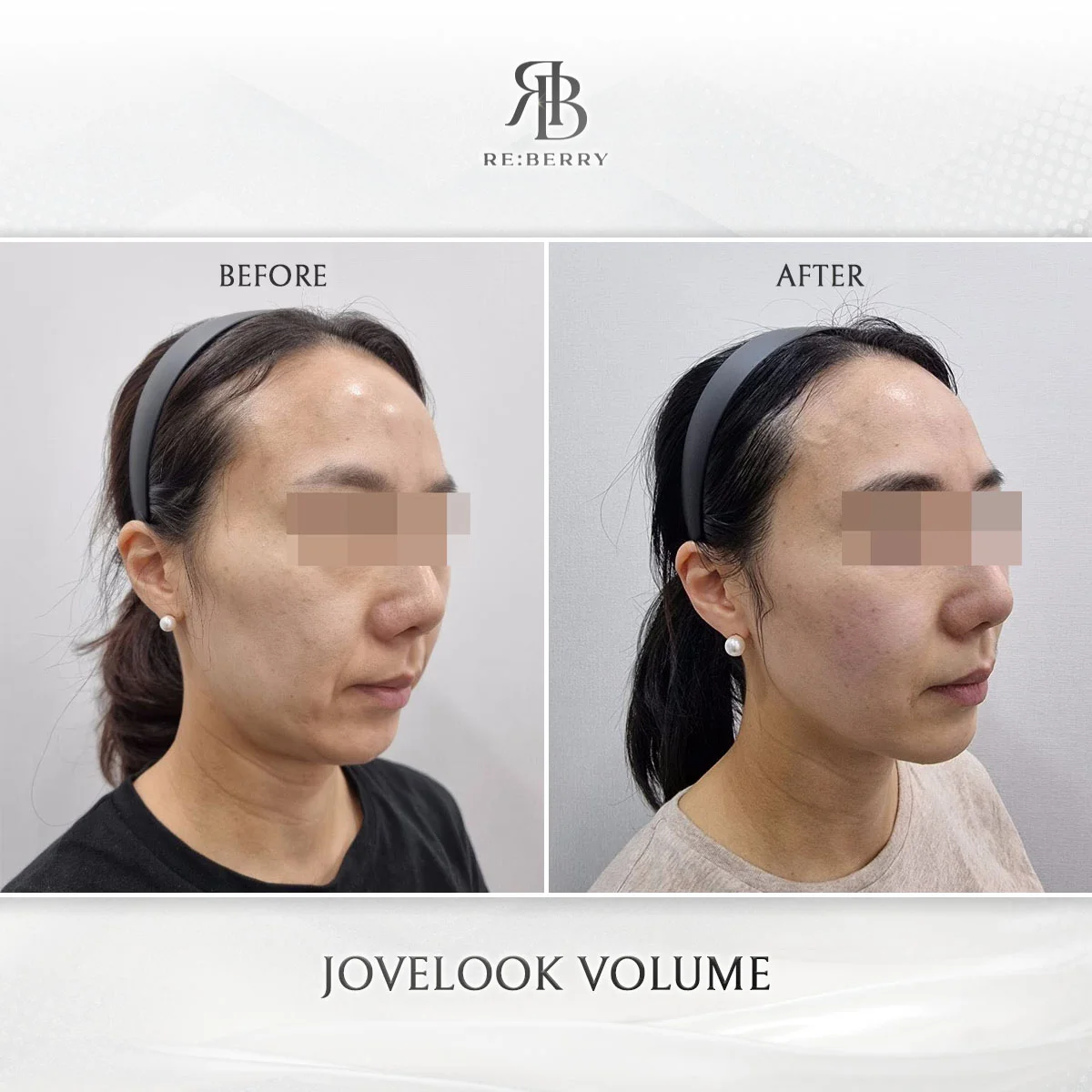
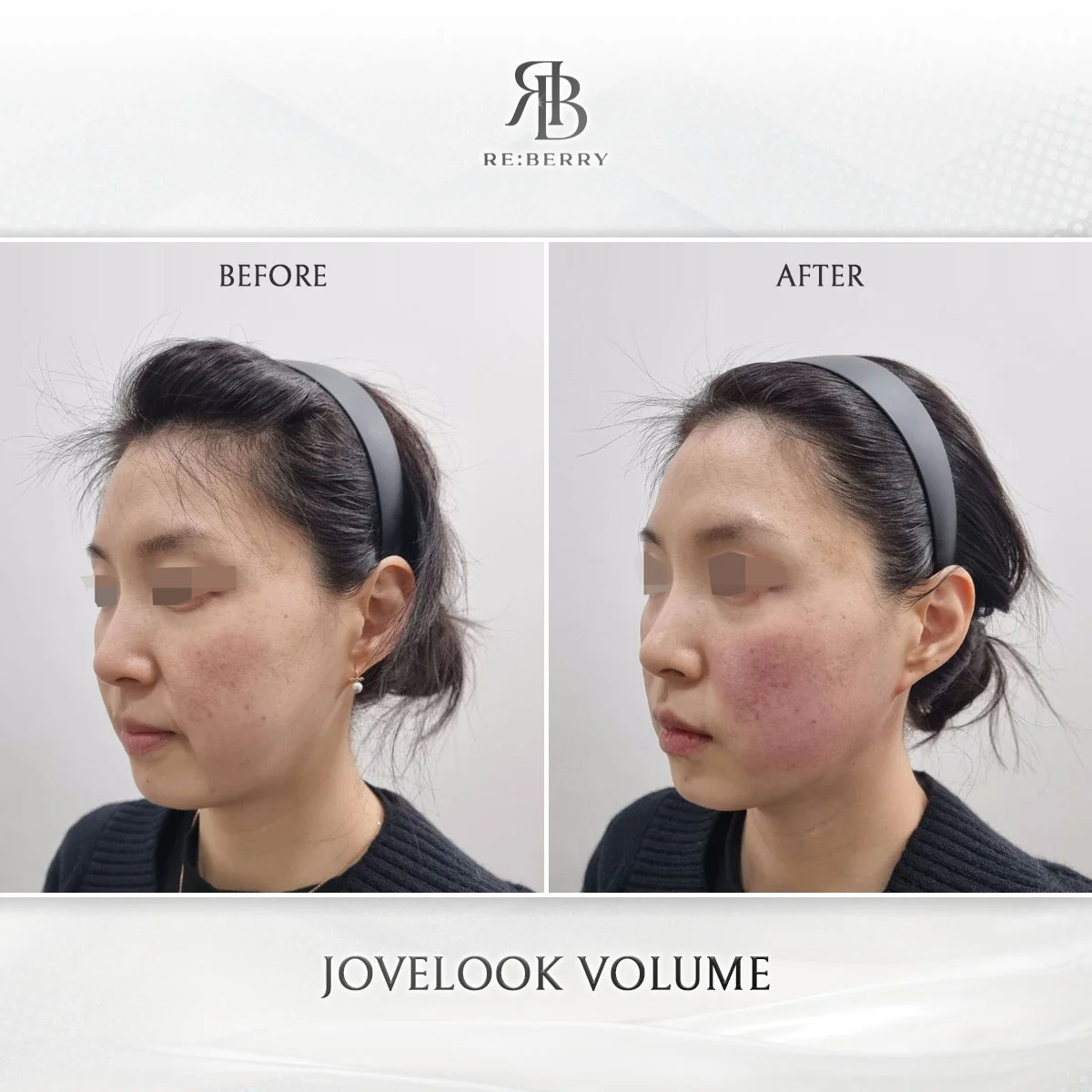
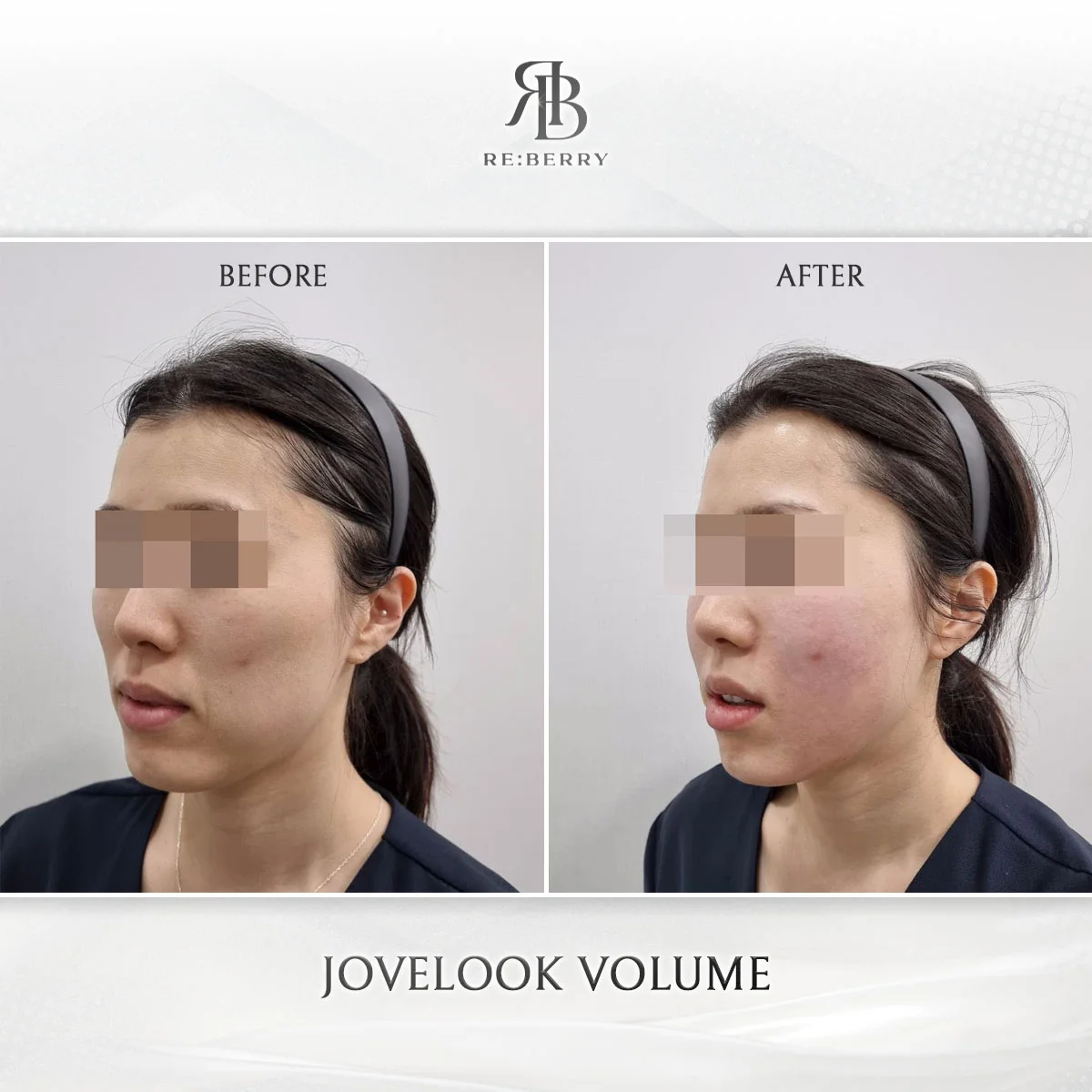
Dr. Sunbeen Kim examines the eye area, maps the zones and approach, and explains what drives the cost, in English.
Once a plan is agreed, a careful eye-area session usually takes about 20 to 40 minutes depending on the zones treated.
Cost is quoted per your plan, whether that is a single HA visit or a booster series of 2 to 3 sessions.
HA volume shows immediately and settles over about 1 to 2 weeks, while booster quality gains build across the series.
Under-eye HA can last many months and boosters are refreshed periodically, so maintenance is factored into planning.



Periorbital rejuvenation cost at our Incheon Airport (Yeongjongdo) location depends on which eye zones are treated, whether HA filler, a skin booster, or both are used, and how many sessions are needed. Dr. Sunbeen Kim confirms your exact cost at consultation. You can start on our injectable fillers page.
The periorbital area spans the tear trough, under-eye, and temple, and each face combines these differently. A single hollow needing under 1 syringe of HA costs differently from a combined volume-and-quality plan. That is why cost is set after a doctor assesses the eye area rather than from a fixed menu.
The number of zones and the approach used are usually the biggest factors. Treating just a tear-trough hollow costs less than a plan covering temple support, under-eye volume, and skin-quality boosters. Your assessment, done at consultation, determines how many zones and tools your plan includes and therefore the total.
The main tools are soft hyaluronic acid filler for hollows in the tear trough or temple, and skin boosters for crepey texture and dull under-eye skin. Some plans use one, others combine both. Your doctor selects the right approach per zone, which you can explore on our injectable fillers page.
Yes, restoring temple and upper-face support can lift the whole eye region and reduce how much under-eye product a plan needs, which can influence overall cost. Doctors often sequence temple or cheek support first for this reason. Your consultation maps how the zones relate so the plan is both effective and efficient.
The delicate under-eye often uses under 1 syringe of HA across both eyes, because conservative, small-volume placement is safest and most natural in this thin skin. Overfilling risks puffiness. Your doctor doses cautiously and may stage treatment, so the exact amount is confirmed at consultation based on your anatomy.
Skin boosters for under-eye texture usually run as a short series of about 2 to 3 sessions spaced weeks apart, since quality gains build gradually. A booster such as Juvelook supports skin quality over a course. Because it is a series, cost is planned across sessions.
Discomfort is generally mild because numbing cream is applied and many HA gels contain lidocaine, so comfort is included rather than charged separately. A blunt cannula is often used in the eye area to improve comfort and reduce bruising. Your doctor explains the technique before treatment for each zone.
Downtime is usually minimal, though the thin under-eye skin can show mild bruising that settles over 1 to 2 weeks. Most patients resume daily life the same day. Avoiding heat, alcohol, and strenuous exercise for a day or two helps, and your doctor gives aftercare tailored to the eye area.
HA volume in the tear trough or temple is visible immediately and settles over about 1 to 2 weeks, while booster gains build across the series. Under-eye HA filler can last many months as it is gradually absorbed, so results are refreshed over time rather than one-time.
The under-eye is technique-sensitive, but treatment is considered safe when a trained doctor uses conservative volumes, careful placement, and respects anatomy, as large safety datasets support. A consultation screens for contraindications and reduces risks. This is why the eye area is treated cautiously rather than aggressively, prioritising a natural, safe result.
Yes, because HA filler is used for the under-eye, it can be dissolved with an enzyme called hyaluronidase if puffiness or an uneven result occurs. This reversibility is a key safety advantage in such a delicate area. Your doctor discusses this option at consultation as part of planning your eye-area treatment.
Yes, eye-area plans are often combined with cheek or midface support, or with a booster such as Rejuran for skin quality, since these address different concerns. Your doctor sequences combined treatments carefully. A combined plan changes the cost, which is explained transparently at consultation.
Avoid heat, alcohol, intense exercise, and rubbing the eye area for a day or two, and sleep slightly elevated to reduce swelling. Gentle skincare and sun protection help. Following your doctor’s filler aftercare guidance protects a technique-sensitive result while the eye area settles.
For periorbital treatment, 2 to 3 days is comfortable, allowing a consultation, the careful procedure, and time for any mild bruising to ease before travel. Because we are near Incheon Airport (ICN) in Yeongjongdo, many transit patients plan this conveniently. Our English-speaking team helps coordinate timing around flights.
Yes, flying within a day or so is generally fine after eye-area HA or boosters, which are minimally invasive, making our Incheon Airport (Yeongjongdo) location convenient for stopovers. Mild swelling can increase in cabin air, so keep hydrated and protected. Your doctor advises on aftercare so you travel comfortably.
For airport-transit or near-airport convenience, our Incheon Airport (Yeongjongdo) location near ICN, with Dr. Sunbeen Kim as Medical Director, is well suited. We also have Seoul locations in Gangnam and Myeongdong. Our English-speaking team helps you choose the site that best fits your schedule and cost plan.
| Under-Eye HA Filler | Skin Booster (Quality) | Combined Zone Plan | |
|---|---|---|---|
| Approach | Soft HA placed for tear-trough or temple volume | Micro-injected booster for texture and hydration | HA for hollows plus a booster for skin quality |
| Best for | A true hollow or flat temple | Crepey texture, fine lines, dull under-eye skin | Both volume loss and skin-quality changes |
| Onset | Immediate volume, settles over 1 to 2 weeks | Gradual over a series of sessions | Immediate volume plus gradual quality gains |
| Sessions | Often 1 careful visit | Usually a short series spaced weeks apart | 1 HA visit plus a booster series |
| Downtime | Minimal, possible mild bruising | Minimal, small injection points | Minimal to mild across the plan |
| Cost factors | Depends on product volume and zones | Depends on the number of sessions | Highest, since it covers volume and quality |
Real verified reviews from our Google Business Profile, across all Reberry Clinic locations.
PULLED LIVE FROM GOOGLE · GANGNAM · MYEONGDONG · INCHEON AIRPORT
Your treatment is planned and performed by experienced, MFDS-registered doctors across our Seoul-area clinics, with multilingual support for international patients.
Flagship clinic · KOL for leading lifting & regenerative devices · Featured in Authority Magazine (2026)

Multilingual tourist care beside Myeongdong Cathedral

Fast, effective care 20 minutes from the terminals
Message us on WhatsApp for a free consultation in English about periorbital rejuvenation and a transparent, individualised cost plan.