



Gangnam
Dr. Yoon-Gon Ryu
Aesthetic Medicine Specialist
Flagship clinic · KOL for leading lifting & regenerative devices · Featured in Authority Magazine (2026)


Timing your flight is about matching downtime to the treatment: gentle boosters may allow flying within 1 day, while ablative resurfacing often needs 5 to 7 days before travel.
Recovery before flying depends on the treatment: most non-invasive procedures let you fly within about 1 day, energy lifting and mild injectables within 1 to 2 days, and ablative laser resurfacing may need 5 to 7 days. Plan your Seoul trip so treatment sits early; our Gangnam (Seoul) doctors led by Dr. Yoongon Ryu confirm your safe fly-after window.
One-on-One guidance from a dedicated doctor, ensuring your skin is professionally monitored and treated from start to finish.
Fluent assistance in English, Japanese, and Chinese, making communication clear, respectful and comfortable for international patients.
Over 100,000 patients worldwide have received our personalized dermatological care, highlighting our expertise and reliable results.
When you travel to Gangnam, Seoul for skin treatment, the question is rarely whether you can fly, but when you should. Air travel adds two factors to normal recovery: very dry cabin air, which typically sits around 10 to 20 percent humidity, and long periods of sitting that can aggravate swelling. For most non-invasive treatments these are minor, but for procedures that break the skin barrier or cause swelling, timing your flight sensibly helps recovery and comfort.
The key variable is downtime, which is treatment-specific. Gentle boosters, hydrating facials, and light toning usually have little to no downtime, so flying soon after is generally fine. Energy lifting such as ultrasound or radiofrequency, and mild injectables, may cause short-lived redness or swelling, so a day or two is prudent. Ablative resurfacing lasers, which remove surface layers, need the most recovery before a flight because the skin is healing and more sensitive to dryness and sun.
At Reberry Clinic’s Gangnam (Seoul) location, care is consultation-led, so the clinic’s doctors, including Dr. Yoongon Ryu, plan your treatment around your flight dates and confirm a safe fly-after window in English. This guide explains which treatments are safe before flying and how to sequence your trip so recovery is comfortable.
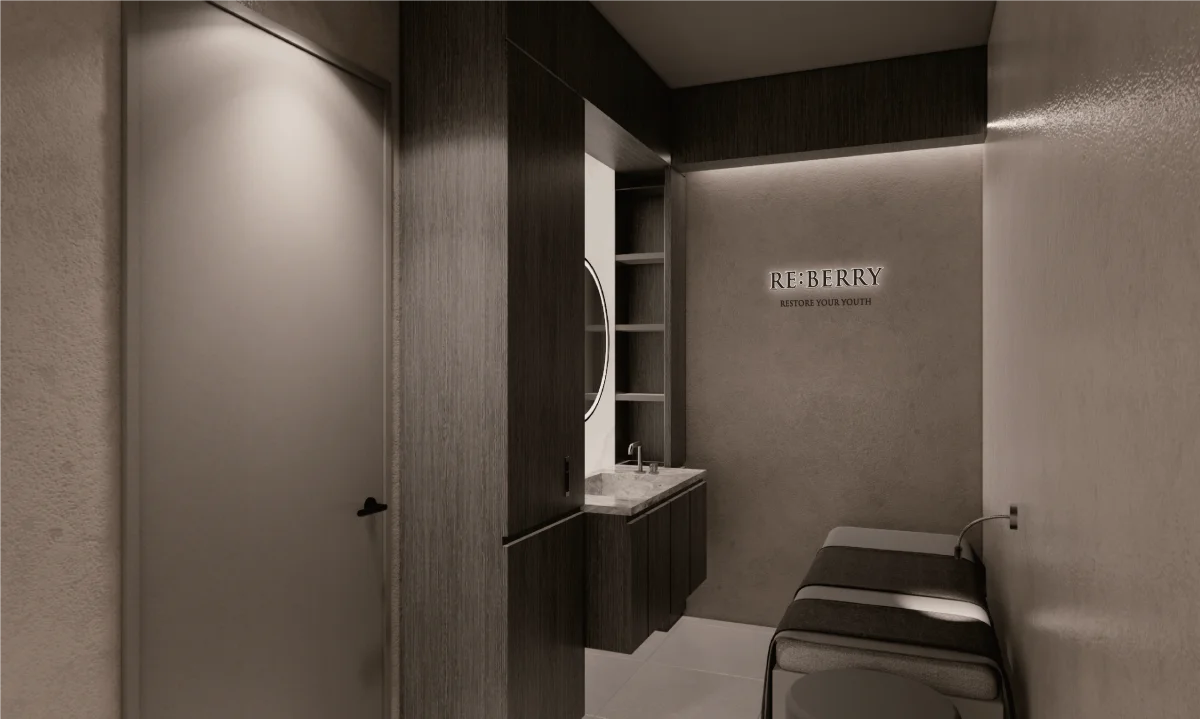
Recovery before flying tracks how deeply a treatment works and whether it breaks the skin barrier. Non-invasive hydrating and cleansing treatments leave the barrier intact, so the main travel consideration is simply moisturising against dry cabin air, and flying within about 1 day is usually comfortable. Energy-based lifting, such as micro-focused ultrasound or monopolar radiofrequency, works beneath the surface and may cause mild redness or slight swelling for 1 to 2 days, so a short buffer before flying is sensible. Injectable boosters and volumisers can cause temporary swelling or small bruises, so many patients allow 1 to 2 days so any marks settle before travel photos or important events. Ablative fractional lasers are different: they remove micro-columns of surface skin, creating a healing wound that is sensitive to dryness, pressure changes, and sun, so 5 to 7 days before flying is commonly advised. Because your exact window depends on the device, settings, and how your skin responds, the clinic’s doctors set it individually. This is why sequencing treatment early in your Seoul trip, then leaving buffer days before departure, is the safest way to plan.
One Reberry Clinic, multiple Seoul-area locations. Pricing & current promotions are listed on each branch's own site — tap a clinic to view pricing & book.
Our flagship in the heart of Gangnam.
In Seoul's shopping & tourism heart.
A beauty stop between flights.
The newest Reberry Clinic — in Seoul's trend district.
ONE REBERRY CLINIC · MFDS-REGISTERED DEVICES · MULTILINGUAL CARE AT EVERY LOCATION

Place your main treatment in the first 1 to 2 days of your Seoul stay so you keep buffer days before your flight home.
Allow near 0 days for boosters and facials, 1 to 2 days for energy lifting or injectables, and 5 to 7 days for ablative resurfacing.
Cabin humidity often sits at 10 to 20 percent, so pack moisturiser and drink water; hydrated skin recovers and travels more comfortably.
Use sunscreen and avoid heat for at least 24 to 48 hours after most treatments, and longer after resurfacing, to protect healing skin.
The clinic’s doctors set your individual fly-after window based on the device, settings, and how your skin responds, then brief you in English.
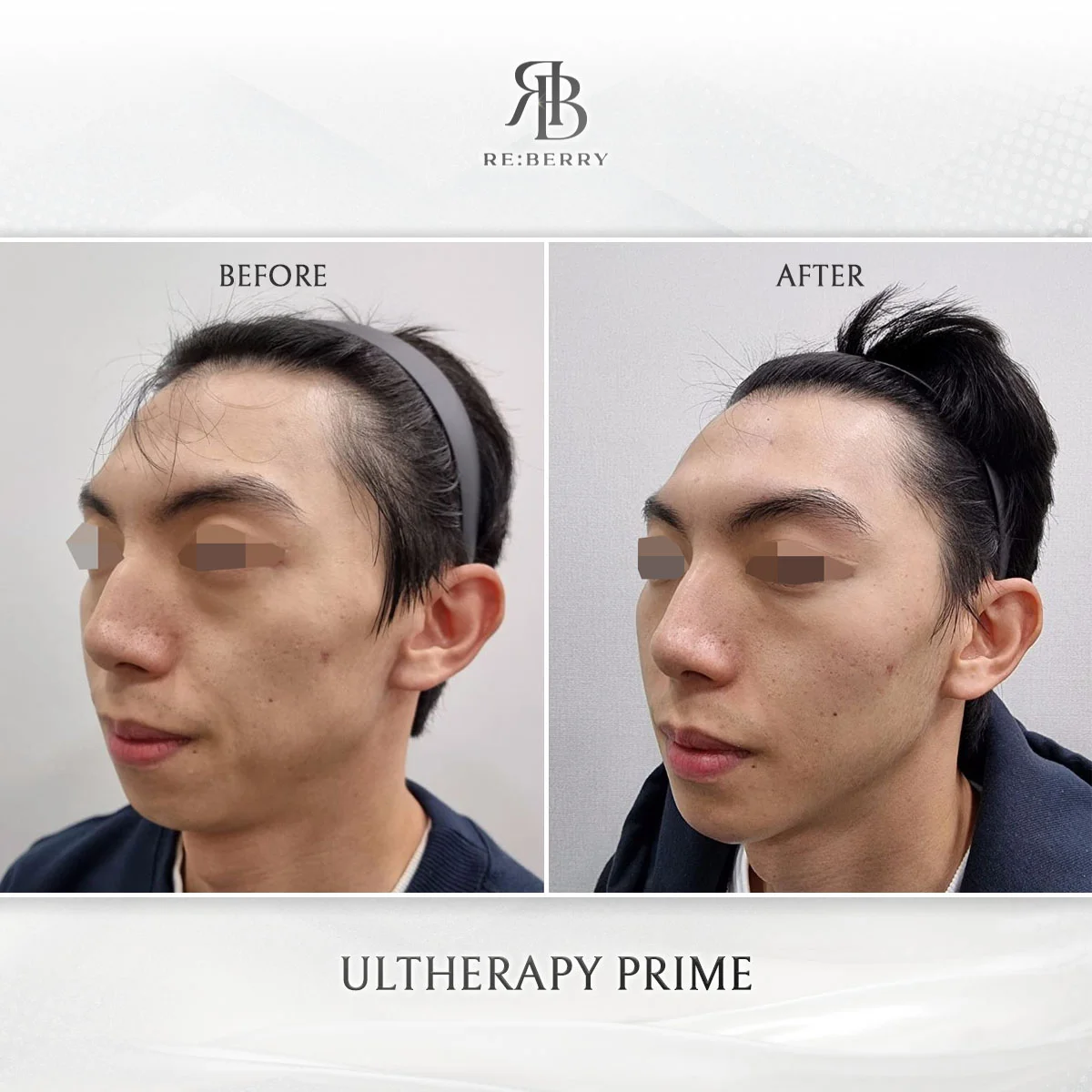
See representative outcomes from Reberry Clinic. Results build gradually and vary by individual; your plan is assessed at consultation.
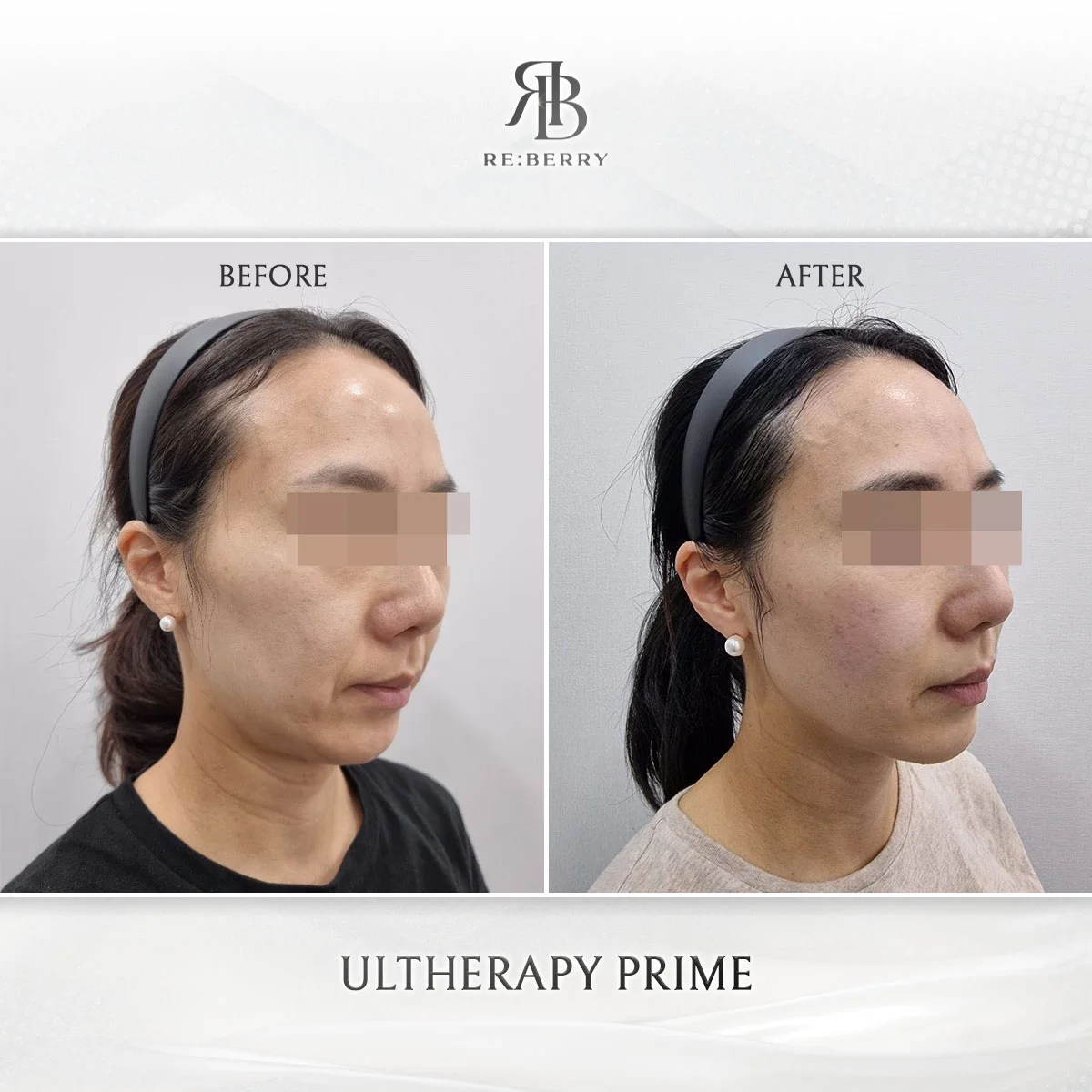
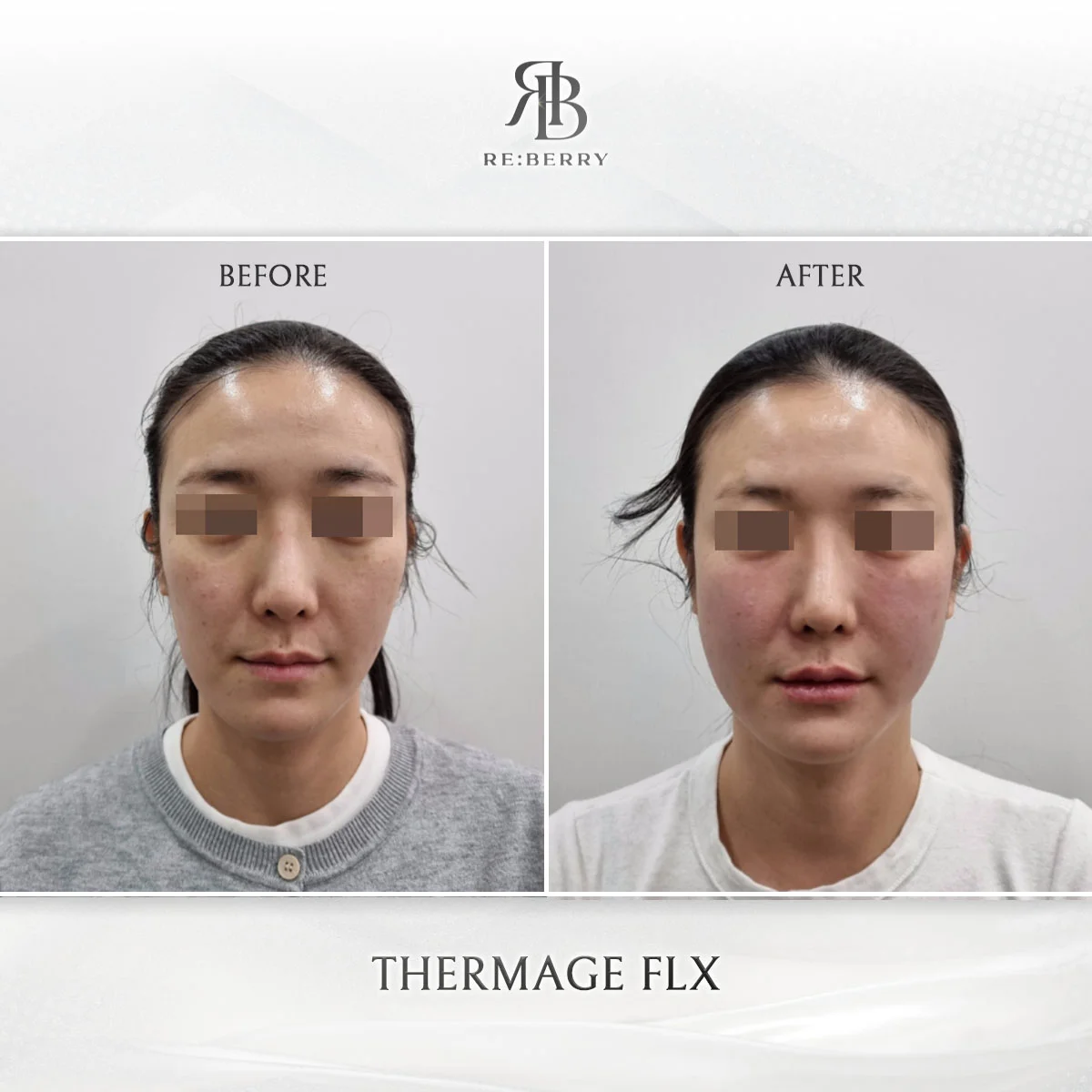
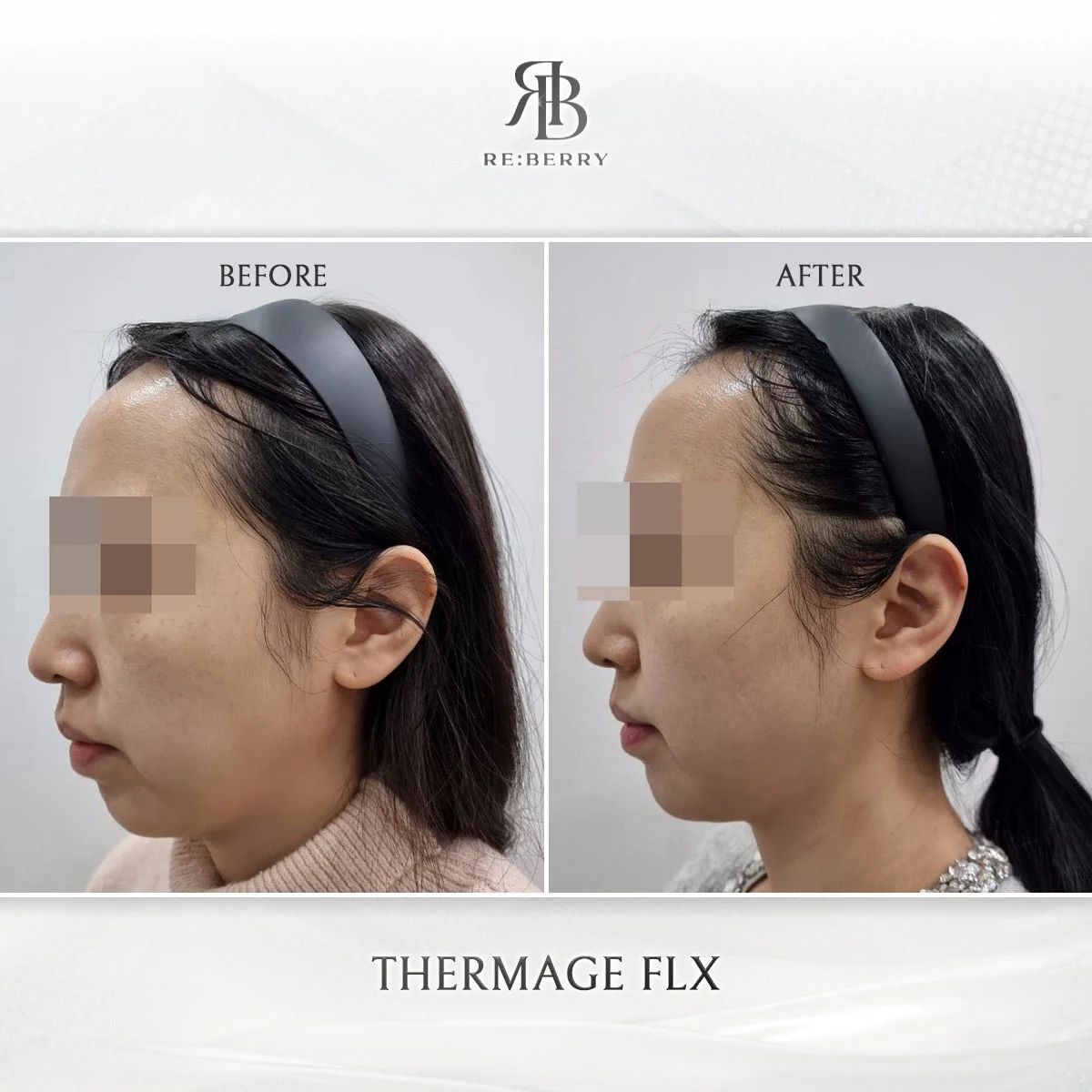
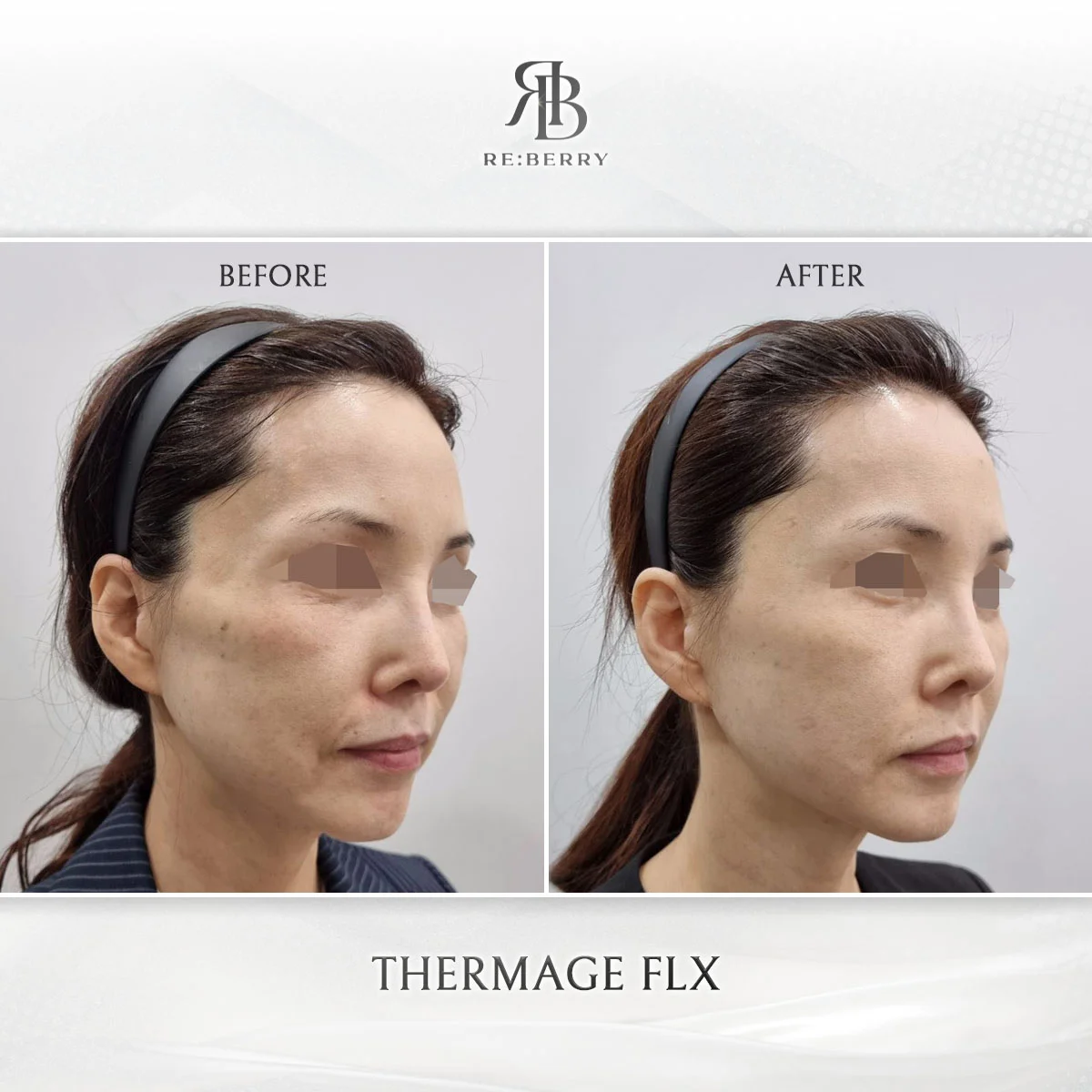
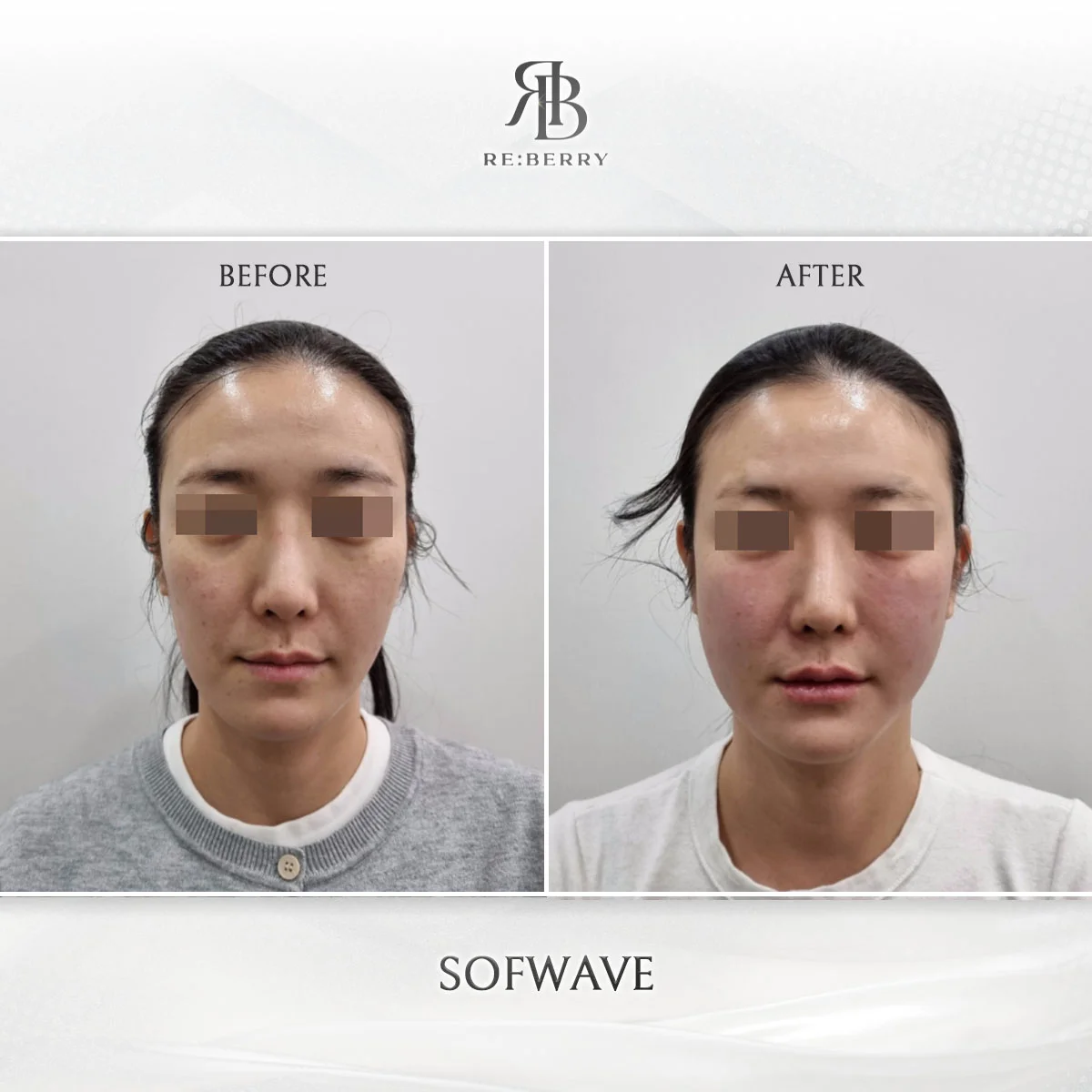
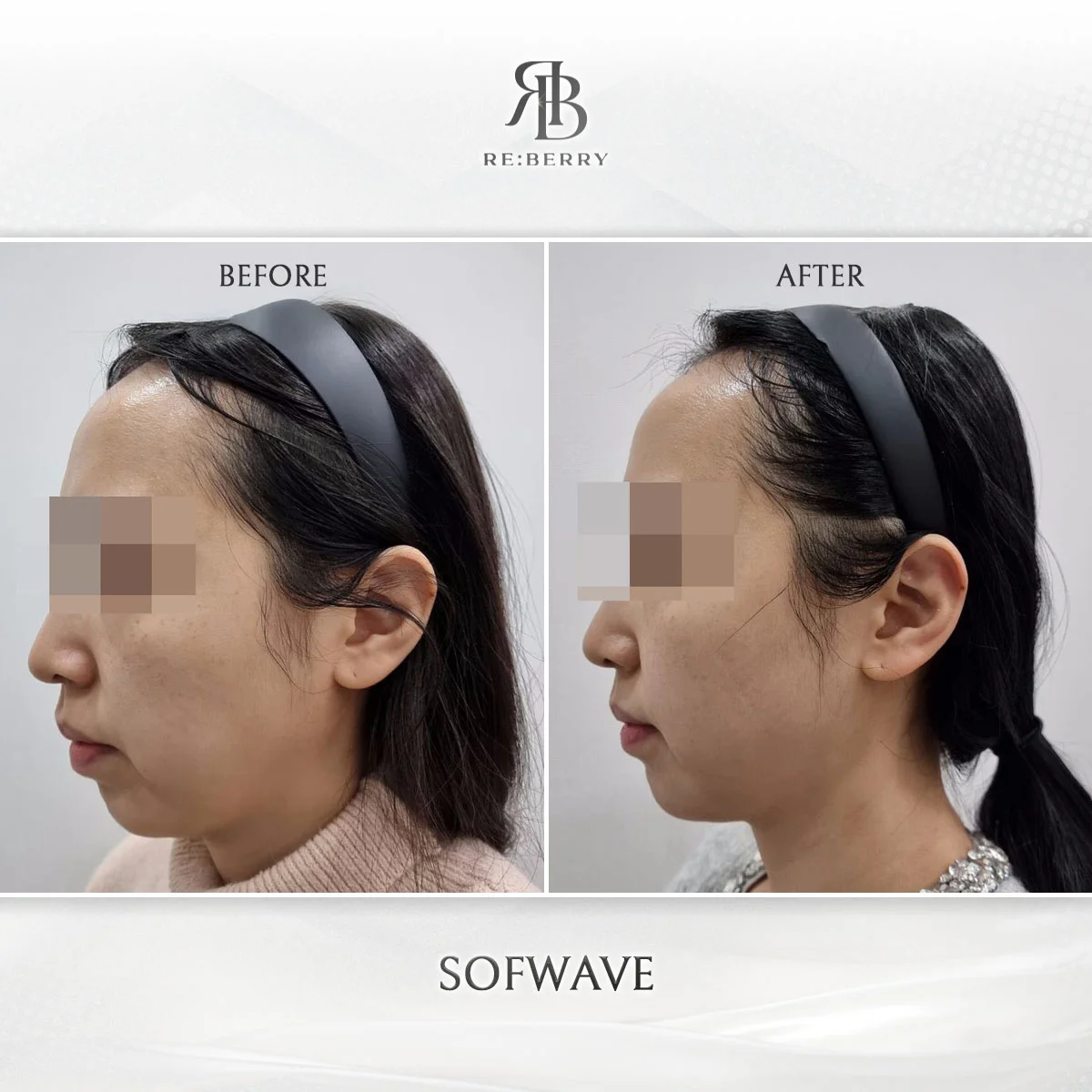
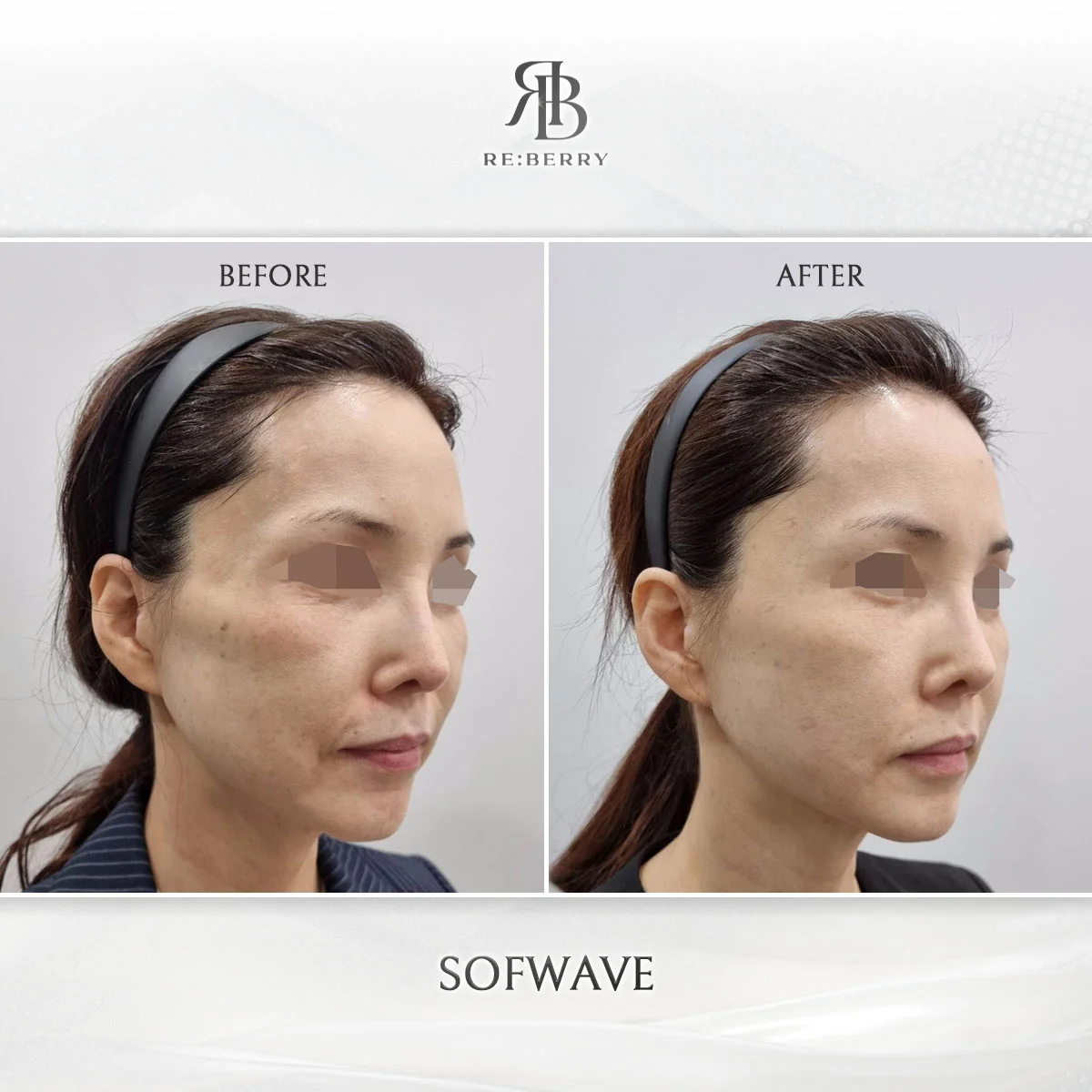
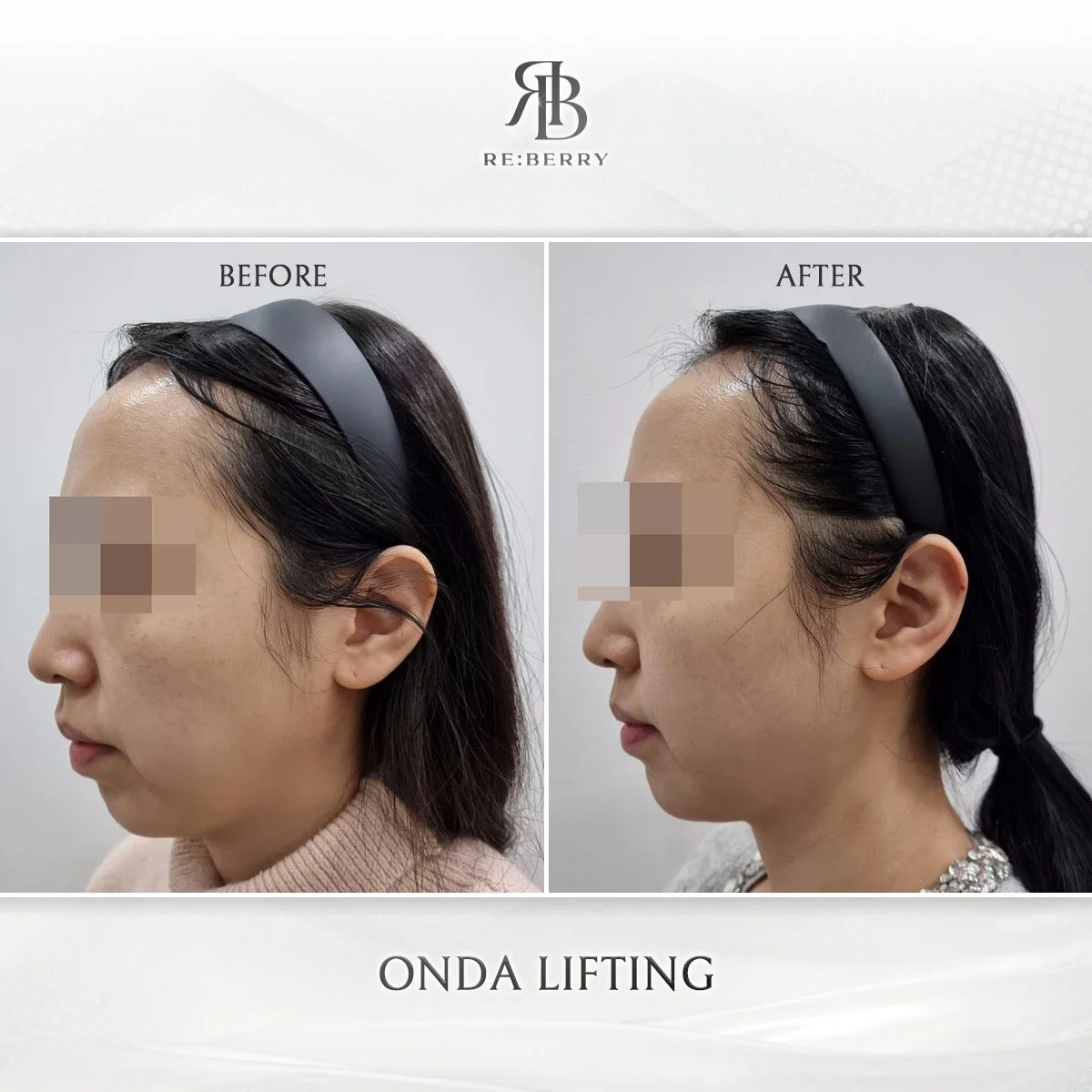
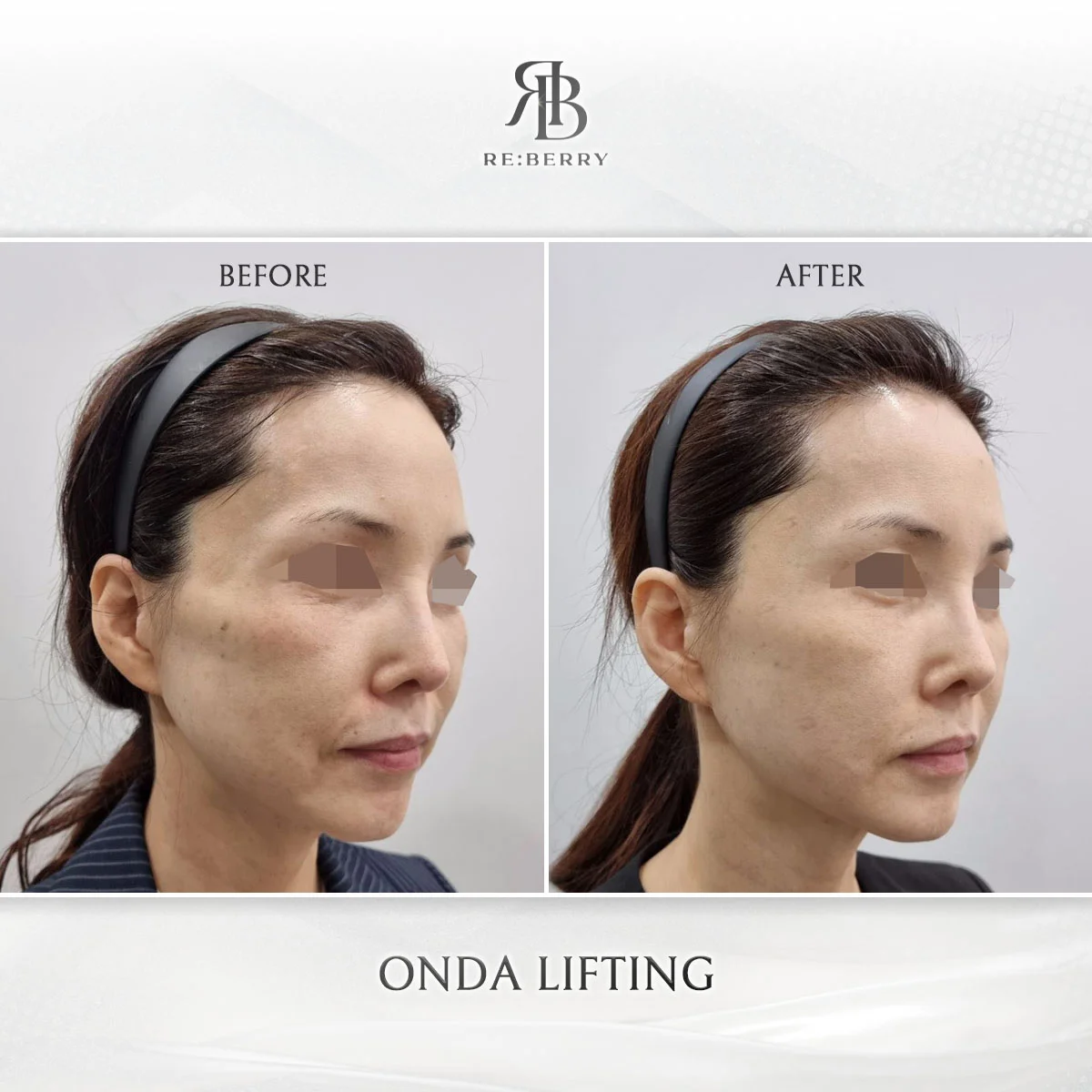
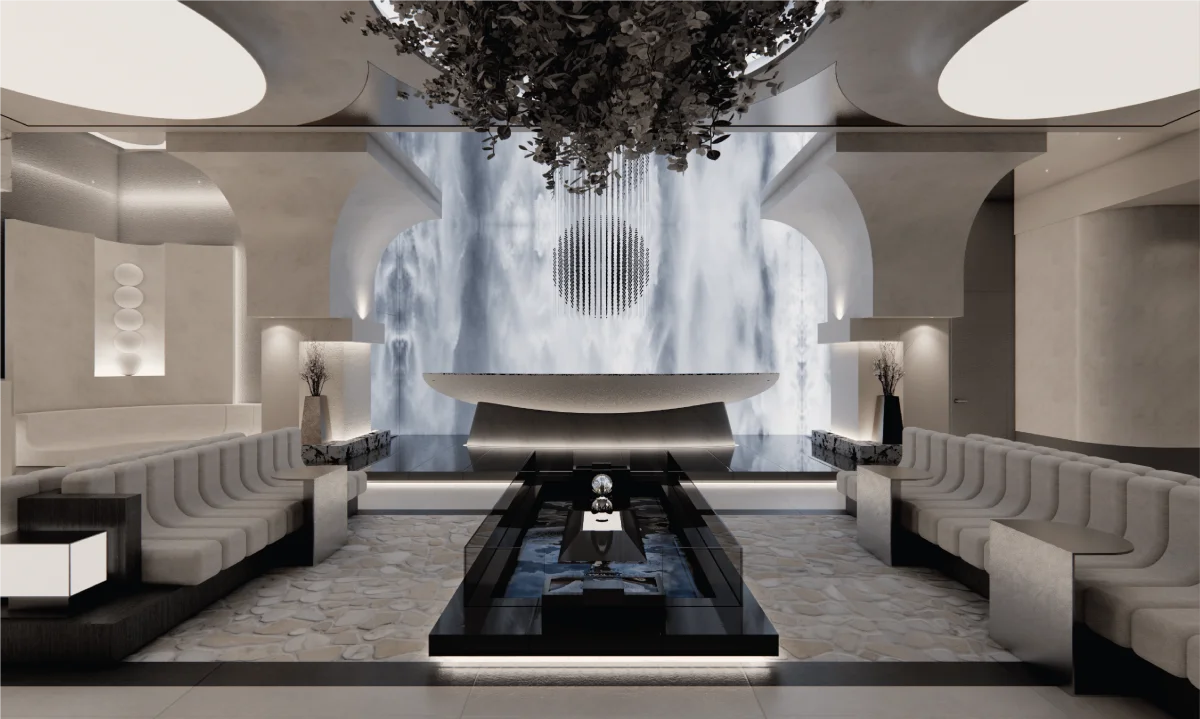
The clinic’s doctors assess your skin, recommend suitable treatments, and set a fly-after window around your flight dates, all explained in English.
Most sessions take about 20 to 60 minutes depending on the modality, ideally scheduled in the first 1 to 2 days of your Seoul stay.
Recovery ranges from same-day for boosters to about a week for ablative resurfacing, so your buffer days are planned to match.
Some effects show within days, while collagen-based results build over several weeks, so your fly-after window is about safety, not final results.
English aftercare covers travel tips like hydration and sun protection, and remote follow-up supports you once you return home.



It depends on the treatment: most non-invasive procedures allow flying within about 1 day, energy lifting and mild injectables within 1 to 2 days, and ablative resurfacing often 5 to 7 days. The clinic’s doctors set your individual window at consultation. You can plan suitable options on our skin care page.
Gentle, non-invasive treatments like hydrating facials, boosters, and light toning are generally safe before flying because downtime is minimal. Options such as our hydrafacial leave the skin barrier intact, so cabin dryness is the main consideration. Your doctor confirms which treatments suit your trip length and travel dates.
Yes, for most facials and skin boosters flying the same day or the next day is generally fine, since these leave little to no downtime. The main thing is to moisturise against dry cabin air and protect skin from sun. If you had a booster with any swelling, a short buffer can make travel more comfortable.
Ablative resurfacing usually needs about 5 to 7 days before a long flight because the skin is healing and sensitive to dryness and sun. Studies report re-epithelialisation over roughly this window. Plan a longer Seoul stay if you choose resurfacing, and your doctor will confirm when your skin is ready to travel.
Our Gangnam (Seoul) location, on the Gangnam-daero corridor about a 2-minute walk from Gangnam Station exit 10, is convenient for international patients planning around flights. The clinic’s doctors, led by Dr. Yoongon Ryu, provide English consultations. You can plan your visit through our skin care page.
Yes, cabin humidity commonly falls to about 10 to 20 percent, well below indoor levels, which increases water loss from recently treated skin. This is easily managed with moisturiser and hydration for most treatments. After resurfacing, when the barrier is healing, dry air matters more, so following aftercare closely is important while you travel.
Schedule your main treatment in the first 1 to 2 days so you keep buffer days before flying home. For short trips, choose gentle treatments with minimal downtime. If you want lifting or volume, allow 1 to 2 days. Our English-speaking team helps map sessions and your fly-after window around your travel dates.
Energy lifting like ultrasound or radiofrequency works below the surface and may cause mild redness or slight swelling for 1 to 2 days, so a short buffer before flying is sensible. It does not usually break the skin barrier. Your doctor explains what to expect for the specific device and settings used in your plan.
Yes, but many patients allow 1 to 2 days so any minor bruising or swelling settles before travel, especially before events or photos. Injectable boosters and volumisers are generally travel-friendly with a small buffer. Discuss combinable options such as Rejuran Healer and timing with your doctor at consultation.
Some effects, like hydration or glow, can show within days, but collagen-based lifting and tightening build over several weeks. So your fly-after window is about safe recovery, not final results. Your doctor explains realistic timelines and offers English remote follow-up so you can track progress after you return home.
For gentle treatments, 2 to 3 days is comfortable; for energy lifting or injectables, allow a small buffer; for ablative resurfacing, plan around a week. Because many plans run as a course, some patients begin in Seoul and return later. Our team helps coordinate timing and cost around your travel schedule.
The skin risks are mainly dryness and sun on healing skin, managed with aftercare, while long flights carry a general immobility-related swelling risk unrelated to the treatment itself. Staying hydrated, moving periodically, and following aftercare help. If you have a clotting history, review long-haul travel with a doctor before booking treatment close to a flight.
Your skin type can influence device settings and healing, so it may affect your window, especially for lasers. Deeper tones often need more conservative laser settings to avoid pigment changes, which the clinic’s doctors account for. Your individual fly-after window is set at consultation based on your skin and how it responds.
Moisturise regularly, use sunscreen, avoid heat and heavy sweating early on, and do not pick treated skin. Cabin air is drying, so hydrate well. A tailored skin care routine helps protect results while you travel, and your doctor tailors aftercare to the specific treatment you had.
Yes, the clinic offers English remote check-ins so you can send photos or questions and get guidance once you return home, which is reassuring after travel. Your treatment notes are kept on file for continuity. You can also maintain results with guided home skin care between visits.
| Non-Invasive (Facials, Boosters) | Energy Lifting & Injectables | Ablative Laser Resurfacing | |
|---|---|---|---|
| Skin barrier | Intact, surface hydration and cleansing | Works below surface, barrier mostly intact | Micro-columns removed, healing wound present |
| Typical downtime | Little to none | Mild redness or swelling for a day or two | Several days of healing and sensitivity |
| Suggested wait before flying | About a day is usually comfortable | A day or two so marks settle | Several days, commonly around a week |
| Main travel concern | Dry cabin air, easily managed with moisturiser | Swelling from long sitting, hydration helps | Dryness, sun, and pressure on healing skin |
| Best for | Short trips wanting quick, gentle results | Lifting or volume with a small buffer | Deeper resurfacing with a longer stay |
| Aftercare focus | Moisturise and sun protection | Avoid heat, moisturise, protect from sun | Strict wound care, sun avoidance, hydration |
Real verified reviews from our Google Business Profile, across all Reberry Clinic locations.
PULLED LIVE FROM GOOGLE · GANGNAM · MYEONGDONG · INCHEON AIRPORT
Your treatment is planned and performed by experienced, MFDS-registered doctors across our Seoul-area clinics, with multilingual support for international patients.
Flagship clinic · KOL for leading lifting & regenerative devices · Featured in Authority Magazine (2026)

Multilingual tourist care beside Myeongdong Cathedral

Fast, effective care 20 minutes from the terminals
Message us on WhatsApp for a free consultation in English about which treatments suit your trip and your safe fly-after window at our Gangnam location.