



Gangnam
Dr. Yoon-Gon Ryu
Aesthetic Medicine Specialist
Flagship clinic · for leading lifting & regenerative devices · Featured in Authority Magazine (2026)


Flight-readiness ranges from about 24 hours for a light facial to 7 or more days for ablative laser, so the treatment you pick decides how soon you can safely board.
Recovery before flying depends on the treatment: light facials and toning are often flight-ready within about 24 hours, injectables such as toxin or fillers in 24 to 48 hours, and ablative laser resurfacing typically needs 7 or more days. At our Myeongdong (Seoul) location, the doctors match treatment to your travel dates so you fly comfortably.
One-on-One guidance from a dedicated doctor, ensuring your skin is professionally monitored and treated from start to finish.
Fluent assistance in English, Japanese, and Chinese, making communication clear, respectful and comfortable for international patients.
Over 100,000 patients worldwide have received our personalized dermatological care, highlighting our expertise and reliable results.
Recovery before flying is the period your skin needs to settle so that a pressurised, dry aircraft cabin will not worsen swelling, redness, bruising, or dryness. The key point for travellers is that there is no single waiting time: it is entirely treatment-specific. A gentle hydrating facial that only works on the skin surface is very different from ablative laser resurfacing, which creates thousands of microscopic wounds that must re-epithelialise before you fly.
As a broad guide, light facials, hydrating treatments, and laser toning are often comfortable to fly within roughly 24 hours. Injectables such as toxin and dermal fillers are generally more comfortable after 24 to 48 hours, once early swelling and any bruising begin to settle. Skin boosters like Rejuran sit in a similar short-downtime range. Deeper, ablative fractional laser usually needs 7 or more days, because redness and barrier healing continue over one to two weeks.
At Reberry Clinic’s Myeongdong (Seoul) location, near Myeongdong Station, Dr. Seung Jae Baek, Medical Director, and the clinic’s doctors plan treatments around your departure date so healing is well underway before you board. Reberry also has Gangnam and Incheon Airport branches, which helps international patients coordinate care with tight or transit itineraries.
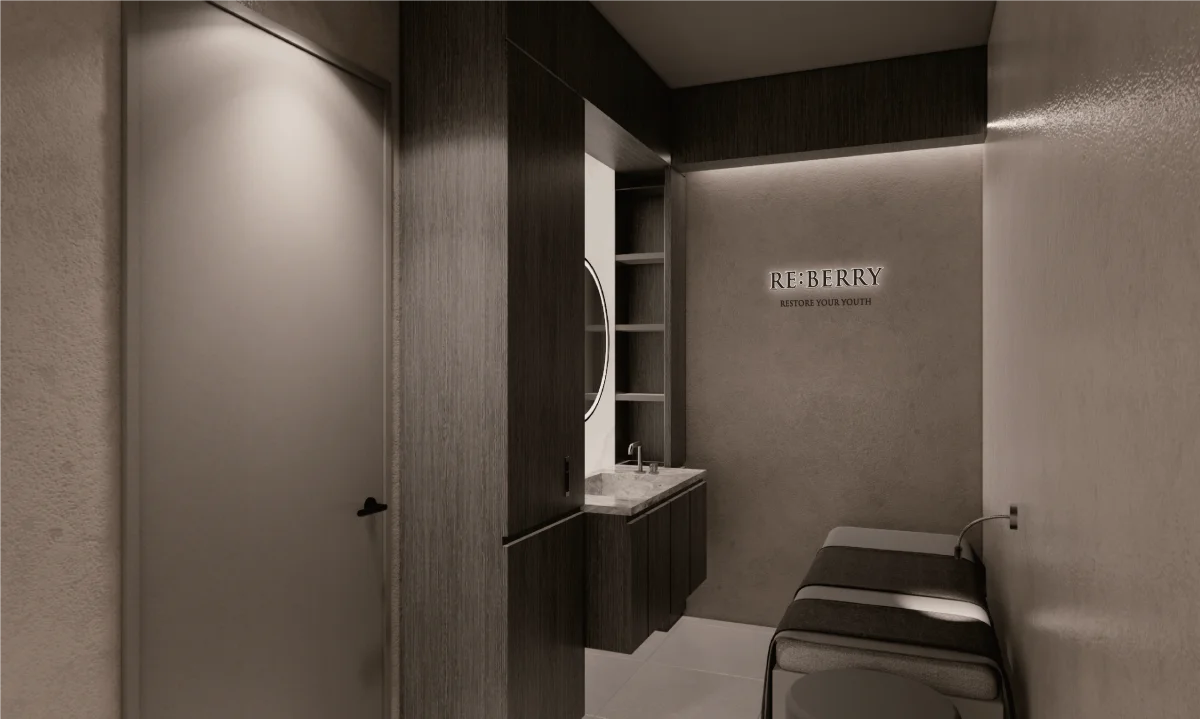
Aircraft cabins are typically pressurised to the equivalent of about 6,000 to 8,000 feet of altitude and held near 10 to 20 percent relative humidity, which is drier than most homes or offices. For skin that is still recovering, that low humidity can accentuate dryness, tightness, and visible redness, while long periods of sitting can make dependent swelling slightly more noticeable. The reason recovery windows differ so much is that each treatment stresses the skin differently. Ablative fractional laser transiently raises transepidermal water loss on day 0 to 1, then the barrier recovers over the next few days, but visible redness can persist for one to two weeks. Injectables mostly cause early swelling or bruising that peak within 24 to 48 hours. Surface treatments like facials barely disrupt the barrier at all, which is why they are flight-ready fastest. Because the biology varies, the clinic’s doctors set your flight-readiness after assessing your specific treatment, your skin, and your itinerary.
One Reberry Clinic, multiple Seoul-area locations. Pricing & current promotions are listed on each branch's own site — tap a clinic to view pricing & book.
Our flagship in the heart of Gangnam.
In Seoul's shopping & tourism heart.
A beauty stop between flights.
The newest Reberry Clinic — in Seoul's trend district.
ONE REBERRY CLINIC · MFDS-REGISTERED DEVICES · MULTILINGUAL CARE AT EVERY LOCATION

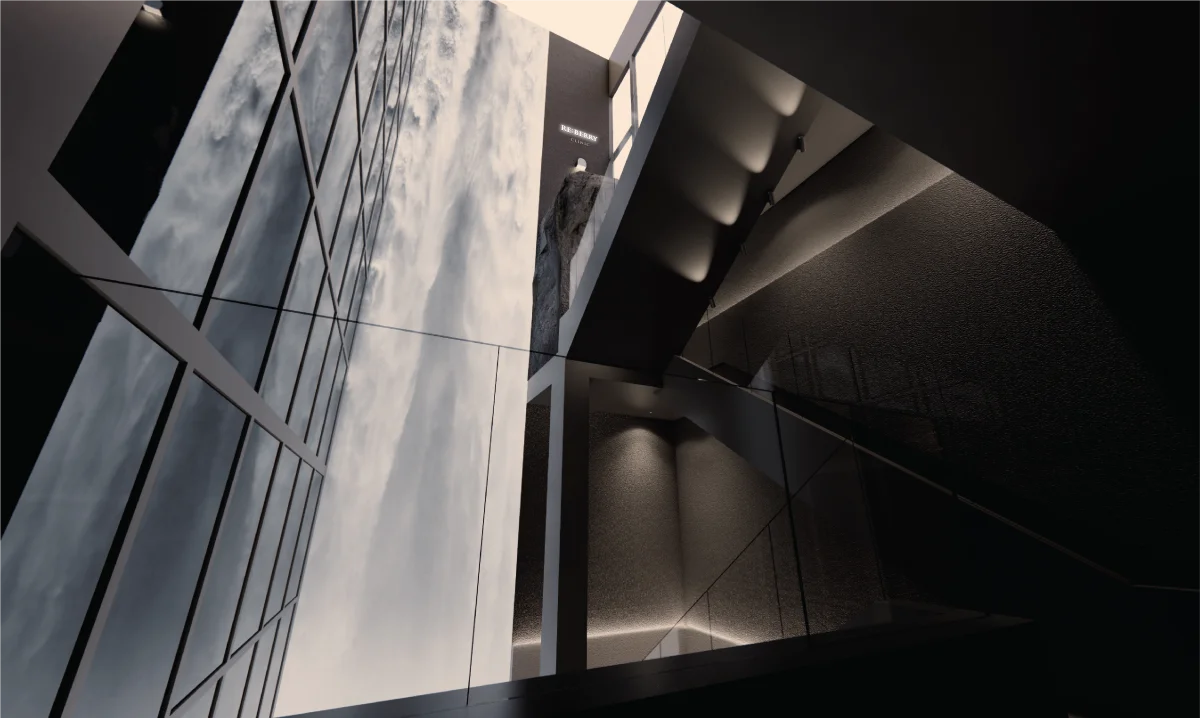
The clinic’s doctors note when you fly, then work back to fit treatments inside your window, often 2 to 5 days in Seoul.
Light facials and toning are often flight-ready within about 24 hours, injectables within 24 to 48 hours, and ablative laser typically needs 7 or more days.
Deeper treatments are scheduled at least 5 to 7 days before departure so early redness and swelling can settle first.
You get a routine to keep skin hydrated and protected during a cabin humidity that often sits around 10 to 20 percent.
After assessing your skin and itinerary, your doctor confirms a clear flight-readiness timeline in English, individualised rather than generic.
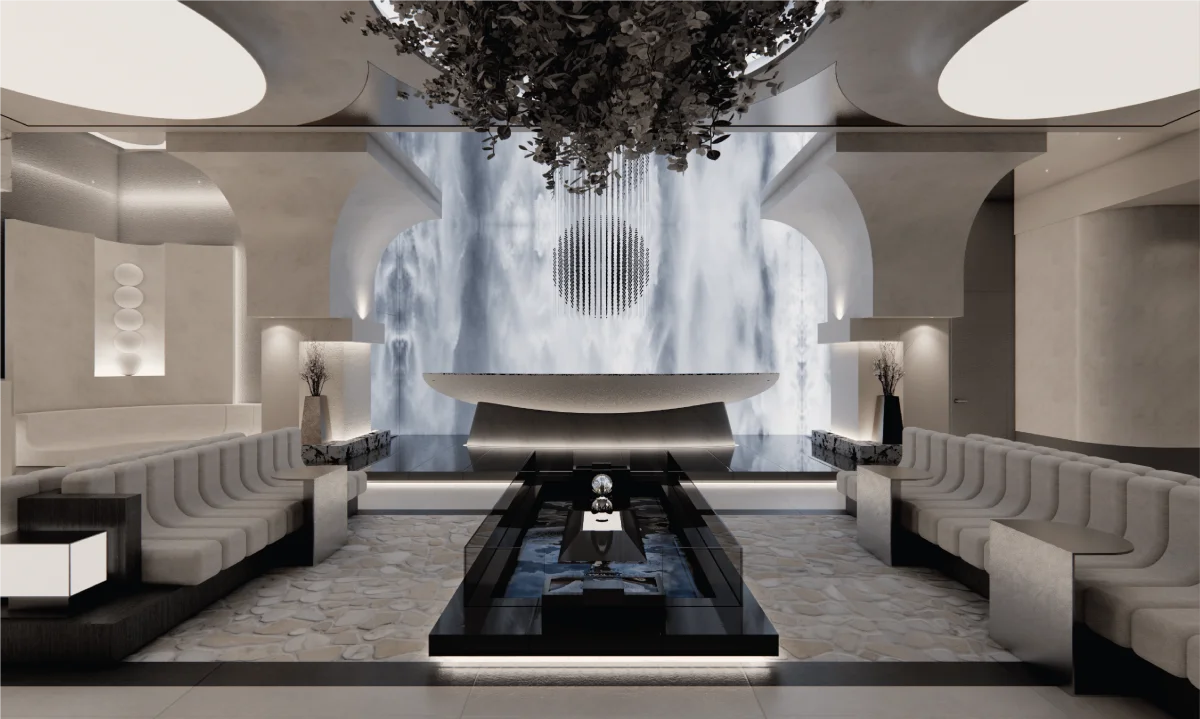
Before-and-after photos are being updated.
The clinic’s doctors review your travel dates and skin goals, then recommend treatments that fit your flight-readiness window, all explained in English.
Most treatments take about 20 to 60 minutes, and your team explains exactly how many days of recovery to allow before you fly.
Some goals need a single visit, while others run over 2 to 3 sessions, which may mean a return-visit plan around future flights.
Injectables settle over 1 to 2 weeks, while resurfacing results build over several weeks as skin fully heals and redness fades.
Hydration and sun protection help results last, and remote follow-up in English keeps your plan on track after you fly home.



It depends on the treatment: light facials and toning are often flight-ready within about 24 hours, injectables within 24 to 48 hours, and ablative laser resurfacing typically needs 7 or more days. Your doctor confirms the exact window based on your specific procedure. You can review options on our skin care page.
For many light, non-heat treatments like a hydrating facial or gentle toning, same-day or next-day flying is usually comfortable. Cabin air is very dry, so moisturise well and protect skin from sun. A HydraFacial-style treatment is a popular quick pre-flight refresh.
Most specialists suggest waiting about 24 to 48 hours after injectables, once early swelling or bruising has settled, before a long flight. Avoid lying flat for a few hours afterward and keep your head elevated if you nap. Your doctor gives advice based on the treated area and units used.
Yes, ablative fractional laser resurfacing usually needs the longest wait, 7 or more days, because it creates microscopic wounds that must heal before flying. Redness can last one to two weeks. If your trip is short, our doctors may suggest a gentler laser treatment with faster recovery.
Flying too soon rarely ruins results, but it can make swelling, redness, or dryness more noticeable and uncomfortable in a dry cabin. That is why deeper treatments are scheduled at least 5 to 7 days before departure. Your doctor sequences your plan so healing is well underway before you board.
Keep skin hydrated with a gentle moisturiser, avoid makeup on freshly treated areas, and apply sunscreen if seated near a window. Drink water, since cabin humidity often sits around 10 to 20 percent. Your doctor gives a specific aftercare routine matched to your treatment before you travel.
Skin booster injections like Rejuran usually have modest downtime, with small bumps or mild redness that often settle within a day or two, so many patients fly after a short buffer. A Rejuran Healer plan can suit travellers wanting regeneration with limited downtime.
For a light treatment, a single day can be enough, while injectables are more comfortable with a day or two of buffer. Deeper laser work usually needs a week or a return-visit plan. Our Myeongdong team, near Myeongdong Station, helps schedule everything around your departure date.
Yes, some patients combine compatible treatments in one visit, but your flight-readiness is set by whichever treatment has the longest downtime. Combining can save a return trip. Our doctors sequence a skin care combination so it stays safe and comfortable for your travel dates.
It is generally safe for quick-recovery treatments, as long as you follow aftercare and allow the recommended buffer for anything more intensive. Long-haul flights are drier and longer, so hydration matters more. Your doctor confirms whether your chosen treatment suits a long-haul departure at consultation.
Yes, skin type can influence redness, healing speed, and pigment risk, especially with laser. Deeper tones may need more conservative settings, which can slightly extend recovery. Our doctors account for this at consultation so your plan is both safe and matched to your travel window.
With a single day, quick-recovery options like a hydrating facial, gentle toning, or light skin boosters are usually best, since they are often flight-ready within about 24 hours. A tailored skin care plan can prioritise these when your schedule is very tight.
Most healthy adults are good candidates, provided your itinerary leaves a safe healing buffer for the treatment chosen. Very tight schedules may limit you to quick-recovery options. A consultation matches the right treatment to your skin, your goals, and your departure date.
Many patients do fly the next day after injectables, but a full 24 to 48 hours is more comfortable if you tend to swell or bruise. Keep your head elevated and avoid heat and alcohol beforehand. Your doctor advises based on the treated area and your individual response.
Many plans run as a course, so international patients often complete the first session in Seoul and continue on return visits. The clinic offers remote check-ins in English between trips, and your treatment notes are kept on file so your plan stays consistent across visits.
If you are flying soon, our Myeongdong (Seoul) location near Myeongdong Station is convenient in the city, and Reberry also has a location near Incheon Airport for transit or last-minute care. Our team helps you choose the branch and timing that best fit your departure and treatment.
| Light Facial / Toning | Injectables & Skin Boosters | Ablative Laser Resurfacing | |
|---|---|---|---|
| Typical flight-readiness | Often around 24 hours | Generally 24 to 48 hours | Usually 7 or more days |
| Main post-care concern | Mild dryness or light flushing | Early swelling, bruising, small bumps | Redness and barrier healing |
| Best for | A quick pre-travel refresh | Wrinkle softening, volume, regeneration | Texture, scars, deeper resurfacing |
| Days to plan in Seoul | Same-day to next-day travel possible | A day or two of buffer is comfortable | A week or a return-visit plan |
| Downtime intensity | Minimal | Mild and short-lived | Moderate over one to two weeks |
| Aftercare focus in cabin | Hydration and sun protection | Avoid heat, keep head elevated | Gentle care, strict sun avoidance |
Real verified reviews from our Google Business Profile, across all Reberry Clinic locations.
PULLED LIVE FROM GOOGLE · GANGNAM · MYEONGDONG · INCHEON AIRPORT
Your treatment is planned and performed by experienced, MFDS-registered doctors across our Seoul-area clinics, with multilingual support for international patients.
Flagship clinic · for leading lifting & regenerative devices · Featured in Authority Magazine (2026)

Multilingual tourist care beside Myeongdong Cathedral

Fast, effective care 20 minutes from the terminals
Message us on WhatsApp for a free consultation in English about the right pre-flight treatment and a recovery window that fits your travel dates.