



Gangnam
Dr. Yoon-Gon Ryu
Aesthetic Medicine Specialist
Flagship clinic · KOL for leading lifting & regenerative devices · Featured in Authority Magazine (2026)

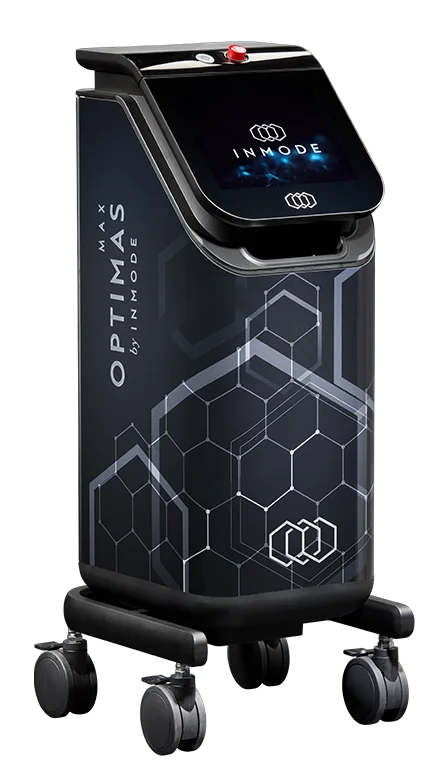
Fractional RF microneedling delivers radiofrequency into the dermis through ultra-fine needles, with most plans running 3 to 4 sessions for gradual collagen remodeling.
RF microneedling is a non-surgical treatment that uses ultra-fine insulated needles to deliver radiofrequency energy into the dermis, heating tissue in tiny fractional zones to prompt collagen and elastin remodeling. Near Incheon Airport, it is typically planned across 3 to 4 sessions to firm skin, refine texture, and improve mild laxity gradually over several months.
One-on-One guidance from a dedicated doctor, ensuring your skin is professionally monitored and treated from start to finish.
Fluent assistance in English, Japanese, and Chinese, making communication clear, respectful and comfortable for international patients.
Over 100,000 patients worldwide have received our personalized dermatological care, highlighting our expertise and reliable results.
RF microneedling is a non-surgical skin-tightening and resurfacing treatment that combines two mechanisms: micro-injury from ultra-fine needles and heat from radiofrequency energy. As the insulated needles reach a set depth in the dermis, they release bipolar RF that heats tissue in tiny fractional columns, while the surface is largely spared. This controlled thermal injury triggers a natural wound-healing response, prompting fibroblasts to build new collagen and elastin over the following months.
Because the needle depth, energy level, and number of passes are adjustable, RF microneedling can be tuned for different concerns: fine lines and pores on the face, mild laxity along the jawline, or firmness on larger body areas such as the abdomen. That flexibility is why it suits a wide range of skin types and tones, since RF targets water in the dermis rather than surface pigment.
At our Incheon Airport (Yeongjongdo) location, RF microneedling is delivered by the clinic’s doctors under the direction of Dr. Sunbeen Kim, Medical Director, with English-language support. Because we are near ICN, many international patients fit a session into a transit or stopover, then continue the planned series on return visits.

RF microneedling uses a handpiece fitted with an array of fine, often insulated, needles that penetrate to a controlled depth in the dermis. Once at depth, the tips emit bipolar radiofrequency, generating heat in small fractional zones typically between about 1 and 4 millimetres deep depending on the setting. Insulation on the needle shaft concentrates the energy at the tip, protecting the upper skin and helping reduce pigment-related risk, which is one reason the treatment is used across a broad range of skin tones. The combination of mechanical micro-channels and dermal heating stimulates fibroblasts, and over the following weeks and months collagen fibres reorganise and thicken. Because depth, energy, and passes are all adjustable, the same device can be dialled from a gentle facial refinement to a firmer body-tightening protocol. This tunability is why sessions are individualised and why most concerns need a series of 3 to 4 visits rather than a single treatment.
One Reberry Clinic, multiple Seoul-area locations. Pricing & current promotions are listed on each branch's own site — tap a clinic to view pricing & book.
Our flagship in the heart of Gangnam.
In Seoul's shopping & tourism heart.
A beauty stop between flights.
The newest Reberry Clinic — in Seoul's trend district.
ONE REBERRY CLINIC · MFDS-REGISTERED DEVICES · MULTILINGUAL CARE AT EVERY LOCATION

A topical anaesthetic is applied for about 20 to 30 minutes so the treatment is comfortable before the handpiece is used.
Ultra-fine needles penetrate to a chosen depth, often adjustable across roughly 1 to 4 millimetres, matched to your concern.
Bipolar radiofrequency heats tissue in tiny fractional zones at the needle tips, sparing most of the surface skin.
The controlled thermal injury prompts fibroblasts to build new collagen and elastin over the next 3 to 6 months.
Most plans run 3 to 4 sessions spaced about 4 to 6 weeks apart so results build steadily rather than all at once.
See representative outcomes from Reberry Clinic. Results build gradually and vary by individual; your plan is assessed at consultation.
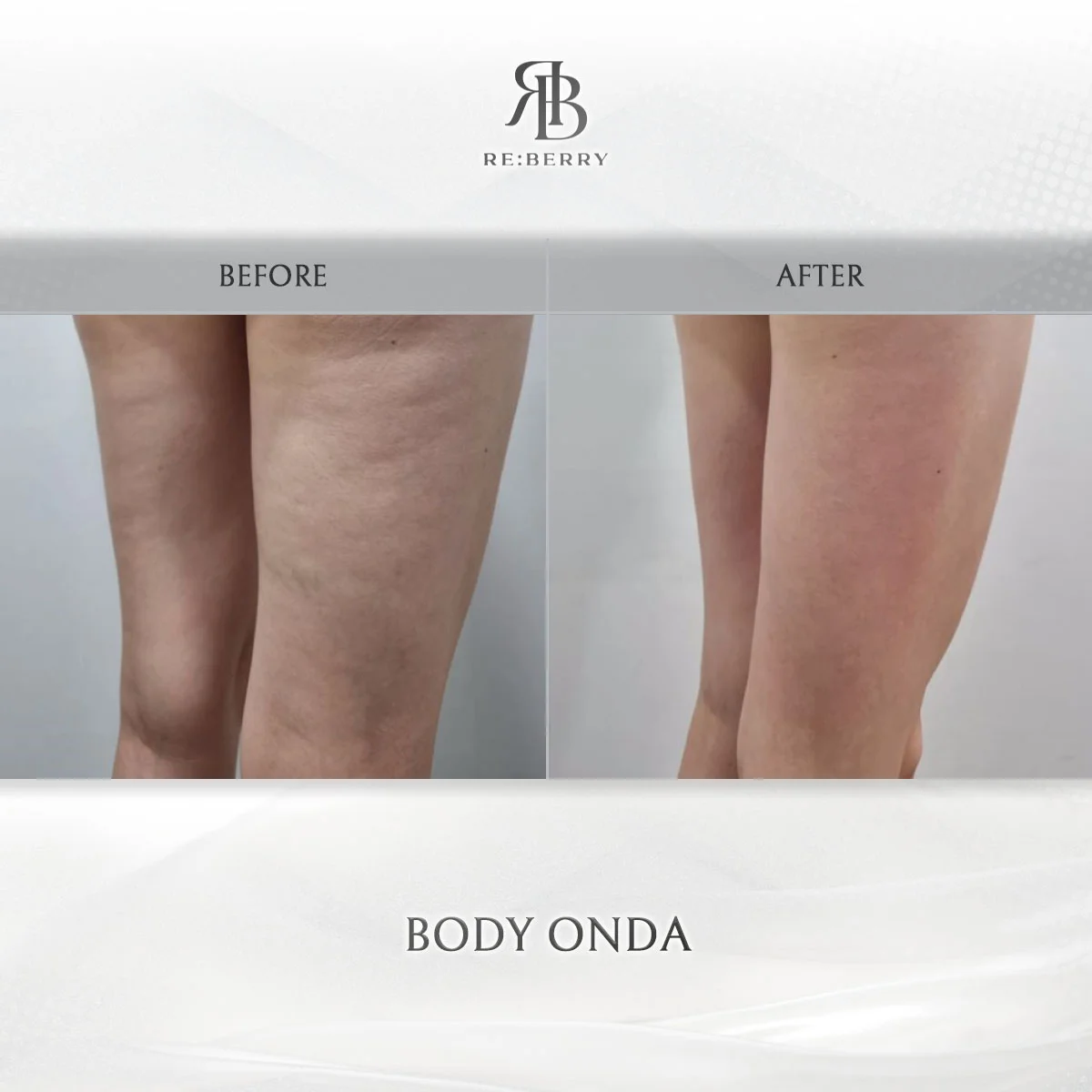
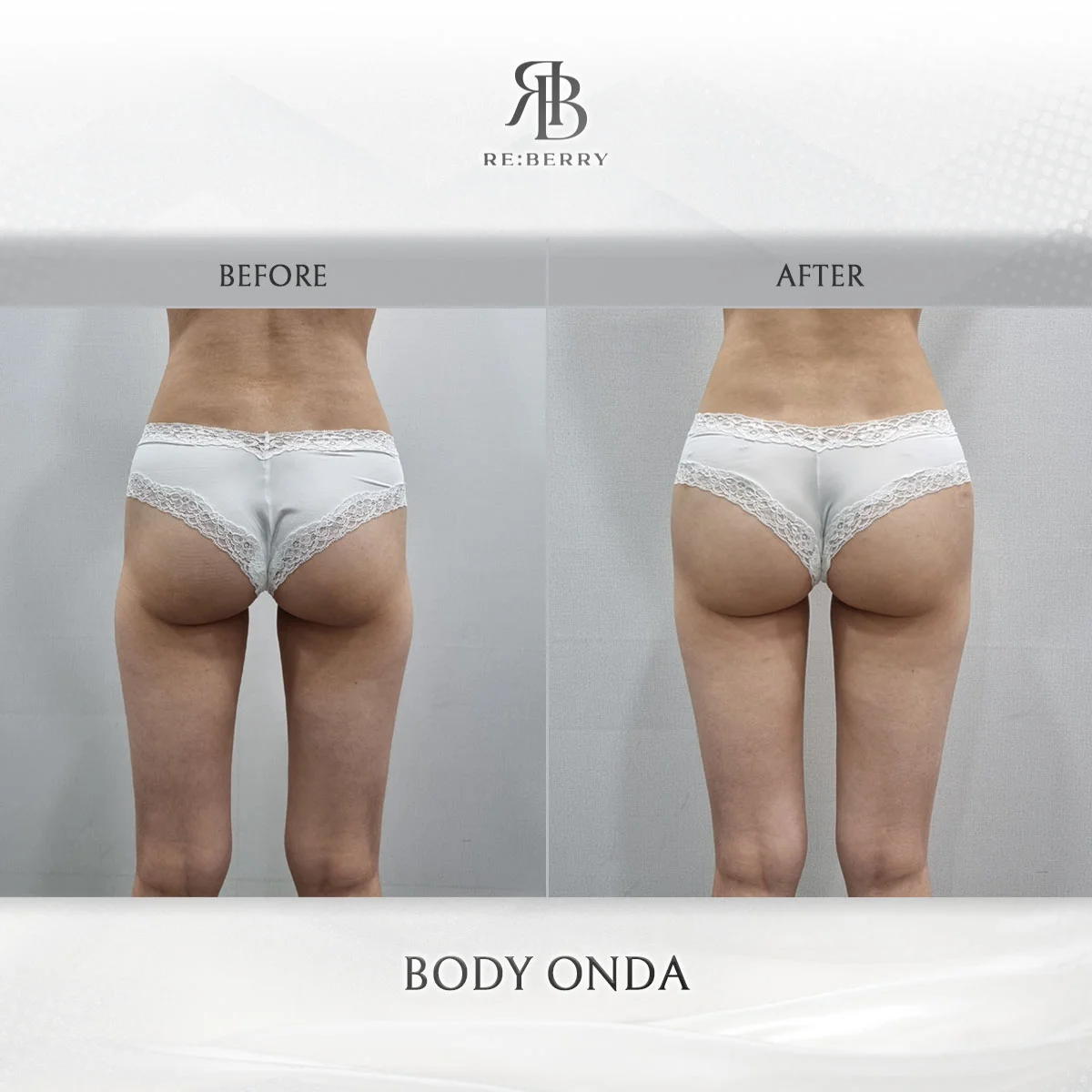
Dr. Sunbeen Kim assesses your skin, maps the areas and session count, and explains realistic outcomes in English at our Incheon Airport location.
After topical numbing of about 20 to 30 minutes, a single session usually takes around 20 to 40 minutes depending on the area.
RF microneedling runs as a course of 3 to 4 sessions spaced roughly 4 to 6 weeks apart for steady remodeling.
Firmness and texture improve over 2 to 3 months as collagen rebuilds, with your doctor reviewing progress between visits.
Results are not a one-time fix, so occasional maintenance sessions and daily sun protection help sustain them over time.



RF microneedling is a non-surgical treatment that delivers radiofrequency energy into the dermis through ultra-fine needles, heating tissue in tiny fractional zones to prompt collagen and elastin remodeling. It improves texture, pores, and mild laxity over several months. You can read more on our RF microneedling page.
Regular microneedling relies on micro-injury alone, while RF microneedling adds radiofrequency heat at the needle tips to remodel deeper dermal collagen. That heat is why RF versions often show stronger tightening in studies. The two share a similar comfort profile after numbing, but RF microneedling targets laxity more directly than needles alone.
RF microneedling treats facial concerns like fine lines, enlarged pores, and mild jawline laxity, plus larger body areas such as the abdomen and arms. Depth and energy are adjusted per zone. For body-focused firming, you can review our RF body skin tightening options alongside a consultation.
Most patients feel warmth and pressure rather than sharp pain, because a topical anaesthetic is applied for about 20 to 30 minutes first. Sensitivity varies by area and needle depth, with bonier zones feeling more. Your doctor adjusts energy and depth for comfort during the session and checks in throughout the treatment.
Expect redness and a sandpaper-like texture for about 1 to 3 days, sometimes with tiny pinpoint marks that fade quickly. Downtime is generally mild, though deeper or larger treatments can extend it slightly. Most people return to normal activities the next day with sun protection, which your doctor explains before you start.
Most plans run 3 to 4 sessions spaced about 4 to 6 weeks apart, since collagen remodeling builds gradually rather than in one visit. The exact number depends on your skin and goals, which your doctor reviews and adjusts. Some patients add occasional maintenance sessions once the initial course is complete.
Early smoothness can appear within a few weeks, but firmer, more visible results build over 2 to 3 months as collagen and elastin remodel. Improvement continues across the session series. Your doctor reviews progress between visits so the plan stays matched to how your skin responds over time.
Results can hold for many months, but skin keeps ageing, so RF microneedling is not a one-time fix. Occasional maintenance sessions and consistent sun protection help sustain firmness. Your doctor discusses a realistic maintenance rhythm at consultation so you know what to expect over the longer term.
RF microneedling is generally considered suitable across skin tones because radiofrequency targets water in the dermis rather than surface pigment, lowering the pigment-related risks seen with some lasers. A consultation still confirms appropriate settings for your skin. Temporary redness or swelling is the most common short-term effect after treatment.
Yes, RF microneedling is often paired with focused ultrasound, skin boosters, or lasers to broaden results, with sessions sequenced so skin is not over-stressed. For deeper lifting, some patients add Ultherapy Prime. Your doctor designs a combined plan based on your concerns and how much downtime you can accommodate.
RF microneedling remodels the dermis for texture and mild laxity, while HIFU such as Ultherapy Prime uses focused ultrasound to reach the deeper SMAS layer for lifting. They address different depths, so some patients combine them. Your doctor recommends the right emphasis based on your goals and skin.
Most adults with mild to moderate laxity, enlarged pores, texture concerns, or some acne scarring are suitable for RF microneedling. A consultation confirms the right depth, energy, and session count for your goals. Certain conditions, such as active infection, pregnancy, or specific implants, require review first, which your doctor explains clearly.
Reberry Clinic has three Seoul-area locations (Gangnam, Myeongdong, Incheon Airport). For travelers arriving through ICN, our Incheon Airport (Yeongjongdo) location suits a transit or stopover visit. You can begin your RF microneedling plan here and continue across return trips if that fits your schedule.
Daily sunscreen, gentle non-irritating skincare, and avoiding heat, saunas, and heavy exercise for a day or two support healing. Keep treated skin clean and moisturised as redness settles. A tailored skin care routine helps protect results between sessions, and your doctor gives specific instructions after each visit.
No treatment can promise a specific outcome, as response depends on skin type, laxity, and how many sessions are completed. Studies show meaningful improvement in most patients, but individual results vary. Your doctor sets realistic expectations at consultation so you understand the likely range of benefit for your skin and goals.
A single session usually takes only a few hours, so RF microneedling fits well into a transit or stopover near ICN. Because plans run as a course, many international patients begin here and continue on return trips. Our English-speaking team helps coordinate timing around your flights and connections.
Yes, flying within a day or so is generally fine, since RF microneedling is minimally invasive with mostly surface redness. Cabin air is drying, so moisturise, avoid makeup on treated skin briefly, and use sun protection. If your treatment was deeper, your doctor gives tailored aftercare so you can travel comfortably.
| RF Microneedling | Ultherapy Prime (MFU) | Thermage FLX (Monopolar RF) | |
|---|---|---|---|
| Energy / mechanism | Bipolar RF via fine needles into the dermis | Micro-focused ultrasound to the SMAS layer | Bulk monopolar radiofrequency across the skin surface |
| Best for | Texture, pores, mild laxity, some scarring | Deeper lifting of jaw, brow, and neck | Broad tightening and firmness over larger zones |
| Pain / comfort | Warmth and pressure after numbing | Brief deep pulses of energy | Heat pulses with contact cooling |
| Downtime | Usually 1 to 3 days of redness | Little to none | Little to none |
| Results timeline | Builds over 2 to 3 months | Builds over 2 to 3 months | Builds over 2 to 6 months |
| Sessions | A series of 3 to 4 sessions | Often a single annual session | Often a single annual session |
Real verified reviews from our Google Business Profile, across all Reberry Clinic locations.
PULLED LIVE FROM GOOGLE · GANGNAM · MYEONGDONG · INCHEON AIRPORT
Your treatment is planned and performed by experienced, MFDS-registered doctors across our Seoul-area clinics, with multilingual support for international patients.
Flagship clinic · KOL for leading lifting & regenerative devices · Featured in Authority Magazine (2026)

Multilingual tourist care beside Myeongdong Cathedral

Fast, effective care 20 minutes from the terminals
Message us on WhatsApp for a free consultation in English about whether RF microneedling suits your skin and goals.