
Gangnam
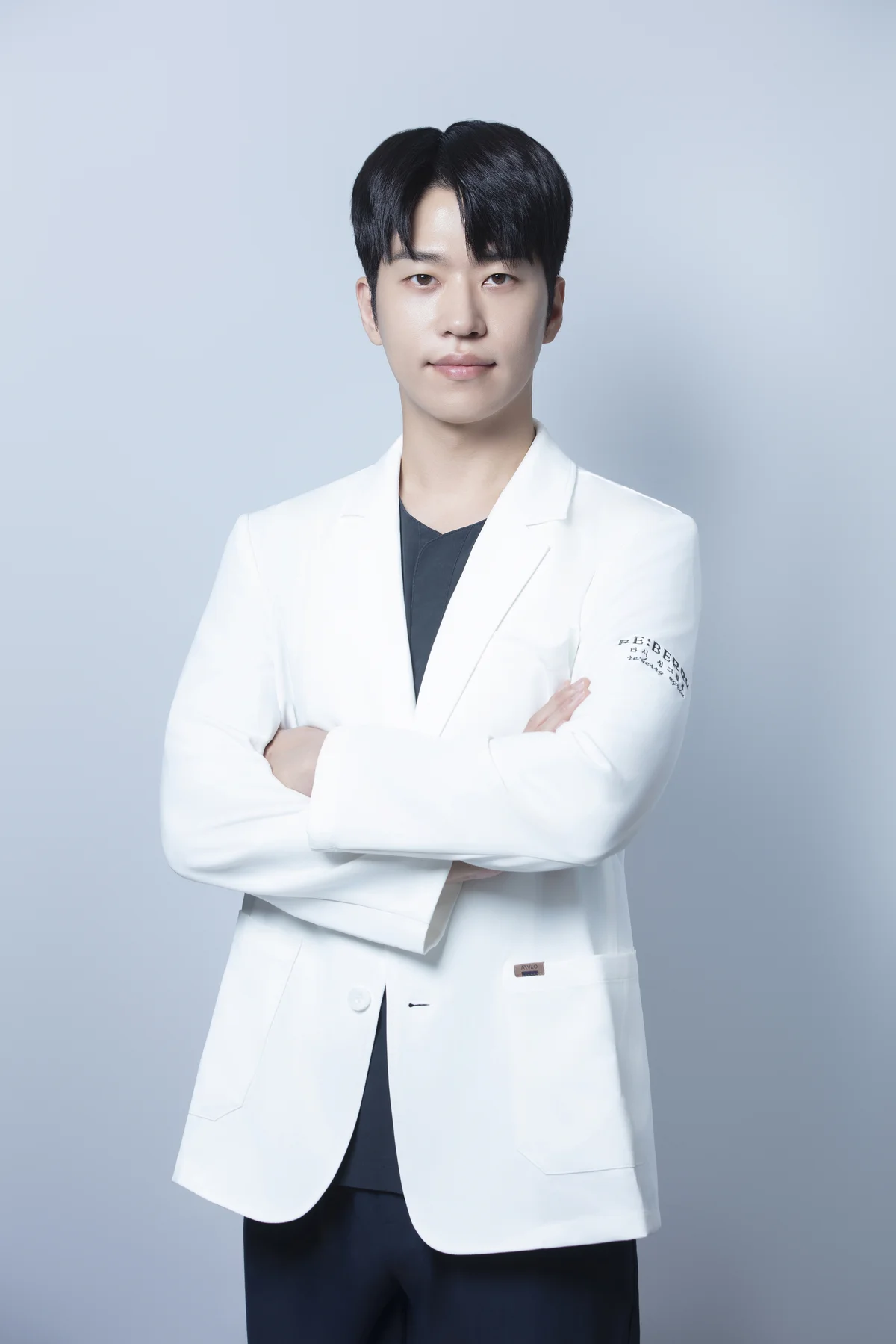
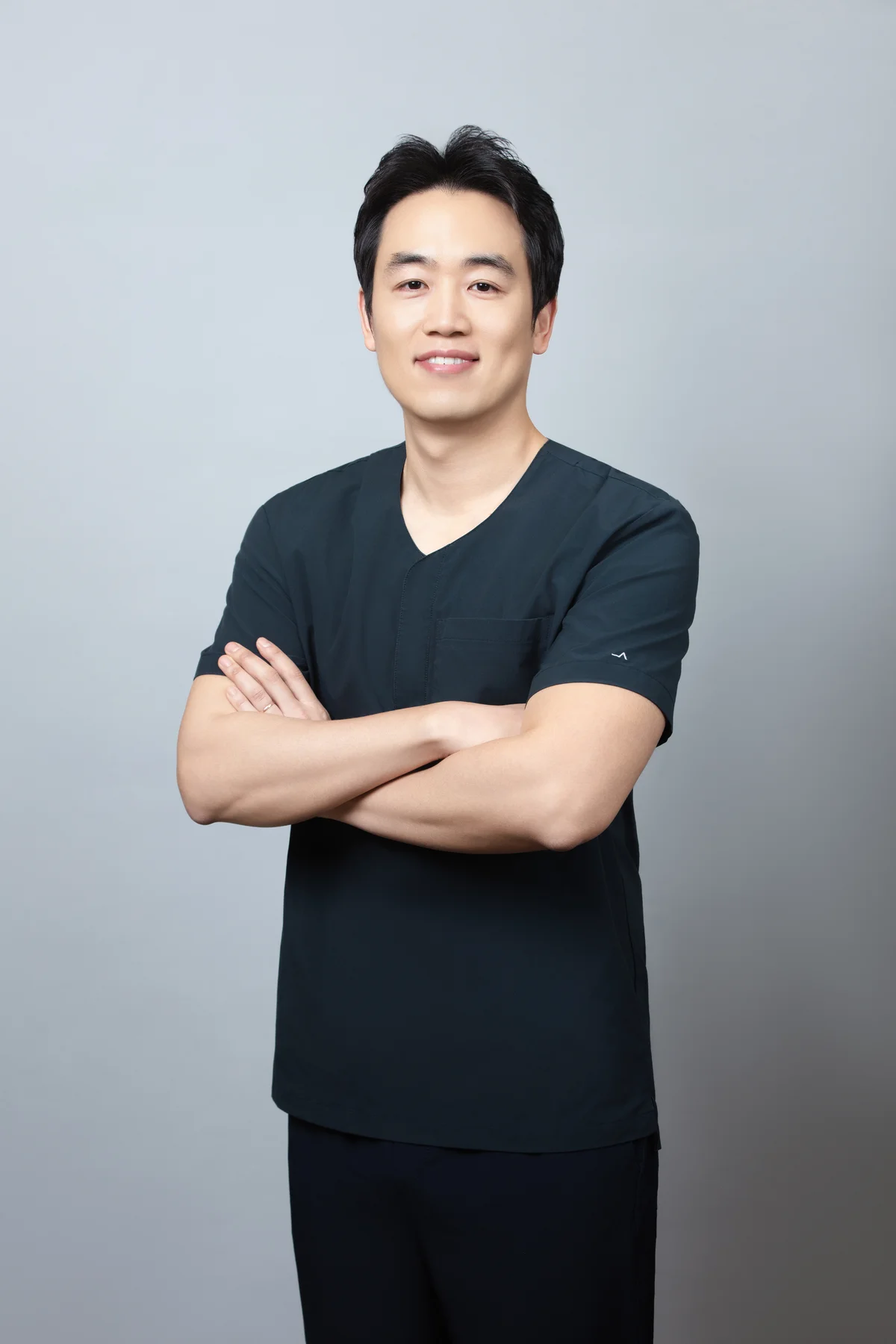
Dr. Yoongon Ryu
Aesthetic Medicine Specialist
Flagship clinic · KOL for leading lifting & regenerative devices

Cost tracks scar type and severity: atrophic, hypertrophic, and acne scars often improve over a course of 3 to 5 fractional laser resurfacing sessions rather than a single visit.
Scar treatment cost in Seoul, Korea depends on the scar type, its size and depth, and how many fractional laser resurfacing sessions your plan needs. Because scars respond over a series, cost is planned as a course. At Reberry Clinic, the clinic’s doctors confirm your individual cost after assessing your scars, not from a single fixed figure.
One-on-One guidance from a dedicated doctor, ensuring your skin is professionally monitored and treated from start to finish.
Fluent assistance in English, Japanese, and Chinese, making communication clear, respectful and comfortable for international patients.
Over 100,000 patients worldwide have received our personalized dermatological care, highlighting our expertise and reliable results.
Scar treatment cost in Seoul, Korea is shaped less by a single price tag and more by what your scars actually need. The scar type is the biggest variable: atrophic (depressed) acne scars, raised hypertrophic scars, and surgical or trauma scars each respond differently and may need different laser settings or combined approaches. A few shallow marks are simpler and less costly than widespread, deep scarring, which usually calls for more sessions.
The second driver is the number of sessions. Fractional laser resurfacing works by creating controlled micro-columns of thermal injury that trigger collagen remodelling, and that remodelling builds gradually. Most scar courses run over several sessions spaced weeks apart, so patients budget for a series rather than a one-off. Scar size, location, skin type, and whether the plan layers in supportive treatments all change the total.
At Reberry Clinic, scar care is consultation-led: the clinic’s doctors first assess your scar type, depth, and skin type, then build a tailored plan and explain the cost transparently in English. Scar treatment is offered in Seoul, Korea across our operating locations (Gangnam, Myeongdong), with airport-area access for travellers, so cost can be planned around your schedule.
Scars respond best when the plan matches the scar’s biology rather than relying on one setting. Atrophic acne scars, where tissue is depressed, benefit from fractional laser resurfacing that stimulates new collagen to lift the base over a series of sessions. Raised hypertrophic scars may need gentler, non-ablative fractional passes, sometimes combined with other measures, to soften and flatten them. Because each scar type demands a different intensity and number of passes, the plan, and therefore the cost, scales with severity. Depth is decisive: shallow marks may clear in fewer sessions, while deep, pitted, or extensive scarring usually needs more visits and closer spacing, both of which raise the total. Skin type also matters, as darker or Asian skin often calls for more conservative settings to avoid pigment change, which can mean additional, lighter sessions. The clinic’s doctors sequence treatments so the skin is not over-stressed, which is why your final cost is set after assessment, not before.
One Reberry Clinic, multiple Seoul-area locations. Pricing & current promotions are listed on each branch's own site — tap a clinic to view pricing & book.
Our flagship in the heart of Gangnam.
In Seoul's shopping & tourism heart.
A beauty stop between flights.
The newest Reberry Clinic — in Seoul's trend district.
ONE REBERRY CLINIC · MFDS-REGISTERED DEVICES · MULTILINGUAL CARE AT EVERY LOCATION
Doctors classify your scars across 3 categories (atrophic, hypertrophic, acne-related) and grade depth and extent, the single biggest cost factor.
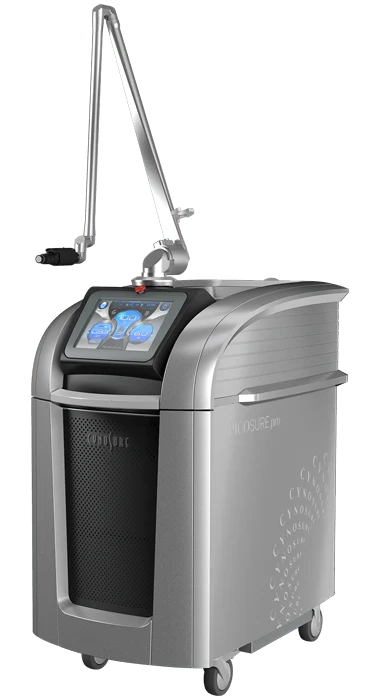
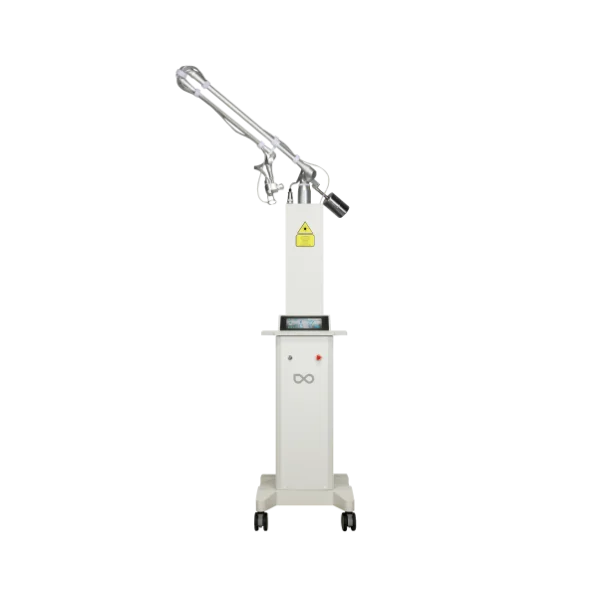
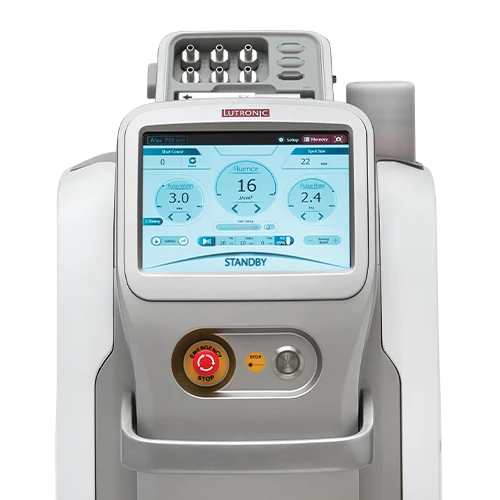
Fractional laser resurfacing settings are chosen for your scar and skin type, with 1 of 2 pass types, ablative or non-ablative, affecting session intensity.
Most scar courses run over 3 to 5 sessions spaced about 4 to 6 weeks apart, so cost is usually quoted as a course, not a single visit.
Darker or Asian skin may need more conservative, slightly lighter settings, which can add 1 or more gentle sessions to the plan.
After assessment, the clinic’s doctors give you a transparent, individualised cost in English rather than a single fixed price for everyone.
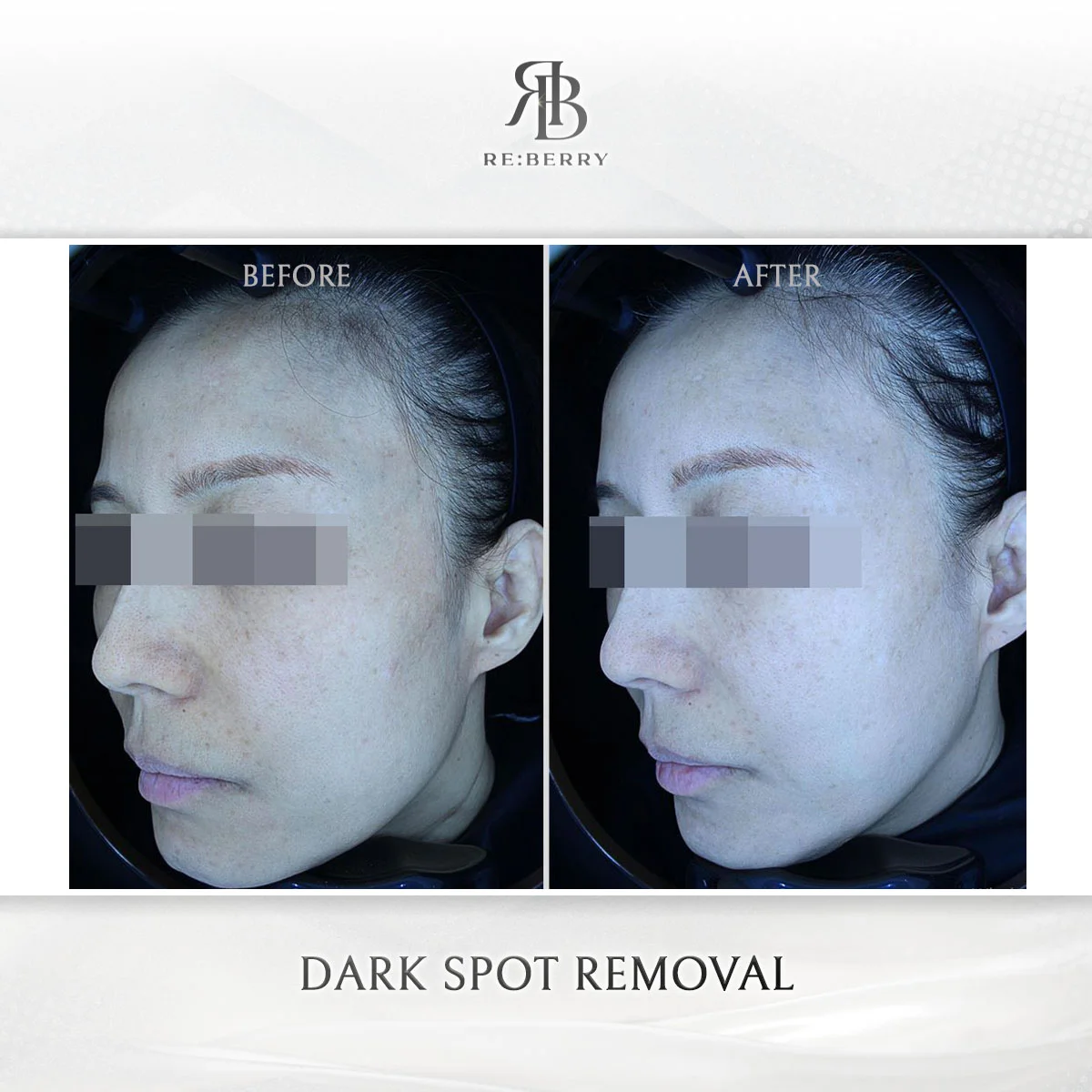
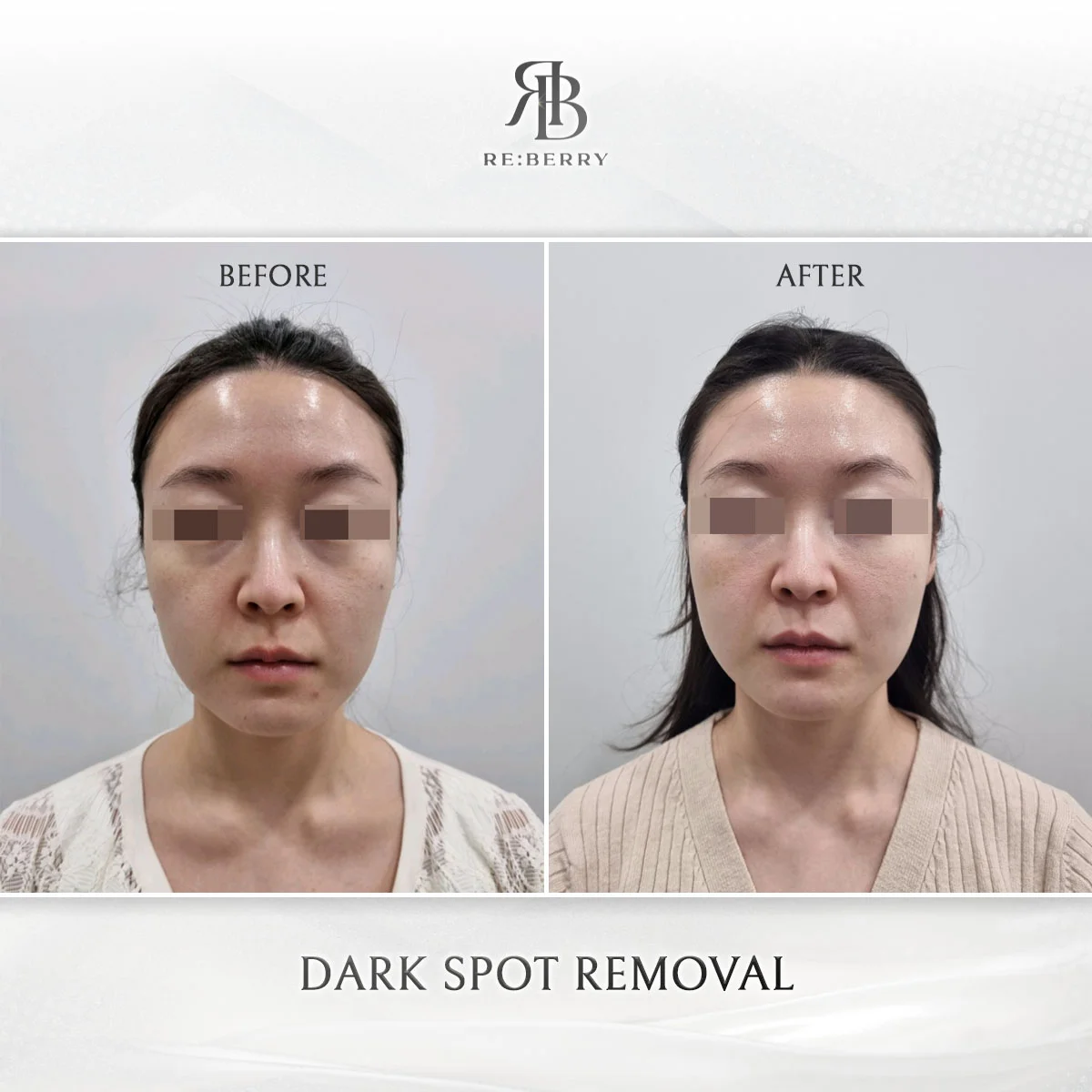
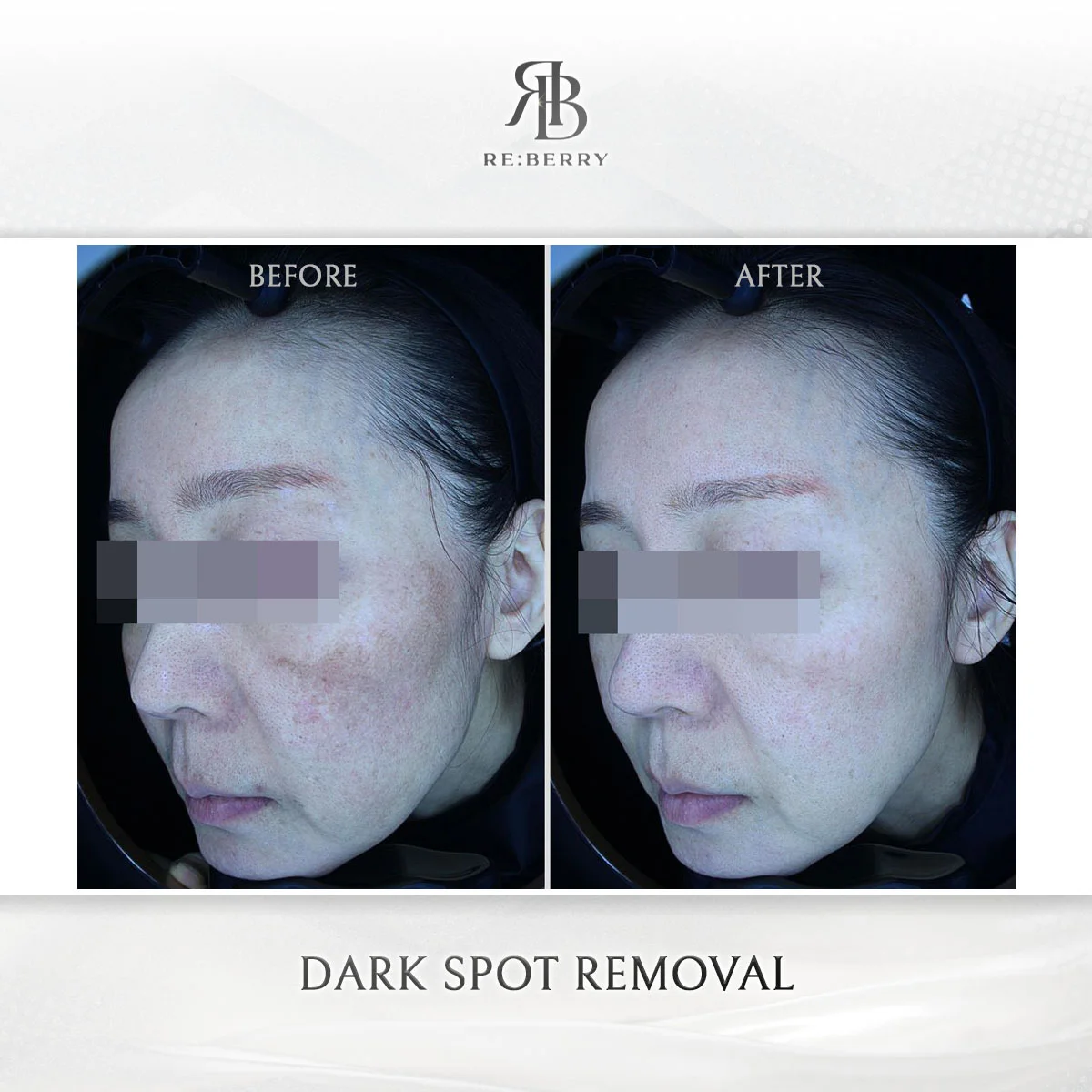
See representative outcomes from Reberry Clinic. Results build gradually and vary by individual; your plan is assessed at consultation.
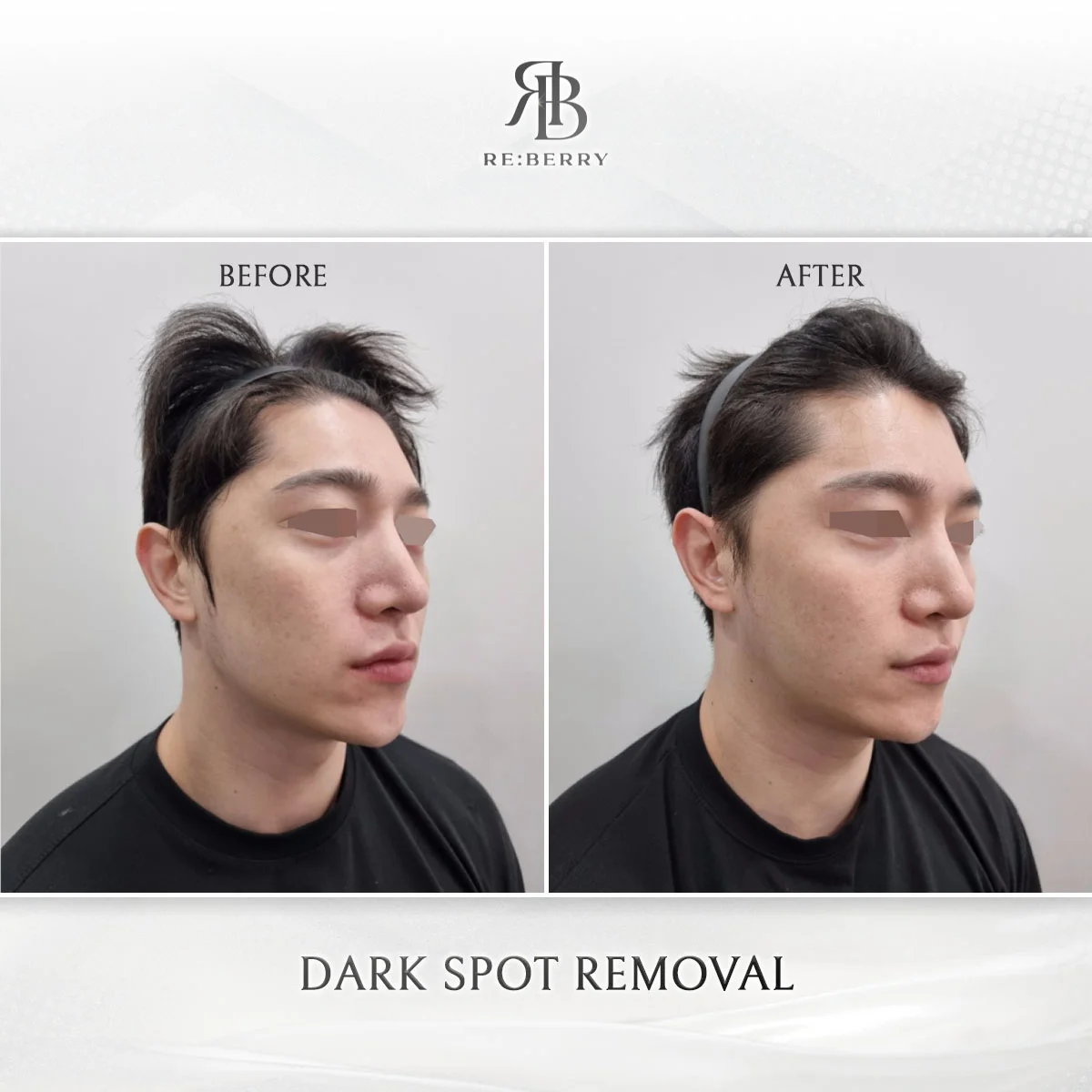
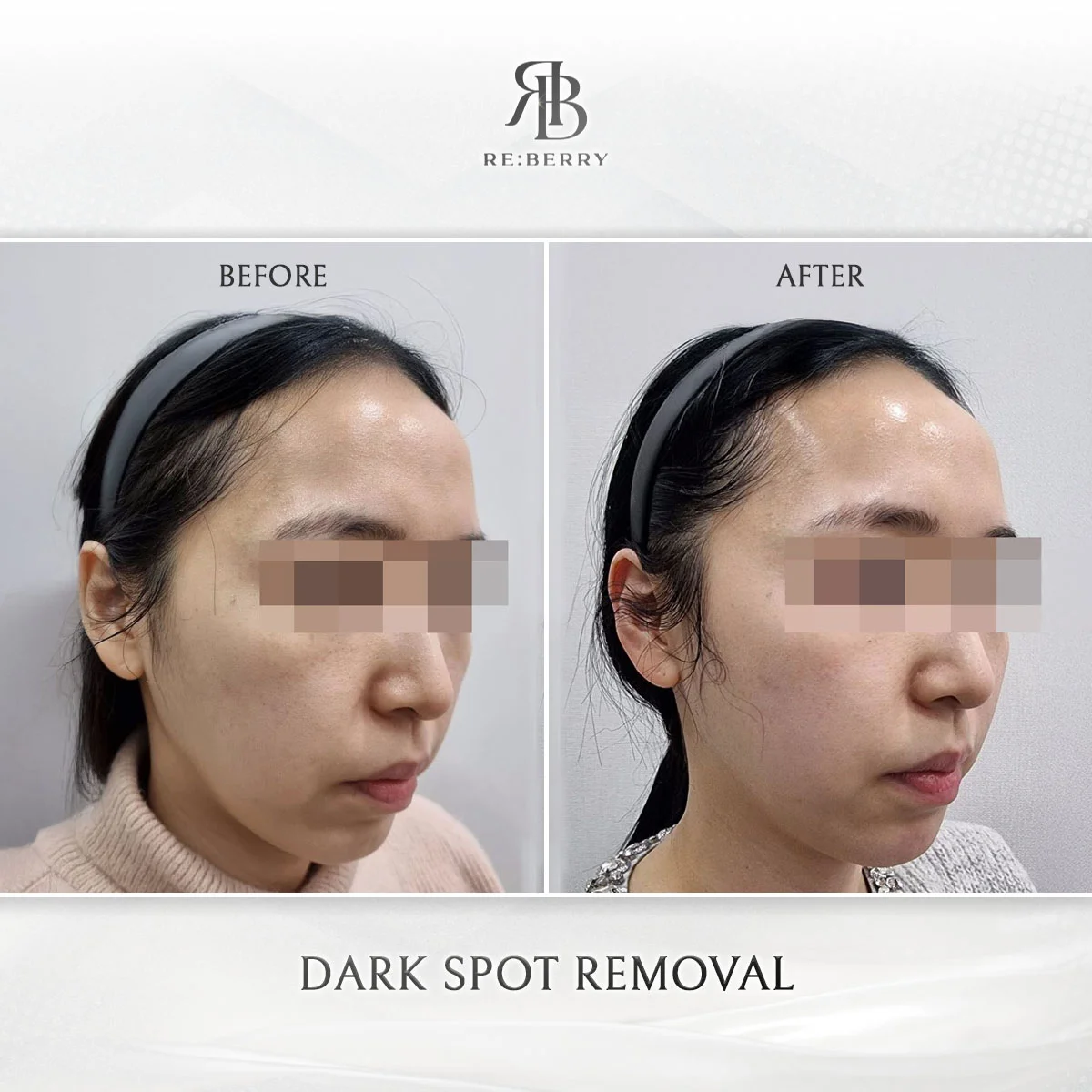
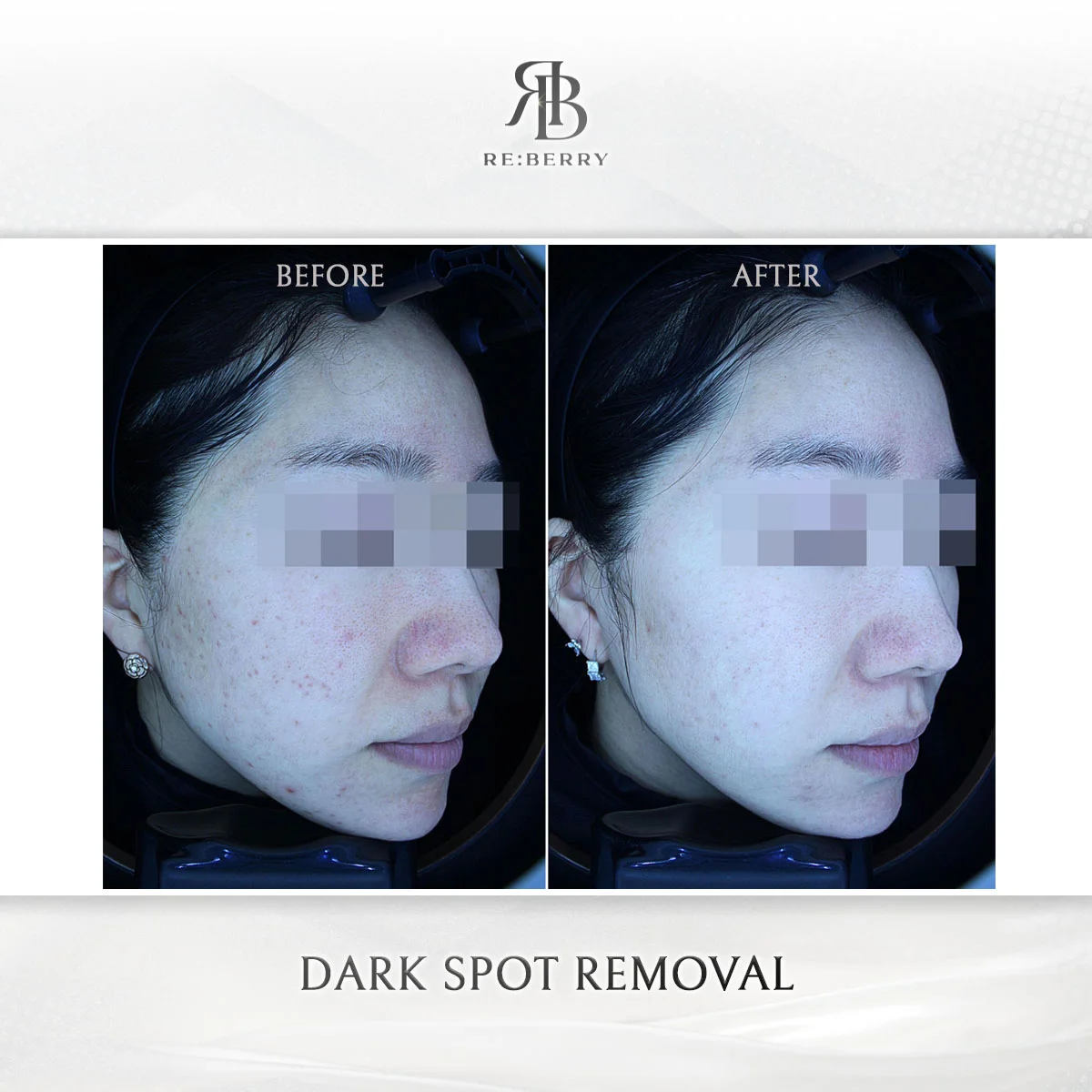
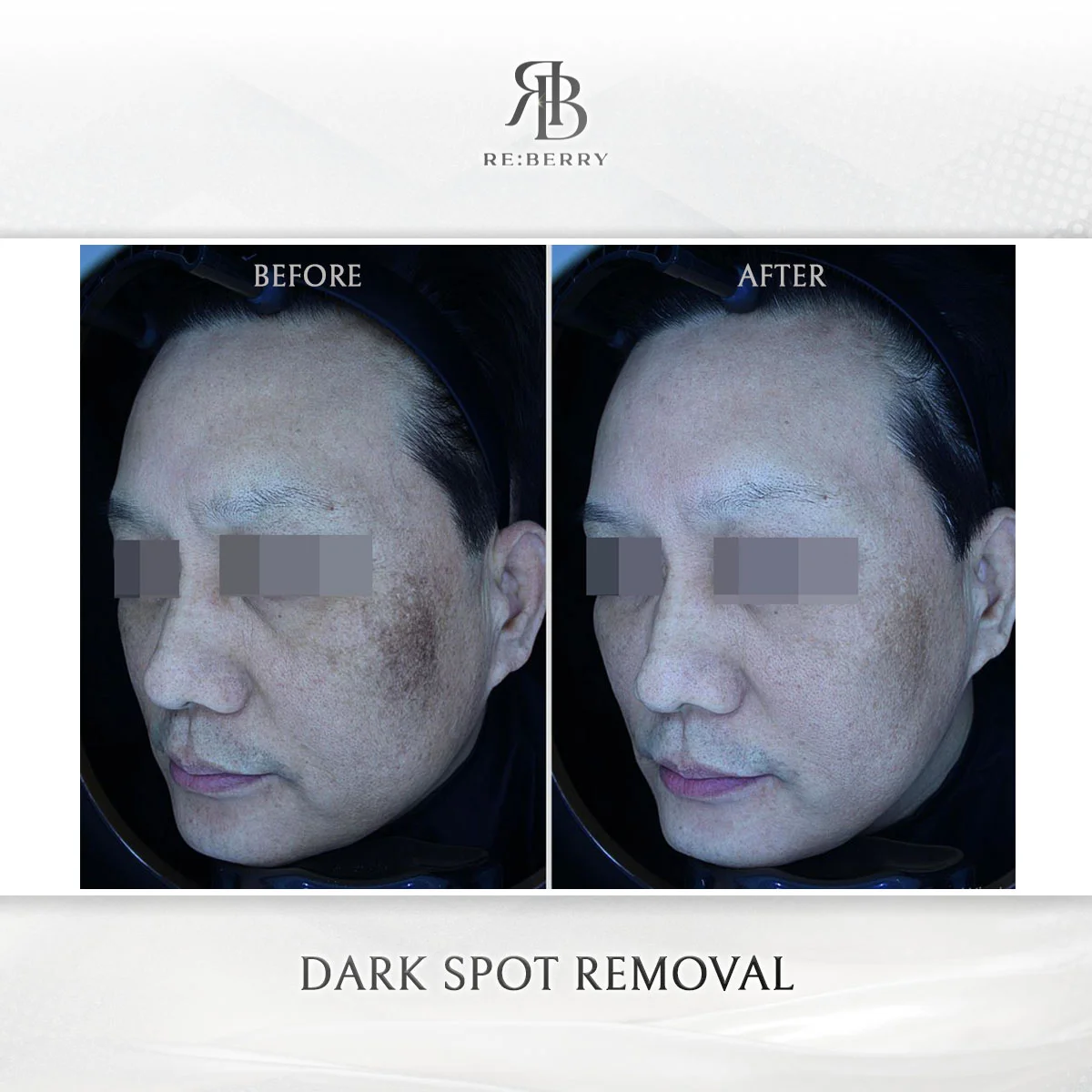
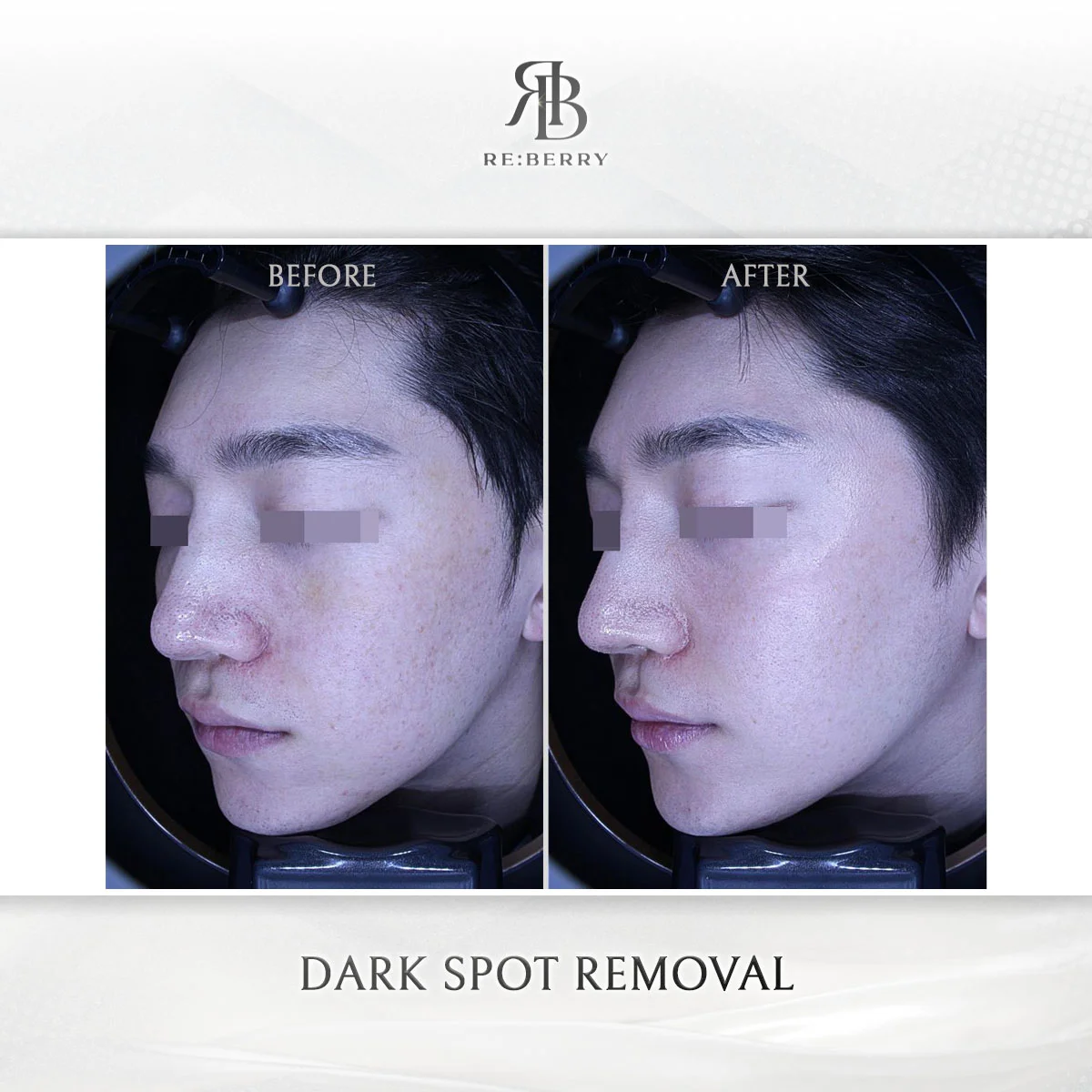
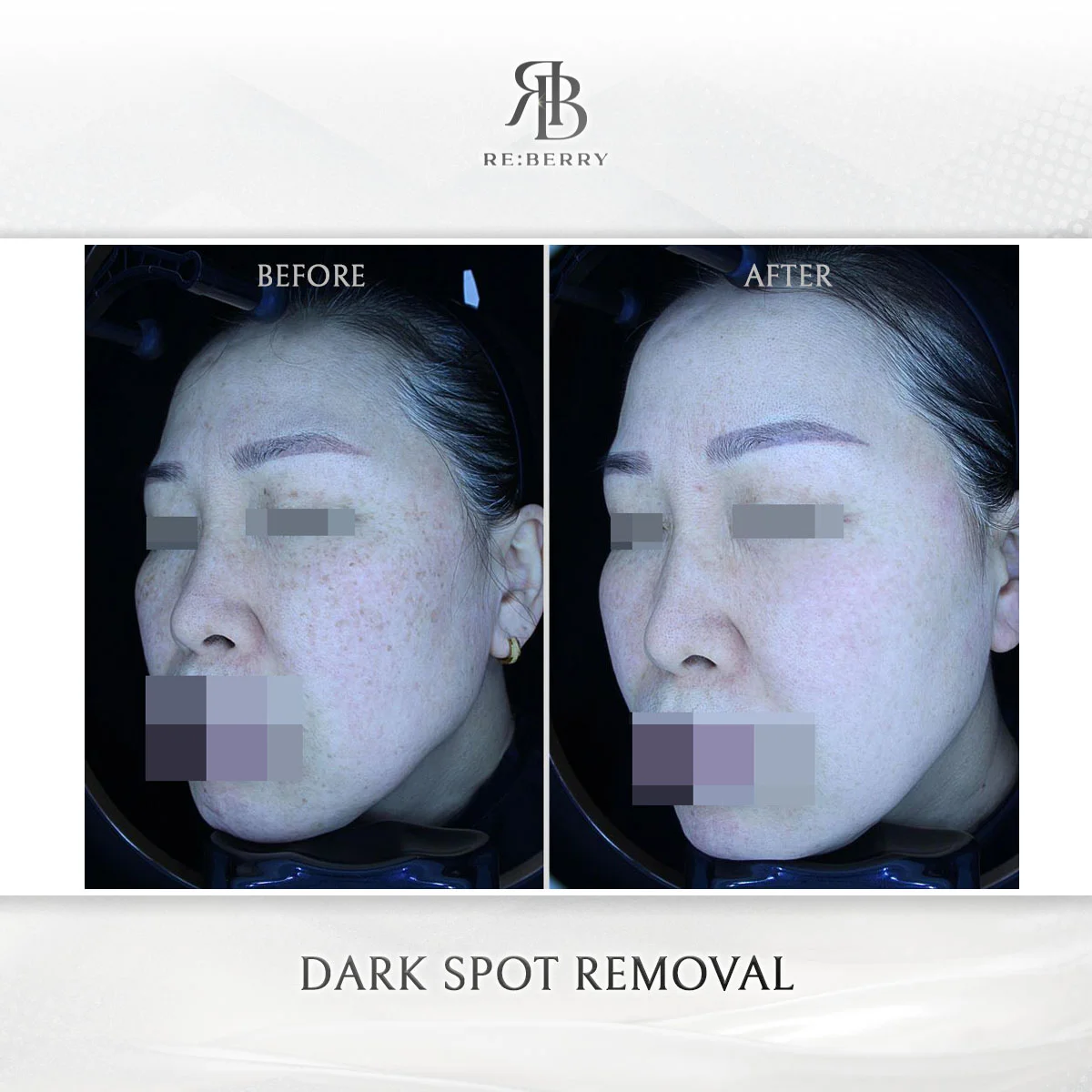
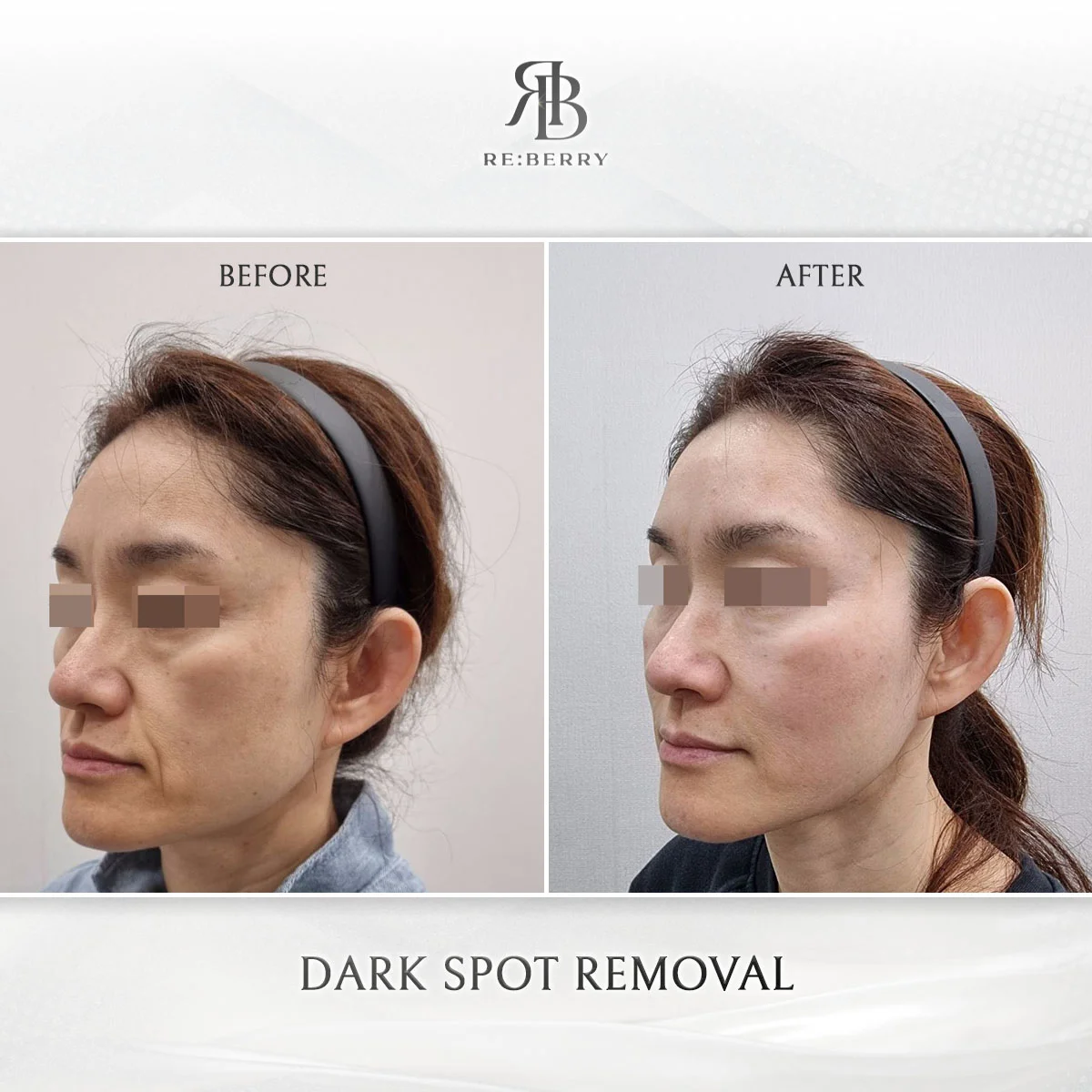
The clinic’s doctors grade your scar type, depth, and skin type, then explain which settings your plan needs and what drives the cost, in English.
Once a plan is agreed, a session usually takes about 20 to 40 minutes depending on the area and settings involved.
Scar plans run as a course of 3 to 5 sessions, so cost is mapped across the series rather than billed as a single fixed visit.
Improvement builds gradually as collagen remodels over weeks to months, and your doctor reviews progress to adjust settings and cost.
Results are lasting once collagen has remodelled, and daily sunscreen plus gentle skincare protect them, which is factored into planning.
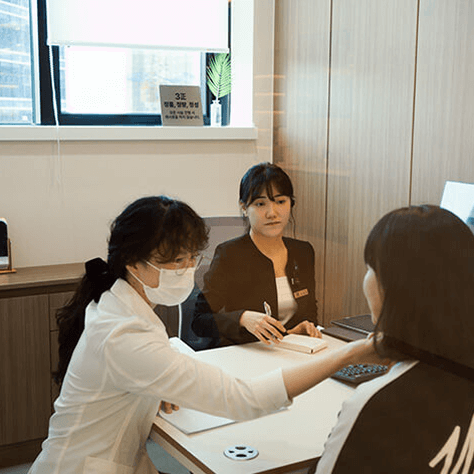
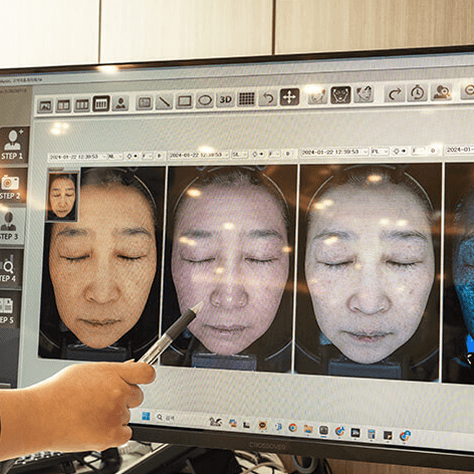
Scar treatment cost in Seoul depends on your scar type, size and depth, and how many fractional laser resurfacing sessions your plan needs. Because scars respond over a series, cost is planned as a course. The clinic’s doctors confirm your exact cost at consultation. You can start on our laser treatment page.
Scars differ widely, so two patients rarely need the same plan. A few shallow marks cost differently from deep, widespread, or mixed scarring. Atrophic, hypertrophic, and acne scars each need different settings and session counts. That is why cost is set after a doctor grades your scars rather than from a one-size-fits-all menu.
Scar type and severity are usually the biggest factors in your cost. Shallow marks may need a short course, while deep or extensive atrophic scarring needs more fractional laser sessions. Your scar grade, set at consultation, drives both how long the plan runs and how intensive each session is.
Most scar courses run over 3 to 5 fractional laser resurfacing sessions spaced about 4 to 6 weeks apart, because collagen remodels gradually rather than in one visit. The exact number depends on scar depth and how your skin responds, which your doctor reviews and adjusts between sessions. You can read more about laser treatment.
Yes, atrophic, hypertrophic, and acne scars respond to different settings and session counts, which affects cost. Depressed atrophic scars often need collagen-building resurfacing, while raised scars need gentler, flattening approaches. A mixed picture, with both depressed and raised scars, usually costs more because the plan layers different settings for each type.
Yes, depth is decisive. Shallow marks may clear in fewer sessions, while deep, pitted, or extensive scarring needs more visits and sometimes closer spacing, raising the total. Your doctor grades depth at consultation and sequences sessions so the skin is not over-stressed, keeping the plan both effective and appropriately priced.
Fractional laser resurfacing creates controlled micro-columns of thermal injury in the skin, which trigger collagen remodelling that gradually lifts depressed scars and refines texture. Because remodelling builds over weeks, results accrue across the series. Whether ablative or non-ablative passes suit your scar is decided at consultation based on scar type and skin type.
Your skin type can influence which settings are safest, which in turn affects the plan and cost. Darker or Asian skin often needs more conservative settings to avoid pigment change, which can mean additional, lighter sessions. Your doctor accounts for this at consultation so the plan is both safe and appropriately priced for your skin.
Improvement builds gradually over the course as collagen remodels, typically becoming clearer over weeks to months rather than after a single session. Studies show scar improvement progressing between the 1-month and 6-month reviews. Your doctor tracks progress between sessions so the plan, and its cost, stays matched to your response.
Results are generally lasting once collagen has remodelled, as new tissue structure is durable. Scars are softened and improved rather than erased, so some may remain subtly visible. Maintaining results relies mainly on sun protection and gentle skincare, which are inexpensive but important and factored into long-term planning at consultation.
Downtime is managed as part of each session rather than as a separate charge, but it relates to the settings used. Most fractional sessions cause mild redness for a few days, with more intensive passes causing slightly more. Your doctor explains expected recovery for your plan so you can schedule sessions around your life.
Most adults with atrophic, hypertrophic, or acne scars are suitable for a structured plan, provided the skin has no active infection or flare. A consultation grades your scars and confirms which settings fit your skin type and budget. If you have a keloid history, your doctor will explain a careful, conservative approach first.
Yes, a supportive skincare routine and sensible sun protection make each in-clinic session more efficient, which helps control overall cost over time. A tailored skin care routine protects your barrier between sessions. Your doctor recommends products that complement, not duplicate, your in-clinic resurfacing plan.
Fractional laser resurfacing is widely performed and generally considered safe when a trained doctor matches settings to your scar type and skin type. A consultation reduces risks like temporary redness or pigment change. You can review the broader approach on our laser treatment page before starting.
Daily sunscreen, gentle non-irritating skincare, and avoiding sun exposure between sessions are essential and inexpensive but vital to results. Some patients add supportive products, which is optional. A skin care routine helps protect your investment between sessions and is discussed transparently as part of planning.
For a first session, 2 to 3 days is comfortable, allowing a consultation, the procedure, and initial aftercare. Because scar plans run as a course, many international patients begin in Seoul and continue across return visits. Our English-speaking team helps coordinate timing and cost around your travel schedule.
Yes, flying within a day or so is generally fine after most fractional sessions, which are minimally invasive. Expect some redness, so moisturise, protect treated skin from sun, and follow your aftercare. If you had a more intensive resurfacing session, your doctor will advise on caring for the skin while you travel.
International patients can complete a scar course across one or more visits, and the clinic offers remote check-ins in English between trips so the plan and cost stay on track. You can also continue supportive skin care at home. Your treatment notes are kept on file for continuity.
| Few Shallow Scars | Widespread or Deep Scarring | Mixed Atrophic Plus Raised Scars | |
|---|---|---|---|
| Scope | A small area with limited, shallow marks | Extensive or deep atrophic or acne scarring | A combination of depressed and raised scars |
| Approach | Fewer fractional laser passes at moderate settings | More intensive resurfacing over the affected zones | Different settings layered for each scar type |
| Sessions | Often a shorter course of a few sessions | A longer series spaced weeks apart | A tailored series addressing each scar type |
| Downtime | Usually mild redness for a few days | Mild to moderate redness around each session | Varies by the settings used per area |
| Results timeline | Builds over the course as collagen remodels | Gradual, progressing across the full series | Depressed and raised scars improve at different rates |
| Cost factors | Depends on area and number of sessions | Highest, as extent and depth add sessions | Depends on how many settings and areas are treated |
Real verified reviews from our Google Business Profile, across all Reberry Clinic locations.
PULLED LIVE FROM GOOGLE · GANGNAM · MYEONGDONG · INCHEON AIRPORT
Your treatment is planned and performed by experienced, MFDS-registered doctors across our Seoul-area clinics, with multilingual support for international patients.
Flagship clinic · KOL for leading lifting & regenerative devices
Multilingual tourist care beside Myeongdong Cathedral
Fast, effective care 20 minutes from the terminals
Message us on WhatsApp for a free consultation in English about your scars and a transparent, individualised cost plan.