

Gangnam
Dr. Yoon-Gon Ryu
Aesthetic Medicine Specialist
Flagship clinic · KOL for leading lifting & regenerative devices · Featured in Authority Magazine (2026)


For international patients, a Seoul skin trip becomes simple once you understand 5 things: why Seoul, how MFDS regulates care, how to plan your days, how to choose a registered clinic, and how follow-up works from home.
Seoul is an accessible medical-tourism destination for foreigners because it pairs a dense clinic network with MFDS-regulated devices and strong English support. Book a doctor-led consultation ahead, allow 2 to 4 days, choose a clinic registered to treat foreign patients rather than one relying on marketing, and arrange remote follow-up once you fly home.
One-on-One guidance from a dedicated doctor, ensuring your skin is professionally monitored and treated from start to finish.
Fluent assistance in English, Japanese, and Chinese, making communication clear, respectful and comfortable for international patients.
Over 100,000 patients worldwide have received our personalized dermatological care, highlighting our expertise and reliable results.
Seoul medical tourism for foreigners means travelling to Seoul specifically for dermatological and aesthetic skin care, from gentle hydration facials and skin boosters to energy lifting and laser toning. The scale is significant: Korea welcomed roughly 1.17 million foreign patients in 2024, and dermatology has grown to about 62.9% of those visits, with Seoul drawing the majority of arrivals. For an international patient, the appeal is a mix of clinic density, regulated care, and clinics genuinely experienced in treating visitors in English.
A trip is more structured than a spa visit. It starts with a doctor-led consultation where your skin is assessed and a plan is built around your concerns and your travel dates, followed by treatment and clear aftercare you can follow after you fly home. In Korea, the devices and injectable materials used in aesthetic care are regulated by the Ministry of Food and Drug Safety (MFDS), so a reputable clinic works with approved equipment and materials rather than unverified alternatives. Korea also operates a registration system for institutions that attract foreign patients, so confirming a clinic is registered is a practical first checkpoint.
At Reberry Clinic, care for visiting patients is consultation-led and delivered in English in Seoul, Korea, with locations in Gangnam and Myeongdong that are easily reached by subway. The clinic’s doctors assess your skin first, then explain a realistic plan and its cost transparently, so you can decide at your own pace instead of committing on the spot during a short stay. This guide walks through why Seoul, how care is regulated, how to plan your days, and how to choose well as a foreign patient.
Understanding how Seoul’s aesthetic sector is organised helps a first-time foreign visitor plan with confidence. Most skin treatments are delivered in private clinics rather than large hospitals, and the devices and injectable materials used are approved by the Ministry of Food and Drug Safety (MFDS), Korea’s medicine and device regulator. In practice this means a reputable clinic uses regulated ultrasound, radiofrequency, and laser platforms plus approved fillers and biostimulators, so asking which specific approved device or material a plan uses is a fast way to gauge standards. Separately, Korea registers institutions permitted to attract and treat foreign patients, and choosing a registered clinic is a sensible baseline check for a visitor. The practical workflow is predictable: you book ahead, usually by messenger, describe your concerns, and receive guidance on how many days to plan; on arrival a doctor grades your skin and sets a plan paced to your trip; treatment and aftercare follow, and any remaining sessions are either scheduled within your stay or continued by remote follow-up from home. Because many clinics are set up specifically for international patients, English support runs through booking, consultation, treatment, and aftercare, which matters because a mistranslated instruction can undo good treatment while you are abroad. Seoul’s subway network ties the system together, so reputable clinics in Gangnam and Myeongdong are reachable within minutes of major stations, making it easy to fit consultation and treatment around a short, well-planned visit.
One Reberry Clinic, multiple Seoul-area locations. Pricing & current promotions are listed on each branch's own site — tap a clinic to view pricing & book.
Our flagship in the heart of Gangnam.
In Seoul's shopping & tourism heart.
A beauty stop between flights.
The newest Reberry Clinic — in Seoul's trend district.
ONE REBERRY CLINIC · MFDS-REGISTERED DEVICES · MULTILINGUAL CARE AT EVERY LOCATION
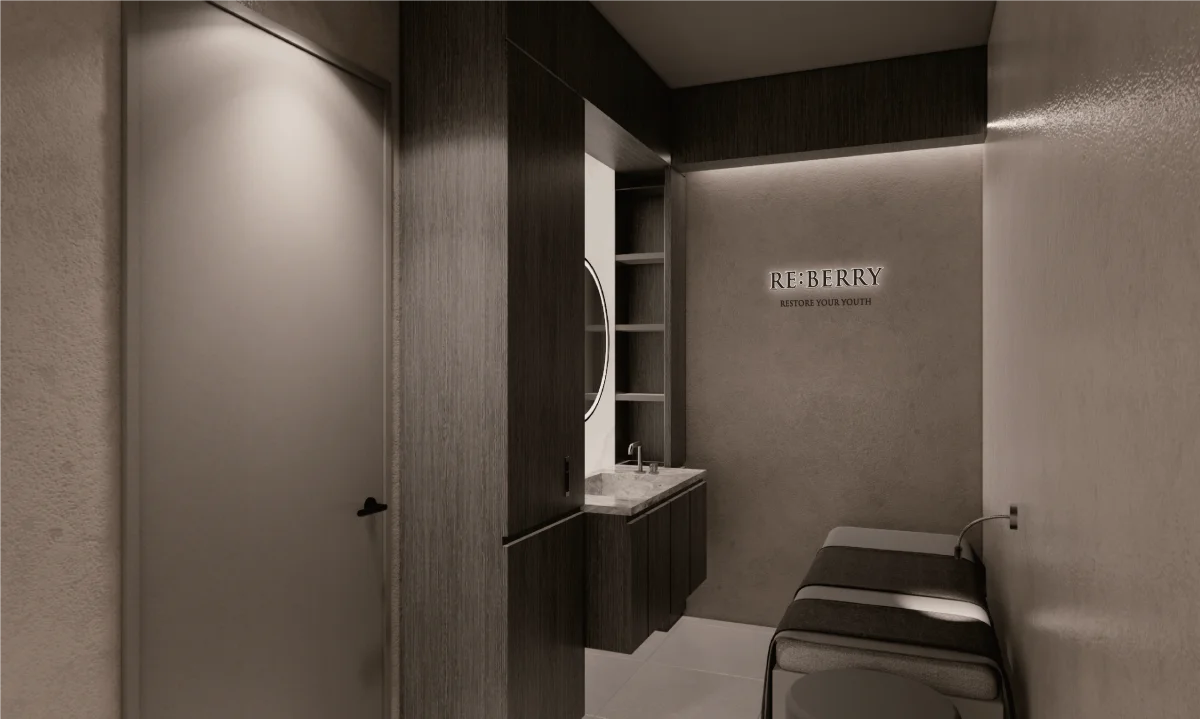

Note your 1 or 2 main skin concerns before you travel, since a clear goal helps a doctor tailor a plan efficiently within limited visit days.
Message a clinic in English at least 1 to 2 weeks before, describing your concerns so days needed and cost can be estimated in advance.
Check that the clinic is registered to treat foreign patients, and verify your entry rules, since most short skin trips use standard tourist entry for 1 stay.
Allow 2 to 4 days for consultation plus treatment, spacing stronger options so downtime fits comfortably before your flight home.
Leave with clear English aftercare, and set up remote follow-up so results over the next 4 to 12 weeks stay on track from abroad.
See representative outcomes from Reberry Clinic. Results build gradually and vary by individual; your plan is assessed at consultation.
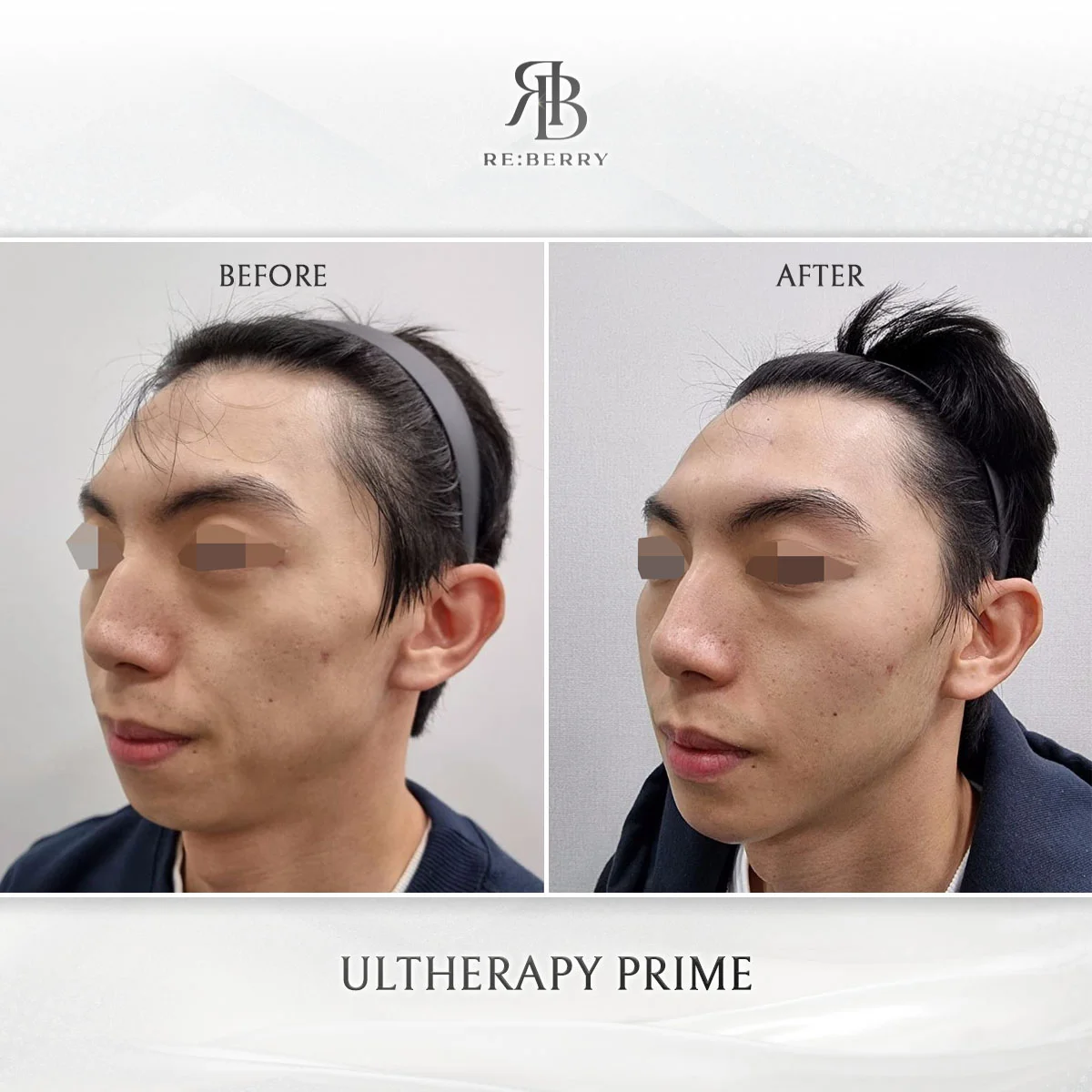
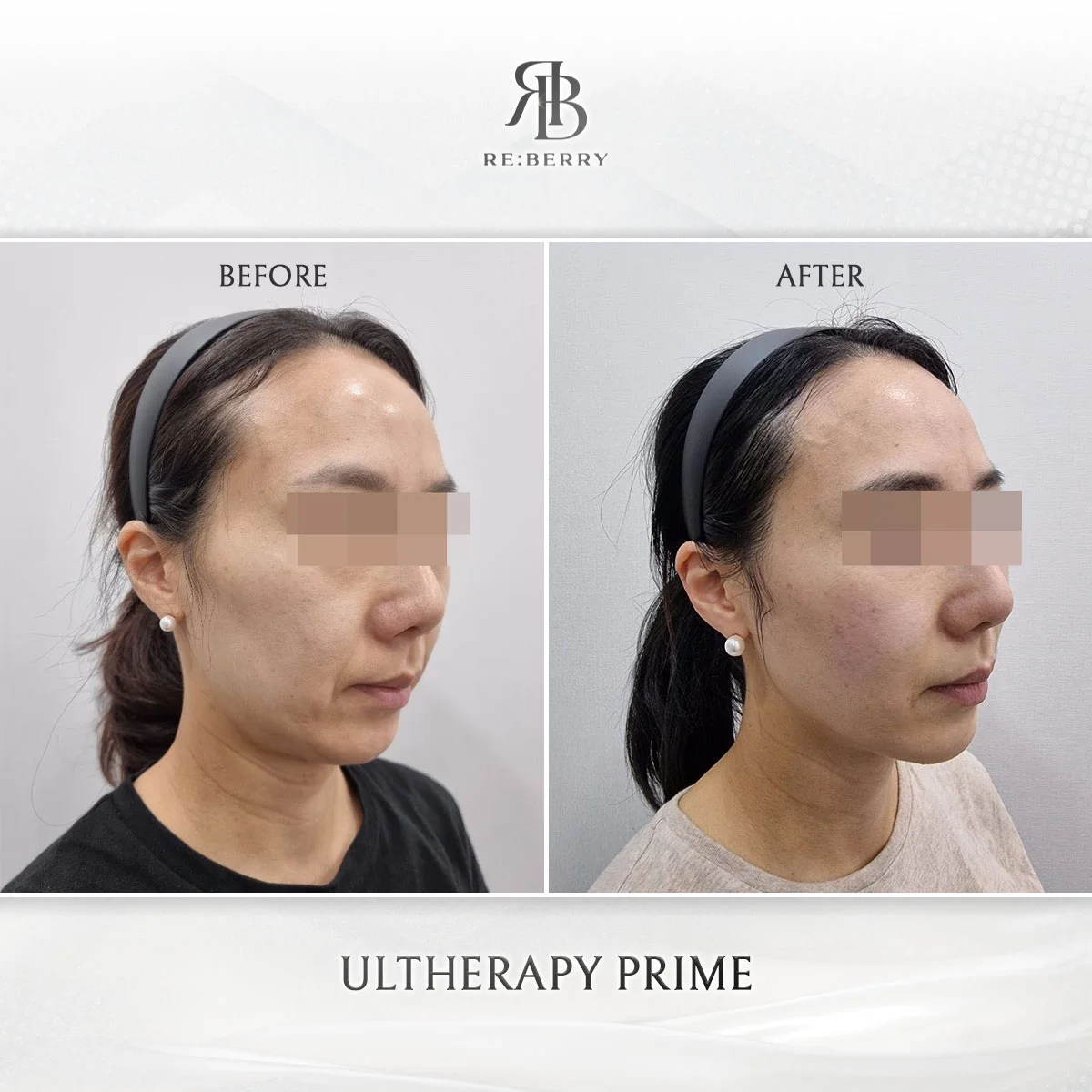
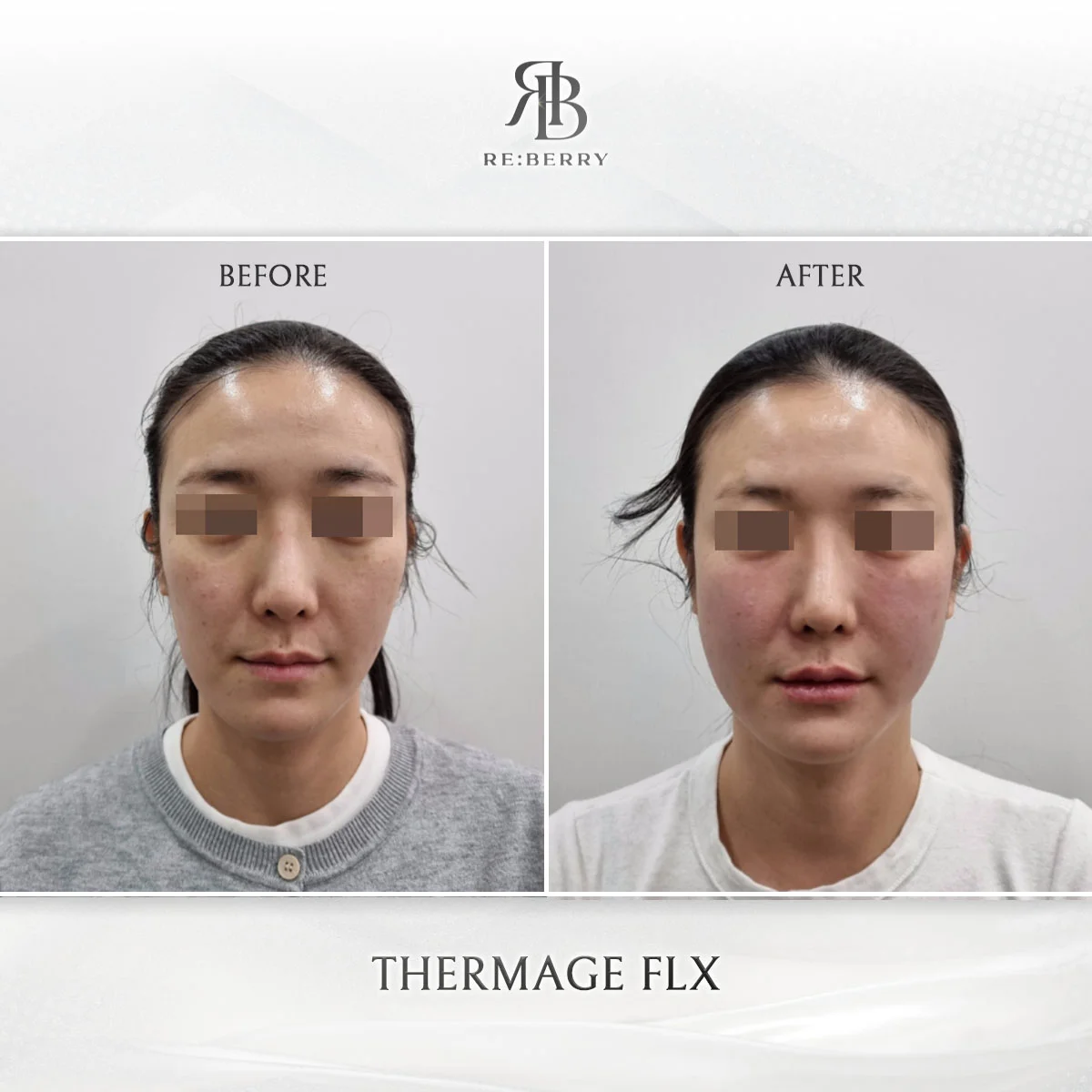
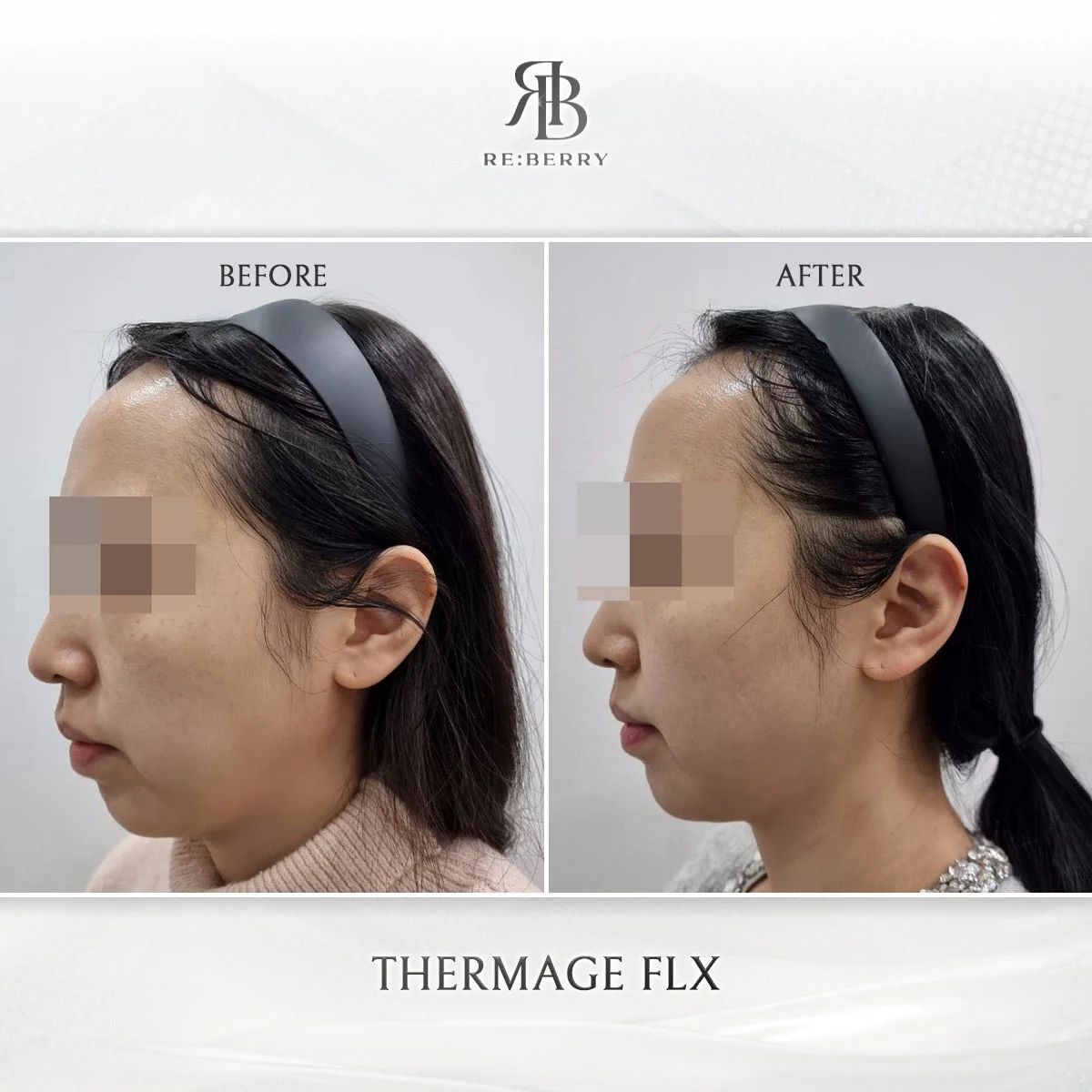
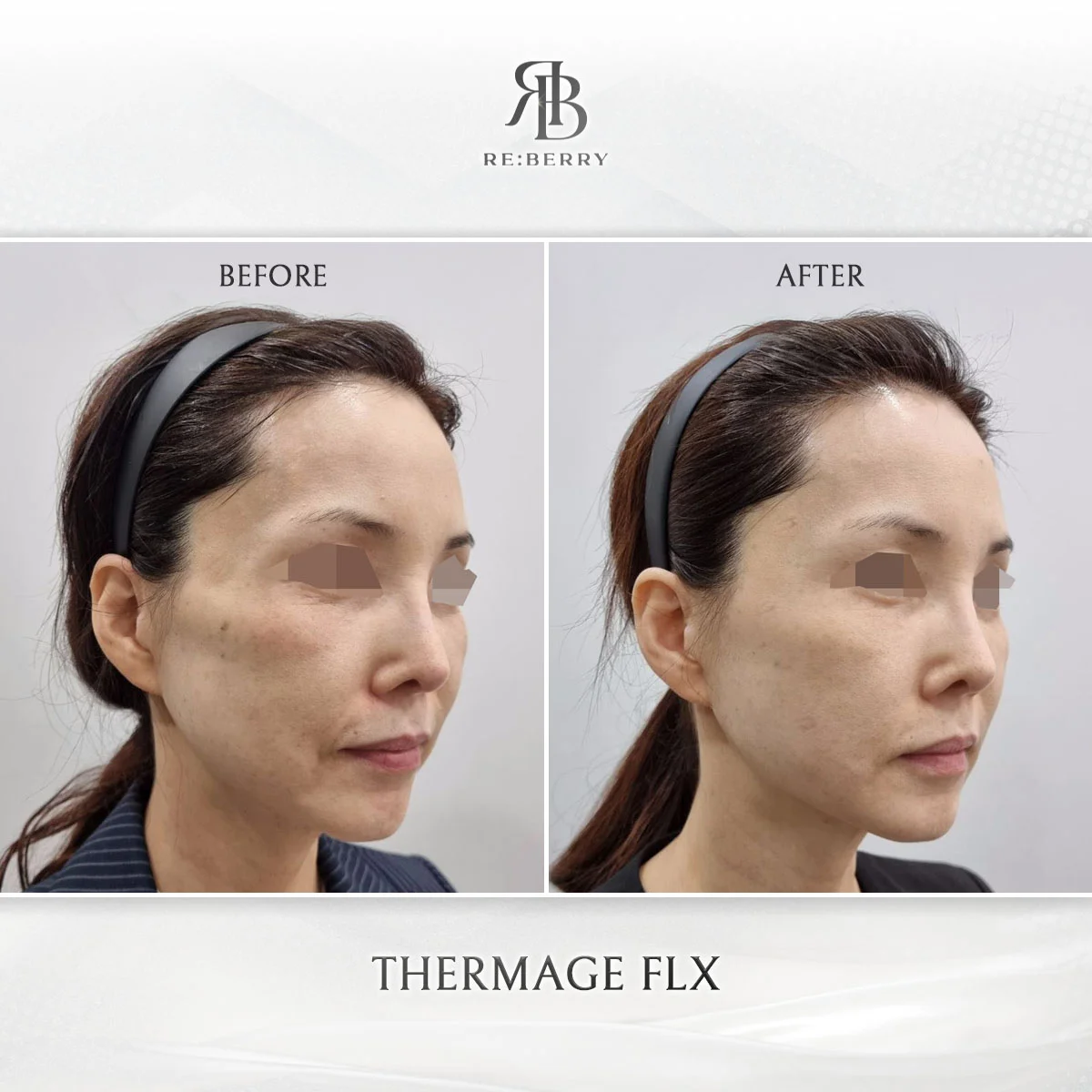
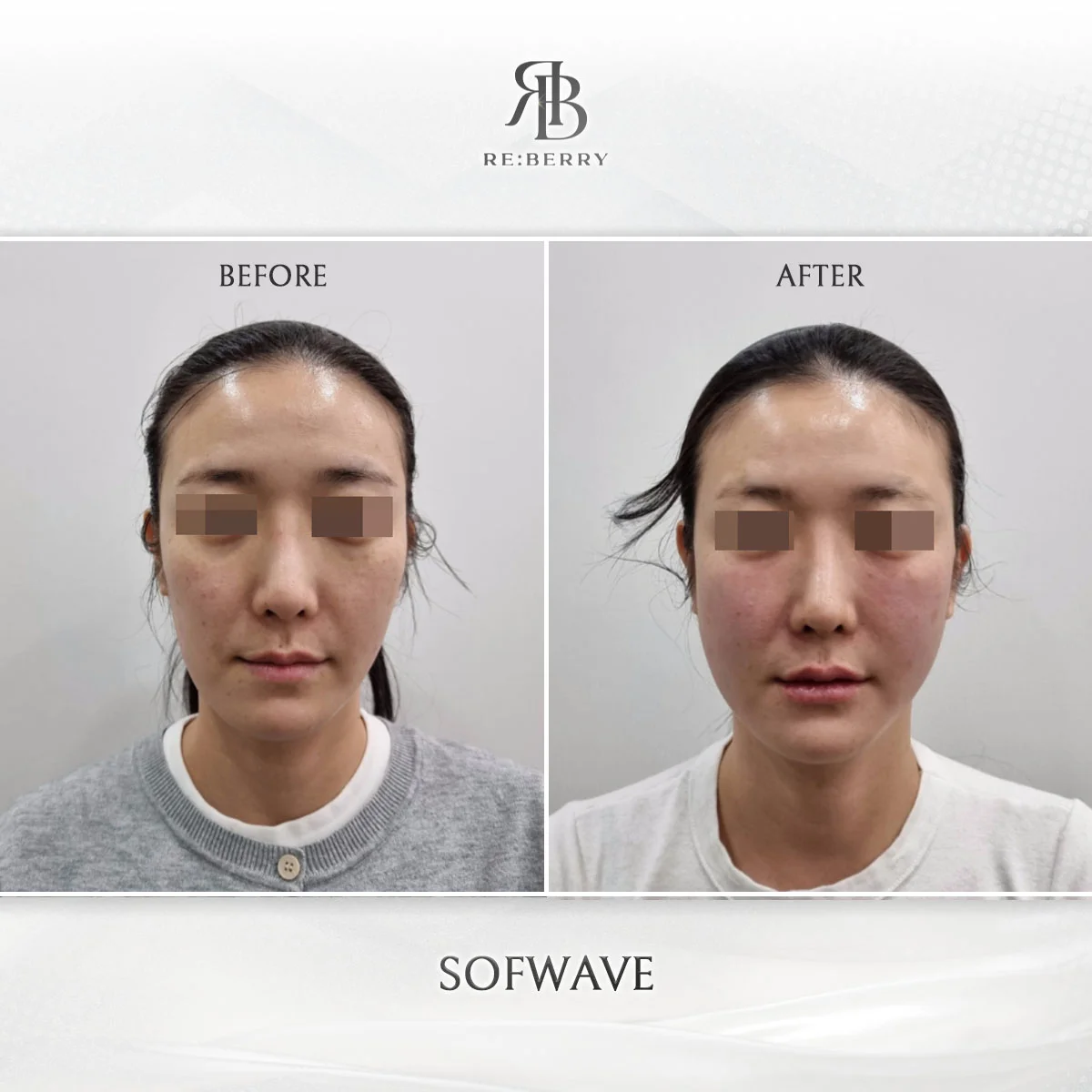
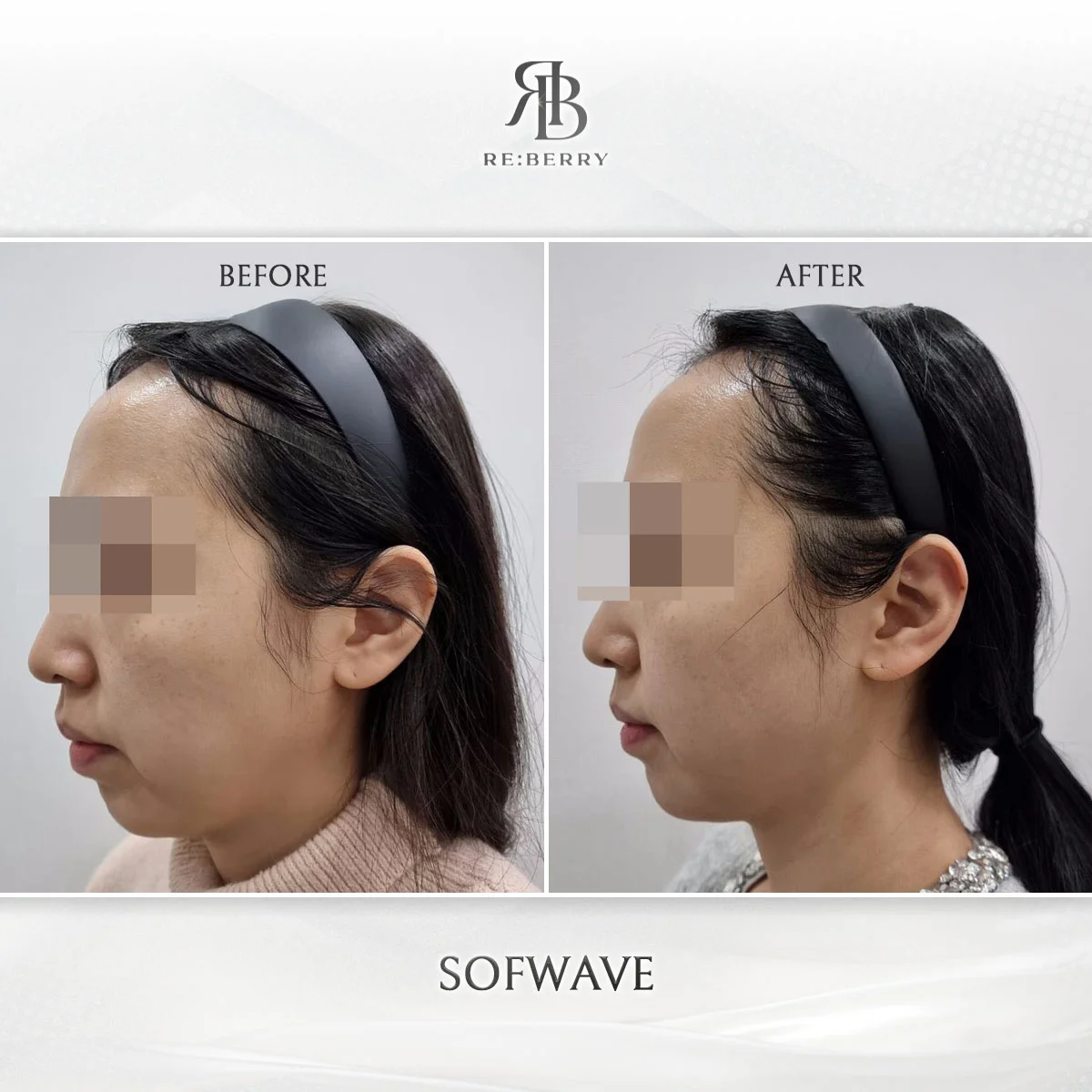
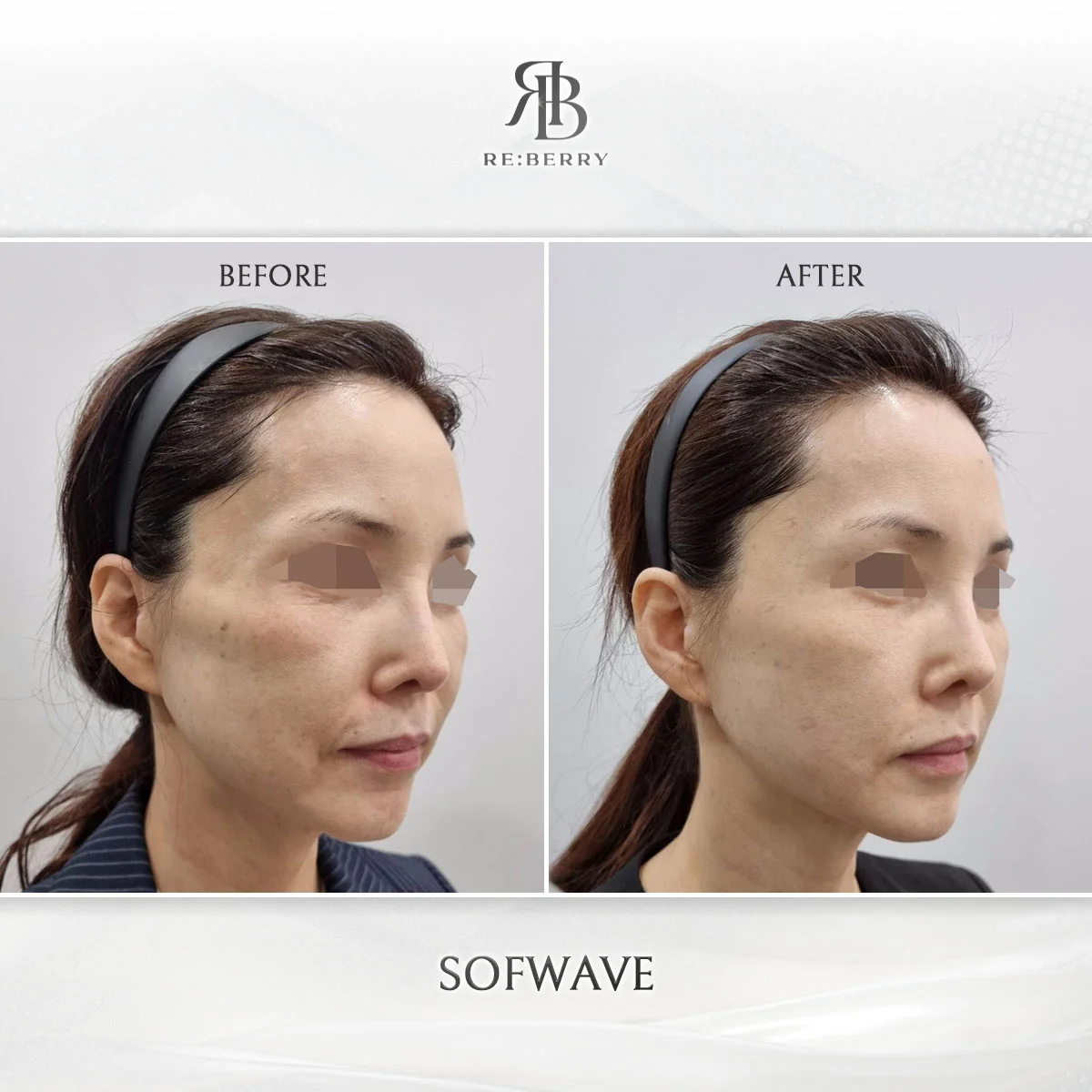
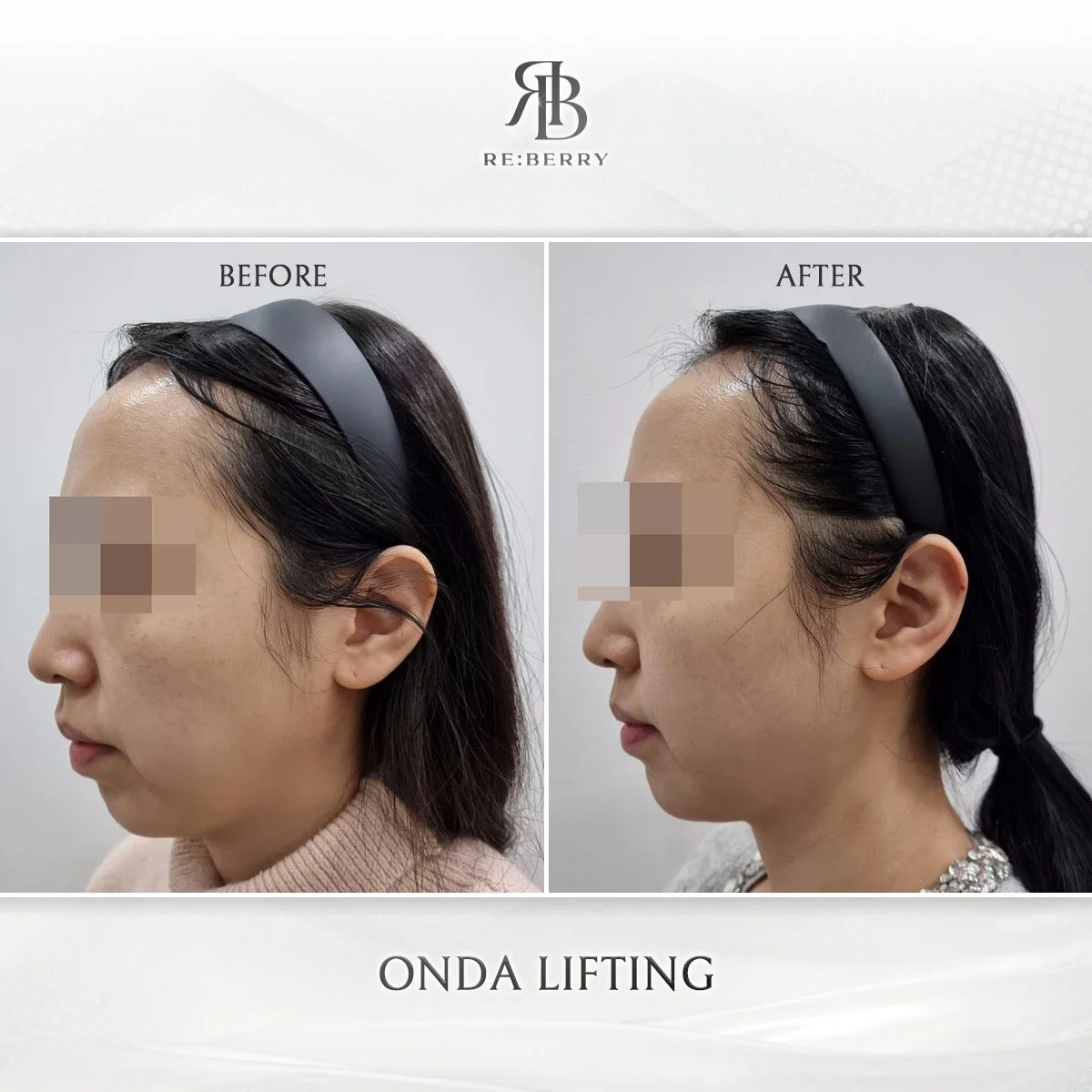
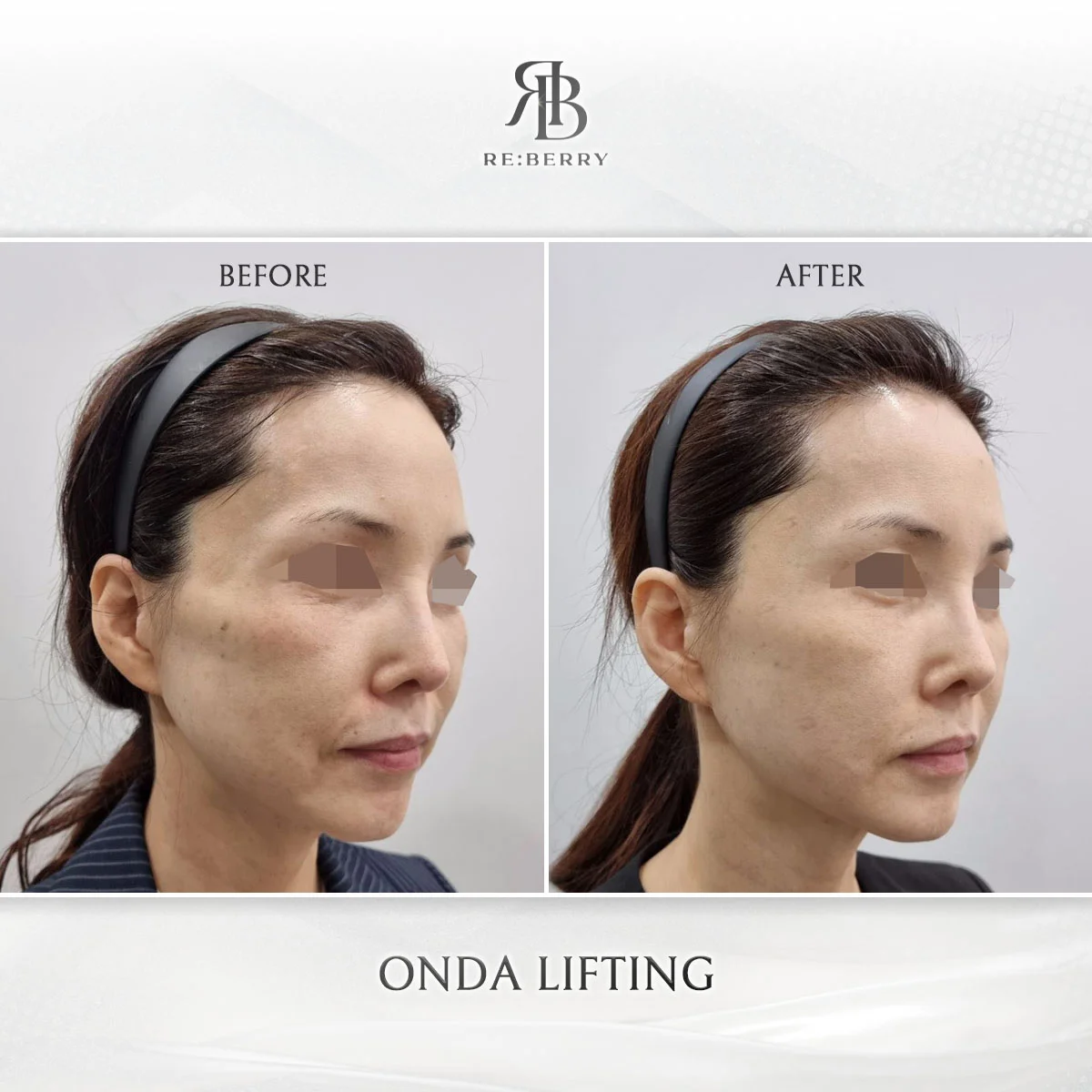
The clinic’s doctors grade your skin, discuss your concerns and history, and explain suitable options and their cost, in English, before any treatment begins.
If you proceed, a gentle treatment often takes about 30 to 60 minutes, and combined plans are sequenced so recovery fits within your travel window.
Plans are shaped around your goals and trip length, so a visit can span 1 day or 2 to 4 days when several treatments are combined.
Hydration and glow can appear within days, while collagen-based results build over about 4 to 12 weeks, which your doctor explains upfront.
You leave with clear English aftercare and a realistic maintenance outline, and can continue care by remote follow-up once you return home.



It means travelling to Seoul as a foreign patient for dermatological and aesthetic skin care, from hydration facials and boosters to energy lifting and laser toning. Korea welcomed roughly 1.17 million foreign patients in 2024, with Seoul drawing the majority. You can review common treatments on our skin care page before planning a trip.
Seoul offers a dense network of clinics experienced with visitors, MFDS-regulated devices and materials, and strong English support, which is why it drew the majority of Korea’s foreign patients in 2024. Dermatology has grown to about 62.9% of visits. Our laser treatment page shows part of the range available.
Start by noting your main concerns, then message a clinic in English 1 to 2 weeks ahead so days and cost can be estimated. Confirm the clinic’s foreign-patient registration and your entry rules, allow 2 to 4 days, and set up follow-up from home. The English-speaking team maps the plan around your travel dates.
For most short skin-treatment trips, standard tourist entry is sufficient, and you do not need residency, just a booking and valid identification. Requirements vary by nationality, so verify your entry rules before travelling. The clinic’s English-speaking team helps schedule your visit around your itinerary and confirms what documents to bring in advance.
For a consultation plus one or two gentle treatments, 2 to 3 days is comfortable, allowing a review before you fly. Combined or stronger plans may need 3 to 4 days. Our English-speaking team maps the exact days and cost around your travel dates, so your visit fits your schedule without feeling rushed.
Korea registers institutions permitted to attract and treat foreign patients, so ask the clinic directly and choose one that confirms it clearly. Registration is a practical baseline, alongside MFDS-regulated devices and doctor-led care. Reviewing an educational page such as our glass-skin page also shows whether a clinic informs or just sells.
Often yes, since many skin treatments can be sequenced safely within a few days when a doctor plans them together. The right combination depends on your skin and recovery time. A glass-skin facial pairs well with gentler options, while stronger treatments are spaced so downtime fits your travel window comfortably.
MFDS is Korea’s Ministry of Food and Drug Safety, which approves the devices and injectable materials used in aesthetic care. It means a reputable clinic uses regulated equipment and approved fillers or biostimulators rather than unverified alternatives. Asking which specific approved device or material your plan uses is a fast, practical way to check a clinic’s standards.
There is no single figure, because cost depends on which treatments you choose, how many sessions, and the materials or devices involved. Note that from 2026 aesthetic skin treatments no longer qualify for a foreign-patient VAT refund. The clinic’s doctors explain what drives your cost transparently, and you can review common options on our skin care page.
Gentle, high-demand options include hydration facials, skin boosters, and glass-skin treatments, while energy lifting and laser toning are common for firmness and tone. The right choice depends on your skin, not popularity. Our Rejuran page covers one common regenerative option, and your doctor confirms what actually suits you.
Gentle treatments like hydration facials usually have minimal discomfort and little downtime, while energy or resurfacing options carry more. Numbing is used where needed. Your doctor explains expected comfort and recovery for each option before you choose, so downtime can be planned around your remaining days in Seoul without surprises.
Timing depends on the treatment: hydration and glow can appear within days, while collagen-based results build over about 4 to 12 weeks. A reputable clinic sets this expectation honestly rather than implying instant change. Your doctor reviews progress and, since you live abroad, arranges follow-up so results are tracked over the following weeks.
Yes, flying within a day or so is generally fine after gentle, non-invasive treatments. Cabin air is drying, so moisturise and protect treated skin from sun. If you chose an energy or resurfacing option, your doctor advises how long to wait and what aftercare to follow while you travel, so your flight is planned safely.
International patients can complete a plan across visits, and the clinic offers remote check-ins in English between trips so progress stays on track. You can continue supportive skin care at home. Your treatment notes are kept on file so any follow-up or return visit continues seamlessly without repeating assessments.
Look for foreign-patient registration, MFDS-regulated care, doctor-led treatment, honest cost communication, and realistic expectation-setting rather than promises of flawless outcomes. Clinics that pressure you into the largest package on day one are a red flag. Reading educational pages such as our laser treatment page shows whether a clinic informs or just sells.
Seoul’s subway makes clinics easy to reach, so our Gangnam and Myeongdong locations are within minutes of major stations. Signage and apps offer English, and the clinic’s team can share directions when you book, so navigating to your appointment is simple for first-time visitors travelling around the city.
Yes, booking a consultation-only appointment is encouraged for visiting patients. You get a doctor’s assessment, a plan, and a transparent cost, then decide, sometimes on the same trip. This lowers pressure and suits travellers comparing options. Message the clinic in English in advance so your visit is scheduled around your itinerary and travel dates.
| Consultation-Only Trip | Combined-Treatment Trip | Staged Multi-Visit Plan | |
|---|---|---|---|
| Purpose | Assessment and plan, no same-day treatment | Several treatments sequenced within one stay | Plan spread across two or more visits |
| Typical days in Seoul | 1 short visit | 2 to 4 days | Short trips spaced weeks apart |
| Best for | Cautious first-timers comparing options | Travellers maximising a single trip | Collagen-based plans that build over time |
| Downtime planning | None beyond the visit itself | Sequenced so recovery fits before flying | Downtime split across separate trips |
| Follow-up | Decide and return later if desired | Remote check-ins after you return home | Reviewed at each subsequent visit |
| English support | Full, from booking to plan | Full, through treatment and aftercare | Full, across visits and remote follow-up |
Real verified reviews from our Google Business Profile, across all Reberry Clinic locations.
PULLED LIVE FROM GOOGLE · GANGNAM · MYEONGDONG · INCHEON AIRPORT
Your treatment is planned and performed by experienced, MFDS-registered doctors across our Seoul-area clinics, with multilingual support for international patients.
Flagship clinic · KOL for leading lifting & regenerative devices · Featured in Authority Magazine (2026)

Multilingual tourist care beside Myeongdong Cathedral

Fast, effective care 20 minutes from the terminals
Message us on WhatsApp for a free consultation in English about planning your Seoul skin trip and a transparent cost outline.