



Gangnam
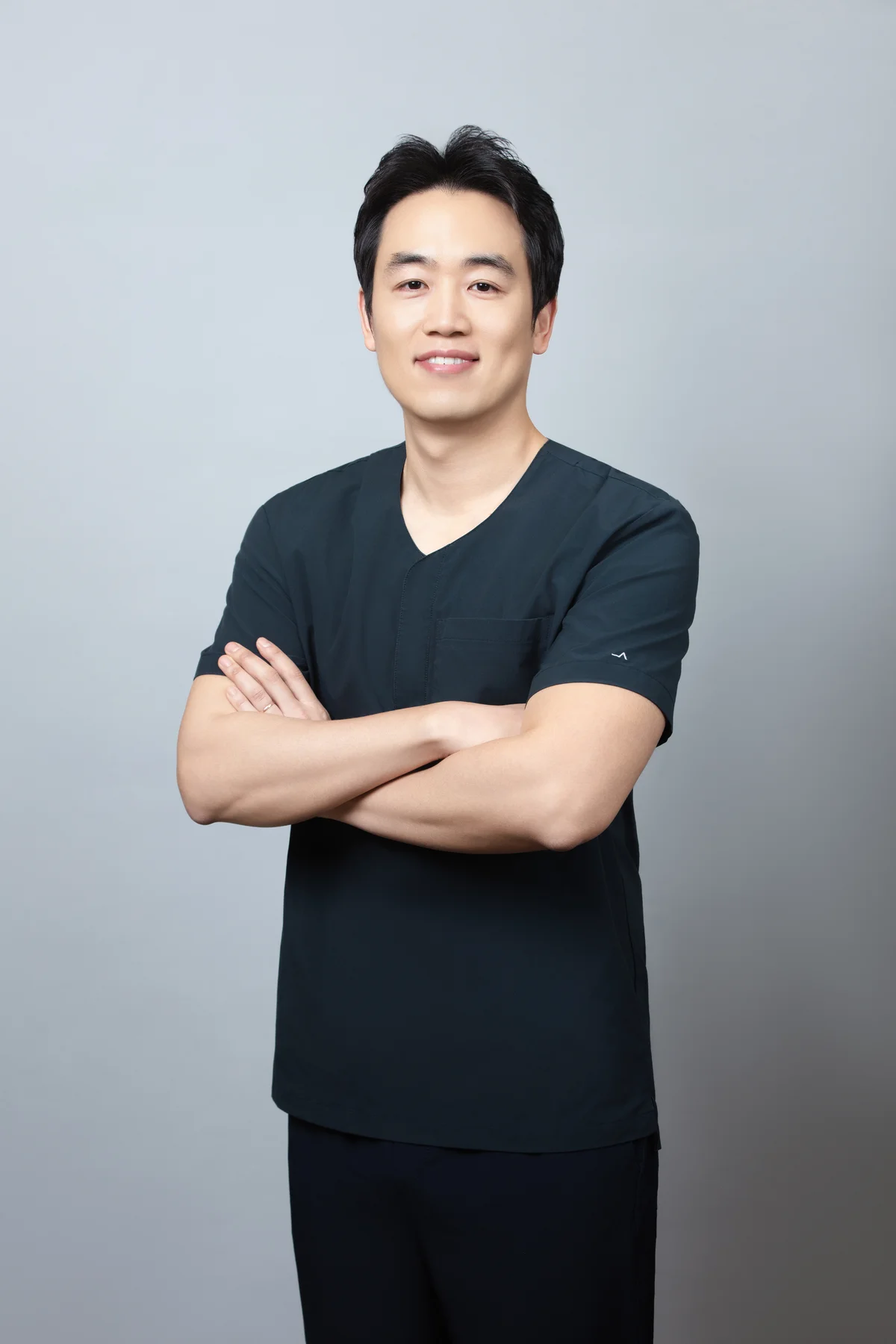
Dr. Yoon-Gon Ryu
Aesthetic Medicine Specialist
Flagship clinic · KOL for leading lifting & regenerative devices · Featured in Authority Magazine (2026)

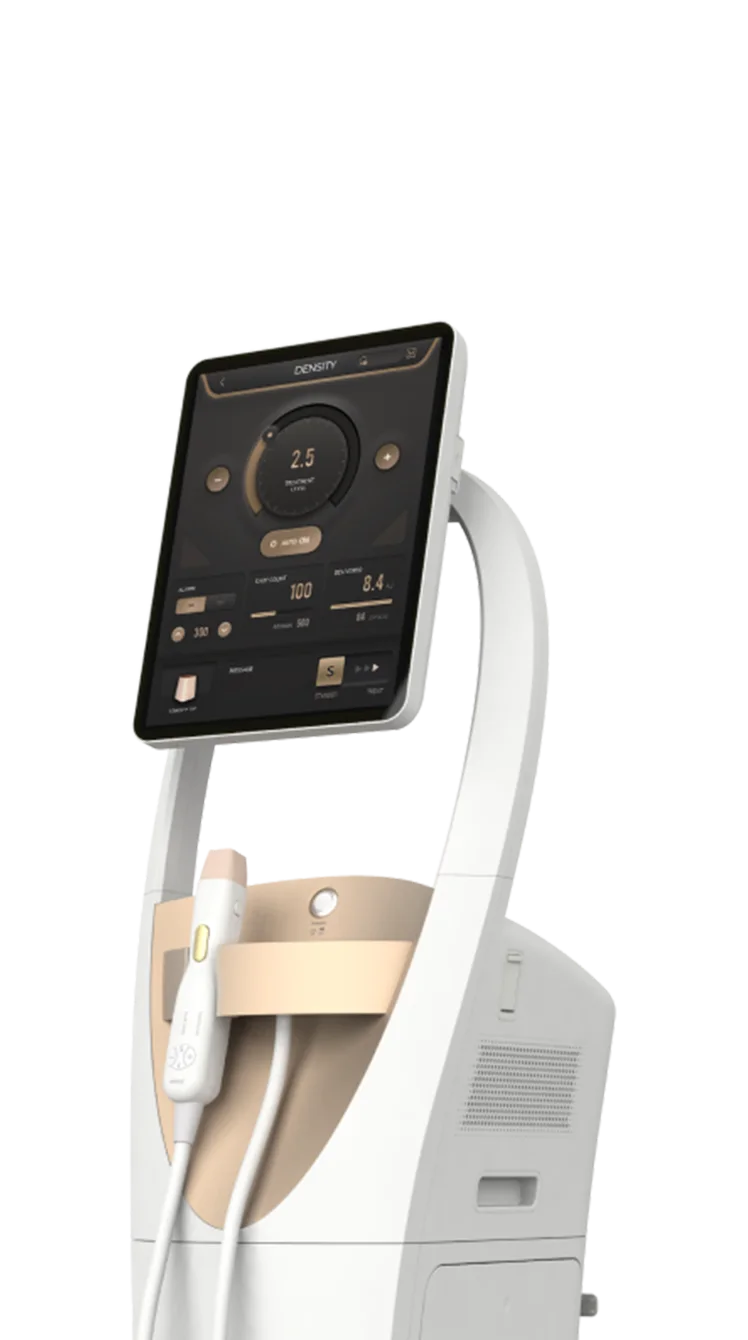
Skin boosters are microinjections placed into the dermis, and a course of 3 sessions spaced weeks apart is typical to build deep hydration, elasticity, and glow.
A skin booster is a series of microinjections that deliver hydrating and regenerative ingredients, such as hyaluronic acid, polynucleotides, or PDLLA, into the dermis to improve hydration, elasticity, and glow rather than adding volume. At our Gangnam (Seoul) location, Dr. Yoongon Ryu selects the booster type and plans a short course matched to your skin and goals.
One-on-One guidance from a dedicated doctor, ensuring your skin is professionally monitored and treated from start to finish.
Fluent assistance in English, Japanese, and Chinese, making communication clear, respectful and comfortable for international patients.
Over 100,000 patients worldwide have received our personalized dermatological care, highlighting our expertise and reliable results.
A skin booster is an injectable treatment that improves overall skin quality, hydration, firmness, elasticity, and radiance, by delivering regenerative ingredients into the skin rather than adding shape or volume. Unlike a dermal filler that sits deeper to build contour, a skin booster is microinjected across the dermis in many small points to condition the tissue and support the skin’s own repair processes. This is the treatment behind the popular Korean “glass skin” look.
There are several categories. Hyaluronic acid boosters draw water into the dermis for deep hydration and plumpness. Polynucleotide boosters (salmon-DNA based, such as Rejuran) support cellular repair, calm redness, and stimulate collagen. PDLLA-based boosters like Juvelook act as collagen stimulators that gradually improve firmness and skin texture over months. The clinic’s doctors choose the type, or a combination, based on whether your priority is hydration, elasticity, redness, or fine lines.
At Reberry Clinic, skin boosters are planned and performed at our Gangnam (Seoul) location by Dr. Yoongon Ryu, with English-language support throughout. Gangnam-daero is about a 2-minute walk from Gangnam Station exit 10, so a skin-booster course fits easily into a stay in Seoul, Korea.
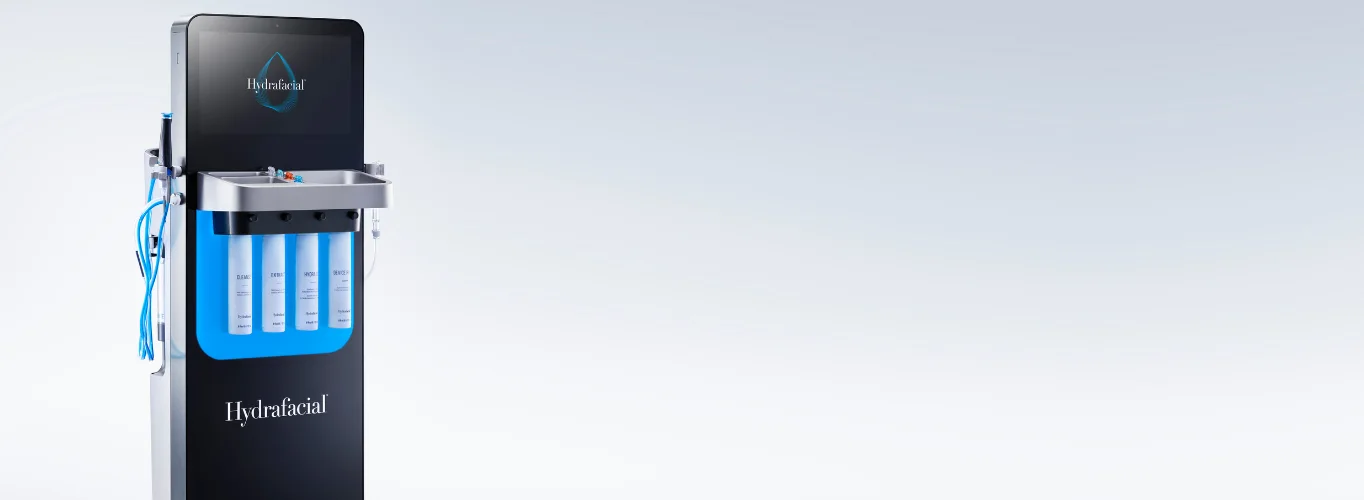
Skin boosters work by placing tiny amounts of active ingredient throughout the dermis, either by hand microinjection or with a multi-needle injector, so the whole area is treated evenly. Hyaluronic acid boosters bind many times their weight in water, raising dermal hydration and elasticity and softening fine lines. Polynucleotide boosters provide DNA fragments that support fibroblast activity, dampen inflammation, and encourage collagen and glycosaminoglycan production, which is why they suit sensitive or reddened skin. PDLLA boosters such as Juvelook deposit biostimulatory particles that prompt gradual new collagen, improving firmness and texture over roughly 2 to 3 months. Because these are conditioning rather than volumising, results build across a course of usually 2 to 3 sessions spaced 2 to 4 weeks apart, then are maintained periodically. Skin boosters are often layered with energy treatments like Thermage FLX or HIFU, which firm structure while boosters improve surface quality.
One Reberry Clinic, multiple Seoul-area locations. Pricing & current promotions are listed on each branch's own site — tap a clinic to view pricing & book.
Our flagship in the heart of Gangnam.
In Seoul's shopping & tourism heart.
A beauty stop between flights.
The newest Reberry Clinic — in Seoul's trend district.
ONE REBERRY CLINIC · MFDS-REGISTERED DEVICES · MULTILINGUAL CARE AT EVERY LOCATION
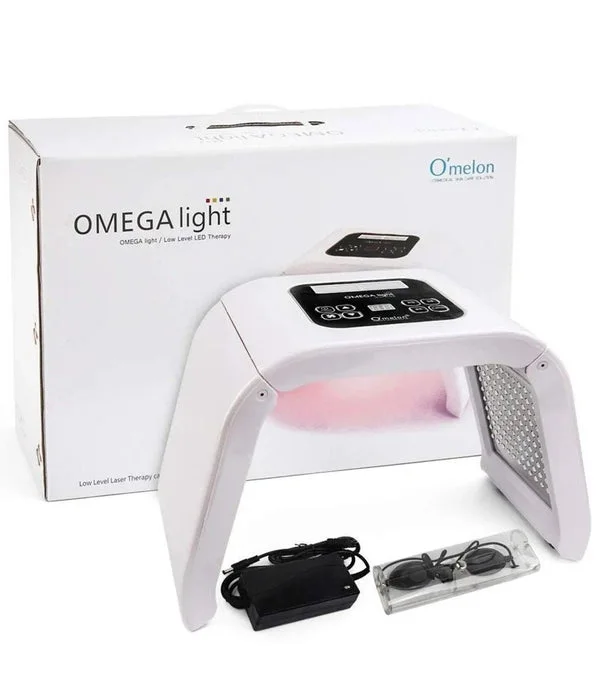
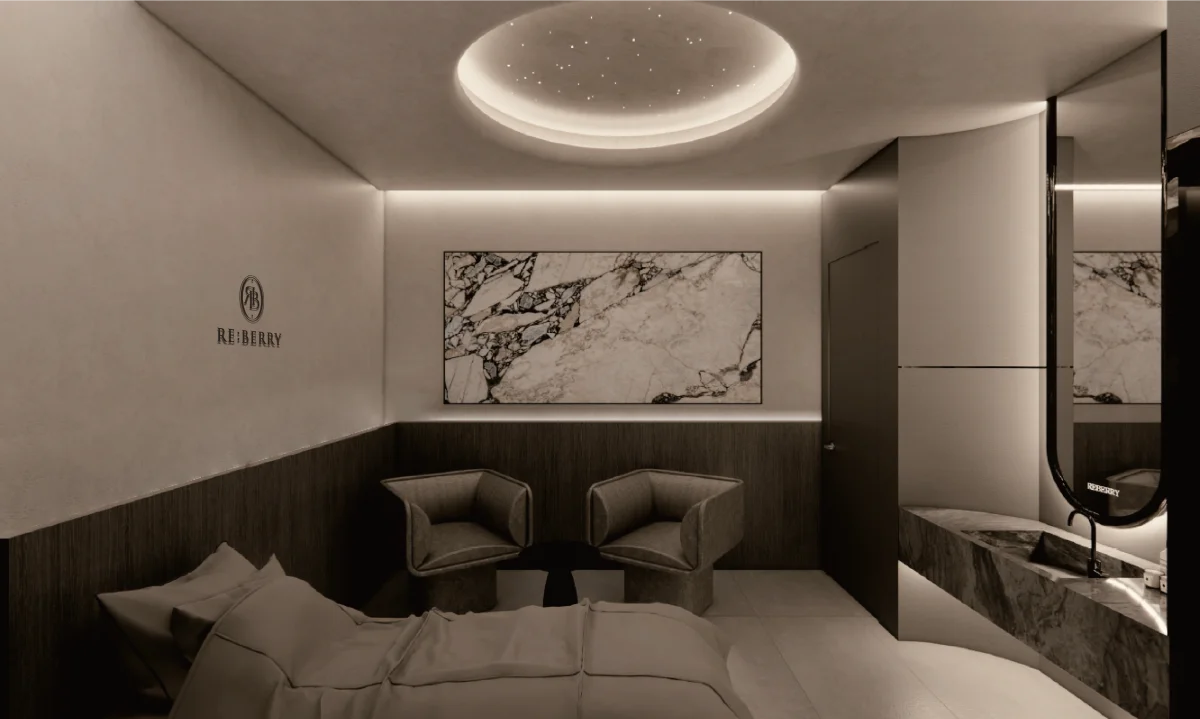
Dr. Yoongon Ryu selects among HA, polynucleotide, or PDLLA boosters based on your top 1 or 2 skin priorities.
Numbing cream is applied for about 20 to 30 minutes so the many microinjection points stay comfortable.
Hundreds of tiny injections deposit the active evenly across the treatment area, by hand or with a multi-needle injector.
A typical plan is 2 to 3 sessions spaced 2 to 4 weeks apart, since boosters condition skin progressively.
After the initial course, top-ups roughly every 3 to 6 months help sustain hydration, elasticity, and glow over time.
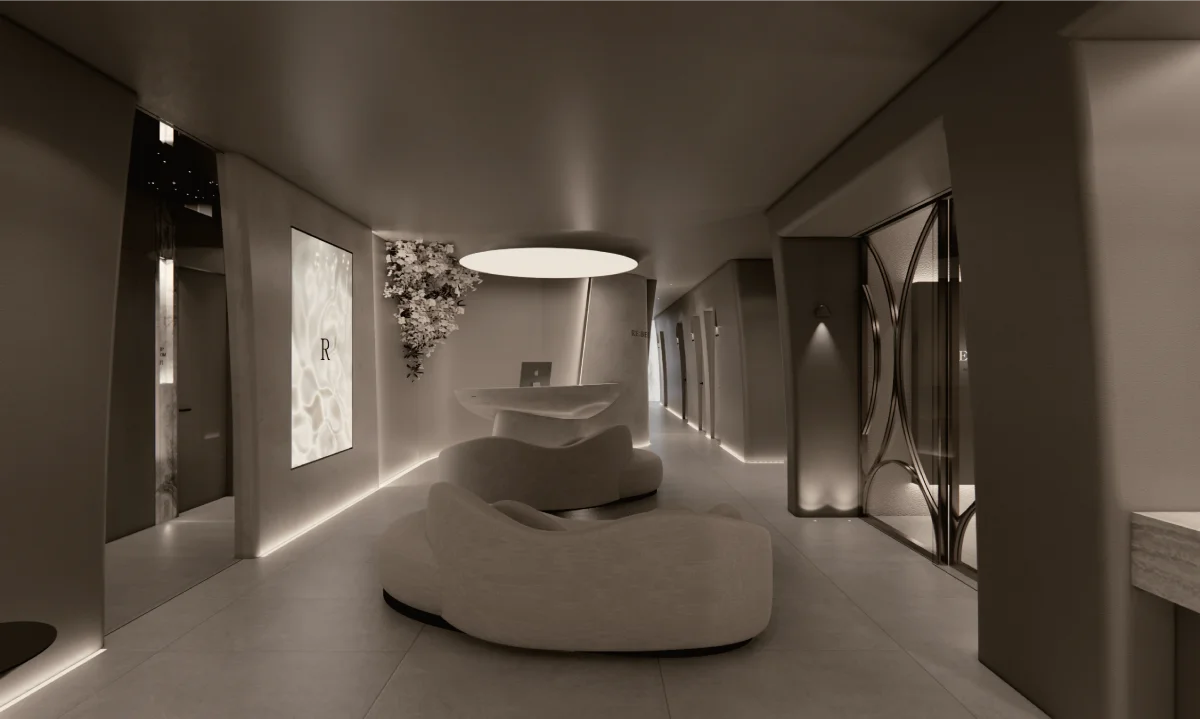
Reberry Clinic · Prices verified: Oct 2026
| Clinic | Price (KRW) |
|---|---|
| GangnamLilied 2cc | from₩130,000 |
| MyeongdongLilied K 1 Syringe (2cc) | from₩180,000 |
| Incheon AirportLilied 2.5cc | from₩180,000 |
VAT excluded · Treatment packages differ by clinic — see each clinic page for its full menu · Confirmed after consultation
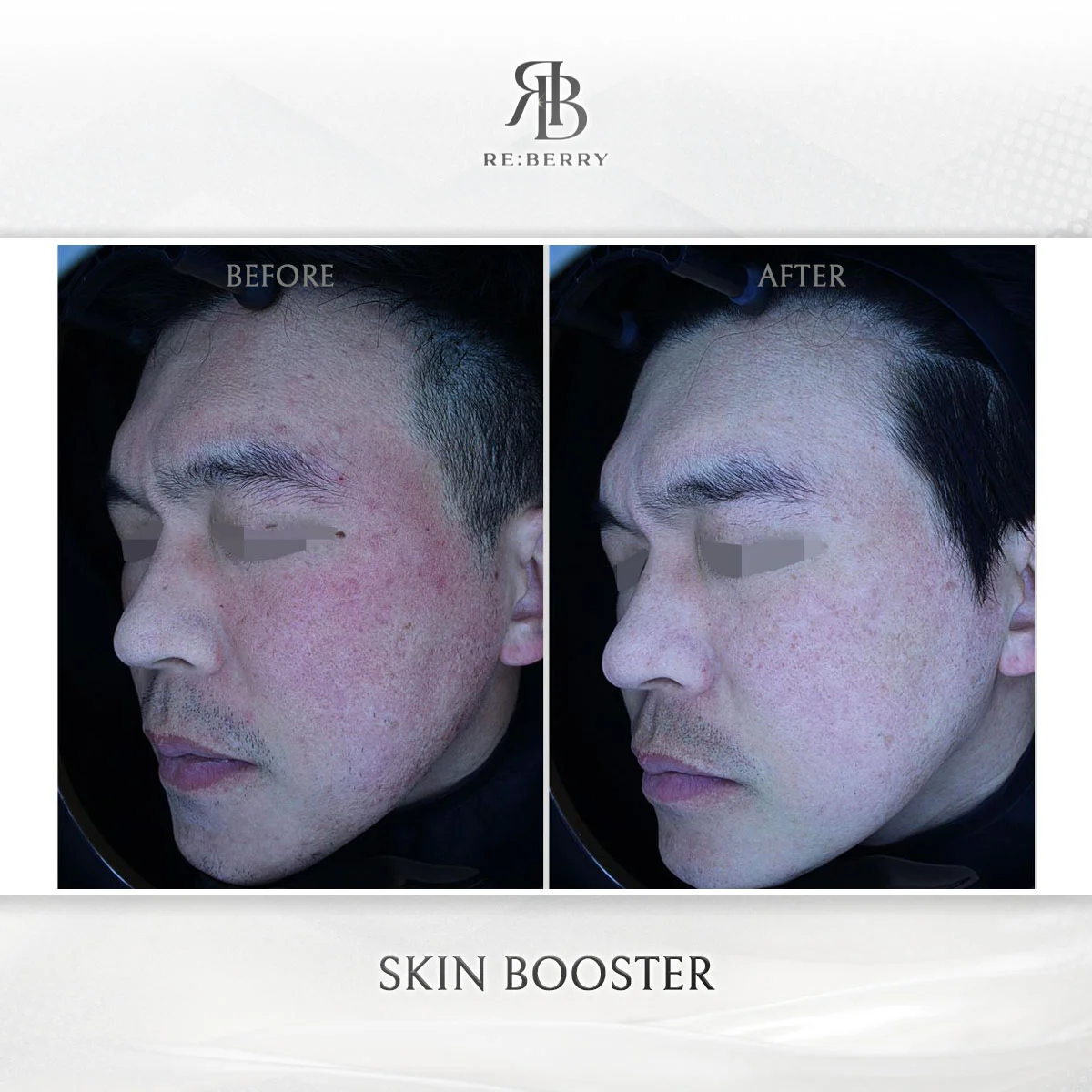
See representative outcomes from Reberry Clinic. Results build gradually and vary by individual; your plan is assessed at consultation.
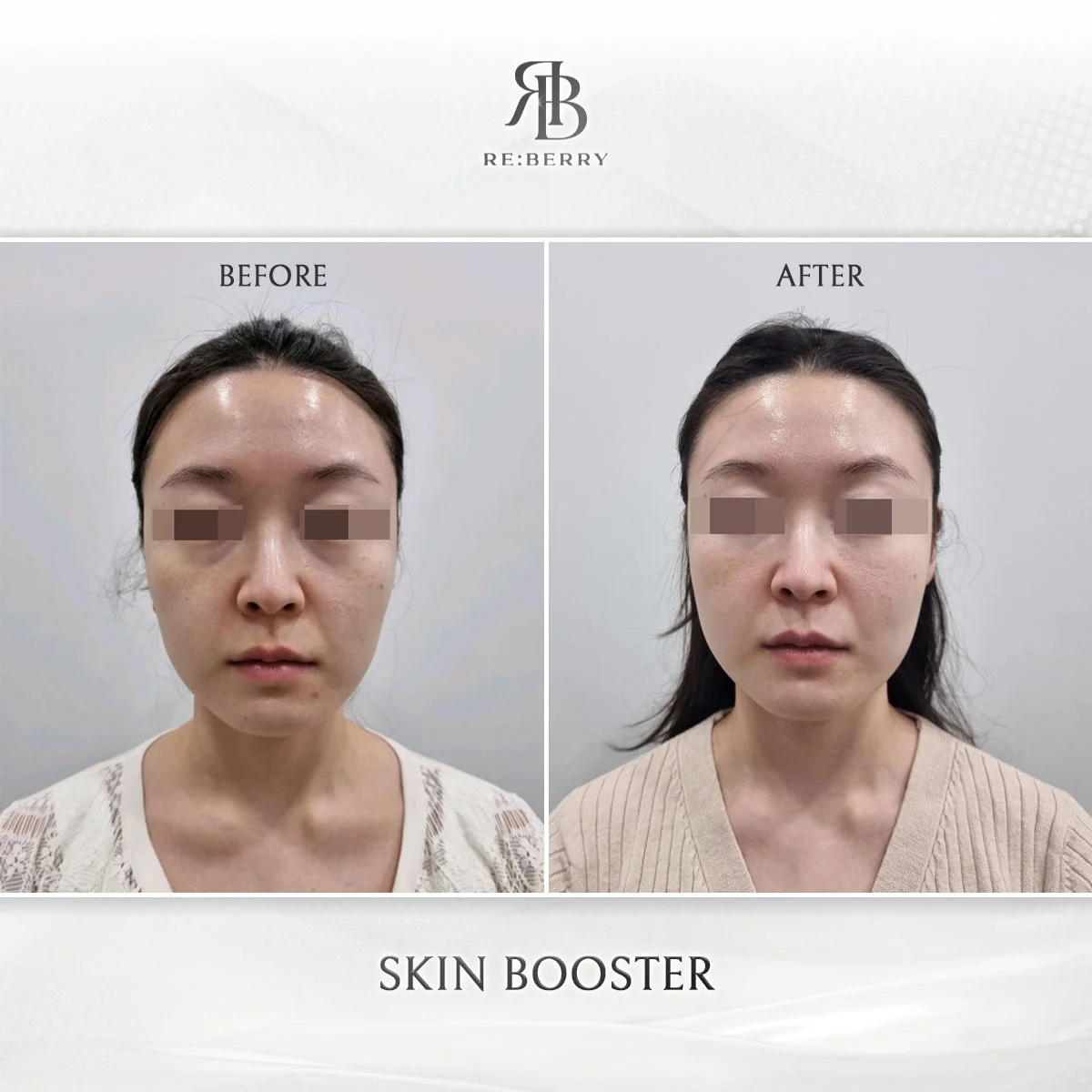
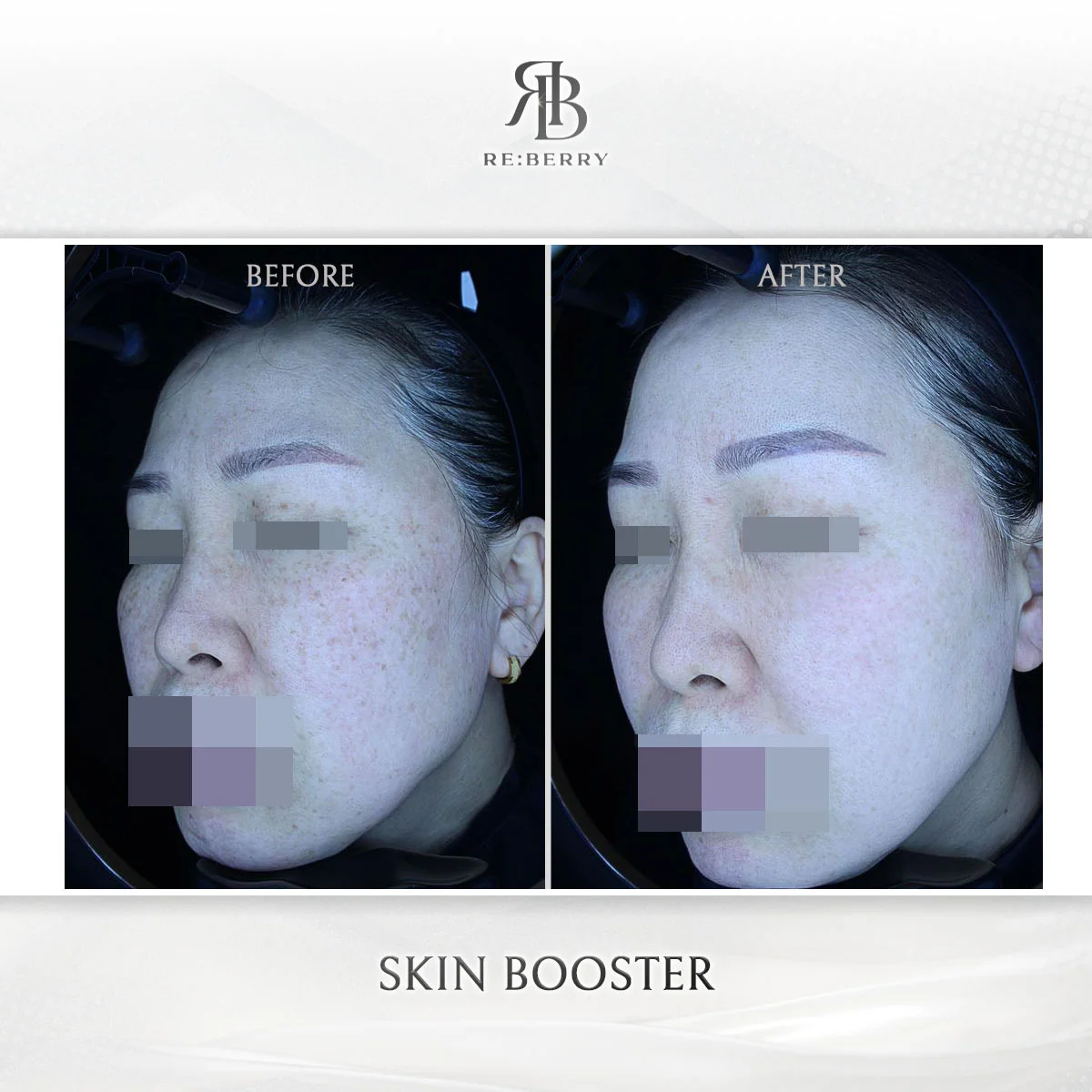
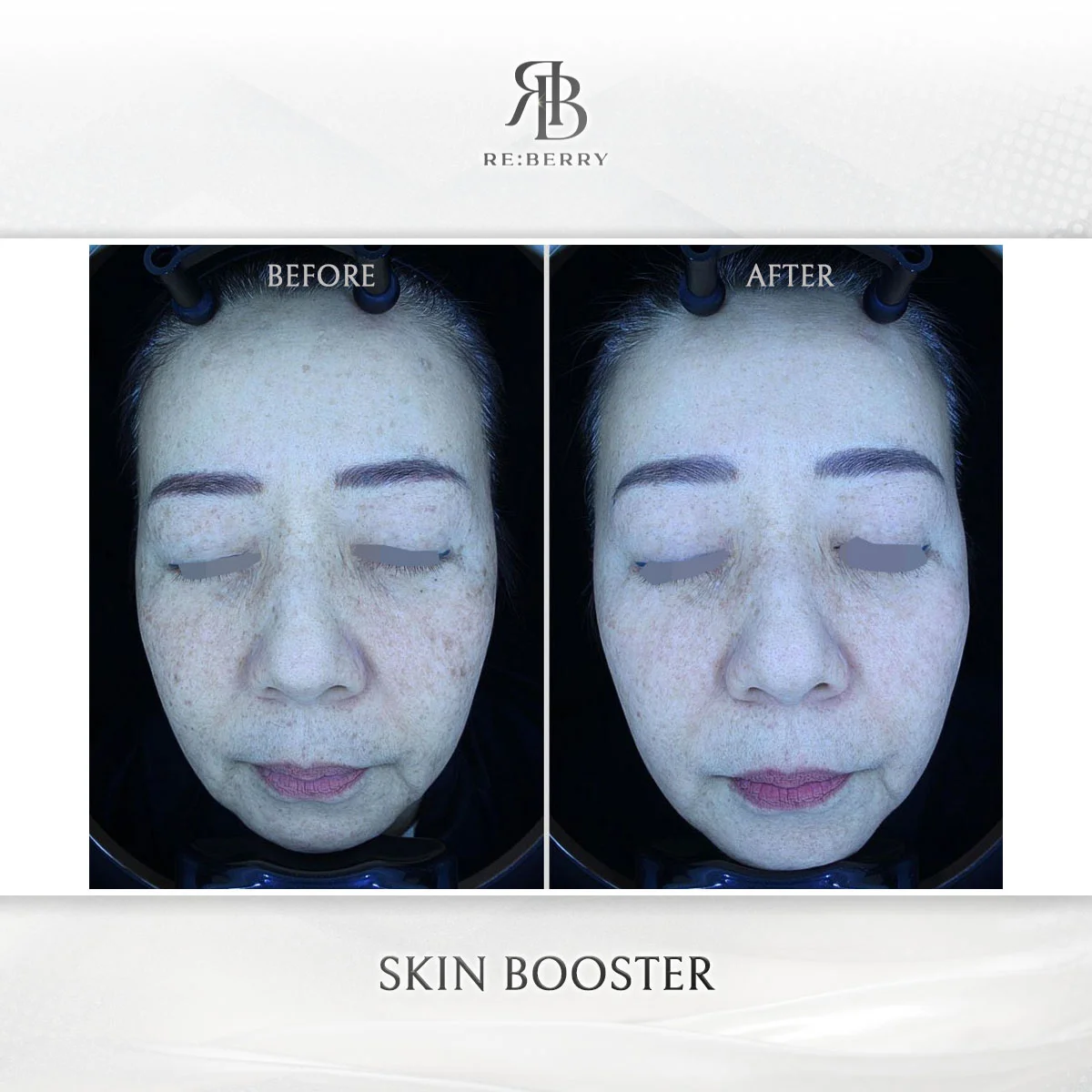
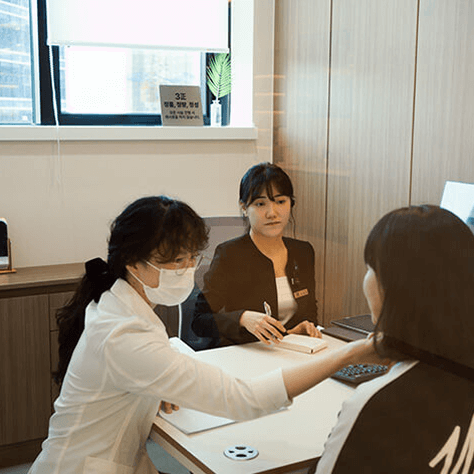
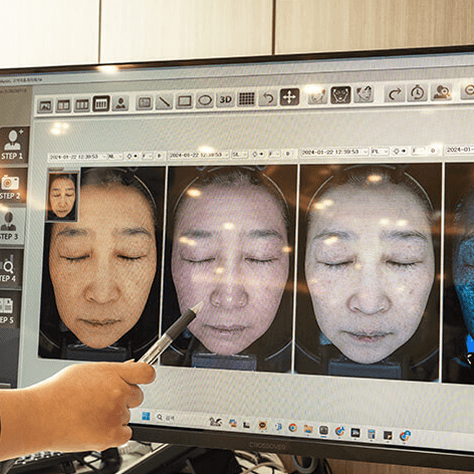
Dr. Yoongon Ryu assesses your skin and goals, then recommends a booster type and course, explaining the plan and cost in English at our Gangnam location.
After 20 to 30 minutes of numbing, the microinjection session usually takes about 15 to 30 minutes depending on the area.
Skin boosters run as a course, typically 2 to 3 sessions spaced 2 to 4 weeks apart, so the plan spans several weeks.
Hydration and glow can appear within days for HA boosters, while polynucleotide and PDLLA effects build over the series and months.
Results typically last several months and are maintained with periodic top-ups, gentle skincare, and daily sun protection.
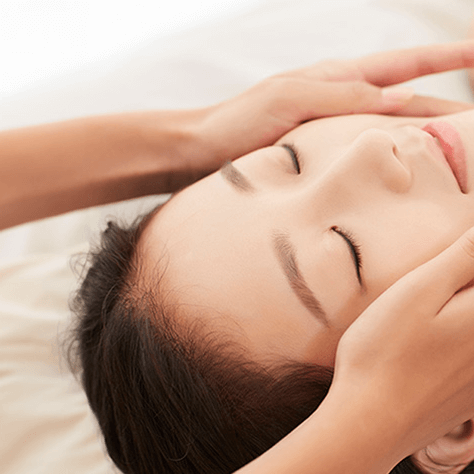
A skin booster is a series of microinjections that deliver hydrating or regenerative ingredients, such as hyaluronic acid, polynucleotides, or PDLLA, into the dermis to improve hydration, elasticity, and glow. It conditions skin quality rather than adding volume. Learn more on our glass-skin page.
Skin boosters are planned and performed at our Gangnam (Seoul) location by Dr. Yoongon Ryu, on Gangnam-daero about a 2-minute walk from Gangnam Station exit 10. International patients receive English-language consultation and aftercare, so a booster course fits easily into a stay in Seoul, Korea.
A skin booster is microinjected across the dermis to improve overall skin quality, hydration, elasticity, and glow, while a filler is placed deeper to add volume or contour to a specific area. Boosters condition the skin; fillers reshape it. Some patients use both. Your doctor explains which suits your goals at consultation.
It depends on your priority: HA boosters for dehydration and dullness, polynucleotide boosters like Rejuran Healer for redness and repair, and PDLLA boosters like Juvelook for gradual firming. The clinic’s doctors match the type, or a combination, to your skin at consultation rather than using one product for everyone.
Skin boosters involve many fine microinjections, so there is some sensation, but numbing cream applied for 20 to 30 minutes beforehand keeps it comfortable for most people. You may feel light pricking and minor pressure. A multi-needle injector can make the process quicker, and your doctor adjusts technique for sensitive areas.
Downtime is minimal. You may notice small bumps, mild redness, or occasional pinpoint bruising for a few hours to a day as the product settles. Most people return to normal activities right away, using gentle skincare and sun protection. Makeup is usually fine the next day once any bumps have absorbed.
Most plans are a course of 2 to 3 sessions spaced 2 to 4 weeks apart, since boosters condition skin progressively; polynucleotide plans may run 3 to 4 sessions. The exact number depends on your skin and the booster chosen. Your doctor confirms the course at consultation and adjusts as results build.
Hydration and glow can appear within days for hyaluronic acid boosters, while polynucleotide and PDLLA boosters build over the series, with firming from PDLLA developing across 2 to 3 months. Because boosters work progressively, the fullest result appears after completing the course rather than after a single session.
Results typically last several months and are not a one-time fix, since skin continues to age and lose moisture. Periodic maintenance sessions, usually every few months, help sustain hydration, elasticity, and glow. Daily sunscreen and a consistent routine extend the benefit between visits, which your doctor plans with you.
Yes, skin boosters combine well with energy treatments because they improve surface quality while devices firm structure. Many patients pair boosters with Thermage FLX or HIFU for firmness plus glow. The clinic’s doctors sequence treatments so the skin is not over-stressed, spacing them appropriately at consultation.
Skin boosters are widely used and generally considered safe when performed by a trained doctor with appropriate products and technique. Side effects are usually mild and temporary, such as redness, small bumps, or bruising. A consultation screens for allergies (for example salmon-derived polynucleotides) and other contraindications so your plan is chosen safely.
Adults with dull, dehydrated, or early-ageing skin, or sensitive and reddened skin, are typical candidates. Boosters suit those wanting improved quality without added volume. A consultation with the clinic’s doctors confirms which booster fits your skin and whether combining types or treatments would serve your goals better.
Yes, skin boosters are a key part of achieving the Korean glass-skin look, since they deeply hydrate and plump the dermis for a dewy, luminous finish. Combining a booster course with gentle resurfacing and a good routine enhances the effect. You can read our full glass-skin guide for the approach.
Aftercare is simple: keep skin clean and hydrated, avoid heavy makeup and vigorous exercise for a day, and skip saunas and strong actives briefly. Daily sunscreen and a gentle skin care routine support results between sessions. Your doctor gives tailored guidance based on the booster used and your skin.
Cost depends on which booster is chosen and how many sessions your course needs, so it is set at consultation rather than a fixed price. Different boosters and combined plans vary. The clinic’s doctors explain the plan and cost transparently in English on our skin rejuvenation page.
A single day is often enough for one session, since it takes about 15 to 30 minutes plus numbing time and has minimal downtime. Because boosters run as a course, many international patients begin in Seoul and continue on return visits. Our English-speaking team helps coordinate timing around your travel.
Yes, flying within a day is generally fine, since skin boosters are minimally invasive with only small injection points. Cabin air is drying, so moisturise well and protect skin from sun. Any small bumps or redness usually settle quickly, and your doctor advises on aftercare before you travel home.
| Hyaluronic Acid Booster | Polynucleotide (Rejuran) | PDLLA (Juvelook) | |
|---|---|---|---|
| Main ingredient | Hydrating hyaluronic acid | Salmon-DNA polynucleotides | Poly-D,L-lactic acid collagen stimulator |
| Best for | Dehydration and dullness | Redness, sensitivity, and repair | Firmness and texture over time |
| How it works | Binds water for immediate plumpness | Supports fibroblasts and calms inflammation | Stimulates gradual new collagen |
| Sessions | Usually a course of 2 to 3 | Often a course of 3 to 4 | Usually a course of 2 to 3 |
| Results timeline | Hydration shows early | Builds over the series | Firming builds over 2 to 3 months |
| Downtime | Minimal, small bumps for hours | Minimal, brief redness | Minimal, occasional small bumps |
Real verified reviews from our Google Business Profile, across all Reberry Clinic locations.
PULLED LIVE FROM GOOGLE · GANGNAM · MYEONGDONG · INCHEON AIRPORT
Your treatment is planned and performed by experienced, MFDS-registered doctors across our Seoul-area clinics, with multilingual support for international patients.
Flagship clinic · KOL for leading lifting & regenerative devices · Featured in Authority Magazine (2026)
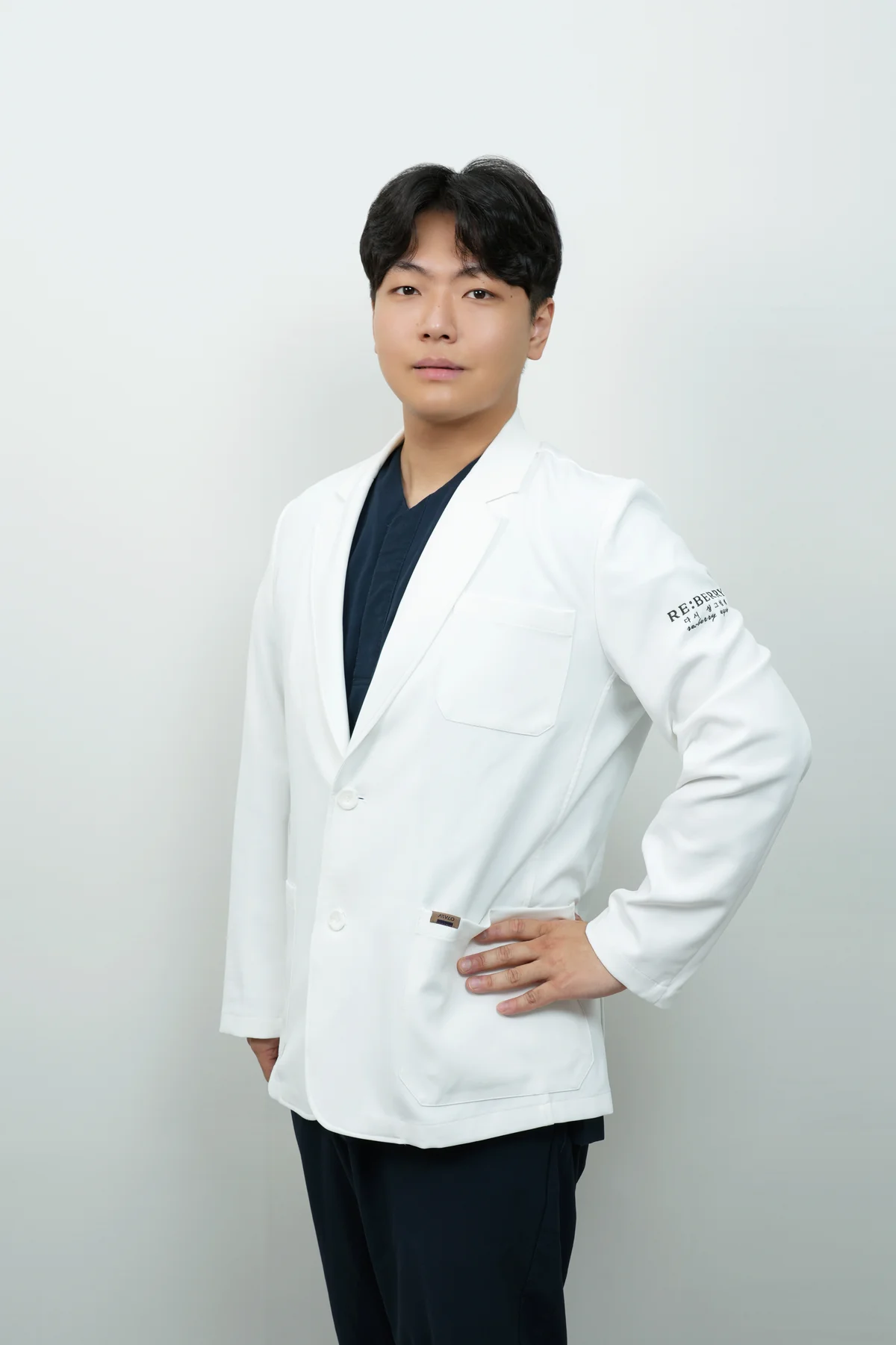
Multilingual tourist care beside Myeongdong Cathedral
Fast, effective care 20 minutes from the terminals
Message us on WhatsApp for a free consultation in English about the right skin-booster course at our Gangnam, Seoul location.