

Gangnam
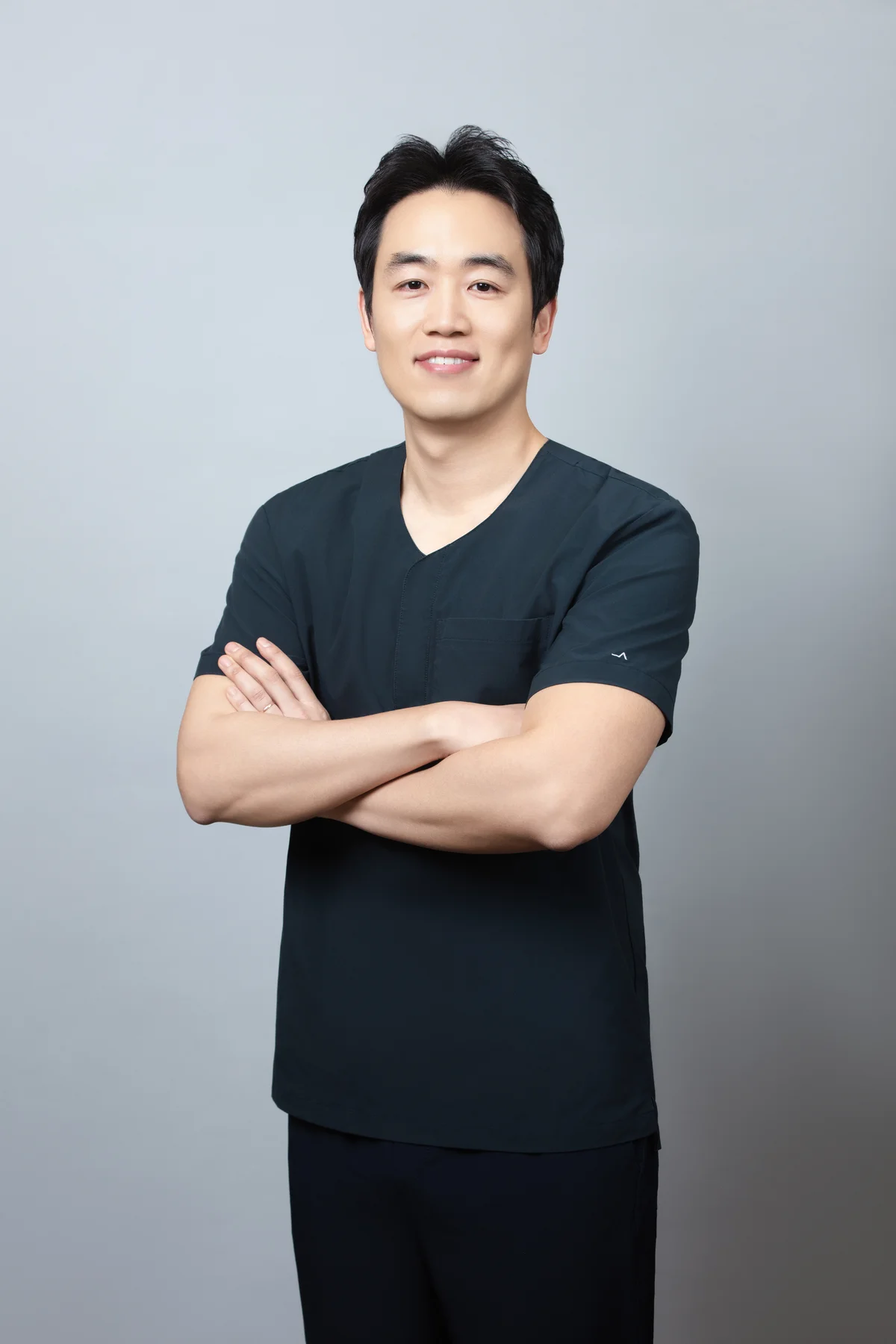
Dr. Yoongon Ryu
Aesthetic Medicine Specialist
Flagship clinic · KOL for leading lifting & regenerative devices


Most Seoul skin clinics accept international credit cards, while cash and bank transfer are common backups; confirming accepted methods in your first 1 to 2 messages avoids surprises.
Most Korean skin clinics accept international credit cards such as Visa and Mastercard, with cash in Korean won and bank transfer as common alternatives. Some clinics support mobile or card-terminal payments too. Because acceptance varies by clinic, confirm the methods and full cost in writing before booking, since pricing is consultation-led rather than a fixed advertised figure.
One-on-One guidance from a dedicated doctor, ensuring your skin is professionally monitored and treated from start to finish.
Fluent assistance in English, Japanese, and Chinese, making communication clear, respectful and comfortable for international patients.
Over 100,000 patients worldwide have received our personalized dermatological care, highlighting our expertise and reliable results.
Payment at a Korean skin clinic usually happens after your consultation and treatment plan are agreed, not as a fixed price advertised upfront. The most widely accepted method is the international credit card; major networks such as Visa and Mastercard are common, and many clinics also take cash in Korean won. Bank transfer is sometimes offered, particularly for larger plans, and a growing number of clinics support card-terminal and mobile payments. The exact mix depends on the individual clinic, so confirming what is accepted before you arrive prevents an awkward surprise at checkout.
For international patients, two practical points matter. First, foreign cards can occasionally be declined by your bank’s fraud filters when used abroad, so telling your bank about travel and carrying a backup method reduces friction. Second, currency: charges are processed in Korean won, and your card issuer applies its own exchange rate and any foreign-transaction fee, so the figure on your statement may differ slightly from a rough conversion. A clear clinic will quote the won amount so you can plan.
Reberry Clinic is a Seoul dermatology and aesthetic clinic that treats international patients across three Seoul-area locations (Gangnam, Myeongdong, Incheon Airport) with English-speaking support. Pricing is consultation-led: the clinic’s doctors assess your skin first, then explain the plan and cost transparently so you know what you are paying for before any treatment goes ahead.
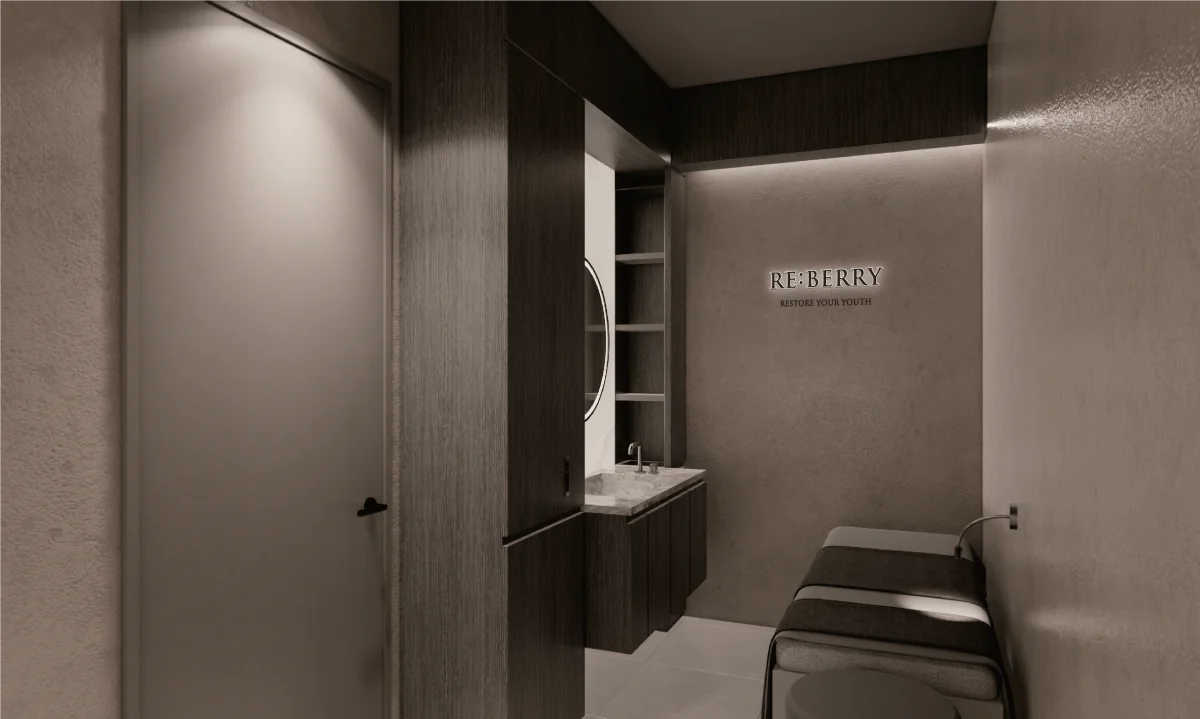
In Korea, cosmetic and aesthetic skin treatments are generally elective and paid out of pocket rather than covered by national insurance, and they are typically quoted after a consultation rather than as a single sticker price. That is because the right plan, areas and device vary from patient to patient, so the cost reflects what you actually need. Knowing this helps you read a clinic correctly: a transparent clinic explains the won amount and what it includes, while a suspiciously low headline figure may hide add-ons.
Payment method and pricing transparency go together. Before agreeing, ask for the full cost in writing and confirm which methods the clinic accepts, so there are no surprises at checkout. At a dermatology clinic such as Reberry, you can review treatments on the skin care overview, then discuss the plan, the won cost and accepted payment options with the team before committing.
One Reberry Clinic, multiple Seoul-area locations. Pricing & current promotions are listed on each branch's own site — tap a clinic to view pricing & book.
Our flagship in the heart of Gangnam.
In Seoul's shopping & tourism heart.
A beauty stop between flights.
The newest Reberry Clinic — in Seoul's trend district.
ONE REBERRY CLINIC · MFDS-REGISTERED DEVICES · MULTILINGUAL CARE AT EVERY LOCATION
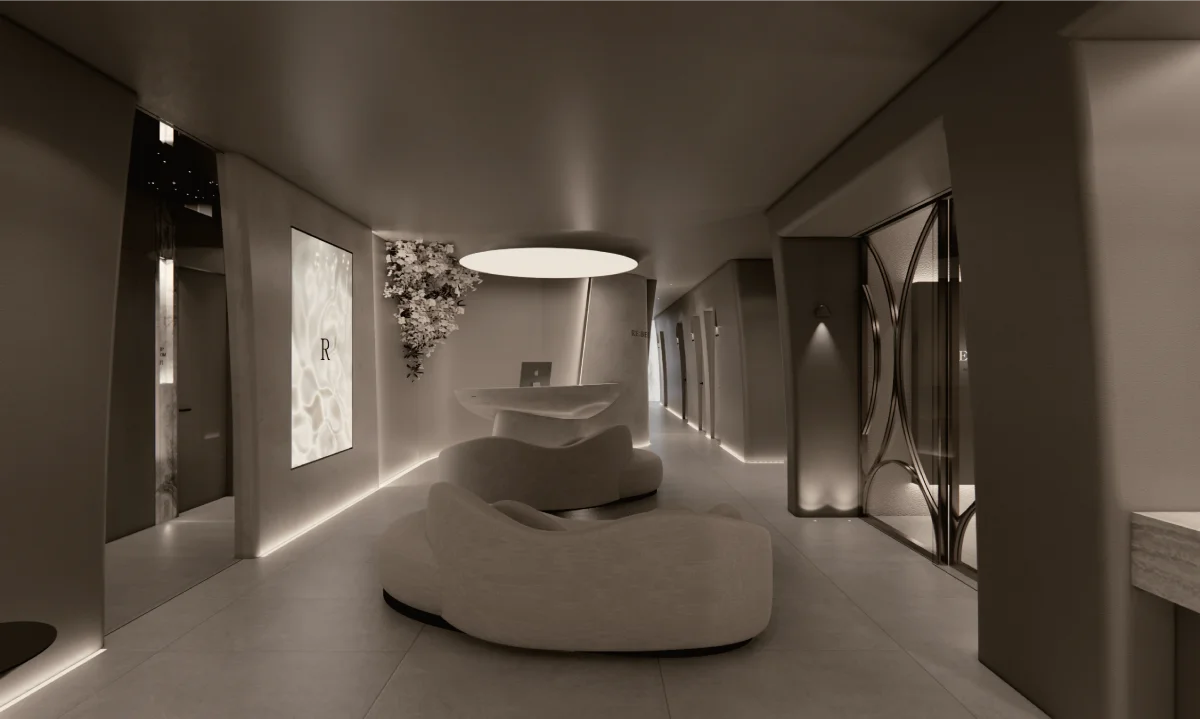

In your first 1 to 2 messages, confirm whether the clinic takes international cards, cash in won, or transfer, so you arrive prepared.
Request the full won amount and what it includes before booking; a clear quote beats a vague headline figure every time.
Notify your card issuer of your trip dates to reduce the 1 in a number of cases where foreign cards are blocked abroad.
Bring at least 2 options, such as a card plus some Korean won, in case 1 payment route is unexpectedly unavailable.
Check whether a deposit is needed to hold your slot, and how it applies to the final bill, ideally at least 1 day before.
Expect charges in won; your issuer applies its own rate and any fee, so the final figure may differ from a rough estimate by a few percent.

See representative outcomes from Reberry Clinic. Results build gradually and vary by individual; your plan is assessed at consultation.
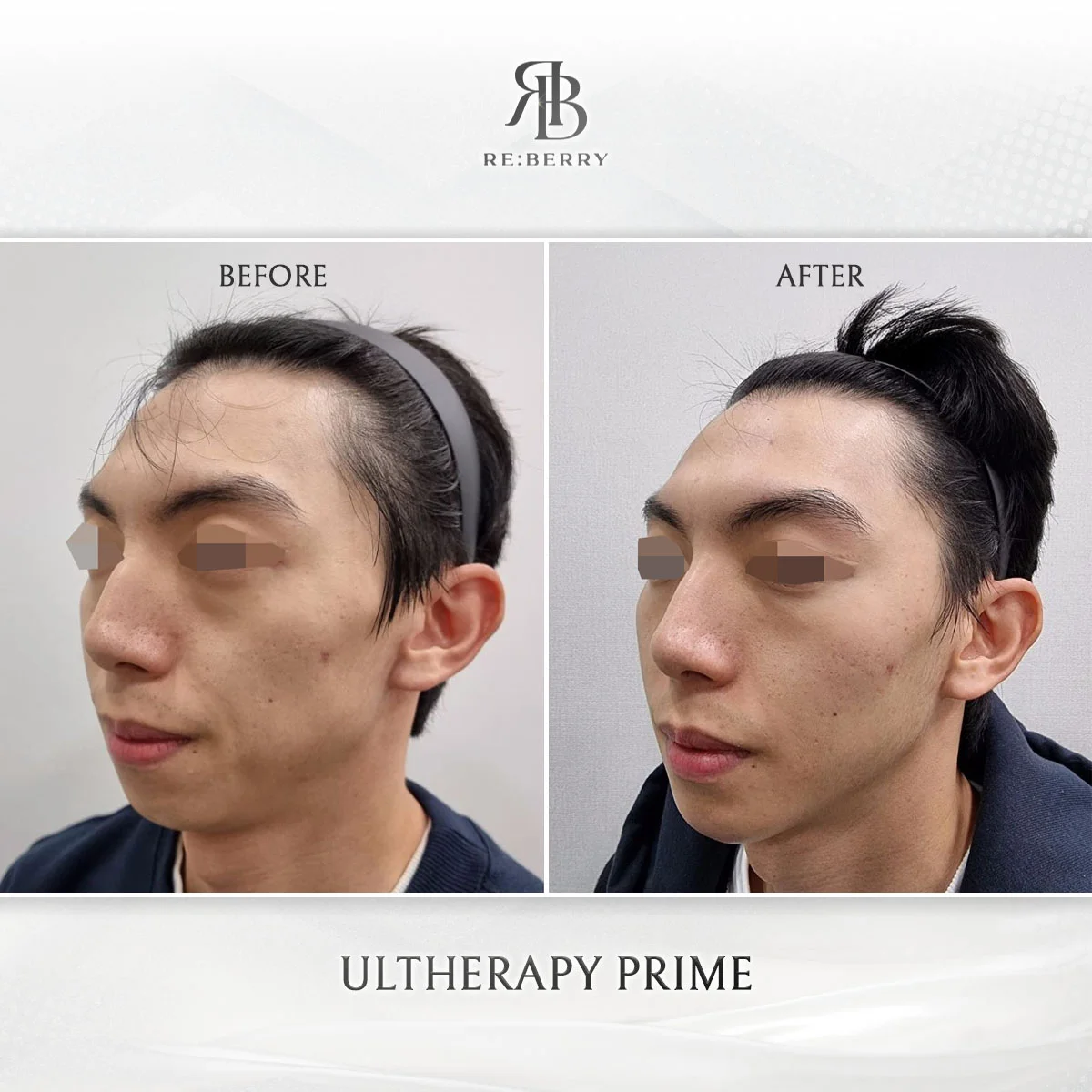
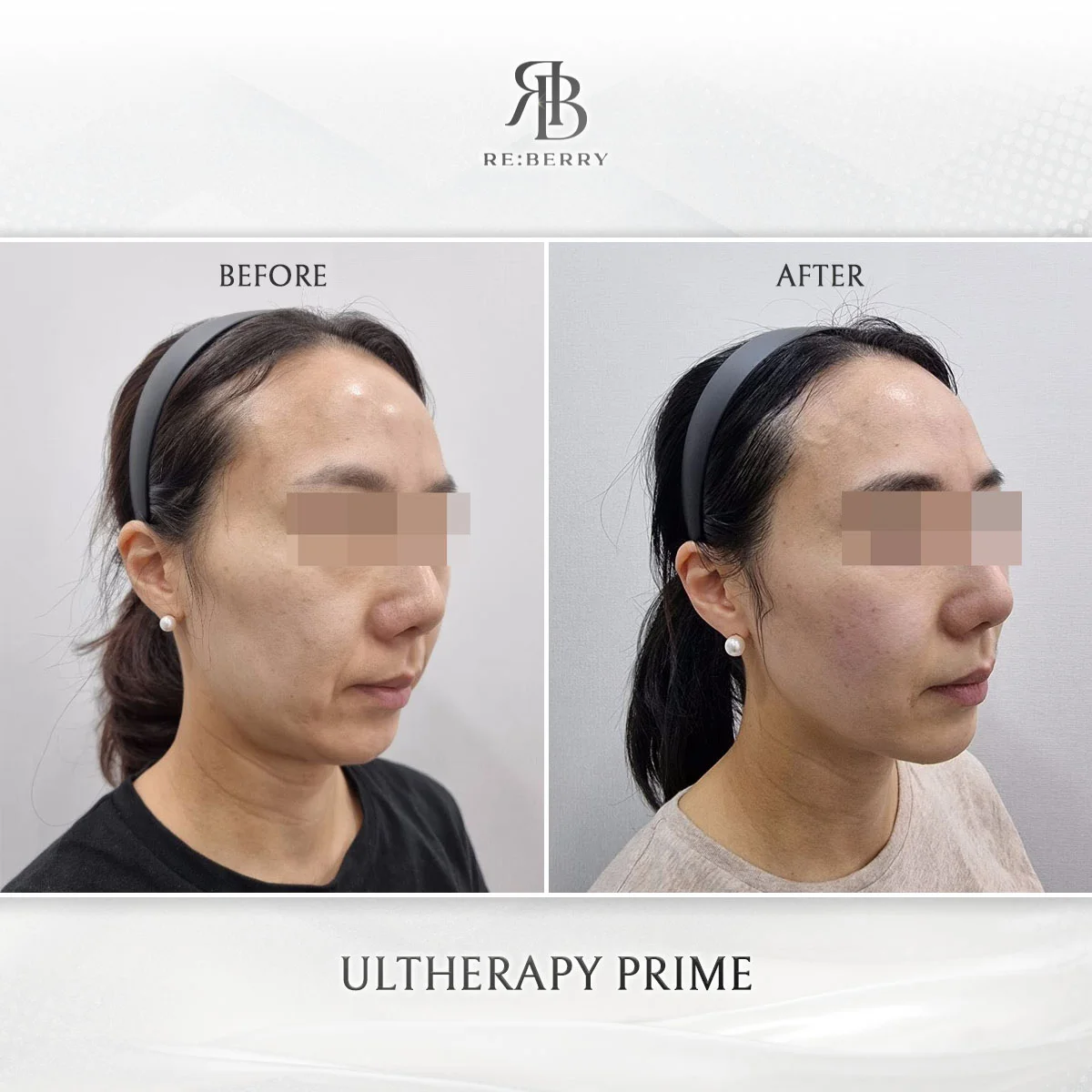
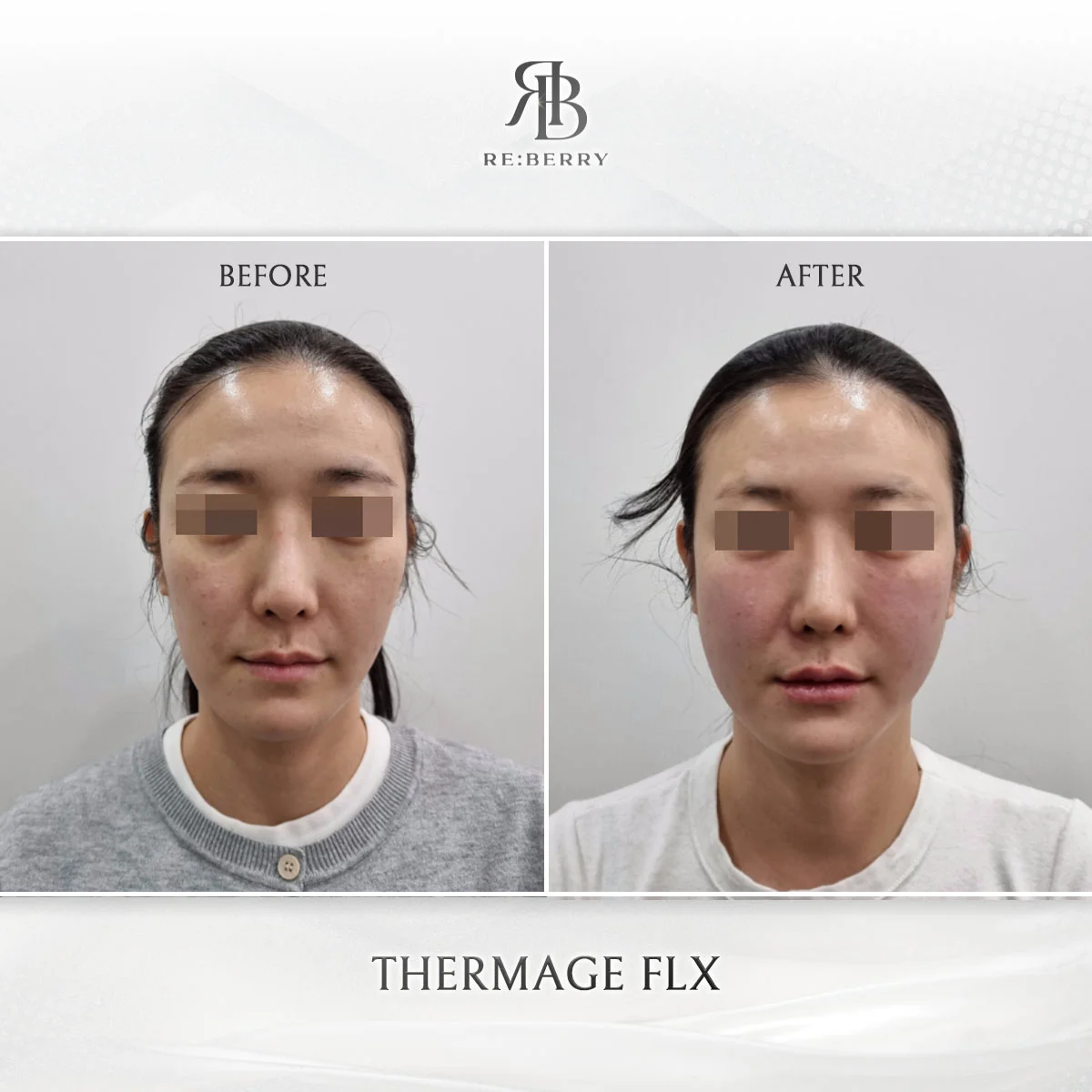
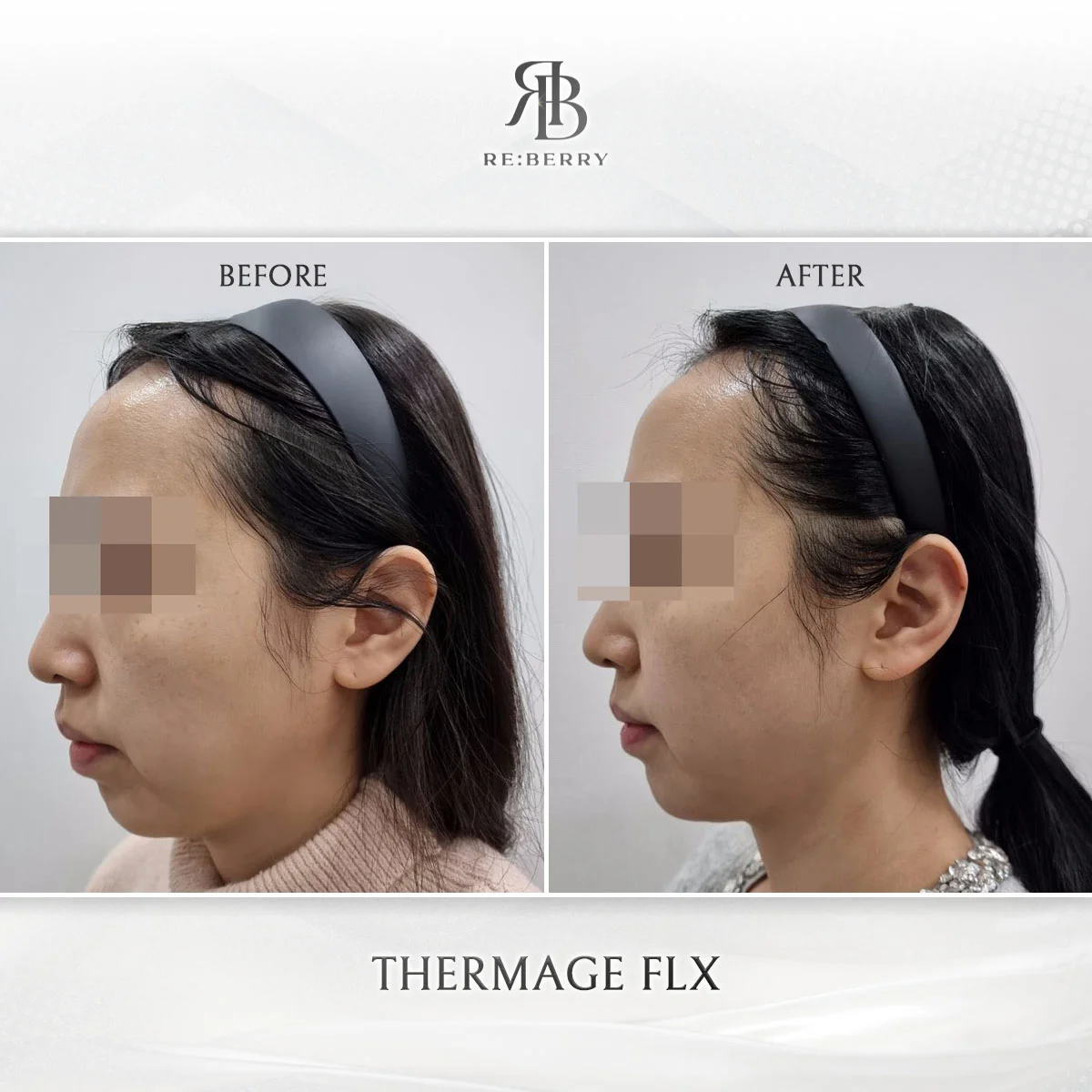
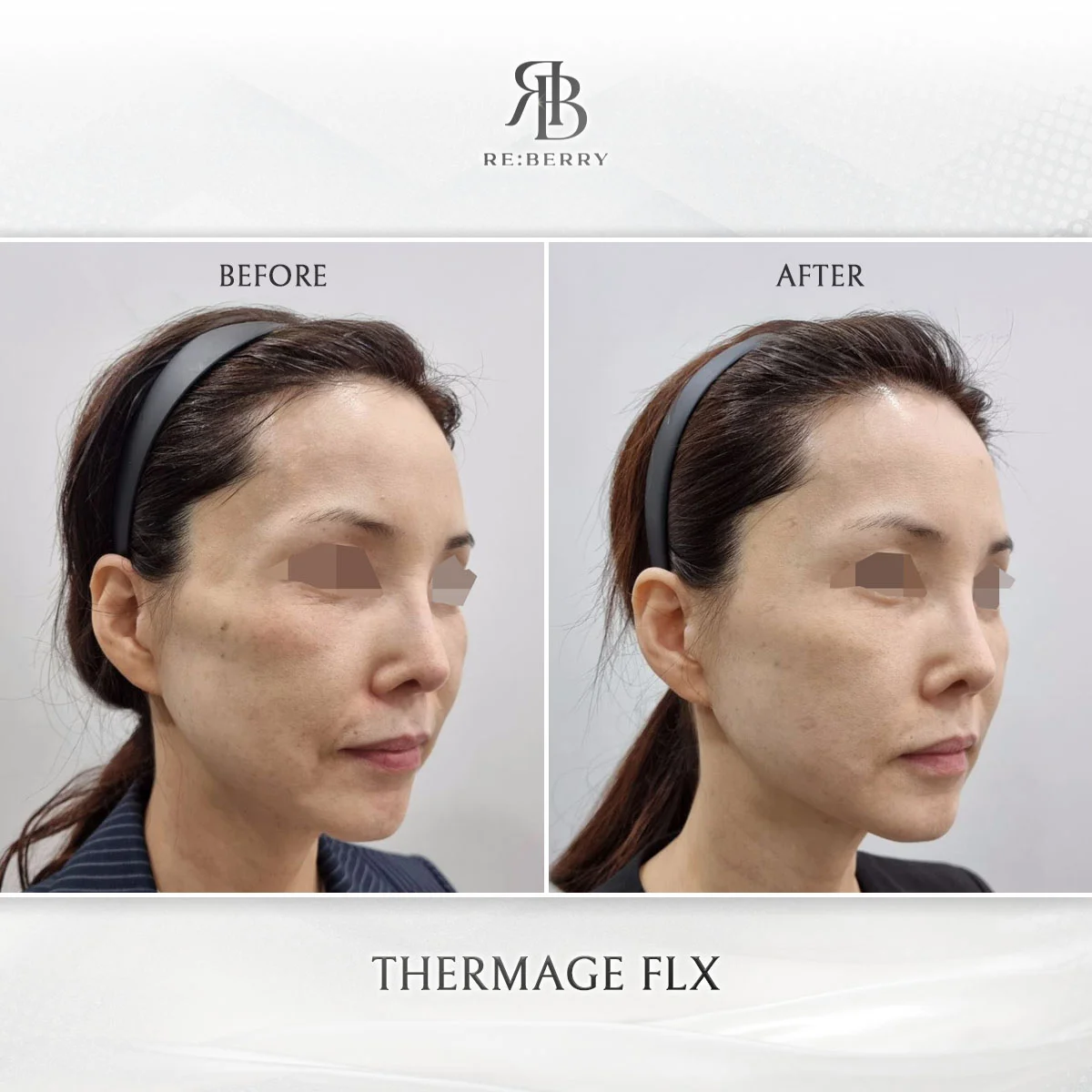
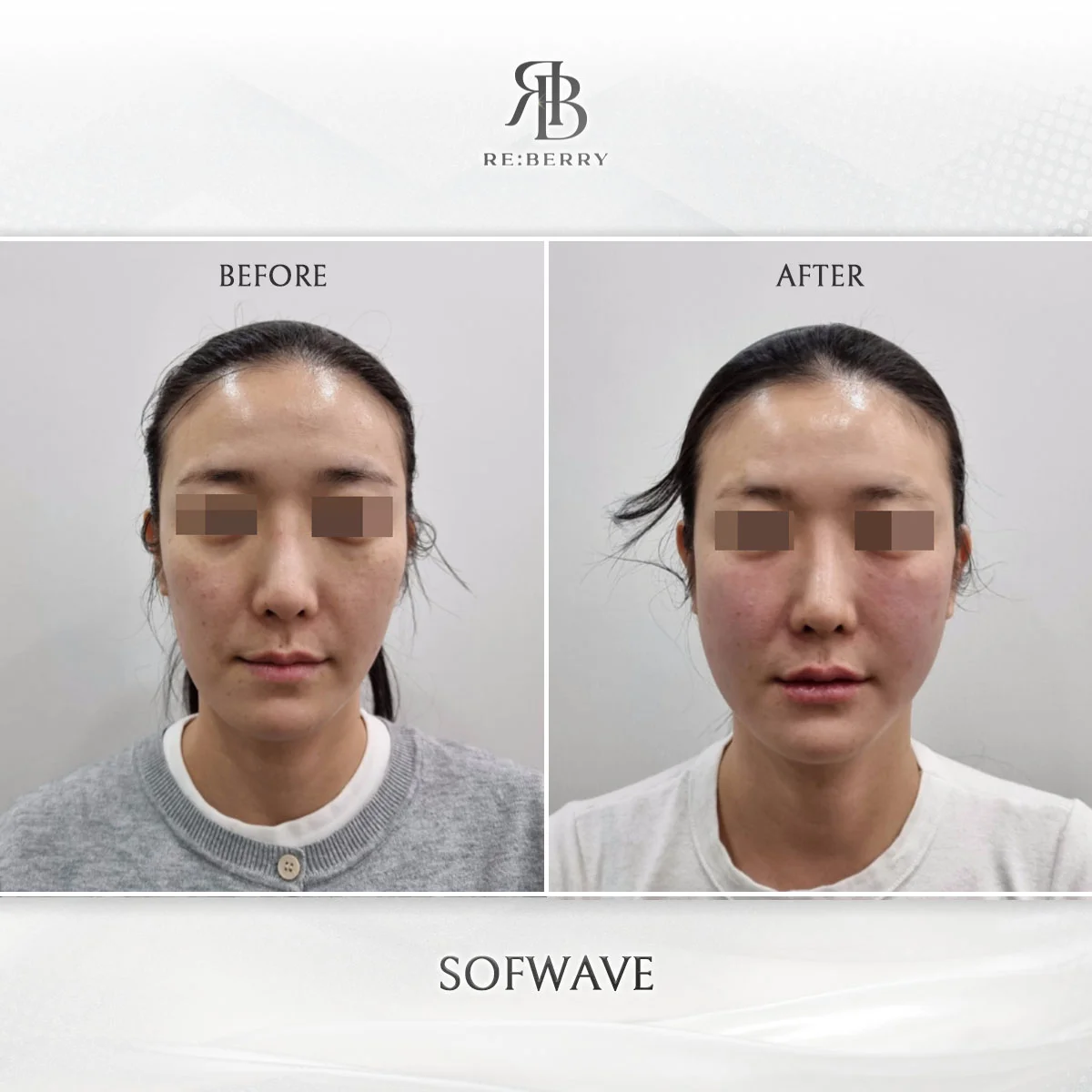
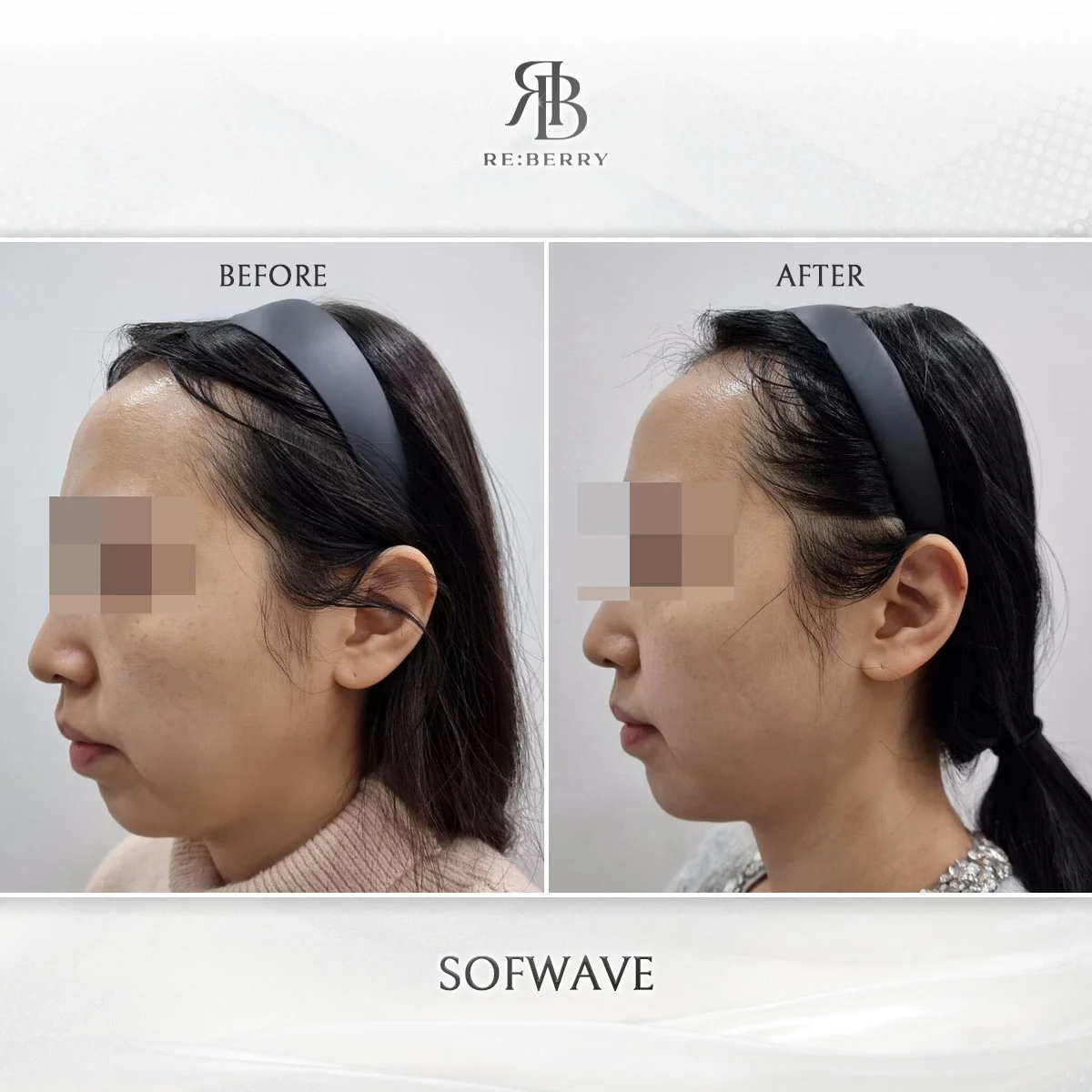
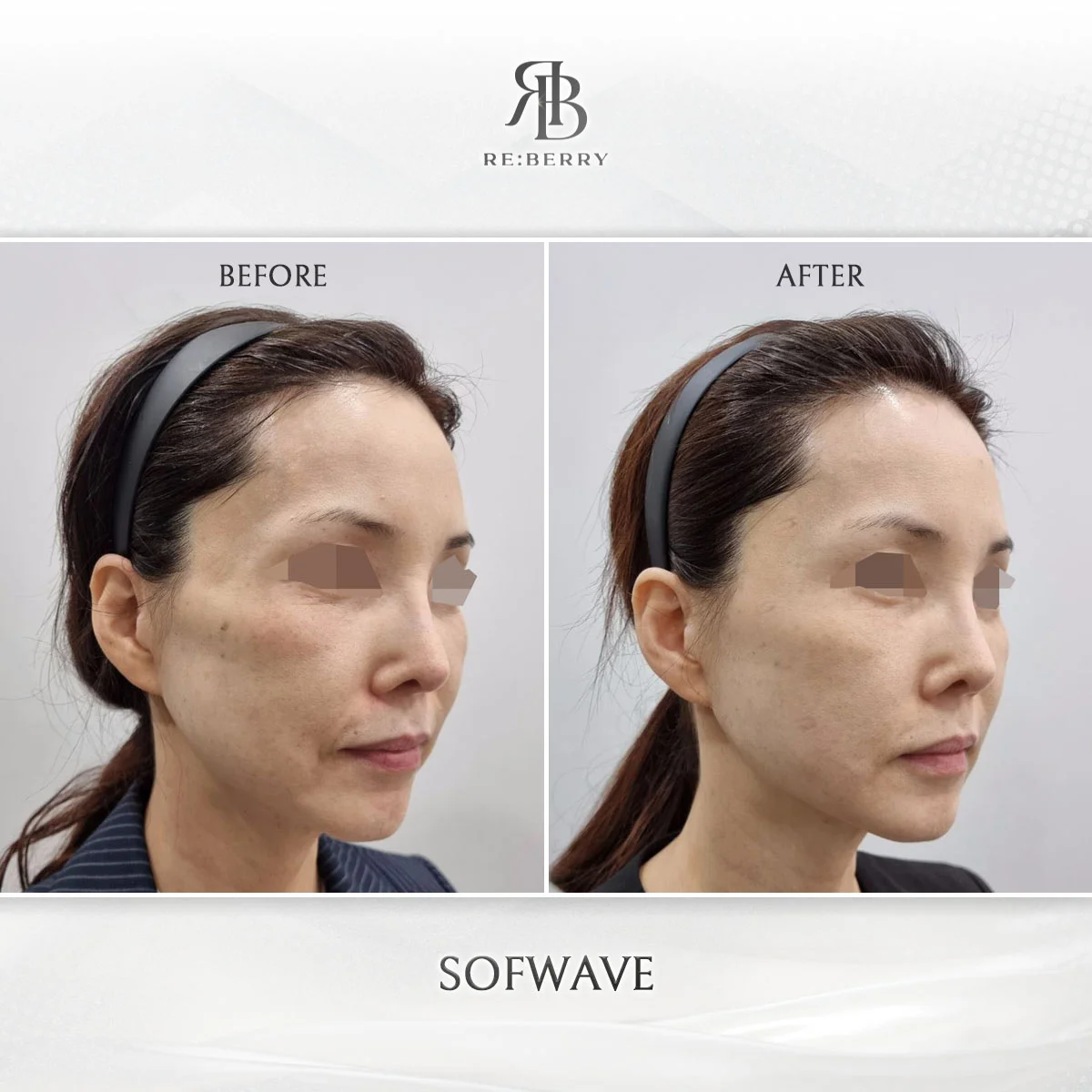
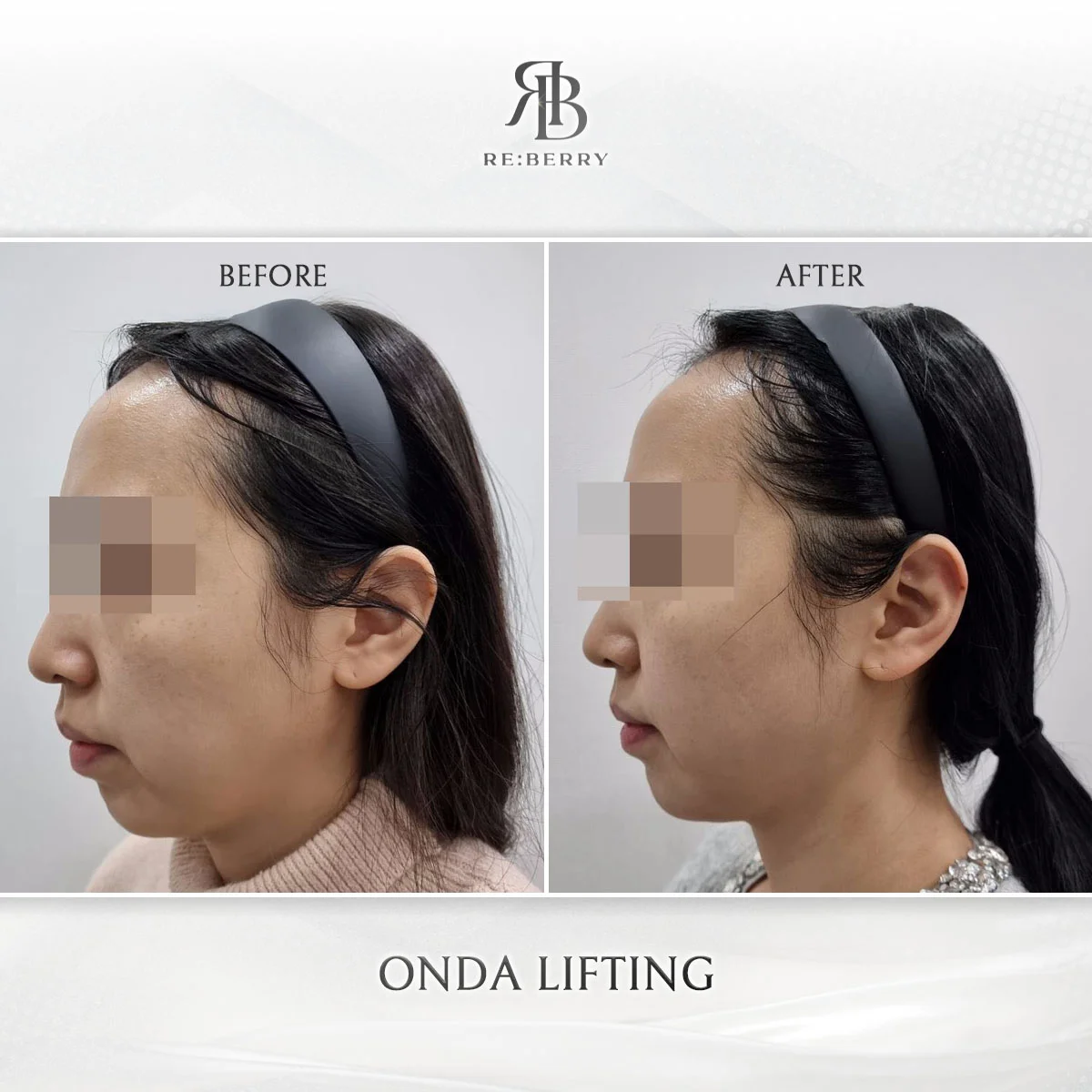
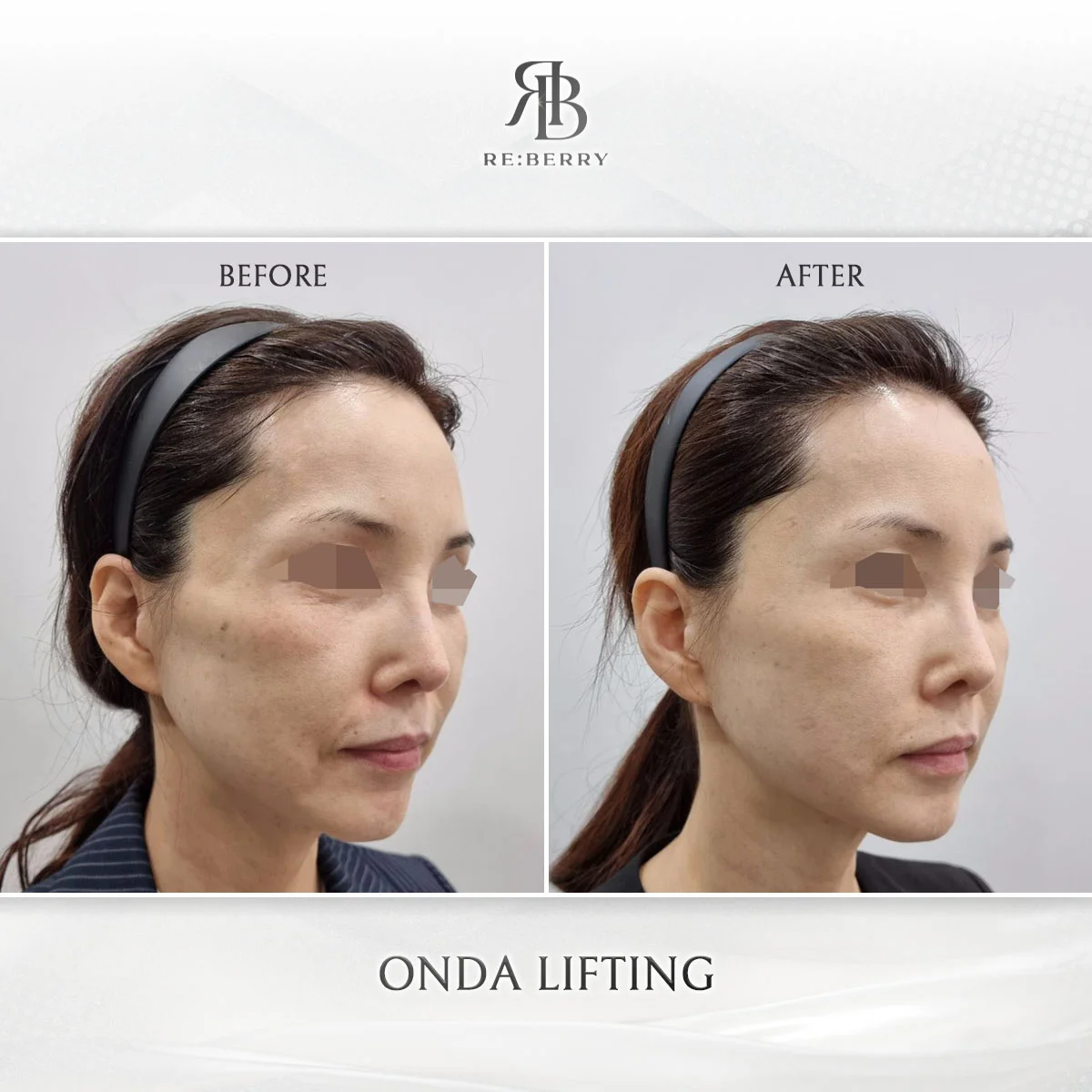
An English-language consultation produces a treatment plan, and the clinic explains the full won cost and what it includes before you decide.
You confirm the plan and accepted payment method; the clinic’s doctors proceed only after the cost and consent are clear to you.
Payment is usually settled around the visit itself, so it fits a short Seoul trip without a long administrative process.
Cost reflects your specific plan, while results build on their own schedule; the clinic separates the two so expectations stay realistic.
You receive a written record and aftercare, and any optional maintenance is quoted separately rather than bundled by surprise.
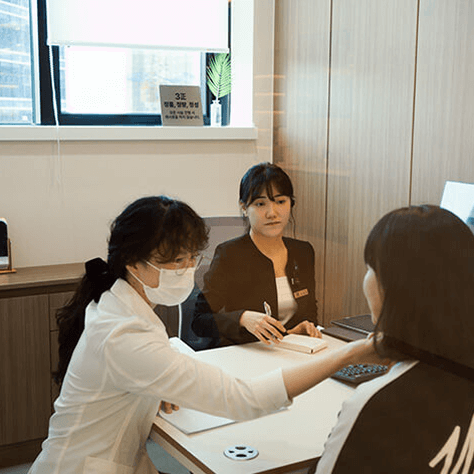
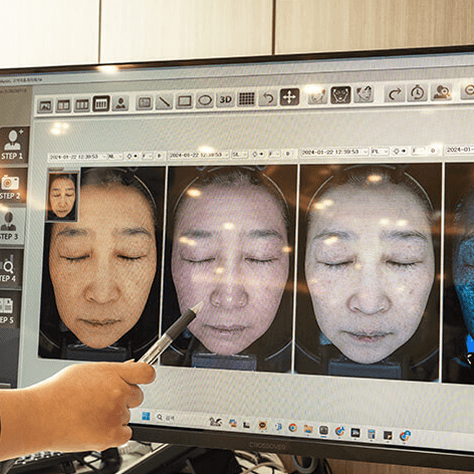

Most accept international credit cards such as Visa and Mastercard, with cash in Korean won and bank transfer as common alternatives, and some support mobile or terminal payments. Acceptance varies by clinic, so confirm before booking. Reviewing treatments on the skin care overview first helps you discuss the plan and cost together.
Yes, international cards are widely accepted at clinics serving foreigners, though foreign cards are occasionally blocked by your bank’s fraud filters abroad. Tell your card issuer your travel dates and carry a backup. Confirm the clinic accepts your card network before booking, and ask for the full won cost in writing so there are no surprises.
Not always, but carrying some Korean won is a sensible backup in case a card is declined or a clinic prefers cash for a small balance. Cards are widely accepted, yet a backup avoids friction. Reberry Clinic explains accepted methods and the full cost during your consultation across three Seoul-area locations so you can plan ahead.
Charges are processed in Korean won, and your card issuer applies its own exchange rate plus any foreign-transaction fee, so your statement may differ from a rough conversion by a few percent. Ask the clinic for the won amount so you can plan. If offered a choice, paying in won often avoids less favorable dynamic-currency-conversion rates.
Aesthetic skin treatment is consultation-led, so the right plan, areas and device vary per patient, and the cost reflects what you actually need. A single advertised figure rarely matches a real plan such as an injection treatment. A doctor assesses you first, then quotes accordingly, which is why you should ask for the full written cost before agreeing.
Some clinics request a deposit to hold an appointment, which is reasonable if it is modest and applied to your final bill. Be cautious of pressure to pay a large deposit before any proper consultation. Confirm the deposit amount, how it applies, and the refund policy in writing before you transfer anything to secure a slot.
Elective cosmetic and aesthetic skin treatments are generally paid out of pocket rather than by national insurance, so plan to settle the cost yourself. Some private travel or medical policies may differ, so check yours. Because these treatments are self-pay, getting the full won cost in writing in advance is the best way to budget accurately.
Ask for the full cost in writing before treatment and confirm exactly what it includes, so add-ons do not appear at the end. A transparent clinic itemizes the plan clearly, whether for a hydrafacial or a larger course. If a quote seems unusually low, ask what is and is not covered, since hidden extras are a common source of checkout surprises at less careful clinics.
Some eligible visitor purchases qualify for tax-refund schemes, and certain clinics participate while others do not, so ask the clinic directly how VAT or refunds are handled. Bring your passport if relevant. Because rules and eligibility change, confirm the current process with the clinic rather than assuming, and keep your receipts for any refund claim.
Foreign cards are sometimes blocked by fraud filters, so notify your bank of your travel dates and carry a backup such as Korean won or a second card. If a card is declined, contacting your issuer often resolves it quickly. Having at least 2 payment options ready means a single decline will not disrupt your treatment day.
Generally yes, clinics near Incheon Airport accept similar methods, though acceptance still varies, so confirm in advance. Reberry Clinic has an Incheon Airport location among its three Seoul-area sites, and the team explains accepted payment options and the full won cost before treatment, which is convenient for travelers short on time.
Payment is usually handled around the visit itself, so it fits a short trip; there is no lengthy process. Many treatments need a single visit after consultation. The clinic confirms the plan, accepted methods and the won cost in your consultation, so you can budget and pay smoothly within a brief itinerary.
Paying in Korean won is often better, because dynamic currency conversion at the point of sale can apply a less favorable rate than your own bank. If a terminal offers to charge in your home currency, you can usually decline and choose won. Either way, confirm the won amount in advance so you understand the true cost.
Bank transfer can be safe for larger, pre-arranged plans, but confirm the clinic’s official account details, keep proof of transfer, and check timing so payment clears before treatment. Be wary of unusual or untraceable payment requests. For most visitors, a card with a cash backup is simpler, with transfer reserved for bigger plans agreed in advance.
Ask which card networks and methods are accepted, the full cost in Korean won in writing, what the price includes, whether a deposit is needed, and how any tax refund works before any laser treatment or plan. Clear answers signal a transparent clinic. Vague replies or pressure to prepay before a proper consultation are reasons to pause before committing.
| International credit card | Cash (Korean won) | Bank transfer | |
|---|---|---|---|
| Acceptance | Widely accepted at most clinics | Commonly accepted everywhere | Offered by some, often for larger plans |
| Best for | Convenience and a record of payment | Small balances or backup | Larger or pre-arranged treatment plans |
| Currency handling | Charged in won; issuer applies rate and fee | Pay the won amount directly | Sent in won; check sending-bank fees |
| Risk to watch | Foreign-card fraud blocks; tell your bank | Carrying large cash; exchange rate at pickup | Timing and proof of transfer before treatment |
| Backup needed | Carry cash as a backup | Keep a card as a backup | Have a same-day alternative ready |
| Pricing note | Consultation-led; confirm cost in writing | Consultation-led; confirm cost in writing | Consultation-led; confirm cost in writing |
Real verified reviews from our Google Business Profile, across all Reberry Clinic locations.
PULLED LIVE FROM GOOGLE · GANGNAM · MYEONGDONG · INCHEON AIRPORT
Your treatment is planned and performed by experienced, MFDS-registered doctors across our Seoul-area clinics, with multilingual support for international patients.
Flagship clinic · KOL for leading lifting & regenerative devices
Multilingual tourist care beside Myeongdong Cathedral
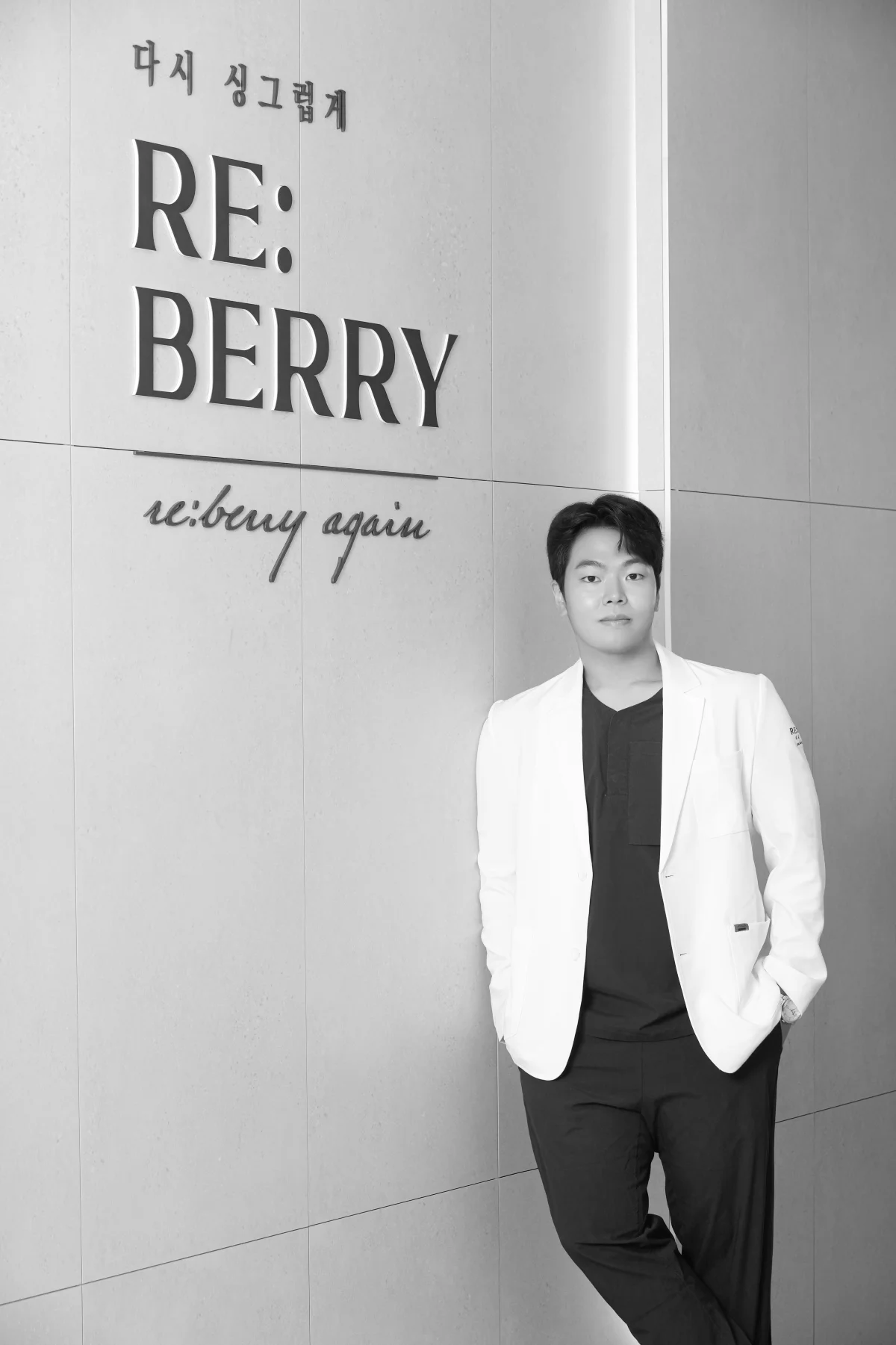
Fast, effective care 20 minutes from the terminals
Message us on WhatsApp for a free consultation in English and a clear, consultation-led explanation of your plan and cost.