



Gangnam
Dr. Yoon-Gon Ryu
Aesthetic Medicine Specialist
Flagship clinic · for leading lifting & regenerative devices · Featured in Authority Magazine (2026)


From surface facials to HA and polynucleotide boosters, hydration works across 3 skin layers, usually over a short series of about 3 sessions.
Skin hydration treatment in Myeongdong deeply moisturises skin using surface facials such as hydrafacial or aqua-peel and deeper injectable boosters like hyaluronic acid and polynucleotide products. It targets dryness, dullness, and a tight, dehydrated feel over a short series, and the right mix is chosen for you by the clinic’s doctors at our Myeongdong (Seoul) location.
One-on-One guidance from a dedicated doctor, ensuring your skin is professionally monitored and treated from start to finish.
Fluent assistance in English, Japanese, and Chinese, making communication clear, respectful and comfortable for international patients.
Over 100,000 patients worldwide have received our personalized dermatological care, highlighting our expertise and reliable results.
Skin hydration treatment is a set of in-clinic options that add and lock moisture into the skin, addressing dryness, dullness, and that tight, dehydrated feeling that surface creams alone may not fully resolve. It works across layers: at the surface, a hydrafacial or aqua-peel cleanses and delivers hydrating serums, while deeper in the dermis, injectable skin boosters place water-binding ingredients such as hyaluronic acid and polynucleotides directly where creams cannot reach.
Hyaluronic acid is a naturally occurring molecule that holds many times its weight in water, so an HA skin booster helps the dermis retain moisture and feel plumper. Polynucleotide boosters add water-binding, regenerative support that many patients feel improves overall skin quality and texture over time. Because dehydrated skin is common and can be aggravated by climate, air travel, and heating or air conditioning, hydration treatments are often planned as a short series with maintenance.
At Reberry Clinic, hydration care is consultation-led. At our Myeongdong (Seoul) location (5, Myeongdong 10-gil, Jung-gu, about 5 minutes from Myeongdong Station), Dr. Seung Jae Baek, Medical Director, and the clinic’s doctors assess your skin and goals, then build a tailored plan and explain it clearly in English for international patients.
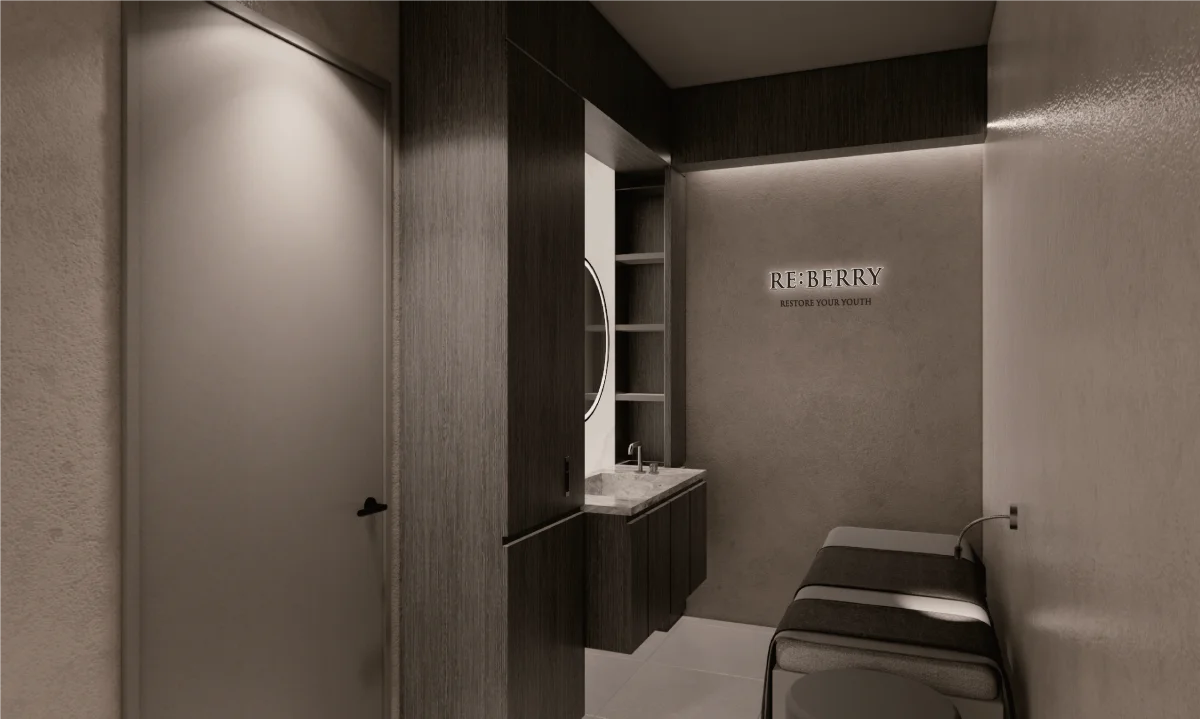
Effective hydration matches the method to the skin layer that needs it. At the surface, hydrafacial and aqua-peel use vortex water-based cleansing to lift debris and infuse hydrating serums with no heat or light, refreshing the outer skin and improving how it holds moisture. Deeper down, hyaluronic acid skin boosters are micro-injected so the HA binds water within the dermis, helping skin feel plumper and more supple, with studies reporting corneometry water-content gains that more than double for HA-based work. Polynucleotide boosters, widely used in Korean practice, add regenerative, water-binding support and are typically given as about 3 sessions spaced 2 to 4 weeks apart. A Korean phase 3 trial compared polynucleotide against hyaluronic acid over 12 weeks and reported improvements in elasticity and skin surface quality. Because each layer contributes to how hydrated and radiant skin looks, the clinic’s doctors often combine a surface facial with a booster, sequencing sessions so skin is refreshed at the surface and supported at depth without being over-treated.
One Reberry Clinic, multiple Seoul-area locations. Pricing & current promotions are listed on each branch's own site — tap a clinic to view pricing & book.
Our flagship in the heart of Gangnam.
In Seoul's shopping & tourism heart.
A beauty stop between flights.
The newest Reberry Clinic — in Seoul's trend district.
ONE REBERRY CLINIC · MFDS-REGISTERED DEVICES · MULTILINGUAL CARE AT EVERY LOCATION

The clinic’s doctors evaluate your dryness, skin type, and goals across the 3 hydration layers to decide which 1 or more to focus treatment on.
A hydrafacial or aqua-peel often starts the plan, using water-based cleansing to refresh the surface in a session of about 30 to 45 minutes.
Where deeper hydration is the goal, 1 or more HA or polynucleotide boosters are micro-injected so water-binding ingredients reach the dermis directly.
Booster protocols usually run as about 3 sessions spaced 2 to 4 weeks apart, so hydration builds steadily rather than in one visit.
After the initial series, occasional top-ups every few months plus a home routine help sustain hydration over time.
Reberry Clinic · Prices verified: Oct 2026
| Clinic | Price (KRW) |
|---|---|
| Incheon Airport2.5cc | from₩110,000 |
VAT excluded · Final price depends on treatment scope and skin condition · Confirmed after consultation
Before-and-after photos are being updated.
At our Myeongdong (Seoul) location, the clinic’s doctors assess your dryness and goals, then explain which layers and options fit your skin, in English.
A first session usually takes about 30 to 60 minutes depending on whether a facial, a booster, or both are involved.
Booster plans run as a series of about 3 sessions spaced 2 to 4 weeks apart, so hydration builds steadily across the course.
A surface facial gives an immediate glow, while booster hydration develops over several weeks, with progress reviewed between visits.
Booster hydration can hold for weeks to months, so occasional top-ups and a home routine help maintain it over the long term.



Skin hydration treatment adds and locks moisture into the skin using surface facials such as hydrafacial or aqua-peel and deeper injectable boosters like hyaluronic acid and polynucleotides. It targets dryness, dullness, and a tight feel over a short series. You can explore starting points on our skin care page.
A moisturiser mainly works on the skin surface, while in-clinic hydration reaches deeper. A hydrafacial cleanses and infuses serums, and injectable boosters place water-binding ingredients directly into the dermis, where creams cannot reach. Both approaches complement each other, so a home routine still supports and extends your in-clinic results.
It depends on your goals: a surface facial suits a quick refresh, while an HA or polynucleotide booster gives deeper, longer-lasting hydration. Many patients combine both across layers. The clinic’s doctors assess your skin and recommend a mix. You can compare a surface option on our hydrafacial page.
An HA skin booster micro-injects hyaluronic acid that binds water directly in the dermis, while a polynucleotide booster adds water-binding, regenerative support that many patients feel improves skin quality over time. A Korean phase 3 trial compared the two over 12 weeks. Learn more on our Rejuran booster page.
A surface facial is gentle and usually needs no numbing, while injectable boosters involve brief pinpricks for which numbing cream is available. Most patients describe boosters as very tolerable. Your doctor explains what each option feels like beforehand, so you can choose the level of intensity you are comfortable with.
Surface facials have little to minimal downtime, so you can return to normal activities right away. Injectable boosters may leave tiny injection points that settle within about a day, sometimes with minor redness or small bruising. Your doctor advises on aftercare so any short-lived marks fade quickly and comfortably.
Surface facials are often repeated as maintenance, while booster protocols usually run as about 3 sessions spaced 2 to 4 weeks apart. The exact number depends on your baseline dryness and how your skin responds, which your doctor reviews and adjusts between visits so hydration builds steadily.
A surface facial gives an immediate glow, while booster hydration builds over a series of about 3 sessions across several weeks rather than after one visit. Skin often feels plumper and more supple as the course progresses. Your doctor reviews progress between sessions to keep the plan on track.
Booster hydration can hold for weeks to months, but skin naturally loses moisture over time, so results are maintained rather than fixed in one course. Occasional top-ups every few months and a consistent home routine help sustain hydration, which your doctor plans with you at consultation.
Yes, hydration is often paired with treatments like gentle brightening or a glass-skin approach for radiance, and boosters can complement other skin quality plans. Your doctor sequences everything so the skin is not over-treated and each step supports the others across your visits.
Most adults with dry, dehydrated, or dull skin are suitable, whether for a facial, a booster course, or both. A consultation assesses your skin and confirms which modalities fit your goals. Any contraindications, such as pregnancy for injectables or a product allergy, are reviewed with you upfront before starting.
Hydration treatments are widely performed and generally considered safe when a trained doctor matches modalities and products to your skin type. A consultation reduces risks like temporary redness or small bruising from boosters. The clinic’s doctors review your history first so the plan suits your skin and expectations.
Daily sunscreen, a good moisturiser, and gentle cleansing help hydration last longer, and avoiding harsh exfoliation right after a session protects the skin barrier. A tailored skin care routine supports your in-clinic results. Your doctor recommends products that complement, not duplicate, your plan.
Our Myeongdong (Seoul) location is at 5, Myeongdong 10-gil, Jung-gu, about 5 minutes from Myeongdong Station, in central Seoul, convenient for international patients. A separate Reberry Clinic location near Incheon Airport is available for transit and stopover-focused visits when needed.
For a first session, 1 to 2 days is comfortable, allowing a consultation, the treatment, and a short review. Because booster plans run as a course, many international patients begin in Seoul and continue across return visits. Our English-speaking team helps coordinate timing around your travel plans.
Yes, international patients can start a hydration course in Seoul and continue later, with remote check-ins in English between visits so the plan stays on track. You can also maintain results with a home skin care routine. Your treatment notes are kept on file for continuity across trips.
| Hydrafacial / Aqua-Peel | HA Skin Booster | Polynucleotide (PN) Booster | |
|---|---|---|---|
| Mechanism | Water-based cleansing and serum, no injections | Micro-injected hyaluronic acid binds water in the dermis | Micro-injected polynucleotides bind water and support skin |
| Best for | Surface dullness and a quick moisture refresh | Deeper, longer-lasting dermal hydration | Dryness with a focus on skin quality and texture |
| Pain / comfort | Gentle, no numbing usually needed | Brief pinpricks, numbing cream available | Brief pinpricks, numbing cream available |
| Downtime | Little to none | Tiny injection points may settle within about a day | Tiny injection points may settle within about a day |
| Results timeline | Immediate glow that is shorter-term | Builds over the series, holds for weeks to months | Builds gradually, often felt in skin texture |
| Sessions | Often repeated as maintenance | Usually a series of about 3, then maintenance | Usually a series of about 3, spaced weeks apart |
Real verified reviews from our Google Business Profile, across all Reberry Clinic locations.
PULLED LIVE FROM GOOGLE · GANGNAM · MYEONGDONG · INCHEON AIRPORT
Your treatment is planned and performed by experienced, MFDS-registered doctors across our Seoul-area clinics, with multilingual support for international patients.
Flagship clinic · for leading lifting & regenerative devices · Featured in Authority Magazine (2026)

Multilingual tourist care beside Myeongdong Cathedral

Fast, effective care 20 minutes from the terminals
Message us on WhatsApp for a free consultation in English about a hydration plan matched to your skin.