



Gangnam
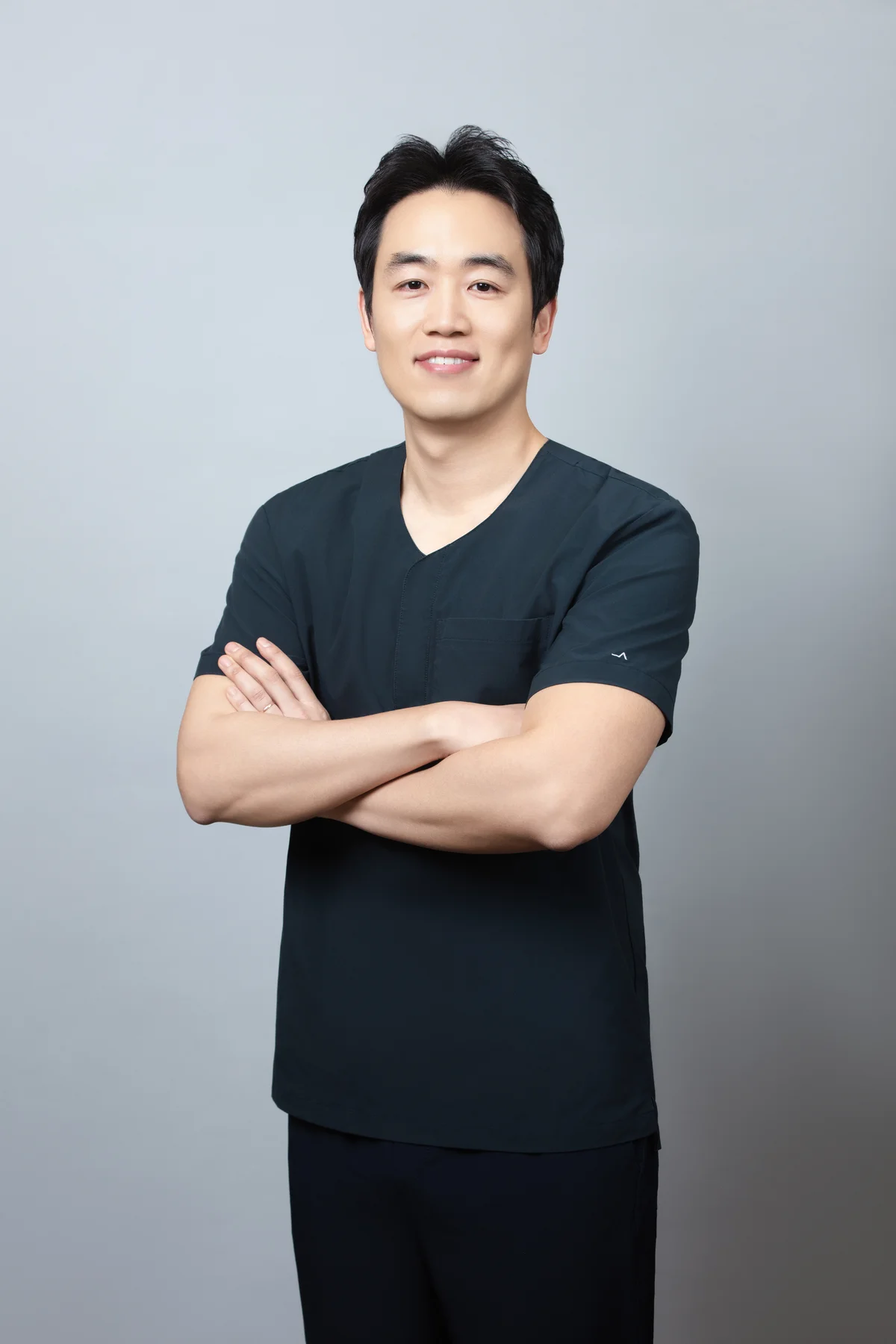
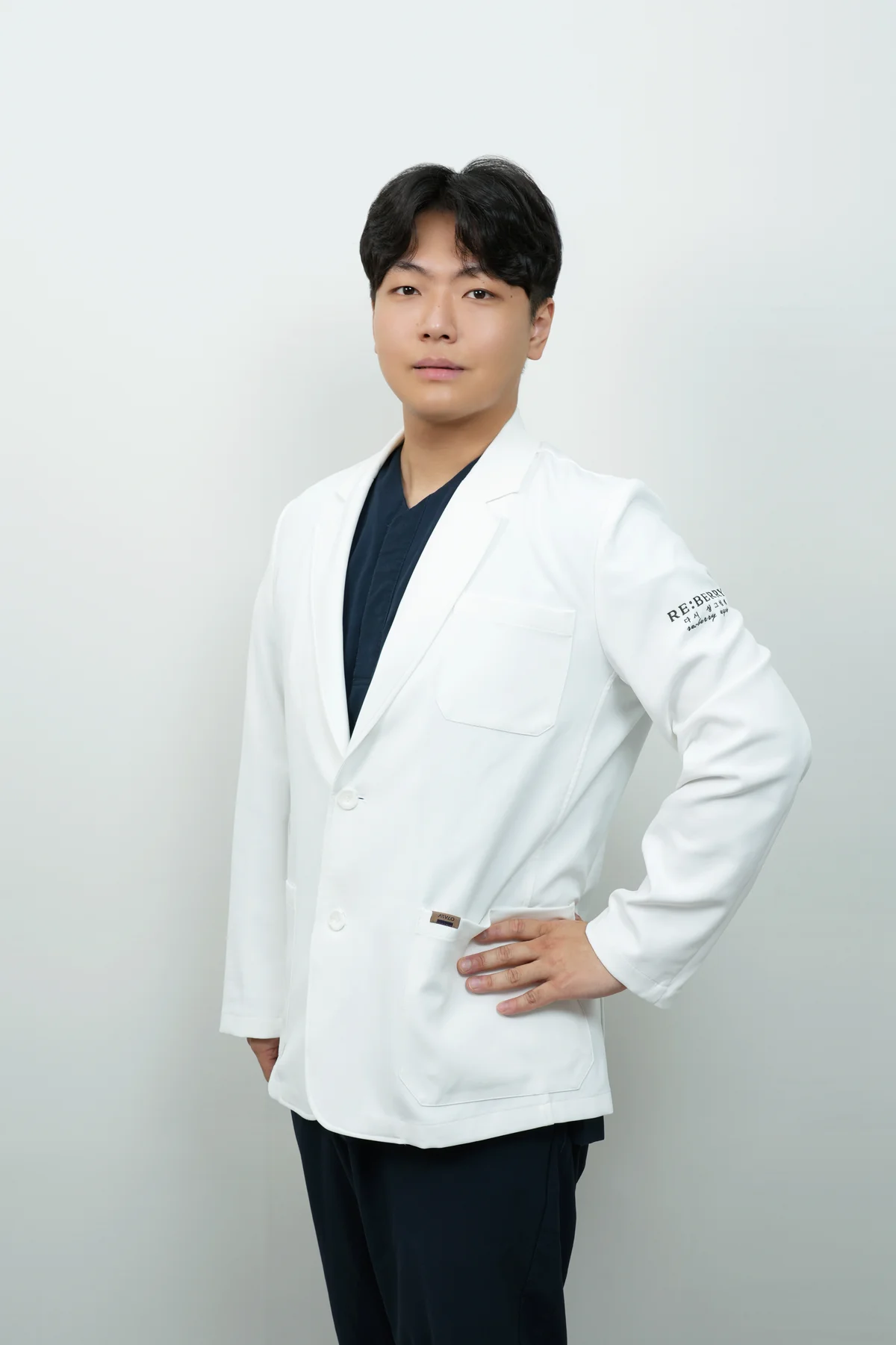
Dr. Yoon-Gon Ryu
Aesthetic Medicine Specialist
Flagship clinic · KOL for leading lifting & regenerative devices · Featured in Authority Magazine (2026)

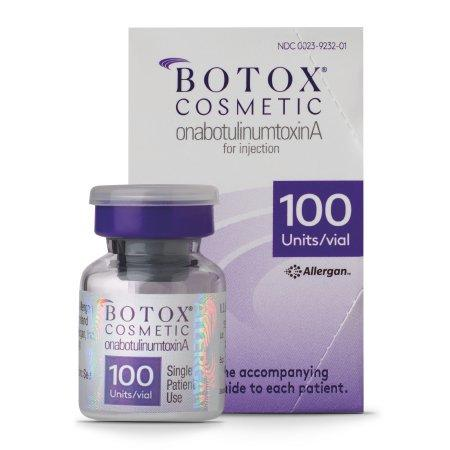
Intradermal botulinum toxin blocks the nerve signal to sweat glands across roughly 15 to 20 injection points per sole, cutting excessive foot sweating for about 4 to 6 months.
Sole hyperhidrosis, or excessive sweating of the soles, is treated in Seoul with intradermal botulinum toxin injected across the plantar area to block the nerve signals that trigger sweat glands. Results are temporary, typically lasting about 4 to 6 months, and the clinic’s doctors confirm your dosing and injection map at consultation.
One-on-One guidance from a dedicated doctor, ensuring your skin is professionally monitored and treated from start to finish.
Fluent assistance in English, Japanese, and Chinese, making communication clear, respectful and comfortable for international patients.
Over 100,000 patients worldwide have received our personalized dermatological care, highlighting our expertise and reliable results.
Sole hyperhidrosis is excessive, uncontrolled sweating of the soles of the feet beyond what the body needs to regulate temperature. It is a form of focal, or localised, hyperhidrosis, and it often occurs alongside sweating of the palms. For many people it is a chronic condition that starts in adolescence, is not caused by heat or exercise alone, and can lead to slippery footing, foot odour, skin maceration, and daily embarrassment.
The most common non-surgical treatment is intradermal botulinum toxin. Botulinum toxin type A temporarily blocks the release of acetylcholine, the chemical messenger the nerves use to switch on the eccrine sweat glands. When injected into the shallow skin layer of the sole, it quiets those glands in the treated zone, so the foot produces far less sweat for the months the effect lasts.
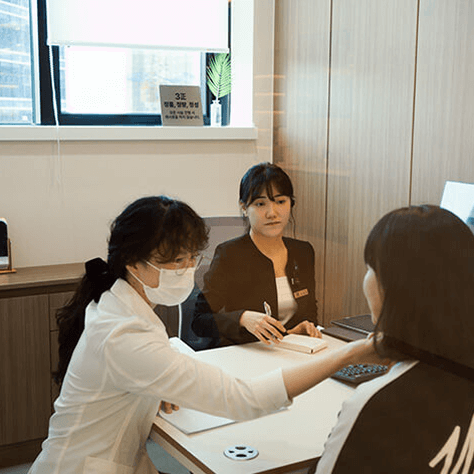
At Reberry Clinic, sole hyperhidrosis care is consultation-led. The clinic’s doctors first confirm the diagnosis and rule out secondary causes, then map the treatment area and plan dosing. International patients are supported in English in Seoul, Korea, so the plan can be arranged around your travel schedule.
Sweating is driven by the sympathetic nervous system, which signals the eccrine sweat glands through the neurotransmitter acetylcholine. Botulinum toxin type A is a neuromodulator that binds at the nerve ending and prevents acetylcholine from being released, so the sweat gland in the treated area no longer receives its “switch on” message. This is a purely local, reversible effect confined to where the toxin is placed.
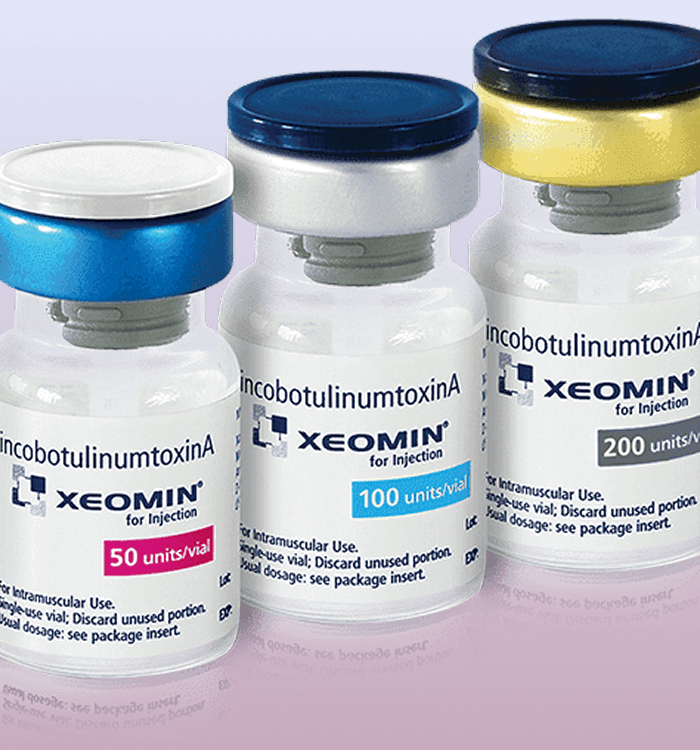
For the sole, the toxin is delivered intradermally, meaning into the shallow skin layer where the sweat glands sit, using a fine needle across a grid of many small injection points to cover the hyperhidrotic zone evenly. Because the plantar skin is thick and sensitive, comfort measures such as topical numbing, cooling, or a nerve block are commonly used. The effect is not permanent: as new nerve terminals sprout over the following months, sweating gradually returns and the treatment is repeated. Reberry Clinic uses only generic botulinum toxin type A and does not promote any specific toxin product brand.
One Reberry Clinic, multiple Seoul-area locations. Pricing & current promotions are listed on each branch's own site — tap a clinic to view pricing & book.
Our flagship in the heart of Gangnam.
In Seoul's shopping & tourism heart.
A beauty stop between flights.
The newest Reberry Clinic — in Seoul's trend district.
ONE REBERRY CLINIC · MFDS-REGISTERED DEVICES · MULTILINGUAL CARE AT EVERY LOCATION
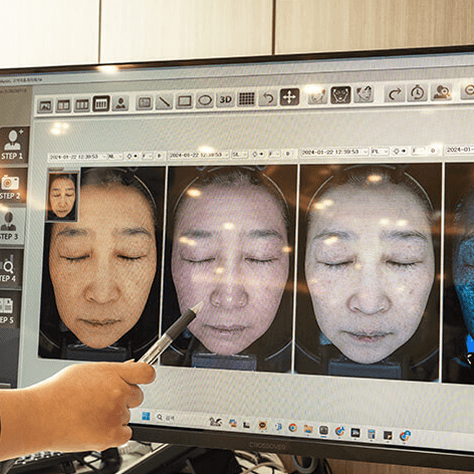
A doctor confirms focal plantar hyperhidrosis and grades severity, often using the 4-point Hyperhidrosis Disease Severity Scale to set a baseline.
The hyperhidrotic zone of each sole is marked into a grid of roughly 15 to 20 evenly spaced points so the toxin covers the area uniformly.
Because the sole is sensitive, 1 or more comfort measures are used, such as topical numbing cream, cooling, vibration, or a local nerve block.
Small aliquots of botulinum toxin type A are injected into the shallow skin layer at each of the mapped points, keeping the toxin where sweat glands sit.
Sweating begins to drop within about 2 to 7 days, with the full effect usually settling by 2 weeks after the session.
As the effect fades over roughly 4 to 6 months, sweating returns and the treatment can be repeated to maintain control.

Reberry Clinic · Prices verified: Oct 2026
| Clinic | Price (KRW) |
|---|---|
| Gangnam & Incheon AirportHyperhidrosis Botox 50U (Hands/Feet/Armpits/Scalp) (Domestic) | from₩69,000 |
VAT excluded · Final price depends on treatment scope and skin condition · Confirmed after consultation
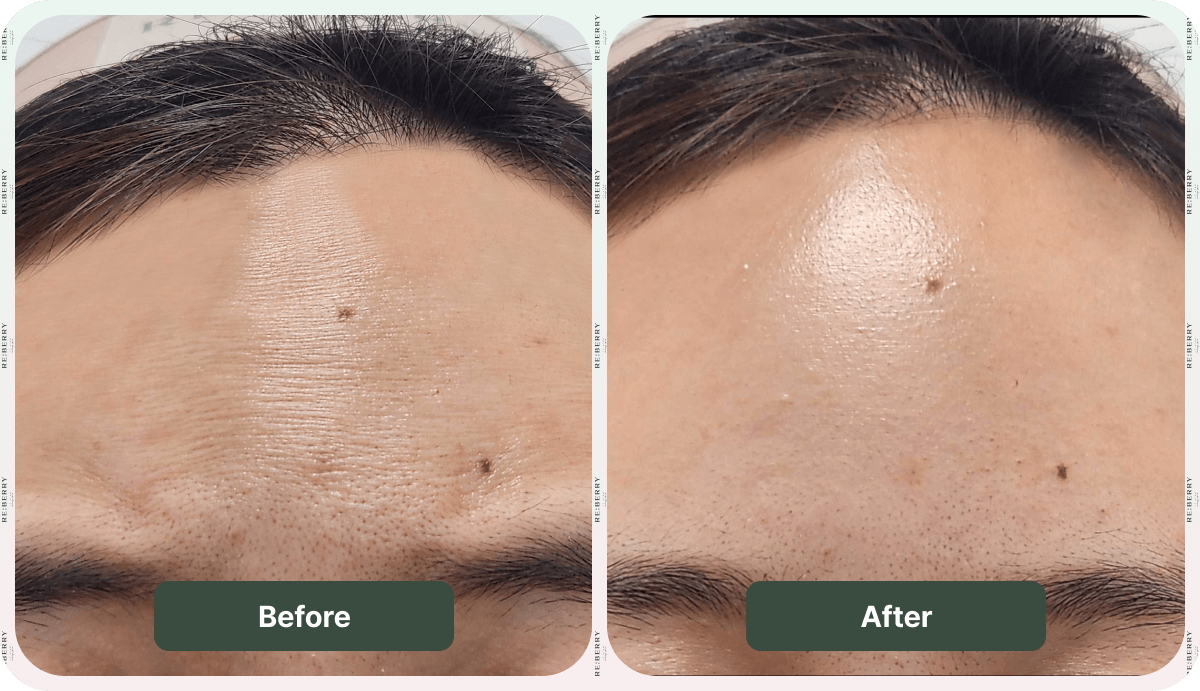
See representative outcomes from Reberry Clinic. Results build gradually and vary by individual; your plan is assessed at consultation.
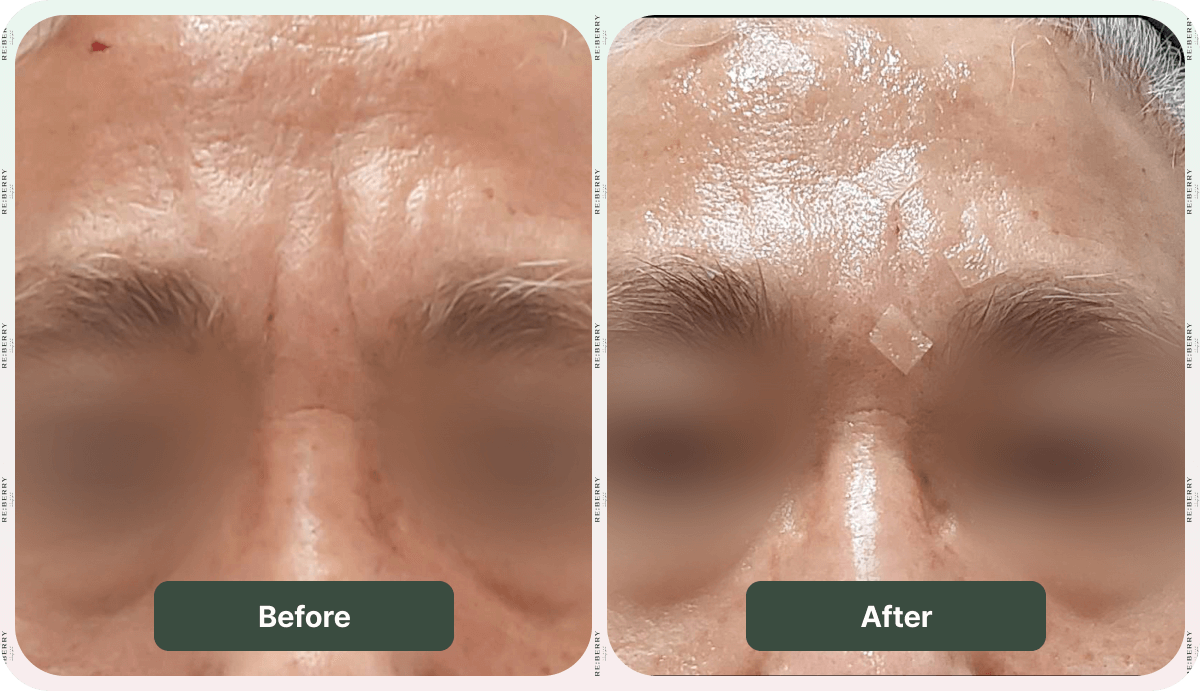
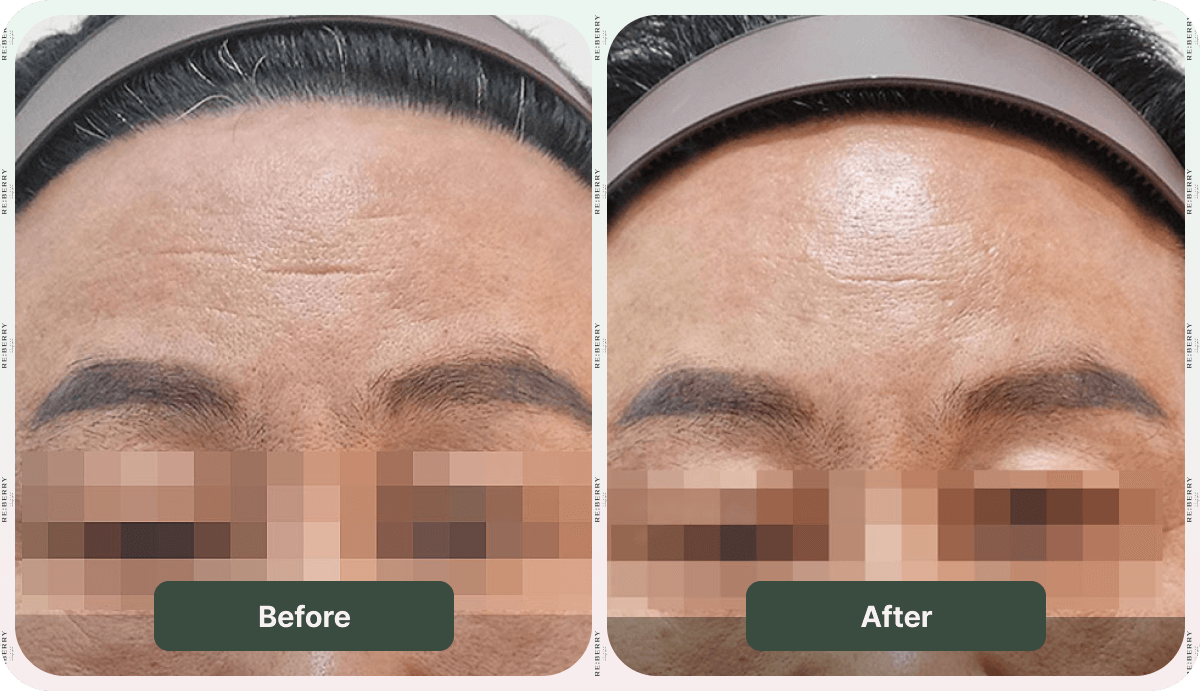
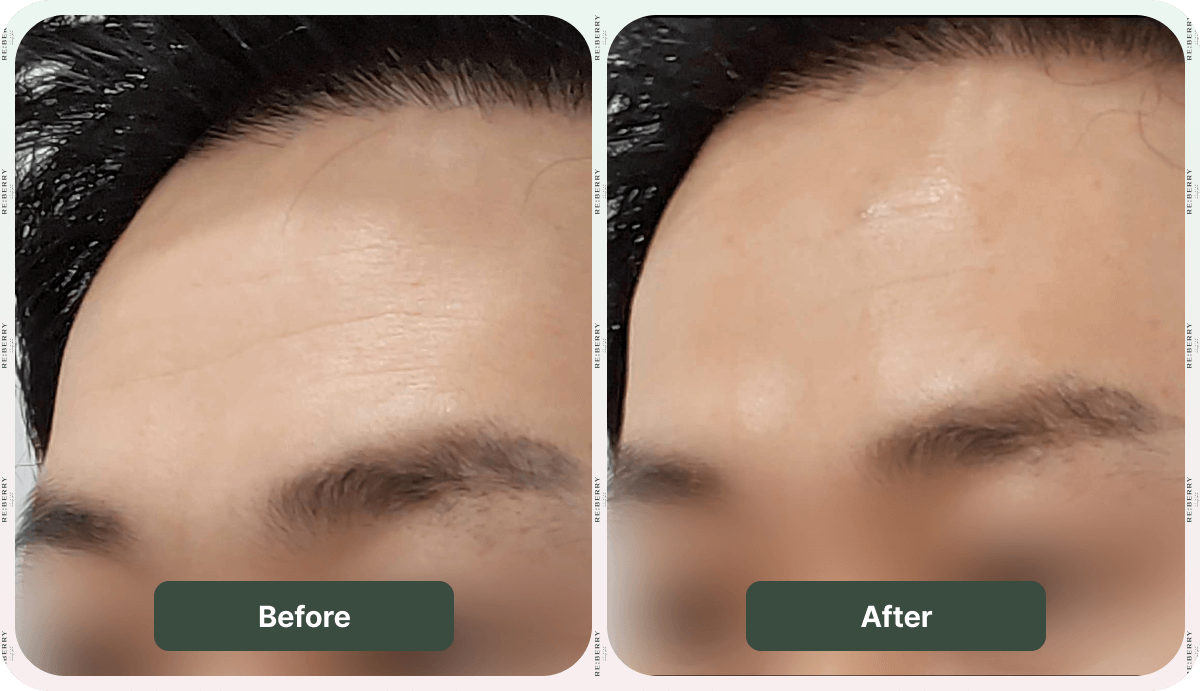
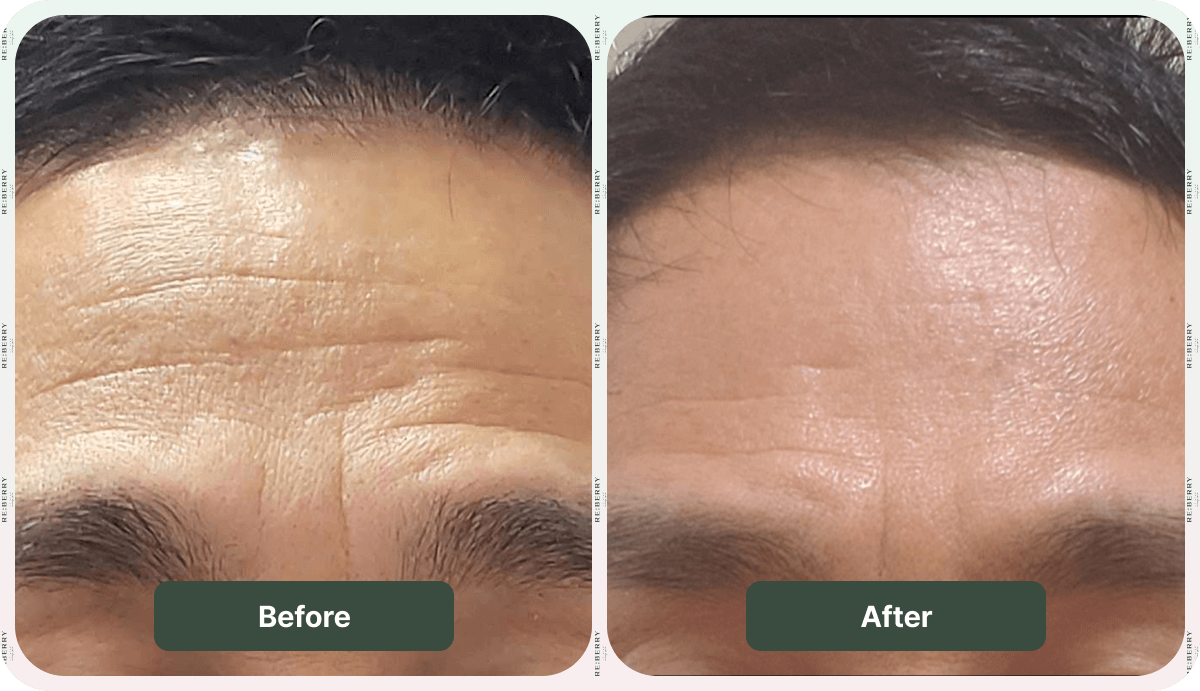
The clinic’s doctors confirm plantar hyperhidrosis, rule out secondary causes, grade severity, and plan dosing and the injection map, in English.
After comfort measures, the session usually takes about 20 to 30 minutes to inject both soles across their mapped grids.
It is a single walk-in session per treatment cycle, with no incisions and no need for an overnight stay.
Sweating drops within about 2 to 7 days and reaches full effect by roughly 2 weeks after the injections.
The effect lasts about 4 to 6 months; because the condition is chronic, sessions are repeated to keep sweating controlled over time.
Sole hyperhidrosis is treated with intradermal botulinum toxin injected across a grid of the plantar area, blocking the nerve signal that triggers sweat glands. Results last about 4 to 6 months. You can learn more on our botox injection page before your consultation in Seoul.
Primary plantar hyperhidrosis is an overactive sympathetic nerve response that switches on the eccrine sweat glands far more than the body needs. It is not caused by heat or exercise alone, often begins in adolescence, and frequently occurs together with excessive palm sweating. A doctor confirms the diagnosis before treatment.
Most adults with confirmed moderate to severe plantar sweating that persists despite antiperspirants are suitable candidates. A consultation grades your severity, often using the Hyperhidrosis Disease Severity Scale, and rules out secondary causes before injection treatment is planned for your case.
The soles are sensitive, so injections can sting, but comfort measures make it manageable. Doctors commonly use topical numbing cream, cooling, vibration, or a local nerve block before the session. Most patients tolerate it well, and the multiple small injections across the grid take only around 20 to 30 minutes.
Downtime is minimal, and most people walk out the same day. You may feel brief tenderness at the injection sites, so comfortable footwear helps for a day or two. Strenuous activity and hot foot soaks are usually avoided briefly. Your doctor gives tailored aftercare based on your session.
Sweating usually starts to decrease within about 2 to 7 days, with the full effect settling by roughly 2 weeks after your session. The reduction is confined to the treated plantar zone, so normal sweating elsewhere on the body is not affected by the injections.
Results typically last about 4 to 6 months per session, after which nerve terminals gradually recover and sweating returns. Because plantar hyperhidrosis is chronic, it is managed and controlled rather than being a one-time fix, so most patients repeat the treatment to maintain relief over time.
Each treatment is a single session that controls sweating for several months, so you do not need a multi-visit course upfront. The treatment is simply repeated when the effect fades, usually 2 to 3 times per year. Your doctor plans the interval based on how quickly your sweating returns.
We use generic botulinum toxin type A and, in line with local advertising rules, do not promote a specific toxin product brand. The clinic’s doctors select and dose the toxin appropriately for plantar treatment at your consultation. You can read more on our botox injection page.
Yes, plantar and palmar hyperhidrosis often occur together and can be addressed in the same plan using generic botox injection for each zone. Because palms and soles are separate areas, dosing is mapped individually, which your doctor discusses at consultation.
Common effects are temporary and local, such as injection-site tenderness, minor bruising, or brief soreness when walking. Because the toxin is placed intradermally in the treated zone, effects stay localised. Serious reactions are uncommon when performed by a trained doctor, who reviews your history to reduce risk beforehand.
The goal is a marked reduction in excessive sweating, not zero sweating, since some baseline moisture is normal and healthy. Treatment quiets overactive glands in the mapped zone so daily comfort improves. Your doctor sets realistic expectations at consultation, as response varies by severity, dosing, and individual anatomy.
Botulinum toxin offers months of relief from one session, while topical antiperspirants and iontophoresis need continuous or repeated use to keep working. Many patients try topicals first, then move to injections for stronger, longer control. Your doctor helps you choose based on severity and lifestyle preferences.
Come with clean, dry feet, avoid heavy foot moisturiser on the day, and tell your doctor about medications, allergies, and any neuromuscular conditions. Bringing a note of previous treatments helps. Wearing loose, comfortable shoes makes the trip home easier. Your doctor confirms any specific pre-visit steps at booking.
Intradermal botulinum toxin for hyperhidrosis is widely performed and generally considered safe when a trained doctor confirms candidacy, doses appropriately, and reviews contraindications first. A consultation reduces risks such as bruising or tenderness. You can review our clinic’s approach on the injection treatment page.
For this treatment, a short stay of 1 to 2 days is usually enough, covering the consultation and the injection session in one visit. There is no lengthy recovery to wait out. Our English-speaking team helps schedule your appointment efficiently around your travel plans in Seoul, Korea.
Yes, flying within a day or so is generally fine, as the treatment is non-surgical with minimal downtime. Choose comfortable footwear since your soles may feel briefly tender. See related options on our injection treatment page, and our team offers English follow-up between visits.
Because each session controls sweating for months, most international patients return once or twice a year for a repeat treatment. Between visits, the clinic offers remote check-ins in English so you can plan the next session as the effect fades. Your treatment notes are kept on file for continuity.
| Botulinum Toxin (Intradermal) | Topical Antiperspirants | Iontophoresis | |
|---|---|---|---|
| Mechanism | Blocks nerve-to-gland signalling in the treated zone | Aluminium salts plug sweat ducts at the surface | Mild electric current through water reduces sweat output |
| Best for | Moderate to severe plantar sweating wanting months of relief | Mild sweating or as a first-line at-home step | People who prefer a device-based, drug-free routine |
| Pain / comfort | Injections can sting; managed with numbing or a nerve block | May cause skin irritation or stinging | Tingling during sessions, generally well tolerated |
| Downtime | Minimal; walk out the same day with brief tenderness | None | None, but needs repeated sessions |
| Results timeline | Drops within days, full effect by about 2 weeks | Gradual, needs continued nightly use | Builds over several weeks of regular sessions |
| Longevity | About 4 to 6 months per session | Only while used consistently | Fades without ongoing maintenance sessions |
| Cost context | Depends on units used and area treated | Lowest, over-the-counter or prescription | Device or clinic sessions add up over time |
Real verified reviews from our Google Business Profile, across all Reberry Clinic locations.
PULLED LIVE FROM GOOGLE · GANGNAM · MYEONGDONG · INCHEON AIRPORT
Your treatment is planned and performed by experienced, MFDS-registered doctors across our Seoul-area clinics, with multilingual support for international patients.
Flagship clinic · KOL for leading lifting & regenerative devices · Featured in Authority Magazine (2026)
Multilingual tourist care beside Myeongdong Cathedral
Fast, effective care 20 minutes from the terminals
Message us on WhatsApp for a free consultation in English about treating excessive foot sweating in Seoul.