


Expect a consultation and skin analysis first, then a treatment that delivers stem cell-derived material or exosomes into the skin, often with microneedling. Sensation is generally mild with numbing, downtime is usually minimal, and results build gradually over weeks to months rather than instantly. It supports skin quality, does not stop aging, and a Seoul consultation confirms whether it genuinely suits your skin and goals.
If you are considering stem cell skin treatment in Korea but are not sure what the experience actually involves, this guide walks through it end to end. Knowing what happens at each stage, from the first consultation to the recovery timeline, makes the decision calmer and helps you ask the right questions. The most important thing to understand upfront is that these treatments work with your skin’s own repair response, so the experience is gentle and the results are gradual.
Below, we cover candidacy, the step-by-step session, how it feels, downtime and aftercare, when results appear and how long they last, safety considerations, and the practical side of planning a trip as an international patient. It closes with the questions visitors most often ask, so you can arrive at your consultation already oriented and confident about what to expect from stem cell therapy for skin.
What Stem Cell Skin Treatment Actually Is
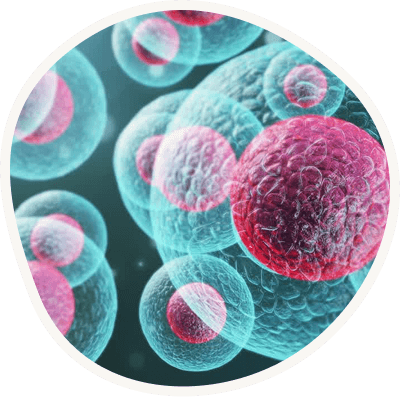
Stem cell skin treatment uses biological signaling to support your skin’s own repair, rather than a mechanical or surgical change. Some approaches use living cells, often sourced from the patient’s own fat or blood, that signal repair in surrounding tissue. Others use exosomes, the cell-free vesicles those cells release, delivered as a serum. Both ultimately aim to encourage fibroblasts, the dermal cells that make collagen, toward a more productive state.
This is why the experience is gentle and the result gradual. Nothing is being cut or removed; instead, the skin is being prompted to remodel its own collagen and matrix over time. Exosome treatments are frequently paired with microneedling so the channels created help the vesicles reach the dermis, while living-cell approaches may involve a more involved preparation and delivery. Understanding this distinction sets accurate expectations before you begin.
It also explains the honest limits of the treatment. Because it relies on your own biology, it supports skin quality, tone and texture rather than removing significant sagging or restoring lost volume, and it does not stop the aging process. The evidence base is encouraging but still maturing, which is exactly why a careful consultation that matches the approach to your specific concern matters so much.
Knowing this in advance changes how you read the experience. If you expect a single dramatic transformation, a gradual treatment can feel underwhelming; if you expect steady improvement in tone, texture and resilience over weeks, the same result feels exactly right. Setting that frame early is one of the most valuable things a consultation does, because it aligns what the treatment can realistically deliver with what you hope to see.
Are You a Good Candidate?
Good candidates generally want a non-surgical, regenerative step for skin quality, have realistic expectations, and understand that results build gradually. People in their late twenties through fifties noticing duller tone, rougher texture, early fine lines or slower recovery from other procedures often consider these treatments. Exosomes are popular as a companion to microneedling or energy-based work, while living-cell approaches appeal to those wanting a deeper regenerative intervention.
Some people are better served by other routes or need extra caution. Those with significant volume loss or advanced sagging may find regenerative skin treatments underwhelming on their own and may be guided toward fillers, lifting devices or surgical consultation. Anyone with an active skin infection, recent procedures in the area, certain skin conditions, pregnancy, or a relevant medical history should disclose it, since the clinician reviews this to confirm suitability and a safe protocol.
The checklist below frames the conversation. It is a starting point for your consultation, not a substitute for a professional assessment, because the right answer depends on your skin in person and on the concern you most want to address.
- Mainly want tone, texture, hydration and post-procedure calming: an exosome protocol, often with microneedling, is worth discussing.
- Seeking a deeper, longer-arc regenerative step for skin quality: an adipose-derived stem cell approach may suit you.
- Planning to combine with energy or microneedling: exosomes are commonly sequenced alongside those treatments.
- Have significant sagging or volume loss: raise this early, as a clinician may suggest different tools entirely.
- Are pregnant, have an active skin issue, or a relevant medical history: mention it so the clinician can advise safely.
The Session, Step by Step
Your visit begins with a consultation and skin analysis, where the clinician understands your concern, confirms candidacy, explains the suitable approach and outlines the plan. This is the stage to ask about sessions, sensation, downtime and expectations, and to share travel dates if you are visiting from abroad so the plan fits your schedule.
For an exosome treatment, the skin is then cleansed and a topical numbing cream is applied for around fifteen to twenty minutes to keep the experience comfortable. The exosome serum is delivered into the skin, most commonly via microneedling, in a session of roughly half an hour depending on the area. A living-cell procedure may add a harvesting and preparation step before delivery, which the clinician plans and explains carefully at each stage.
Afterward, the skin is soothed and protected. The clinician applies or recommends moisturizer and sunscreen, explains how to care for the skin over the next day or two, and outlines any follow-up. Many people leave an exosome or microneedling session able to resume normal activities the same day, though the skin may look slightly pink. The clinic’s specific aftercare instructions always take priority over general advice.
How It Feels: Sensation and Comfort
Most people describe the sensation as mild and manageable rather than painful. For exosome treatments delivered with microneedling, the topical numbing cream applied beforehand makes the procedure tolerable for the majority of patients; you may feel a light prickling or vibration during the microneedling pass, but it is generally brief and well controlled. The clinician can adjust the approach to keep you comfortable.
Comfort varies with the area treated and individual sensitivity. More delicate zones may feel slightly more sensitive, while broader areas of the cheeks are usually straightforward. For living-cell procedures, sensation depends on the delivery method and any harvesting step, all of which the clinician explains in advance so there are no surprises. Letting the team know if anything feels uncomfortable allows them to respond during the session.
After the session, a warm or tight feeling and light pinkness are common and usually settle quickly. This is a normal sign that the skin is responding, not a cause for concern in itself. If any sensation feels unusual, lingers longer than expected or is accompanied by significant swelling, contacting the clinic promptly is the right step so they can advise you directly.
It helps to plan the day around a little recovery time rather than a packed schedule. Most people are comfortable enough to go about normal plans, but giving yourself a quieter evening, skipping a strenuous workout and avoiding heavy heat lets the skin settle without distraction. Small choices like keeping the area clean and applying the moisturizer the clinic recommends make the comfort phase shorter and the early result smoother.
Downtime, Aftercare and the Recovery Timeline
Downtime is usually minimal, which is part of the appeal for busy schedules and travelers. After an exosome-with-microneedling session, mild redness or sensitivity is common but often brief; exosomes’ anti-inflammatory signaling is one reason post-procedure redness can settle relatively quickly compared with microneedling alone. Most people return to daily activities soon afterward, sometimes after a short wait the clinic advises before washing or applying makeup.
In the first day or two, a gentle approach helps. It is commonly advised to keep the treated area clean, avoid harsh skincare, makeup and vigorous washing for roughly 24 to 48 hours, use sunscreen diligently, and skip saunas, intense exercise, alcohol and excessive heat for a day or so while the skin calms. These are general comfort measures rather than strict medical rules, and the clinic tailors them to you and the delivery method used.
The clinic’s own aftercare instructions always take priority over general advice, because they are tailored to your skin and the protocol. If anything feels unusual, such as prolonged redness, persistent discomfort or any reaction you did not expect, contact the clinic promptly so they can advise. Diligent sun protection and a consistent routine afterward also help preserve whatever improvement develops over the following weeks.
When Results Appear and How Long They Last
Results are gradual, because they rely on your skin’s own collagen and repair response rather than an instant change. With exosome treatments, improvements in texture, hydration and tone often become noticeable over a few weeks, and the effect tends to build across a short course rather than peaking after one session. Pairing with microneedling or energy can make the changes feel more pronounced over time.
Living-cell approaches generally work on a slower, longer arc. Because the cells signal a more gradual remodeling of the dermal environment, visible change may continue to develop over months. Studies of adipose-derived stem cell injections describe improvements emerging from a month to several months after treatment, which reflects biological remodeling rather than a quick surface effect, so patience is genuinely part of the experience.
How long any improvement holds depends on factors largely outside the treatment itself: your age, baseline skin condition, sun exposure, skincare habits and lifestyle. Diligent sun protection and a consistent routine help preserve the result, and many people consider periodic maintenance. A clinician can give a more realistic, personalized estimate after evaluating your skin, rather than a single number that applies to everyone.
Safety, Side Effects and Realistic Expectations
It also helps to know what is genuinely normal versus what warrants a call. Mild redness, light swelling, a warm feeling and slight tightness in the first day or two are expected and tend to ease on their own. What is not expected is increasing rather than decreasing discomfort, spreading redness, or swelling that worsens after the first couple of days. Distinguishing the two ahead of time makes the recovery far less anxious, especially if you are traveling.
The most common reactions are mild and temporary, such as redness, light swelling or sensitivity, particularly when microneedling is used for delivery, and these typically settle within a day or two. Because protocols vary, it is important to have treatment in a clinical setting where candidacy is reviewed and the approach is suited to your skin. Disclosing your medical history, medications, pregnancy status and any active skin issues helps the clinician keep the treatment safe.
Setting realistic expectations is itself part of safety. These treatments support skin quality and texture through your own biology; they are unable to stop aging, do not promise a specific outcome, and do not replace surgery for significant laxity. The scientific evidence is encouraging but still developing, and responsible clinics frame results as gradual and individual rather than dramatic or fixed. Being wary of any source promising certainty is sensible.
If you have any reaction that feels beyond the expected mild redness or sensitivity, such as prolonged swelling, increasing discomfort or signs of irritation, contacting the clinic promptly is the right step. A clinic experienced with international patients, like Reberry Clinic in Seoul, can advise you clearly on what is normal and when to follow up, which is reassuring when you are away from your usual care.
Scientific evidence
Peer-reviewed studies support gradual, measurable improvement from regenerative skin treatments while underlining that the field is still maturing, which is the honest backdrop for setting expectations. In a 12-week prospective, randomized, split-face study, Park and colleagues treated 28 participants over three sessions with human adipose tissue stem cell-derived exosomes plus microneedling on one side and microneedling with saline on the other. The exosome side scored significantly higher on the Global Aesthetic Improvement Scale (P = 0.005), with hydration, elasticity and pigmentation gains evident by around six weeks.
Laboratory work helps explain why texture and firmness can improve. A 2024 study of exosomes derived from human umbilical cord mesenchymal stem cells reported that treated skin fibroblasts showed enhanced proliferation and migration, reduced reactive oxygen species and senescence markers, and increased expression of type I and type III collagen. A photoaging review of MSC-derived exosomes similarly summarized increased collagen type I, reduced matrix metalloproteinase-1 and improved oxidative-stress markers, consistent with a collagen-supporting, anti-inflammatory signaling role rather than a fixed result.
For living-cell approaches, a study of a single intradermal injection of autologous adipose-derived stem cells reported softening or disappearance of wrinkles across all eight cases, with effects emerging from a month to several months after treatment and histological increases in skin thickness, collagen and elastic fibers. Together these studies describe gradual, individual improvement in skin quality, which is exactly what patients should expect, and none of them describe a permanent or assured outcome.
Park GH, Kwon HH, Seok J, et al. Efficacy of combined treatment with human adipose tissue stem cell-derived exosome-containing solution and microneedling for facial skin aging: A 12-week prospective, randomized, split-face study. Journal of Cosmetic Dermatology. 2023;22(12):3418-3426. doi:10.1111/jocd.15872
Wang T, et al. The Combined Anti-Aging Effect of Hydrolyzed Collagen Oligopeptides and Exosomes Derived from Human Umbilical Cord Mesenchymal Stem Cells on Human Skin Fibroblasts. Molecules. 2024;29(7):1468. doi:10.3390/molecules29071468
Kim DS, et al. A Single Intradermal Injection of Autologous Adipose-Tissue-Derived Stem Cells Rejuvenates Aged Skin and Sharpens Double Eyelids. Journal of Personalized Medicine. 2023;13(7):1162. doi:10.3390/jpm13071162
Wang L, et al. Mesenchymal stem cell-derived exosomes and skin photoaging: From basic research to practical application. Photodermatology, Photoimmunology & Photomedicine. 2023;39(6):556-566. doi:10.1111/phpp.12910
Combining With Other Treatments
Stem cell and exosome treatments are often used alongside other procedures rather than in isolation. Exosomes pair naturally with microneedling or energy-based work because their signaling supports recovery and can amplify texture improvement, while a living-cell step may serve as a deeper, periodic regenerative intervention. Any combination should be planned and spaced by a qualified clinician, who factors in your skin type, history and recovery preferences before recommending intervals.
Depending on your goals, your clinician might mention adjacent options. Where hydration and a glassy finish are the priority, a glass facial may come up, and for a blood-sourced regenerative route, a blood-derived stem cell option could be discussed. The aim is always to map your priorities to the right combination at the right time, not to add treatments without a clear purpose.
Because sequencing affects both comfort and results, it is most safely decided in person. A clinician can advise which treatments to pair, how to space them, and how aftercare changes when treatments are combined, so your recovery stays smooth and the overall plan supports your skin goals rather than overloading the skin in a single visit.
Sequencing also lets a plan evolve with your skin rather than committing to everything at once. Many people start with a single approach, see how their skin responds over a few weeks, and then decide whether to add or repeat. That measured rhythm tends to produce a more comfortable experience and a clearer sense of what is actually working, which is far more useful than trying to do everything in one ambitious appointment.
One more thing worth expecting is honesty about what the treatment will not do. A thorough consultation should be as clear about the limits as the benefits, including when a different treatment would serve you better. That candor is a good sign rather than a sales miss, because it means the plan is built around your skin and your goals rather than around a single product, and it sets you up to judge your own results fairly.
Planning Your Visit to Seoul
Seoul is a practical place to consider regenerative skin treatment, partly because clinics are used to international visitors and partly because logistics can be aligned with a trip. Reberry Clinic supports international patients with multilingual staff (English, Simplified Chinese, Traditional Chinese, Japanese and Spanish), which makes consultations, candidacy questions and aftercare instructions far easier to follow when you are away from home and want to understand exactly what to expect.
The clinic operates three Seoul-area locations (Gangnam, Myeongdong and Incheon Airport), so you can often choose the branch that suits your route, whether a central Seoul visit or a stop tied to your arrival or departure. During your consultation the clinic’s doctors review your concerns, explain realistic expectations for stem cell and exosome options, and outline any pre-care or aftercare steps relevant to your travel dates.
If you are planning a short stay, think about timing in advance. An exosome course may need spacing across visits to build its effect, while a living-cell procedure may be a single more involved appointment whose results unfold after you return home. Sharing your travel window with the clinic early lets the team suggest a realistic plan rather than rushing treatment into a schedule that does not suit your skin or your itinerary.
Influencers with Reberry




















Planning a visit? A short consultation can clarify whether a stem cell approach, an exosome protocol, or a thoughtful combination suits your skin goals and travel schedule. Our multilingual team at Reberry Clinic is happy to walk you through what to expect, candidacy and aftercare before you decide.

Dr. Yoon-Gon Ryu
Frequently Asked Questions
What should I expect from stem cell skin treatment?
Expect a consultation and skin analysis first, then a treatment that delivers stem cell-derived material or exosomes into the skin, often with microneedling. Sensation is generally mild with numbing, downtime is usually minimal, and results build gradually over weeks to months. At Reberry Clinic, the clinician confirms whether it suits your skin before you begin.
Does stem cell skin treatment hurt?
Discomfort is generally mild and manageable. For exosomes with microneedling, a topical numbing cream is applied first, so most people feel only light prickling or vibration during the brief pass. Living-cell procedures depend on the delivery method. The clinic explains each stage beforehand and adjusts to keep the experience as comfortable as reasonably possible for you.
How long is the downtime?
Downtime is usually minimal. An exosome-with-microneedling session may leave mild redness or sensitivity that often settles within about a day, partly because exosomes have a calming effect. Most people resume normal activities quickly. Follow Reberry Clinic’s aftercare, use sunscreen, and contact the clinic if any reaction feels unusual or lasts longer than expected.
When will I see results?
Results are gradual, not instant. With exosomes, better texture, hydration and tone often appear over a few weeks and build across a course, with research showing gains by around six weeks. Living-cell results develop on a slower arc, sometimes over months. Realistic timing expectations help you judge progress fairly during recovery rather than expecting immediate change.
How long do results last?
It varies by person, because skin keeps aging naturally. How long results hold depends on age, baseline skin condition, sun exposure and skincare habits, and many people consider periodic maintenance. Diligent sun protection helps preserve the effect. A clinician at Reberry Clinic can give a realistic, personalized estimate after evaluating your skin in person.
Am I a good candidate?
Good candidates want a non-surgical, regenerative step for skin quality and have realistic expectations. Those with significant sagging may be guided toward other options. A consultation at Reberry Clinic reviewing your skin and history confirms whether stem cell therapy suits your concern, or whether a different approach fits better.
How many sessions will I need?
Exosome courses commonly run around three to six sessions spaced a few weeks apart, while a living-cell procedure may be a single more involved appointment with follow-up. Spacing gives the skin time to respond. The exact plan depends on your skin and goals and is confirmed during a consultation at Reberry Clinic rather than fixed in advance.
What are the side effects?
The most common reactions are mild and temporary, such as redness, light swelling or sensitivity, especially when microneedling is used, and they typically settle within a day or two. Having treatment in a clinical setting where candidacy is reviewed supports safety. Contact Reberry Clinic promptly if any reaction feels beyond the expected mild redness or lasts longer than expected.
Is stem cell skin treatment able to stop aging?
No. It supports skin quality, tone and texture through your own repair response, but it does not stop aging and does not promise a specific outcome. The evidence is encouraging but still developing. Responsible clinics, including Reberry Clinic, frame results from stem cell options as gradual and individual rather than dramatic or fixed.
What is the difference between stem cells and exosomes here?
Stem cells are living cells that signal repair, while exosomes are the cell-free vesicles those cells release, delivered as a serum. Exosomes are often paired with microneedling for tone and texture; adipose-derived stem cell approaches aim deeper. A clinician at Reberry Clinic explains which suits your concern during your consultation in Seoul.
Can I wear makeup afterward?
Usually not immediately. After an exosome-with-microneedling session, it is commonly advised to avoid makeup and harsh skincare for roughly 24 to 48 hours while the skin recovers, then resume gently. The exact timing depends on the delivery method, so follow the specific aftercare guidance Reberry Clinic gives for your skin and the protocol used on the day.
Can it be combined with other treatments?
Yes, it is often combined. Exosomes pair naturally with microneedling or energy-based work, and a living-cell step adds a deeper intervention. Any combination should be spaced by a qualified clinician. At Reberry Clinic, the doctors can outline whether one approach, a combination, or a blood-derived stem cell option suits your goals.
Is it safe for sensitive or Asian skin?
Both exosome and stem cell approaches are used on a range of skin types, including Asian skin, with the protocol adjusted for comfort and an even result. Transient redness is possible, especially with microneedling, and any reaction should be raised promptly. A consultation reviewing your skin type confirms an individualized plan at Reberry Clinic.
How should I prepare for my appointment?
Arrive with clean skin and tell the clinic about recent procedures, active skin conditions, pregnancy or relevant medical history, since these affect candidacy. Avoiding strong actives or harsh exfoliation shortly before may be advised. A consultation at Reberry Clinic confirms the right pre-care for your skin and the approach, and outlines exactly what to expect on the day.
Can I fit treatment into a short trip to Seoul?
Often yes, with planning. A living-cell procedure may fit a single more involved visit with results unfolding after you return home, while an exosome course may need spacing across visits. Because downtime is usually low, many travelers fit a session around other plans. Sharing your travel dates with Reberry Clinic early helps the team plan realistically.
What if I have a reaction after I return home?
Contact the clinic promptly if you have any reaction beyond expected mild redness, such as prolonged swelling or increasing discomfort. A clinic experienced with international patients, like Reberry Clinic in Seoul with multilingual staff, can advise you clearly on what is normal and when to follow up, which is reassuring when you are away from your usual care.