

Gangnam
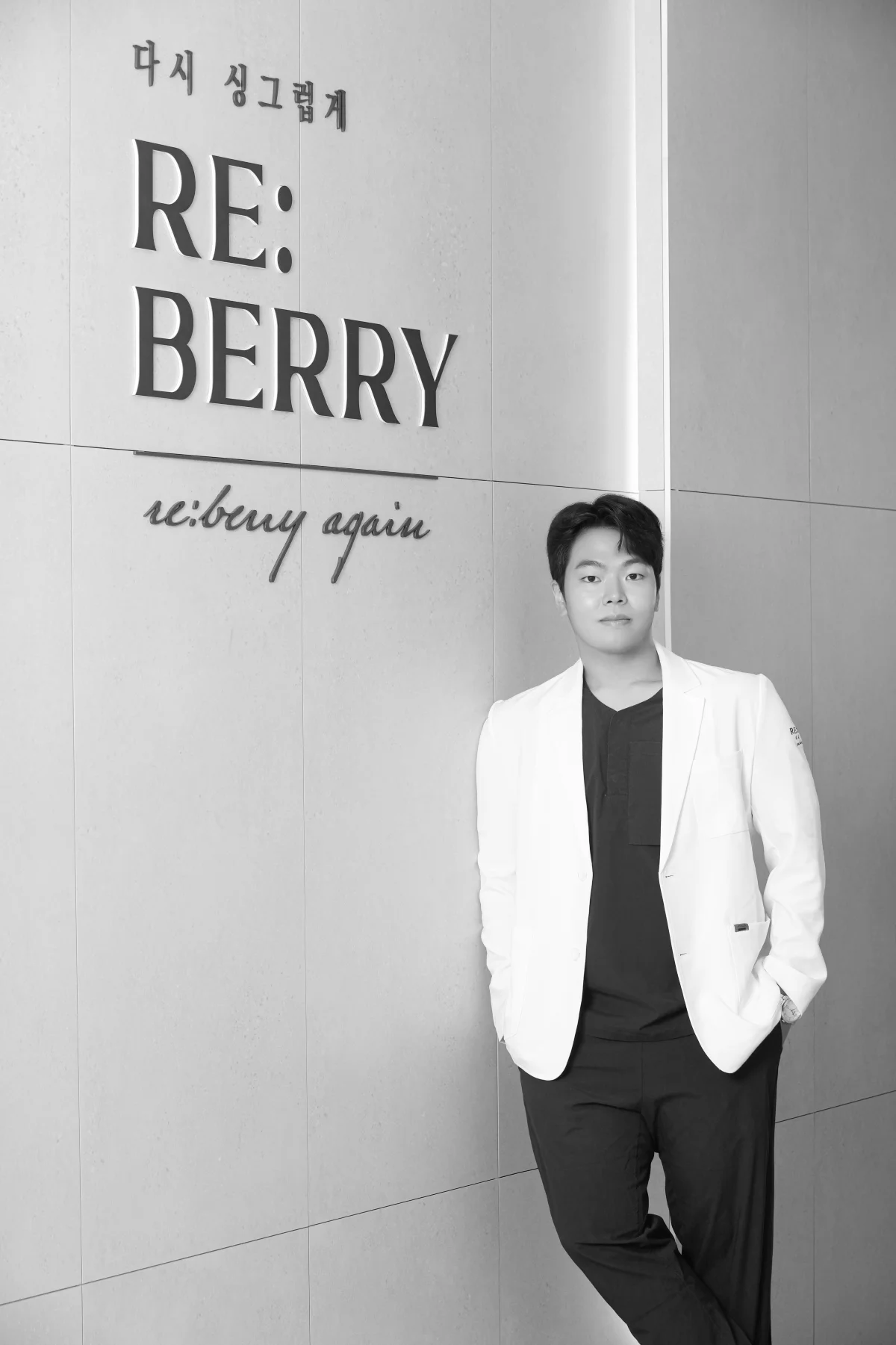
Dr. Yoongon Ryu
Aesthetic Medicine Specialist
Flagship clinic · KOL for leading lifting & regenerative devices


Fractional laser and microneedling improve stretch marks gradually, usually across 3 or more sessions, with red striae rubra typically responding better than older white striae alba.
Before-and-after results for stretch marks reflect gradual improvement, not erasure: fractional laser and microneedling remodel collagen so marks look smoother, less indented and closer to surrounding skin over 3 or more sessions. Early red striae rubra usually respond better than older white striae alba. Reberry Clinic sets realistic, individualized expectations at an English-language consultation across its Seoul locations.
One-on-One guidance from a dedicated doctor, ensuring your skin is professionally monitored and treated from start to finish.
Fluent assistance in English, Japanese, and Chinese, making communication clear, respectful and comfortable for international patients.
Over 100,000 patients worldwide have received our personalized dermatological care, highlighting our expertise and reliable results.
Stretch marks, medically called striae distensae, are bands of scarred skin that form when the dermis stretches faster than it can adapt, thinning collagen and elastin. Non-surgical treatment uses fractional laser or microneedling to create controlled micro-injuries that trigger new collagen and blend the mark’s texture and color into surrounding skin. A before-and-after comparison therefore shows softening and fading over time, not the disappearance of a scar, because the goal is to improve appearance rather than remove the striae entirely.
How much change you see depends heavily on the stage of the mark. Fresh striae rubra are red or purple and still inflamed, and they tend to respond more visibly because the tissue is actively remodeling. Older striae alba are white, flat and settled, so improvement is slower and more subtle. Location, mark width, skin tone and how many sessions you complete also shape the outcome, which is why honest before-and-after images span a course of 3 or more treatments rather than a single visit.
Reberry Clinic is a dermatology clinic serving international patients across three Seoul-area locations (Gangnam, Myeongdong, Incheon Airport) with English-speaking staff. At an English-language consultation the clinic’s doctors assess your marks, explain whether fractional laser, microneedling or a combination suits them, and set a realistic expectation for the before-and-after change you can reasonably hope for.
Fractional laser treats a fraction of the skin in tiny columns, leaving surrounding tissue intact to speed healing. A non-ablative fractional device heats the dermis to stimulate collagen with little surface disruption, while an ablative fractional CO2 laser removes microscopic columns for stronger remodeling of texture and indentation. Both prompt the wound-healing cascade that rebuilds collagen and elastin over weeks, gradually improving how the mark reflects light and sits against nearby skin.
Microneedling uses fine needles to create controlled micro-channels, triggering the same collagen-induction response without heat, which can be gentler for some skin tones prone to pigment change. In practice the clinic’s doctors match the tool to the mark: earlier red striae rubra and finer marks may suit microneedling or non-ablative fractional settings, while deeper or more indented marks may benefit from ablative fractional resurfacing. Treatments are typically spaced about 4 weeks apart so collagen can mature between sessions, which is why before-and-after progress is best judged after a full course rather than after one visit.
One Reberry Clinic, multiple Seoul-area locations. Pricing & current promotions are listed on each branch's own site — tap a clinic to view pricing & book.
Our flagship in the heart of Gangnam.
In Seoul's shopping & tourism heart.
A beauty stop between flights.
The newest Reberry Clinic — in Seoul's trend district.
ONE REBERRY CLINIC · MFDS-REGISTERED DEVICES · MULTILINGUAL CARE AT EVERY LOCATION
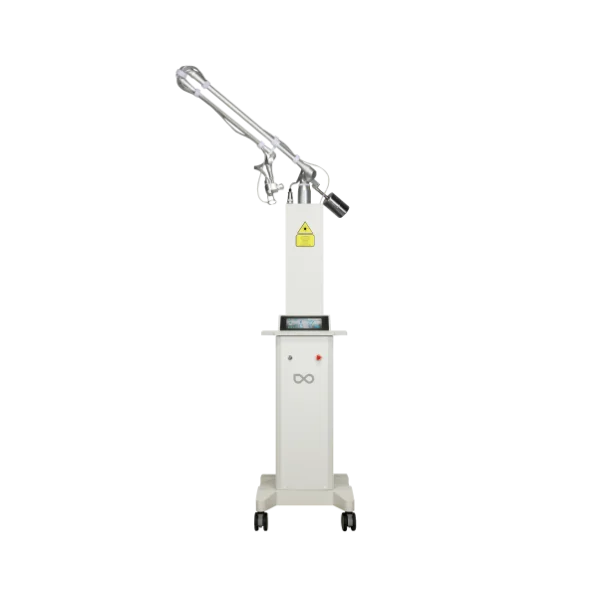
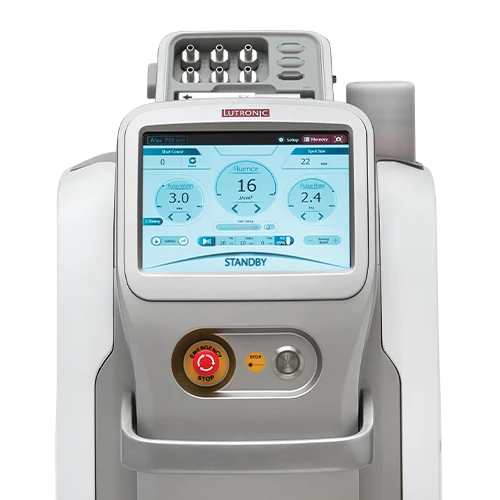
The doctor grades your marks as red striae rubra or white striae alba and checks skin tone, since this shapes the expected before-and-after change over 3 or more sessions.
Fractional laser or microneedling is chosen for your marks, with settings adjusted so 1 approach is not forced onto every stretch mark type.
Tiny columns or channels are created across the mark, covering the area in about 20 to 45 minutes depending on size.
Over the following 4 or more weeks new collagen and elastin rebuild, gradually smoothing texture and blending color.
Sessions are spaced roughly 4 weeks apart, and before-and-after progress is reviewed across a course of 3 or more treatments.
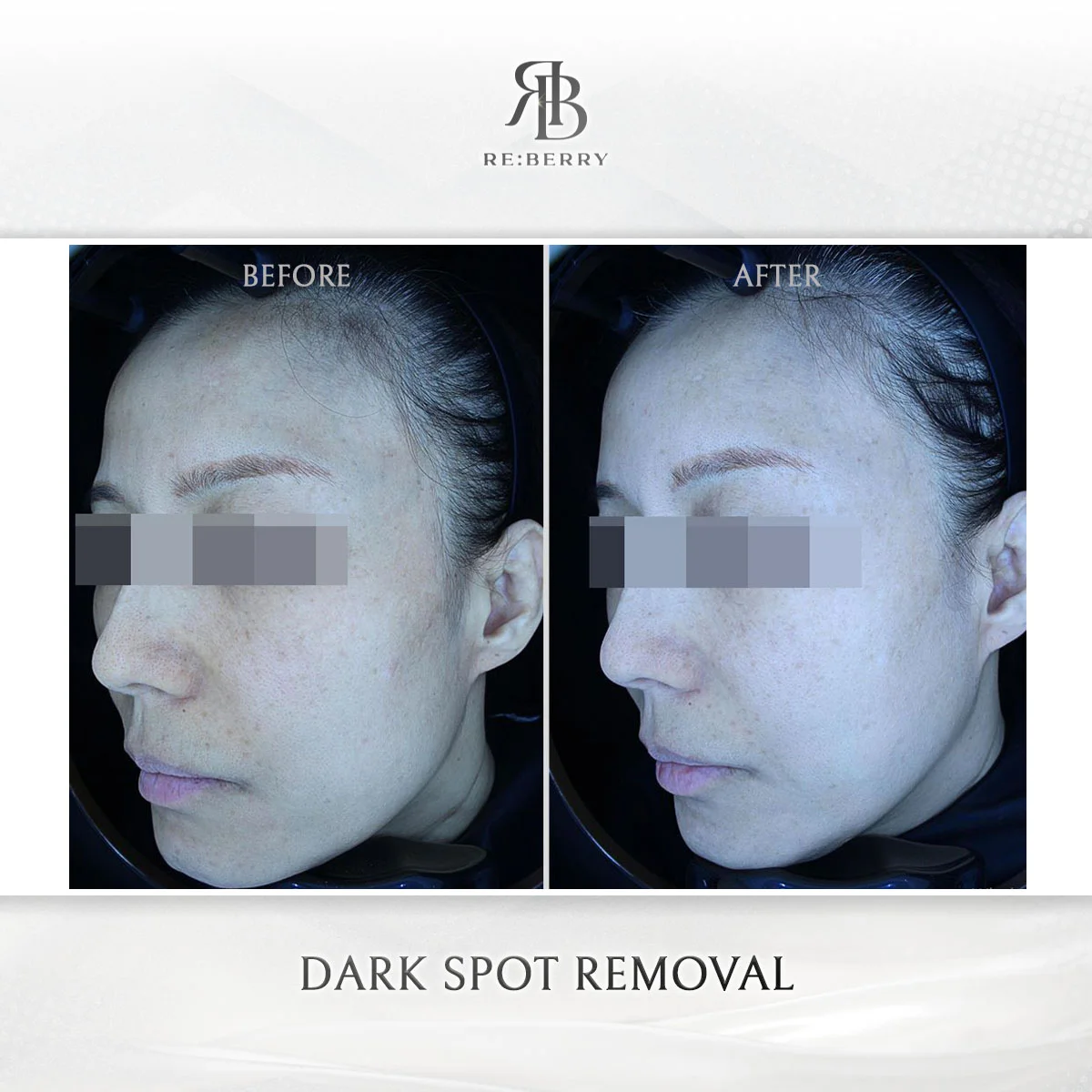
See representative outcomes from Reberry Clinic. Results build gradually and vary by individual; your plan is assessed at consultation.
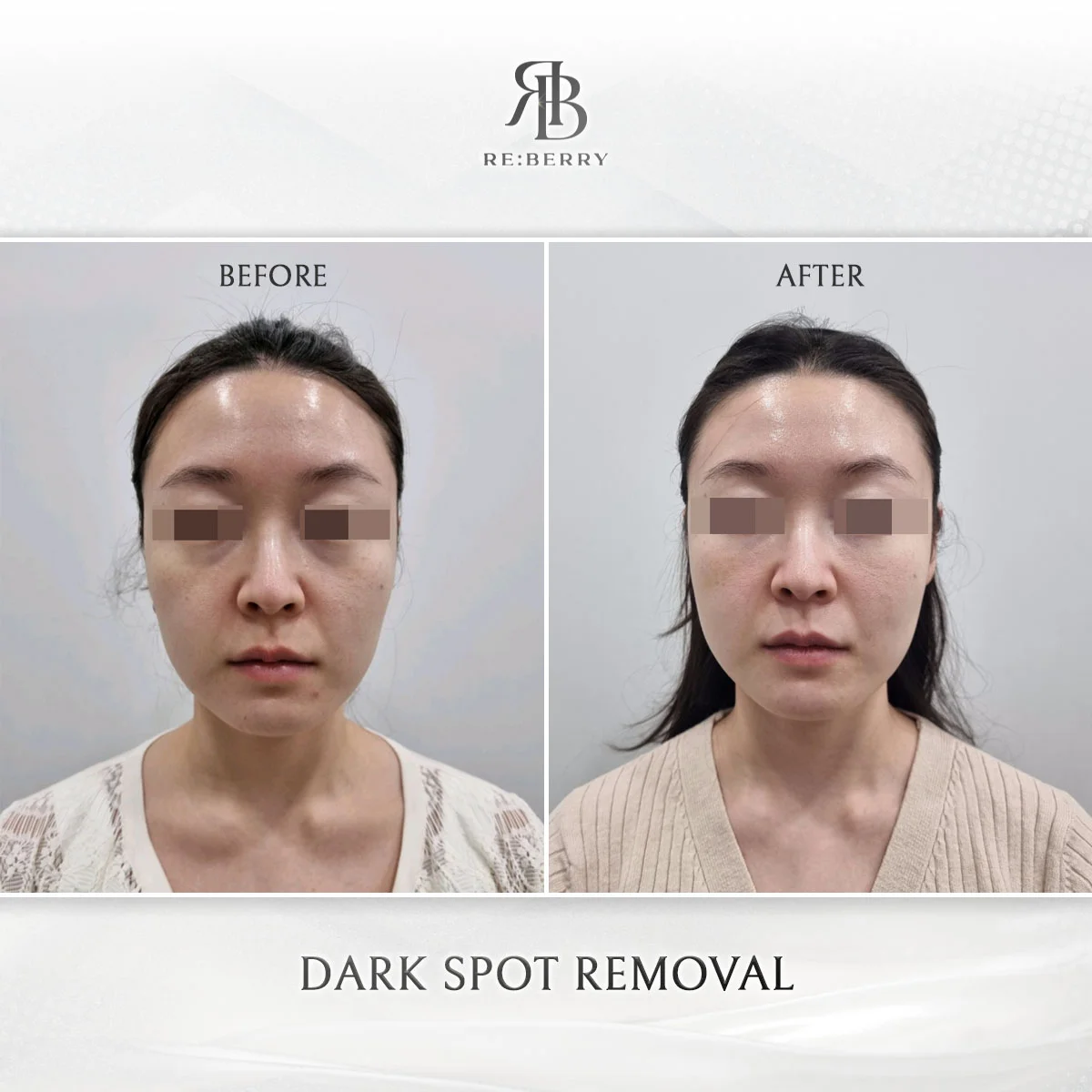
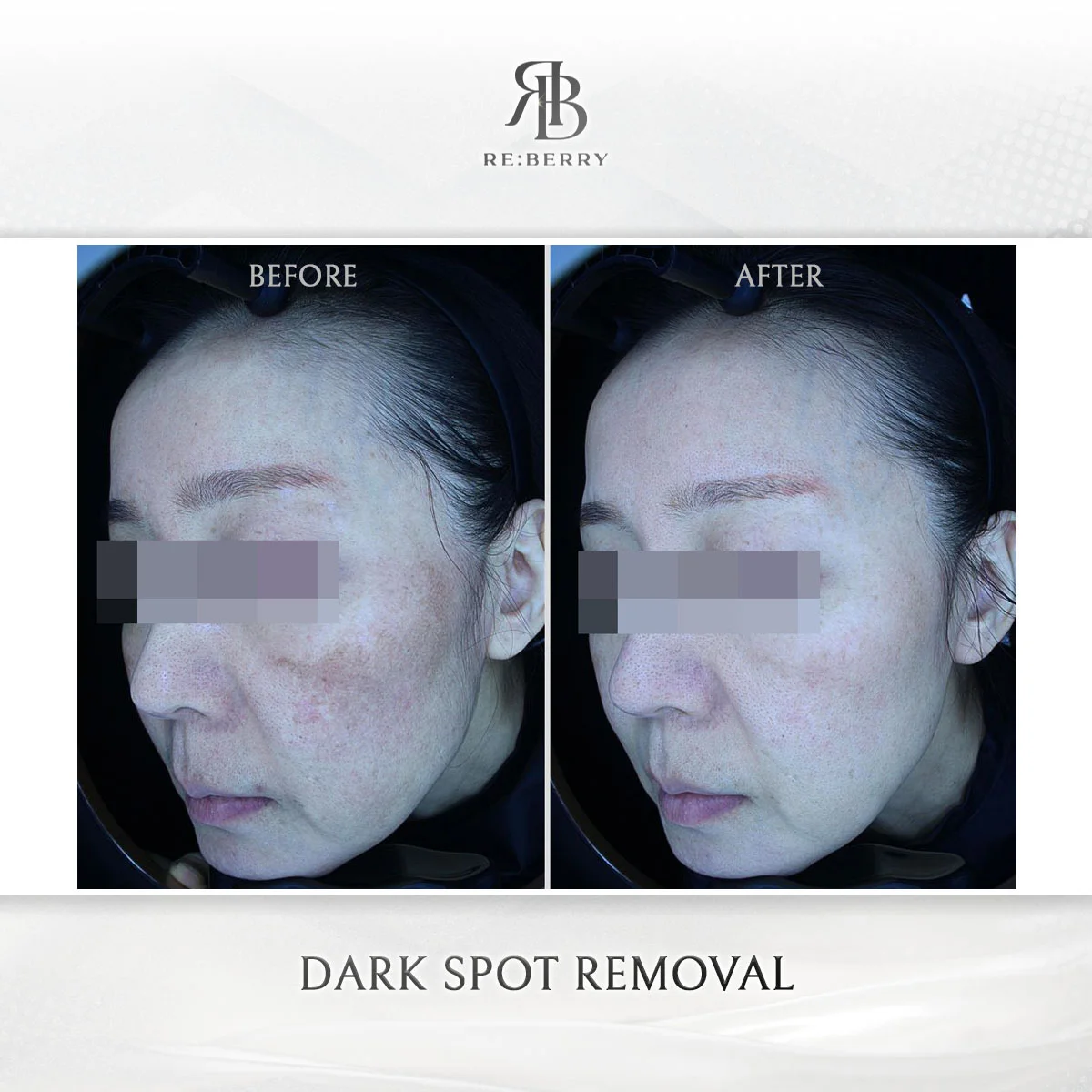
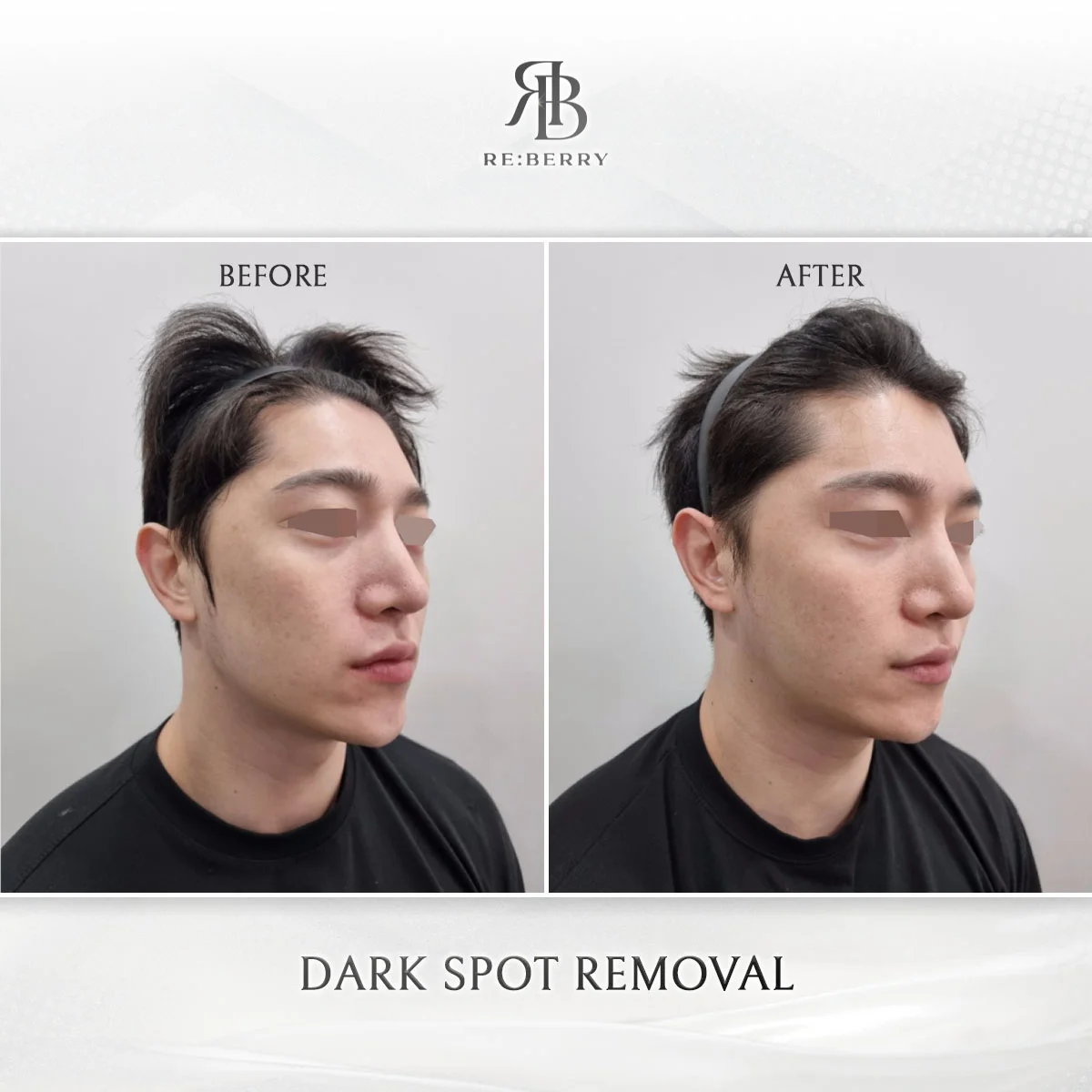
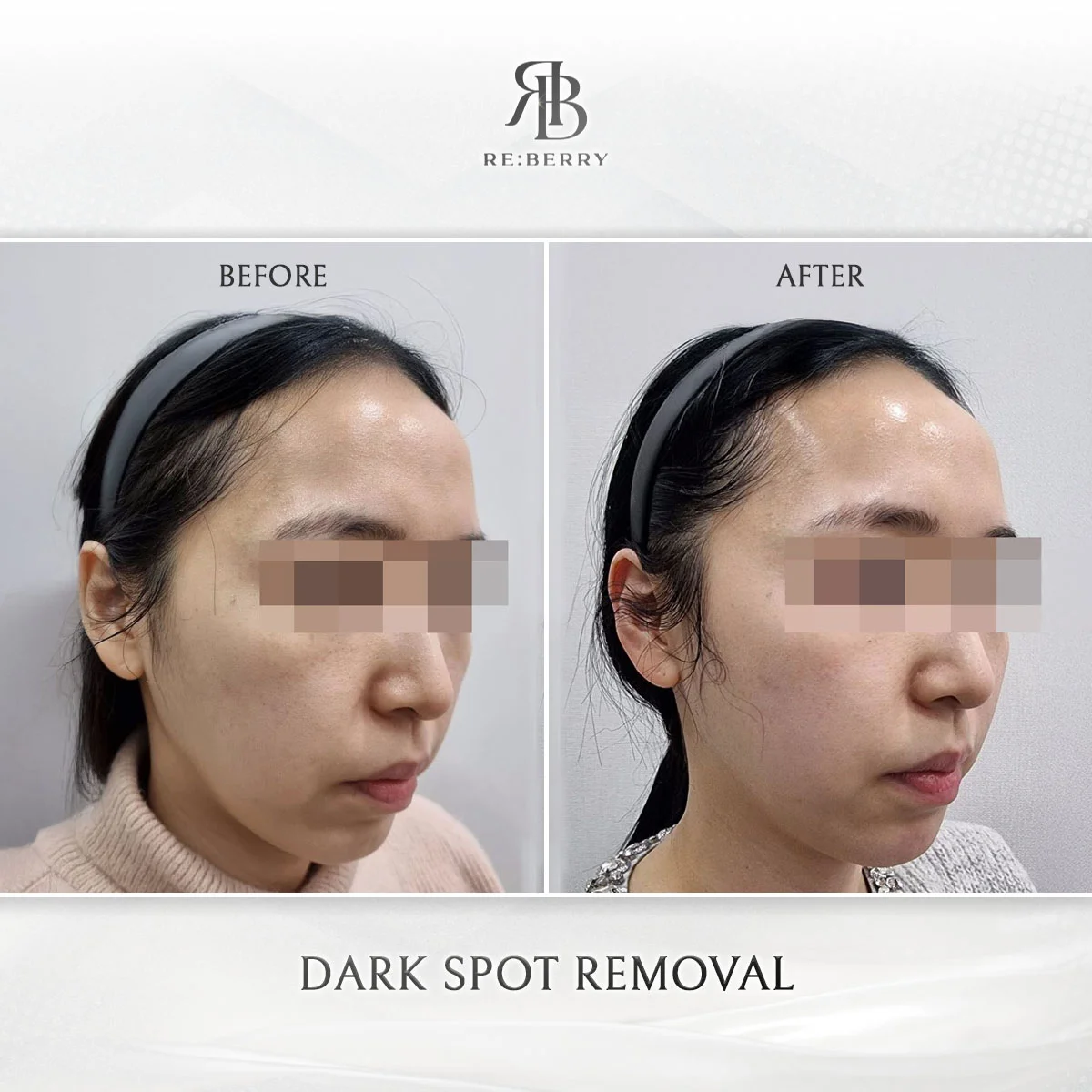
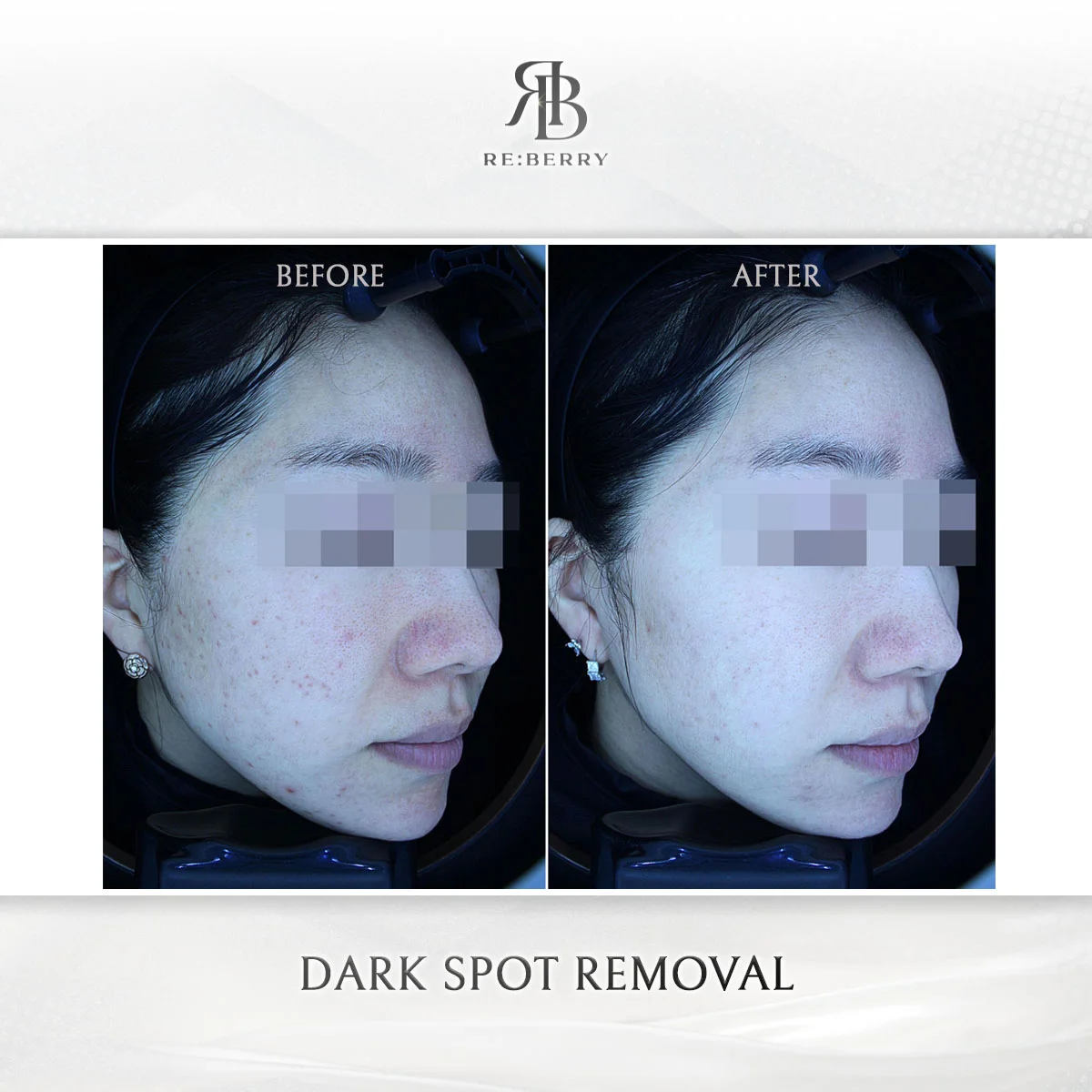
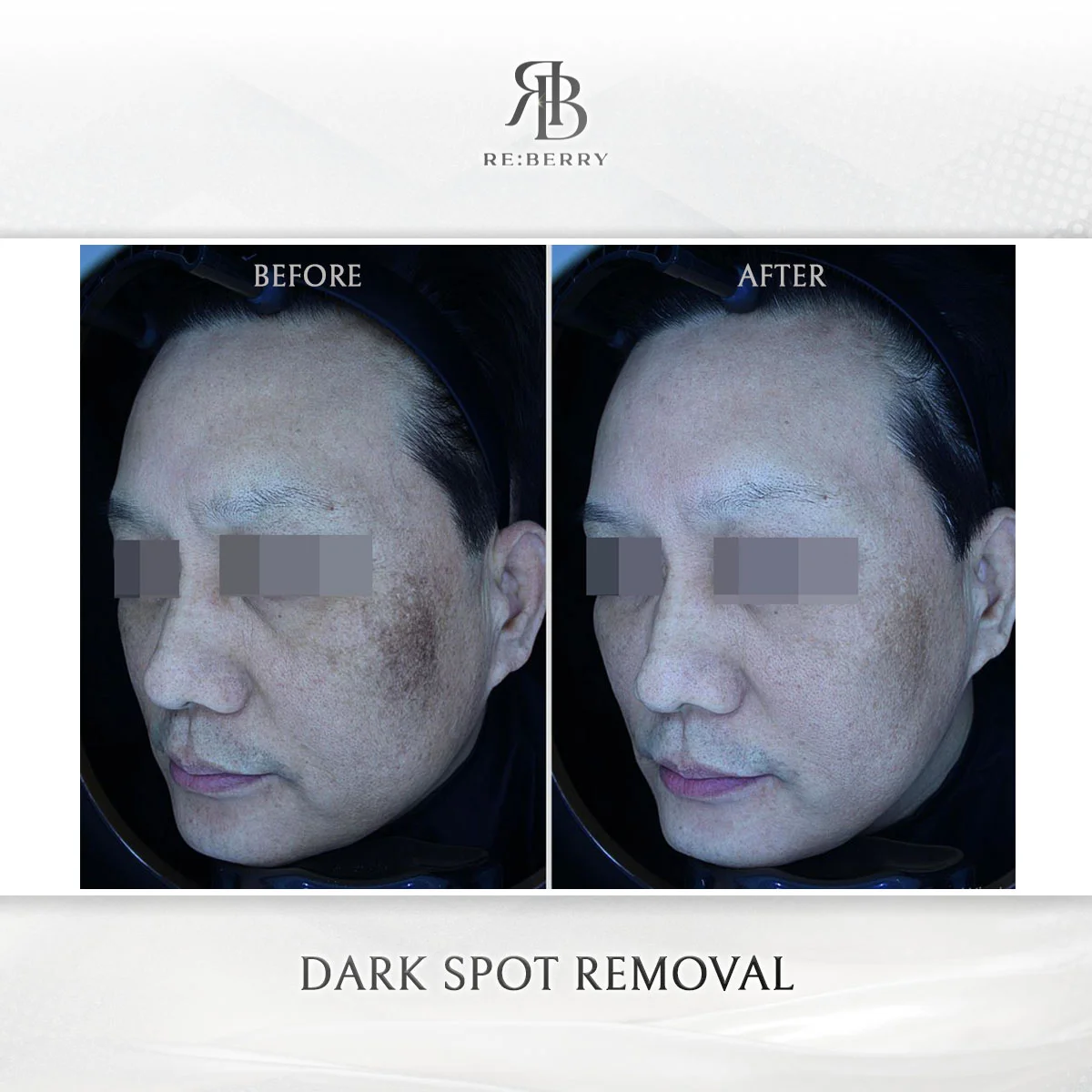
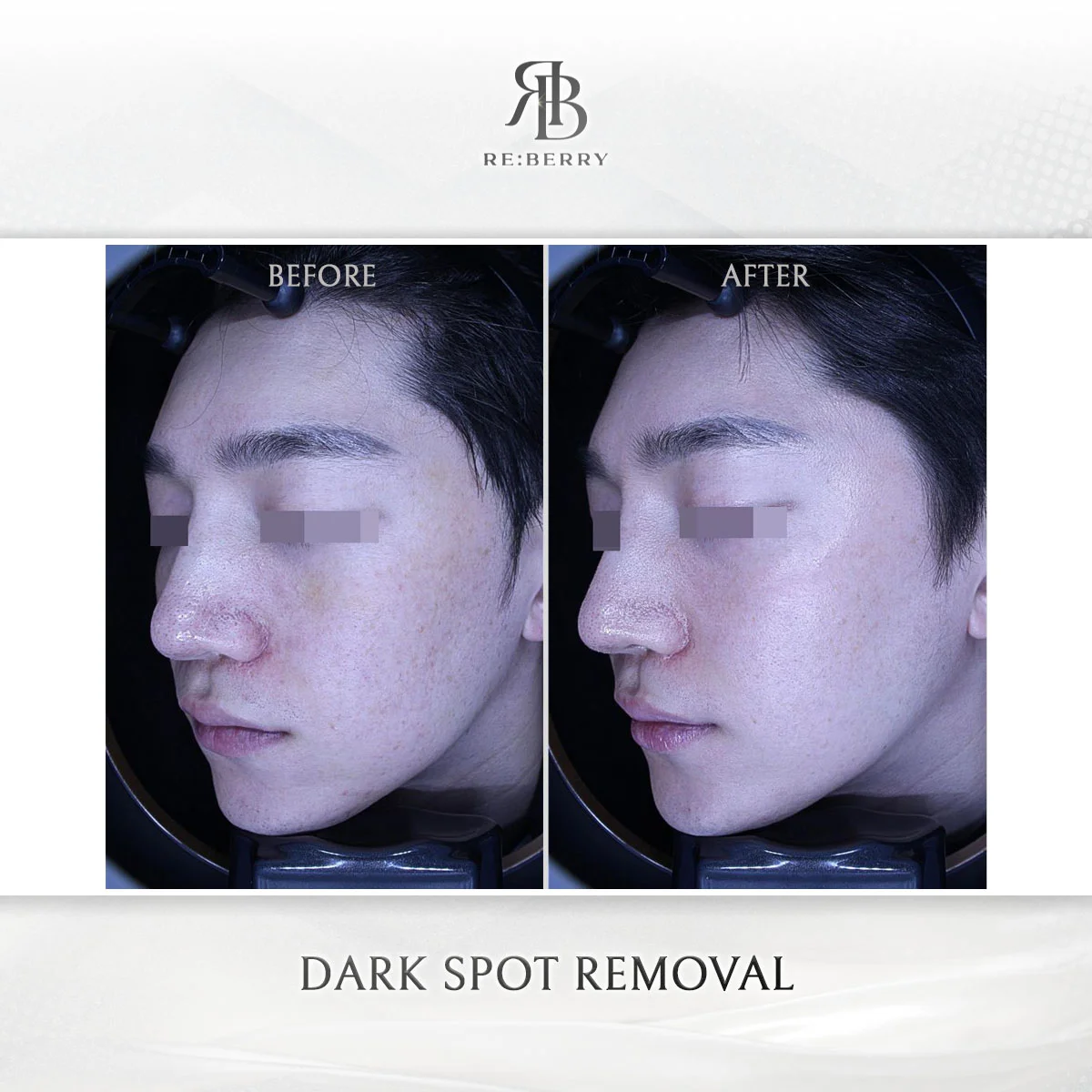
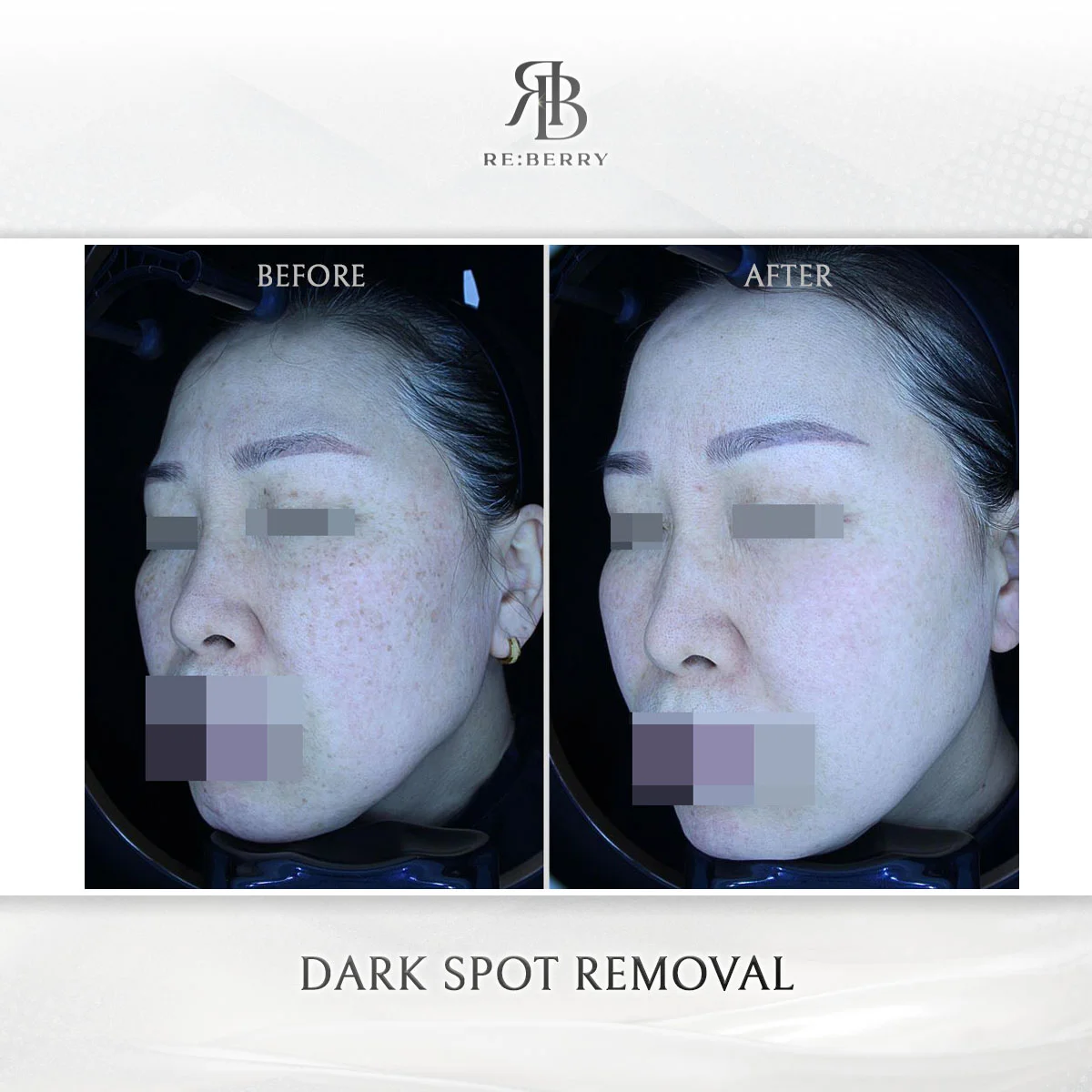
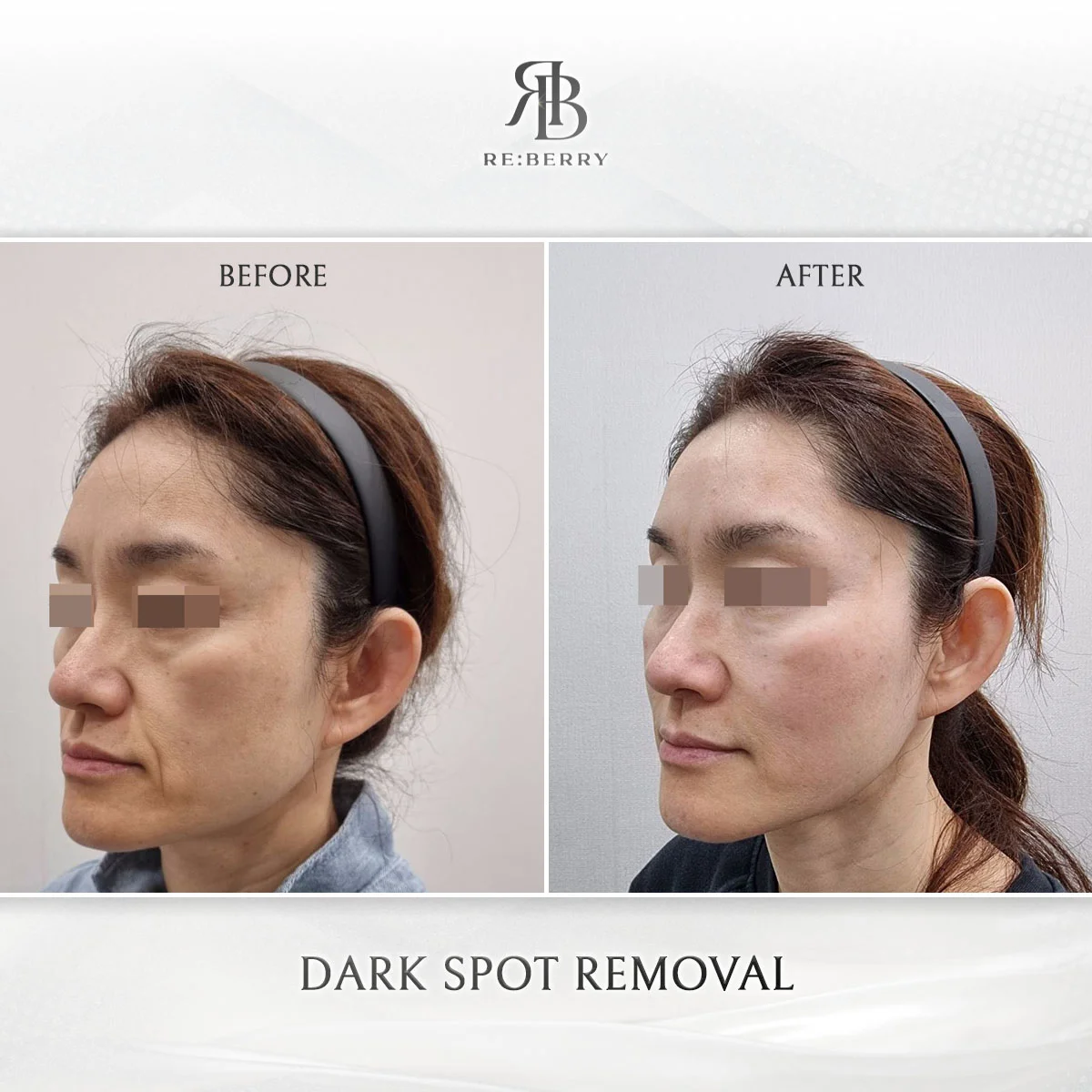
An English-language consultation grades your marks as red striae rubra or white striae alba and sets a realistic before-and-after expectation over 3 or more sessions.
After topical numbing, the area is treated with fractional laser or microneedling in about 20 to 45 minutes.
A course is usually 3 or more sessions spaced roughly 4 weeks apart so collagen can mature between visits.
Improvement is gradual over weeks to a few months as new collagen rebuilds; before-and-after is judged across the course.
Improvements are lasting with sun protection, though new marks can form; the clinic provides written aftercare for care from abroad.
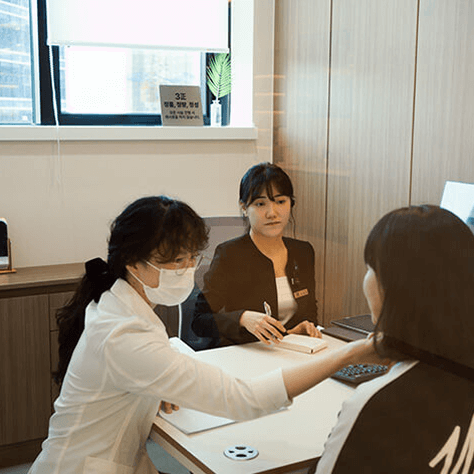
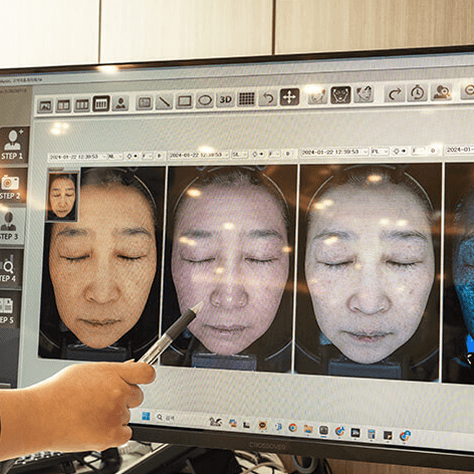

Realistic results show gradual softening of texture, indentation and color over a course, not erasure of the marks. Red striae rubra usually fade more visibly than white striae alba. Improvement builds over weeks as collagen rebuilds, which is why credible photos span 3 or more sessions. See the clinic’s laser treatment options to understand the approach.
No, stretch marks are settled scar tissue and treatment improves rather than removes them, so honest before-and-after images show softening and fading, not disappearance. Fractional laser and microneedling remodel collagen to blend the mark into surrounding skin. Older white striae alba respond more slowly, and a realistic goal is set at your English consultation before treatment begins.
Red striae rubra typically respond better because the tissue is still inflamed and actively remodeling, so before-and-after change is often clearer. White striae alba are settled and improve more slowly and subtly. Treating marks earlier, while still red, tends to give more visible results, which the doctor will explain when reviewing your laser treatment plan.
Most people need 3 or more sessions spaced about 4 weeks apart before a meaningful before-and-after difference appears, because collagen rebuilds gradually. A single session rarely produces the results shown in credible photos. The number depends on mark stage, width and area, and is estimated for you at an assessment rather than promised in advance.
It depends on your marks: deeper or older marks may suit ablative fractional CO2 laser, while red striae rubra or tone-sensitive skin may suit microneedling. The clinic’s doctors match the tool to your marks rather than force one method. You can review both under the clinic’s laser treatment service before deciding at your consultation.
Discomfort is usually mild and manageable with topical numbing applied before the session. Fractional laser feels like warmth with brief prickling, while microneedling feels like pressure and light scratching. Most people describe the roughly 20-to-45 minute session as tolerable. Any sensitivity is discussed beforehand so the settings suit your comfort and skin tone.
Downtime is usually short: expect redness for about 1 to 3 days after microneedling or non-ablative fractional laser, and several days of redness and light flaking after ablative fractional CO2 laser. Makeup is often possible within a day or two. The clinic provides written aftercare so you can manage recovery at home or from abroad.
Improvement is gradual, becoming visible over several weeks and continuing for a few months as collagen matures, so the fullest before-and-after change is judged a few months after completing a course. Each session builds on the last. Photos taken at each visit help track progress objectively rather than relying on memory alone.
No, before-and-after photos show other people’s skin, mark stage and healing, which vary widely, so they are not a promise of your own result. Under Korean law, clinics cannot present images as a guarantee. Use them as a general guide, then rely on a direct assessment. The clinic’s skin care guidance supports your recovery between sessions.
Yes, treatment is often combined across sessions or paired with skin-quality boosters to support collagen, depending on your goals and skin tone. The doctor sequences procedures so healing is not overloaded. For example, some patients also explore Rejuran Healer for skin repair; a suitable plan is set at your English consultation.
Yes, when the device and settings are adjusted for your skin tone, since higher-melanin skin carries a greater risk of temporary pigment change. Microneedling or conservative fractional settings are often chosen for this reason. Studies in Asian skin support these approaches, and the clinic’s doctors tailor the plan and aftercare to reduce pigment risk for you.
Cost is consultation-led and depends mainly on the treatment area, the device used and how many sessions you complete, so no single figure fits everyone. A larger area or a longer course costs more than a small, focused one. The clinic explains pricing transparently at your assessment rather than quoting a fixed price online, alongside your laser treatment plan.
Yes, Reberry Clinic serves international patients with English-speaking support across three Seoul-area locations, including one near Incheon Airport. A single trip can start treatment, though a full course spans several sessions. Message us on WhatsApp to arrange an assessment and to plan sessions around your travel to Seoul.
A single short visit is enough for one session, which takes about 20 to 45 minutes after a brief assessment and numbing. Because 3 or more sessions are usually needed, our team helps plan follow-up around future trips. A quote and session plan are provided at your English-language consultation beforehand.
Yes, most patients fly the next day, as downtime is short and mainly involves redness and possible light flaking that settles within days. The treated skin should be kept clean and sun-protected. You receive written aftercare so you can care for the area from abroad and schedule remaining sessions on later trips to Seoul.
Improvements to treated marks are lasting, but new stretch marks can still form if the skin stretches again, for example with weight change or growth, so treatment is not a one-time fix for future marks. Sun protection and steady skin care help. Any new marks can be assessed and treated in a follow-up, ideally while they are still red.
| Ablative fractional CO2 laser | Microneedling | Non-ablative fractional laser | |
|---|---|---|---|
| Energy / mechanism | Ablative micro-columns, strong collagen remodeling | Fine needle micro-channels, no heat | Dermal heating, collagen stimulation, minimal ablation |
| Best for | Deeper, indented or older marks | Red striae rubra, finer marks, tone-sensitive skin | Mixed marks wanting a gentler laser option |
| Comfort | Topical numbing, warm sensation | Topical numbing, pressure sensation | Topical numbing, mild warmth |
| Downtime | Several days of redness and flaking | Redness for 1 to 3 days | Redness for 1 to 2 days |
| Results timeline | Gradual over weeks across a course | Gradual over weeks across a course | Gradual over weeks across a course |
| Sessions | 3 or more, spaced ~4 weeks | 3 or more, spaced ~4 weeks | 3 or more, spaced ~4 weeks |
| Cost handling | Consultation-led, depends on area and sessions | Consultation-led, depends on area and sessions | Consultation-led, depends on area and sessions |
Real verified reviews from our Google Business Profile, across all Reberry Clinic locations.
PULLED LIVE FROM GOOGLE · GANGNAM · MYEONGDONG · INCHEON AIRPORT
Your treatment is planned and performed by experienced, MFDS-registered doctors across our Seoul-area clinics, with multilingual support for international patients.
Flagship clinic · KOL for leading lifting & regenerative devices
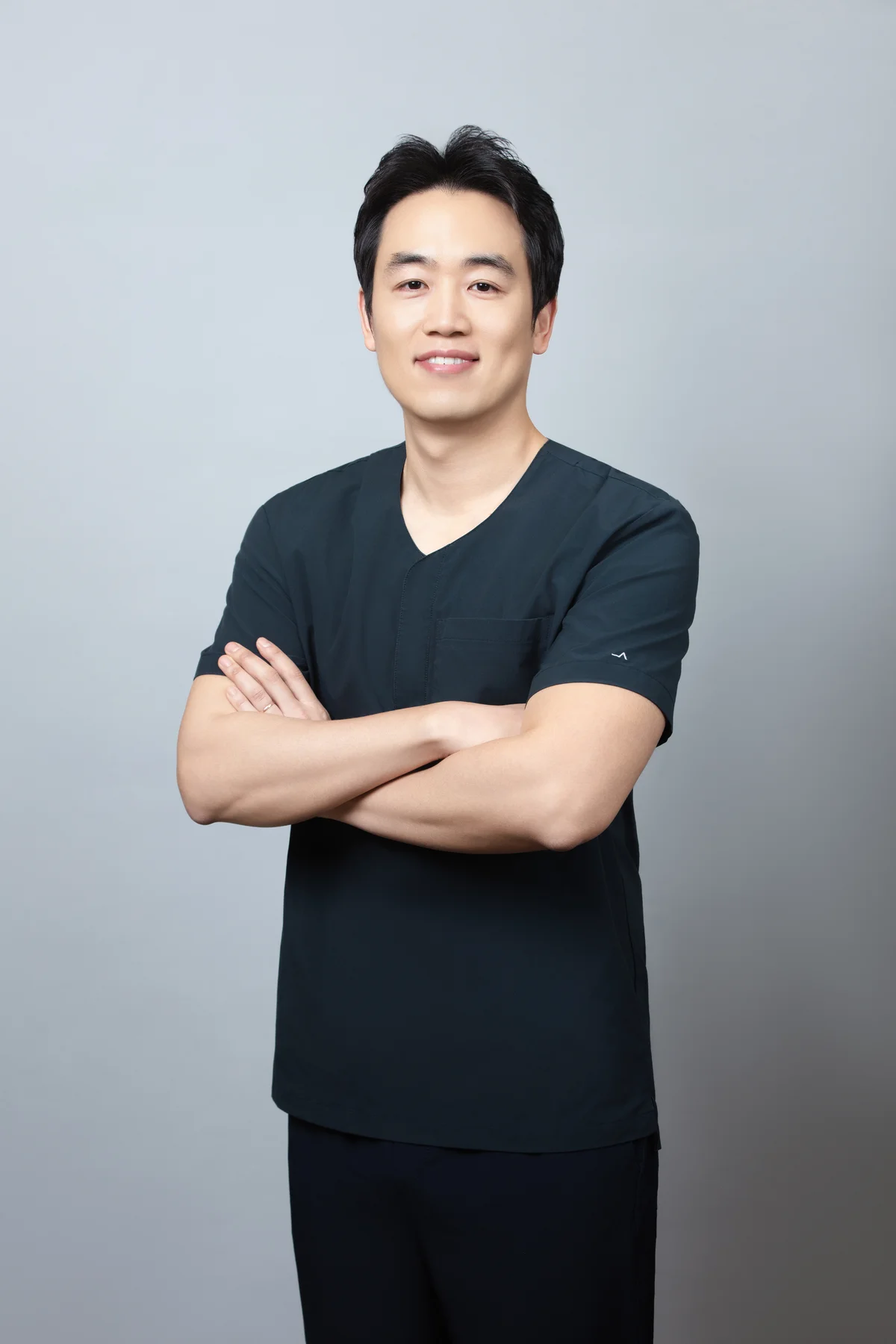
Multilingual tourist care beside Myeongdong Cathedral
Fast, effective care 20 minutes from the terminals
Message us on WhatsApp for a free consultation in English and an honest, personalized stretch-marks assessment.