



Gangnam
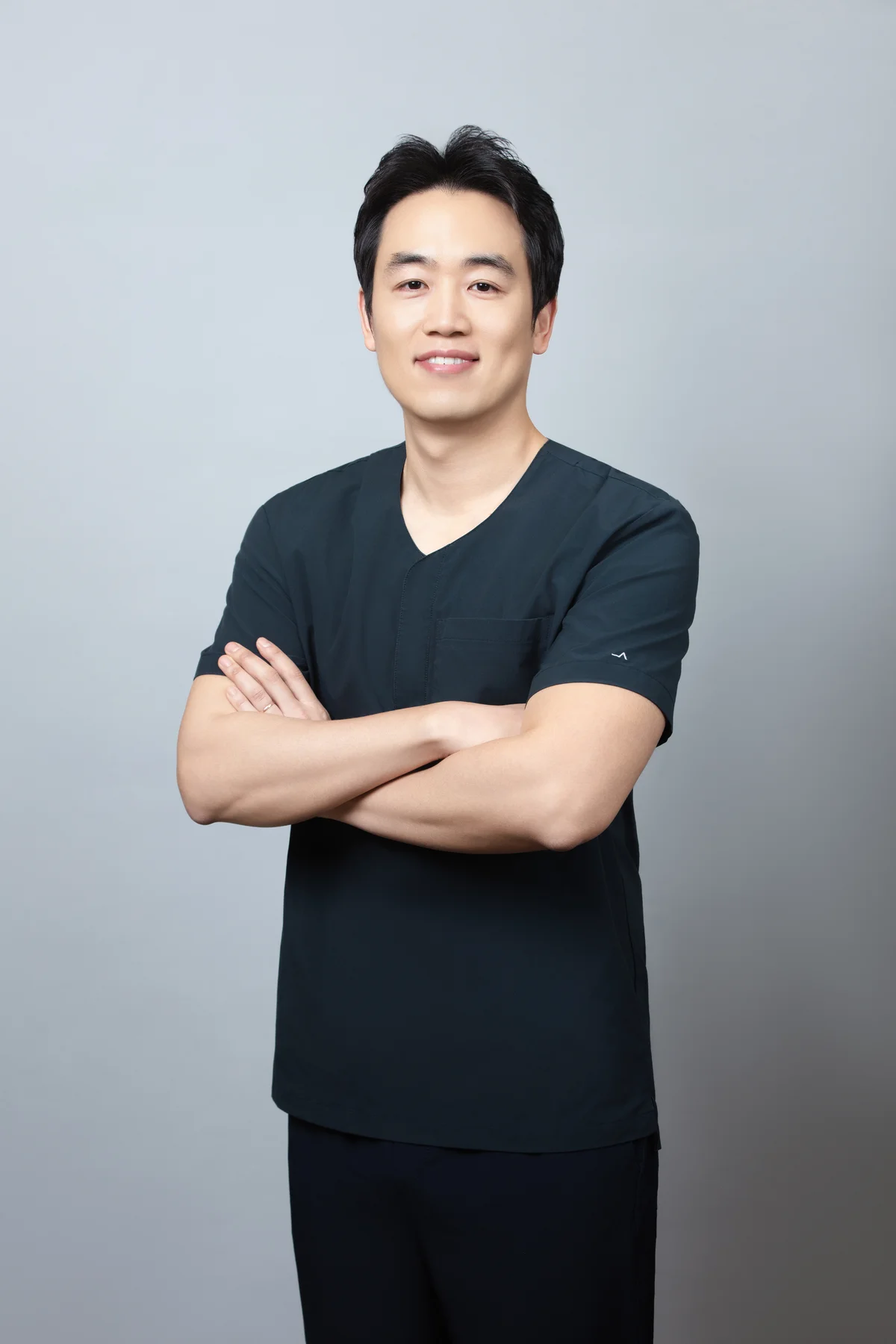
Dr. Yoon-Gon Ryu
Aesthetic Medicine Specialist
Flagship clinic · KOL for leading lifting & regenerative devices · Featured in Authority Magazine (2026)


Fractional laser and microneedling remodel the dermis to soften stretch marks, with early red striae rubra and mature white striae alba each responding over a typical course of 3 to 6 sessions.
Stretch marks treatment in Seoul, Korea most often combines fractional laser and microneedling to stimulate collagen and soften both red striae rubra and white striae alba. Because marks are permanent dermal changes, the aim is meaningful improvement over a course of roughly 3 to 6 sessions, and the clinic’s doctors tailor the plan to your mark stage and skin type.
One-on-One guidance from a dedicated doctor, ensuring your skin is professionally monitored and treated from start to finish.
Fluent assistance in English, Japanese, and Chinese, making communication clear, respectful and comfortable for international patients.
Over 100,000 patients worldwide have received our personalized dermatological care, highlighting our expertise and reliable results.
Stretch marks, medically called striae distensae, are linear scars that form when skin is stretched faster than its collagen and elastic fibres can adapt, common during growth spurts, pregnancy, rapid weight change, or bodybuilding. They begin as red or purple lines known as striae rubra, then mature into pale, slightly sunken white lines called striae alba. Both stages reflect disruption in the deeper dermis rather than the surface.
This is why creams alone rarely change established marks: the damage sits below the outer skin layer. Effective in-clinic treatment works by triggering controlled remodelling of the dermis so new collagen and elastin gradually improve colour and texture. Early red marks tend to respond faster because their blood vessels and inflammation are still active, while mature white marks need more collagen-building sessions.
At Reberry Clinic, stretch mark care is consultation-led. The clinic’s doctors stage your marks as rubra or alba, assess the area and your skin type, and build a tailored plan with realistic goals, since marks are softened rather than erased. International patients are supported in English across three Seoul-area locations (Gangnam, Myeongdong, Incheon Airport).
The core of modern stretch mark treatment is controlled micro-injury that prompts the skin to rebuild its dermal scaffold. Fractional laser delivers thousands of tiny columns of energy into the skin, leaving surrounding tissue intact so healing is faster; ablative 10,600-nm CO2 fractional laser vaporises microscopic channels, while non-ablative fractional lasers heat the dermis without breaking the surface. Microneedling, often combined with radiofrequency, creates fine mechanical channels that trigger the same wound-healing and collagen response. For early striae rubra, which are still red and inflamed, a vascular-targeting 585-nm pulsed dye laser can reduce redness, whereas mature striae alba usually need the collagen-stimulating fractional and microneedling approaches. Because each tool addresses a different aspect, colour versus texture, the clinic’s doctors often combine them, and space sessions about 4 to 6 weeks apart so the dermis has time to remodel between visits. Settings are matched to your skin type, since deeper tones need conservative dosing to protect pigment.
One Reberry Clinic, multiple Seoul-area locations. Pricing & current promotions are listed on each branch's own site — tap a clinic to view pricing & book.
Our flagship in the heart of Gangnam.
In Seoul's shopping & tourism heart.
A beauty stop between flights.
The newest Reberry Clinic — in Seoul's trend district.
ONE REBERRY CLINIC · MFDS-REGISTERED DEVICES · MULTILINGUAL CARE AT EVERY LOCATION
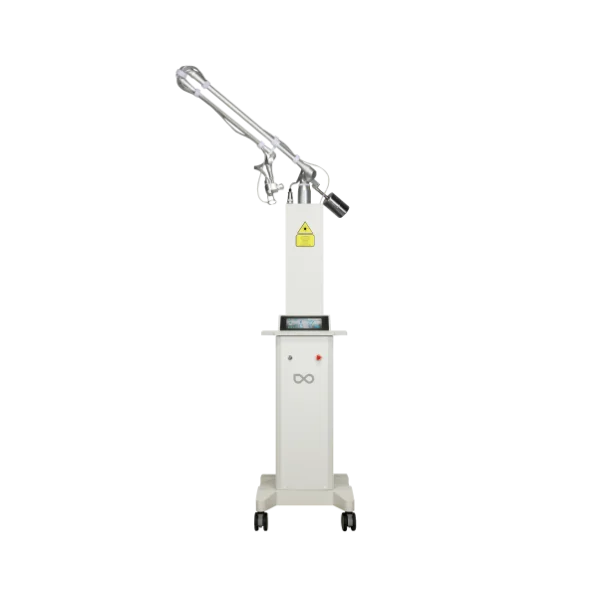
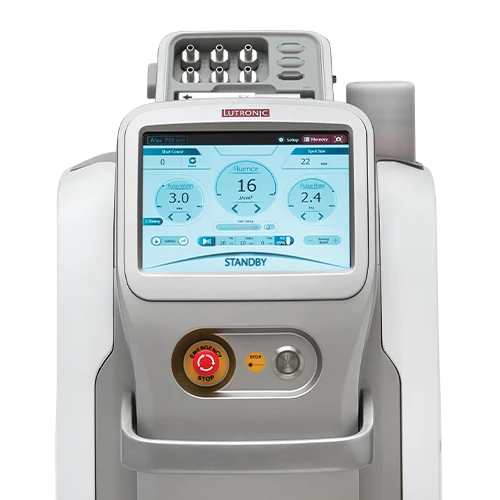
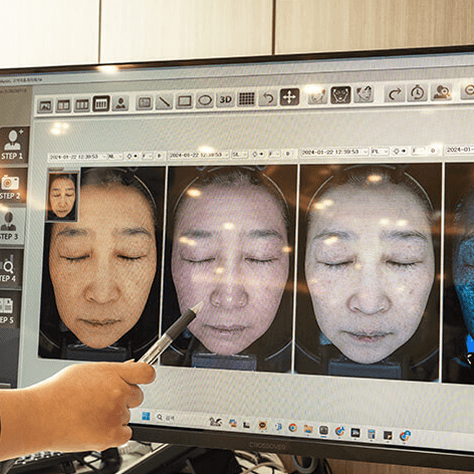
The clinic’s doctors classify your marks as red striae rubra or white striae alba and grade your skin type across the 4 main considerations that guide safe settings.
A topical anaesthetic is applied for roughly 20 to 30 minutes before fractional laser or microneedling so the treatment area stays comfortable.
Fractional laser or microneedling creates thousands of tiny controlled channels, prompting the dermis to build new collagen over the following weeks.
For early striae rubra, a 585-nm pulsed dye laser pass can reduce redness, addressing colour while other tools rebuild texture.
Sessions are spaced about 4 to 6 weeks apart over a course of 3 to 6 visits, with reviews to adjust the plan as marks respond.

See representative outcomes from Reberry Clinic. Results build gradually and vary by individual; your plan is assessed at consultation.
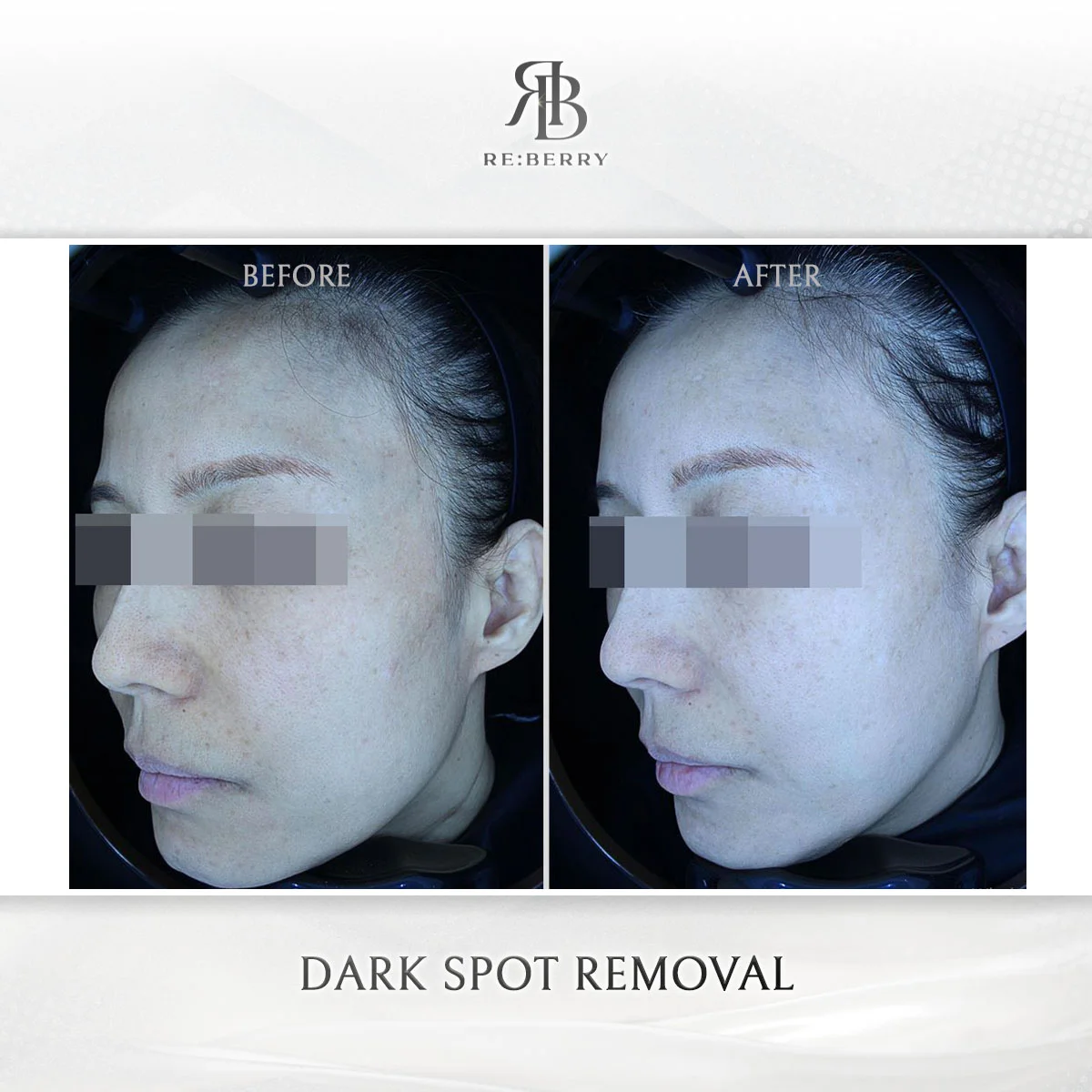
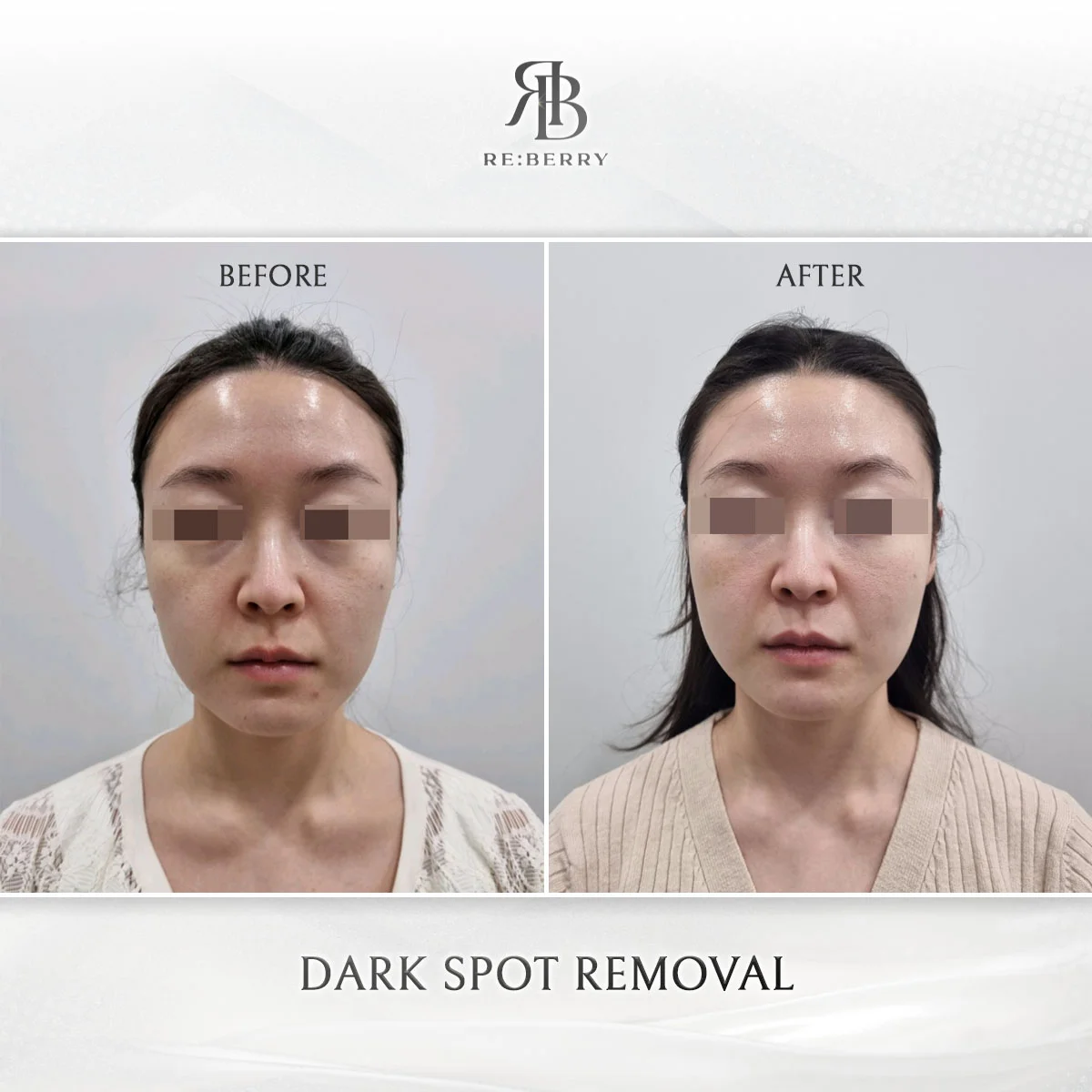
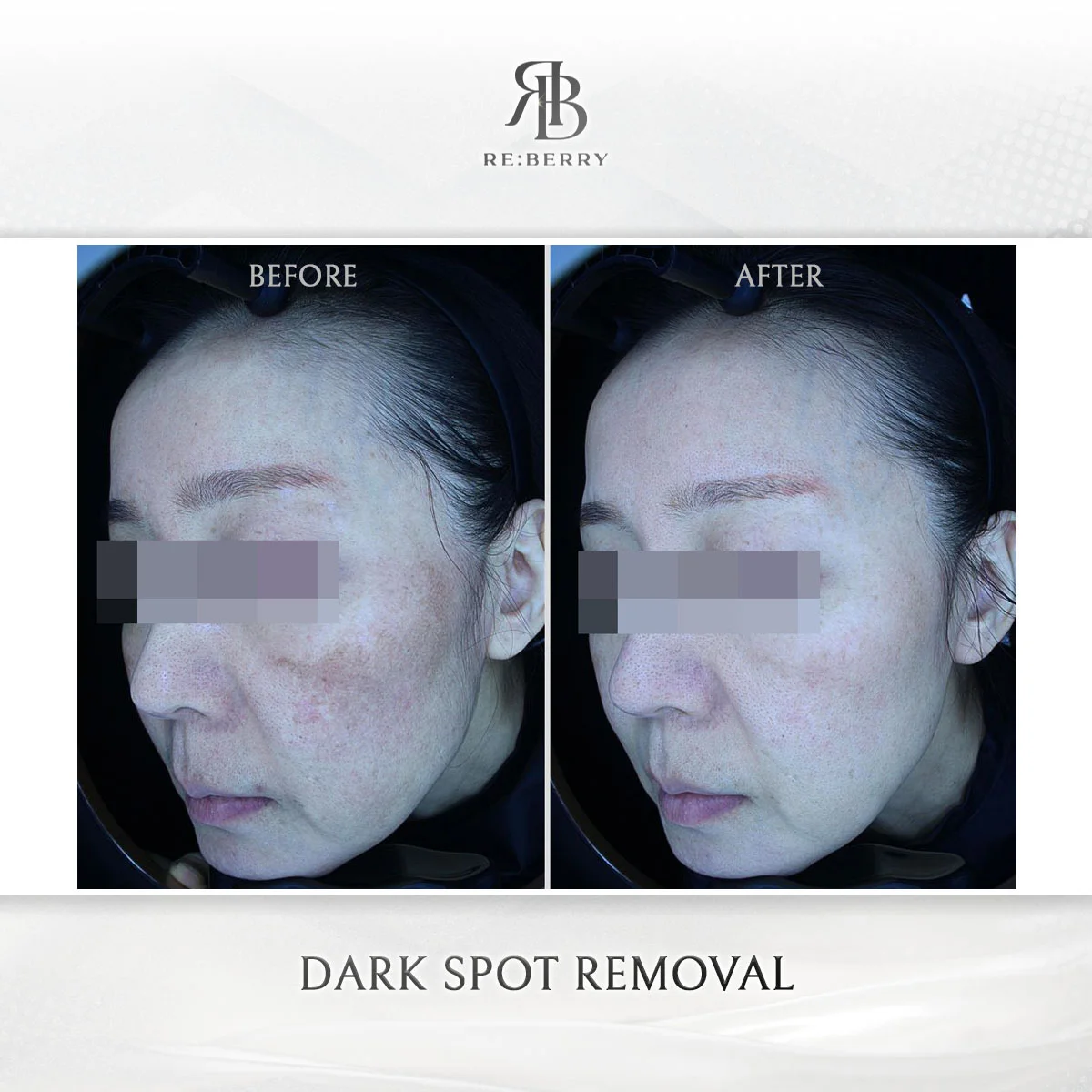
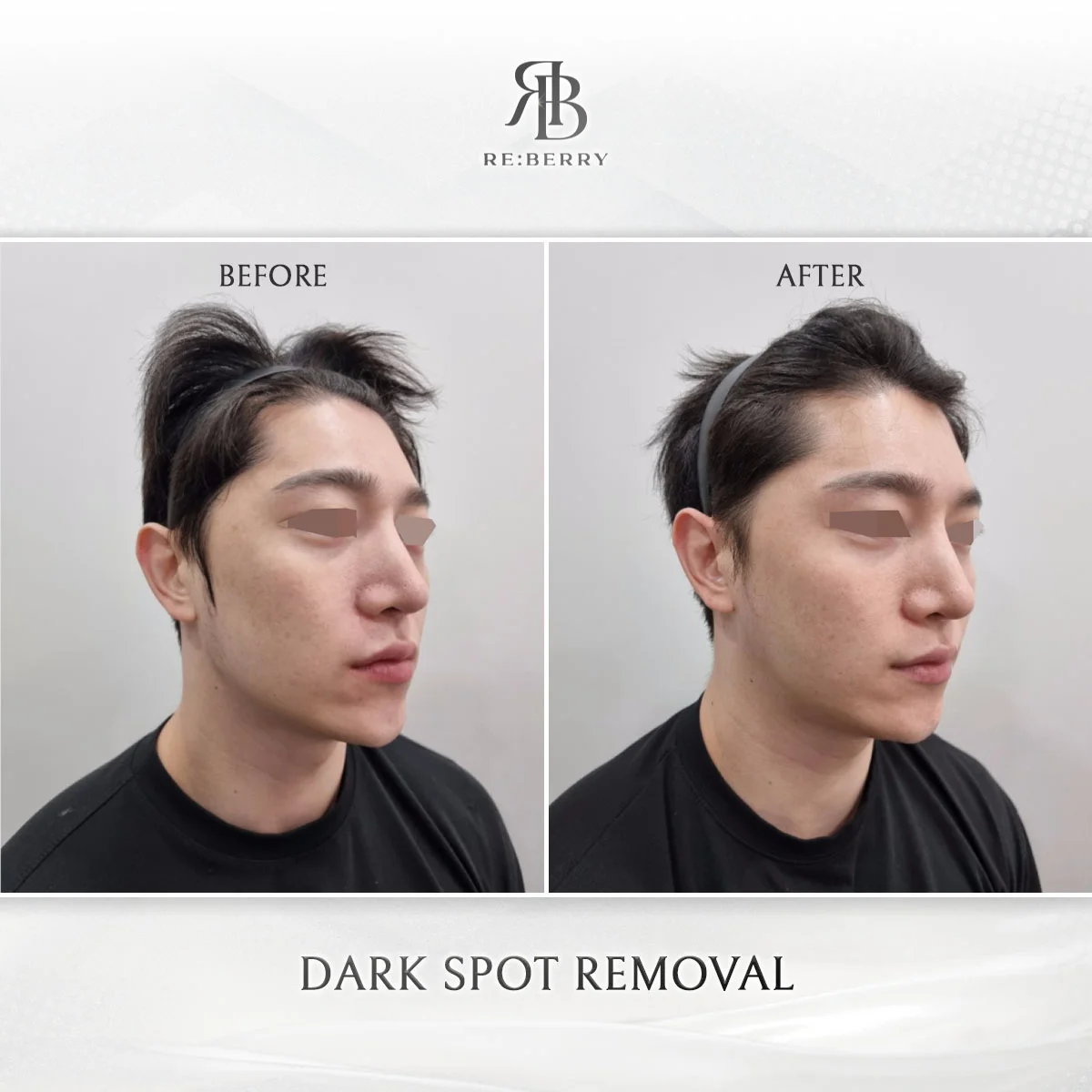
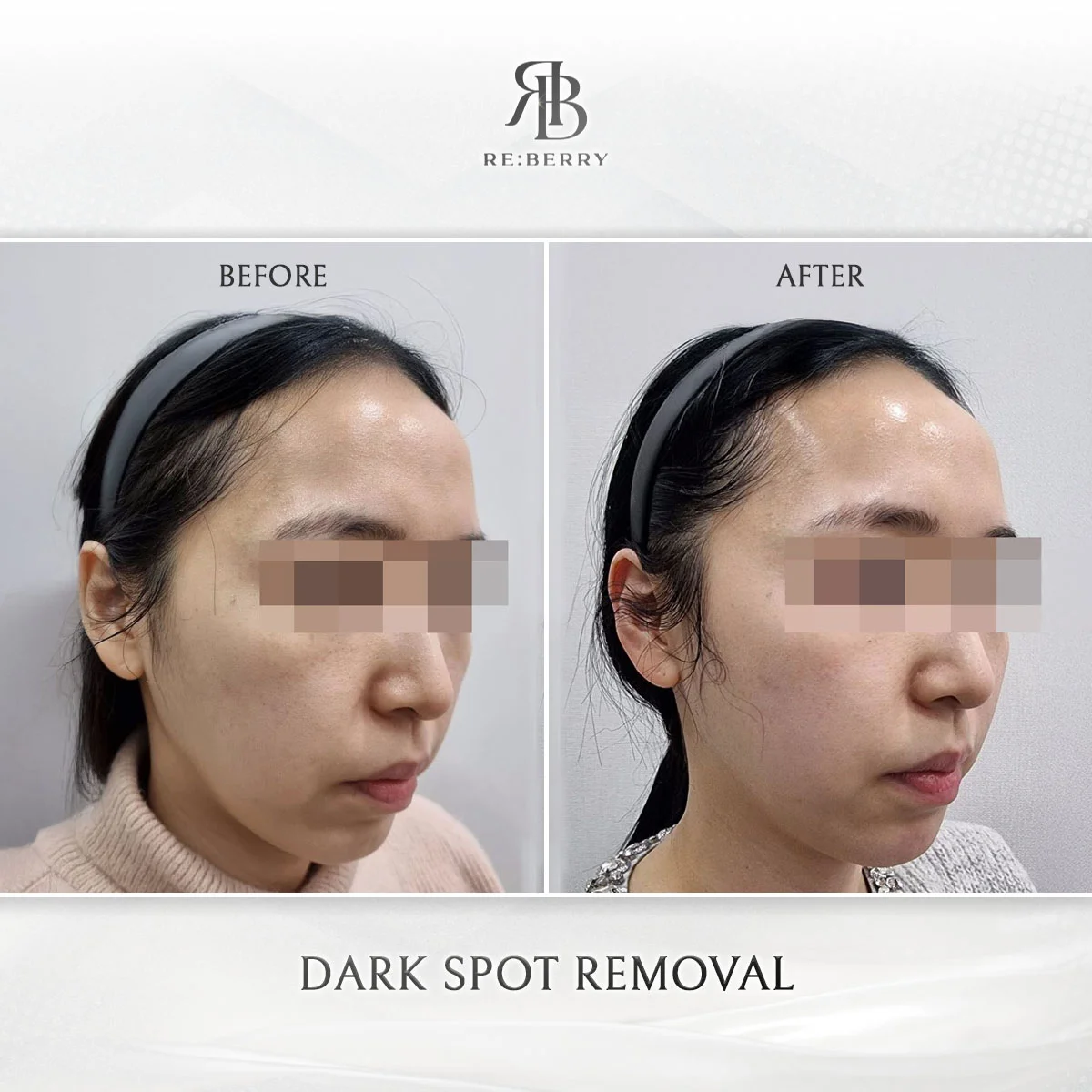
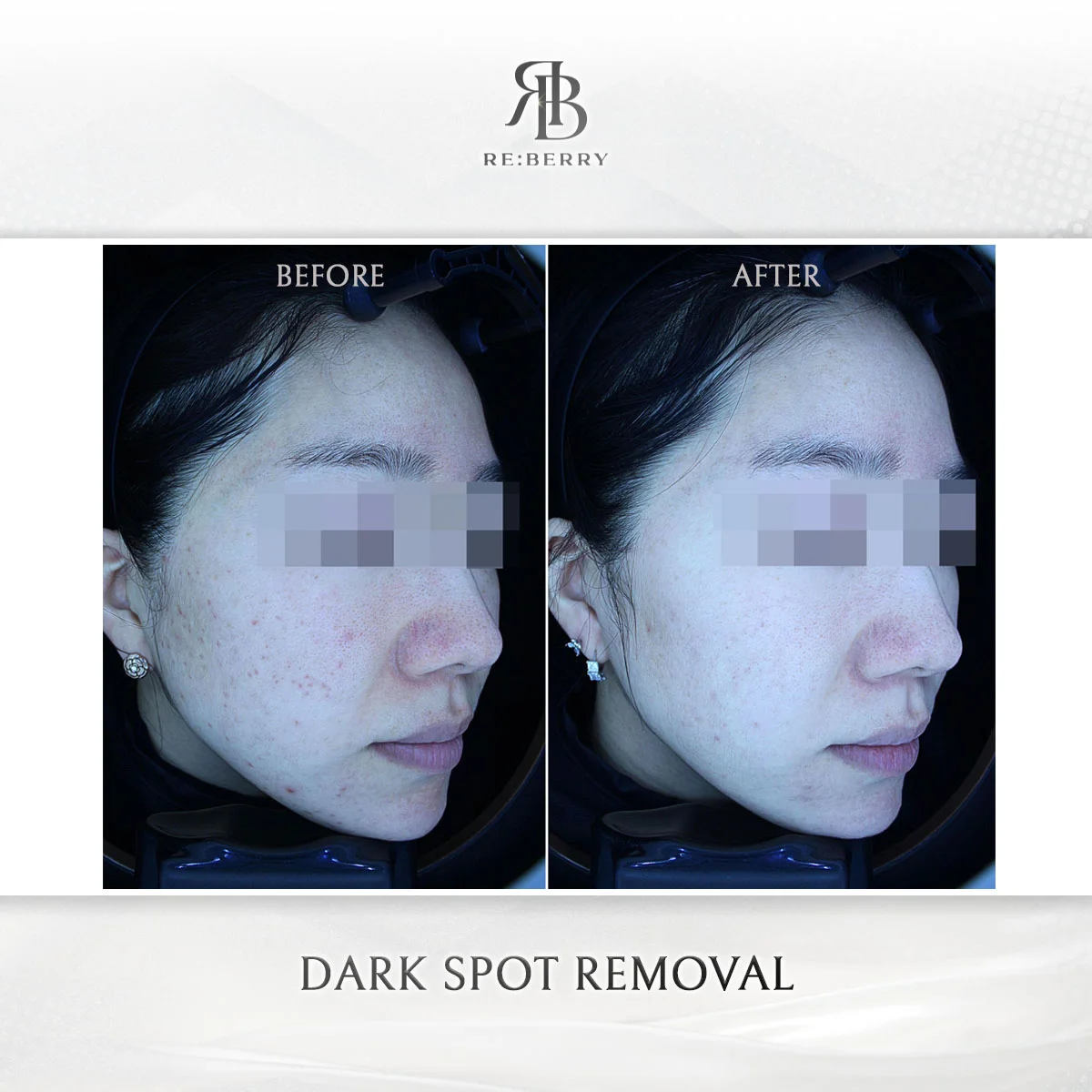
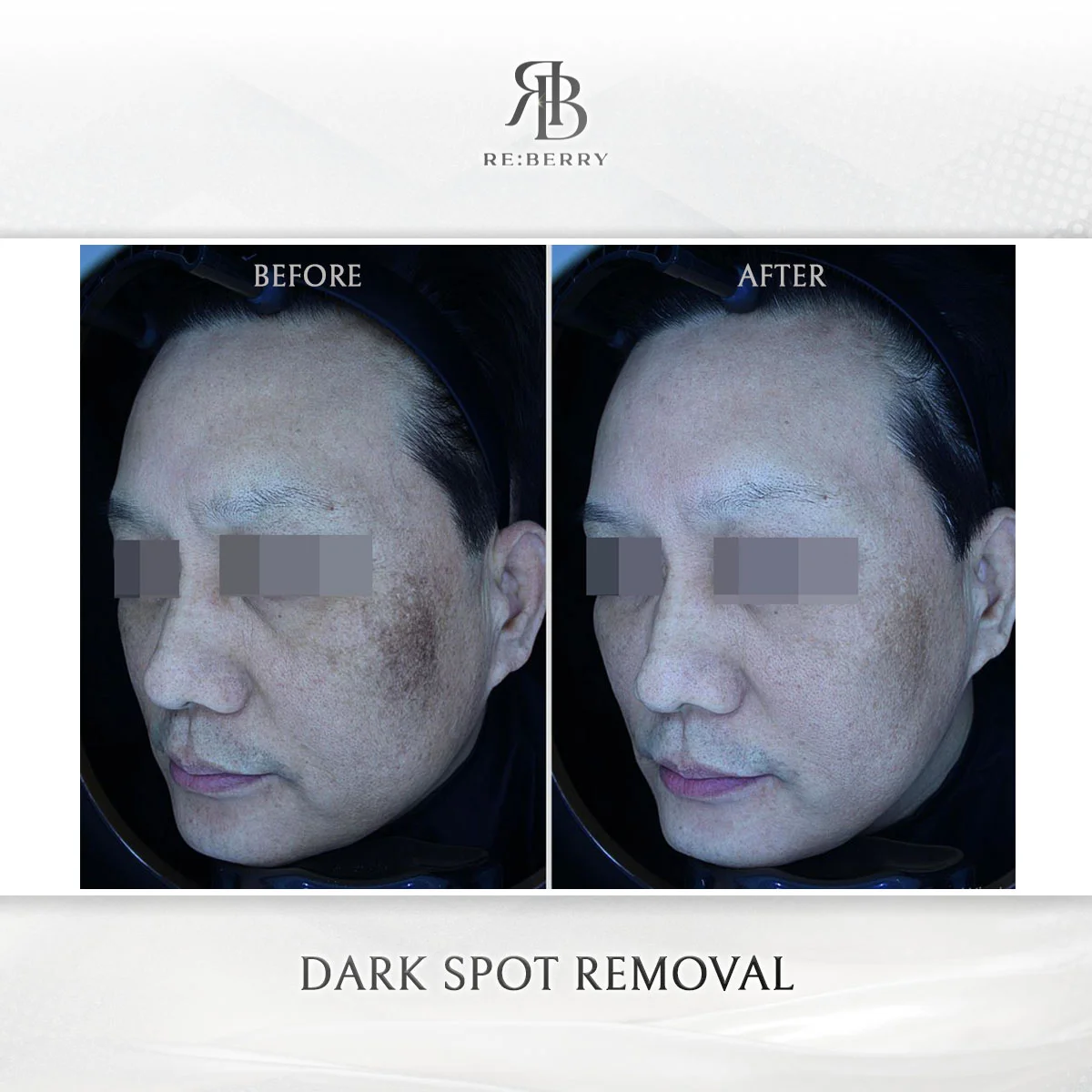
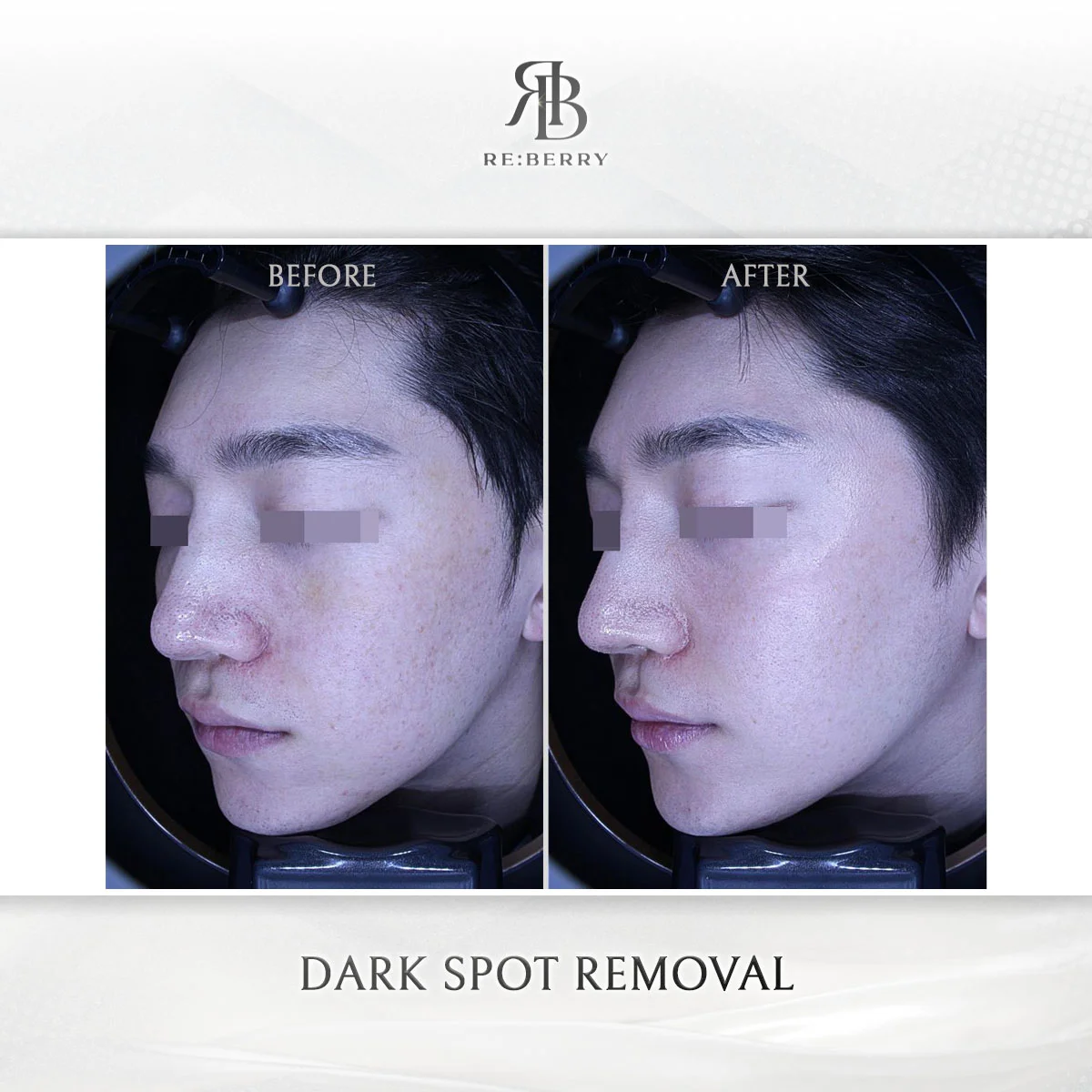
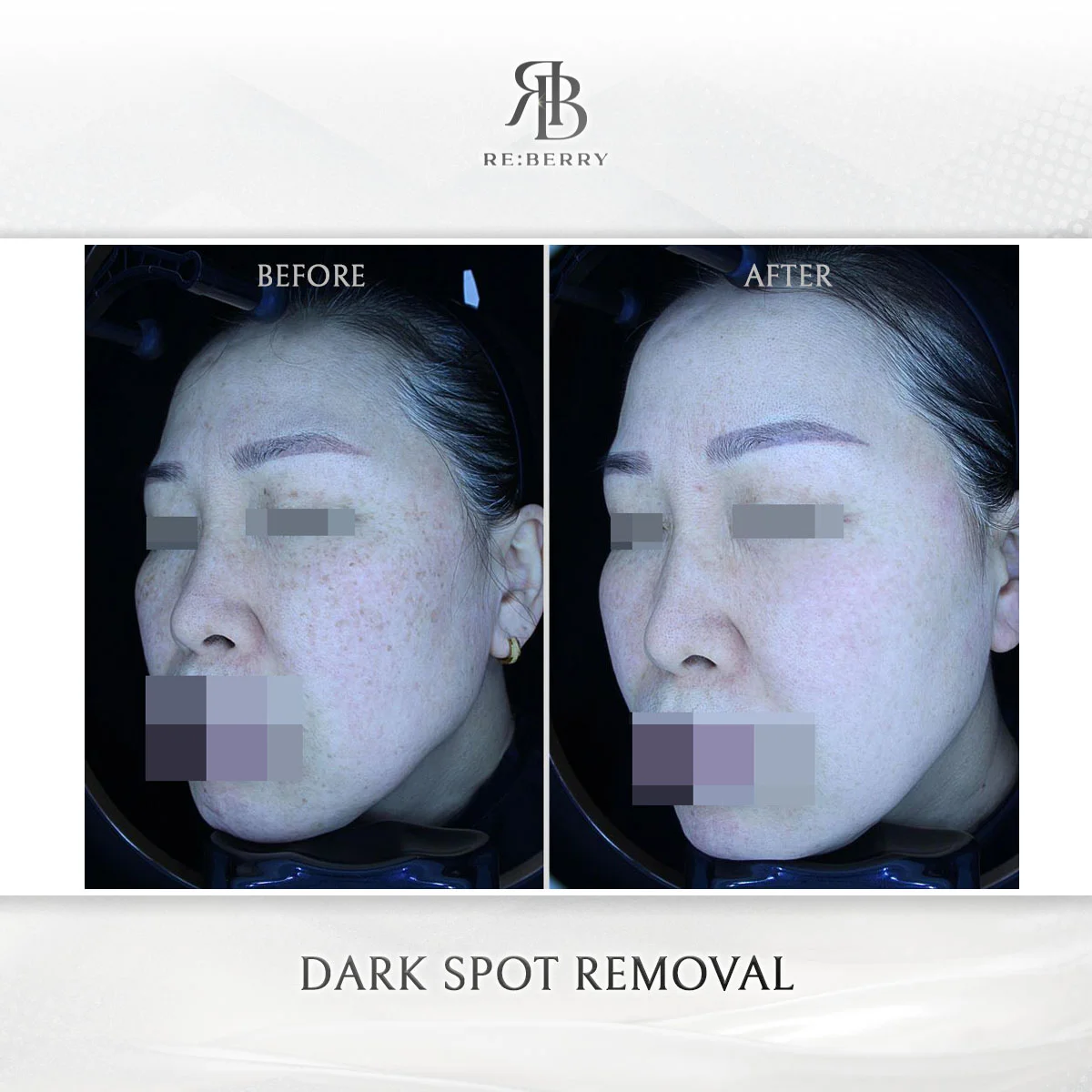
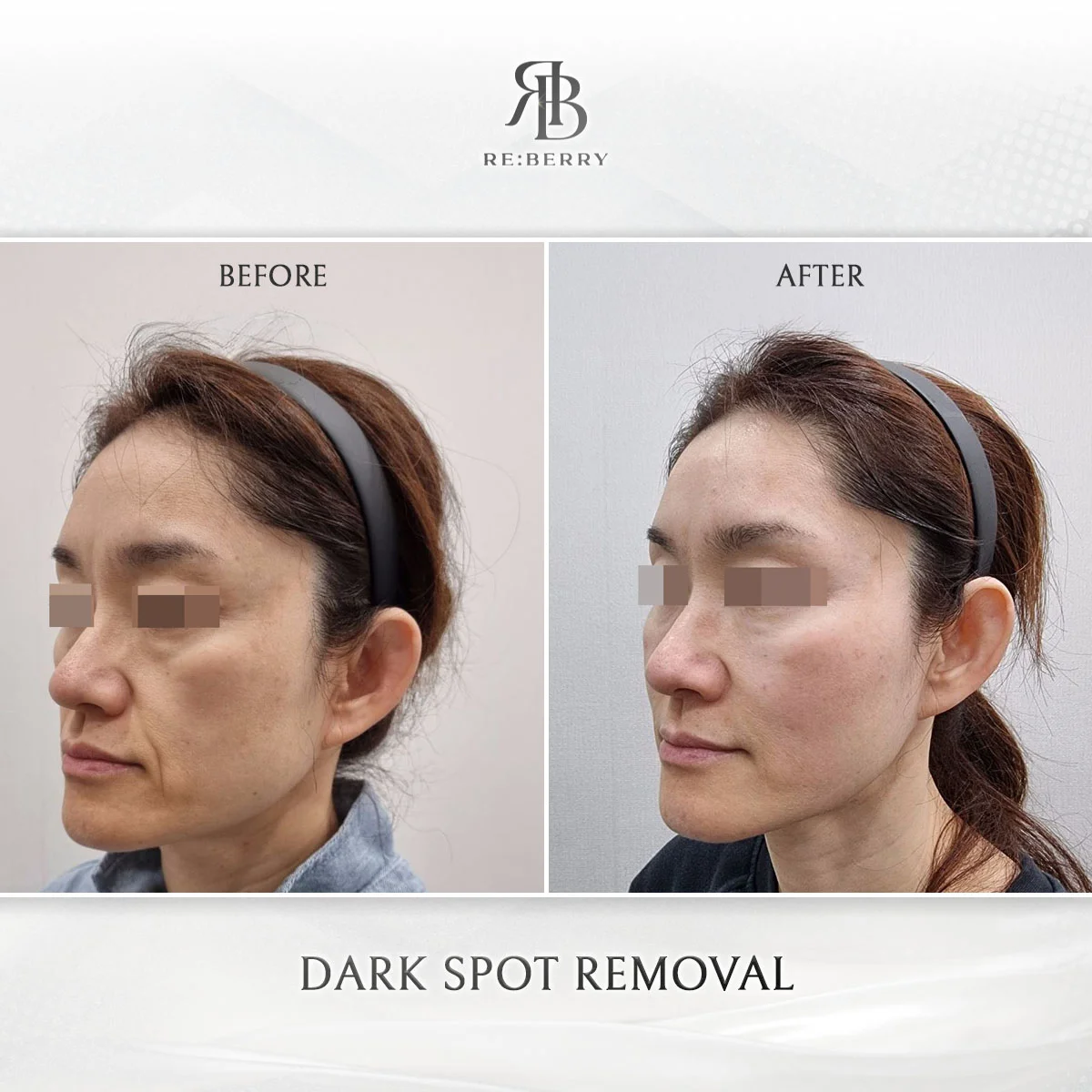
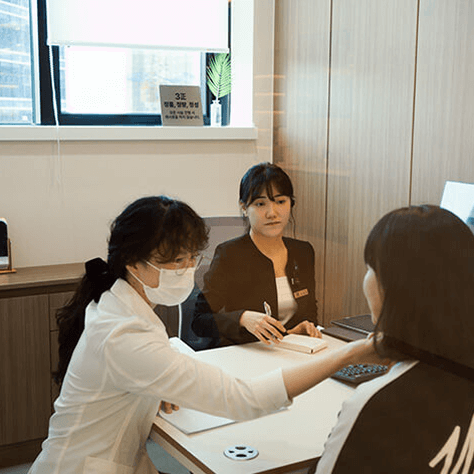
The clinic’s doctors stage your marks as rubra or alba, assess the area and skin type, and explain the plan and realistic goals in English before starting.
After about 20 to 30 minutes of numbing, a session usually takes 30 to 60 minutes depending on the area and modalities involved.
Most plans run over roughly 3 to 6 sessions spaced 4 to 6 weeks apart so the dermis can remodel between visits.
Redness in striae rubra often fades relatively sooner, while texture in striae alba improves gradually over several months as collagen rebuilds.
Improvements are cumulative and long-lasting, and sun protection plus a supportive skincare routine help maintain the softened appearance over time.

There is no one-size-fits-all option; the right plan depends on whether your marks are red striae rubra or white striae alba. Fractional laser and microneedling are the mainstays, sometimes with pulsed dye laser for redness. You can explore the approach on our laser treatment page.
Striae rubra are early red or purple marks with active blood vessels, while striae alba are mature white marks that have lost pigment and become slightly sunken. Rubra usually respond faster. Your doctor identifies the stage at consultation because it strongly shapes which modalities are used and how many sessions you need.
Stretch marks are softened and made much less visible rather than fully erased, because they are permanent changes in the deeper dermis. Realistic goals are meaningful improvement in colour and texture over a course. Your doctor explains achievable outcomes honestly at consultation so expectations match what treatment can deliver.
Fractional laser and microneedling create thousands of tiny controlled channels in the skin, triggering a wound-healing response that builds new collagen and elastin over weeks. This remodels the dermis where marks form. For red marks, a pulsed dye laser can also reduce redness, addressing both colour and texture together.
Discomfort is usually mild because a topical anaesthetic is applied for about 20 to 30 minutes beforehand. Most patients describe warmth, prickling, or pressure during the session. The sensation is short-lived, and the clinic’s doctors adjust settings for comfort while keeping the treatment effective for your mark stage.
Most plans run over roughly 3 to 6 sessions spaced 4 to 6 weeks apart, rather than a single visit. Early red marks may need fewer sessions than mature white ones. The exact number depends on stage, area size, and how your skin responds, which your doctor reviews and adjusts along the way.
Downtime is usually minimal to mild, with short-lived redness and, after fractional laser, tiny crusts settling over several days. You can generally return to daily activities quickly. Your doctor gives aftercare and sun-protection guidance, and you can support recovery with a gentle skin care routine.
Yes, when settings are adjusted conservatively for your skin type to protect against pigment changes. Deeper tones are more prone to temporary darkening, so sessions may be spaced further apart. You can read about pigment-safe approaches on our dark spot removal page and discuss it at consultation.
Neither is universally better; they suit different needs, and are often combined. Fractional CO2 laser excels at remodelling textured mature marks, while microneedling and RF microneedling build collagen across both stages. Your doctor selects or combines them based on your mark stage, skin type, and goals rather than a fixed rule.
Improvement builds gradually across the course rather than after one visit. Redness in striae rubra often fades relatively sooner, while texture in striae alba improves over several months as collagen rebuilds. Your doctor reviews progress between sessions and may adjust the plan so results keep developing over time.
Yes, the collagen remodelling that softens marks is long-lasting, and treated marks do not typically revert. However, new stretch marks can form if skin is stretched rapidly again, for example with future weight change. A supportive skin care routine and sun protection help maintain results.
Elective laser and microneedling are usually deferred during pregnancy and breastfeeding for safety. Many patients treat postpartum marks once cleared by their doctor. Early red marks often respond well, so starting after this period, when marks are still rubra, can be efficient. A consultation confirms suitable timing for you.
Most adults with red striae rubra or white striae alba on the abdomen, thighs, hips, arms, or breasts are suitable. A consultation stages your marks and confirms the plan. Those who are pregnant, recently tanned, or prone to keloid scarring may need to wait or be assessed more carefully first.
Often yes, though sessions are sequenced so the skin is not over-stressed. Many patients pair stretch mark care with broader skin and body plans over time. You can browse complementary options on our body rejuvenation page and plan timing with your doctor.
For a first session, 2 to 3 days is comfortable, allowing a consultation, the procedure, and a short review. Because plans run as a course, many international patients begin in Seoul and continue across return visits. Our English-speaking team helps coordinate timing around your travel schedule.
Yes, flying within a day or so is generally fine, as these procedures are minimally invasive. Cabin air is drying, so moisturise and protect treated skin from sun. If you had fractional laser, your doctor advises on caring for micro-crusts and redness while you travel to support smooth healing.
International patients can complete a course across one or more visits, and the clinic offers remote check-ins in English between trips so the plan stays on track. Your treatment notes are kept on file for continuity. You can also maintain results at home with a supportive skin care routine.
| Fractional CO2 Laser | Microneedling / RF Microneedling | Pulsed Dye Laser | |
|---|---|---|---|
| Energy / mechanism | 10,600-nm ablative micro-columns, collagen remodelling | Mechanical or RF micro-channels, wound-healing response | 585-nm light targeting blood vessels and redness |
| Best for | Textured mature striae alba | Both stages, texture and firmness | Early red or purple striae rubra |
| Pain / comfort | Mild with numbing, warm and prickling | Mild with numbing, pressure sensation | Mild, brief snapping sensation |
| Downtime | Mild, brief redness and micro-crusts for days | Minimal to mild, short-lived redness | Usually minimal, transient redness |
| Results timeline | Texture builds gradually over months | Builds across the series over weeks | Redness fades relatively sooner |
| Sessions | Often 3 to 6, spaced weeks apart | Often 3 to 6 depending on response | Often 2 to 6 for redness reduction |
Real verified reviews from our Google Business Profile, across all Reberry Clinic locations.
PULLED LIVE FROM GOOGLE · GANGNAM · MYEONGDONG · INCHEON AIRPORT
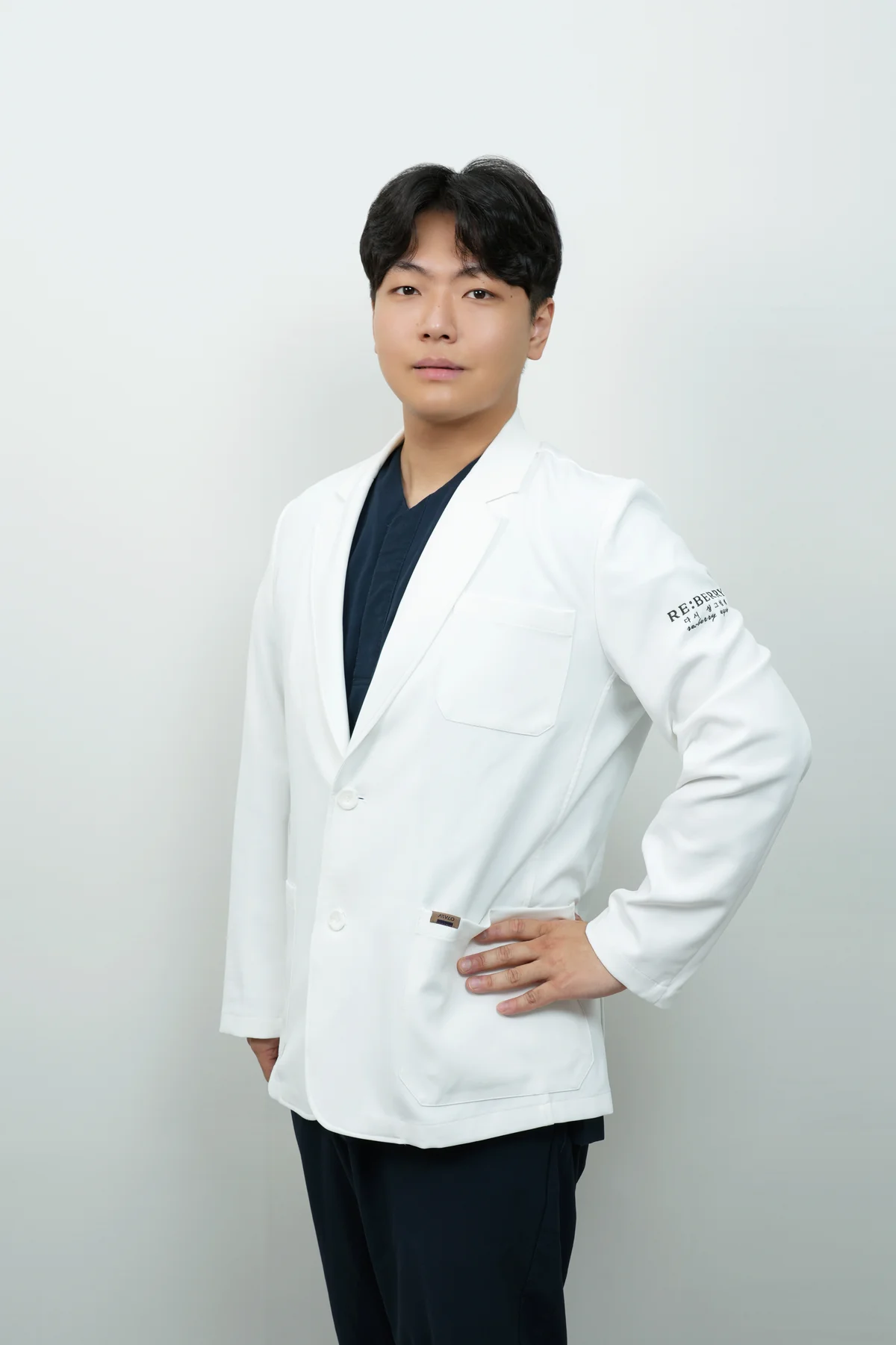
Your treatment is planned and performed by experienced, MFDS-registered doctors across our Seoul-area clinics, with multilingual support for international patients.
Flagship clinic · KOL for leading lifting & regenerative devices · Featured in Authority Magazine (2026)
Multilingual tourist care beside Myeongdong Cathedral
Fast, effective care 20 minutes from the terminals
Message us on WhatsApp for a free consultation in English about your stretch marks and a clear, individualised treatment plan.