



Gangnam
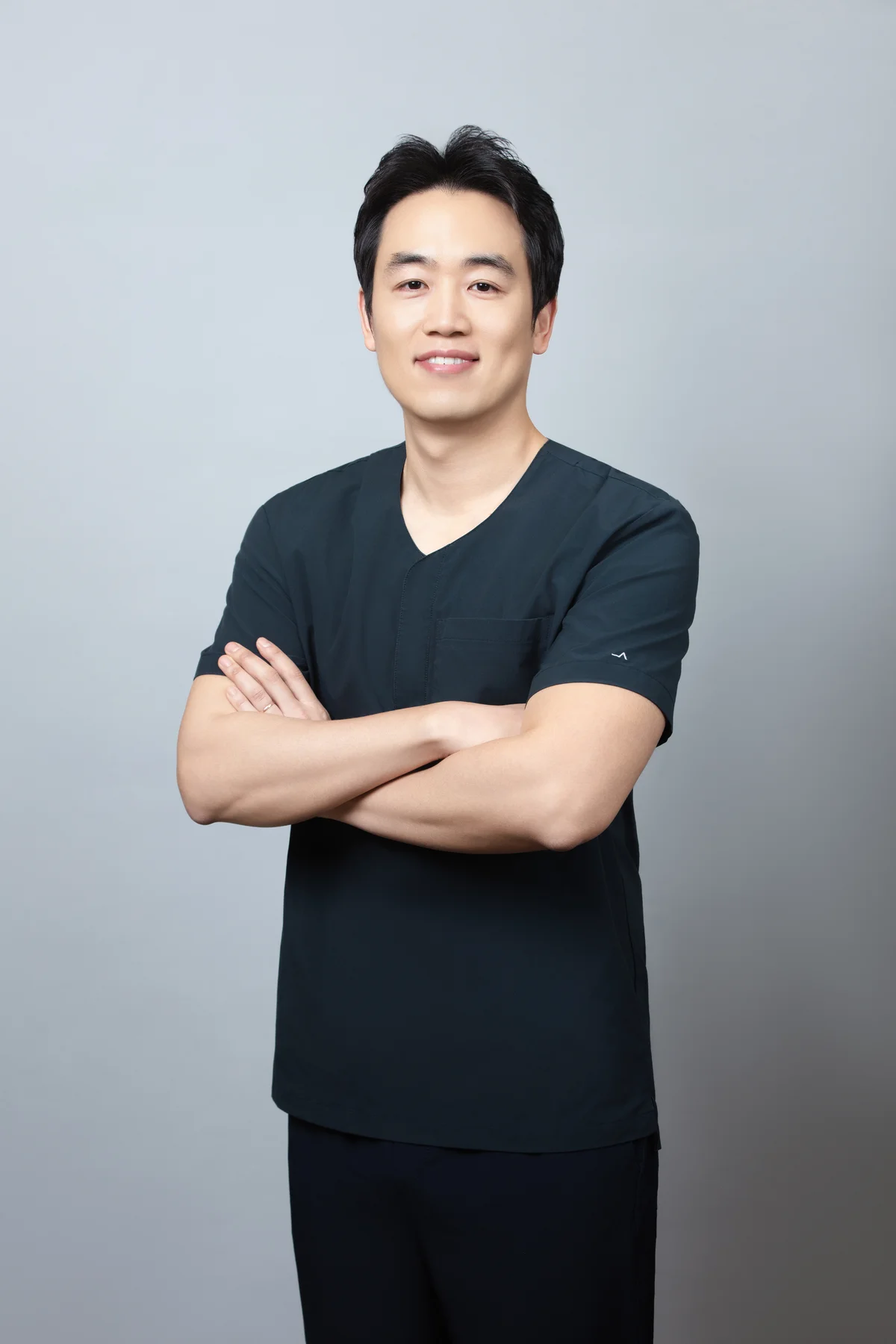
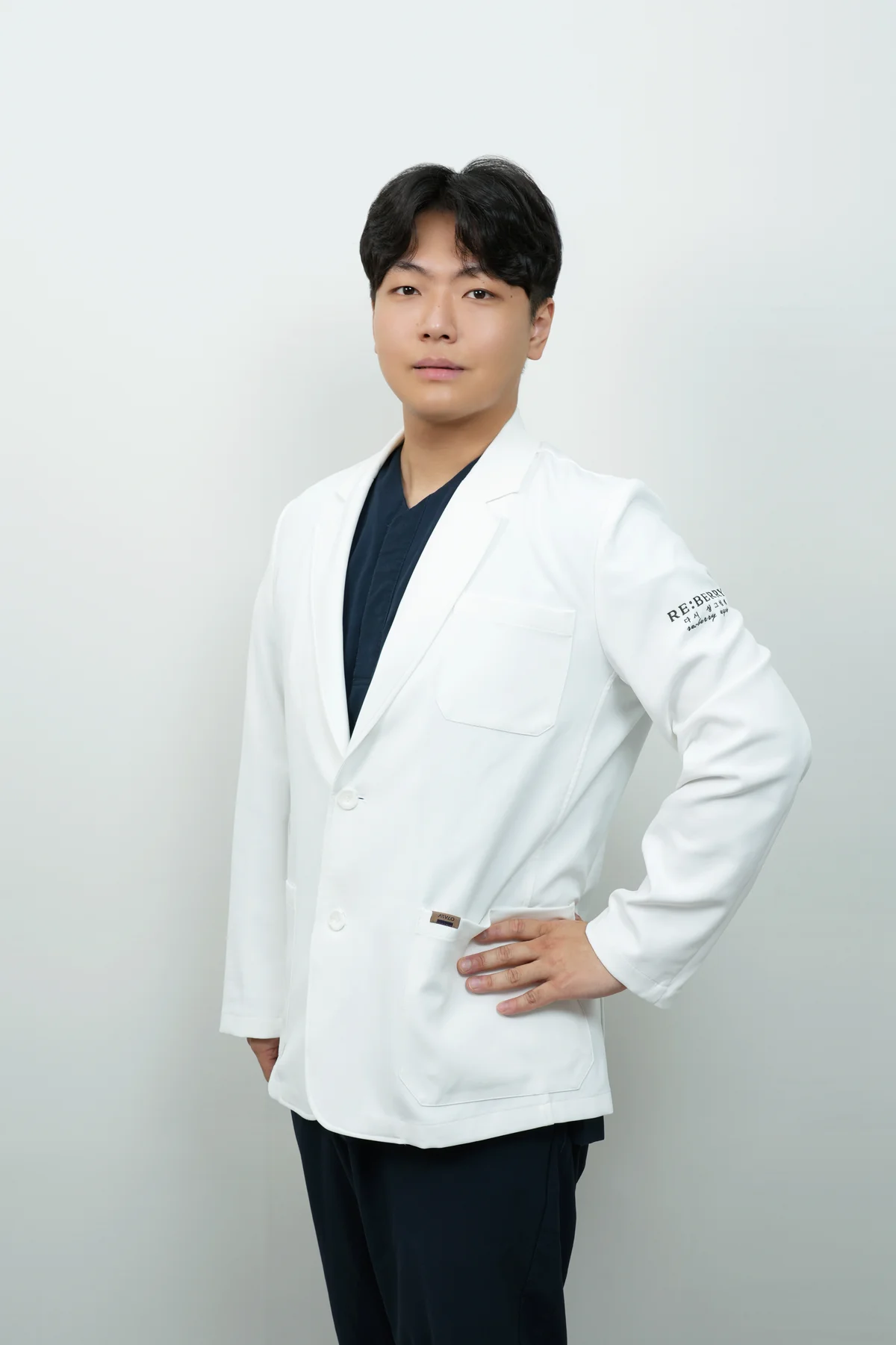
Dr. Yoon-Gon Ryu
Aesthetic Medicine Specialist
Flagship clinic · KOL for leading lifting & regenerative devices · Featured in Authority Magazine (2026)

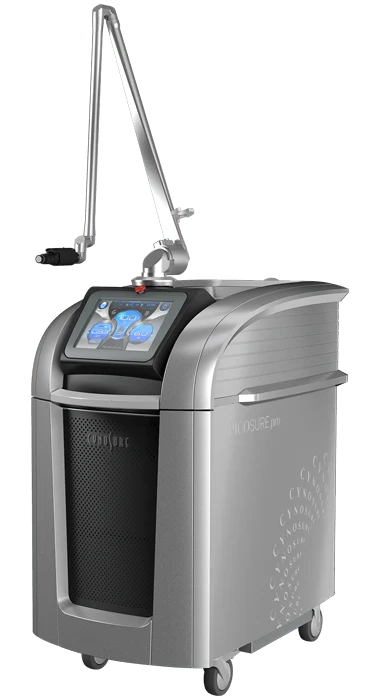
Laser tattoo removal shatters ink into fragments your body clears gradually, typically over multiple sessions spaced 6 to 8 weeks apart using picosecond or Q-switched lasers.
Tattoo removal in Gangnam, Seoul uses picosecond and Q-switched lasers to break ink into tiny particles your immune system clears over time. Most tattoos need several sessions spaced 6 to 8 weeks apart, with the exact number depending on ink, colour, depth, and skin type. On Asian skin, careful settings help lower the risk of temporary post-inflammatory hyperpigmentation.
One-on-One guidance from a dedicated doctor, ensuring your skin is professionally monitored and treated from start to finish.
Fluent assistance in English, Japanese, and Chinese, making communication clear, respectful and comfortable for international patients.
Over 100,000 patients worldwide have received our personalized dermatological care, highlighting our expertise and reliable results.
Laser tattoo removal is a non-surgical treatment that gradually fades or clears tattoo ink using targeted laser light. The laser delivers energy in extremely short pulses that shatter ink particles into fragments small enough for your body’s immune system to carry away over the following weeks. Because clearance is a biological process, a tattoo fades progressively across a series of sessions rather than disappearing after one visit.
At our Gangnam (Seoul) location, the clinic’s doctors assess your tattoo’s ink colours, density, age, depth, and your skin type before planning. Black and dark inks respond most predictably, while some colours such as green and light blue are more stubborn. Picosecond lasers deliver energy in trillionths of a second and can be efficient on difficult ink, while Q-switched lasers remain a proven workhorse; the right choice depends on your tattoo.
An honest expectation matters: on darker or Asian skin, laser removal carries a real chance of temporary post-inflammatory hyperpigmentation (PIH), where treated skin darkens for a period before settling. Conservative settings, correct spacing, and diligent sun protection reduce this risk. Reberry Clinic supports international patients in English, with our Gangnam (Seoul) location about 2 minutes from Gangnam Station exit 10; Dr. Yoongon Ryu and the clinic’s doctors set a realistic plan in person.
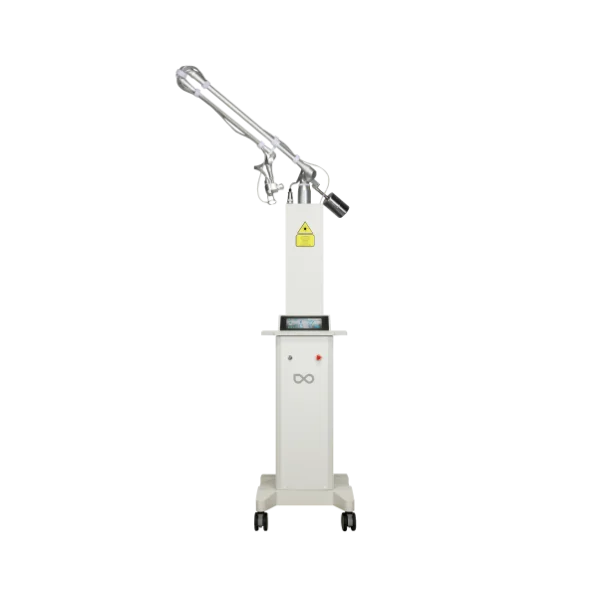
Laser tattoo removal works through photoacoustic effect, not by burning the skin. The laser emits ultra-short pulses of light tuned to wavelengths that tattoo pigment absorbs strongly; that rapid energy absorption fractures the ink into microscopic particles, which the body’s macrophages then clear through the lymphatic system over several weeks. This is why sessions are spaced 6 to 8 weeks apart, giving the body time to remove fragmented pigment before the next pass. Picosecond lasers fire in trillionths of a second, producing a stronger photoacoustic shattering with relatively less heat, which can improve clearance on resistant ink and, on pigment-reactive skin, may lower the chance of post-inflammatory hyperpigmentation compared with older devices. Q-switched Nd:YAG, alexandrite, and ruby lasers fire in billionths of a second and remain effective, with different wavelengths matched to different ink colours: 1064 nm for black and dark blue, 532 nm for red, and other wavelengths for greens and light blues. The doctor selects wavelength, pulse duration, and fluence for your specific tattoo and skin type to balance clearance against the risk of PIH or textural change.
One Reberry Clinic, multiple Seoul-area locations. Pricing & current promotions are listed on each branch's own site — tap a clinic to view pricing & book.
Our flagship in the heart of Gangnam.
In Seoul's shopping & tourism heart.
A beauty stop between flights.
The newest Reberry Clinic — in Seoul's trend district.
ONE REBERRY CLINIC · MFDS-REGISTERED DEVICES · MULTILINGUAL CARE AT EVERY LOCATION
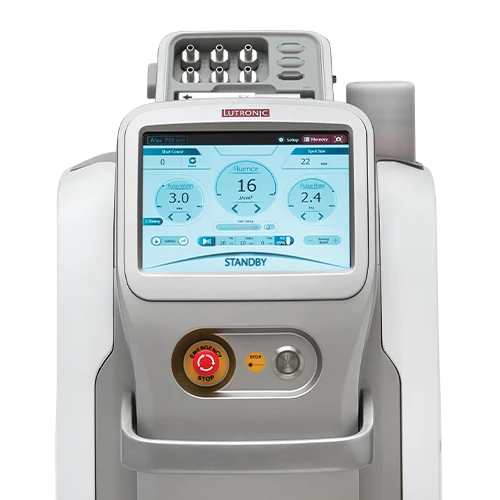

A doctor grades your tattoo by ink colour, density, depth, age, and skin type, factors that predict how many of the typical 5 to 15 sessions you may need.
A small test spot may be done, and topical anaesthetic is applied for about 20 to 30 minutes so the pulses are comfortable.
The laser fires ultra-short pulses in billionths to trillionths of a second, shattering ink into fragments during a session that often takes 5 to 20 minutes.
Over the next 6 to 8 weeks, your immune system carries away the fragmented pigment, so the tattoo looks visibly lighter before the next session.
Sessions repeat until the target fade is reached, with strict sun protection between visits to reduce the risk of temporary pigment changes.

Reberry Clinic · Prices verified: Oct 2026
| Clinic | Price (KRW) |
|---|---|
| Incheon Airportcoin size, 1 session | from₩70,000 |
VAT excluded · Final price depends on treatment scope and skin condition · Confirmed after consultation
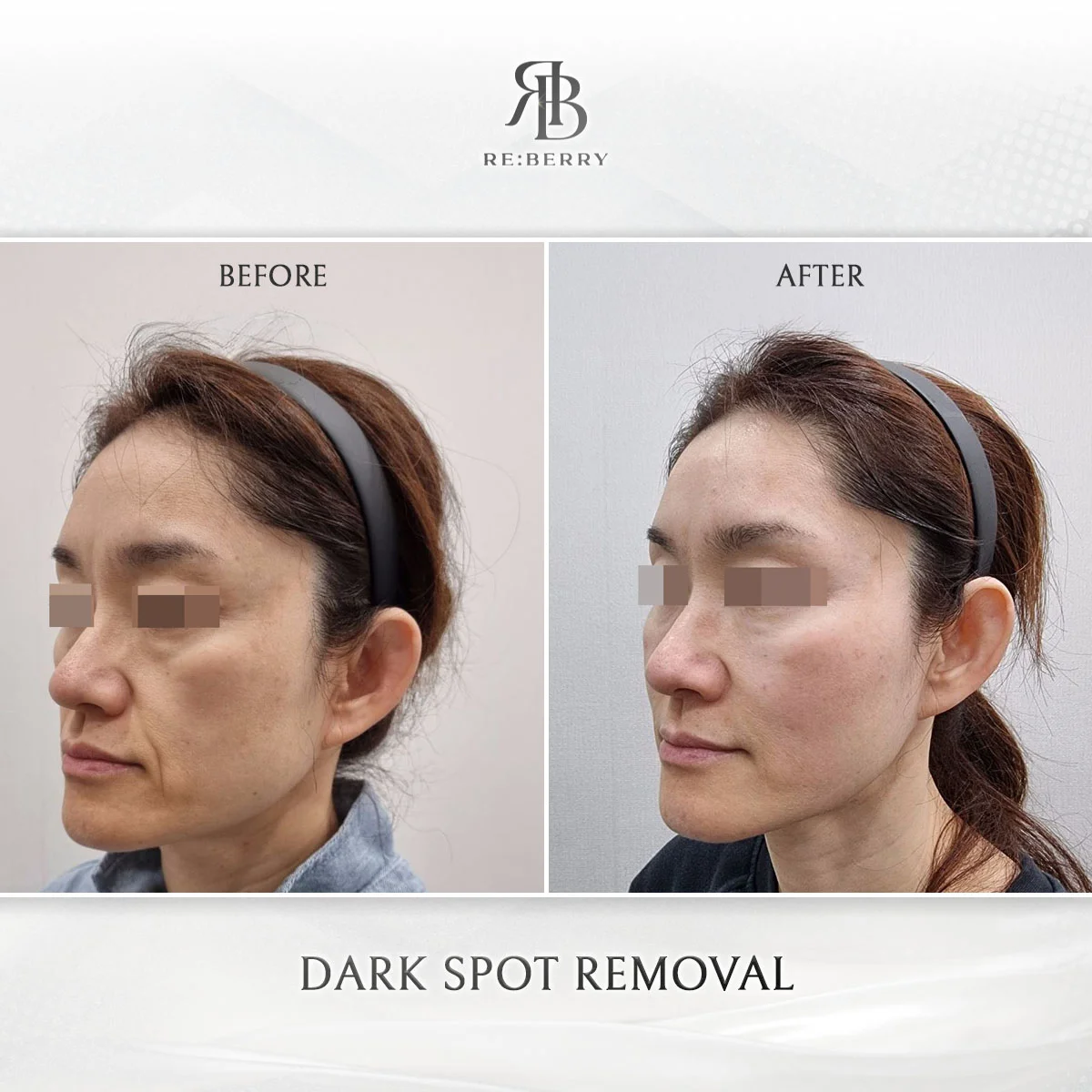
See representative outcomes from Reberry Clinic. Results build gradually and vary by individual; your plan is assessed at consultation.
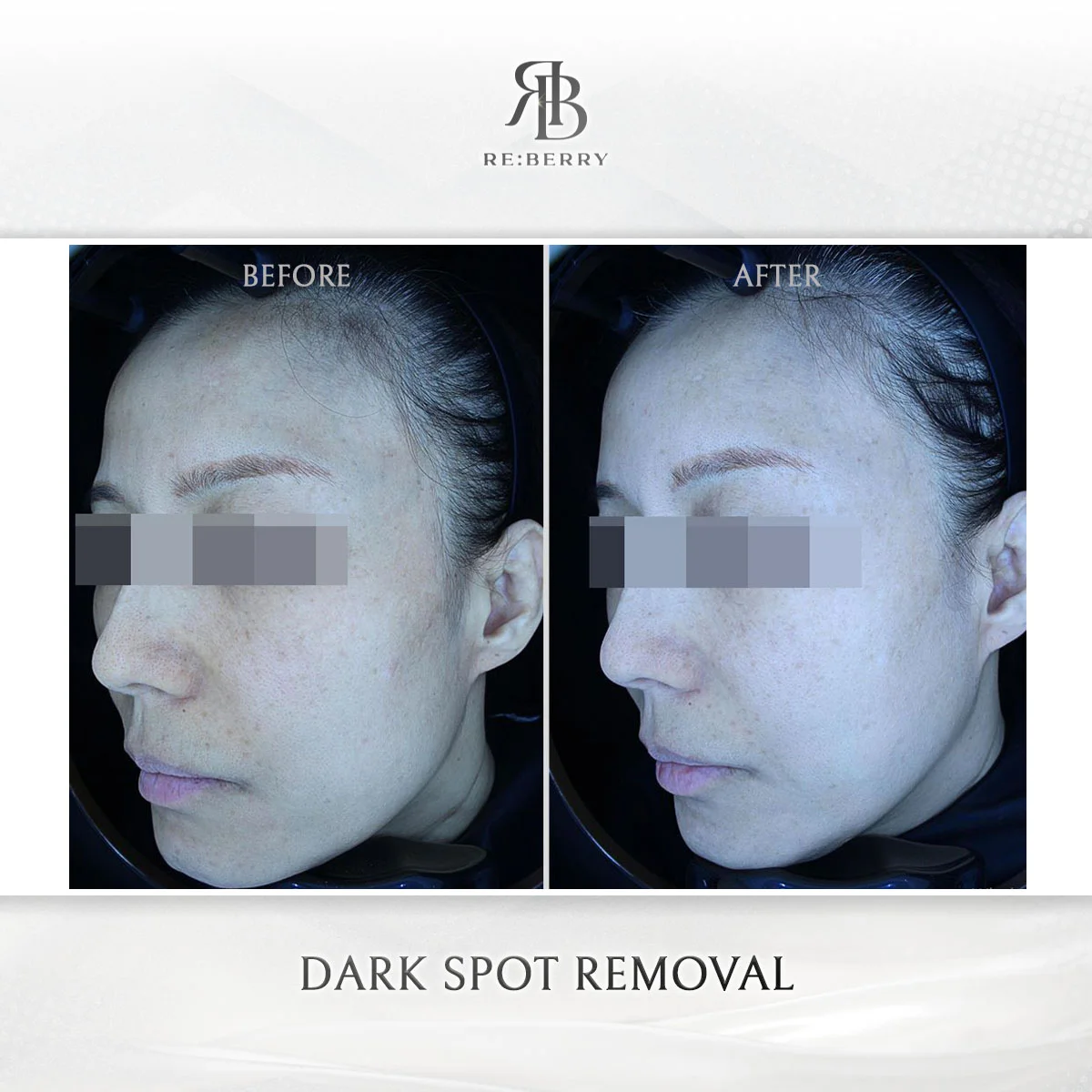
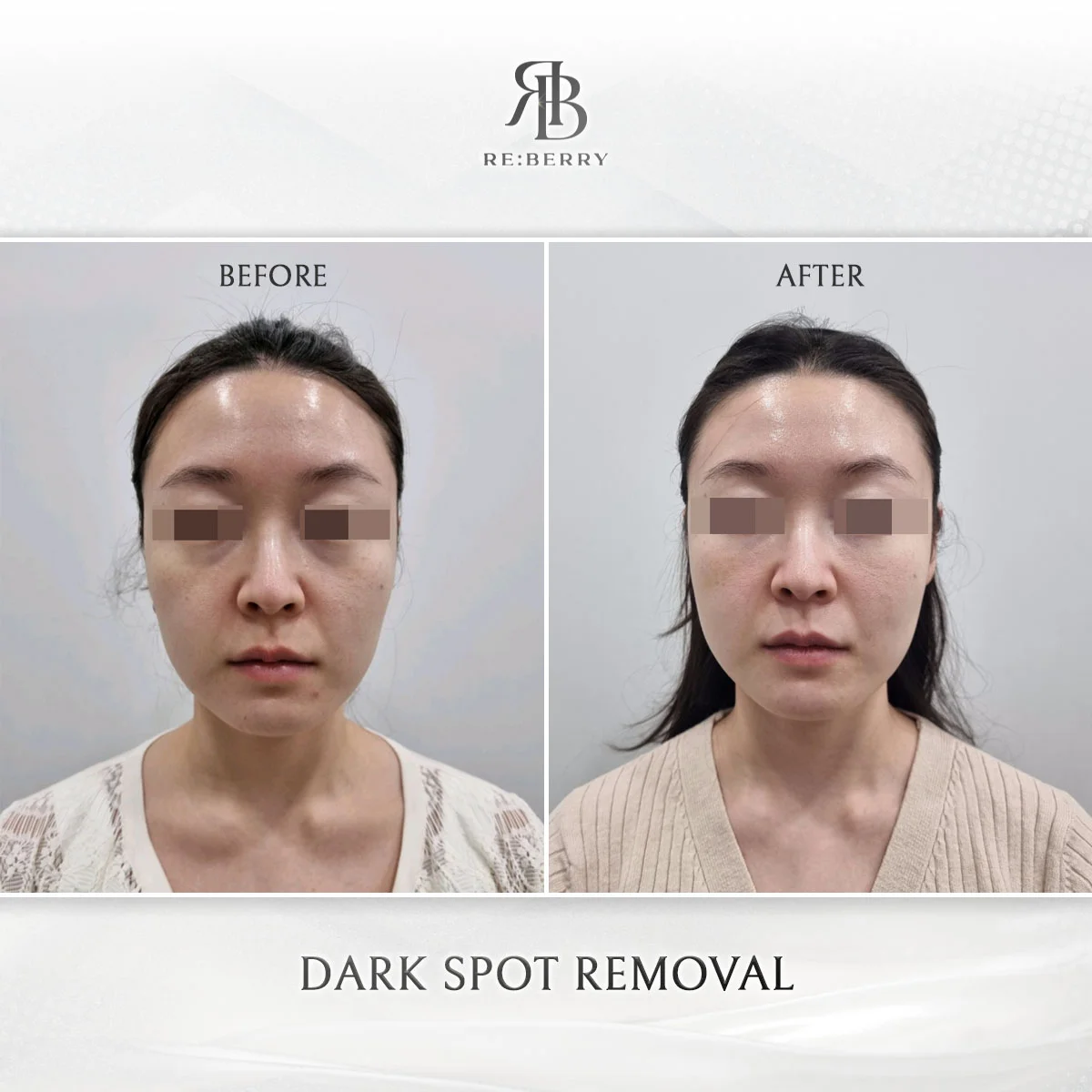
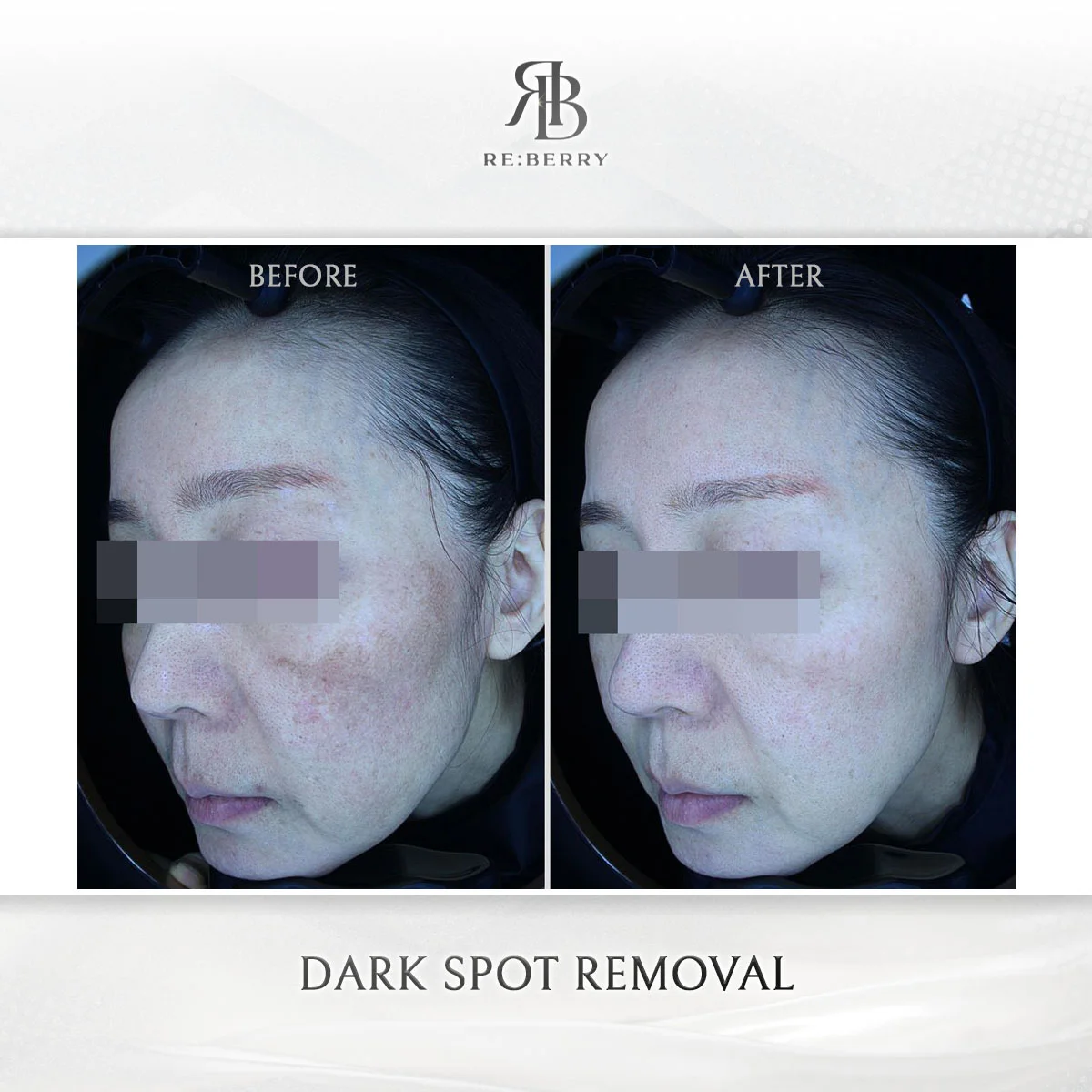
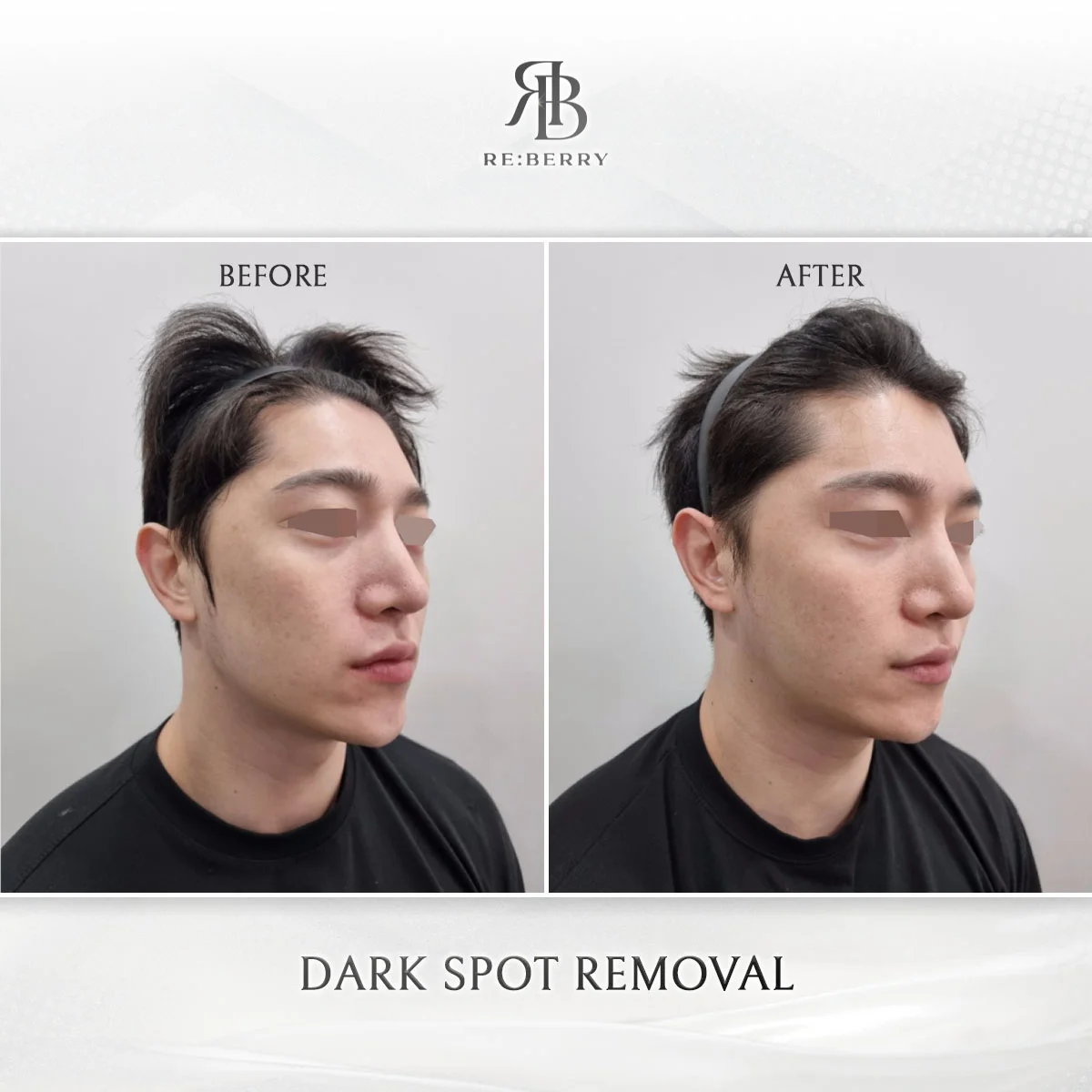
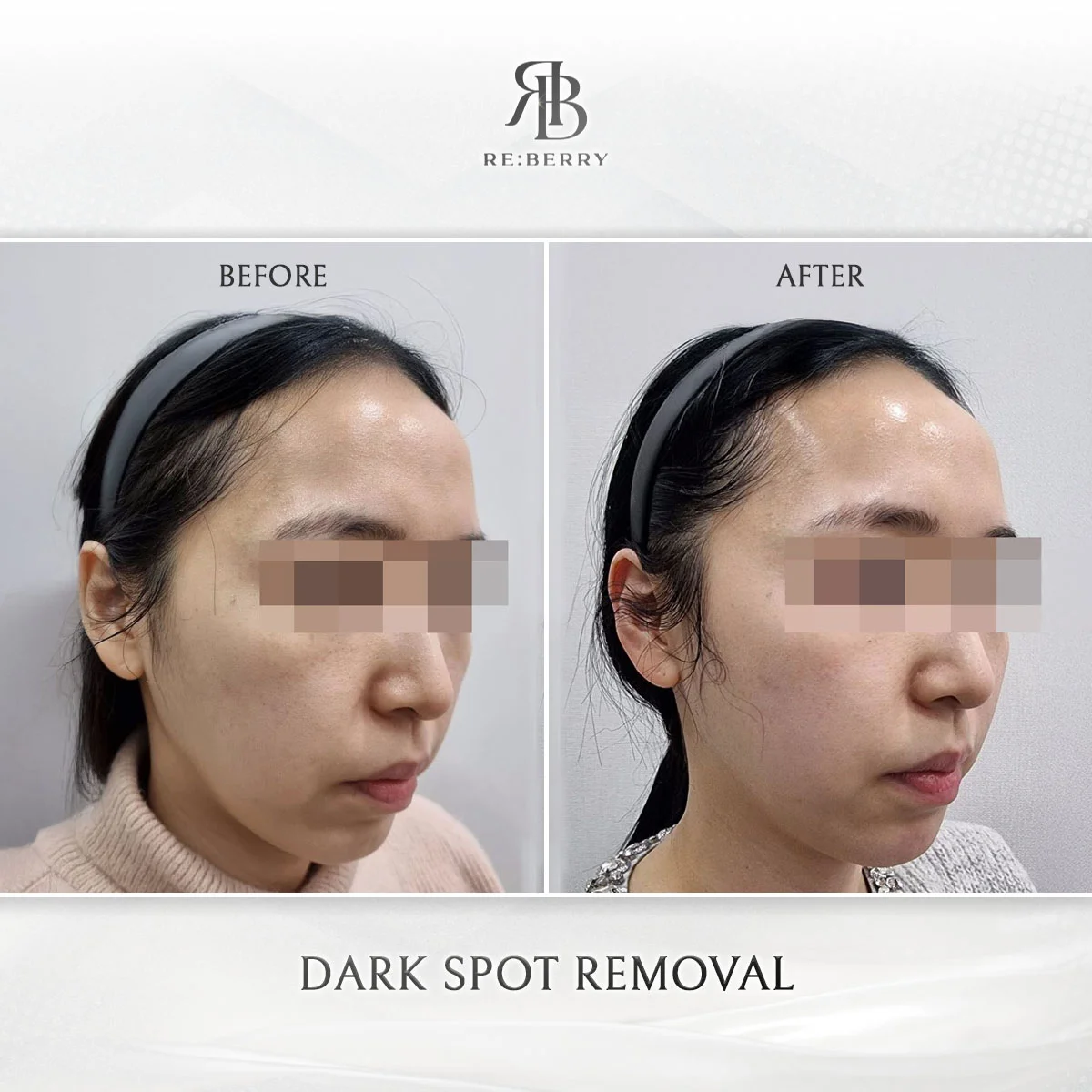
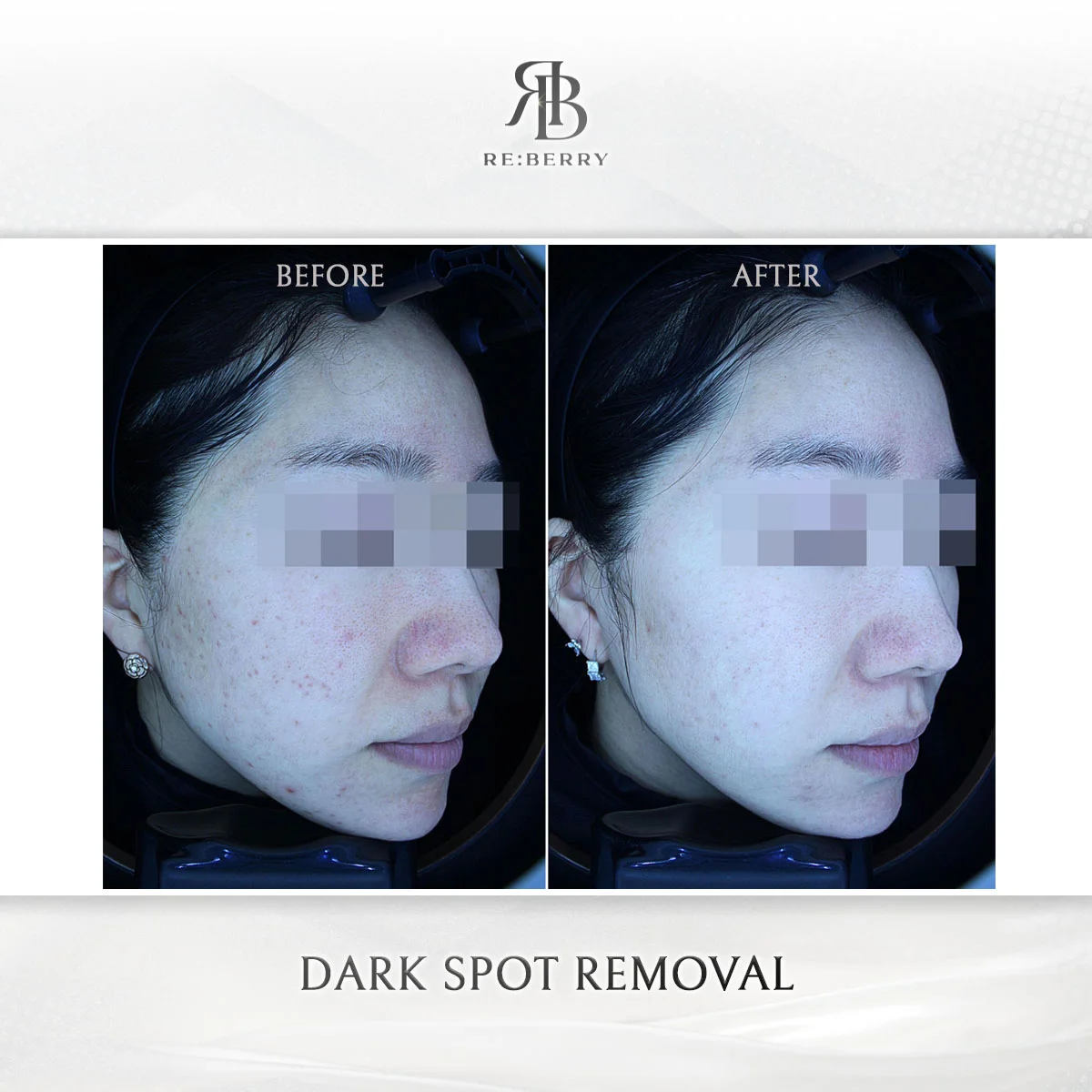
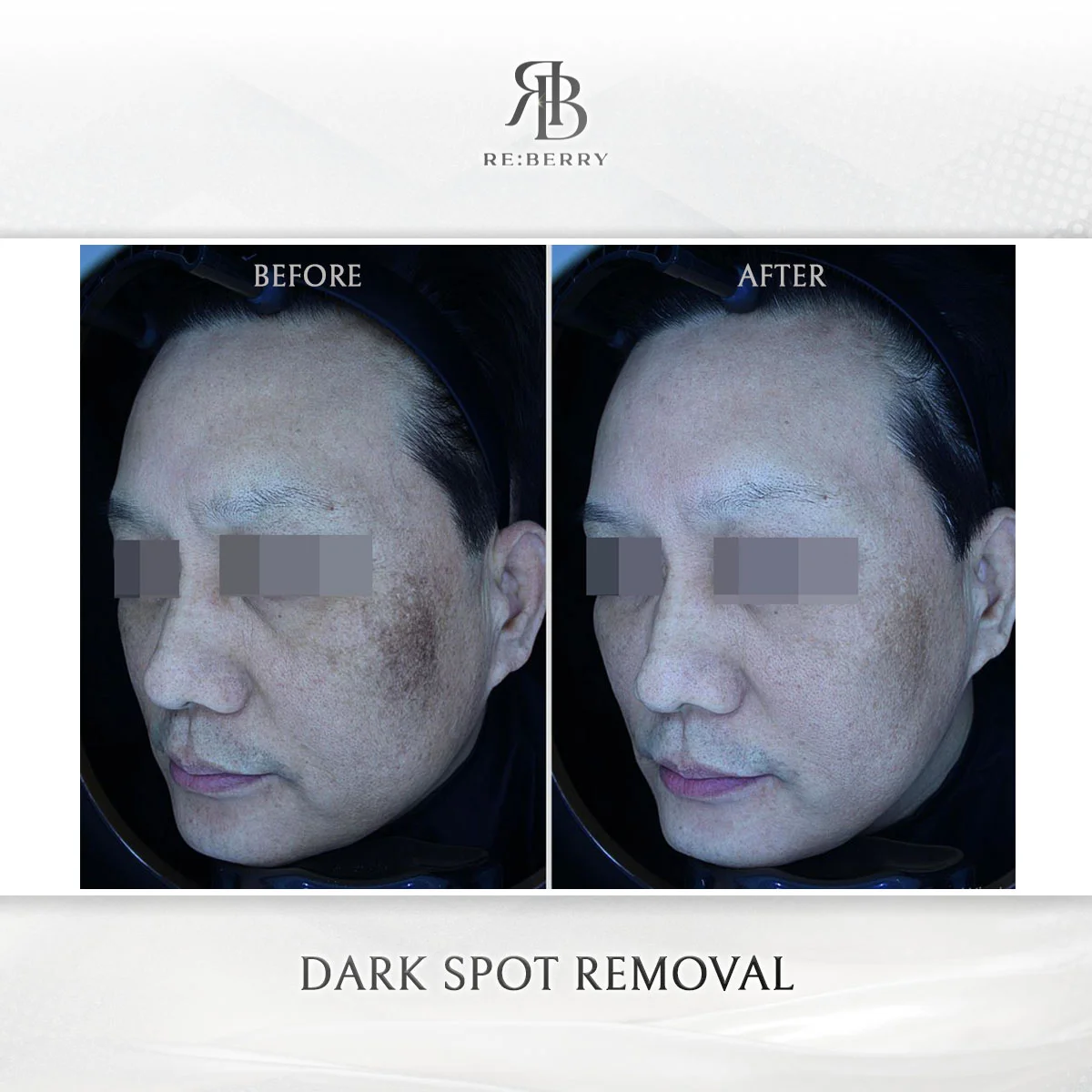
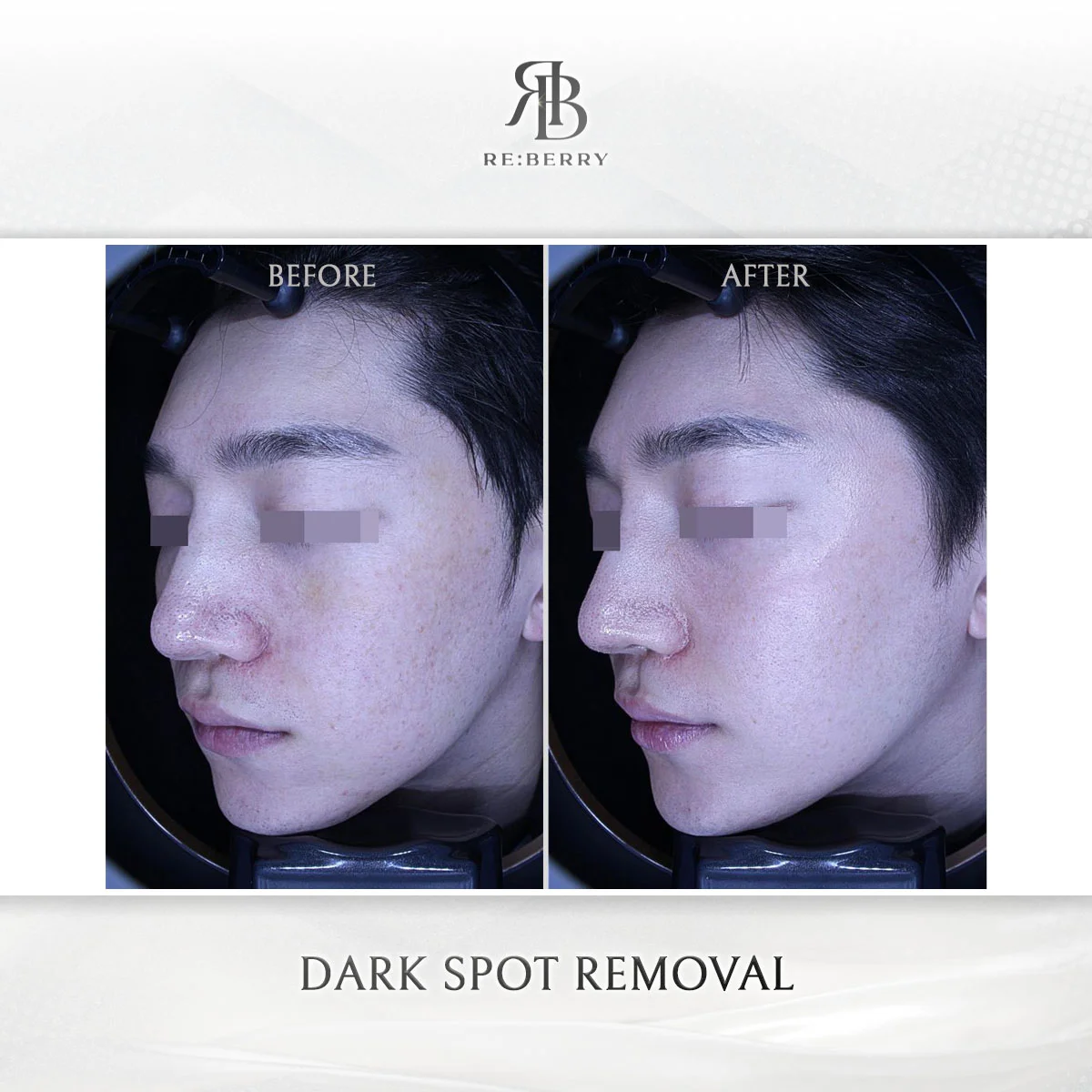
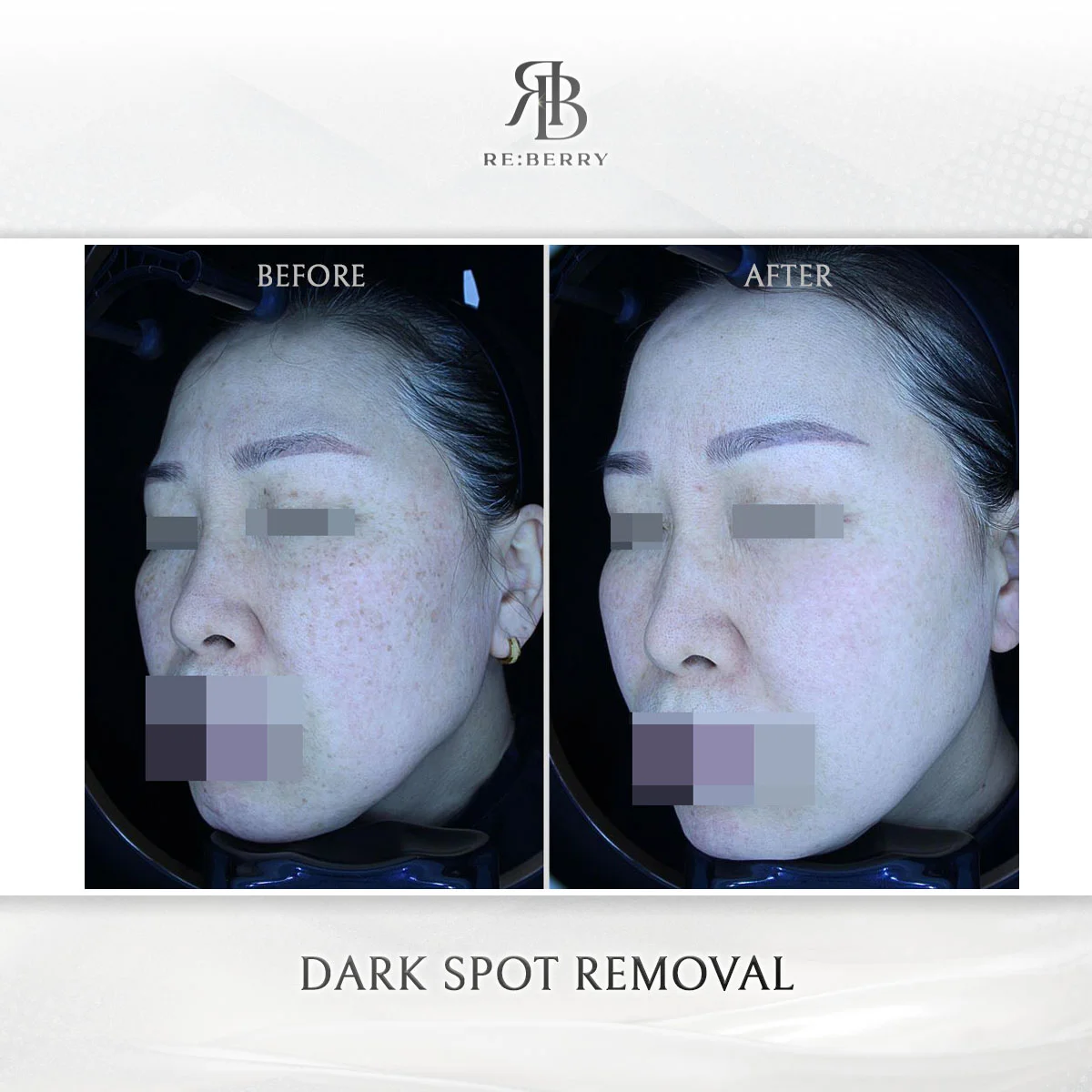
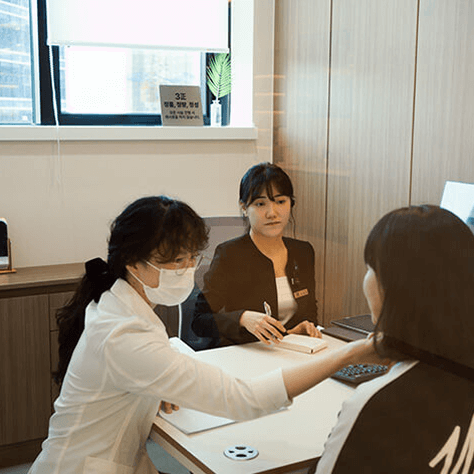
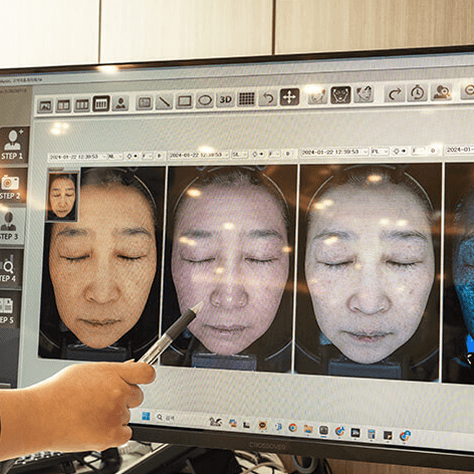
The clinic’s doctors assess your tattoo and skin type, then give an honest estimate of session count and PIH risk in English, as soon as possible.
After numbing, each laser session usually takes about 5 to 20 minutes depending on tattoo size, and treated skin frosts white briefly.
A full plan runs across several sessions spaced 6 to 8 weeks apart, so removal typically unfolds over several months rather than a single trip.
Ink fades progressively between visits as the body clears fragments, with the biggest changes often visible after the first few sessions.
Cleared ink does not return, but diligent sun protection and gentle aftercare between sessions are essential to limit temporary pigment changes.

Laser tattoo removal fires ultra-short pulses of light that shatter ink into microscopic particles, which your immune system clears over the following weeks. Because this is a biological process, the tattoo fades gradually across several sessions rather than vanishing at once. The doctor matches the laser wavelength to your ink colours and skin type for the safest clearance.
Yes, laser tattoo removal is performed at our Gangnam (Seoul) location, about 2 minutes from Gangnam Station exit 10, with English support for international patients. The clinic’s doctors, including Dr. Yoongon Ryu, assess your tattoo in person and plan a realistic course. You can explore the wider approach on our laser treatment page.
Most tattoos need several sessions, often in the range of 5 to 15, spaced 6 to 8 weeks apart, though the exact number varies. Predictive tools weigh ink colour, density, depth, tattoo age, and skin type. Amateur tattoos may clear faster, while dense, coloured, or professional work usually takes more sessions, confirmed at consultation.
Laser tattoo removal is often described as feeling like a rubber band snapping repeatedly, so topical numbing is applied for about 20 to 30 minutes first to keep it tolerable. Picosecond pulses can feel less painful than older lasers in some studies. Sessions are short, so any discomfort is brief and settles quickly afterwards.
Temporary post-inflammatory hyperpigmentation, where treated skin darkens for a period, is a real risk, especially on Asian or deeper skin tones. It usually fades over weeks to months and is reduced by conservative settings and strict sun protection. Your doctor discusses this honestly and may test a small area first to gauge your skin’s response.
Sessions are spaced about 6 to 8 weeks apart so your body has time to clear the fragmented ink through the lymphatic system between passes. Treating too soon does not speed clearance and can raise the risk of skin reactions. This spacing is why full removal usually takes several months rather than a few weeks.
Black and dark inks respond most predictably, while colours such as green, light blue, and some yellows are more stubborn and may need extra sessions. Complete clearance cannot be assured for every colour. Multi-wavelength laser treatment widens the range, and the doctor sets realistic expectations for your ink.
Yes, treated skin typically frosts white briefly, then may be red, swollen, and form small scabs or blisters over several days. You keep the area clean, apply prescribed ointment, and avoid picking as it heals. Between the 6 to 8 week sessions, most people carry on normally while protecting the area from sun.
Picosecond lasers deliver energy in trillionths of a second, producing a stronger shattering effect that can clear resistant ink in fewer sessions for some tattoos. They may also reduce pigment side effects on reactive skin. Whether picosecond, Q-switched, or a combination suits you best is decided after the doctor examines your tattoo.
Modern lasers target ink rather than surrounding tissue, so scarring is uncommon when settings and aftercare are correct. However, pre-existing scarring from the original tattooing can become more visible as ink clears. People prone to keloids should tell their doctor first so a cautious approach and careful aftercare can be planned.
Removal sessions are usually kept separate from other treatments on the same skin so healing is not overloaded, but a broader plan can run alongside on other areas. Your doctor sequences everything safely. A supportive skin care routine and sun protection between sessions help your skin recover well.
Most healthy adults wanting to fade or clear a tattoo are suitable, provided they have realistic expectations and protect the area from sun. A consultation assesses your ink, skin type, and PIH risk before planning laser treatment. Pregnancy, active infection, a fresh tan, or keloid tendency may require deferral.
Yes, skin type strongly shapes the plan because deeper tones need conservative settings to reduce post-inflammatory hyperpigmentation, the same care used in dark spot removal. Your doctor may choose specific wavelengths, lower fluence, and wider spacing for pigment-reactive skin, and might test a small area first.
Cost depends on the tattoo’s size, ink complexity, and how many sessions your plan needs, so it is quoted as a course at consultation rather than a single fixed price. Larger, more colourful tattoos cost more overall. The clinic’s doctors explain your individual, transparent cost in English before you start.
A single session is quick, so 1 to 2 days is usually enough for a consultation and one treatment. Because full removal needs several visits weeks apart, many international patients start in Seoul and continue across return trips. Our English-speaking team helps schedule sessions around your travel.
Yes, flying within a day or so is generally fine after a laser session, as it is non-surgical, but the treated skin will be tender and may blister or scab. Keep it clean, covered, and out of the sun during travel. Follow your doctor’s aftercare closely, especially avoiding sun on the healing area.
International patients can begin removal in Seoul and return for further sessions on the 6 to 8 week schedule, and our English-speaking team keeps your treatment notes on file for continuity. Between trips you protect the area and continue gentle skin care. The doctor adjusts the plan based on how each session fades.
| Picosecond Laser | Q-Switched Nd:YAG | Multi-Wavelength Q-Switched | |
|---|---|---|---|
| Mechanism | Trillionth-of-a-second pulses, strong photoacoustic shattering | Billionth-of-a-second 1064/532 nm pulses | Multiple wavelengths for a wider colour range |
| Best for | Resistant ink and pigment-reactive skin | Black and dark ink on many skin types | Multi-coloured tattoos with greens and blues |
| PIH risk on Asian skin | Can be lower with correct settings | Present, managed with conservative fluence | Varies by wavelength and setting |
| Sessions | Often fewer for stubborn ink | Multiple, matched to ink and depth | Multiple, depends on colour mix |
| Downtime | Frosting, redness, scabbing for days | Frosting, redness, scabbing for days | Frosting, redness, scabbing for days |
| Cost factors | Depends on tattoo size, ink, and session count | Depends on tattoo size and session count | Depends on colour complexity and sessions |
Real verified reviews from our Google Business Profile, across all Reberry Clinic locations.
PULLED LIVE FROM GOOGLE · GANGNAM · MYEONGDONG · INCHEON AIRPORT
Your treatment is planned and performed by experienced, MFDS-registered doctors across our Seoul-area clinics, with multilingual support for international patients.
Flagship clinic · KOL for leading lifting & regenerative devices · Featured in Authority Magazine (2026)
Multilingual tourist care beside Myeongdong Cathedral
Fast, effective care 20 minutes from the terminals
Message us on WhatsApp for a free consultation in English about laser tattoo removal at our Gangnam (Seoul) location.