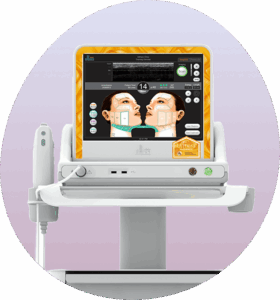


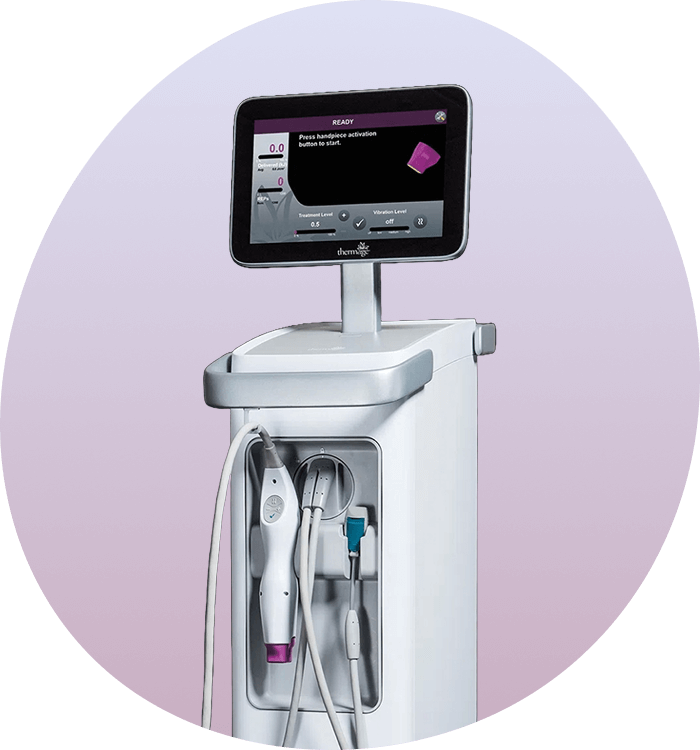
Choose Thermage FLX if you want non-invasive firming with no needles and almost no downtime; choose InMode radiofrequency microneedling if you want fractional treatment of texture, mild laxity and deeper remodeling and can accept a short recovery. Thermage FLX uses monopolar radiofrequency, while InMode platforms use bipolar radiofrequency, often delivered through fine microneedles. Neither replaces surgery, and a consultation confirms the right match for your skin.
If you are researching radiofrequency skin tightening in Seoul, two names come up repeatedly: Thermage FLX and InMode. Both rely on radiofrequency energy, so they are easy to confuse, yet they reach the skin in very different ways. One sends energy across the surface from a single large tip; the other concentrates energy between paired electrodes, frequently through tiny needles that pierce the skin. That single engineering difference shapes how each treatment feels, what it targets, how much recovery it needs and how it fits into a trip to Korea.
This guide compares the two technologies side by side, explains the physics in plain language, and walks through candidacy, the session experience, downtime, results and the qualitative factors that affect cost. It closes with the practical questions international patients most often ask before booking a tightening treatment in Seoul, so you arrive at your consultation already knowing which questions matter for your skin and your schedule.
Two Forms of Radiofrequency, One Shared Goal
The core distinction is how each device delivers radiofrequency, and everything else follows from it. Thermage FLX uses monopolar radiofrequency: a single electrode in the treatment tip sends energy into the skin while a return pad elsewhere on the body completes the circuit. That arrangement lets the energy travel relatively deep and spread broadly through the dermis, bulk-heating tissue without breaking the skin surface, which is why Thermage is described as fully non-invasive.
InMode is a platform of devices rather than a single machine, but its tightening tools use bipolar radiofrequency, where energy passes between two closely spaced electrodes. On the well-known InMode RF microneedling handpiece, those electrodes sit on the tips of fine needles that penetrate to a set depth, so the energy is concentrated in a focused fractional pattern within the dermis and subdermal layer rather than spread across the whole surface. Other InMode handpieces deliver bipolar RF over the skin without needles for gentler surface heating.
Both share an important limit worth stating plainly. Each depends on controlled heat and your own collagen response, so neither removes significant sagging the way a surgical lift can. They are tools for firming mild-to-moderate laxity and improving skin quality, and they perform best when expectations are realistic and matched to the right concern. Korea’s clinics offer the full InMode RF range alongside Thermage, so the practical question is which suits your goals, not which is generally stronger.
Side-by-Side Comparison
The table below summarizes the practical differences patients ask about most, so you can scan the contrast at a glance. Individual results vary with age, skin condition, treatment area and the settings a clinician chooses, so read these rows as general guidance rather than fixed outcomes. Your own plan is confirmed in person after a skin assessment at the clinic.
| Factor | Thermage FLX | InMode RF (e.g. microneedling) |
|---|---|---|
| Modality | Monopolar radiofrequency (non-invasive) | Bipolar radiofrequency, often via fractional microneedles |
| How energy is delivered | Single electrode over the surface, broad bulk heating | Energy between paired electrodes, focused at set needle depth |
| Skin surface | Intact; no needles, no breaks | Tiny needle channels in microneedling mode |
| Main effect | Overall firming and contour tightening | Texture, pores, mild laxity and deeper remodeling |
| Sensation | Brief heat pulses with cooling and vibration | Pressure and heat after numbing; microneedling felt as pricks |
| Downtime | Minimal; mild redness for hours | Redness, pinpoint marks or swelling for a few days |
| Sessions | Commonly a single session, repeated periodically | Often a short series, spaced a few weeks apart |
| Results onset / duration | Gradual over about two to six months | Builds over weeks to months across the series |
| Well suited to | Whole-face or jawline firming with no downtime | Texture, acne scarring, pores plus mild laxity |
What Each Treatment Targets
Because the two devices deliver energy differently, they tend to suit different concerns. Thermage FLX’s strength is broad, non-invasive firming. By bulk-heating the dermis across a whole area, it is a common choice for people who want an overall tightening of the cheeks, jawline or under-chin without any needles or meaningful recovery. It is less about surface texture and more about contour and firmness, which appeals to patients prioritizing convenience and a no-downtime profile.
InMode radiofrequency microneedling is more focused and versatile on skin quality. Because the needles create controlled micro-channels while delivering bipolar RF at depth, it addresses texture, enlarged pores, acne scarring and mild laxity in the same treatment, prompting both surface renewal and deeper collagen remodeling. People drawn to it often have a combination of concerns rather than firmness alone, and they accept a few days of recovery in exchange for that broader effect.
Neither device performs the role of a filler, a thread or a surgical lift. For volume loss a clinician might discuss collagen stimulators or fillers; for more pronounced sagging they may raise surgical or thread-based options such as a thread lift. Mapping your specific concern to the matching tool is exactly what a consultation is for, and it is far more productive than asking which machine is generally more powerful.
How the Technology Works Under the Skin
Both treatments work by heating the dermis to a temperature that nudges the body’s repair process into action. Collagen is the structural protein that gives skin its firmness, and it naturally declines with age, sun exposure and time. Controlled heat creates a mild, intentional stress signal in the dermis that prompts fibroblasts to lay down fresh collagen, a gradual biological response rather than an instant mechanical change.
Thermage FLX delivers that heat with monopolar radiofrequency and a single large tip, so the dermis is bulk-heated broadly while a vibrating, cryogen-cooled surface protects the skin and improves comfort during each pulse. Because energy spreads across the whole treated zone, the firming response is even and area-wide, and the skin surface stays intact throughout, which is what makes Thermage a fully non-invasive option suited to travelers.
InMode’s bipolar approach concentrates energy between closely spaced electrodes. In microneedling mode, those electrodes ride on needle tips that reach a chosen depth, so heat is deposited in precise fractional columns within the dermis and subdermal layer, with untreated skin between each column to speed healing. This focused, fractional delivery is why InMode can address texture and scarring as well as firmness, and why it leaves brief surface marks that Thermage does not.
This difference in physics explains why neither result is instant. Collagen synthesis unfolds over weeks to months, so visible change tends to trail the appointment rather than appear the same day. With Thermage the change emerges as bulk-heated collagen contracts and remodels; with InMode it builds across a short series as each fractional treatment adds to the response. That gradual arc is normal and expected, and clinicians frame both treatments around realistic timelines.
Who Is and Isn’t a Good Candidate
Good candidates for either treatment generally have mild-to-moderate laxity, want a non-surgical option, and have realistic expectations about gradual change. People in their thirties through fifties noticing early looseness, a softer jaw contour, duller texture or enlarged pores often see these treatments as a sensible step. The choice between them usually comes down to whether your priority is broad firming with zero downtime or combined texture-and-laxity work with a few recovery days.
Some people are better served by other routes or need extra caution. Those with very advanced sagging may find energy-based tightening underwhelming and may be guided toward surgical consultation instead. Radiofrequency treatments are typically avoided with certain implanted electronic devices and during pregnancy, and any active skin infection, recent procedures or specific skin conditions in the treatment area should be disclosed beforehand. Microneedling additionally warrants care around active acne or a tendency to keloid scarring. Your clinician reviews medical history to confirm suitability.
The checklist below frames the conversation. It is a starting point for your consultation, not a substitute for a professional assessment, since the right answer depends on your skin in person and the area you most want to address.
- Mainly want broad firming of the face or jawline with no needles and no downtime: monopolar Thermage FLX is worth discussing.
- Want to treat texture, pores or acne scarring together with mild laxity: InMode RF microneedling may suit you better.
- Prefer a single focused appointment with change that builds over months: a single Thermage FLX session may appeal.
- Can accept a few days of redness and pinpoint marks in exchange for a broader effect: an InMode series fits that trade-off.
- Have an implanted electronic device, are pregnant, or have an active skin issue in the area: raise this early so the clinician can advise safely.
The Session Experience, Step by Step
A visit for either treatment follows a broadly similar shape. It begins with a consultation and quick skin analysis so the clinician can understand your concern, confirm candidacy and explain the plan. The face is then cleansed, and numbing is applied; for Thermage a topical cream helps with comfort, while InMode microneedling generally calls for more thorough topical anesthesia because the needles penetrate the skin. The clinician selects energy settings suited to your skin and area before starting.
During Thermage FLX, the handpiece delivers brief, repeated pulses of heat across the area in a grid-like pattern, each pulse paired with cooling and a gentle vibration to ease the sensation, with no break in the skin. An InMode microneedling session instead presses the needle tip into the skin region by region, delivering bipolar RF at the chosen depth; patients feel pressure and warmth rather than the surface heat of Thermage. Session length depends on the area covered and the protocol chosen.
Afterward, the skin is soothed and protected. For both treatments the clinician applies or recommends a soothing product and sunscreen and outlines aftercare. After Thermage most people resume normal activities the same day, while after InMode microneedling the skin needs a short, gentle recovery. Because settings and area vary from person to person, the exact duration and number of passes are decided on the day rather than fixed in advance, which is why a personal assessment matters.
Downtime, Aftercare and the Recovery Timeline
The downtime profiles differ, and this is often the deciding factor for travelers. Thermage FLX is designed for minimal downtime: most people leave with at most mild, transient redness that settles within hours, and can usually return to normal activities and makeup the same day. That makes it well suited to a tight itinerary where you want to resume sightseeing or meetings immediately after the appointment.
InMode radiofrequency microneedling involves a short recovery. Redness, mild swelling, a sandpaper-like texture or pinpoint marks are common for a few days as the micro-channels heal, and gentle aftercare matters: keep the skin clean and moisturized, use sunscreen diligently, and it is commonly advised to avoid heavy makeup, saunas, very hot showers and intense exercise for a couple of days. These are general comfort measures the clinic tailors to you rather than strict universal rules.
Whichever treatment you choose, the clinic’s own aftercare instructions take priority over anything general, because they are tailored to your skin and the settings used. If anything feels unusual, such as prolonged swelling, persistent discomfort or any reaction you did not expect, contact the clinic promptly so they can advise. Following the guidance closely is the simplest way to support a smooth recovery and protect your result.
When Results Appear and How Long They Last
Results do not last forever, because skin continues to age and laxity gradually returns over time. With Thermage FLX, a little tightening may be noticeable soon after, but the meaningful firming develops over roughly two to six months as bulk-heated collagen contracts and remodels. Because it is often a single session, the effect is judged over those months rather than after the appointment, and a maintenance session may be considered later.
InMode results build differently because the treatment is usually a short series. Each session adds to the collagen and texture response, so improvement accumulates over the weeks and months across the course rather than peaking after one visit. Texture and pore changes often become apparent earlier than the firming, which continues to develop as remodeling proceeds. Patience across the series is part of the experience.
How long any result holds depends largely on factors outside the treatment itself: your age, baseline skin condition, sun exposure, skincare habits and lifestyle all play a part. Diligent sun protection and a consistent routine help preserve the improvement. A clinician can give a more realistic, personalized estimate after evaluating your skin, rather than a single number that applies to everyone.
Scientific evidence
Peer-reviewed studies support the idea that controlled radiofrequency heat can stimulate measurable collagen change in the dermis, with both monopolar and bipolar approaches showing benefit on the concerns they target. For monopolar radiofrequency relevant to Thermage FLX, a histometric analysis by Suh and colleagues examined facial laxity treatment and found objective increases in collagen fiber density. Papillary dermal collagen density rose from 0.736 before treatment to 0.773 afterward (P = .018), and lower reticular dermal density rose from 0.652 to 0.686 (P = .045), alongside improved collagen and elastic fiber architecture.
A prospective study of temperature-controlled monopolar radiofrequency for submental laxity reinforced that a single session can produce objective tightening, reporting measurable surface-area reduction sustained for at least several months after one treatment at a controlled subdermal temperature. These findings align with the slow, remodeling-driven timeline patients experience with Thermage FLX, where change builds gradually over roughly two to six months as heated collagen contracts and reorganizes.
For bipolar fractional radiofrequency relevant to InMode, a review of dermatologic facial applications of fractional RF microneedling by Hendricks and colleagues summarized clinical use across laxity, texture and scarring, describing collagen and elastin remodeling with high reported satisfaction and a favorable safety profile when performed appropriately. A separate study of adjustable-depth fractional radiofrequency combined with bipolar RF documented improvement in skin laxity as a minimally invasive option. Across these studies the shared principle holds: controlled dermal heating prompts a gradual collagen response that is individual and well supported by realistic expectations, and none describe a permanent result or a fixed outcome that applies to everyone.
Suh DH, Choi JH, Lee SJ, et al. Monopolar radiofrequency treatment for facial laxity: Histometric analysis. Journal of Cosmetic Dermatology. 2020;19(9):2317-2324. doi:10.1111/jocd.13449
Hendricks AJ, Farhang SZ. Dermatologic facial applications of Morpheus8 fractional radiofrequency microneedling. Journal of Cosmetic Dermatology. 2022;21(10):4282-4288. doi:10.1111/jocd.15231
Dayan E, Burns AJ, Rohrich RJ, Theodorou S. Adjustable Depth Fractional Radiofrequency Combined With Bipolar Radiofrequency: A Minimally Invasive Combination Treatment for Skin Laxity. Aesthetic Surgery Journal. 2019;39(Suppl_3):S112-S119. doi:10.1093/asj/sjz055
Combining, Sequencing and What Affects Cost
These treatments are not mutually exclusive. Because monopolar bulk heating and fractional bipolar microneedling act on somewhat different targets, some patients use them at different points in a longer plan, for example addressing texture and pores with InMode while supporting whole-area firmness with Thermage. Any combination should be planned and spaced by a qualified clinician, who will factor in your skin type, history and recovery preferences before recommending intervals.
For deeper structural lifting goals, your clinician might also mention ultrasound-based options such as Ultherapy Prime, since it reaches the SMAS layer and can complement, rather than replace, the radiofrequency treatments compared here. The aim is to map your priorities to the right energy at the right time, not to chase every available device on the market.
On cost, prices are confirmed during consultation rather than assumed, and several qualitative factors influence them. With Thermage the number of pulses delivered and the area treated are central; with InMode the number of sessions in the series, the depth and area, and any combination with other treatments matter. Because plans are individualized, a transparent quote after your assessment is more reliable than any generic figure you might see online.
Planning Treatment in Seoul as an International Patient
Seoul is a practical place to consider these treatments, partly because clinics are used to international visitors and partly because logistics can be aligned with a trip. Reberry Clinic supports international patients with multilingual staff (English, Simplified Chinese, Traditional Chinese, Japanese and Spanish), which makes consultations, candidacy questions and aftercare instructions far easier to follow when you are away from home and want to understand exactly what is happening to your skin.
The clinic operates three Seoul-area locations (Gangnam, Myeongdong and Incheon Airport), so you can often choose the branch that suits your route, whether that means a central Seoul visit or a stop tied to your arrival or departure. During your consultation the clinic’s doctors review your concerns, explain realistic expectations for each modality, and outline any pre-care or aftercare steps relevant to your travel dates.
If you are planning a short stay, downtime should guide your timing. A single Thermage FLX session can usually fit one trip with its gradual results unfolding after you return home, while an InMode microneedling series and its few recovery days may need more deliberate scheduling, perhaps starting the course in Korea and continuing at home. Sharing your travel window with the clinic early lets the team suggest a realistic plan rather than rushing treatments into a schedule that does not suit your skin or your itinerary.
Influencers with Reberry




















Planning a visit? A short consultation can clarify whether non-invasive Thermage FLX, InMode radiofrequency microneedling, or a thoughtfully sequenced combination suits your skin goals and travel schedule. Our multilingual team at Reberry Clinic is happy to walk you through the options, candidacy and aftercare before you decide.
Dr. Yoon-Gon Ryu
Frequently Asked Questions
What is the main difference between Thermage and InMode in Korea?
The way radiofrequency is delivered is the key difference. Thermage FLX uses monopolar RF from a single tip to bulk-heat the dermis non-invasively, with no needles. InMode uses bipolar RF, often through fine microneedles, to deliver focused energy at depth for texture and laxity. Thermage means no downtime; InMode involves a few recovery days.
Does Thermage or InMode hurt more?
Comfort varies by person, area and settings, so a fixed ranking is hard. Thermage FLX delivers brief heat pulses with cooling and vibration, which most find manageable. InMode microneedling involves needles entering the skin, so it usually needs thorough numbing and is felt as pressure and pricks. Clinics adjust energy and anesthesia to keep both sessions tolerable.
Is Thermage non-invasive and InMode not?
Yes, in microneedling mode. Thermage FLX never breaks the skin surface, making it fully non-invasive with minimal downtime. InMode radiofrequency microneedling creates tiny needle channels to deliver energy at depth, so it is minimally invasive and leaves brief surface marks. Some InMode handpieces also work over the skin without needles for gentler surface heating.
How many sessions of Thermage or InMode will I need?
Thermage FLX is commonly a single session, repeated periodically for upkeep. InMode radiofrequency microneedling is usually a short series spaced a few weeks apart, since the effect accumulates across visits. The exact plan depends on your skin and goals, and is confirmed during a consultation at Reberry Clinic in Seoul rather than fixed in advance.
Is there downtime after Thermage or InMode?
Thermage FLX has minimal downtime; most people resume activities and makeup the same day with at most brief redness. InMode RF microneedling involves a short recovery, with redness, pinpoint marks or swelling for a few days. Follow the clinic’s aftercare and contact them if anything feels unusual or lasts longer than expected.
Which is better for skin texture and acne scars?
InMode radiofrequency microneedling is generally the more relevant option for texture, enlarged pores and acne scarring, because its needles create controlled micro-channels that prompt surface renewal alongside deeper remodeling. Thermage FLX focuses on broad firming rather than texture. For scarring concerns a clinician will assess your skin and may also discuss complementary options during consultation.
Which is better for overall firming and jawline tightening?
Thermage FLX is commonly chosen for broad firming of the cheeks, jawline and under-chin, since its monopolar RF bulk-heats a whole area without needles or downtime. InMode RF can also firm, especially alongside texture work. For pronounced sagging a clinician may discuss ultrasound or thread-based options during your consultation.
How long do Thermage and InMode results last?
Results do not last forever because skin keeps aging naturally. Thermage FLX firming develops over about two to six months and is often maintained periodically. InMode results build across the series and continue to develop as remodeling proceeds. How long any effect holds depends on age, skin condition, sun exposure and skincare habits rather than the device alone.
Who is not a suitable candidate for these treatments?
Both suit mild-to-moderate laxity, but some should be cautious. Very advanced sagging may respond better to surgical consultation. Radiofrequency is typically avoided with certain implanted electronic devices and during pregnancy, and active skin infection should be disclosed. Microneedling additionally warrants care with active acne or keloid tendency. Your clinician at Reberry Clinic reviews medical history to confirm suitability.
Can I combine Thermage and InMode, or should I choose one?
You do not have to choose one forever. Because monopolar and bipolar RF act on different targets, some patients use them at different stages of a longer plan. Any combination should be spaced by a qualified clinician. At Reberry Clinic, the doctors can outline whether a single treatment, a combination, or an Ultherapy Prime alternative suits your goals.
Can I have one of these treatments during a short trip to Seoul?
Often yes, with planning. A single Thermage FLX session usually fits one visit because of its minimal downtime, with firming unfolding after you return home. An InMode microneedling series and its few recovery days may need more deliberate scheduling. Sharing your travel dates with Reberry Clinic early helps the team plan realistically around your itinerary.
How much do Thermage and InMode cost in Korea?
Prices are confirmed during consultation rather than assumed, because plans are individualized. For Thermage the pulse count and area treated are central; for InMode the number of sessions, depth and area matter. A transparent quote after your skin assessment at Reberry Clinic is more reliable than any generic online figure, since every plan is tailored to your concerns.
Are these treatments safe for Asian skin?
Both are widely used on Asian skin, and clinicians adjust settings to skin type to support comfort and a careful result. Radiofrequency devices carry general considerations such as transient redness or swelling, and microneedling adds a short healing phase. Any reaction should be raised promptly. A consultation that reviews your skin type and history confirms a suitable, individualized protocol.
How soon will I see results?
Neither is instant. Thermage FLX firming emerges over about two to six months as collagen remodels. With InMode, texture and pore changes often appear earlier than firming, building across the series and the months that follow. Realistic timing expectations help you judge progress fairly, since collagen synthesis is a gradual biological process rather than an overnight change.
Can I wear makeup after the treatment?
After Thermage FLX most people apply makeup the same day, sometimes after a short wait. After InMode microneedling it is usually advised to avoid heavy makeup for a couple of days while the skin heals and the micro-channels close. Always follow the specific aftercare guidance the clinic gives for your skin and the settings used.
Do these treatments replace a surgical facelift?
No. Both Thermage FLX and InMode work with controlled radiofrequency heat and your own collagen response, so they improve mild-to-moderate laxity rather than removing significant sagging the way surgery can. For pronounced sagging a clinician may discuss surgical or thread-based options such as a thread lift during your consultation in Seoul.
How should I prepare before my appointment?
Arrive with clean skin and tell the clinic about recent procedures, active skin conditions, pregnancy or any implanted electronic device, since these affect candidacy. Before microneedling, mention any acne or scarring tendency. Avoiding strong actives shortly before may be advised. A consultation at Reberry Clinic confirms the right pre-care for your skin and the treatment you choose.