

Gangnam
Dr. Yoongon Ryu
Aesthetic Medicine Specialist
Flagship clinic · KOL for leading lifting & regenerative devices

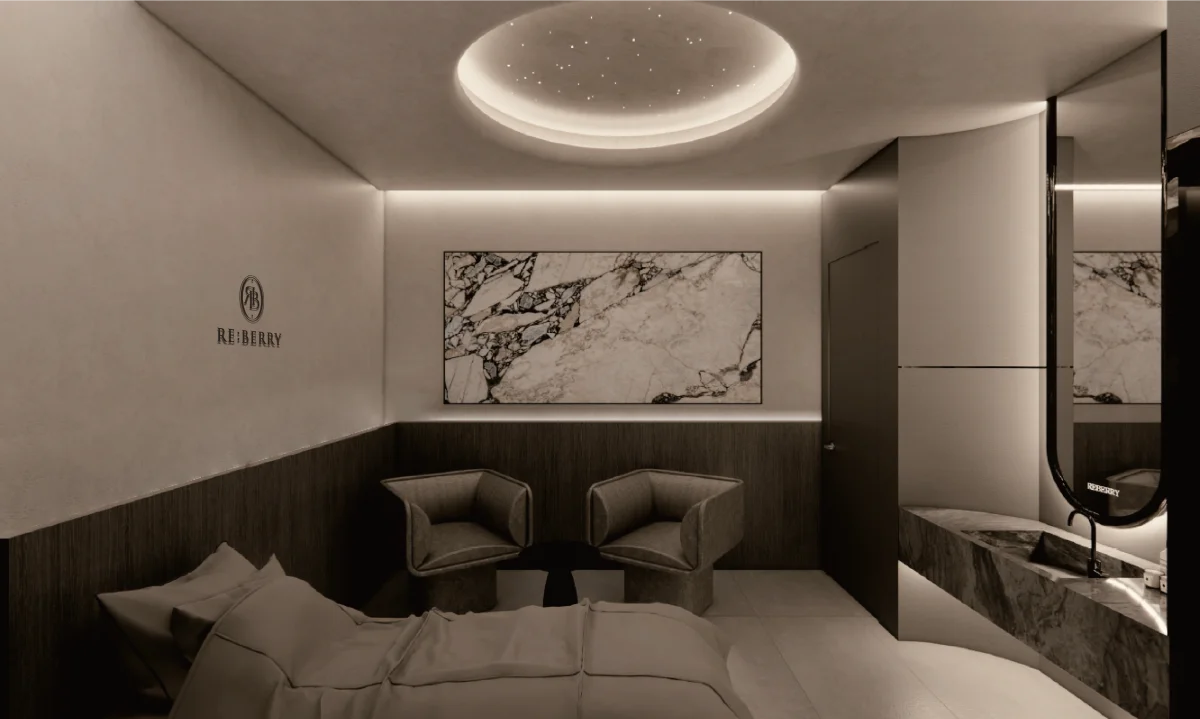
A thread lift uses absorbable PDO or PLLA threads to reposition sagging skin and stimulate collagen, with results that build over 2 to 3 months.
A thread lift is a minimally invasive procedure that inserts absorbable PDO or PLLA threads under the skin to reposition sagging tissue and stimulate new collagen. Barbed threads lift immediately, while the threads dissolve over months, leaving firmer skin. It needs little downtime and suits mild to moderate sagging.
One-on-One guidance from a dedicated doctor, ensuring your skin is professionally monitored and treated from start to finish.
Fluent assistance in English, Japanese, and Chinese, making communication clear, respectful and comfortable for international patients.
Over 100,000 patients worldwide have received our personalized dermatological care, highlighting our expertise and reliable results.
A thread lift is a minimally invasive lifting procedure that uses fine, absorbable threads to reposition sagging skin and stimulate the body’s own collagen. The threads are placed under the skin through a thin needle or cannula; barbed or cog threads grip the tissue and lift it gently upward, while smooth threads add support and trigger collagen along their path.
The threads themselves are made from absorbable materials, most commonly polydioxanone (PDO) or poly-L-lactic acid (PLLA). Over the following months the threads dissolve completely and are replaced by new collagen, so the lift is supported by your own tissue even after the material is gone. This dual action, an immediate mechanical lift plus gradual collagen stimulation, is what distinguishes a thread lift from a simple filler.
Because a thread lift is consultation-led, the thread type, number, and vector pattern depend on your anatomy, the degree of sagging, and your goals. Reberry Clinic serves international patients across three Seoul-area locations (Gangnam, Myeongdong, Incheon Airport), with each thread plan assessed and performed by the clinic’s doctors and explained in English.
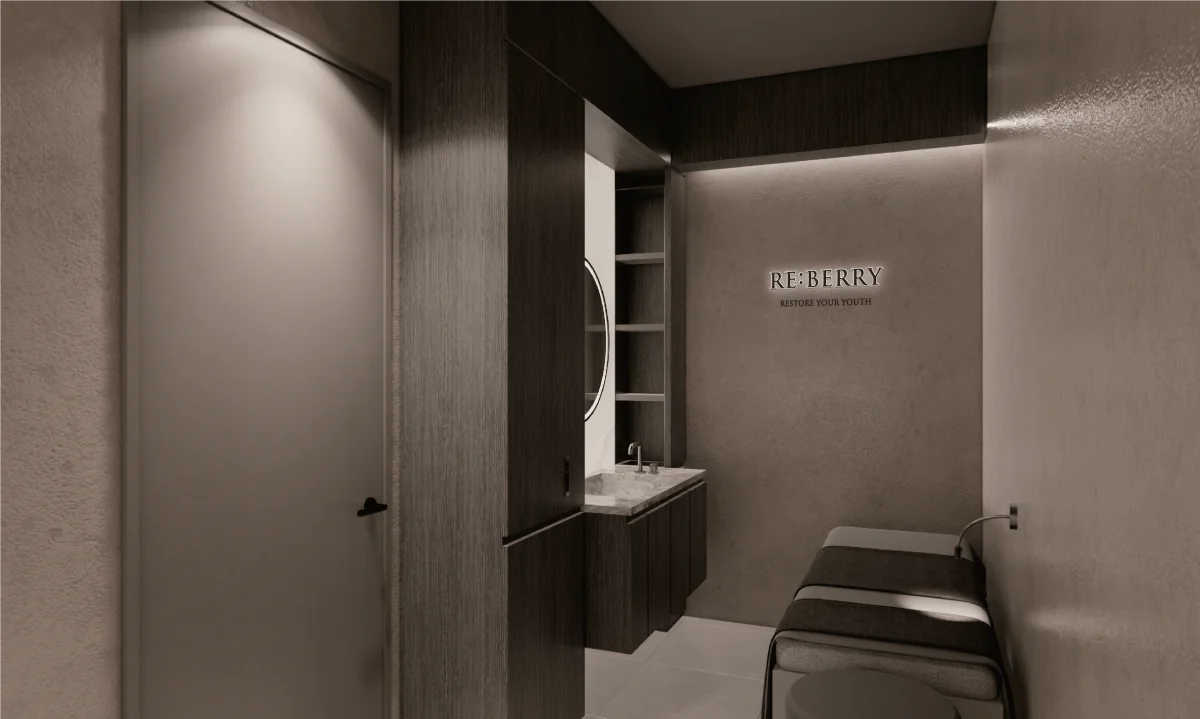
A thread lift relies on absorbable PDO or PLLA threads, not energy or heat. Barbed threads carry tiny cogs or hooks along their length that anchor into the soft tissue, so when the thread is gently advanced it repositions the skin upward along a planned vector, creating an immediate lift. At the same time, the body recognises the thread as a foreign material and surrounds it with new collagen, a controlled fibrotic response that thickens and firms the skin over roughly 8 to 12 weeks. PDO threads typically dissolve over about 6 months and PLLA over a longer period, while the collagen they stimulate persists, which is why results outlast the threads themselves. The clinic’s doctors choose thread thickness, length, and vector to match each area, such as the jawline, cheeks, or neck.
One Reberry Clinic, multiple Seoul-area locations. Pricing & current promotions are listed on each branch's own site — tap a clinic to view pricing & book.
Our flagship in the heart of Gangnam.
In Seoul's shopping & tourism heart.
A beauty stop between flights.
The newest Reberry Clinic — in Seoul's trend district.
ONE REBERRY CLINIC · MFDS-REGISTERED DEVICES · MULTILINGUAL CARE AT EVERY LOCATION
The clinic’s doctors mark lift vectors and entry points after assessing your sagging, planning the number of threads and their direction across 1 or more zones.
A local anaesthetic numbs the area; the procedure usually takes about 30 to 60 minutes depending on the zones treated.
Absorbable PDO or PLLA threads are placed through a fine needle or cannula at depths around 3 to 5 mm along the planned vectors.
Barbed threads anchor the tissue and lift it upward, giving a visible change on day 1.
Over roughly 8 to 12 weeks the threads stimulate new collagen, then dissolve over about 6 months for PDO.

See representative outcomes from Reberry Clinic. Results build gradually and vary by individual; your plan is assessed at consultation.
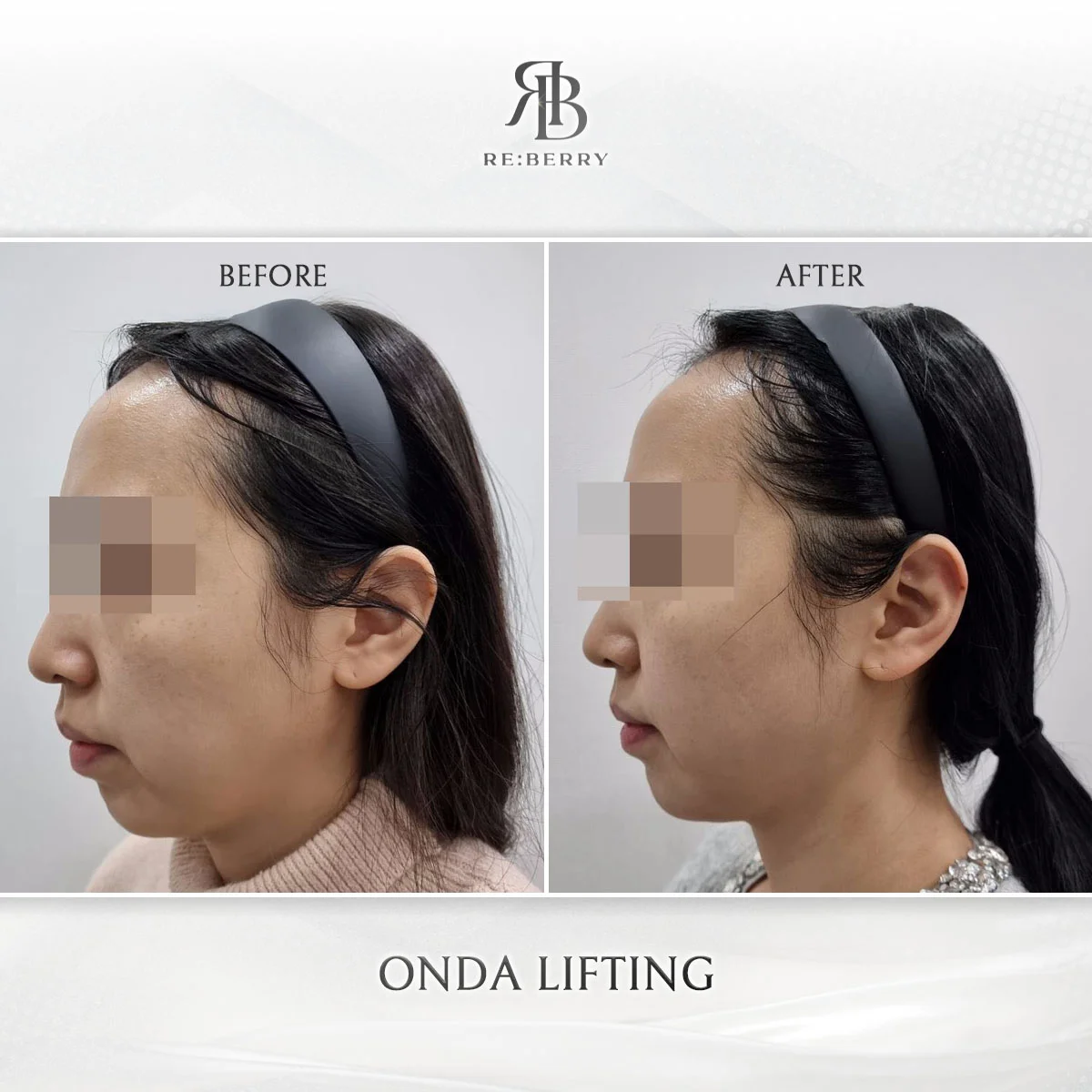
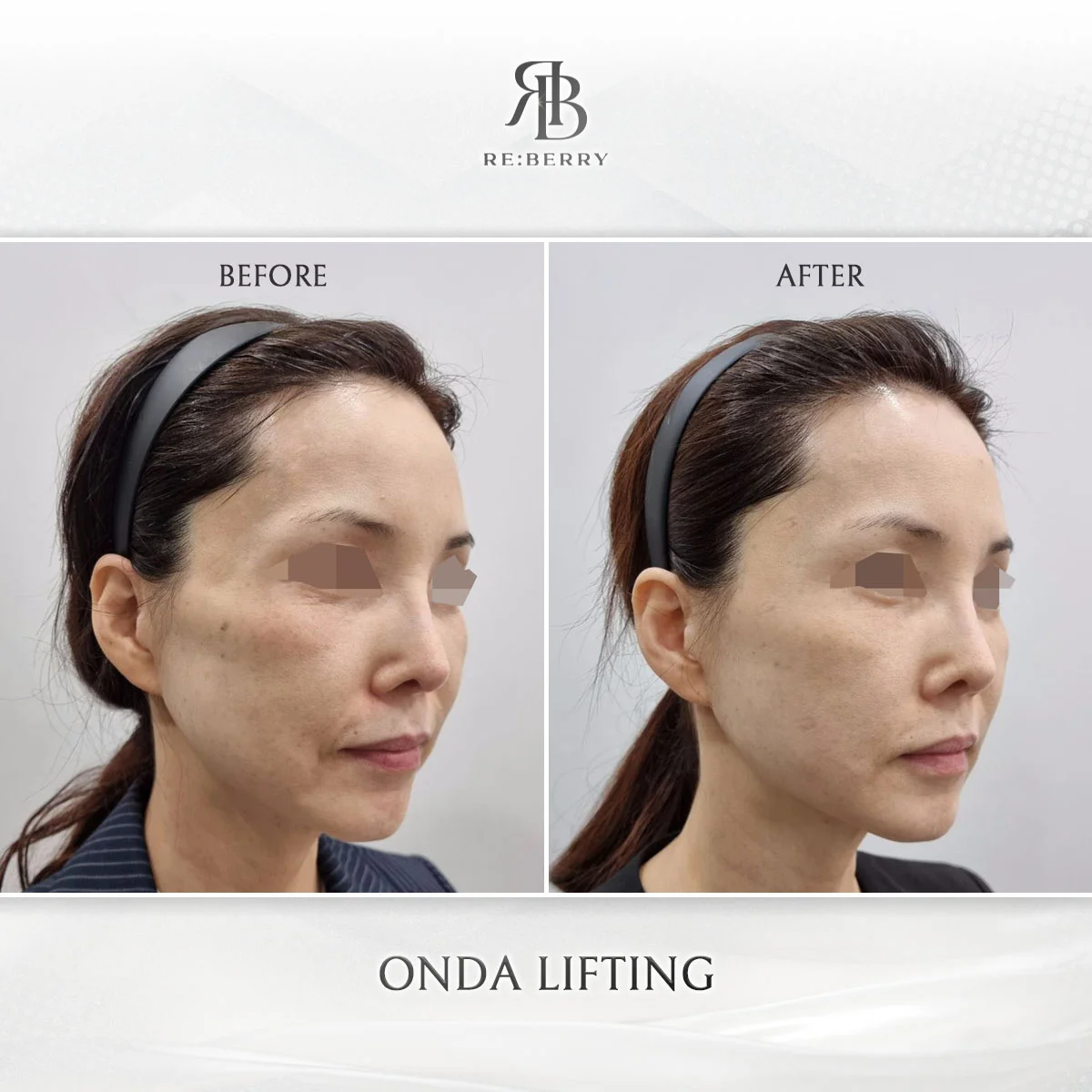
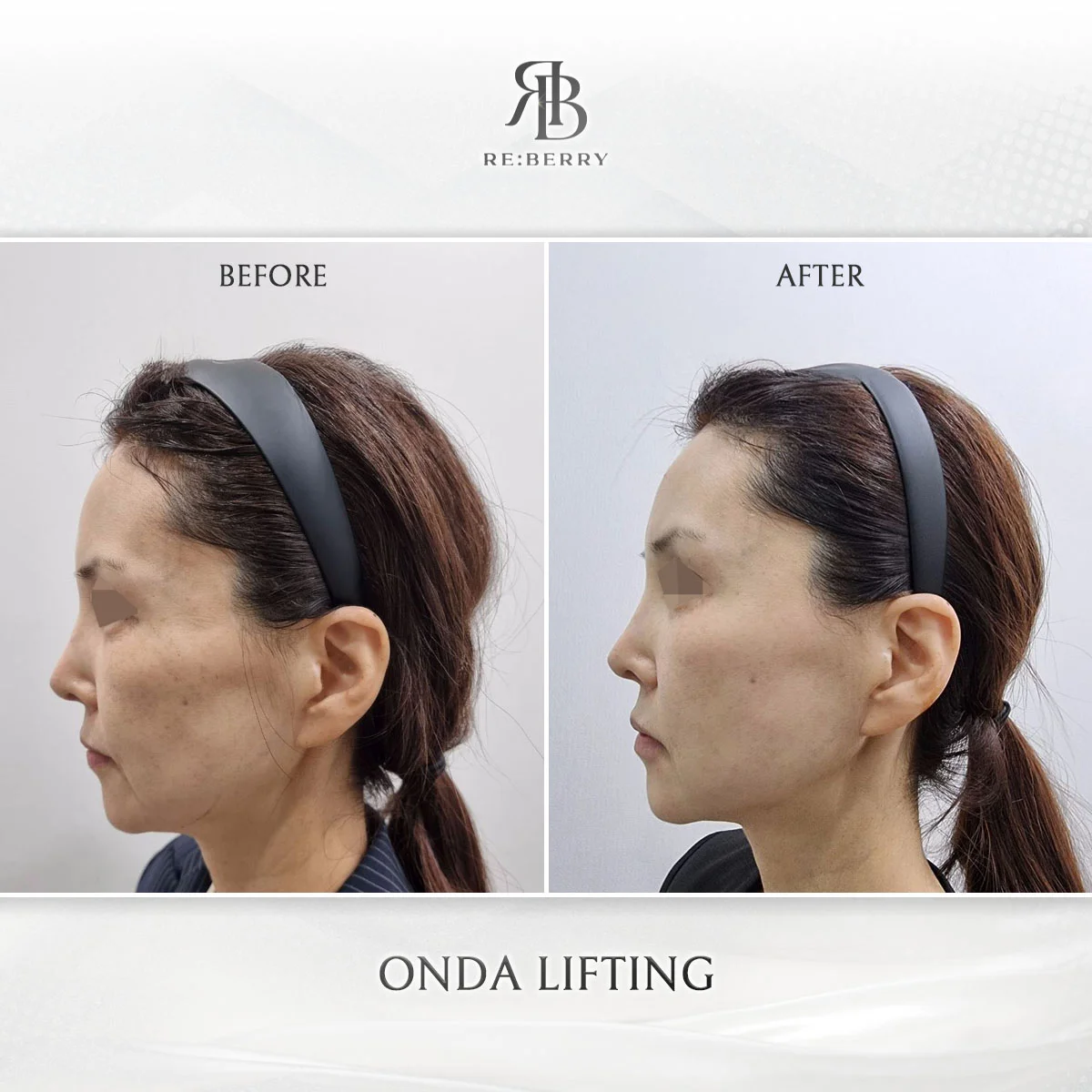
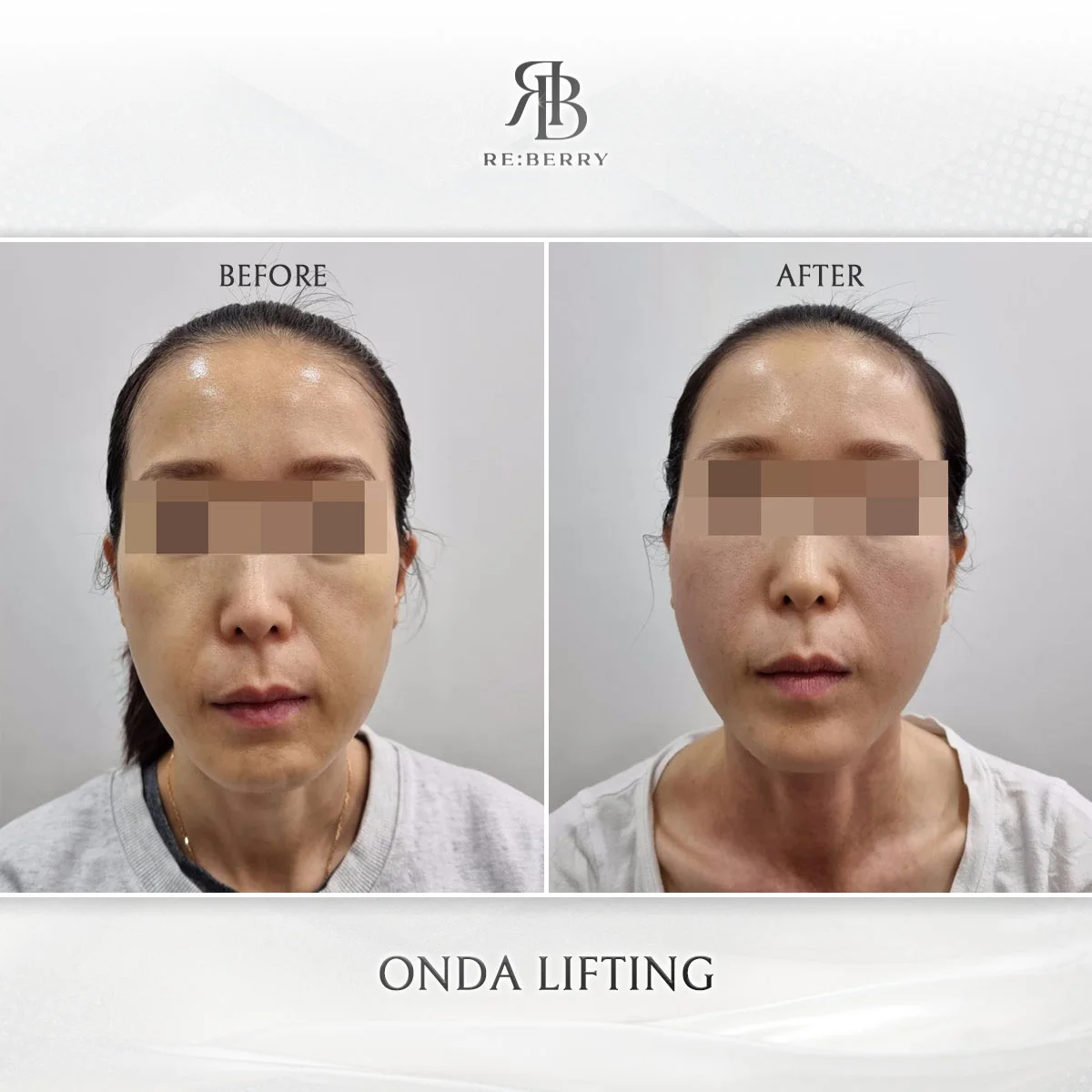
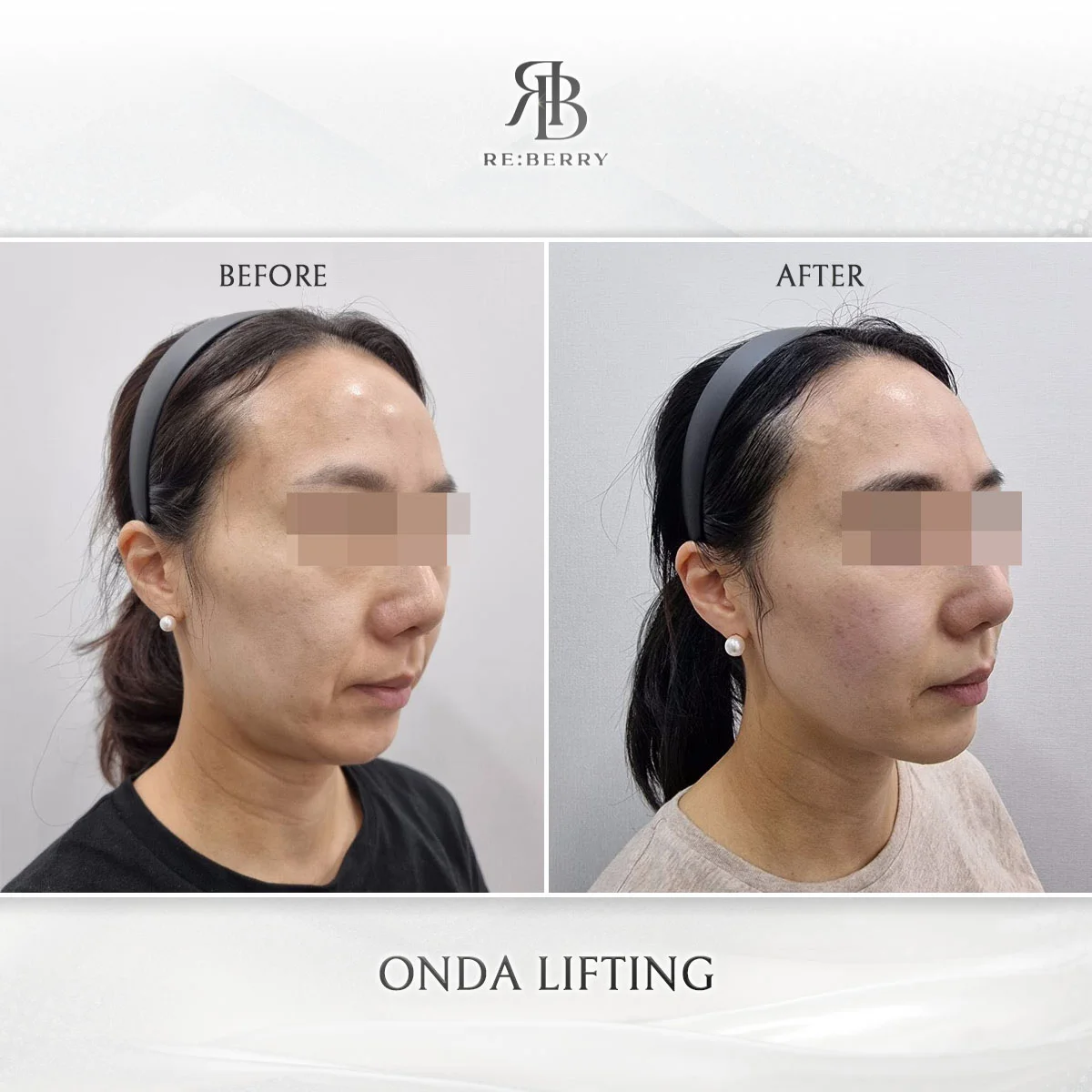
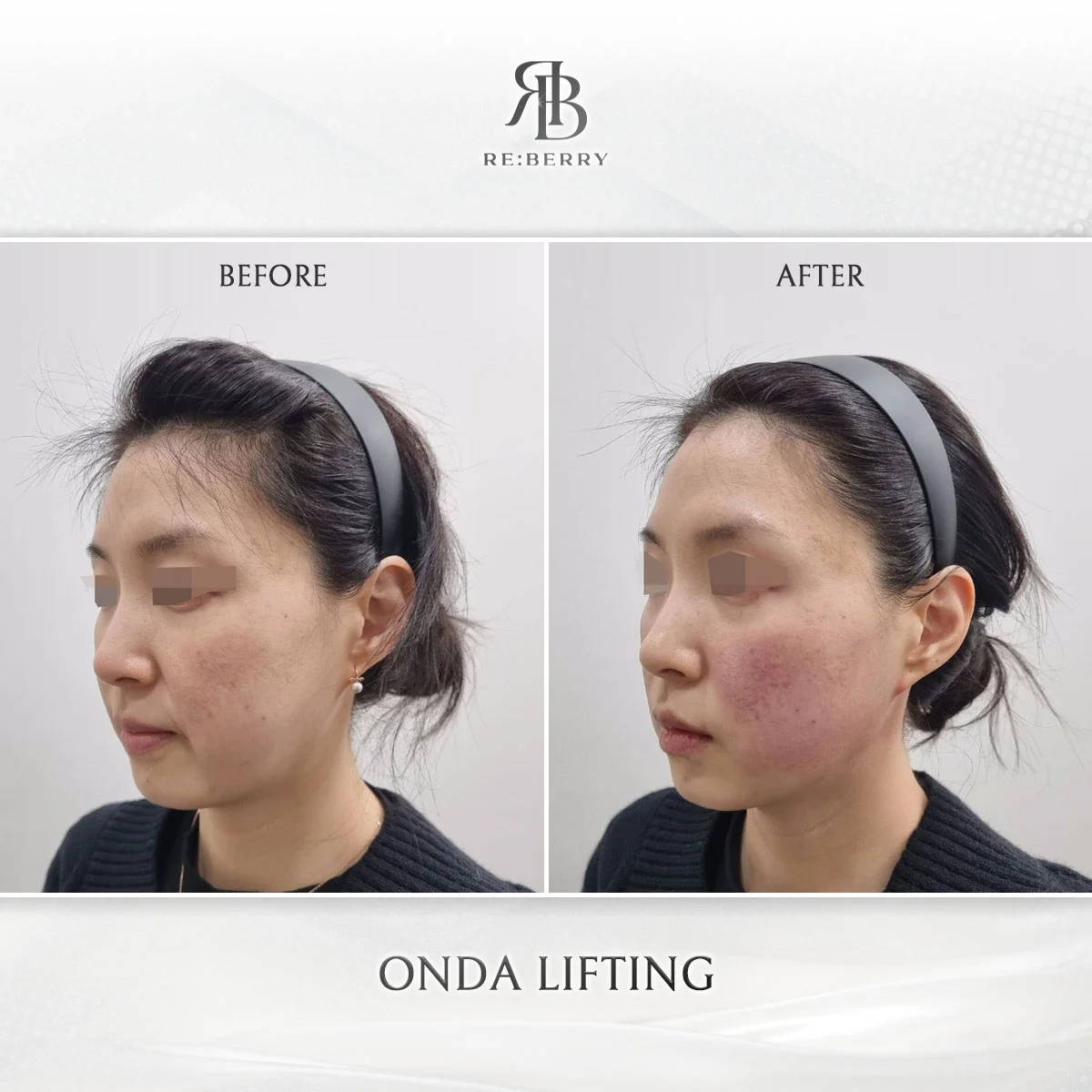
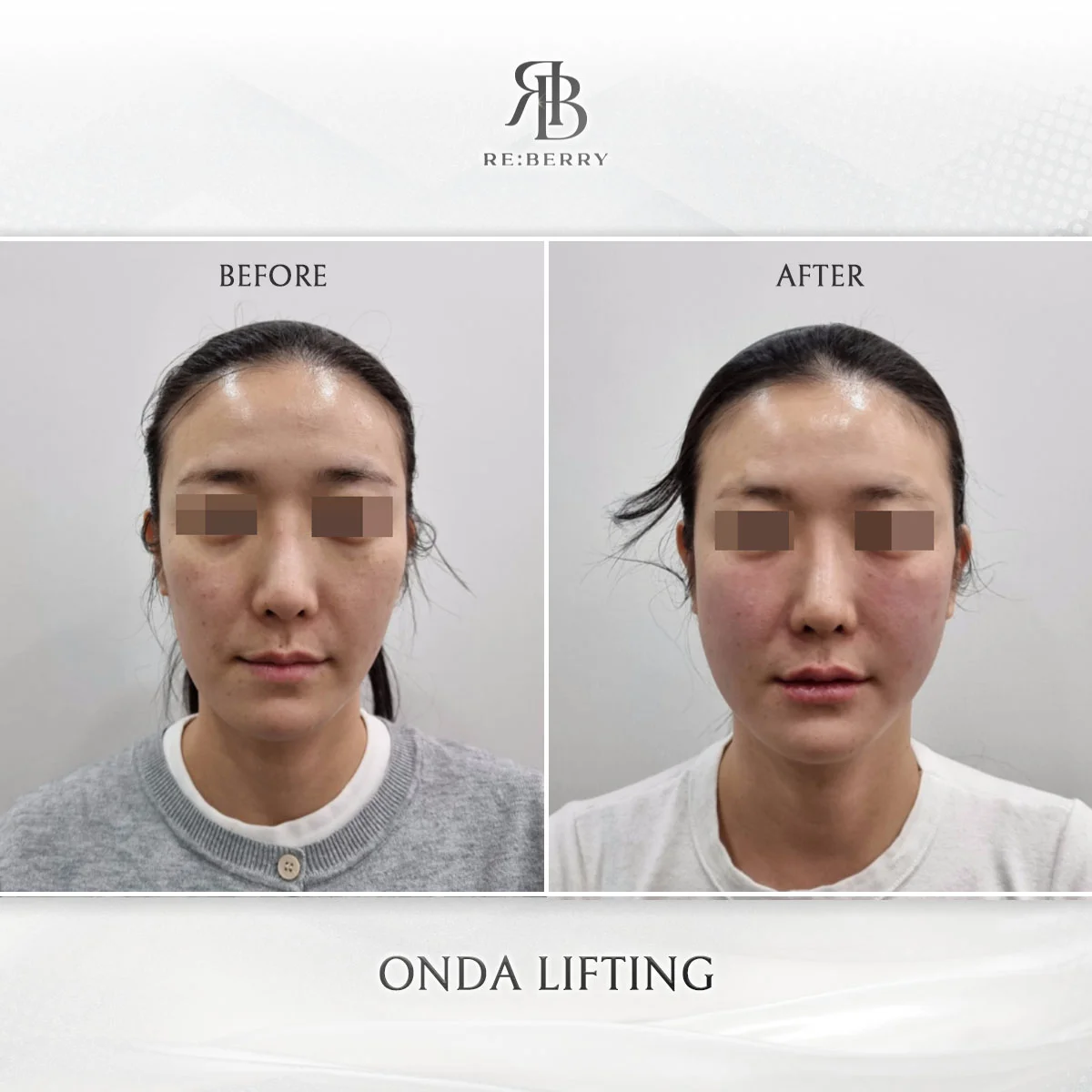
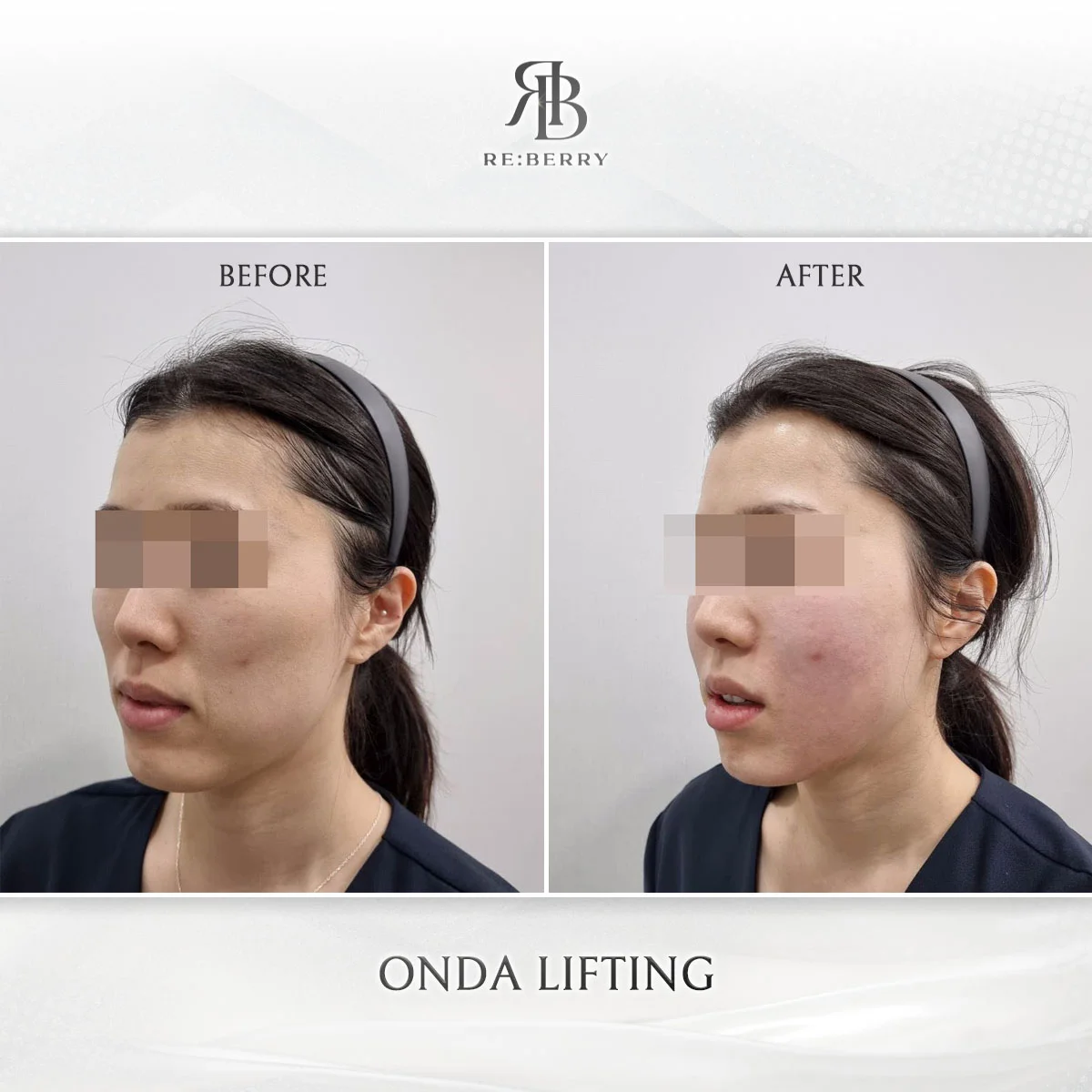
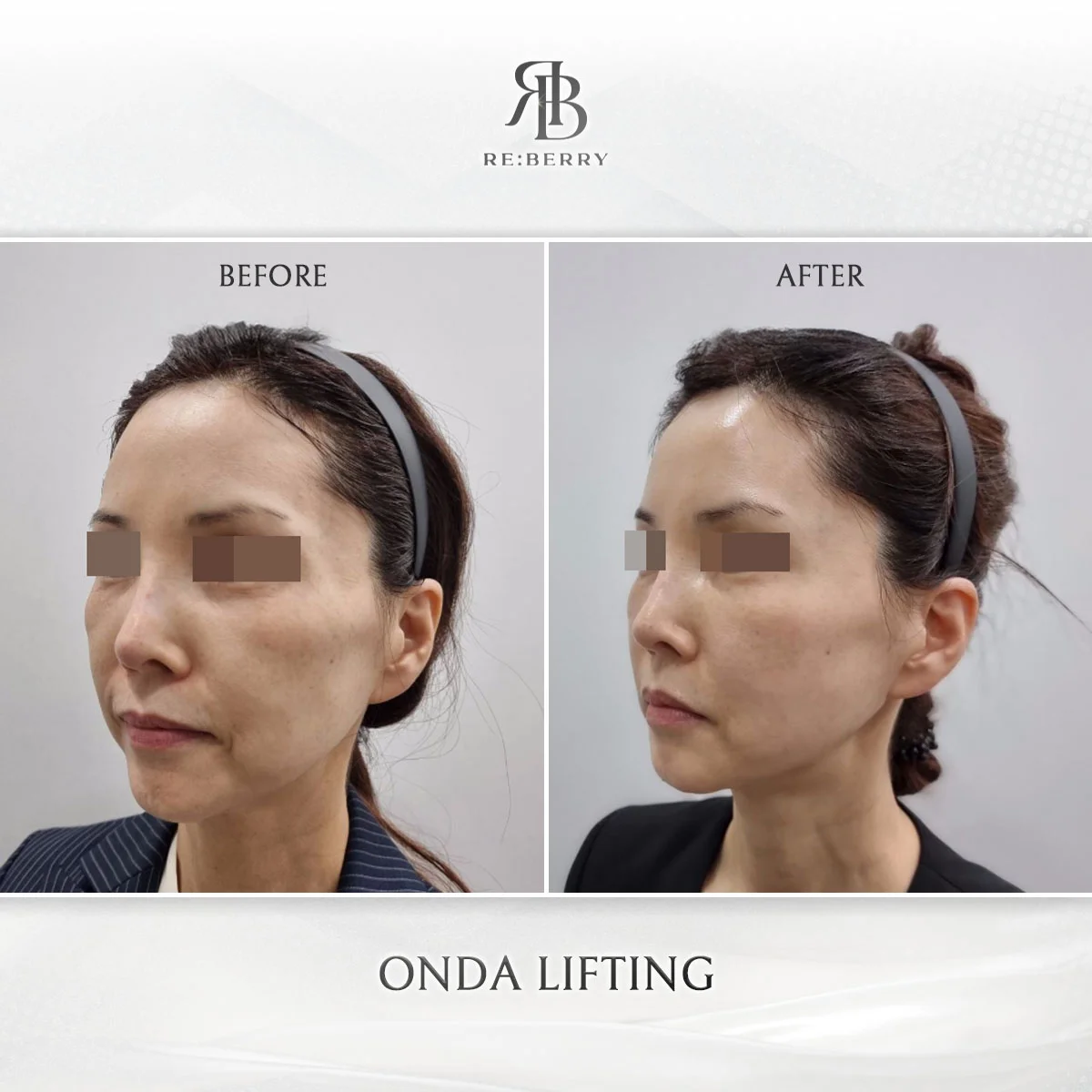
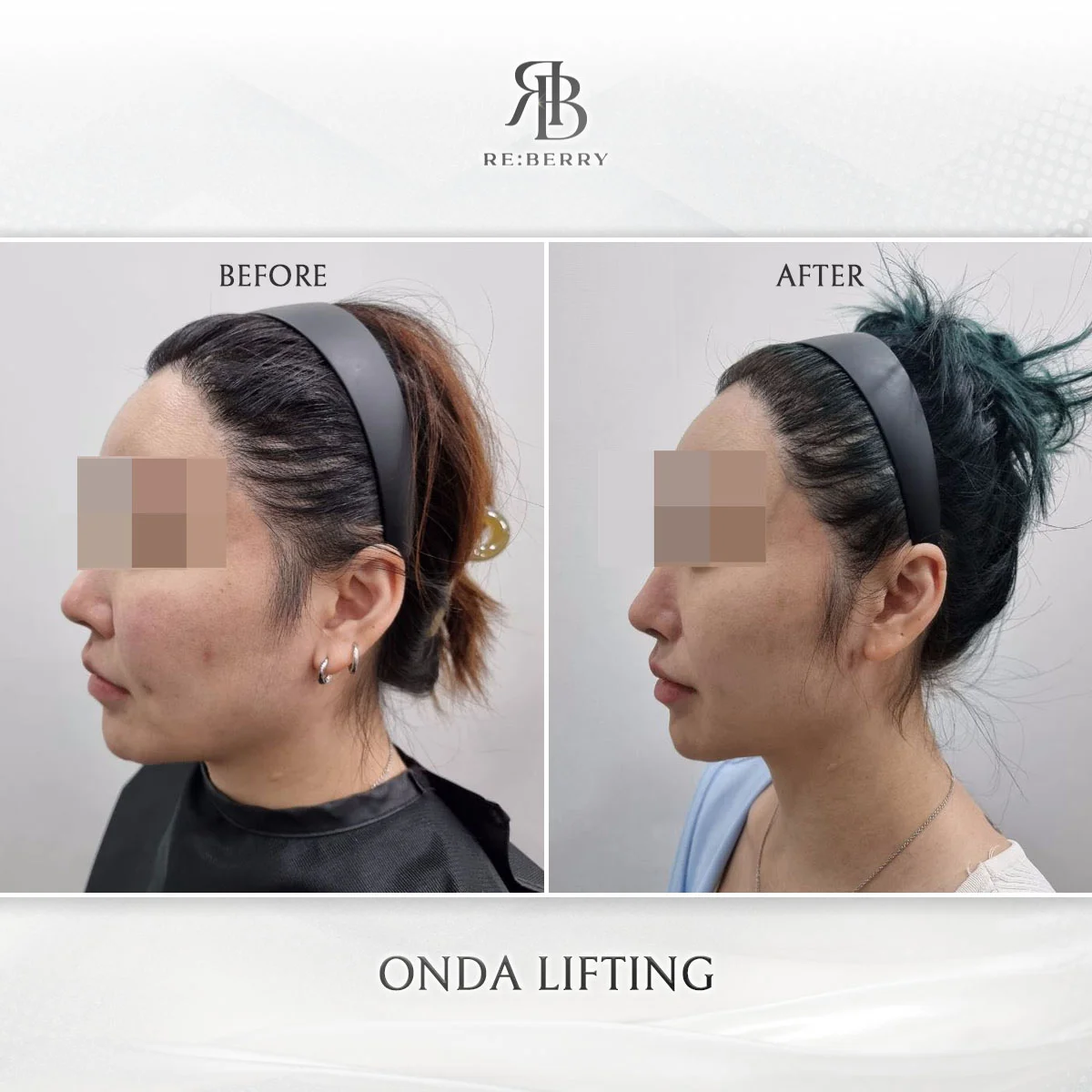
The clinic’s doctors assess your sagging, plan thread type and vectors, and explain a realistic outcome in English.
After local anaesthesia, threads are placed in about 30 to 60 minutes depending on the areas treated.
Most patients complete treatment in 1 visit and return home the same day with simple aftercare.
You see an immediate lift, which settles as swelling resolves, while collagen builds over 2 to 3 months.
Results often last around 12 to 18 months; avoid wide jaw movements early and protect skin to maintain the lift.
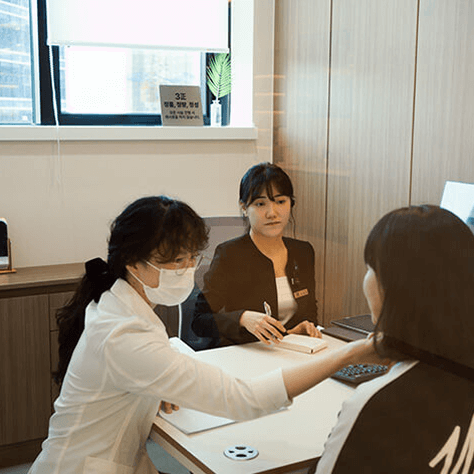
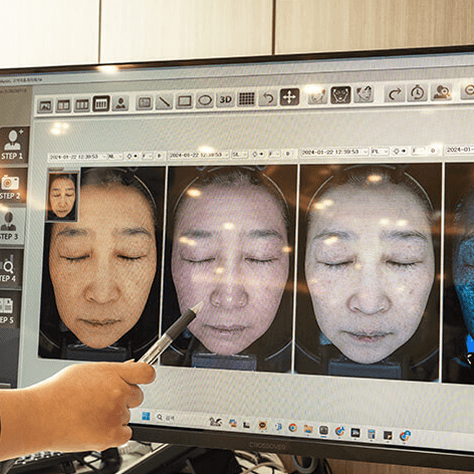
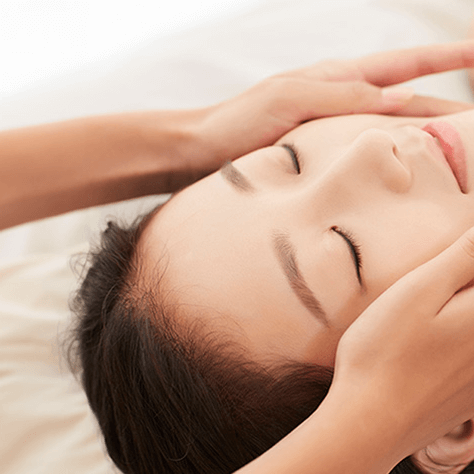
A thread lift inserts absorbable PDO or PLLA threads under the skin to reposition sagging tissue and stimulate collagen, as explained on our thread lift page. Barbed threads grip and lift immediately, then dissolve over months while new collagen supports the firmer result. It needs little downtime.
The threads are absorbable, most commonly polydioxanone (PDO) or poly-L-lactic acid (PLLA), both long used in medical sutures. PDO typically dissolves over about 6 months and PLLA over a longer period. As they dissolve, new collagen forms along their path, so your own tissue continues to support the lift afterward.
Adults with mild to moderate sagging of the cheeks, jawline, or neck are typical candidates, especially those wanting a lift without surgery. Very advanced sagging may respond better to surgical lifting. For deeper laxity, some patients consider Ultherapy Prime; a consultation confirms the right choice for you.
The area is numbed with local anaesthesia, so you mainly feel pressure or tugging rather than sharp pain during the procedure. Afterward, mild soreness, tightness, or tenderness is common for a few days. Most people find the discomfort manageable with simple pain relief, and it eases steadily as the area settles.
Downtime is short but real: expect some swelling, possible bruising, and a tight sensation for a few days, occasionally up to a week or two. You can usually return to gentle activities quickly, but you should avoid wide mouth movements and facial massage early on. Many visitors plan a few quiet days afterward.
You see an immediate lift on day 1 because barbed threads physically reposition the tissue, though it looks most natural once swelling settles over one to two weeks. The collagen-driven firming then builds over 2 to 3 months. So the final result combines the early mechanical lift with gradual skin improvement.
Results commonly last around 12 to 18 months, varying with age, thread type, skin quality, and lifestyle, since the threads dissolve while natural ageing continues. Many patients repeat treatment or combine it with energy-based options to extend firmness. A good skin care routine and sun protection help maintain the lift.
Most patients have a single thread lift session, with the number of threads tailored to your sagging rather than a fixed figure. Some choose a repeat treatment after a year or so to maintain the effect. Your doctor decides the appropriate thread count and vectors at consultation based on your anatomy and goals.
Yes, thread lifts are often combined with energy-based tightening or injectables for a fuller result, sequenced safely by your doctor. Some patients add radiofrequency or focused ultrasound to enhance firmness; you can compare an ultrasound option on our Ultherapy Prime page to see how the approaches differ.
A thread lift has a well-documented safety profile when performed by trained doctors using absorbable threads, with side effects usually limited to temporary swelling, bruising, and tightness. Less common issues include dimpling or thread visibility, which are typically correctable. Careful vector planning and technique reduce risk, which is why an experienced operator matters.
Expect swelling, possible bruising, soreness, and a tight feeling for several days. Mild dimpling or slight asymmetry can occur early and usually settles as tissue relaxes. Rarely, threads may need adjustment. Serious complications are uncommon when threads are placed correctly. Your doctor reviews your history to keep risk low.
In most cases the threads are placed deep enough that they are neither visible nor felt once healing settles. Early on you might feel slight tightness or a thread sensation with certain movements, which usually fades within weeks. If anything remains noticeable, your doctor can review and adjust the area at follow-up.
Aftercare matters for a good result: avoid wide mouth opening, facial massage, dental work, saunas, and strenuous exercise for one to two weeks, and sleep face-up at first. Keep the entry points clean and protect skin from sun. Your clinic provides written aftercare so you can follow it confidently once you travel home.
Plan for about 3 to 5 days, allowing consultation, the procedure, and a short review once early swelling settles. Because some bruising is possible, a slightly longer buffer is wise before key events. You can pair it with a non-invasive option like Thermage FLX if your doctor advises.
Yes, flying a couple of days after a thread lift is generally fine, since it is minimally invasive, though some swelling or bruising may still be present. Stay hydrated, avoid pressing on the face, and protect your skin from sun. Your doctor will confirm the best timing based on the extent of your treatment.
International patients can arrange remote check-ins in English after returning home, with progress reviewed as swelling settles and collagen develops. If you want complementary care later, you can explore our skin care options. Your treatment plan and notes are kept on file for any future visit to Seoul.
A thread lift is a mechanical-plus-collagen approach; here is how it compares with two energy-based options.
| Thread Lift | Ultherapy Prime | Thermage FLX | |
|---|---|---|---|
| Energy / mechanism | Absorbable PDO/PLLA threads, mechanical lift + collagen | Micro-focused ultrasound (MFU-V), SMAS | Monopolar radiofrequency (RF) |
| Best for | Mild to moderate sagging needing repositioning | Deep lifting of face and neck | Broad skin tightening and contour |
| Pain / comfort | Local anaesthesia; pressure and tugging | Brief deep warmth during pulses | Heating with cooling bursts |
| Downtime | A few days of swelling, bruising, tightness | Minimal | Minimal |
| Results timeline | Immediate lift, collagen over 2 to 3 months | Builds over 2 to 3 months | Builds over 2 to 6 months |
| Longevity | Often around 12 to 18 months, varies | Around 12 months, varies | Around 12 months, varies |
| Sessions | Usually 1, sometimes repeated later | Usually 1 planned session | Usually 1 |
| Cost factors | Varies by thread type and number | Varies by line count and area | Varies by area and applicator |
Real verified reviews from our Google Business Profile, across all Reberry Clinic locations.
PULLED LIVE FROM GOOGLE · GANGNAM · MYEONGDONG · INCHEON AIRPORT
Your treatment is planned and performed by experienced, MFDS-registered doctors across our Seoul-area clinics, with multilingual support for international patients.
Flagship clinic · KOL for leading lifting & regenerative devices
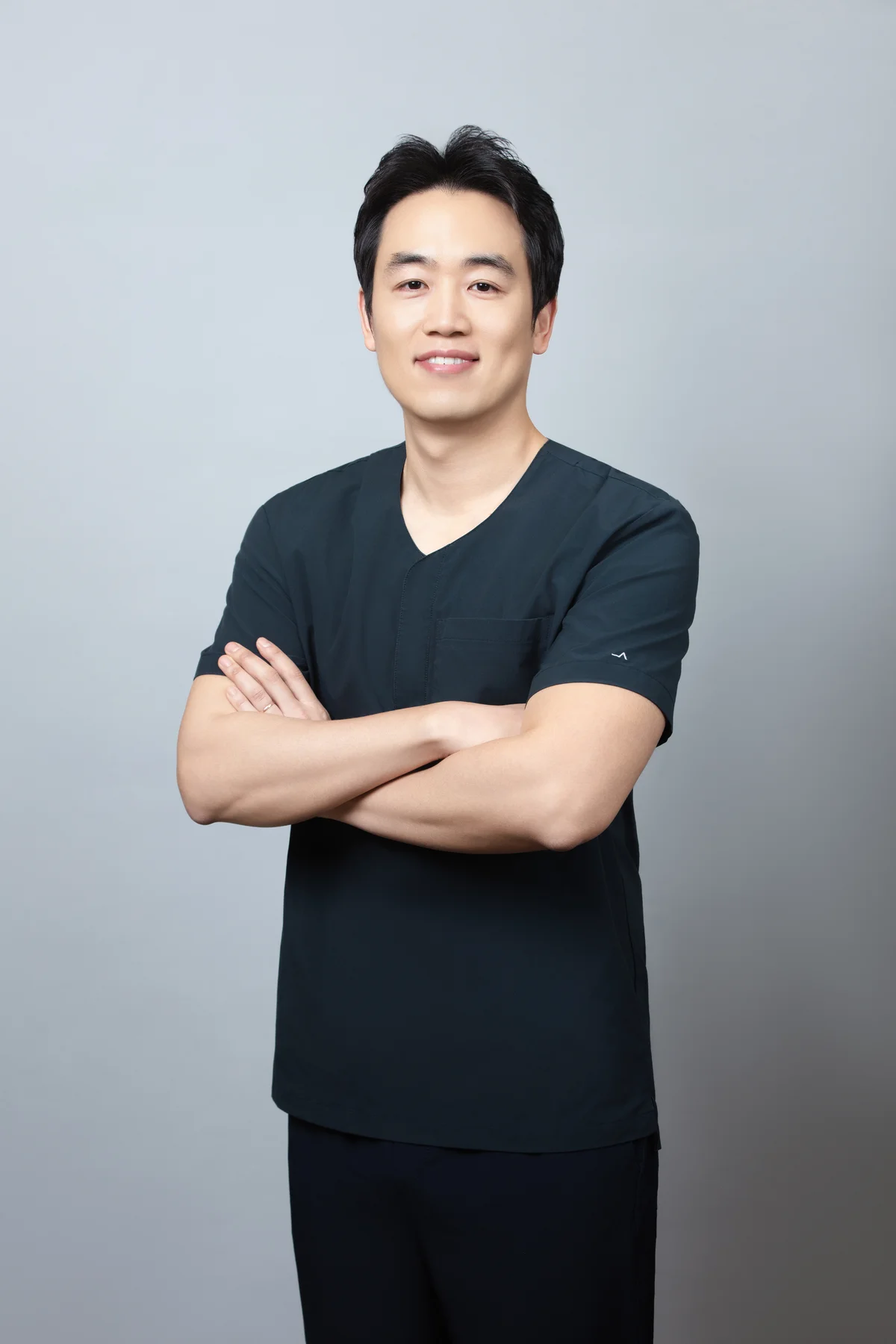
Multilingual tourist care beside Myeongdong Cathedral
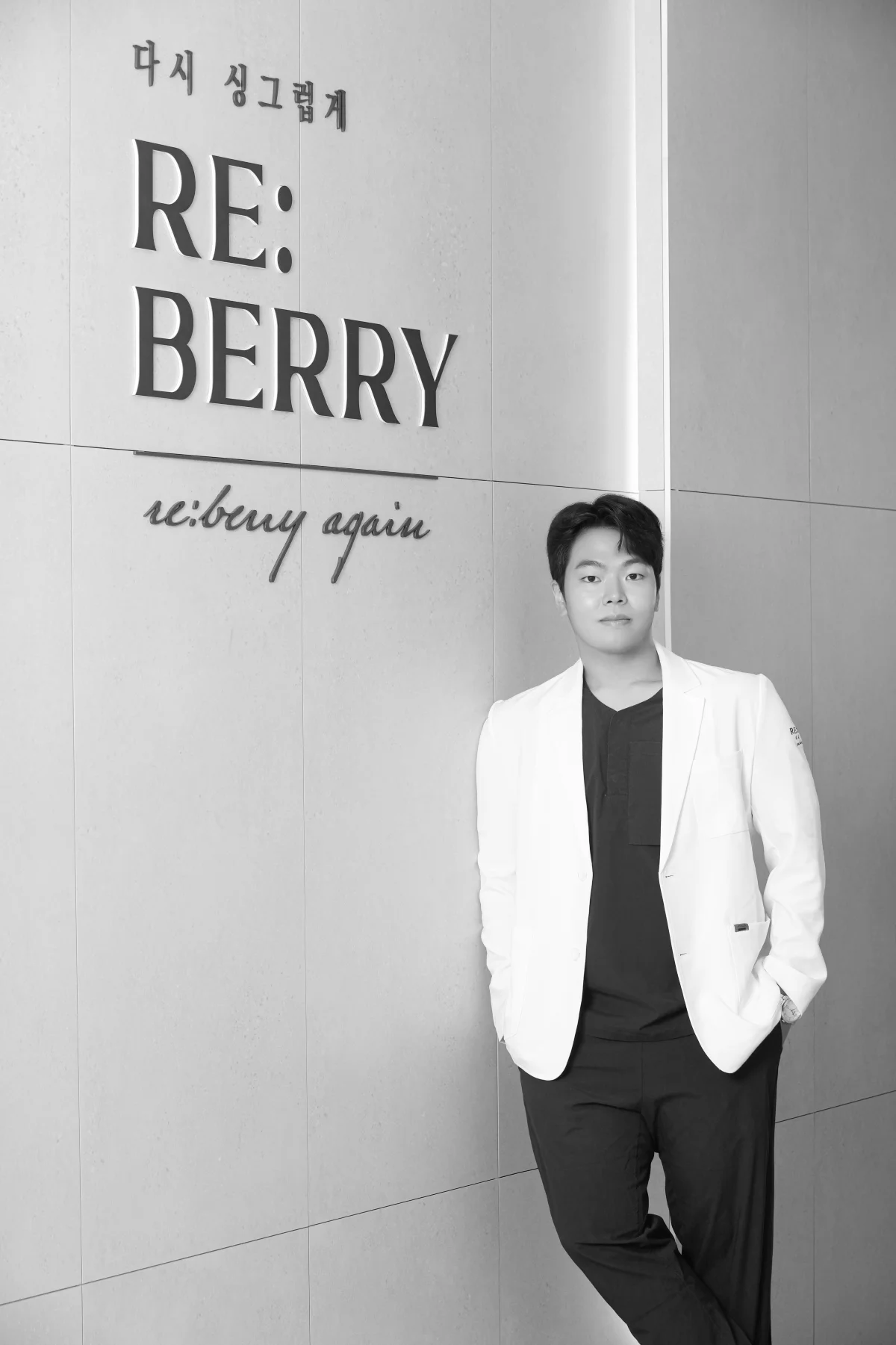
Fast, effective care 20 minutes from the terminals
Message us on WhatsApp for a free consultation in English about thread lift in Seoul.