



Gangnam
Dr. Yoon-Gon Ryu
Aesthetic Medicine Specialist
Flagship clinic · KOL for leading lifting & regenerative devices · Featured in Authority Magazine (2026)

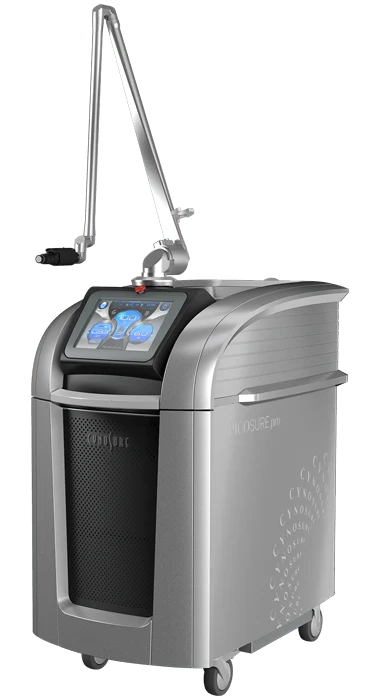
Warts are caused by HPV; CO2 laser often clears a wart in 1 session while cryotherapy usually needs 2 to 3, and both aim to remove the lesion cleanly.
Wart removal near Incheon Airport clears viral (HPV) warts using ablative CO2 laser, which vaporises the wart, or cryotherapy, which freezes it. CO2 laser often needs 1 session per wart while cryotherapy usually needs 2 to 3. Because warts are viral, they can recur, so the doctor confirms the diagnosis and plans method and follow-up at consultation.
One-on-One guidance from a dedicated doctor, ensuring your skin is professionally monitored and treated from start to finish.
Fluent assistance in English, Japanese, and Chinese, making communication clear, respectful and comfortable for international patients.
Over 100,000 patients worldwide have received our personalized dermatological care, highlighting our expertise and reliable results.
Wart removal is a medical procedure that clears benign skin growths caused by the human papillomavirus (HPV). Warts appear as rough, raised bumps, most often on the hands, feet, and face, and they spread through direct contact. Because they are viral, they can be stubborn and can recur, which is why professional treatment focuses on removing the lesion while supporting the skin so it heals cleanly.
At Reberry Clinic, wart removal uses two main methods: ablative CO2 laser, which vaporises the wart tissue with a focused beam of light energy, and cryotherapy, which freezes the wart with liquid nitrogen so it blisters and sheds. CO2 laser is precise and often clears a defined wart in 1 session, while cryotherapy is simple and usually spread across 2 to 3 sessions. The right choice depends on the wart type, thickness, and location.
At our Incheon Airport (Yeongjongdo) location near ICN, wart care is led by Dr. Sunbeen Kim, Medical Director, who first confirms the growth is a wart, then selects the method and explains it in English. For travellers on a stopover or living near the airport, this makes wart removal convenient to fit around a tight schedule.
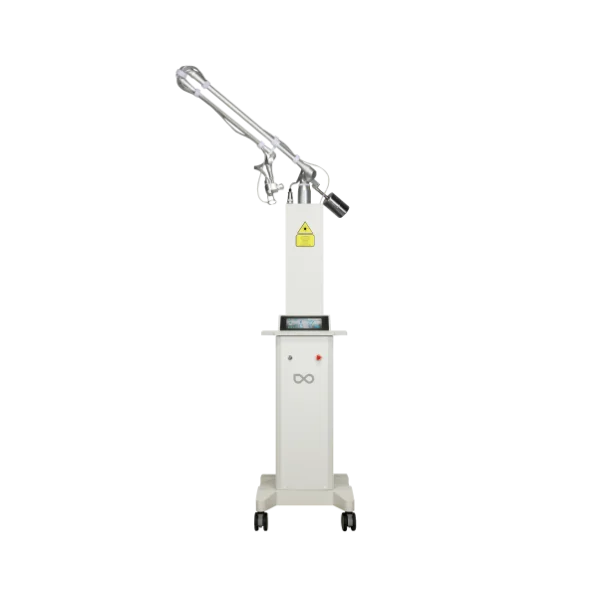
The two main wart methods target the lesion in different ways. Ablative fractional CO2 laser delivers a focused beam of light energy that heats and vaporises the wart tissue layer by layer, letting the doctor work precisely to the wart’s border and often clear a defined lesion in 1 session. Because it is precise, CO2 laser suits thick plantar warts and well-defined common warts where control matters. Cryotherapy instead applies liquid nitrogen at around minus 196 degrees Celsius, freezing the wart so the tissue blisters and sheds over the following days; it is simple and repeatable but usually needs 2 to 3 sessions about 2 to 3 weeks apart. Neither method destroys HPV that lives in surrounding skin, which is why warts can recur and why aftercare and follow-up matter. The doctor chooses the modality based on wart type, thickness, and location, sometimes combining approaches for stubborn or recurrent warts to improve clearance.
One Reberry Clinic, multiple Seoul-area locations. Pricing & current promotions are listed on each branch's own site — tap a clinic to view pricing & book.
Our flagship in the heart of Gangnam.
In Seoul's shopping & tourism heart.
A beauty stop between flights.
The newest Reberry Clinic — in Seoul's trend district.
ONE REBERRY CLINIC · MFDS-REGISTERED DEVICES · MULTILINGUAL CARE AT EVERY LOCATION
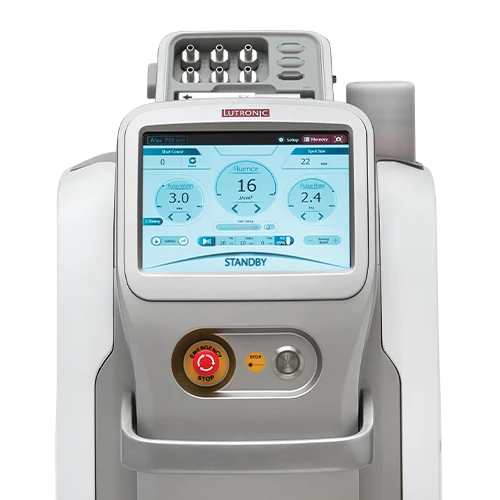
The doctor first confirms the growth is 1 of the wart types and not another lesion, since correct diagnosis guides the whole plan.
CO2 laser is picked for defined or thick warts to clear in 1 session, while cryotherapy suits small warts over 2 to 3 visits.
For CO2 laser, the area is numbed in about 20 to 30 minutes so the procedure is comfortable; cryotherapy needs little to no numbing.
The doctor vaporises the wart with the laser or freezes it with liquid nitrogen, a step that usually takes only 1 to a few minutes per wart.
The treated area heals over about 1 to 2 weeks, and the doctor checks for full clearance and any early sign of recurrence.
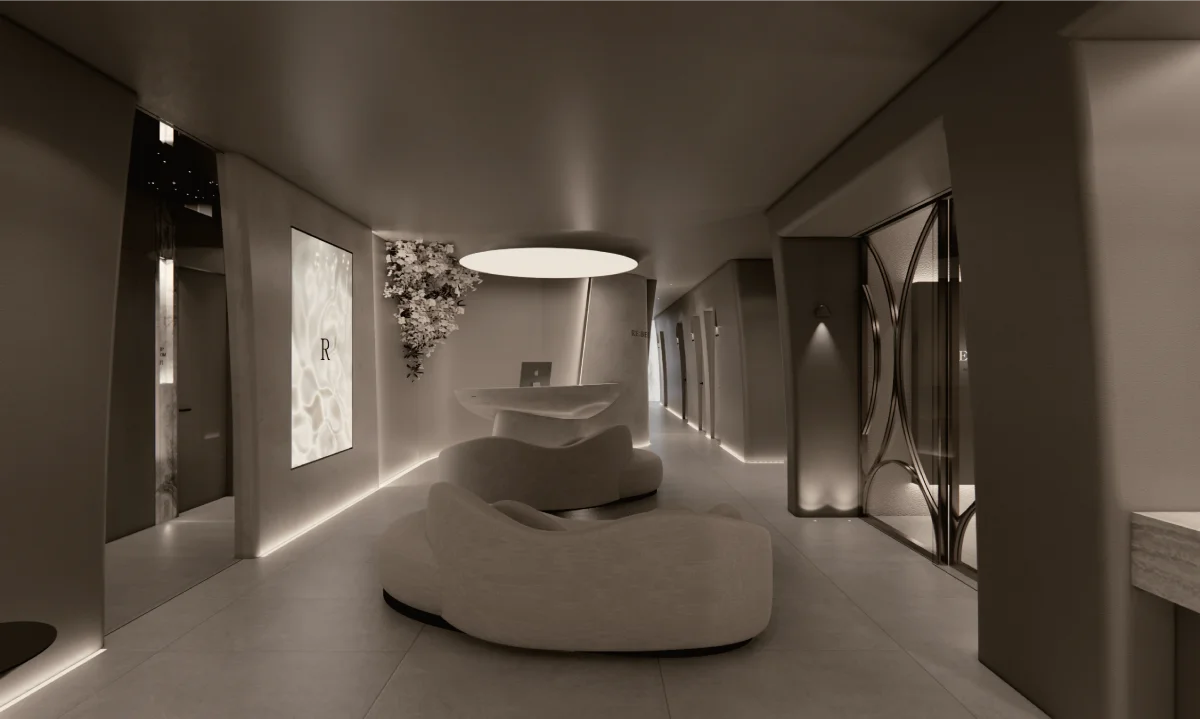
Reberry Clinic · Prices verified: Oct 2026
| Clinic | Price (KRW) |
|---|---|
| GangnamCO2 Laser Small Lesion (under 1mm) | from₩10,000 |
| MyeongdongCO2 Laser 1 Area (1mm) | from₩15,000 |
VAT excluded · Treatment packages differ by clinic — see each clinic page for its full menu · Confirmed after consultation
See representative outcomes from Reberry Clinic. Results build gradually and vary by individual; your plan is assessed at consultation.
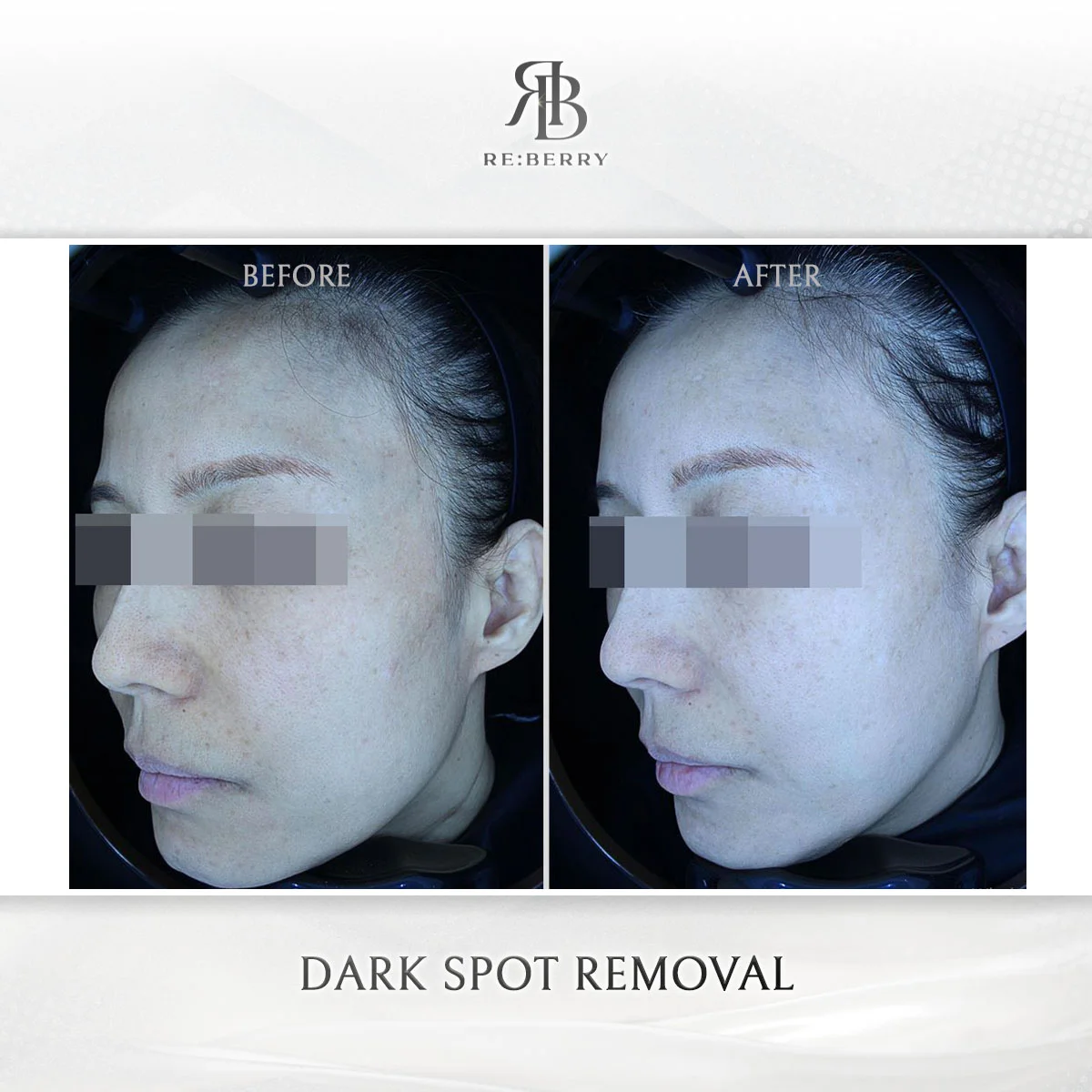
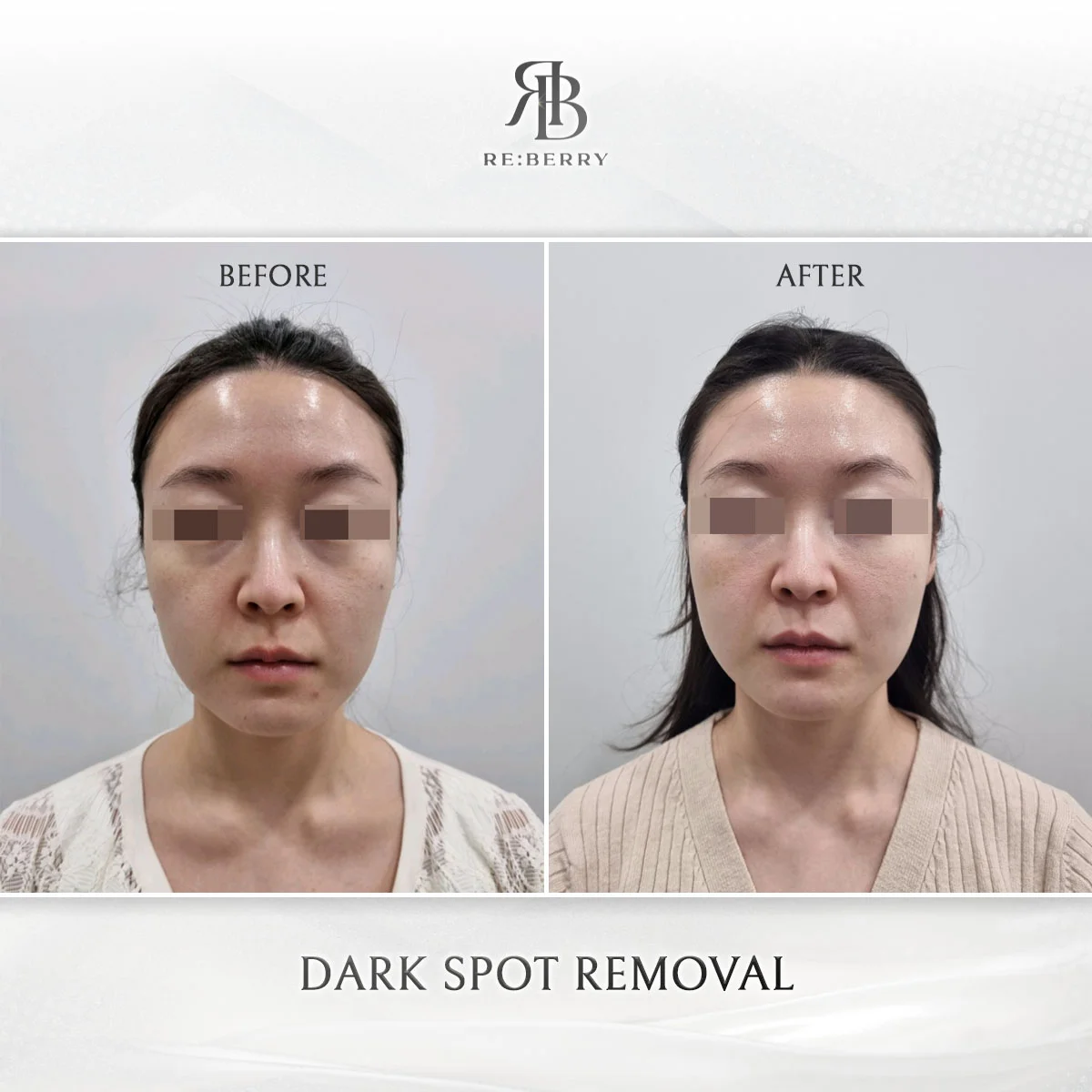
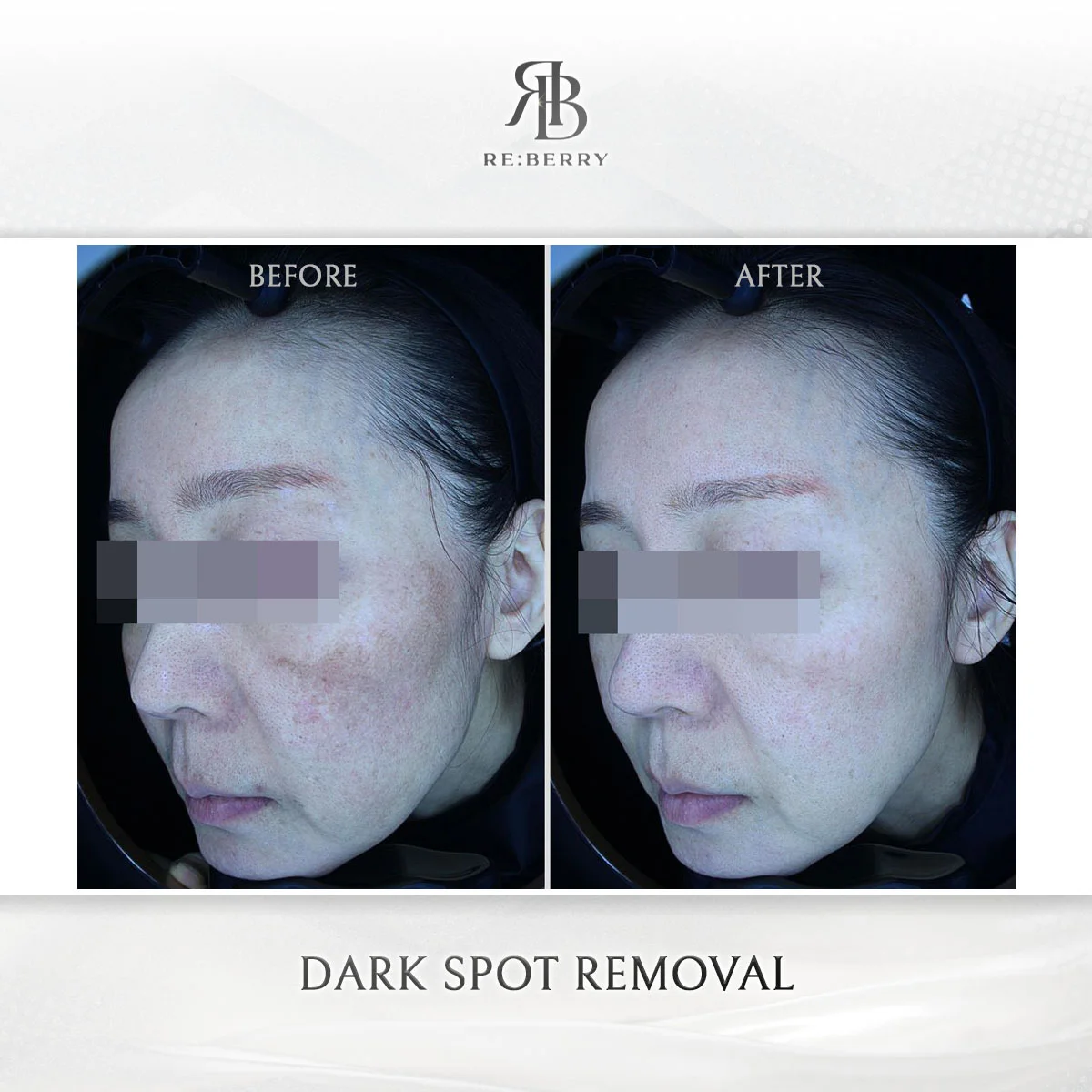
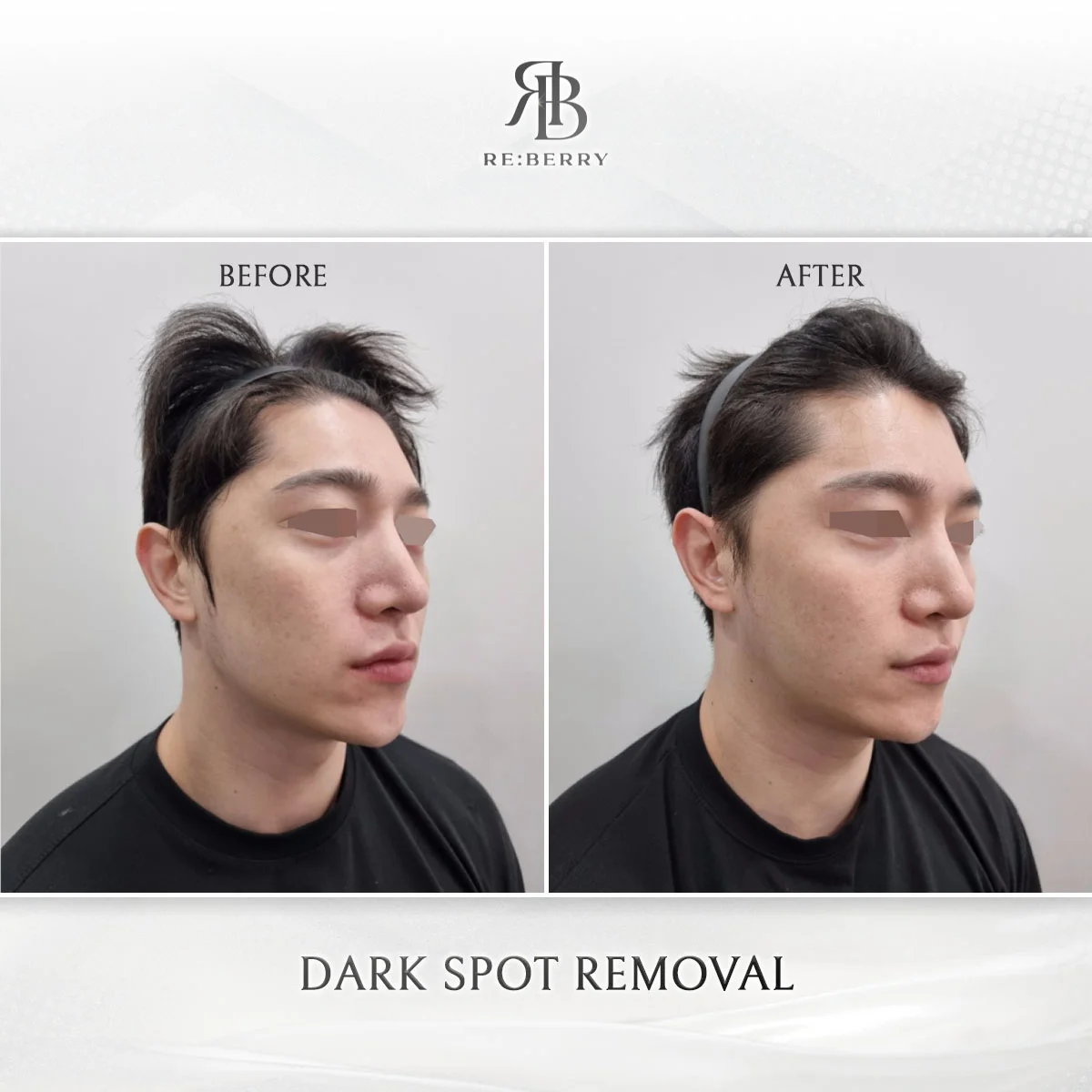
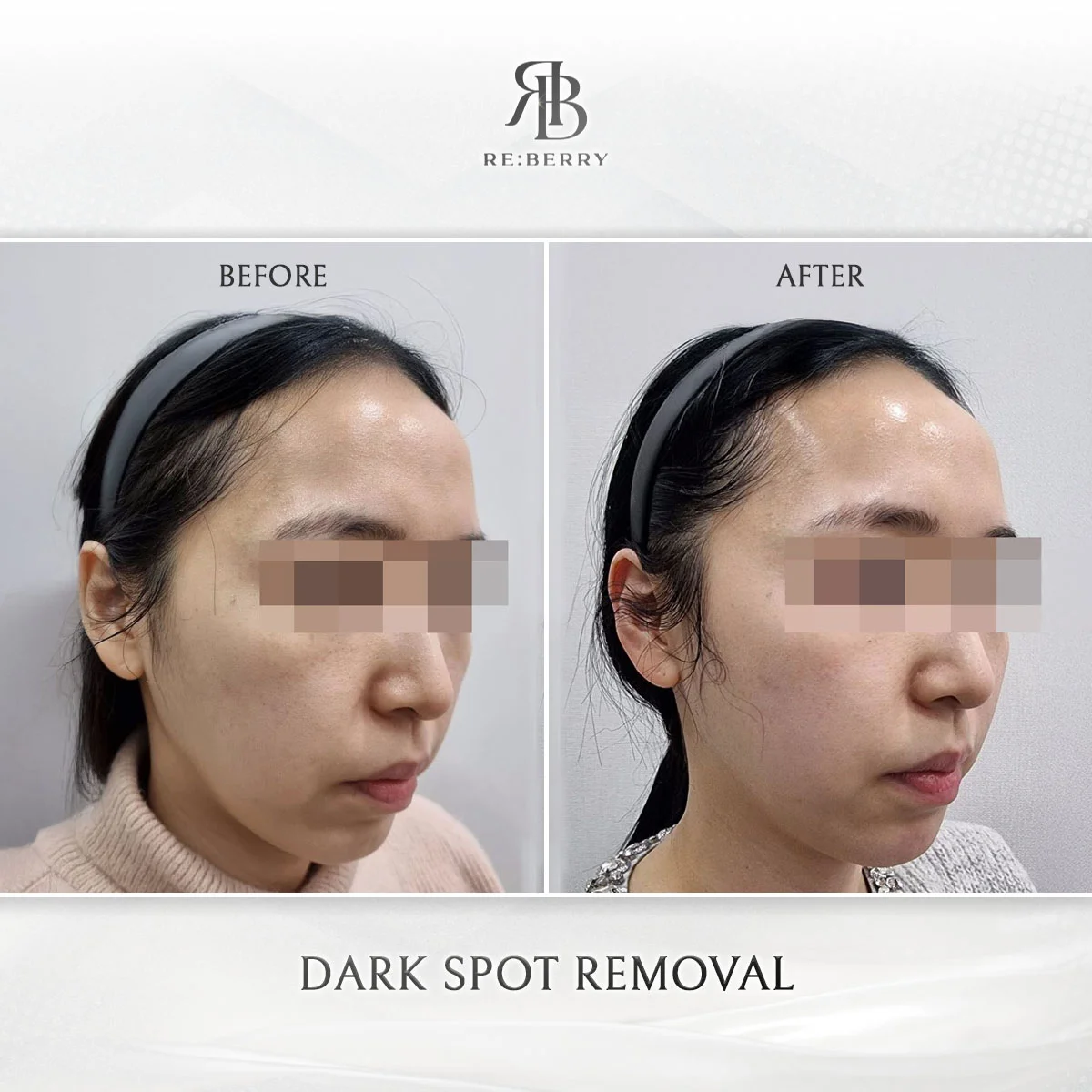
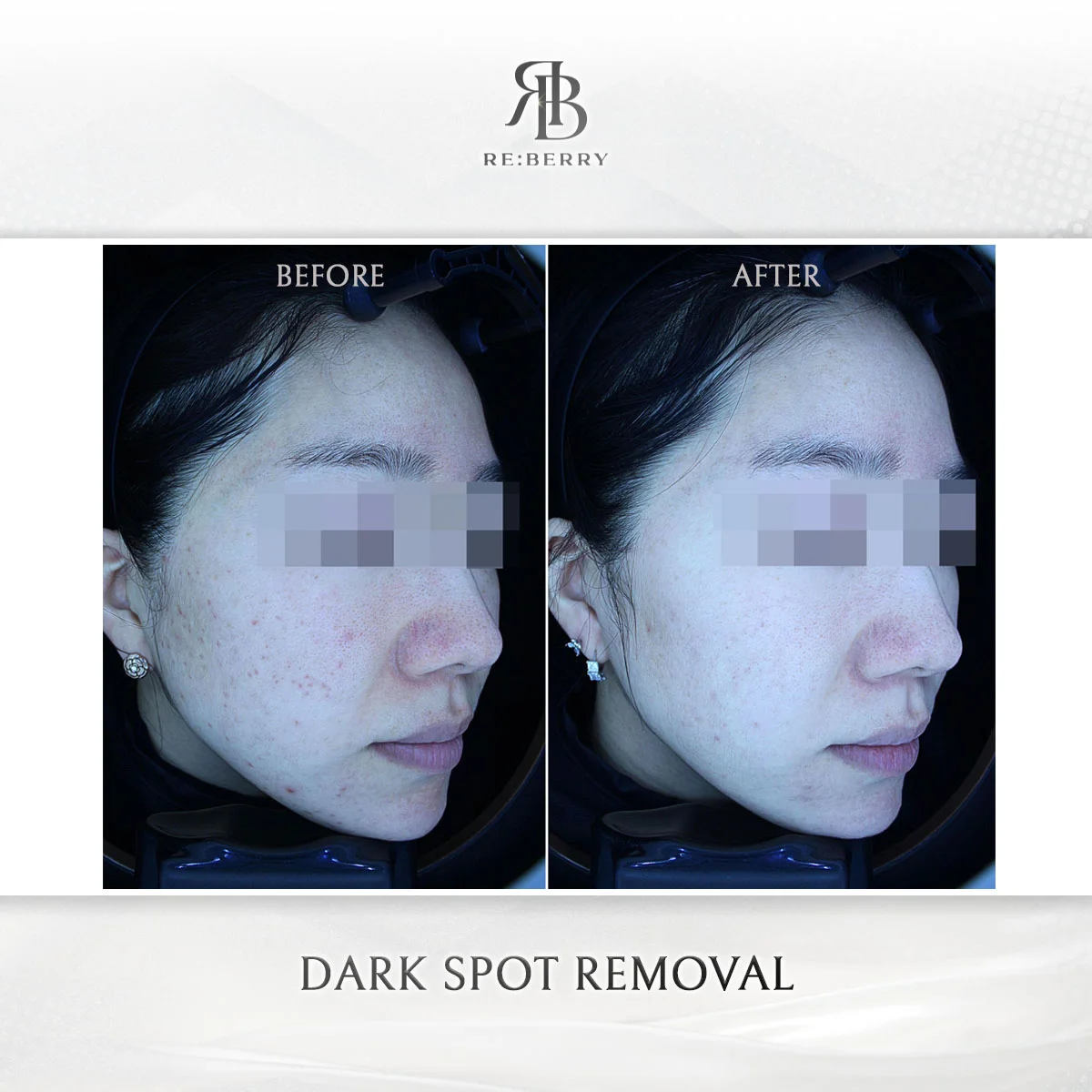
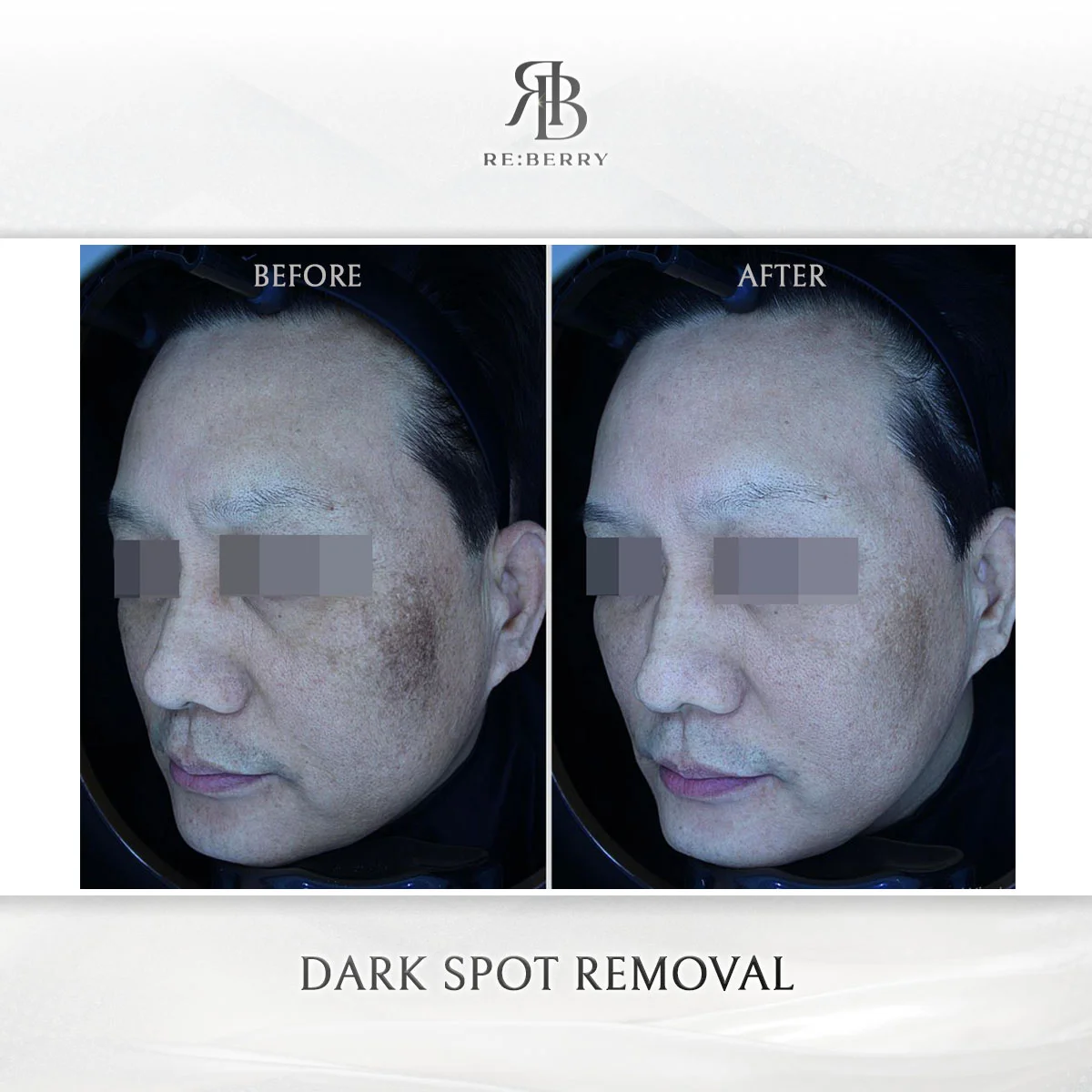
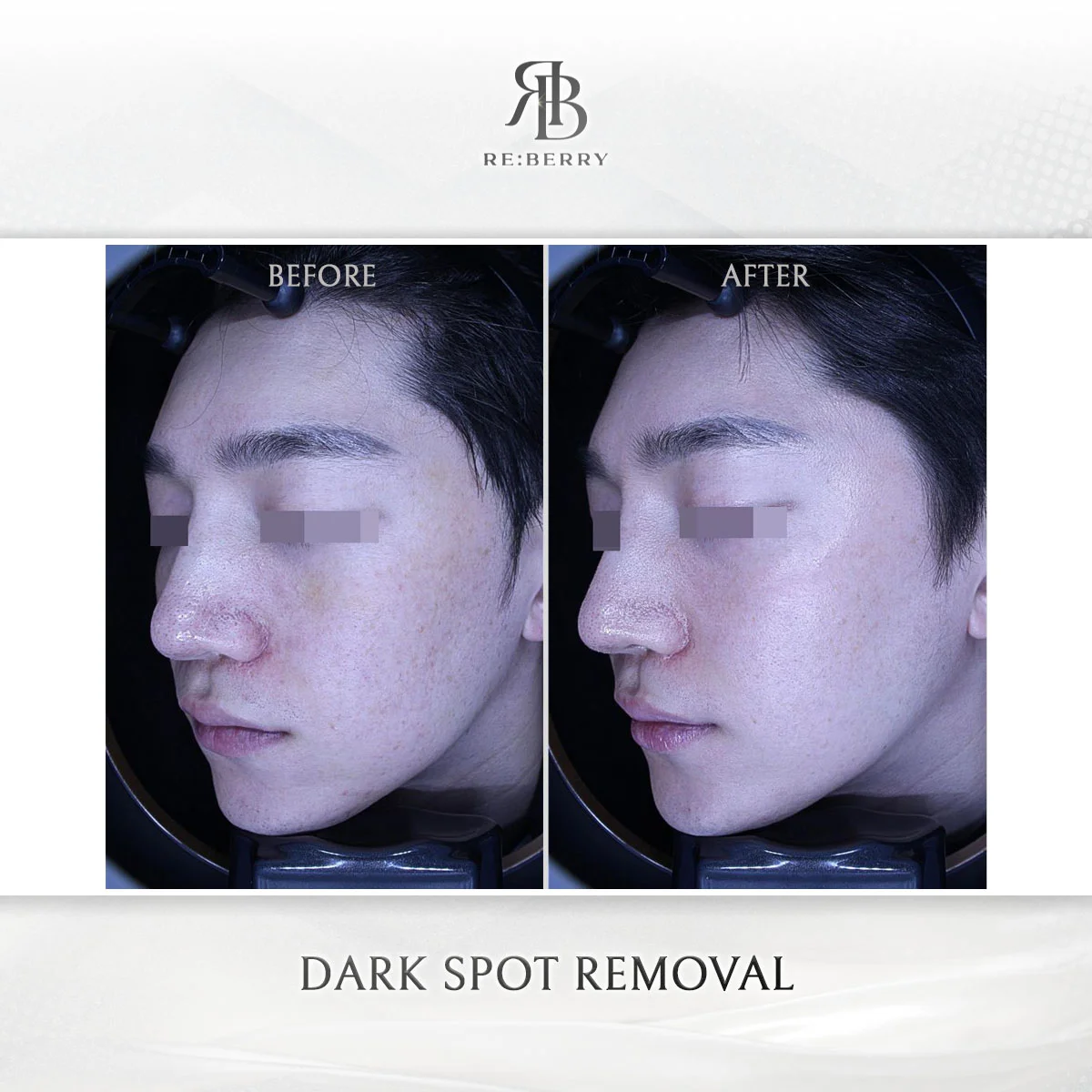
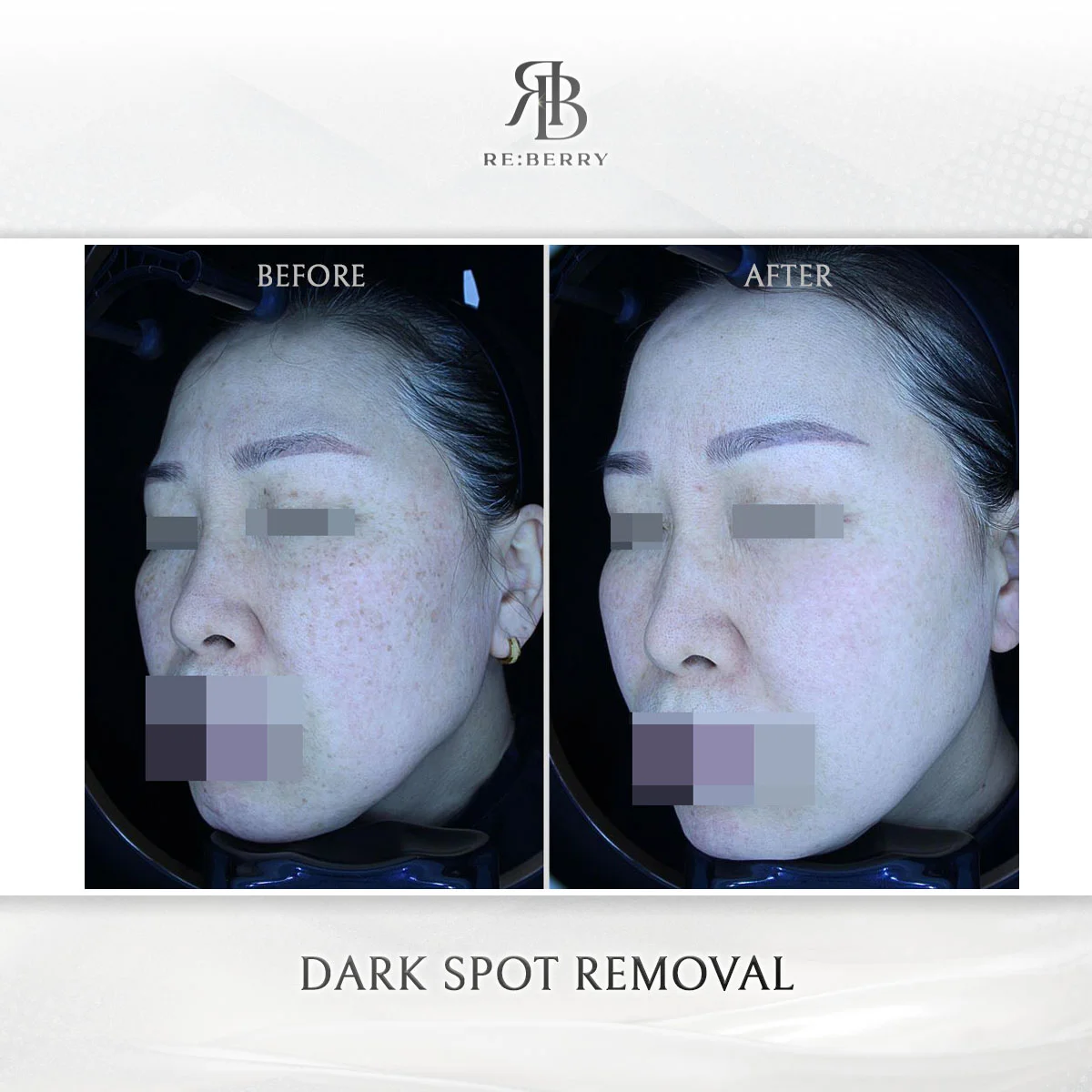
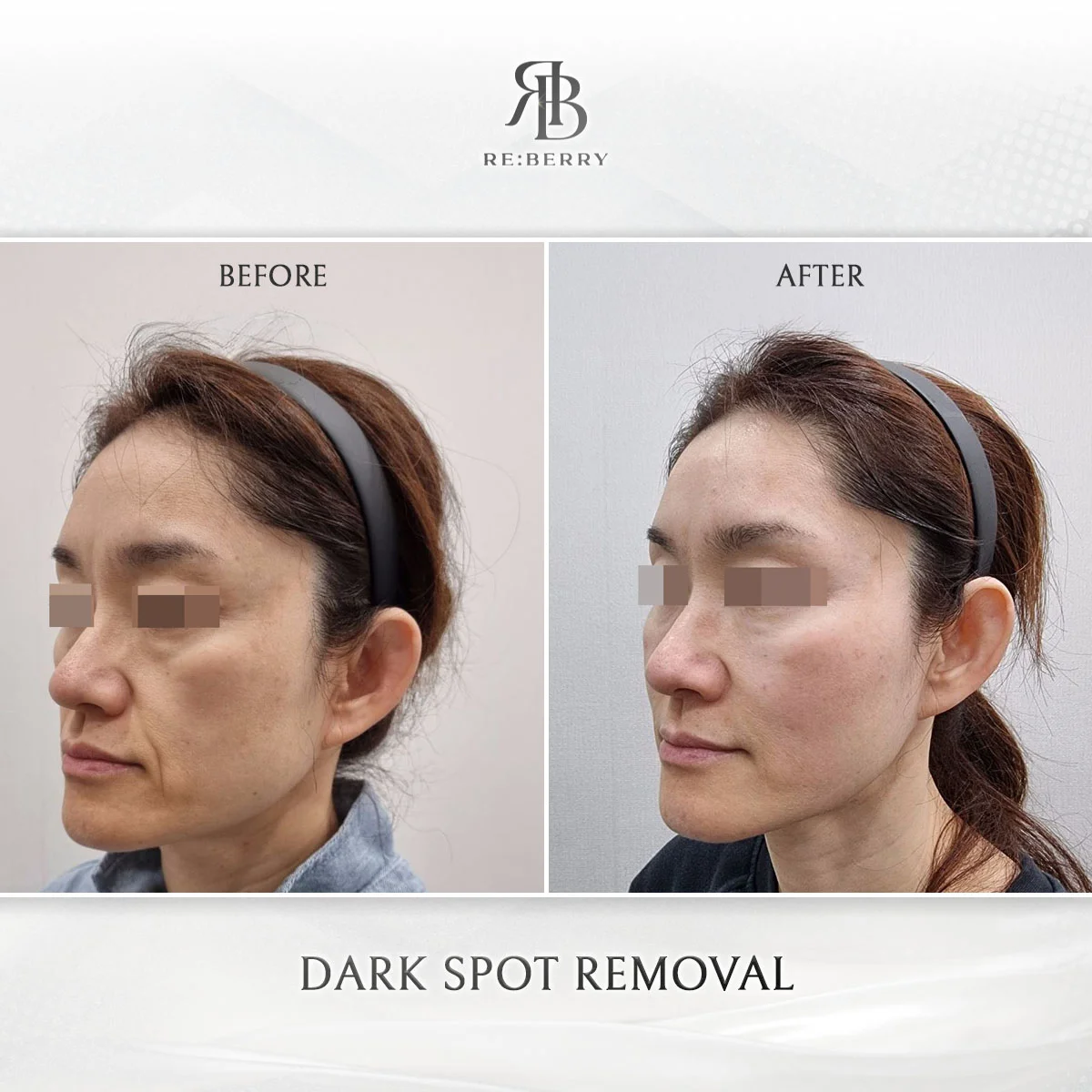
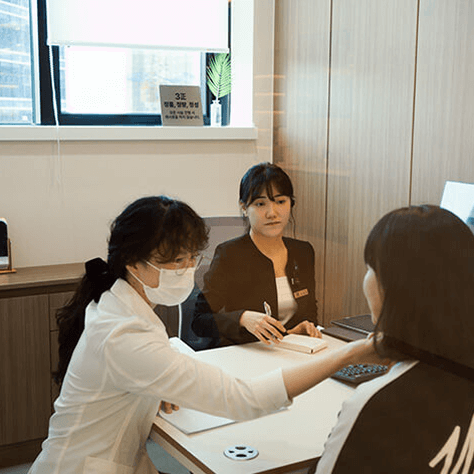
Dr. Sunbeen Kim, Medical Director, examines the lesions, confirms they are warts, and explains the best method in English.
Once the method is agreed, treatment usually takes about 10 to 30 minutes depending on how many warts are removed.
CO2 laser often clears a wart in 1 session, while cryotherapy runs across 2 to 3 visits about 2 to 3 weeks apart.
Treated warts heal over about 1 to 2 weeks, and the doctor checks for full clearance and any early return.
Because HPV can persist, careful aftercare lowers recurrence risk, and any follow-up is planned at review.
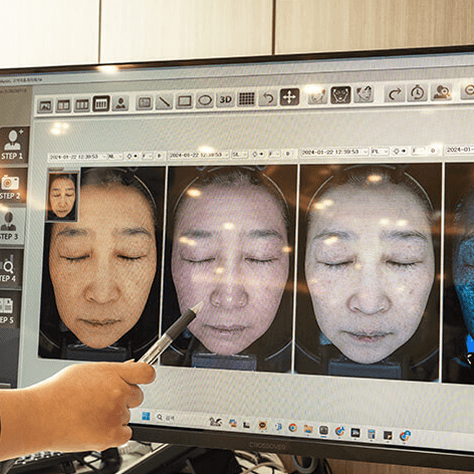
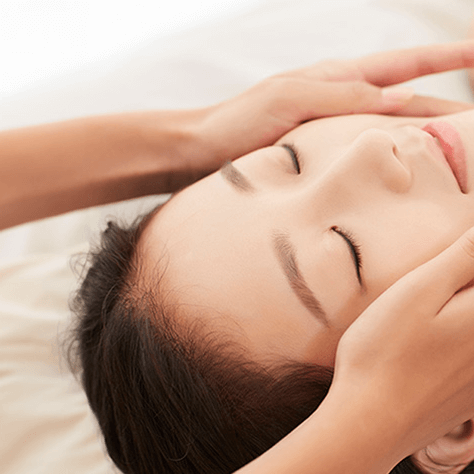
Wart removal near Incheon Airport uses ablative CO2 laser, which vaporises the wart, or cryotherapy, which freezes it with liquid nitrogen. The doctor first confirms the diagnosis, then picks the method by wart type and location. You can read more on our laser treatment page before your visit.
Warts are caused by the human papillomavirus (HPV), which infects the top layer of skin and makes it grow into a rough bump. They spread by direct contact and through shared surfaces like pool decks. Because the virus lives in the skin, warts can be stubborn and can recur, which is why professional removal focuses on clearing the lesion cleanly.
It depends on the wart. CO2 laser is precise and often clears a defined or thick wart in 1 session, while cryotherapy is simple and suits small or superficial warts over 2 to 3 visits. The doctor matches the method to your wart type, thickness, and location. Compare options on our laser page.
CO2 laser often clears a wart in 1 session, while cryotherapy usually needs 2 to 3 sessions spaced about 2 to 3 weeks apart. Thick plantar warts or recurrent warts may need extra visits. The exact number depends on wart type and how your skin responds, which the doctor reviews between sessions.
Warts can recur because HPV persists in the surrounding skin even after the visible wart clears. Studies report low but real recurrence rates of a few percent. Careful aftercare and follow-up reduce the risk. Warts are managed rather than a one-time fix, and any follow-up is planned transparently with your doctor.
Discomfort is usually mild and brief. CO2 laser is done after numbing and feels like short heat, while cryotherapy causes a stinging cold sensation during freezing. Most patients tolerate both well. Your doctor manages comfort based on the method and the wart’s location and explains what to expect before starting.
Downtime is short. CO2 laser leaves a small treated wound that scabs and heals over about 1 to 2 weeks, while cryotherapy causes a blister then a scab. Plantar warts on the sole take a little longer because of walking pressure. Your doctor gives simple aftercare to protect the healing skin.
Most wart treatments heal with little to no visible mark when aftercare is followed, though thick or deep warts carry a small risk of a faint scar. The doctor chooses method and settings to minimise this and explains realistic expectations. Sun protection during healing helps the treated skin recover evenly and reduces marks.
Yes, common, flat, and plantar warts can all be treated once the doctor confirms the type. Flat warts are often thin and may suit cryotherapy or gentle laser, while thick plantar warts on the sole usually respond better to precise CO2 laser. The method is chosen to fit the wart’s depth and location.
Yes, multiple warts can often be treated in a single visit, though large clusters may be staged to protect the skin. The doctor decides how many can be safely removed per session based on their size and location. This is confirmed at your consultation along with the aftercare you will need.
Little preparation is needed. Keep the area clean, avoid picking at the wart, and mention any medications or healing conditions at consultation. For a plantar wart, comfortable footwear helps afterwards. The doctor confirms the diagnosis and method on the day, so you can review the approach on our laser treatment page beforehand.
Most adults with confirmed common, plantar, or flat warts are suitable, especially if over-the-counter care has not worked. A consultation confirms the diagnosis and rules out other growths. People with impaired foot healing or during pregnancy need careful assessment first, which the doctor explains before any treatment begins.
Laser and cryotherapy wart removal are widely performed and generally considered safe when a trained doctor confirms the diagnosis and matches method to wart. A consultation reduces risks like temporary redness or a small scar. Correct classification of the lesion is the key safety step before any procedure. See our skin care page for healing support.
Keep the treated area clean and dry, avoid picking the scab, and use sun protection while it heals. These simple steps support clean healing and help lower recurrence risk. Some patients add a supportive ointment, which is optional. A gentle skin care routine helps the skin recover after treatment.
For most warts, 1 to 2 days is enough for a consultation and the first session, which suits a stopover near ICN. Cryotherapy may need return visits, but many travellers complete a CO2 laser session in a single trip. Our English-speaking team helps coordinate timing around your flights and any follow-up.
Wart removal near the airport is performed at our Incheon Airport (Yeongjongdo) location close to ICN, with Dr. Sunbeen Kim, Medical Director, and full English support. This makes it convenient for transit passengers and nearby residents. You can review the approach on our laser treatment page before you arrive.
| CO2 Laser | Cryotherapy (Freezing) | Combined / Recalcitrant Plan | |
|---|---|---|---|
| Mechanism | Focused light energy vaporises the wart | Liquid nitrogen freezes the wart to shed it | Laser plus follow-up for stubborn warts |
| Best for | Defined common warts and thick plantar warts | Small, superficial, or multiple thin warts | Recurrent or resistant warts that returned |
| Sessions | Often 1 session per wart | Usually 2 to 3 sessions weeks apart | A first session plus planned follow-up |
| Comfort | Numbed first, feels like brief heat | Stinging cold during freezing | Depends on method and lesion count |
| Downtime | Small wound heals over 1 to 2 weeks | Blister then scab, mild and short | Varies with how many warts are treated |
| Recurrence note | Precise, but HPV can still recur | Simple, but may need repeat sessions | Aims to reduce return of stubborn warts |
Real verified reviews from our Google Business Profile, across all Reberry Clinic locations.
PULLED LIVE FROM GOOGLE · GANGNAM · MYEONGDONG · INCHEON AIRPORT
Your treatment is planned and performed by experienced, MFDS-registered doctors across our Seoul-area clinics, with multilingual support for international patients.
Flagship clinic · KOL for leading lifting & regenerative devices · Featured in Authority Magazine (2026)
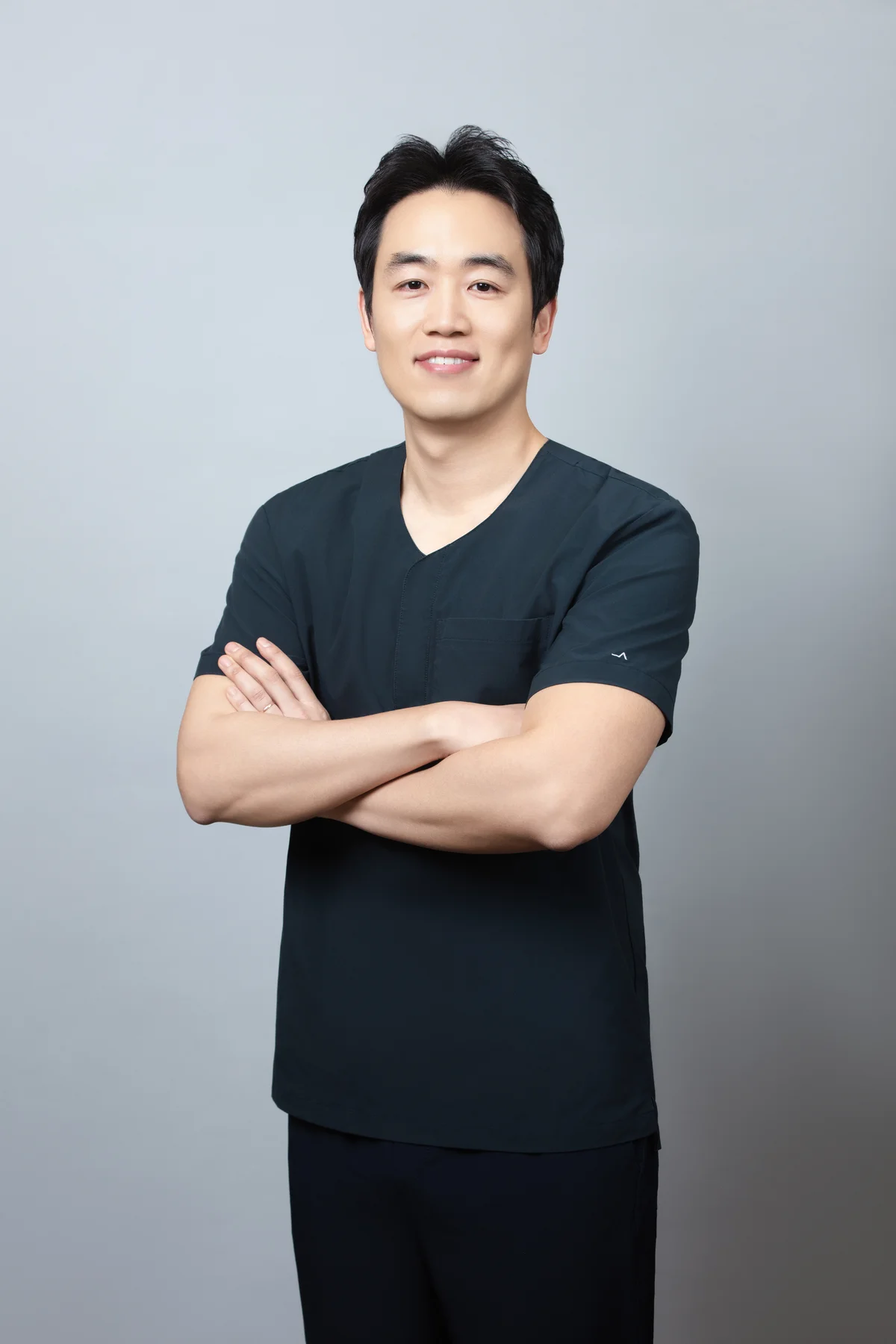
Multilingual tourist care beside Myeongdong Cathedral
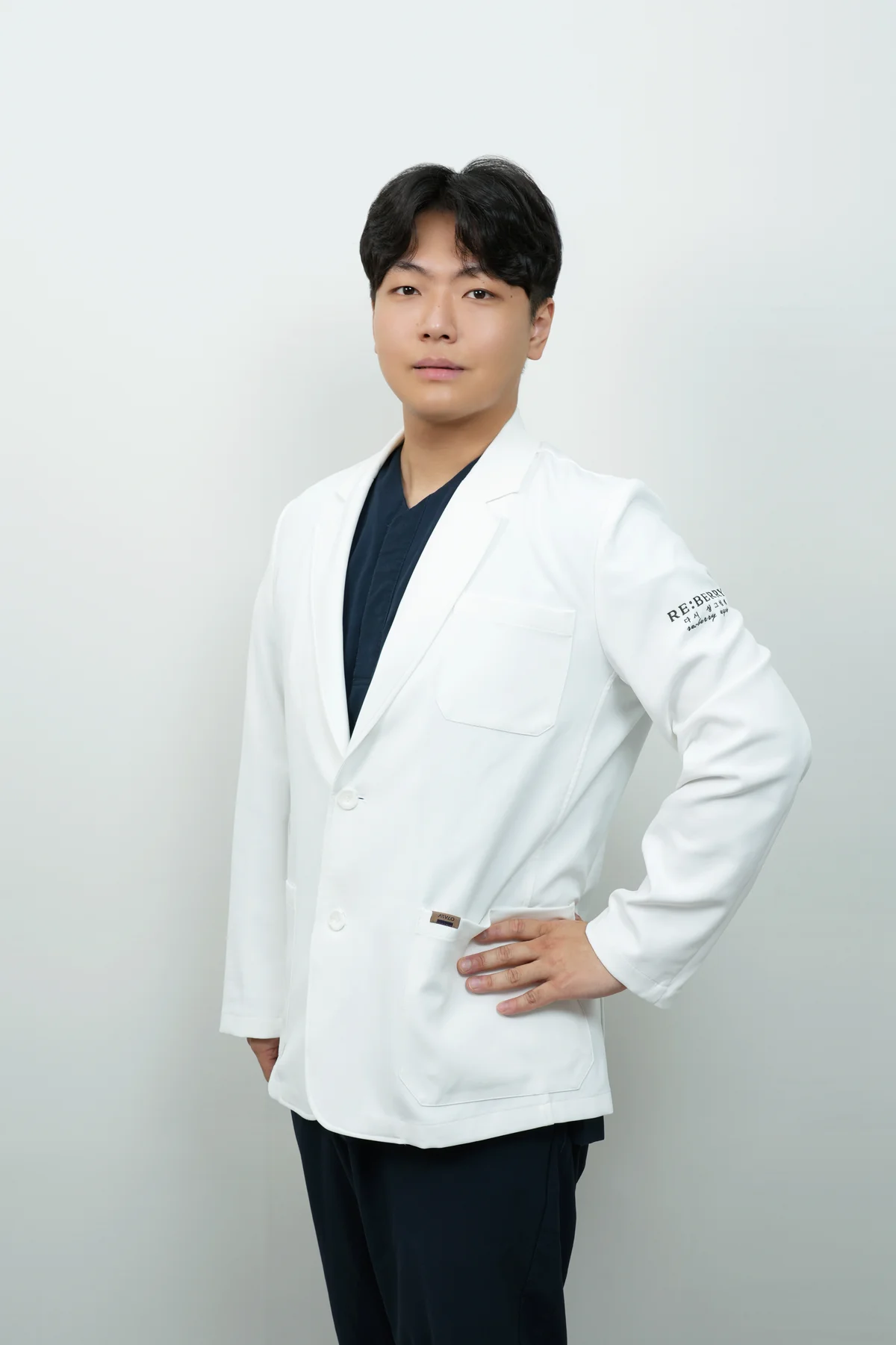
Fast, effective care 20 minutes from the terminals
Message us on WhatsApp for a free consultation in English about your warts and the right removal method for you.