



Gangnam
Dr. Yoon-Gon Ryu
Aesthetic Medicine Specialist
Flagship clinic · KOL for leading lifting & regenerative devices · Featured in Authority Magazine (2026)


A first visit at our Incheon Airport (Yeongjongdo) location follows 4 clear stages, from a doctor-led skin assessment to a tailored plan and aftercare, usually within a single 45 to 90 minute appointment.
Expect a consultation-first visit: at our Incheon Airport (Yeongjongdo) location, Dr. Sunbeen Kim and the clinic’s doctors assess your skin, discuss your goals in English, then build a tailored plan. Many first appointments run 45 to 90 minutes, including a same-day treatment when suitable, with clear aftercare so you can travel comfortably.
One-on-One guidance from a dedicated doctor, ensuring your skin is professionally monitored and treated from start to finish.
Fluent assistance in English, Japanese, and Chinese, making communication clear, respectful and comfortable for international patients.
Over 100,000 patients worldwide have received our personalized dermatological care, highlighting our expertise and reliable results.
A first skin-treatment visit at Reberry Clinic is built around a consultation rather than jumping straight to a machine. When you arrive at our Incheon Airport (Yeongjongdo) location, the clinic’s doctors first listen to your goals, review your skin history, and examine your skin type and concerns in person. Only then is a treatment recommended, which is why no two plans look the same.
This matters because skin varies widely. Studies of the Korean population show Fitzpatrick types III, IV, and V make up roughly 88.8% of people, and each responds differently to lasers, energy devices, and injectables. A careful assessment lets the doctor match settings and modalities to your skin, reducing risks such as temporary redness or pigment change and improving how predictable your results are.
For international patients arriving through Incheon Airport, this location is designed around transit and stopover schedules. English support runs through the whole visit, from the initial skin care consultation to the aftercare instructions, so you leave knowing exactly what was done and what to do next.
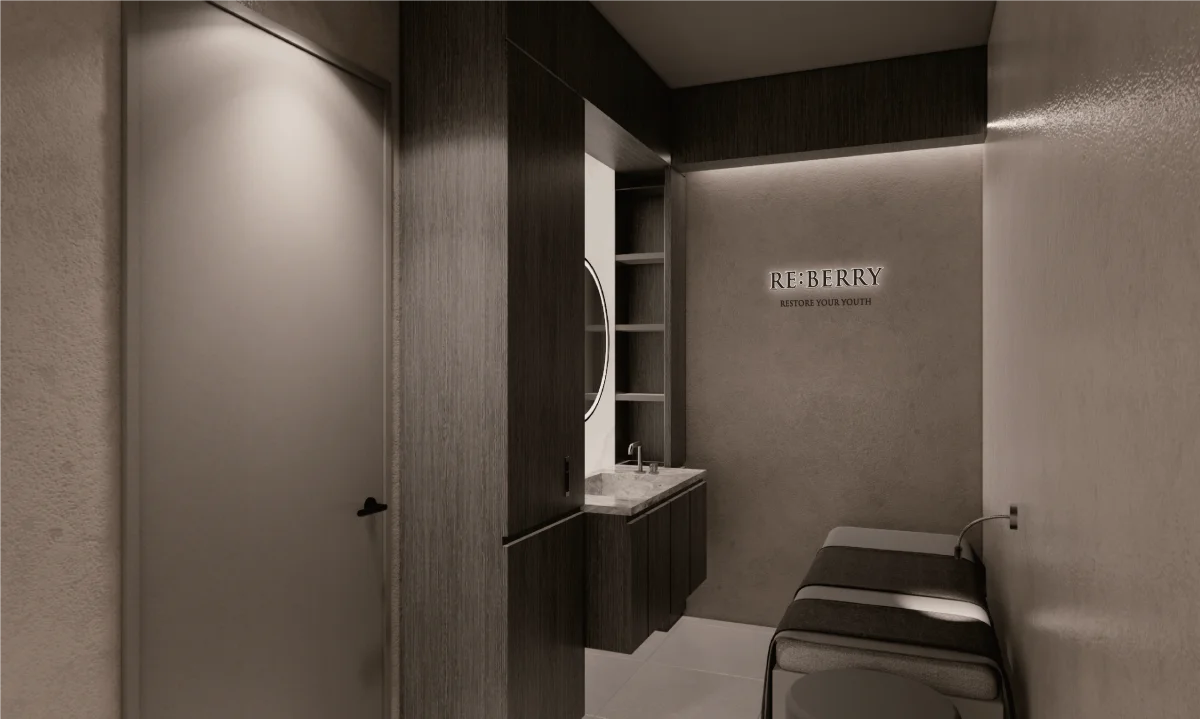
The assessment is the engine of the whole visit. The clinic’s doctors evaluate several factors at once: your skin type and tone, oiliness and hydration, pore and texture concerns, pigmentation, laxity, and any active issues such as breakouts or sensitivity. Because a Korean population study found the Fitzpatrick scale alone weakly predicts skin reactions, the doctor also asks about your history of sun exposure, past treatments, medications, and how your skin has reacted before. This layered picture guides which modality is appropriate, whether that is a gentle facial such as HydraFacial hydradermabrasion, a laser, an energy-based lifting device, or an injectable skin booster. Settings are then dialled to your skin rather than a generic default, and for darker or more reactive skin the doctor typically chooses more conservative parameters to lower the chance of post-inflammatory pigmentation. The goal is a plan that is both effective and safe for your individual skin, explained clearly before anything begins.
One Reberry Clinic, multiple Seoul-area locations. Pricing & current promotions are listed on each branch's own site — tap a clinic to view pricing & book.
Our flagship in the heart of Gangnam.
In Seoul's shopping & tourism heart.
A beauty stop between flights.
The newest Reberry Clinic — in Seoul's trend district.
ONE REBERRY CLINIC · MFDS-REGISTERED DEVICES · MULTILINGUAL CARE AT EVERY LOCATION

In the first 10 to 20 minutes the clinic’s doctors review your goals, skin history, and any past reactions, all in English.
The doctor examines your skin across 6 areas (type, hydration, pores, pigmentation, laxity, active issues) to match the right modality.
You receive a plan that may combine 1 to 3 modalities, with the cost drivers explained before you decide anything.
If suitable, a first treatment is done the same day, with most non-invasive sessions taking about 20 to 45 minutes.
Before you leave, you get written aftercare covering sun protection and skincare for the first 3 to 7 days.

See representative outcomes from Reberry Clinic. Results build gradually and vary by individual; your plan is assessed at consultation.
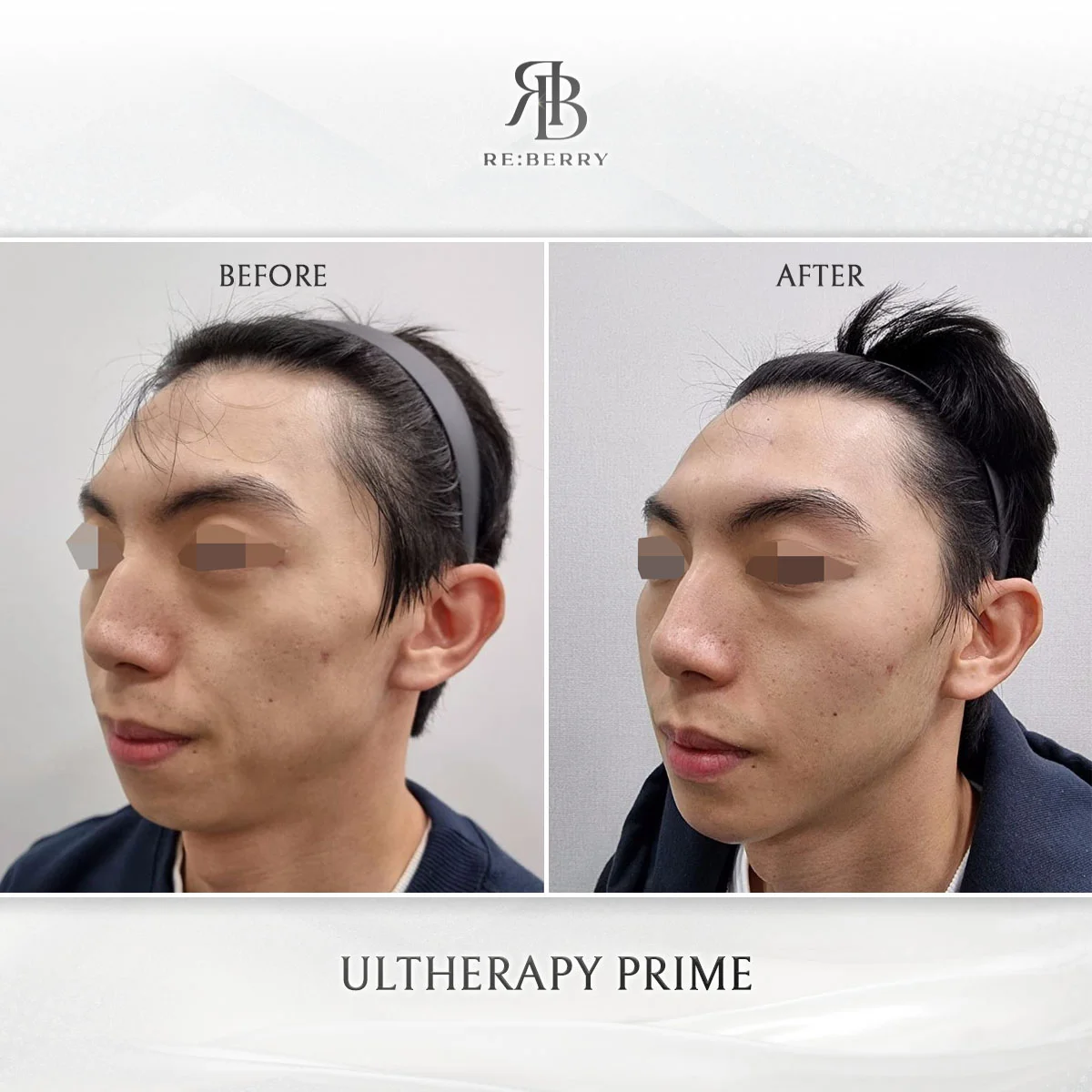
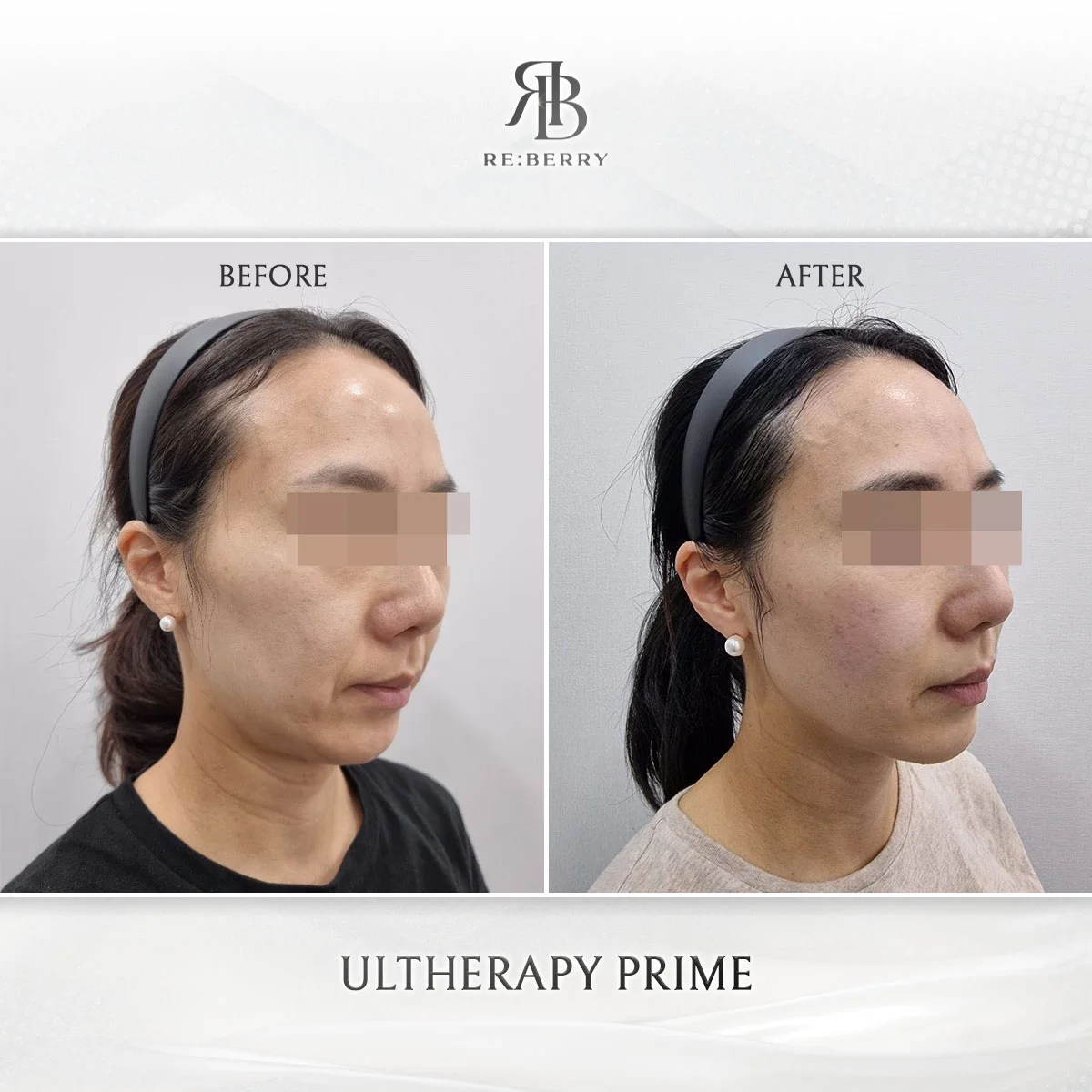
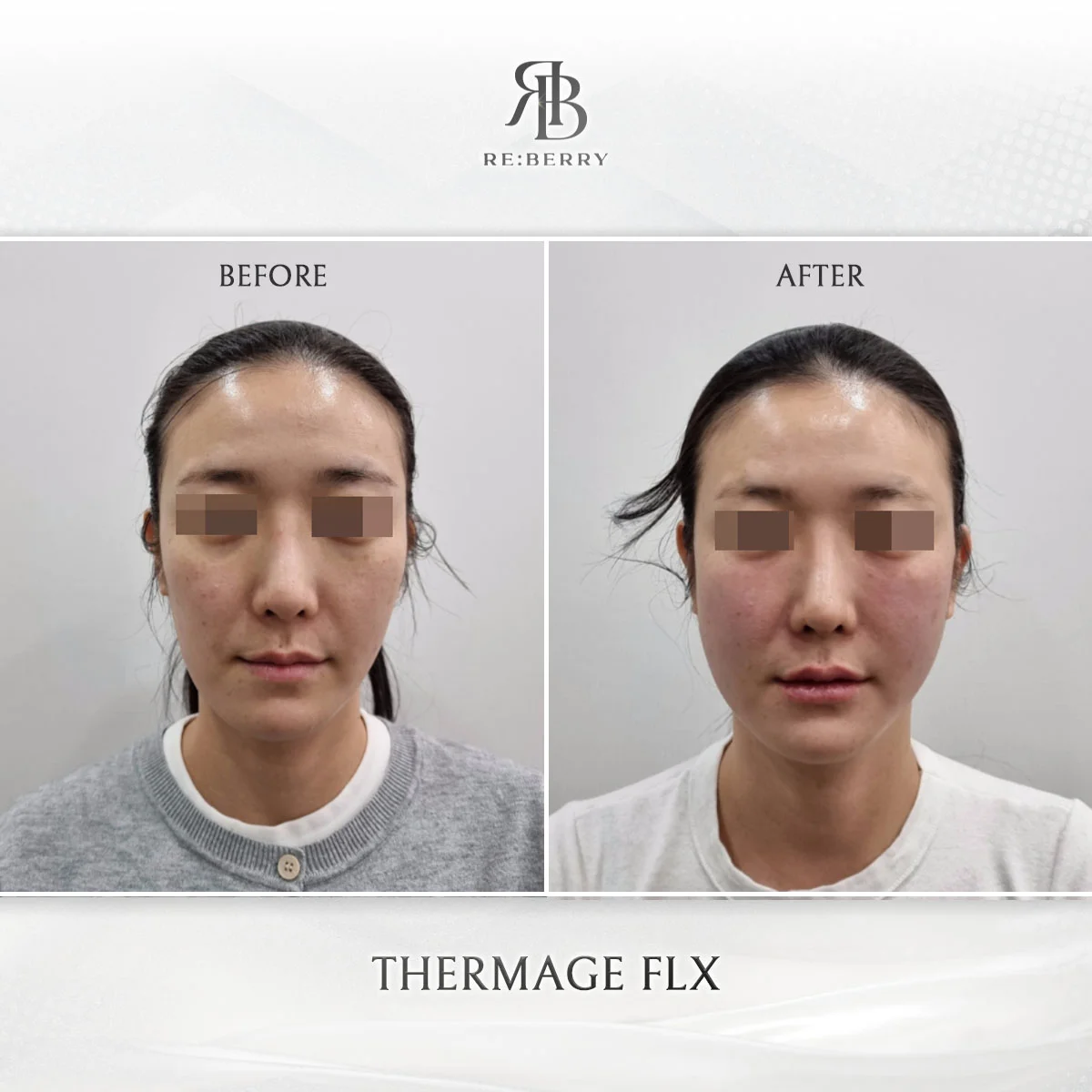
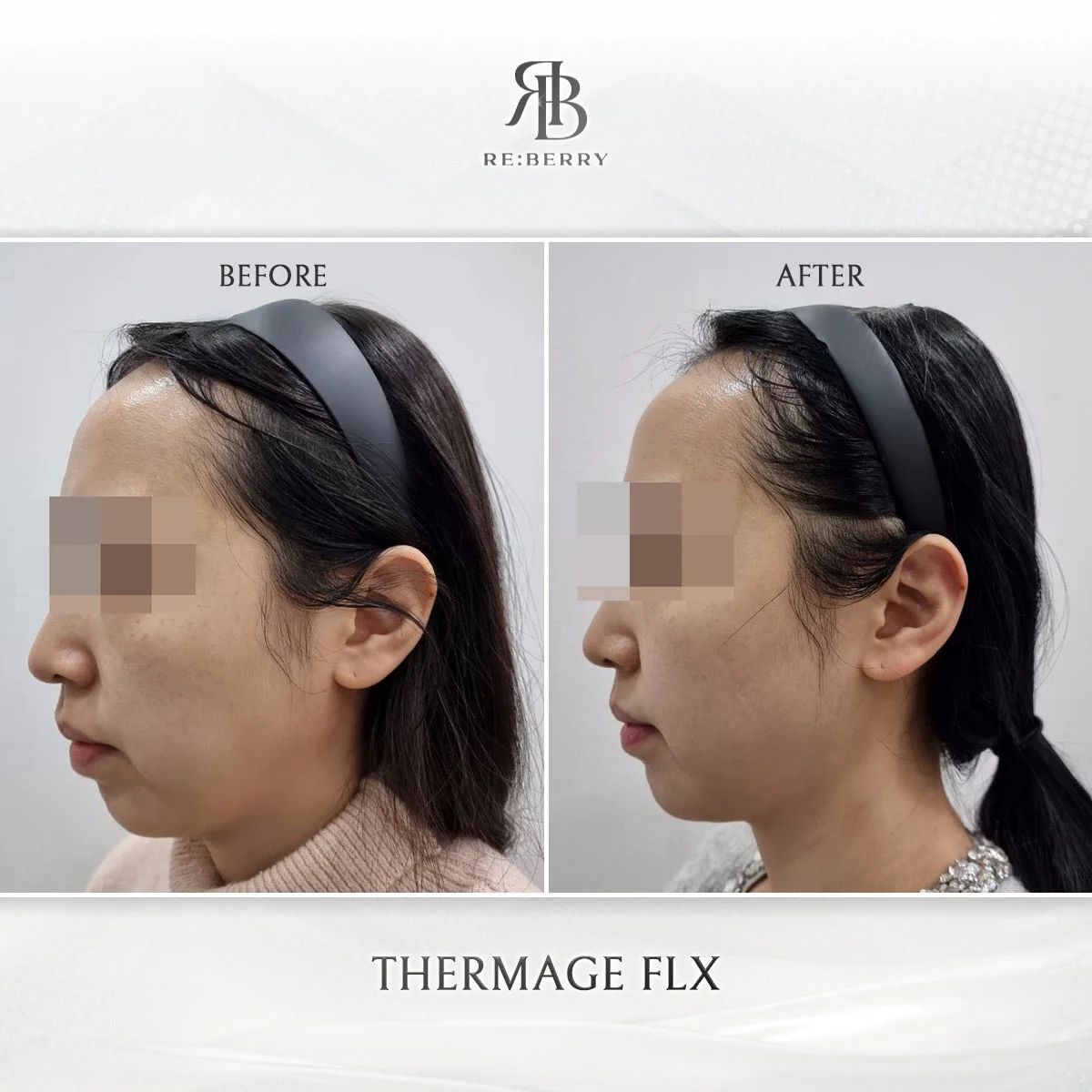
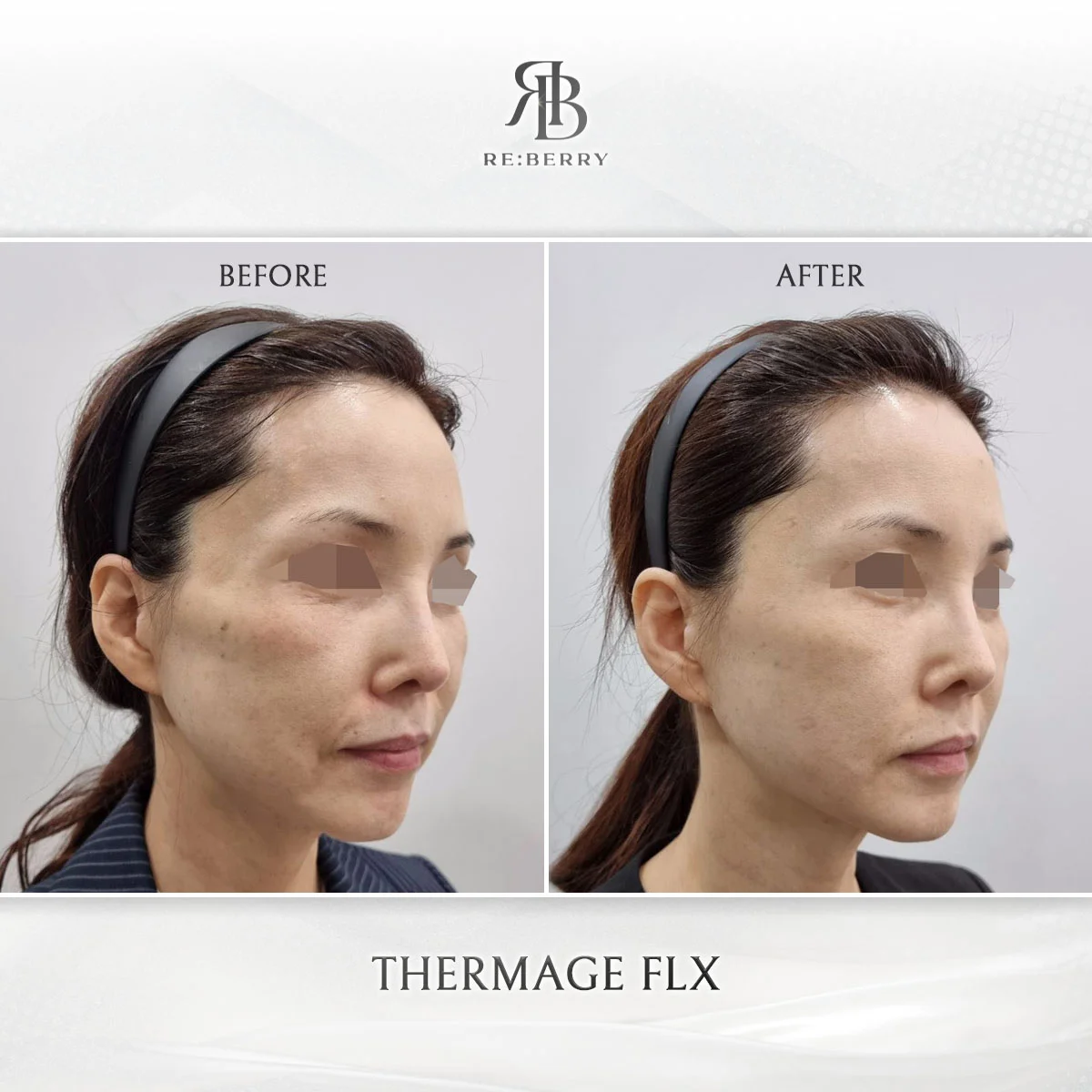
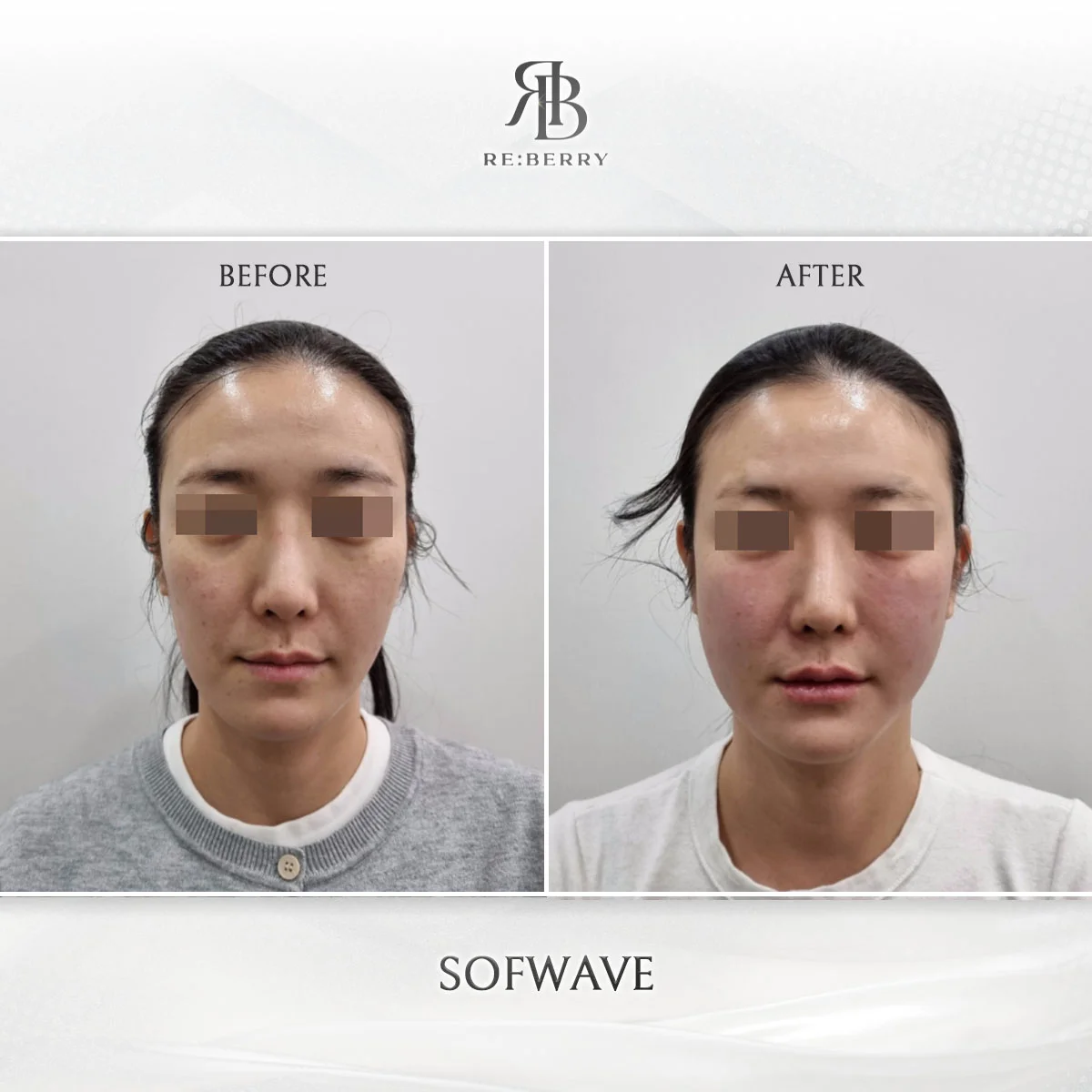
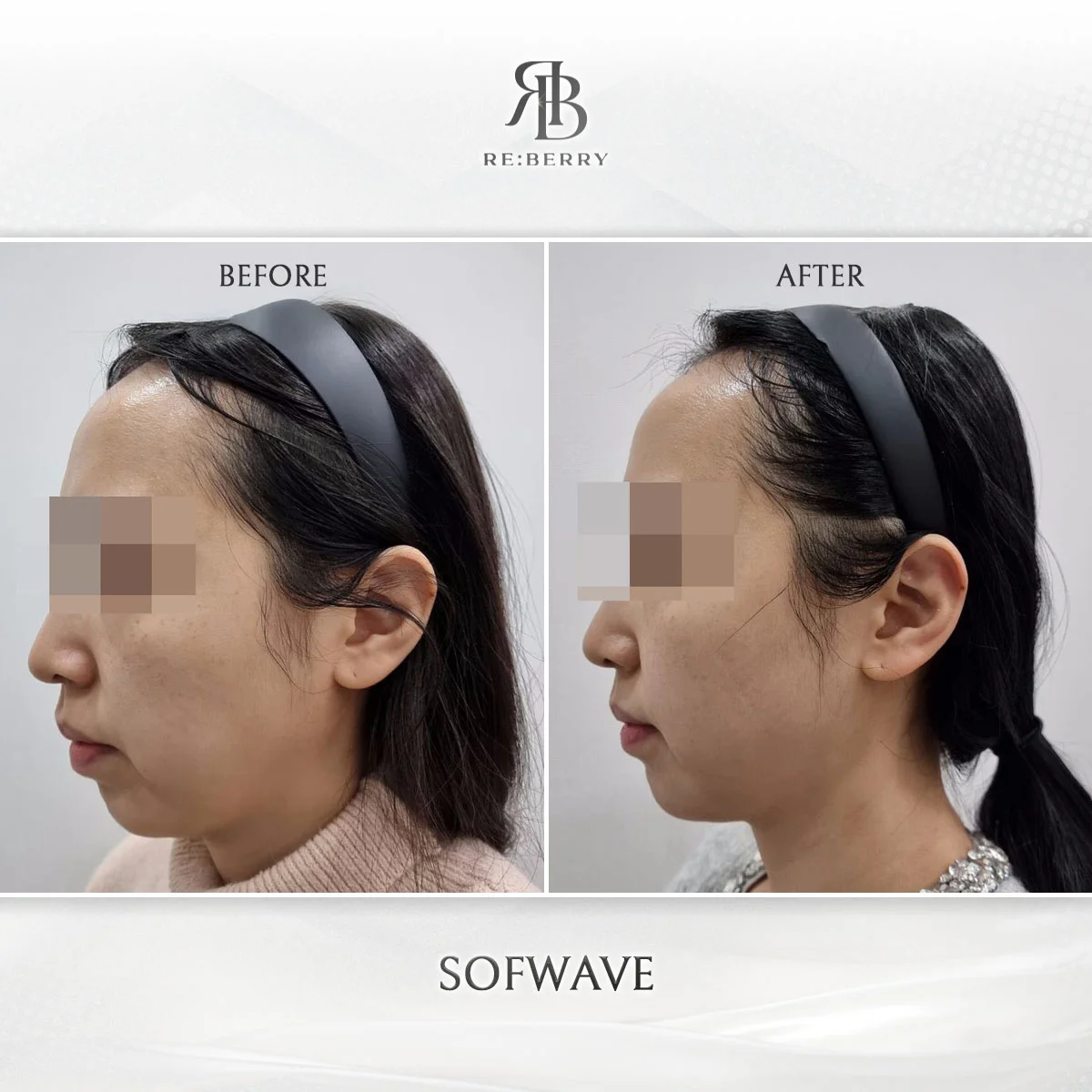
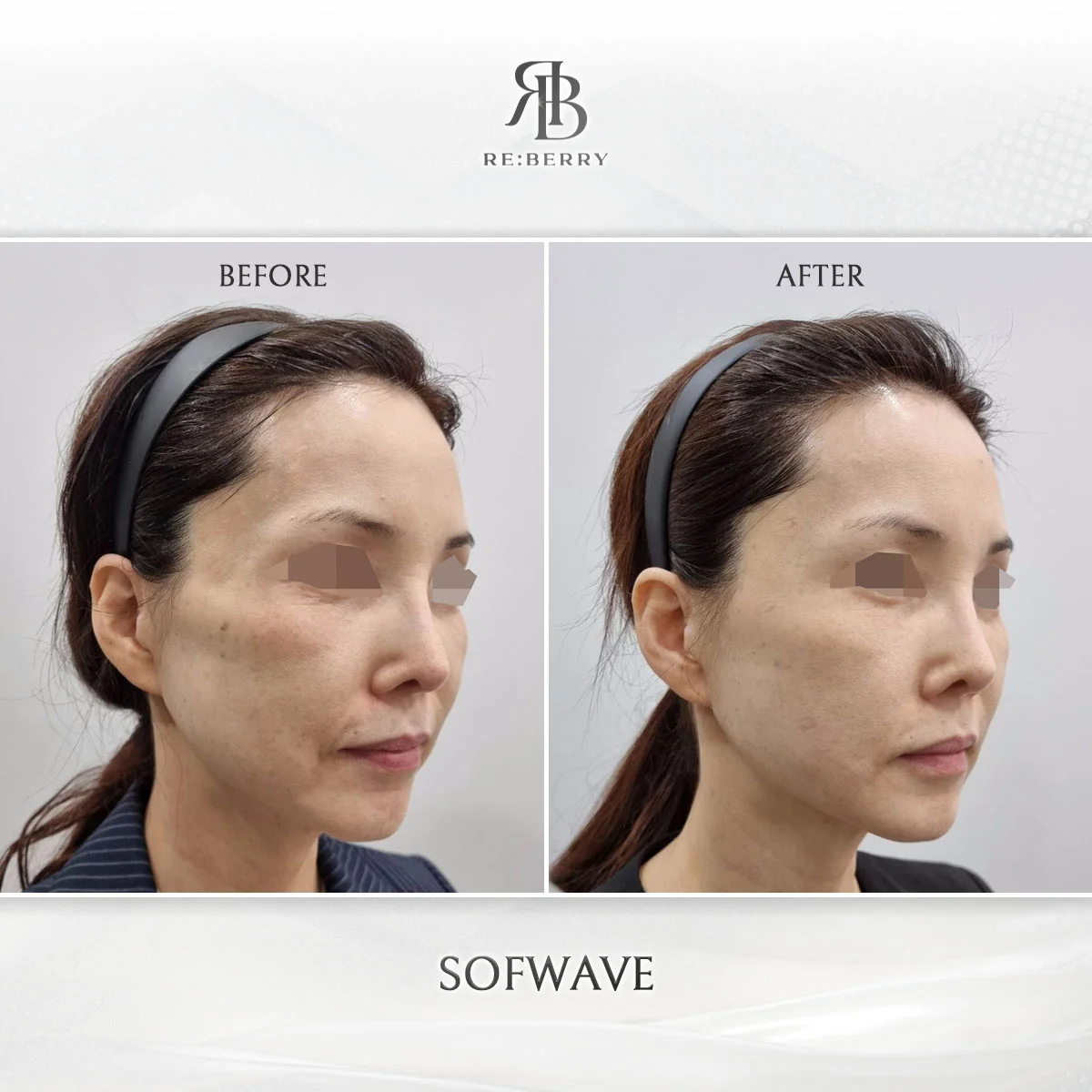
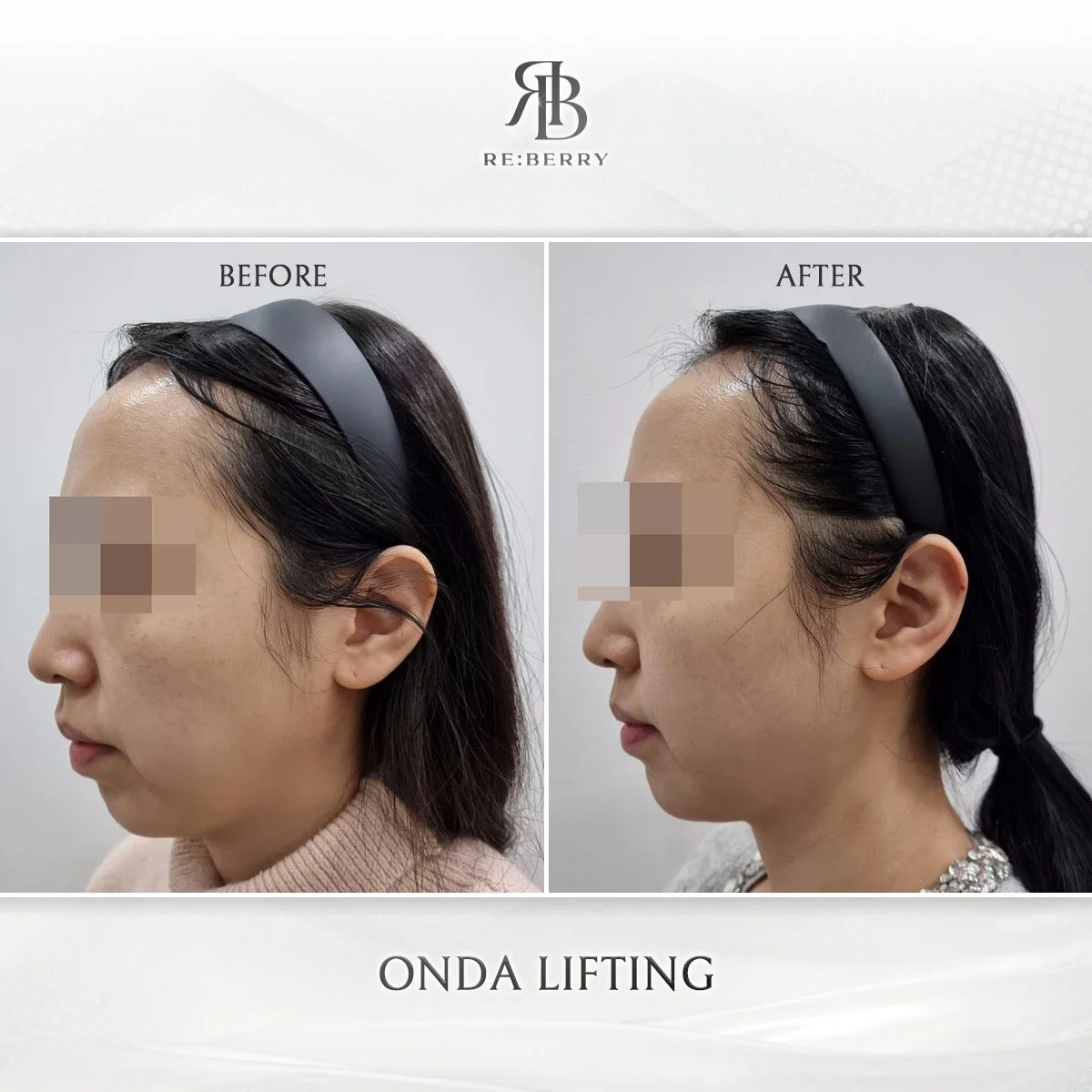
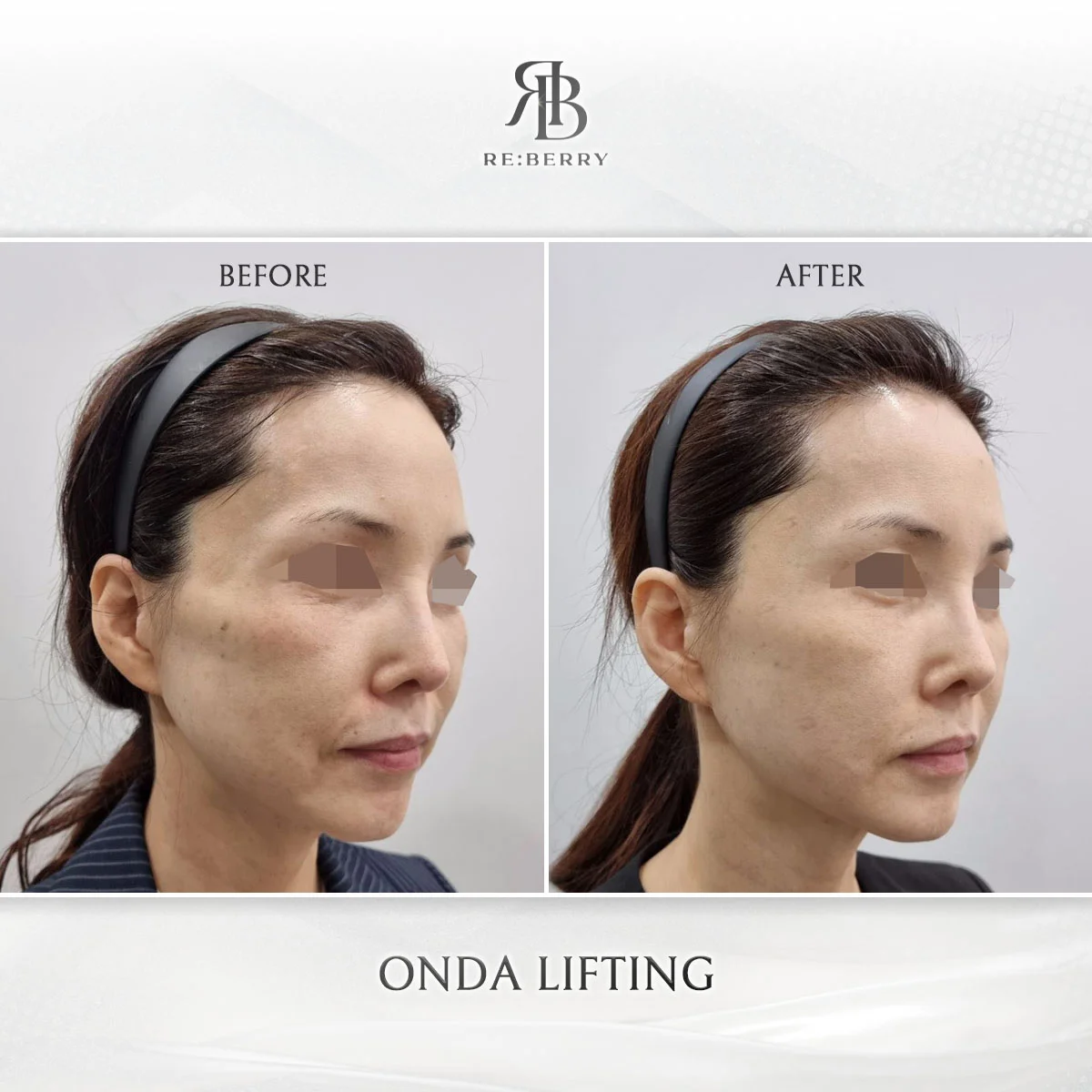
The clinic’s doctors review your goals and skin history in English, then explain which options suit your skin and why.
After assessment, a suitable low-downtime treatment can often be done the same day, typically within 20 to 45 minutes.
A first visit usually runs 45 to 90 minutes end to end, longer if you are combining more than one modality.
Some treatments give an immediate glow, while texture, pores, and laxity improve gradually over the following weeks.
You leave with written aftercare, and results are maintained with sun protection, skincare, and any planned follow-up sessions.



Expect a consultation first, not an immediate procedure. At our Incheon Airport (Yeongjongdo) location, the clinic’s doctors assess your skin across several areas, discuss your goals in English, and build a tailored plan. A suitable low-downtime treatment can often follow the same day. See our skin care page for an overview.
A first visit usually runs 45 to 90 minutes end to end, including consultation, skin assessment, and a same-day treatment when suitable. If you only want a consultation and plan, expect about 20 to 30 minutes. Combining more than one modality adds time, which the team explains before you decide.
Booking ahead is strongly recommended, especially on a layover, so a doctor and treatment room are ready when you arrive. Our English-speaking team can help align your appointment with your flight timing at the Incheon Airport (Yeongjongdo) location. This avoids waiting and protects your limited transit window.
The visit is consultation-led, so assessment comes first. The clinic’s doctors examine your skin type, hydration, pores, pigmentation, and laxity before recommending anything, because Korean population data shows skin reactions vary widely. A tailored skin care plan is then explained, with no obligation to proceed the same day.
Yes, in many cases a suitable, low-downtime treatment is done the same day once your skin is assessed. Most non-invasive sessions take about 20 to 45 minutes. If your concern needs a more involved plan or your skin is reactive, the doctor may recommend starting conservatively rather than rushing.
Gentle, low-downtime options are common for first visits, such as HydraFacial hydradermabrasion, mild lasers, or a skin booster, depending on your concern. The right choice is decided at assessment. Your doctor matches the modality and settings to your skin type so results are effective and comfortable.
Comfort depends on the modality, and most first-visit treatments are gentle with minimal discomfort. Numbing cream is used where helpful. Temporary redness lasting a few hours to a day is common with some treatments, which is why the doctor briefs you on expected recovery before starting so there are no surprises.
Most first-visit treatments have minimal to no downtime, so you can usually continue your trip the same day. Redness or mild sensitivity may last a few hours to a couple of days depending on the treatment. Your doctor tells you exactly what to expect so you can plan around your flight.
Some treatments give an immediate glow or smoother texture, while deeper goals like laxity or pigmentation improve gradually over weeks as collagen and cell turnover respond. Your doctor explains a realistic timeline for the specific treatment chosen, so you know what to expect on the day and in the following weeks.
Cost is consultation-led rather than a fixed menu, because it depends on which modalities your skin actually needs and how many sessions. After assessment, the clinic’s doctors explain the cost drivers transparently in English. This means you understand what you are paying for before agreeing to any treatment.
Yes, some concerns are addressed by combining modalities, such as a cleansing facial with a skin booster, when your skin can tolerate it. The doctor sequences treatments so your skin is not over-stressed. Whether combining suits your first visit is decided at assessment, factoring in your timeline and how your skin reacts.
Yes, when settings are tailored, first treatments are widely considered safe for sensitive and darker skin. Korean clinicians routinely adjust parameters for Fitzpatrick types III to V to lower pigment-change risk. For example, a gentle HydraFacial suits reactive skin, and your doctor chooses conservative settings where needed.
You leave with written aftercare covering daily sunscreen, gentle non-comedogenic skincare, and avoiding heat or heavy exercise for a short period. A supportive skin care routine protects your results while you travel. The exact instructions depend on the treatment, and the team explains them clearly in English before you go.
Yes, most first-visit treatments are non-invasive, so flying within a day or so is generally fine. Cabin air is drying, so moisturise and protect treated skin from sun. If you had a more intensive treatment, your doctor advises on timing and aftercare so you can travel comfortably from Incheon Airport.
Most adults seeking to improve skin quality, texture, tone, or firmness are suitable candidates for some form of treatment. A consultation confirms which options fit your skin and goals. Certain conditions, such as active infection or pregnancy, require review first, which is why assessment always comes before any procedure at the clinic.
International patients can begin a plan in Seoul and continue on return visits, and the clinic offers remote check-ins in English between trips. Your treatment notes are kept on file for continuity, and you can maintain results at home with a supportive skin care routine your doctor recommends.
Our Incheon Airport (Yeongjongdo) location serves transit and stopover patients arriving through ICN, led by Dr. Sunbeen Kim as Medical Director. It is designed around flight schedules with full English support. Reberry Clinic also has Seoul locations in Gangnam and Myeongdong if you are staying in the city.
For a single low-downtime treatment, even a long layover can work. For a fuller plan, 2 to 3 days lets you complete a consultation, treatment, and a short review. Many international patients start near Incheon Airport and continue across return visits, and the team helps coordinate timing around your travel.
| Consultation-Only Visit | Consultation + Same-Day Treatment | Multi-Session Plan | |
|---|---|---|---|
| Best for | Planning ahead or complex concerns | Simple, low-downtime treatments on a tight schedule | Goals that build over time, such as texture or laxity |
| Time on the day | About 20 to 30 minutes for assessment | Roughly 45 to 90 minutes including treatment | First visit similar, then shorter follow-ups |
| Downtime | None | Usually minimal, modality dependent | Minimal to mild, spaced across visits |
| Results timeline | No treatment yet, plan only | Some immediate glow, more builds over days | Builds gradually across the series |
| Travel fit | Ideal for a quick stopover | Good for a longer layover or short trip | Started in Seoul, continued on return visits |
| Cost factors | Consultation-led, plan explained | Depends on the single modality chosen | Depends on modalities and number of sessions |
Real verified reviews from our Google Business Profile, across all Reberry Clinic locations.
PULLED LIVE FROM GOOGLE · GANGNAM · MYEONGDONG · INCHEON AIRPORT
Your treatment is planned and performed by experienced, MFDS-registered doctors across our Seoul-area clinics, with multilingual support for international patients.
Flagship clinic · KOL for leading lifting & regenerative devices · Featured in Authority Magazine (2026)

Multilingual tourist care beside Myeongdong Cathedral

Fast, effective care 20 minutes from the terminals
Message us on WhatsApp for a free consultation in English about what to expect at our Incheon Airport location.