


It’s completely natural to wonder how Botox affects the brain or whether it can travel beyond the injection site. Many first-time users hear the word “toxin” and instantly think of possible effects on nerves or brain function. Well, studies suggest that Botox can interact with certain parts of the nervous system, though any potential influence on the brain depends greatly on dosage, injection technique, and medical expertise.
In this article, we’ll unpack the science behind how Botox affects your brain, explore what research actually says about Botox and the brain, and help you understand the real level of risk involved. You will also be guided on how to get a Botox injection conveniently and safely to get your desired facial look with Botox injection minimizing every potential risk.
How Botox Injections Actually Work?
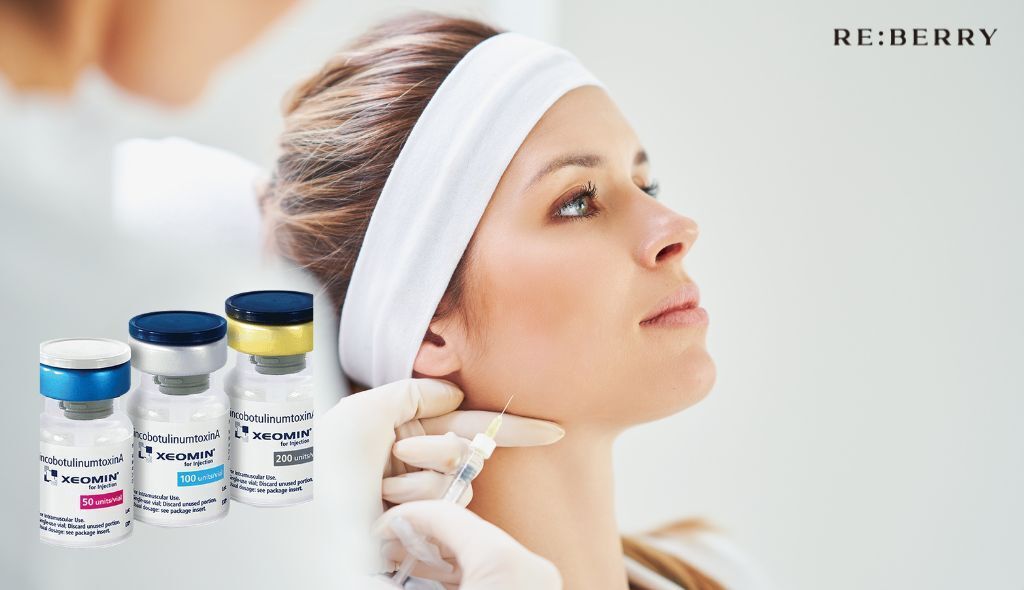 Botox injections work by interacting with the communication system between nerves and muscles. When injected, the purified botulinum toxin binds to nerve endings at the neuromuscular junction, the point where nerve cells meet muscle fibers. This temporarily blocks the release of acetylcholine, a key chemical messenger that triggers muscle activity.
By interrupting this signal, Botox prevents excessive or repetitive muscle contractions that lead to tension or dynamic facial lines. It is a highly localized injection that is intended to relax targeted muscles, smooth dynamic wrinkles, and restore a refreshed, natural appearance without affecting surrounding facial expressions.
How Does Botox Injection Affect the Brain?

Botox injection temporarily blocks the nerve signals to muscles, causing them to weaken or paralyzed. Its effects on the brain largely depend on the authenticity and clinical approval of the botulinum toxin used, as well as the precision of the injection technique.
When administered correctly by a well-trained doctor using an approved formulation, adverse effects are rare and usually mild. Conversely, any compromise in technique or the legitimacy of the product can lead to serious issues such as muscle weakness, swallowing difficulties, breathing problems, or unintended toxin spread.
The Center for the Neurobiology of Learning and Memory 2023 found that Botox injections in the forehead can change the way the brain interprets other people’s facial expressions. Such changes are more likely to occur if the product is unauthorized or the injection technique is poor, highlighting the importance of certified formulations and experienced practitioners.
What are the Complaints about Botox?
Recently, the U.S. Food and Drug Administration (FDA) issued 18 warning letters to platforms selling unapproved botulinum toxin products. The FDA cautioned that these fake formulations could lead to severe complications such as muscle weakness, breathing difficulty, vision problems, and even potential effects on the nervous system.
Moreover, one patient shared on RealSelf that after receiving Botox from an uncertified provider, she experienced prolonged facial stiffness, uneven expression, and unusual nerve sensations.
Her story reflects how unauthorized or poorly administered injections can increase the risk of Botox affecting the brain or nearby nerve pathways. It’s a strong reminder of why only FDA-approved products and qualified medical professionals should be trusted for any Botox treatment.
How to Prevent the Risk of Neurological Side Effects of Botox?
 Understanding what’s injected and who performs the procedure is important to prevent neurological side effects from Botox. Most reported complications occur due to unapproved toxins or poorly trained injectors. Botox interacts with nerve signals that communicate between the brain and muscles, so unauthorized or misused formulations can disrupt this process. Such errors may trigger unwanted reactions like numbness, muscle weakness, or nerve irritation.
It is always best to consult an aesthetic medicine specialist or aesthetic expert who evaluates your skin type, facial anatomy, and overall health before treatment. An experienced injector determines the correct dosage and placement to minimize any risk of toxin migration. When FDA-approved Botox is used under skilled supervision, it stays localized without affecting the brain or nerves. Choosing a qualified Botox specialist ensures both aesthetic satisfaction and long-term neurological safety.
Why is the Reberry Clinic a wise choice for Botox Injection?
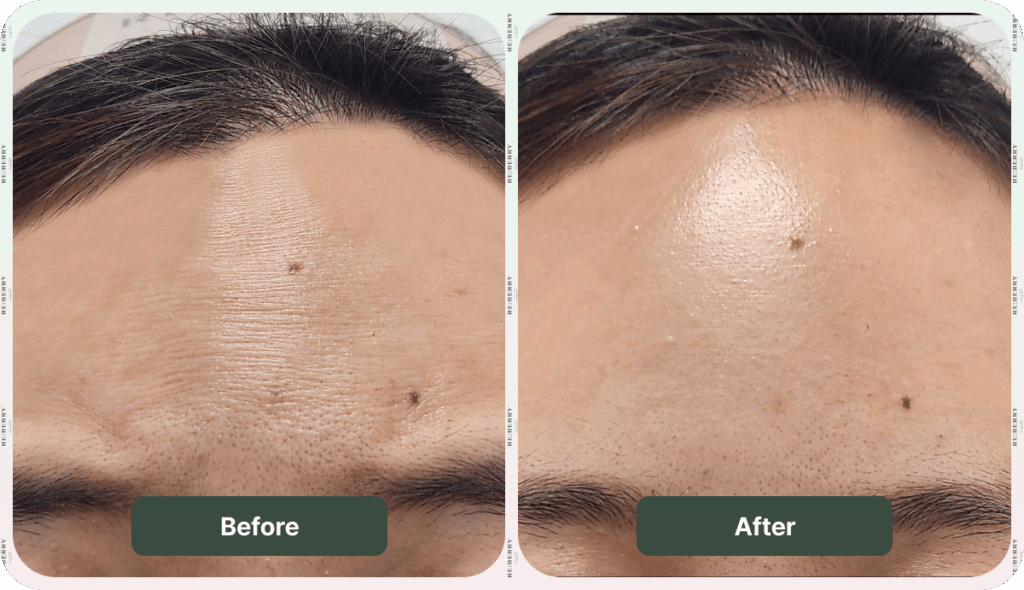
Having an attractive look is something everyone desires, but inner health and safety matter significantly more and should never be compromised. At Reberry Clinic, this is exactly what we prioritize. With over 2 years of hands-on experience in aesthetic dermatology, our specialists understand how Botox interacts with facial nerves and muscles to achieve natural, balanced results.
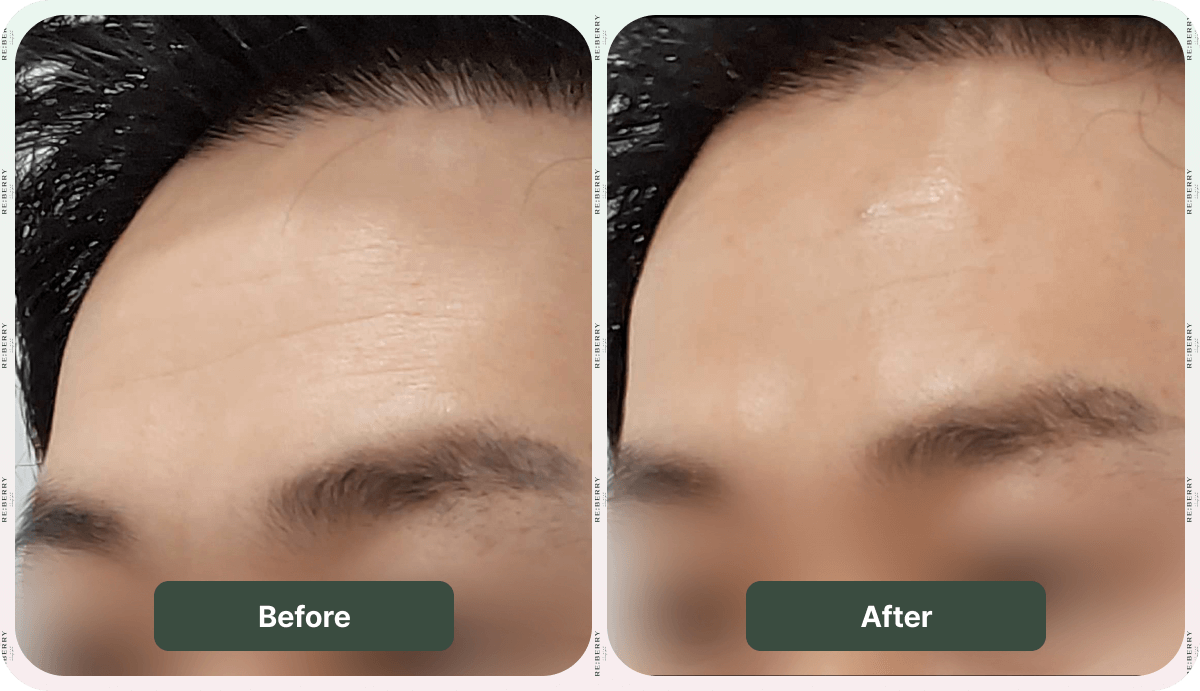
Each procedure is performed using FDA-approved Botulinum toxin products and advanced injection technologies, ensuring your treatment is both safe and clinically effective.
What truly sets Reberry Clinic apart is our personalized approach; every treatment plan is customized after a thorough analysis of your skin type, facial anatomy, and health condition. Our expert aesthetic medicine specialists have helped numerous patients achieve youthful, refreshed looks with Botox injections, with long-lasting satisfaction.

If you’re considering Botox injections in Korea and want results that look natural yet transformative, book your Botox consultation at Reberry Clinic today and experience aesthetic care done the right way.