

Botox is the most widely chosen treatment for reducing wrinkles and maintaining a youthful appearance. According to the report published by the International Society of Aesthetic Plastic Surgery, in 2024, 7.8 million Botox procedures were performed among men and women across all age groups. As more people consider it, two questions arise repeatedly: are the results permanent, and if not, how often should you get Botox? Understanding this is important before starting treatment, as it helps to set a clear expectation of the results.
Botox is not permanent. Its effects gradually wear off as muscle activity returns, which means treatments need to be repeated to maintain smooth skin. In this guide, we’ll explain how long Botox typically lasts, how often you need it, and how to determine the right treatment schedule for balanced results.
How Does Botox Work?
When you make a facial expression, your brain sends a signal to your muscles telling them to contract. Botox works by temporarily interrupting that signal. It contains a purified form of botulinum toxin type A, which blocks the release of acetylcholine, the chemical messenger responsible for muscle movement. Once injected, the targeted muscle relaxes, and the skin above it smooths out naturally.
This is why Botox is particularly effective on dynamic wrinkles, the lines that form from years of repeated movement. Forehead creases, frown lines between the brows, and crow’s feet around the eyes all develop this way, which makes them highly responsive to treatment. When the muscle underneath stops contracting, the skin stops folding, and those lines gradually soften. The result is a refreshed, rested appearance that still looks like you.
How Long Does Botox Last?
Botox results typically last 3 to 4 months, after which lines may gradually reappear. The duration varies based on factors such as muscle strength, facial expressions, genetics, metabolism, dosage, and the treated area. Certain habits or conditions can cause Botox to fade faster, such as frequent or strong facial movements, high physical activity, excessive sun exposure, smoking, and high stress levels.
Maintaining a healthy lifestyle, following a regular sleep schedule, staying hydrated, and consuming a balanced diet can help extend the results. Regular treatments can help maintain smoother, youthful-looking skin, making it easier to enjoy consistent, natural results over time.
How frequently should you get Botox?

The timing of Botox treatments varies depending on individual needs, but most people schedule sessions about every 3 to 4 months. This interval allows the effects to remain smooth and consistent while giving the muscles time to respond to each treatment. Your provider may adjust the schedule based on your facial anatomy, the area treated, and your personal aesthetic goals.
Some individuals may require treatments slightly sooner if they have very active facial muscles or notice lines reappearing quickly, while others with fine lines may be able to wait longer between sessions. A personalized treatment plan ensures that results remain natural-looking and effective over time, without over-treating the muscles.
Factors Influencing Botox Frequency

The timing of Botox treatments is not the same for everyone. Several biological, anatomical, and lifestyle factors determine how often sessions are needed to maintain consistent results. Understanding these factors helps create a personalized treatment plan that avoids both under-treatment and over-treatment.
Muscle Strength and Facial Activity
Stronger facial muscles can reduce how long Botox lasts. Individuals with higher muscle activity may see their results fade sooner, which can lead to shorter intervals between treatments compared to those with less active muscles.
Depth and Severity of Wrinkles
Deeper or more established lines may need closer monitoring and slightly more frequent sessions, especially during the initial treatment phase. Fine or early-stage lines often allow for longer intervals between appointments.
Metabolism and Age
Individuals with a faster metabolism may break down Botox more quickly, which can shorten the duration of results. Age also influences frequency, as skin elasticity, collagen levels, and muscle firmness change over time, affecting how long results remain visible.
Treatment Area
Different areas of the face respond differently to Botox. Facial parts with constant movement, such as the forehead or around the eyes, may require more consistent maintenance. Areas with less muscle activity may hold results longer.
Dosage and Technique
The amount of product used and the precision of injection play a significant role. An appropriate dosage tailored to the individual’s muscle strength and treatment goals is essential for consistent results. Precise injection technique also ensures optimal effectiveness, which directly impacts how long the effects last.
Lifestyle and Skin Care Habits
Lifestyle factors such as sun exposure, smoking, alcohol consumption, stress, hydration, and overall skin care can affect how long results last. Maintaining healthy habits may reduce the need for more frequent treatments.
Consistency of Previous Treatments
With regular treatments over time, facial muscles can gradually become adapted to stay more relaxed. This may allow for slightly longer intervals between sessions in some individuals, as muscle activity becomes less active.
What Are the Benefits of Regular Botox Treatments?
Regular Botox treatments offer more than just temporary wrinkle reduction. Consistent use can provide both aesthetic and preventive benefits that help maintain a youthful, refreshed appearance over time. Some of the key benefits of botox include:
1. Smoother, More Youthful Skin
Botox relaxes the muscles that cause dynamic wrinkles such as frown lines, crow’s feet, and forehead lines, resulting in smoother skin. Over time, regular treatments can prevent these wrinkles from forming. This results in smooth, fresh-looking skin that appears naturally youthful and rejuvenated.
2. Preventive Anti-Aging Effects
One of the most significant advantages of regular Botox use is its preventive effect. By temporarily relaxing facial muscles, emerging wrinkles are prevented, providing an early anti-aging effect. Individuals who start Botox treatments in their late 20s or early 30s often notice that fine lines develop more slowly, making it easier to maintain a youthful appearance over the years.
3. Enhanced Facial Symmetry
Facial asymmetry is common due to genetics, aging, or lifestyle habits. Botox can help correct minor imbalances by relaxing overactive muscles on one side of the face, resulting in a balanced look. With ongoing treatments, these subtle adjustments can improve overall facial aesthetics.
4. Boosted Confidence and Self-Esteem
Maintaining a refreshed and rejuvenated appearance often helps individuals feel more confident in both social and professional settings. Botox treatments can provide a consistent, natural-looking enhancement that improves self-esteem and overall satisfaction with appearance.
5. Complementary Benefits with Other Treatments
Regular Botox treatments can also be combined with other aesthetic procedures for enhanced results. Many people pair Botox with dermal fillers, chemical peels, laser treatments, or advanced skincare regimens to address multiple signs of aging simultaneously. This combination approach can improve skin texture, volume, and overall facial look.
6. Long-Term Skin Health and Muscle Training
In addition to cosmetic benefits, regular Botox use supports long-term skin health by gently relaxing the facial muscles. With consistent treatments, the skin looks smoother and more refreshed, helping maintain a youthful, balanced look without the need for more invasive procedures.
How Often Should You Get Botox in Your 20s, 30s, 40s, and 50s?
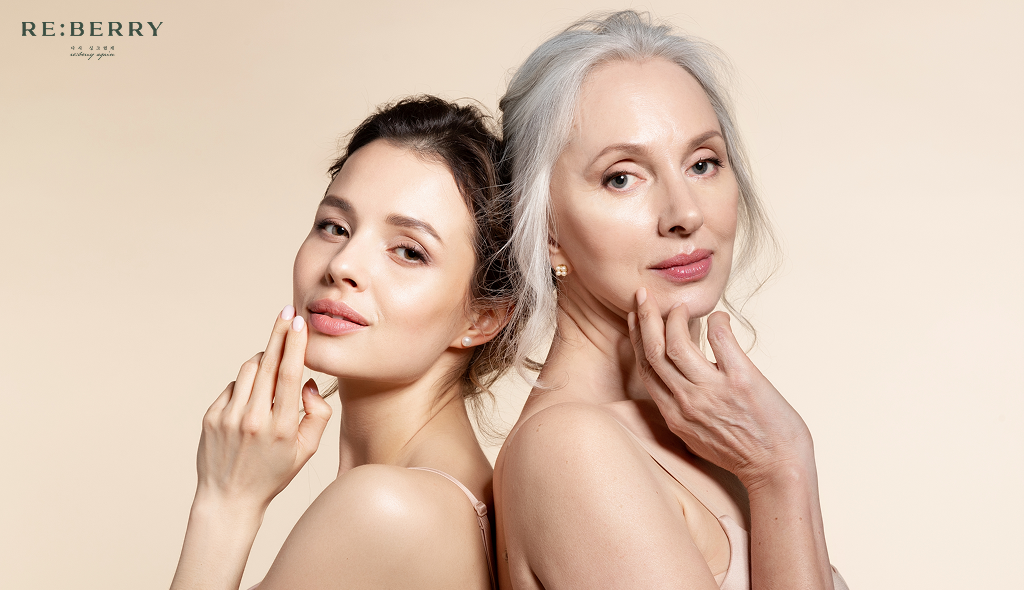
Botox frequency varies with age, skin condition, and aesthetic goals. In younger individuals, it is often used preventatively to delay the formation of static lines. During the 30s and 40s, treatments typically focused on both correction and prevention as visible signs of aging began to appear. In the 50s and beyond, Botox is often combined with other aesthetic treatments to support comprehensive facial rejuvenation.
| Age Group | Typical Frequency | Strategic Focus |
|---|---|---|
| 20s–Early 30s | 4–6 months (or as needed) | Preventative: Low-dose ‘Baby Botox’ to delay the formation of early lines at rest; target high-movement areas such as forehead and crow’s feet; maintain natural expression; minimal downtime; emphasize sun protection and skincare to enhance longevity. |
| Mid-30s–40s | 3–4 months | Corrective + Preventative: Address early established lines while maintaining dynamic smoothing; combine with treatments to improve skin texture, hydration, and collagen support; optional complementary treatments include micro-needling or chemical peels; monitor dosage to avoid over-relaxing muscles. |
| 50+ | 3–4 months (personalized) | Integrated Rejuvenation: Combine Botox with fillers, energy-based devices, and medical-grade skincare to restore volume, reduce deep wrinkles, and improve skin laxity; tailor per patient’s facial anatomy and movement patterns. |
Can You Get Botox Too Often?
Botox is widely considered safe, but excessive or frequent treatments can affect results and overall appearance. Overuse of Botox can make the face appear stiff or frozen, creating an unnatural look. Over time, this can cause subtle muscle atrophy, gradually changing both how the area moves and how it appears. Rarely, some individuals may develop resistance due to antibody formation, which can reduce the effectiveness of future treatments. So, proper scheduling of injections is essential to maintain natural expression and avoid these effects.
Although long-term effects of repeated Botox injections remain limited, research published in the National Library of Medicine states that few studies have observed persistent changes in muscle composition and function. This highlights why treatment schedules should be personalized and administered by a qualified professional. Each session should also be adjusted based on a person’s facial activity and aesthetic goals to keep results natural and reduce potential long-term changes. This prevents the semantic gap.
Perfect Botox Timing for Youthful, Natural-Looking Skin At Reberry Clinic

How often you need Botox depends on more than just the average three to four-month timeline. Your muscle strength, facial anatomy, lifestyle, and how your skin has responded to previous treatments all play a role in determining the schedule that actually works for you. Getting that timing right is what keeps results looking natural and consistent rather than uneven or overdone.
At Reberry Clinic, every treatment plan starts with a thorough assessment of your facial anatomy, muscle strength, and aesthetic goals. From there, our aesthetic medicine specialists determine the right dosage, injection points, and intervals to keep results balanced over time. We use only FDA-approved Botox and apply a precise technique to ensure each session builds on the last, so your skin stays looking refreshed without ever appearing overdone.
If you are ready to find a schedule that works for you, our team is here to guide you through it.