

Several visible changes occur in the skin and facial structure during your 60s. Fine lines become deeper, the skin gradually loses elasticity, and collagen production slows down over time. These natural aging changes affect both the appearance of the skin and how it responds to cosmetic treatments. Botox can still effectively smooth expression lines and visible signs of aging, but many people notice that the effects of the treatment wear off quickly. At this stage, following the right treatment timeline and using the appropriate number of units becomes essential for achieving consistent, long-lasting results. So, you may wonder how often you should get Botox in your 60s?
In your 60s, Botox is generally recommended every 3 to 4 months to maintain smooth, refreshed skin. However, the exact timing can vary depending on factors such as muscle activity, skin condition, the areas being treated, and your personal aesthetic goals. Following a consistent schedule helps prevent wrinkles from becoming more pronounced and ensures a balanced appearance over time.
In this guide, we discuss how Botox works in your 60s, the right timing for treatment, and tips to make your results last longer.
How Does Botox Work on Your Skin in the 60’s?
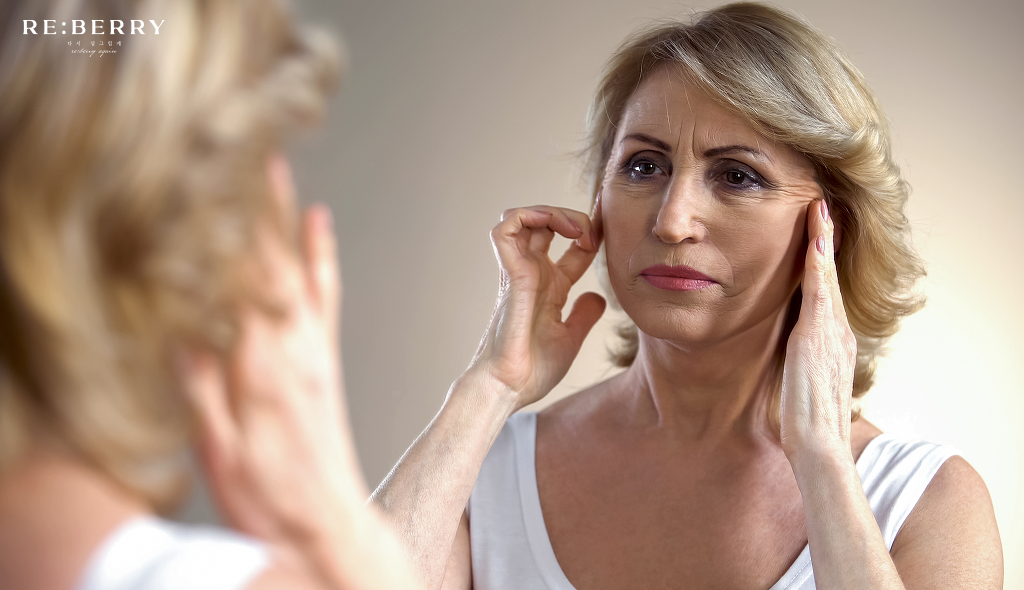
In your 60s, Botox is primarily focused on rejuvenation, softening existing lines and refreshing the overall appearance, rather than on prevention or early correction. When Botox is injected, the botulinum toxin temporarily blocks acetylcholine, the neurotransmitter that signals the underlying facial muscles to contract. As a result, the facial muscles responsible for dynamic wrinkles, such as forehead lines, frown lines, and crow’s feet, begin to relax, helping the skin appear smoother. It can also help slow down the formation of new wrinkles by limiting repeated muscle movement over time.
Furthermore, the skin in your 60s is thinner and less firm, so treatment may take longer to restore a smooth, youthful appearance compared to younger adults. As collagen and elasticity decrease, the results are often subtle, particularly for deeper lines that remain visible even at rest. Botox works best on dynamic wrinkles, so static wrinkles may require additional treatments, such as dermal fillers, to address volume loss. The muscles are also weaker at this stage, so the dosage and placement need to be more precise to achieve a natural, refreshed result without overcorrecting. The results of the treatment typically appear within 7 to 14 days and last around 3 to 4 months.
How Often To Get Botox In Your 60s?
In your 60s, you should generally get Botox every 3 to 4 months to effectively manage deepening wrinkles and maintain a refreshed appearance. While some people may schedule their treatment at different intervals due to their metabolism, 3 to 4 times per year remains the standard recommendation for Botox injections. This timing allows the muscles to respond properly to the treatment and helps achieve natural-looking results. If you extend the time between sessions, the effect may fade, while going too soon can lead to overtreatment and an unnatural look. Maintaining regular Botox treatments helps manage collagen loss and prevent wrinkles from deepening.
However, the 3 to 4 month guideline is not the same for everyone, and the exact timing depends on the areas being treated, the depth of wrinkles, muscle activity, and skin condition. A qualified provider can accurately assess your facial structure and customize treatments to preserve natural results while supporting long-term skin health.”
How Many Units of Botox Are Typically Needed in Your 60s?
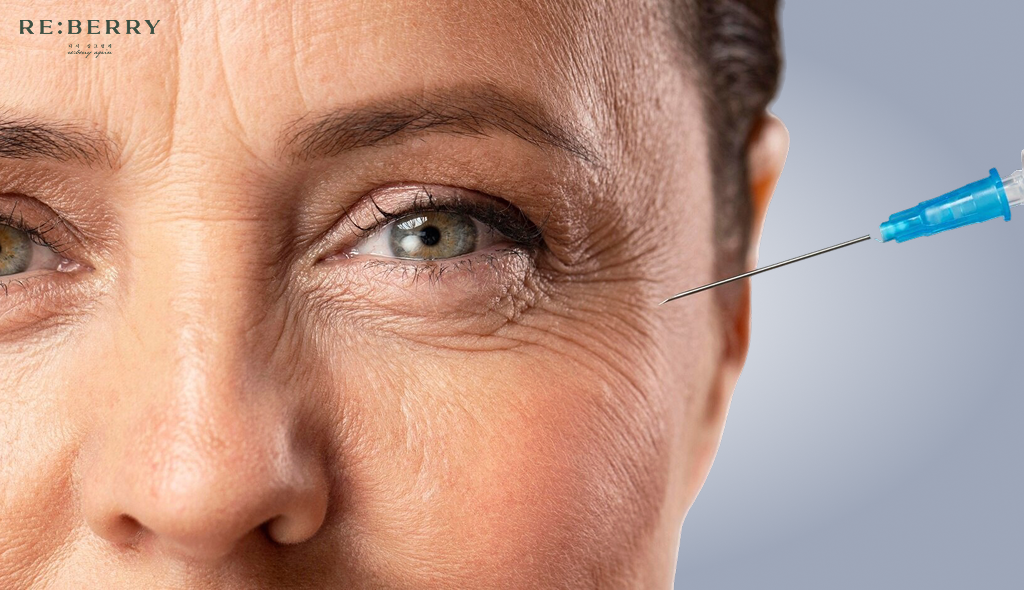
In your 60s, you generally need around 40 to 60 units of Botox per session, but the exact number depends on the areas being treated, the depth of your wrinkles, and your individual muscle strength. In this stage, Botox is tailored to target deeper, pronounced lines, using precise doses to ensure a natural look while preserving facial expression. In your 60s, you need slightly higher units to achieve the desired effect.
Common treatment areas and typical units required per session:
| Treatment Area | Typical Units |
|---|---|
| Forehead lines | 15–25 units |
| Frown lines | 15–25 units |
| Crow’s feet | 10–20 units per side |
| Neck bands | 25–50 units total |
| Jawline | 20–30 units per side |
| Gummy smile | 2–6 units |
| Lip lines | 4–8 units per line |
It’s important to remember that using more Botox units can lead to a frozen and unnatural appearance. The right dosage softens deeper wrinkles, while preserving your natural facial expressions. An experienced provider can create a personalized plan, specifying the appropriate Botox units for each treatment area to ensure results remain consistent, balanced, and natural.
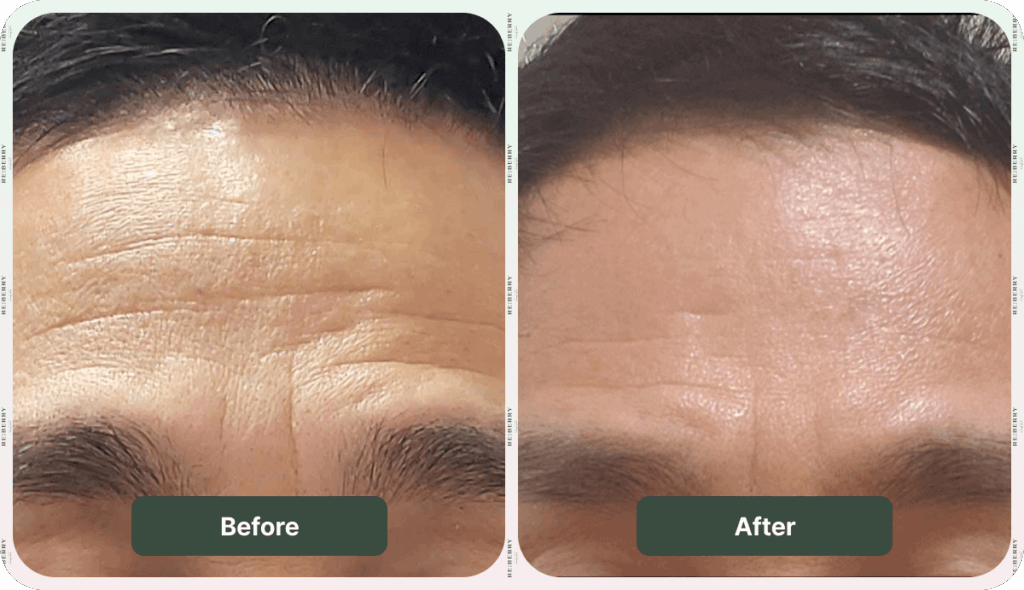
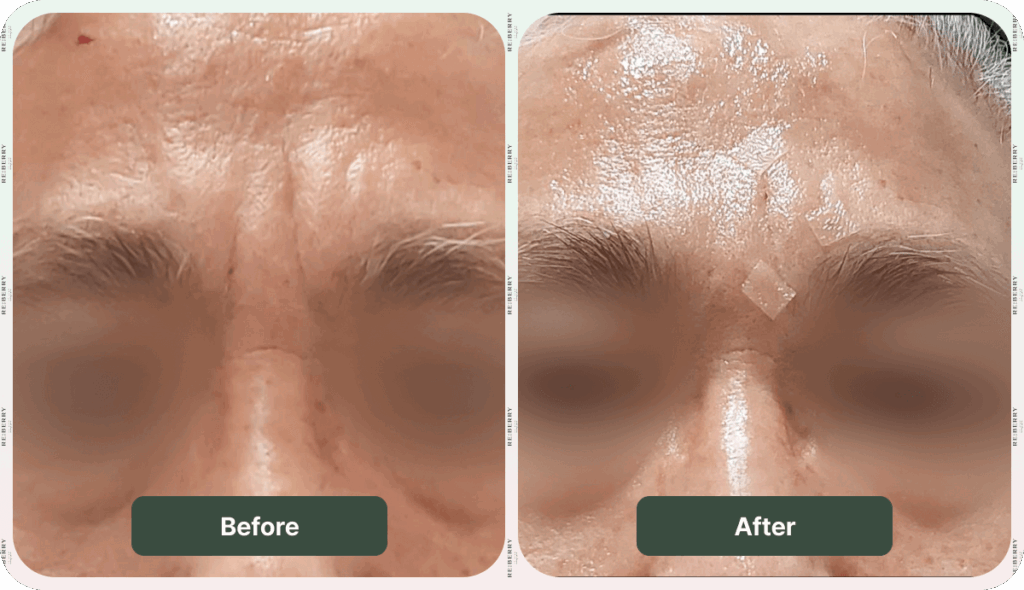
Before and After 60’s Botox Treatment
What are the Key Areas to Treat With Botox in the 60s?
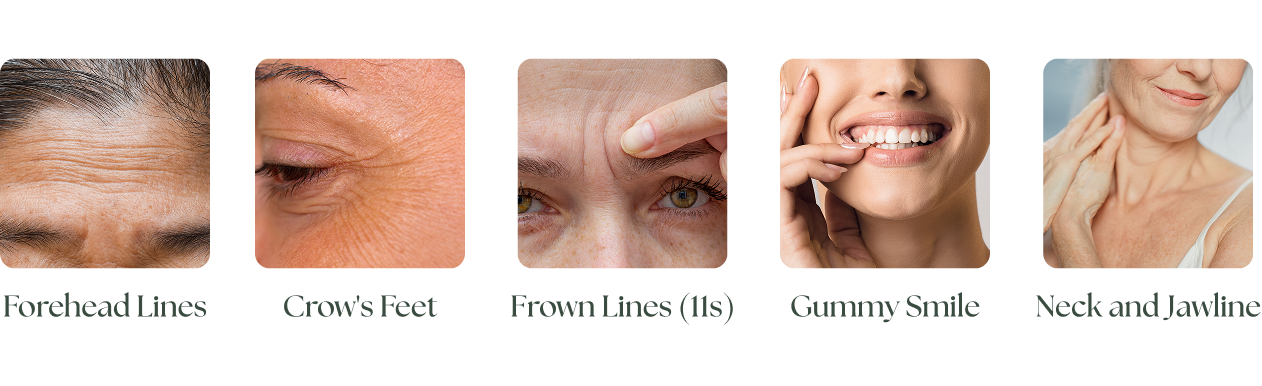
As we get older, some areas of the face start showing signs of aging more than others. The areas such as the neck and jawline begin to show noticeable changes in shape and definition. Understanding which areas respond well to Botox at this stage can help create a treatment plan that looks natural and balanced. Here are the key areas where Botox is most commonly and effectively used later in life.
Forehead Lines
Horizontal lines across the forehead are a common concern for people in their 60s. Over time, these lines can deepen and become more noticeable, and they’re often visible even when your eyebrows are relaxed. Botox targets the frontalis muscle that causes these lines, softening their appearance and helping prevent them from worsening. When done correctly, it smooths the area while still allowing natural movement and expression.
Crow’s Feet
Crow’s feet are the fine lines that form at the outer corners of the eyes. Over time, these lines can become more noticeable, appearing even when you’re not smiling or squinting. Botox is injected into the orbicularis oculi muscle around the eyes to relax the movements that cause crow’s feet. The result is a smoother, refreshed look that brightens the eyes and can make a noticeable difference to your overall appearance.
Frown Lines (11s)
Frown lines, also called the “11s”, are vertical wrinkles that form between the eyebrows. They are caused by the repeated contraction of underlying facial muscles during frowning, squinting, or concentrating. Botox works by relaxing the corrugator and procerus muscles between the eyebrows, softening frown lines, and helping the face appear rejuvenated.
Gummy Smile
A gummy smile occurs when an excessive amount of gum tissue is visible above the teeth when smiling. This common cosmetic concern can result from short or overactive muscles, small teeth, or an extended upper jaw. Botox relaxes them, reducing gum exposure and creating a more natural-looking smile.
Neck and Jawline
The neck and jawline are areas where signs of aging often become noticeable. Botox can help smooth the neck and improve the jawline for a more defined, natural look. It also softens the sagging skin, giving the lower face a refreshed appearance.
How safe is Botox for people in their 60s?
Botox is generally considered safe and has a proven safety record across all age groups. However, certain factors become more important with age and should be considered before treatment. In the 60s, the skin is thinner and more fragile, so the risk of minor side effects such as swelling, redness, and bruising around the injection areas is slightly higher. More serious complications, such as drooping eyelids or asymmetry, may occur but are generally temporary and resolve within a few days.
Additionally, safety also depends on how openly you share your medical history and medications with your practitioner. If you take blood-thinning medications, have a neuromuscular condition, or notice significant skin laxity, it’s important to discuss them before proceeding with your treatment. When Botox is injected correctly with the right dosage, precise placement, and proper timing between sessions, it is generally safe and effective.
Treatments That Can Be Safely Combined with Botox in Your 60s
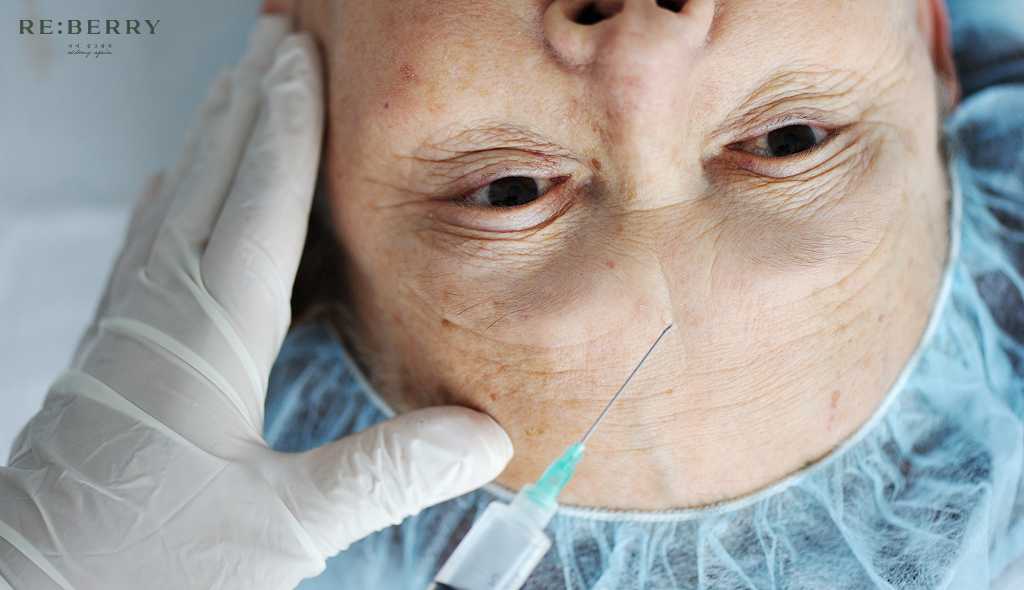
Combining Botox with other treatments in your 60s can supercharge results, targeting wrinkles while addressing volume loss, skin texture, and sagging for a more youthful, natural look. Some common options include:
Restore Facial Volume with Dermal Fillers
Dermal fillers are injectable treatments that restore lost facial volume, smooth deeper lines, and enhance overall facial contours. Combined with Botox, they target both wrinkles and areas of volume loss, addressing multiple signs of aging at once. Fillers add lift and volume to areas such as the cheeks, under-eye hollows, and smile lines, creating a balanced, natural-looking appearance. This combination delivers noticeable results with minimal downtime, leaving the face refreshed and rejuvenated.
Improve Skin Tone and Texture with Laser & Light Treatments
Laser and light-based treatments resurface the skin, reducing sun damage, age spots, and uneven pigmentation. These treatments complement Botox by enhancing overall skin quality, which Botox alone cannot improve. Combining these therapies with Botox allows for both wrinkle reduction and improved skin tone, giving a smoother, brighter, and more even complexion. Over time, this combination also strengthens skin resilience and clarity, creating a polished, youthful look.
Enhance Firmness and Collagen with Microneedling
Microneedling uses fine needles to create controlled micro-injuries in the skin, stimulating collagen and elastin production. This improves skin firmness, elasticity and reduces fine lines. Paired with Botox, microneedling targets both surface-level and deeper signs of aging: Botox relaxes dynamic wrinkles, while microneedling strengthens the skin structure, producing a smoother, lifted, and more youthful appearance overall.
Revitalize the Skin Surface with Chemical Peels
Chemical peels remove dead skin cells and stimulate cell turnover, revealing fresher, smoother skin underneath. They also improve texture, minimize discoloration, and enhance the effectiveness of other treatments. When used alongside Botox, chemical peels complement the wrinkle-smoothing effects of injections by rejuvenating the skin’s surface. The combination addresses both fine lines and surface-level imperfections, giving a comprehensive, revitalized, and glowing appearance.
Tips to Maintain Botox Results Longer
Botox is only one part of the process, but how well the results are maintained between sessions depends significantly on daily habits and skincare choices. For people in their 60s, whose skin is thinner and results may fade faster, following the right habits can help the treatment last longer and maintain a natural, refreshed appearance.
Follow a Consistent Schedule
Waiting too long between sessions can cause wrinkles to reappear and deepen. Following a 3 to 4 month routine helps keep results smooth and natural.
Use Sunscreen Daily
Daily sun exposure can break down collagen and speed up skin aging, which can make Botox results fade faster. Using sunscreen every day helps protect your skin and maintain a smooth, refreshed appearance.
Hydrate Your Skin
Well-hydrated skin helps Botox last longer compared to dry, dehydrated skin. Using a good moisturiser every day and adding hydrating ingredients like hyaluronic acid to your routine can keep your skin healthy and support lasting results between treatments.
Avoid Strenuous Activity
For the first 24 to 48 hours after Botox, it’s best to avoid intense exercise, saunas, or hot showers. Excessive heat and strenuous activity can reduce the effectiveness of Botox, so avoiding them during this period helps the treatment settle properly.
Maintain a Healthy Lifestyle
Smoking, an unhealthy diet, and high stress can cause skin to age faster and make Botox results fade sooner. Eating a balanced diet rich in antioxidants, getting enough sleep, and managing stress all help keep your skin healthier and your results lasting longer.
Combining Treatments
For people in their 60s, Botox alone might not address all signs of aging. Combining it with dermal fillers, skin boosters, or skin-tightening treatments can enhance overall results and help the effects last longer.
Maintain Youthful, Natural-Looking Skin in Your 60s at Rebbery Clinic
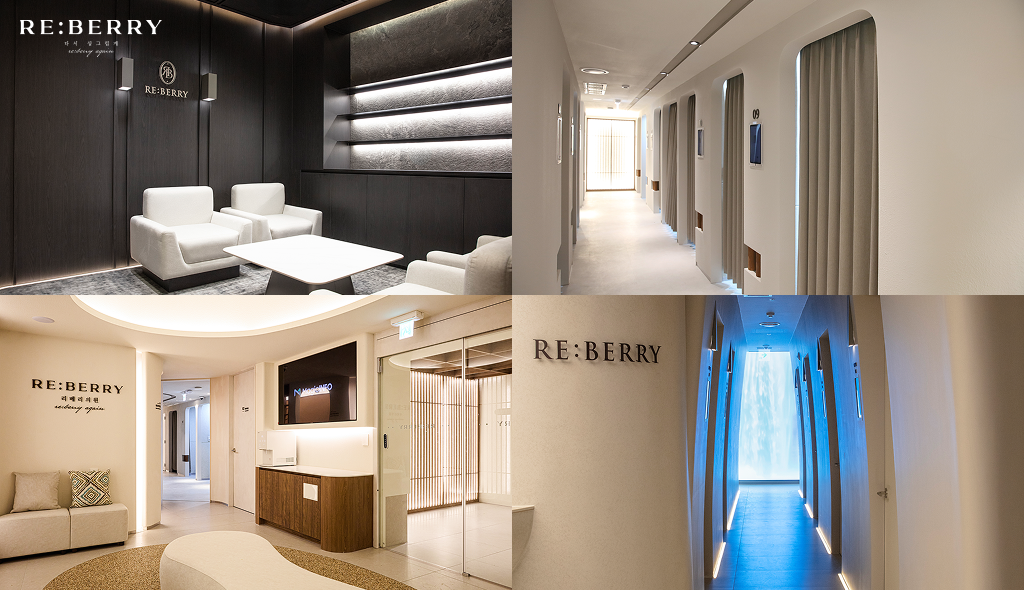
In your 60s, skin naturally changes and requires a more personalized and precise approach to maintain a smooth, healthy, and refreshed look. At Reberry Clinic, our experienced aesthetic medicine specialists carefully assess your skin, muscle tone, and treatment history to create a Botox plan tailored specifically for you.
Our board-certified dermotologists use only FDA-approved products and follow protocols that prioritize your safety and results at every session. Whether you want to soften deep forehead lines, reduce crow’s feet, define your jawline, or maintain the results, our team delivers natural, refreshed outcomes that suit your age and skin.