


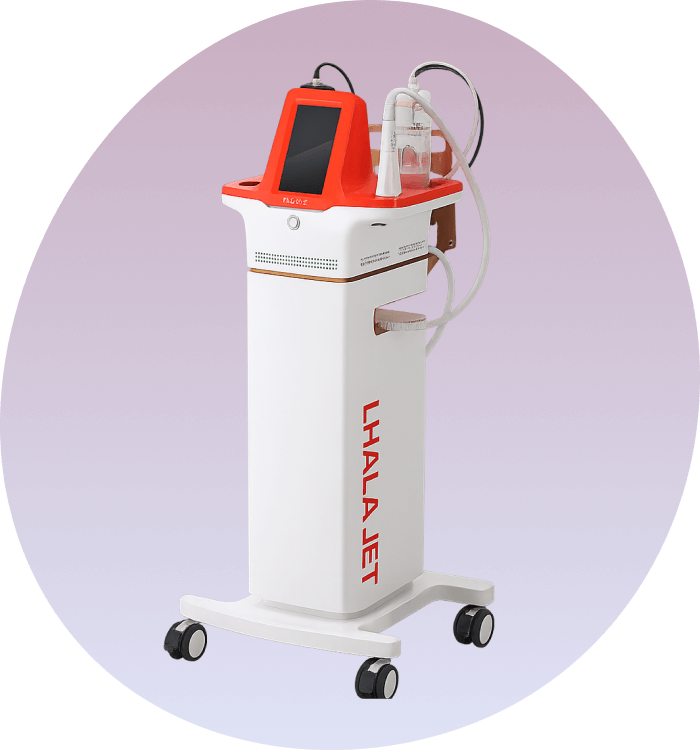
Choose a Hydrafacial if you want gentle deep-cleansing, hydration and a same-day glow with no downtime; choose a chemical peel if you want deeper resurfacing for texture, pigment or acne and can accept some flaking. Hydrafacial is hydradermabrasion that uses vortex suction with infused serums, while a chemical peel uses acids to exfoliate the surface. A consultation confirms which one suits your skin and your schedule.
If you are looking into a facial treatment in Seoul, two options dominate the conversation: the Hydrafacial and the chemical peel. Both aim for clearer, smoother, brighter skin, but they get there in fundamentally different ways. One mechanically cleanses and floods the skin with hydration, while the other relies on chemistry to dissolve the bonds between surface cells. That single difference shapes how each feels, how much downtime it involves and which concerns it suits.
This guide compares the two treatments side by side, explains the science behind each in plain language, and walks through candidacy, the session experience, downtime, results and cost factors. It closes with the questions international patients most often ask before booking a facial in Korea, so you arrive at your consultation already knowing which questions matter for your skin type, your concerns and your travel window.
Two Different Methods, One Shared Goal
The core distinction is the mechanism: mechanical versus chemical. A Hydrafacial is a form of hydradermabrasion. It uses a handpiece with a spiral tip that creates a gentle vortex of suction and fluid, simultaneously loosening debris from pores, exfoliating the very top layer and infusing the skin with watery serums. Nothing burns or peels away in layers; the process is more like a deep, hydrating cleanse that lifts impurities while delivering moisture and antioxidants.
A chemical peel works through controlled chemistry. A solution containing acids such as glycolic, salicylic or lactic acid, or sometimes stronger agents, is applied to the skin for a set time. The acid loosens the bonds holding dead surface cells together so they shed, prompting the skin to renew. Depending on the acid and concentration, a peel can be superficial and gentle or reach deeper into the epidermis for a more pronounced resurfacing effect.
Both treatments share an honest limit worth stating plainly. Each works on the skin’s surface and upper layers, so neither replaces in-clinic energy devices, injectables or surgery for deeper concerns like significant laxity or volume loss. They are tools for skin quality, clarity and texture, and they work well when expectations match the concern. Knowing this in advance keeps the comparison grounded and your consultation productive.
Side-by-Side Comparison
The table below summarizes the practical differences patients ask about most, so you can scan the contrast at a glance. Individual results vary with skin type, concern, the acid or protocol chosen and how your skin responds, so read these rows as general guidance rather than fixed outcomes. Your own plan is confirmed in person after a skin assessment at the clinic.
| Factor | Hydrafacial | Chemical Peel |
|---|---|---|
| Method | Hydradermabrasion: vortex suction plus infused serums | Acid exfoliation that dissolves surface-cell bonds |
| Depth | Surface cleanse, light exfoliation and hydration | Adjustable: superficial to deeper epidermal resurfacing |
| Main effect | Deep cleansing, hydration, pore clearing and immediate glow | Renewal of texture, tone, pigment and congestion |
| Sensation | Cool, watery, lightly massaging; generally comfortable | Tingling, warmth or stinging that builds with strength |
| Downtime | Essentially none; makeup typically same day | Mild for superficial peels; flaking or peeling for stronger ones |
| Results onset | Visible glow and hydration the same day | Renewal over days as skin sheds, then smoother tone |
| Sessions | Often a regular maintenance rhythm every few weeks | A short series spaced two to four weeks apart for many concerns |
| Well suited to | Dullness, dehydration, mild congestion, pre-event glow | Uneven texture, pigment, comedonal or mild-moderate acne |
What Each Treatment Targets
Because the two methods differ, they tend to suit different concerns. The Hydrafacial’s strength is gentle, hydrating maintenance. By cleansing pores, lightly exfoliating and infusing serums in one pass, it tends to improve dullness, dehydration, the look of mild congestion and overall radiance, often visibly on the same day. People drawn to it usually want a refreshed, glowing complexion with no downtime, which makes it a popular choice before an event or as a regular skin-health ritual.
A chemical peel reaches further into surface renewal. Because acids drive the skin to shed and regenerate, peels are commonly chosen for uneven texture, dullness that a cleanse alone will not lift, certain forms of pigmentation and comedonal or mild-to-moderate acne. Salicylic acid in particular is oil-soluble, so it can work within sebaceous follicles, which is why it features in many acne-focused protocols. The trade-off is that stronger peels involve a renewal period with some flaking.
Neither treatment is a substitute for the other or for deeper interventions. For lingering pigment a clinician might also discuss targeted options such as dark spot removal, and for ongoing breakouts a structured acne treatment plan. Mapping your specific concern to the matching tool is exactly what a consultation is for, and it is far more useful than asking which treatment is generally stronger.
How the Technology and Chemistry Work
Both treatments act on the stratum corneum, the outermost layer of dead cells, but they reach it differently. The Hydrafacial’s spiral handpiece creates a controlled vortex: pressurized fluid and gentle suction loosen surface debris and oil from pore openings while exfoliating lightly, then the same tip delivers hydrating and antioxidant serums into the freshly cleansed surface. The result is cleaner, plumper-looking skin without disrupting deeper tissue.
A chemical peel relies on acid chemistry. Alpha-hydroxy acids like glycolic acid are water-soluble and work mainly on the surface, weakening the glue between corneocytes so they slough off and dermal renewal is encouraged. Beta-hydroxy salicylic acid is lipid-soluble, allowing it to penetrate oily follicles, which gives it keratolytic and anti-inflammatory action useful for congestion and acne. Concentration and contact time determine how superficial or deep the effect is. Lactic acid, another alpha-hydroxy acid, is gentler and often chosen for sensitive or drier skin, while medium-depth agents reach further for more pronounced resurfacing under closer supervision. This adjustability is precisely why peels are versatile but also why protocol choice and clinician judgment matter so much for a safe, appropriate result.
This difference in approach explains why the two feel and behave so differently. Hydradermabrasion is a wet, cool, mechanical process with no shedding phase, so the glow is immediate and downtime is negligible. A peel is a chemical process that intentionally triggers renewal, so its benefit unfolds over the days that follow as old surface cells make way for fresh skin. Understanding the mechanism makes the practical differences in downtime and timeline easy to anticipate.
Who Is and Isn’t a Good Candidate
Hydrafacial suits a very broad range of people, including sensitive and reactive skin, because it is gentle and hydrating rather than ablative. Those wanting low-commitment maintenance, a pre-event refresh or relief from dullness and dehydration tend to be ideal candidates. Even so, anyone with an active skin infection, certain inflammatory flares, or open or broken skin in the area should mention it, since the clinician may adjust or postpone the treatment.
Chemical peels call for a little more screening because they actively resurface. They suit people targeting texture, tone, pigment or congestion who can accommodate a short renewal period, but deeper peels are approached carefully on darker skin tones owing to the risk of post-inflammatory pigment change. Recent isotretinoin use, certain skin conditions, pregnancy considerations and a history of cold sores are all things to disclose, so the clinician can choose a safe acid, strength and protocol.
The checklist below frames the conversation. It is a starting point for your consultation, not a substitute for a professional assessment, since the right answer depends on your skin in person and on the concern you most want to address.
- Mainly want hydration, deep cleansing and a same-day glow with no downtime: a Hydrafacial is worth discussing.
- Targeting texture, pigment or comedonal and mild-to-moderate acne, and can accept a short renewal phase: a chemical peel may suit you better.
- Have sensitive or reactive skin and want a gentle option: hydradermabrasion is typically the calmer starting point.
- Have a darker skin tone and want resurfacing: raise this early so the clinician can choose a suitable acid and strength.
- Are pregnant, recently used isotretinoin, or have an active infection or cold-sore history: mention it so the clinician can advise safely.
The Session Experience, Step by Step
A visit for either treatment follows a broadly similar shape. It begins with a consultation and quick skin analysis so the clinician can understand your concern, confirm candidacy and explain the plan. The face is then cleansed. From there the two diverge: the Hydrafacial moves through cleanse-and-exfoliate, gentle extraction and serum infusion, while a peel involves applying the acid solution for a measured time and then neutralizing or removing it.
During a Hydrafacial, the handpiece glides across the skin in passes, and most people describe the feeling as a cool, watery massage with light suction rather than anything uncomfortable. A chemical peel feels different: as the acid is applied you may notice tingling, warmth or mild stinging that builds with the strength of the solution, which is normal and closely monitored. The clinician controls contact time precisely and removes or neutralizes the peel on schedule.
Afterward, the skin is soothed and protected. For both treatments the clinician will apply or recommend moisturizer and sunscreen and outline aftercare. After a Hydrafacial most people leave with visibly fresher skin and resume normal activities immediately; after a peel you leave with care instructions for the renewal phase. Because protocols vary from person to person, the exact products and timing are decided on the day rather than fixed in advance.
Downtime, Aftercare and the Recovery Timeline
The downtime gap is the clearest practical difference between these treatments. A Hydrafacial has essentially none: most people return to daily activities right away and can usually apply makeup the same day, often walking out with an immediate glow. Mild, brief pinkness is uncommon and settles quickly, which is a large part of why hydradermabrasion is so popular with travelers on a tight itinerary.
A chemical peel involves a renewal phase that scales with the peel’s strength. Superficial peels may cause only light dryness or subtle flaking over a few days, while stronger peels can produce more noticeable peeling and redness for several days. During this window it is important to avoid picking, to moisturize as directed and to be diligent with sunscreen, since freshly renewed skin is more sensitive to ultraviolet light and to pigment changes.
Whichever treatment you choose, the clinic’s own aftercare instructions take priority over anything general, because they are tailored to your skin and the protocol used. If anything feels unusual, such as prolonged redness, persistent discomfort or an unexpected reaction, contact the clinic promptly so they can advise. Following the guidance closely is the simplest way to support a smooth recovery and protect your result.
When Results Appear and How Long They Last
The two treatments deliver results on different timelines. A Hydrafacial gives its signature glow and hydration the same day, which is why it is favored before events, though that immediate effect is also relatively short-lived, typically lasting days to a couple of weeks. This is why hydradermabrasion is usually framed as a regular maintenance treatment, repeated every few weeks to keep skin consistently clear, hydrated and radiant.
A chemical peel reveals its benefit more gradually as the skin sheds and renews over the days that follow, with smoother texture and more even tone emerging once the renewal phase completes. For concerns like pigment or acne, peels are often done as a short series spaced two to four weeks apart, and the cumulative effect tends to be more lasting than a single facial, though maintenance is still part of the picture.
How long any result holds depends on factors largely outside the treatment itself: your skin type, sun exposure, skincare habits, hormones and lifestyle all play a part. Diligent sun protection and a consistent home routine help preserve the improvement from either treatment. A clinician can give you a more realistic, personalized estimate after evaluating your skin, rather than a single number that applies to everyone.
Scientific evidence
Peer-reviewed studies support both hydradermabrasion and chemical peels as evidence-based approaches to skin quality, each in its own lane. For hydradermabrasion, a controlled study by Freedman randomized twenty women into a hydradermabrasion-with-antioxidant-serum group versus manual serum application over six treatments. Biopsies in the treated group showed increased epidermal thickness, increased papillary dermal thickness and higher polyphenolic antioxidant levels (P less than 0.01), along with replacement of elastotic tissue, increased fibroblast density, and reductions in fine lines, pore size and hyperpigmentation.
A more recent 2024 study by Razi and colleagues used Line-Field Confocal Optical Coherence Tomography to image the skin non-invasively after hydradermabrasion. It documented a visible reduction in stratum corneum thickness within about ten minutes of treatment, confirming the immediate exfoliating and cleansing action that patients perceive as a fresher surface. This kind of imaging helps explain why the glow appears so quickly and why downtime is minimal.
For chemical peels, a systematic review by Chen and colleagues analyzed twelve randomized controlled trials covering 387 participants and concluded that commonly used peels are similarly effective and well tolerated for mild-to-moderate acne, with no single acid clearly superior. A separate review by Castillo and Keri summarized patient selection and acid choice, reinforcing salicylic acid’s role for oily, acne-prone skin and the importance of matching strength to skin type. None of these studies describe a permanent result or a fixed outcome that applies to everyone.
Freedman BM. Hydradermabrasion: an innovative modality for nonablative facial rejuvenation. Journal of Cosmetic Dermatology. 2008;7(4):275-280. doi:10.1111/j.1473-2165.2008.00406.x
Razi S, Truong TM, Khan S, Sanabria B, Rao B. Hydradermabrasion through the lens of Line-Field Confocal Optical Coherence Tomography. Skin Research and Technology. 2024;30(4):e13684. doi:10.1111/srt.13684
Chen X, Wang S, Yang M, Li L. Chemical peels for acne vulgaris: a systematic review of randomised controlled trials. BMJ Open. 2018;8(4):e019607. doi:10.1136/bmjopen-2017-019607
Castillo DE, Keri JE. Chemical peels in the treatment of acne: patient selection and perspectives. Clinical, Cosmetic and Investigational Dermatology. 2018;11:365-372. doi:10.2147/CCID.S137788
Combining, Sequencing and What Affects Cost
These treatments are not mutually exclusive; in fact, many people alternate them. A common rhythm is regular Hydrafacials to keep skin clean and hydrated, with an occasional chemical peel for more intensive resurfacing when a concern like texture or pigment needs it. The two are not usually done on the same day, and any sequencing should be planned by a clinician who can space them so the skin is not over-exfoliated.
For broader skin-quality goals, your clinician might also mention complementary treatments such as a glass facial for luminosity or structured skin care support between in-clinic visits. The aim is to build a coherent plan around your priorities rather than stacking every available treatment, and the right combination depends on your skin type, concerns and how your skin tends to react.
On cost, prices are confirmed during consultation rather than assumed, and several qualitative factors influence them. For a Hydrafacial these include the protocol length and any added serums or boosters; for a peel they include the acid type, strength and number of sessions in a series. Whether you combine treatments, and how many areas or sessions you need, also affects the total, so a transparent quote after your assessment is more reliable than any generic figure online.
Planning Treatment in Seoul as an International Patient
Seoul is a practical place to consider either treatment, partly because clinics are used to visitors and partly because facials fit neatly around travel. Reberry Clinic supports international patients with multilingual staff (English, Simplified Chinese, Traditional Chinese, Japanese and Spanish), which makes consultations, candidacy questions and aftercare instructions far easier to follow when you are away from home and want to understand exactly what is happening to your skin.
The clinic operates three Seoul-area locations (Gangnam, Myeongdong and Incheon Airport), so you can often choose the branch that suits your route, whether that means a central Seoul visit or a stop tied to your arrival or departure. Because a Hydrafacial has no downtime, it slots easily into a busy itinerary, while a peel benefits from a little more planning so the renewal phase falls at a convenient time during your stay.
If you are planning a short trip, it helps to think about timing in advance. A Hydrafacial can be a same-day glow before an event with nothing to recover from, whereas a stronger peel is better scheduled so any flaking settles before key plans. Sharing your travel window with the clinic early lets the team suggest a realistic plan rather than rushing a treatment into a schedule that does not suit your skin or your itinerary.
Influencers with Reberry


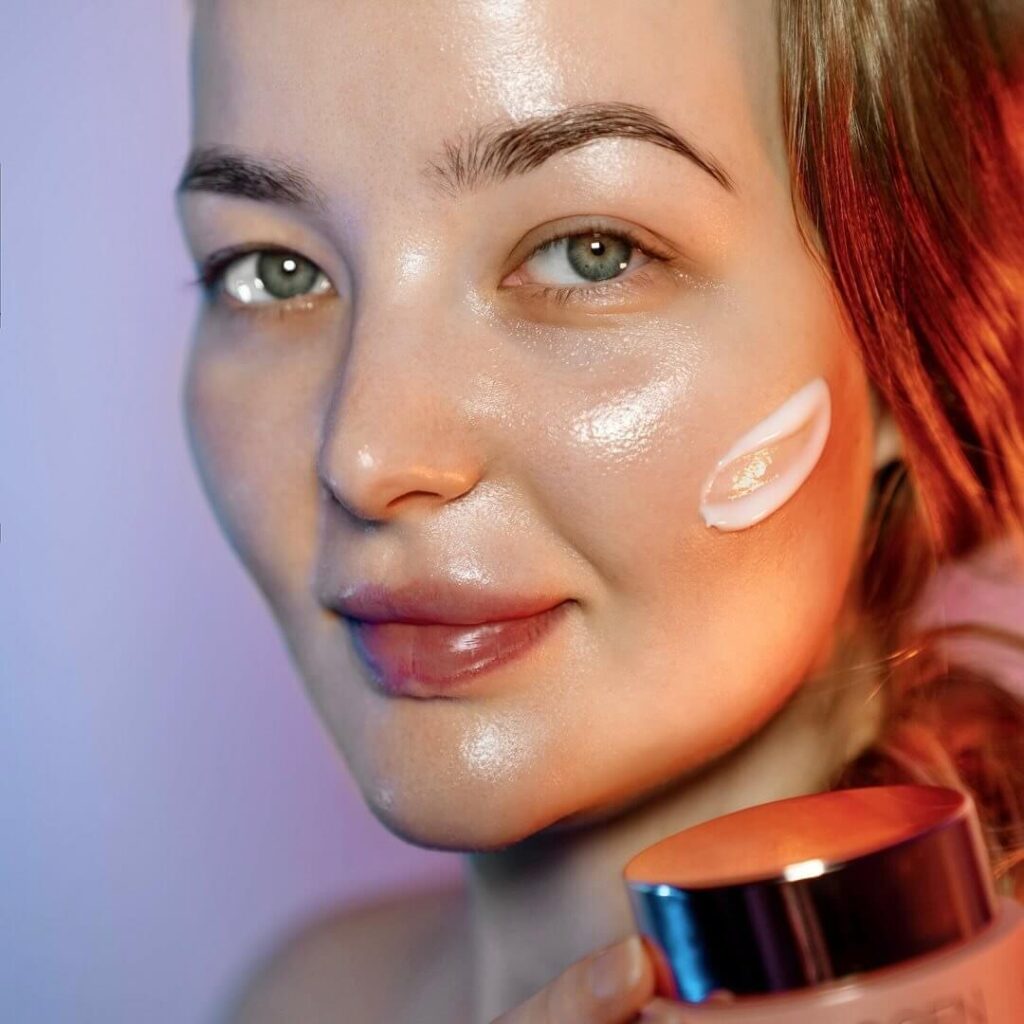


















Planning a visit? A short consultation can clarify whether a hydrating Hydrafacial, a resurfacing chemical peel, or a thoughtfully spaced combination suits your skin goals and travel schedule. Our multilingual team at Reberry Clinic is happy to walk you through the options, candidacy and aftercare before you decide.
Dr. Yoon-Gon Ryu
Frequently Asked Questions
What is the main difference between a Hydrafacial and a chemical peel in Korea?
The method is the key difference. A Hydrafacial is hydradermabrasion that uses vortex suction and infused serums to cleanse, lightly exfoliate and hydrate with no downtime. A chemical peel uses acids to dissolve surface-cell bonds for deeper resurfacing, with a short renewal phase. Each suits different concerns.
Which is gentler, a Hydrafacial or a chemical peel?
A Hydrafacial is generally the gentler option, since hydradermabrasion is a cool, hydrating mechanical cleanse rather than an acid resurfacing. Chemical peels intentionally exfoliate and can sting and flake, especially at higher strengths. People with sensitive or reactive skin often start with a Hydrafacial at Reberry Clinic and add peels later if needed.
Is there downtime after a Hydrafacial or a chemical peel?
A Hydrafacial has essentially no downtime; most people resume activities right away and apply makeup the same day. A chemical peel varies: superficial peels cause light dryness, while stronger peels bring noticeable flaking and redness for several days. Follow the clinic’s aftercare and avoid picking the skin during the renewal phase.
Which is better for acne, a Hydrafacial or a chemical peel?
Chemical peels, especially salicylic acid, are often chosen for comedonal and mild-to-moderate acne because the acid penetrates oily follicles. A Hydrafacial helps clear congestion and balance the skin more gently. For ongoing breakouts, Reberry Clinic may suggest a structured acne treatment plan alongside either facial.
How often should I get a Hydrafacial?
Many people have a Hydrafacial every few weeks as maintenance, since its glow and hydration typically last days to a couple of weeks. The right interval depends on your skin and goals. A consultation at Reberry Clinic in Seoul can suggest a realistic rhythm rather than a fixed one-size-fits-all schedule.
How many chemical peel sessions will I need?
For concerns like texture, pigment or acne, peels are commonly done as a short series spaced two to four weeks apart, though the plan depends on the acid, strength and your skin. The cumulative effect tends to be more lasting than a single session. Your clinician confirms a personalized number after assessing your skin.
Can I combine a Hydrafacial and a chemical peel?
Yes, many people alternate them. A common approach is regular Hydrafacials for cleansing and hydration, with an occasional chemical peel for deeper resurfacing. The two are not usually done the same day, and a clinician spaces them so skin is not over-exfoliated. The doctors at Reberry Clinic can outline a sensible sequence for your skin.
Which treatment is better for dull or dehydrated skin?
A Hydrafacial is usually the better choice for dullness and dehydration, because hydradermabrasion infuses watery serums and delivers an immediate glow on the same day. A peel renews texture and tone but does not hydrate the same way. For pure radiance, a glass facial may also be discussed at Reberry Clinic.
Are these treatments safe for darker skin tones?
Hydrafacials are generally well tolerated across skin tones because they are gentle and non-ablative. Deeper chemical peels are approached more carefully on darker skin owing to the risk of post-inflammatory pigment change, so the clinician chooses a suitable acid and strength. Always disclose your skin type so the protocol can be tailored safely.
How much do a Hydrafacial and a chemical peel cost in Korea?
Prices are confirmed during consultation rather than assumed, because plans are individualized. For a Hydrafacial, the protocol and any added serums affect the total; for a peel, the acid type, strength and number of sessions matter. A transparent quote after your skin assessment at Reberry Clinic is more reliable than any generic online figure.
Will a Hydrafacial help with large pores?
A Hydrafacial can make pores look clearer and less congested by removing debris and oil through its vortex suction, which often improves their appearance temporarily. It does not permanently shrink pores. For more persistent texture and pore concerns, a clinician may also discuss resurfacing options or a peel during your consultation in Seoul.
Can I wear makeup after these treatments?
After a Hydrafacial most people apply makeup the same day, since there is no shedding phase. After a chemical peel it is usually better to let the skin settle and avoid heavy makeup during the renewal phase, especially with stronger peels. Always follow the specific aftercare guidance the clinic gives for your skin and protocol.
Do these facials hurt?
A Hydrafacial is generally painless, described as a cool, watery massage with light suction. A chemical peel can tingle, warm or sting as the acid works, with the sensation increasing at higher strengths, though it is brief and closely monitored. Tell your clinician about any discomfort so the protocol can be adjusted for comfort.
How should I prepare before my appointment?
Arrive with clean skin and tell the clinic about recent treatments, active skin conditions, pregnancy, isotretinoin use or a cold-sore history, since these affect candidacy and acid choice. Avoiding strong actives or harsh exfoliation shortly before may be advised. A consultation at Reberry Clinic confirms the right pre-care and what to expect on the day.
Can I get one of these treatments during a short trip to Seoul?
Often yes. A Hydrafacial fits a short itinerary easily because it has no downtime and gives a same-day glow, even before an event. A stronger peel benefits from planning so any flaking settles before key plans. Sharing your travel dates with Reberry Clinic early helps the team schedule the right treatment realistically.
Will either treatment fade dark spots or pigmentation?
Chemical peels can help certain forms of surface pigmentation over a series by encouraging renewal, while a Hydrafacial supports brightness more gently. Neither erases pigment instantly. For more stubborn dark spots, Reberry Clinic may discuss targeted dark spot removal alongside or instead of a facial, based on your skin assessment.