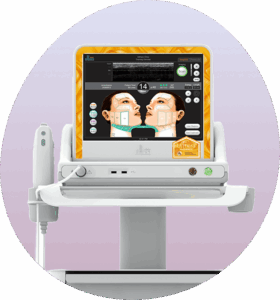


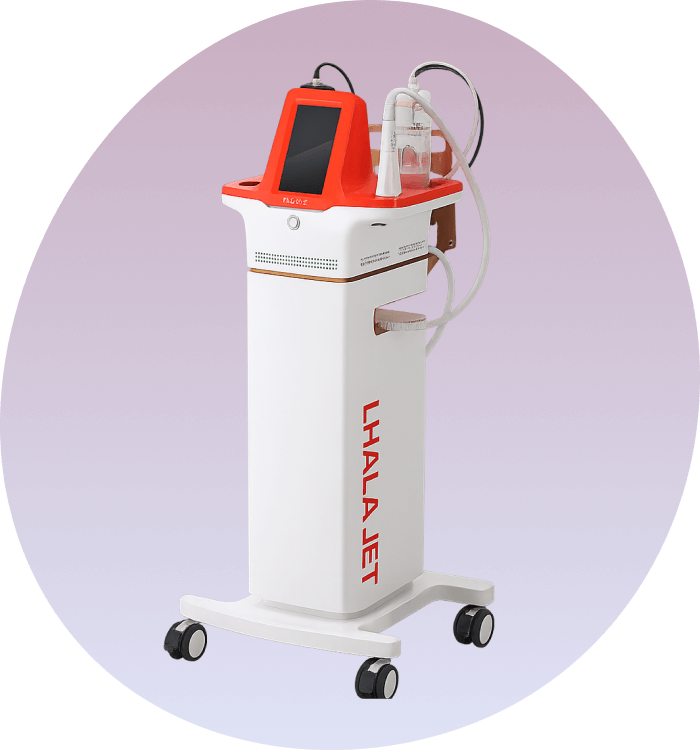
A Hydrafacial in Korea is a no-downtime hydradermabrasion facial that cleanses, lightly exfoliates, extracts and hydrates in one 30-to-45-minute session, delivering a same-day glow. Cost depends on the protocol length and any added serums or boosters rather than a fixed figure, so prices are confirmed at consultation. Most people resume normal activities immediately afterward, which makes it easy to fit around travel.
If you are planning a facial in Seoul, the Hydrafacial is a widely asked-about treatment, and the questions are usually practical: what actually happens during the session, how long it takes, whether there is any downtime, and what drives the price. This guide answers those directly. It explains the process step by step, sets honest expectations for results and recovery, and walks through the qualitative factors that shape cost so you can plan with confidence.
Rather than quote invented prices, this article focuses on what determines cost and what a session genuinely involves, because the right protocol is personalized. By the end you should understand how a Hydrafacial works, who it suits, how it fits into a trip to Korea, and the questions worth asking at your consultation. The closing FAQ covers the long-tail queries international patients search most before booking.
What a Hydrafacial Actually Is
A Hydrafacial is a form of hydradermabrasion, a treatment that combines gentle mechanical exfoliation with simultaneous hydration. Unlike a traditional facial that relies mostly on manual steps, or microdermabrasion that abrades the skin dry, hydradermabrasion uses a handpiece with a spiral tip that creates a controlled vortex of fluid and suction. This loosens debris from pores, sweeps away surface dead cells and infuses watery serums all at once.
The defining feature is that nothing is stripped or burned. There is no acid peel phase and no shedding afterward; the skin is cleansed and flooded with moisture in the same pass. That is why the result is an immediate, hydrated glow rather than a delayed renewal. The serums used typically include hydrating and antioxidant ingredients, and a clinician may tailor boosters to your concern, such as ingredients aimed at clarifying, brightening or soothing.
It is worth being clear about what a Hydrafacial is not. Because it works on the skin surface and upper layers, it is a skin-quality and maintenance treatment, not a tool for deep laxity, volume loss or pronounced wrinkles. For those concerns a clinician would discuss energy-based or injectable options instead. Understanding this keeps expectations realistic and helps you judge whether a Hydrafacial fits your goals or works well alongside other treatments.
The Step-by-Step Process
A Hydrafacial session is methodical, and knowing the sequence makes it easy to picture. It begins with a consultation and skin analysis so the clinician can confirm your concern, check suitability and choose appropriate serums. The face is then cleansed to remove makeup and surface oil, preparing the skin for the device. The whole appointment typically runs about thirty to forty-five minutes, depending on the protocol chosen.
The core of the treatment moves through several stages with the handpiece. First, cleansing and light exfoliation lift dead surface cells and prep the skin. Next, a gentle acid blend may be applied to loosen debris in pores, followed by painless suction-based extraction that clears congestion from pore openings. Finally, the same vortex tip infuses hydrating and antioxidant serums, leaving the surface plump and saturated with moisture rather than dry.
Throughout, the experience is comfortable. Most people describe it as a cool, watery massage with mild suction, not anything sharp or stinging. There is no numbing required and no recovery built into the appointment. Because the protocol and any add-on boosters are selected for your skin, the exact steps and their duration are confirmed on the day, which is one reason a consultation matters more than a generic script.
Optional Boosters and Add-Ons
Many Hydrafacial protocols allow targeted boosters, which are concentrated serums chosen for a specific concern such as clarifying congestion, supporting brightness or calming the skin. Some clinics also pair the facial with complementary steps like LED light. These add-ons influence both the experience and the price, so it helps to discuss your priorities at consultation. They are optional enhancements, not requirements, and the core facial stands on its own.
What Affects the Cost in Korea
Cost is most clearly understood through the factors that drive it, since prices are confirmed at consultation rather than fixed in advance. The leading factor is the protocol itself: a streamlined session costs less than an extended one with multiple steps, since each added stage takes time and materials. The number and type of targeted boosters or serums added for your concern also change the total, as concentrated actives and specialized add-ons carry their own cost.
Other variables matter too. Whether you book a single session or a package of several, and whether you combine the Hydrafacial with another treatment on the same visit, will affect what you pay. The specific branch and the time required also play a part. None of these are hidden; a clinic should walk you through them transparently so you understand exactly what your quote includes before you commit to anything.
This is why a personalized quote after a skin assessment is more reliable than any number you see online. Generic figures circulating on the internet rarely match your actual plan, because they cannot account for your concern, the protocol you need or the boosters that suit your skin. At Reberry Clinic, the doctors review your skin first and then explain the options and their costs so you can make an informed choice.
Who Is a Good Candidate
A Hydrafacial suits an unusually broad range of people, which is part of its appeal. Because it is gentle, hydrating and non-ablative, it works for most skin types, including sensitive and reactive skin that might not tolerate stronger resurfacing. People drawn to it typically want deep cleansing, hydration, a clearer-looking complexion or a quick, downtime-free glow before an event or photos.
That said, a few situations call for caution or adjustment. Anyone with an active skin infection, an inflammatory flare, sunburn, or open or broken skin in the treatment area should mention it, since the clinician may modify or postpone the session. Certain skin conditions and recent procedures are also worth disclosing. A consultation exists precisely to confirm that the treatment is appropriate for your skin on the day.
The checklist below frames who tends to benefit and what to flag. It is a starting point for your consultation, not a substitute for a professional assessment, since the right answer depends on your skin in person and on the concern you most want to address.
- Want deep cleansing, hydration and a same-day glow with no downtime: a Hydrafacial is a strong fit.
- Have sensitive or reactive skin and want a gentle treatment: hydradermabrasion is typically well tolerated.
- Are preparing for an event, photos or travel and want a quick refresh: the no-downtime profile suits tight schedules.
- Have active acne flares, an infection, sunburn or broken skin: mention it so the clinician can adjust or postpone.
- Want deeper changes like firming or volume: ask about complementary treatments, as a facial alone will not address those.
Results and What to Expect
Results from a Hydrafacial appear immediately, which is its signature quality. Most people leave with skin that looks cleaner, plumper and visibly more radiant the same day, with pores looking clearer and the complexion more even. This instant effect is why the treatment is so popular before weddings, events and photoshoots, where a fresh, glowing finish matters and there is no time for recovery.
The immediate glow is also relatively short-lived, typically lasting from several days to around two weeks depending on your skin, lifestyle and skincare. This is not a drawback so much as the nature of a surface hydration-and-cleansing treatment. It is why a Hydrafacial is usually framed as maintenance, repeated on a regular rhythm to keep skin consistently clear and hydrated rather than as a one-time fix.
For cumulative skin-quality goals, a clinician may suggest a regular cadence and pairing the facial with a good home routine. Maintaining results owes a great deal to factors outside the treatment, including sun protection, hydration and consistent skincare. A clinician can give you a realistic, personalized sense of how often to return after seeing your skin, rather than a single interval that applies to everyone.
Recovery and Aftercare
Recovery from a Hydrafacial is essentially immediate, which is a major reason for its popularity. There is no shedding phase and no enforced downtime, so most people return to work, errands or sightseeing right away and can usually apply makeup the same day. Some experience very mild, brief pinkness that settles quickly, but this is uncommon and not a true recovery period in the way a peel or laser would involve.
Light aftercare still helps you protect the result. Clinicians commonly advise being gentle with the skin for a short period: keeping it hydrated, using sunscreen diligently since freshly cleansed skin benefits from protection, and avoiding harsh actives or aggressive exfoliation immediately afterward. Avoiding heavy sweating, saunas or very hot environments for the rest of the day is sometimes suggested, though these are comfort measures rather than strict rules.
As always, the clinic’s specific instructions take priority over anything general, because they are tailored to your skin and the protocol used. If anything feels unusual, such as persistent redness or an unexpected reaction, contact the clinic promptly so they can advise. Following the guidance closely is the simplest way to keep your glow looking fresh and to support healthy skin between visits.
Scientific evidence
Peer-reviewed research supports hydradermabrasion as an evidence-based skin-quality treatment rather than a purely cosmetic ritual. The foundational study by Freedman randomized twenty women, aged thirty-four to fifty-six, into two groups over six treatments spaced seven to ten days apart: one group received hydradermabrasion with a polyphenolic antioxidant serum, the other had the same serum applied manually. The hydradermabrasion group showed measurable, objective change rather than subjective impression alone.
In that treated group, biopsies demonstrated increased epidermal thickness, increased papillary dermal thickness and significantly higher polyphenolic antioxidant levels (P less than 0.01). The researchers also observed replacement of elastotic dermal tissue, collagen hyalinization and increased fibroblast density, while fine lines, pore size and hyperpigmentation were reduced after the series. These findings indicate the vortex delivery does more than cleanse: it improves the serum uptake and supports skin-quality markers.
More recent imaging work reinforces the immediate surface effect patients notice. A 2024 study by Razi and colleagues used Line-Field Confocal Optical Coherence Tomography to visualize the skin non-invasively after hydradermabrasion and documented a visible reduction in stratum corneum thickness within about ten minutes of treatment. This confirms the prompt exfoliating and cleansing action behind the same-day glow. None of these studies describe a permanent result or a fixed outcome that applies to everyone, so realistic, maintenance-based expectations remain appropriate.
Freedman BM. Hydradermabrasion: an innovative modality for nonablative facial rejuvenation. Journal of Cosmetic Dermatology. 2008;7(4):275-280. doi:10.1111/j.1473-2165.2008.00406.x
Razi S, Truong TM, Khan S, Sanabria B, Rao B. Hydradermabrasion through the lens of Line-Field Confocal Optical Coherence Tomography. Skin Research and Technology. 2024;30(4):e13684. doi:10.1111/srt.13684
El-Domyati M, Hosam W, Abdel-Azim E, Abdel-Wahab H, Mohamed E. Microdermabrasion: a clinical, histometric, and histopathologic study. Journal of Cosmetic Dermatology. 2016;15(4):503-513. doi:10.1111/jocd.12252
How It Differs From Microdermabrasion and Other Facials
Understanding what sets a Hydrafacial apart helps explain its cost and value. Traditional microdermabrasion abrades the skin dry, using crystals or a diamond tip to physically buff away the surface layer without adding moisture. It can leave skin feeling tight and is less suited to sensitive types. Hydradermabrasion keeps the skin wet throughout, pairing exfoliation with hydration so the experience is gentler and the finish is plump rather than stripped.
Compared with a traditional manual facial, the Hydrafacial offers more controlled, repeatable results because a device governs the exfoliation and serum delivery rather than hands alone. Manual extractions can be uncomfortable and uneven, whereas the vortex tip clears pore congestion with steady, painless suction. This consistency is part of what justifies the higher price point relative to a basic facial, since the outcome tends to be more predictable from visit to visit.
It also differs from resurfacing treatments that intentionally injure the skin to trigger repair, such as chemical peels or microneedling. Those reach deeper and can address texture or pigment over a series, but they involve downtime and discomfort that a Hydrafacial avoids entirely. Knowing where the Hydrafacial sits on this spectrum, gentle and surface-focused rather than aggressive and deep, helps you judge whether it matches your concern and budget before booking.
Common Questions Before You Book
A few practical points come up repeatedly and are worth settling before your appointment. First, a Hydrafacial does not require you to stop most skincare in advance, though clinicians often advise pausing strong actives like retinoids or acids for a few days so the skin is calm. Arriving with clean, product-free skin where possible simply lets the treatment start efficiently and helps the clinician assess your skin accurately.
Second, the treatment is suitable year-round, but sun protection matters especially afterward because freshly cleansed skin benefits from diligent care. Many international patients ask whether they can fly the same day, and because there is no downtime, travel immediately after is generally fine. As always, mention any recent procedures, medications or skin conditions so the clinician can confirm nothing needs adjusting on the day.
Third, value-conscious patients often ask whether packages make sense. If you plan to maintain results over time, a series can be more economical per session than single visits, but a one-off is perfectly reasonable for a pre-event glow. There is no obligation to commit to a package; a consultation at Reberry Clinic can lay out the options honestly so you choose what genuinely fits your goals and stay.
Combining and Sequencing With Other Treatments
A Hydrafacial sits comfortably within a broader skin plan. Because it is gentle and has no downtime, it is often used as a regular base treatment that keeps skin clean and hydrated, while more intensive treatments address specific concerns at intervals. A clinician will plan timing so the skin is not over-treated, and the two are typically scheduled on different days when combining with stronger resurfacing.
For brightness and overall radiance, your clinician might mention complementary approaches such as a glass facial, and for ongoing breakouts they may suggest a structured acne treatment plan. Consistent skin care between visits also helps the in-clinic results last. The aim is a coherent plan built around your priorities rather than stacking every available option at once.
How treatments are sequenced depends on your skin, your concerns and how you tend to react, which is why personalization matters. Some people use a Hydrafacial purely for maintenance and glow, while others fold it into a larger plan that includes targeted treatments. A consultation lets the clinic map the right combination and spacing for your goals, your skin type and, for visitors, your travel schedule.
Planning Your Hydrafacial in Seoul
Seoul is a convenient place to have a Hydrafacial, partly because clinics are accustomed to international visitors and partly because the no-downtime nature fits travel perfectly. Reberry Clinic supports international patients with multilingual staff (English, Simplified Chinese, Traditional Chinese, Japanese and Spanish), which makes the consultation, booster choices and aftercare guidance easy to follow when you are away from home and want to understand exactly what your skin is receiving.
The clinic operates three Seoul-area locations (Gangnam, Myeongdong and Incheon Airport), so you can often choose the branch that suits your itinerary, whether that means a central Seoul appointment or a stop tied to your arrival or departure. Because the treatment leaves no recovery, many travelers slot it in between other plans or schedule it just before an event for an immediate, photo-ready glow.
If you are planning a short trip, a Hydrafacial is one of the easiest treatments to fit in, since there is nothing to recover from afterward. Sharing your travel dates and goals with the clinic early lets the team confirm the right protocol and, if you want cumulative benefit, suggest whether a single session or a couple of visits makes sense for your stay. A consultation turns those preferences into a realistic plan.
It also helps to think about how a Hydrafacial fits the rest of your trip. Because there is no recovery, you can pair it with sightseeing, shopping or other appointments on the same day without disruption, and there is no need to keep the area covered or avoid sun exposure beyond ordinary sensible protection. For many visitors this flexibility is a large part of the appeal, since it adds a skin-quality treatment to an itinerary without claiming any of the limited days a trip allows.
Influencers with Reberry




















Planning a visit? A short consultation can confirm the right Hydrafacial protocol, any boosters that suit your skin, and a realistic plan for your trip and budget. Our multilingual team at Reberry Clinic is happy to walk you through the process, what affects cost and aftercare before you decide.

Dr. Yoon-Gon Ryu
Frequently Asked Questions
How much does a Hydrafacial cost in Korea?
Prices are confirmed at consultation rather than fixed, because the cost depends on the protocol length, any targeted boosters or serums, and whether you book a single session or a package. Combining it with another treatment also changes the total. A transparent quote after your skin assessment at Reberry Clinic is more reliable than any generic online figure.
How long does a Hydrafacial take?
A Hydrafacial usually takes about thirty to forty-five minutes, depending on the protocol and any add-on boosters chosen. The session moves through cleansing, light exfoliation, extraction and serum infusion. A Hydrafacial at Reberry Clinic also includes a brief consultation to confirm suitability and tailor serums to your skin concern.
Is there any downtime after a Hydrafacial?
No, a Hydrafacial has essentially no downtime. Most people return to work, errands or sightseeing right away and can apply makeup the same day. Some experience brief, mild pinkness that settles quickly, but there is no shedding phase. This is why the treatment fits so easily around travel and busy schedules in Seoul.
Does a Hydrafacial hurt?
No, a Hydrafacial is generally painless. Most people describe it as a cool, watery massage with light suction rather than anything sharp or stinging. No numbing is needed. If you have sensitive skin, tell the clinician so they can adjust the protocol, but discomfort during a Hydrafacial at Reberry Clinic is uncommon.
How often should I get a Hydrafacial?
Many people have a Hydrafacial every few weeks as maintenance, since its glow and hydration typically last days to about two weeks. The right interval depends on your skin, lifestyle and goals. A consultation at Reberry Clinic in Seoul can suggest a realistic rhythm rather than a fixed schedule that suits everyone.
How long do Hydrafacial results last?
Results appear immediately and typically last from several days to around two weeks, depending on your skin, lifestyle and skincare. Because it is a surface hydration-and-cleansing treatment, the glow is well maintained with a regular cadence. Diligent sun protection and a consistent home routine help your skin care hold the result longer.
What does a Hydrafacial actually do?
A Hydrafacial cleanses, lightly exfoliates, extracts pore congestion and infuses hydrating, antioxidant serums in one pass using vortex suction. The result is cleaner, plumper, more radiant-looking skin the same day. It is a skin-quality and maintenance treatment, so it works on the surface rather than addressing deeper concerns like laxity or volume loss.
Who should not get a Hydrafacial?
A Hydrafacial suits most skin types, but anyone with an active skin infection, an inflammatory flare, sunburn, or open or broken skin in the area should mention it, since the clinician may adjust or postpone the session. Certain skin conditions and recent procedures are also worth disclosing so suitability can be confirmed at consultation.
Is a Hydrafacial good for acne-prone skin?
A Hydrafacial can help acne-prone skin by clearing pore congestion and excess oil gently, and boosters may target clarifying. For active or persistent breakouts, a clinician may recommend a structured acne treatment plan alongside it. Reberry Clinic assesses your skin first to confirm whether a facial alone is enough.
Can I get a Hydrafacial before a wedding or event?
Yes, a Hydrafacial is a popular pre-event choice because it delivers an immediate glow with no downtime, so there is nothing to recover from before photos. Many people book it a day or two before an event. Sharing your event date with Reberry Clinic helps the team time the session for a fresh-skin finish.
Can I get a Hydrafacial during a short trip to Seoul?
Yes, easily. Because a Hydrafacial leaves no recovery, it fits a short itinerary without disruption and can be slotted between other plans. Sharing your travel dates with Reberry Clinic early lets the team confirm the right protocol and advise whether one session or a couple of visits suits your stay and goals.
What aftercare does a Hydrafacial need?
Aftercare is light: keep skin hydrated, use sunscreen diligently, and avoid harsh actives, aggressive exfoliation and heavy sweating or saunas for the rest of the day. These are comfort measures rather than strict rules. Always follow the specific instructions Reberry Clinic gives, since they are tailored to your skin and the serums used.
Can I combine a Hydrafacial with other treatments?
Yes. A Hydrafacial often serves as a gentle base treatment while more intensive options address specific concerns at intervals, usually on different days. A clinician plans the spacing so skin is not over-treated. The doctors at Reberry Clinic can outline a sensible sequence with treatments like a glass facial for radiance.
What is the difference between a Hydrafacial and a regular facial?
A Hydrafacial uses hydradermabrasion, a device that exfoliates and infuses serums through vortex suction, which is more controlled and consistent than the manual steps of a traditional facial. It also extracts pore congestion painlessly. The result tends to be a more visible same-day glow, though both aim to cleanse and refresh the skin.
Will a Hydrafacial make my pores smaller?
A Hydrafacial makes pores look clearer and less congested by removing debris and oil, which often improves their appearance temporarily. It does not permanently shrink pores. For more persistent pore or texture concerns, Reberry Clinic may discuss resurfacing options or targeted dark spot removal during your consultation rather than relying on a facial alone.
If you are also considering a Korean glass facial, start with the glass facial before and after photo gallery.