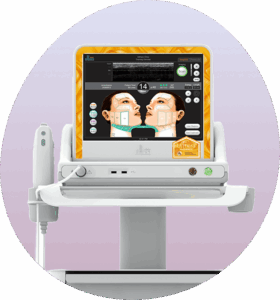



A glass skin facial in Korea is a multi-step radiance program of cleansing, gentle exfoliation, layered hydrating serums and a hydrating mask, with little or no downtime. Cost is confirmed at consultation and depends on the protocol, serums, add-ons and whether you book a single session or a course. Results show as glow after a session and build with repeat visits over weeks.
If you are planning a glass skin facial in Seoul, two practical questions usually come first: what does it actually cost, and what is the process like from arrival to recovery? Because a glass facial is a layered program rather than a single fixed device, both answers depend on what your skin needs and which steps and serums are chosen. That is why a transparent consultation matters more than any flat price you might find quoted online.
This guide explains honestly what a glass skin facial includes, the qualitative factors that influence cost, the step-by-step session experience, the recovery timeline, and how to plan a visit as an international patient. The goal is to help you arrive at a consultation already understanding the components, so you can have a clear, realistic conversation about price, scheduling and what to expect.
What a Glass Skin Facial Actually Includes
A glass skin facial is a multi-step radiance and hydration program, not a single machine or injection. It assembles several gentle skincare steps in sequence to produce the glass-skin look: a smooth, even, deeply hydrated surface that reflects light. Being honest about this matters, because it sets realistic expectations. The treatment improves surface quality, tone and glow rather than remodeling deep structure or removing established wrinkles.
The typical components build on one another. A hydrating cleanse removes makeup and debris while protecting the skin barrier; a mild enzyme or acid exfoliation smooths the surface and lifts dead cells; layered serums and essences rich in humectants such as hyaluronic acid flood the upper layers with moisture-binding ingredients; and a sheet or hydrogel mask helps seal that hydration in. Some protocols add a gentle massage or barrier-supporting ingredients such as ceramides or niacinamide.
Because the program is modular, no two glass facials are identical. A clinician tailors the exfoliation strength, the serums and the finishing steps to your skin type and concern, which is exactly why both the experience and the cost are individualized. Understanding the components in advance helps you ask informed questions about which steps are included in a given quote and why.
What Affects the Cost in Korea
The honest answer on price is that it is confirmed during consultation, because a glass facial is built from variable steps rather than a fixed unit. Several qualitative factors move the total, and understanding them helps you read any quote sensibly. We never publish invented prices, but we can be transparent about what drives them so there are no surprises when you sit down with the clinic.
The biggest factors are scope and frequency. A single session costs less than a course, and many people choose a short course for cumulative radiance, which changes the overall figure. The specific protocol matters too: the type and number of serums, whether premium hydrating boosters or barrier ingredients are layered in, and add-on steps such as masks or extra essences all affect price. More involved, multi-layer protocols naturally sit higher than a basic hydration facial.
Other variables include whether the glass facial is combined with another treatment in the same visit, the branch and timing, and any personalization for sensitive or reactive skin. Because all of this is individualized, a transparent quote after your skin assessment is far more reliable than a generic online figure. At consultation, the clinic can explain exactly which components are included so you understand what you are paying for.
It also helps to think about cost in terms of value over time rather than a single number. Because a glass facial is surface-focused and its glow is maintainable rather than permanent, many people approach it as an ongoing radiance routine, which means the meaningful figure is often what a sensible course or periodic upkeep looks like for them, not the price of one isolated visit. Framing the conversation this way at consultation lets the clinic recommend a realistic cadence, and helps you compare a single session against a short course honestly rather than anchoring only on the cheapest line item.
Finally, beware of comparing prices without comparing what is actually included. A very low quoted figure may cover a basic hydration step without the layered serums, barrier ingredients or mask that produce the fuller glass-skin finish, while a higher figure may bundle a more involved protocol. This is exactly why we avoid publishing fixed numbers: the honest comparison is component-by-component, and a clear breakdown at consultation tells you far more than a headline price seen out of context.
The Consultation and Skin Assessment
Every glass skin facial should begin with a consultation, because the program is tailored rather than one-size-fits-all. The clinician reviews your main concern, whether that is dullness, dehydration, uneven tone or general radiance, and examines your skin type and condition. This is also when you raise any sensitivities, recent procedures, active breakouts, skin conditions, pregnancy or ingredient allergies, since these shape which steps and serums are appropriate.
The assessment determines the protocol. Based on what your skin needs, the clinician selects the exfoliation strength, the hydrating serums and essences, any barrier-supporting additions, and the finishing mask. They also advise whether a single session or a short course better suits your goals and travel schedule, and they confirm the cost for the plan chosen so you can make an informed decision before anything begins.
For international patients, this is a good moment to discuss timing around a trip and to ask any questions in your own language. Reberry Clinic supports international patients with multilingual staff (English, Simplified Chinese, Traditional Chinese, Japanese and Spanish), which makes the consultation, the explanation of ingredients and steps, and the aftercare guidance far easier to follow when you are away from home.
The Step-by-Step Session Process
The session itself follows the layered logic of the program, with each step preparing the skin for the next. After the consultation, the face is cleansed thoroughly with a hydrating cleanser to remove makeup and surface debris while keeping the barrier intact. This clean base is important, because the steps that follow work best on skin that is free of buildup and ready to receive active ingredients.
Next comes gentle exfoliation, using a mild enzyme or acid step to smooth the surface and lift dead cells, which makes the skin more receptive to hydration. The clinician then layers hydrating serums and essences, often rich in hyaluronic acid and other humectants, sometimes with a soothing facial massage to aid absorption and circulation. A hydrating sheet or hydrogel mask is usually applied and left on to drive moisture deeper and lock it in.
The session finishes with soothing steps, moisturizer and sunscreen to protect the freshly treated skin. The whole experience is generally relaxing and spa-like rather than uncomfortable. Exact timing and product choices are decided on the day to suit your skin, so the clinician may adjust steps as they go. The cumulative layering is what produces the smooth, glassy finish by the end of the visit.
It is worth understanding why the order of the steps matters, because it explains why a glass facial is delivered as a sequence rather than a single application. Cleansing first ensures actives are not sitting on top of makeup or sebum; exfoliating second clears the dead-cell layer that would otherwise scatter light and block absorption; layering serums third lets lighter, water-based hydrators go on before heavier occlusive steps; and masking last seals everything in. Skipping or reordering steps tends to blunt the result, which is part of what distinguishes a professional in-clinic glass facial from a quick at-home routine.
Throughout, a good clinician is also reading your skin in real time. If the skin looks reactive after exfoliation, they may lighten the next step; if it is very dehydrated, they may add an extra serum layer or a longer mask. This responsiveness is a quiet but important part of the process and another reason the experience and the final glow vary from person to person, even within the same clinic and protocol.
Recovery, Aftercare and Downtime
A glass skin facial is designed with little or no downtime, which is part of its appeal for travelers. Most people leave with visibly hydrated, glowing skin and can resume normal activities and apply makeup the same day. Because the protocol includes exfoliation, the skin may feel slightly more sensitive or look briefly flushed afterward, but this generally settles quickly without special care.
For the first day or two, a gentle approach protects your result. Keep the skin well moisturized, use sunscreen diligently since freshly exfoliated skin is more sun-sensitive, and it is commonly advised to avoid saunas, very hot showers, harsh actives such as strong retinoids or acids, and intense sun exposure briefly. These are general comfort measures rather than strict medical rules, and the clinic tailors them to your skin and the steps used.
The clinic’s own aftercare instructions always take priority over anything general, because they reflect the exact products and exfoliation involved in your session. If anything feels unusual, such as prolonged redness, persistent irritation or a reaction you did not expect, contact the clinic promptly so they can advise. The checklist below summarizes sensible aftercare, but treat it as a starting point rather than a replacement for the clinic’s guidance.
- Keep skin hydrated with a gentle moisturizer for the first few days.
- Apply broad-spectrum sunscreen daily, as exfoliated skin is more sun-sensitive.
- Avoid saunas, very hot showers and intense exercise briefly after the session.
- Pause strong actives such as retinoids and exfoliating acids for a day or two.
- Contact the clinic if you notice prolonged redness or any unexpected reaction.
When Results Appear and How Long They Last
Glow from a glass skin facial is largely visible right away, but it is not permanent because skin continuously renews and loses moisture. After a single session, most people notice smoother, more hydrated, more luminous skin that looks freshest in the first days. Because the treatment works at the surface, this initial glow naturally softens over the following weeks as the skin cycles and environmental factors take their toll.
The treatment’s real strength is cumulative. A short course spaced over weeks tends to build a smoother tone and a more sustained luminosity than one session alone, because the layered hydration and gentle exfoliation have a compounding effect. Many people treat a glass facial as an ongoing radiance routine, returning periodically to keep the glassy finish topped up rather than expecting a single visit to hold indefinitely.
How long any result lasts depends heavily on factors outside the treatment: your skin type, hydration habits, sun exposure, skincare routine and lifestyle. Diligent moisturizing and daily sunscreen meaningfully extend the glow, while dehydration, sun damage and harsh products shorten it. A clinician can give you a realistic, personalized estimate after evaluating your skin, rather than a single timeline that applies to everyone.
Who Is a Good Candidate
Good candidates for a glass skin facial generally want brighter, smoother, better-hydrated skin without downtime, and most skin types tolerate the program well because it is gentle and non-ablative. It suits people whose main concerns are dullness, dehydration, uneven tone, rough texture or a tired-looking complexion, and who want a relaxing, layered treatment rather than an aggressive resurfacing procedure or an injectable.
Some people should take extra care or wait. Active inflammatory breakouts, open or irritated skin, recent peels or laser work, eczema or rosacea flares, and certain sensitivities mean the protocol or serums may need adjusting, or the visit postponing. Anyone with a known allergy to a serum ingredient should flag it, and pregnancy or specific skin conditions should be disclosed so the clinician can confirm suitability and tailor a gentle approach.
It is also worth being clear about what the treatment is not for. A glass facial improves surface hydration, tone and glow, so it is not the right tool for deep wrinkles, significant laxity or structural change. If those are your goals, a clinician may discuss other approaches such as energy-based options or an injection treatment like a skin booster, matched honestly to your concern during the consultation.
Scientific evidence
Peer-reviewed research supports the surface-level mechanisms a glass skin facial relies on: topical hydration ingredients and gentle exfoliation can produce measurable improvements in skin hydration, smoothness and the look of tone. For hyaluronic acid, a central humectant in these protocols, a multicenter clinical evaluation by Robinson and colleagues of a topical hyaluronic acid serum reported statistically significant increases in skin hydration at weeks four and eight versus baseline, with favorable participant ratings across measured parameters. A broader literature review concluded that topical hyaluronic acid improves hydration, smoothness and signs of skin quality when applied to the surface.
Barrier-supporting ingredients such as ceramides, often layered into hydration-focused facials, also have support. A qualitative review by Kono and colleagues analyzed dozens of controlled studies and concluded that ceramide-containing formulations improve the stratum corneum’s water-retention and barrier function. A randomized controlled study by Lueangarun and colleagues found a ceramide cream improved skin dryness and barrier measures over 24 hours and across 7 and 28 days compared with a hydrophilic comparator, reinforcing that hydration and barrier support translate into measurable, if gradual, improvement.
Niacinamide, another common addition, has been studied for its effect on the skin’s water-handling and barrier. Research published in Scientific Reports examined how niacinamide influences the stratum corneum’s structure and water sorption, finding it enhances water uptake at higher humidity and supports barrier organization. Across this evidence the consistent message is that hydration, gentle exfoliation and barrier support produce real but gradual and maintainable surface improvement, not a permanent or guaranteed outcome that applies identically to everyone. This is why clinicians frame a glass facial around realistic, repeatable timelines rather than a one-time transformation.
Robinson DM, et al. Multicenter evaluation of a topical hyaluronic acid serum. Journal of Cosmetic Dermatology. 2022;21(9):3848-3858. doi:10.1111/jocd.15241
Kono T, Miyachi Y, Kawashima M. Clinical significance of the water retention and barrier function-improving capabilities of ceramide-containing formulations: A qualitative review. The Journal of Dermatology. 2021;48(12):1745-1758. doi:10.1111/1346-8138.16175
Lueangarun S, Tragulplaingam P, Sugkraroek S, Tempark T. The 24-hr, 28-day, and 7-day post-moisturizing efficacy of ceramides 1, 3, 6-II containing moisturizing cream compared with hydrophilic cream on skin dryness and barrier disruption in senile xerosis treatment. Dermatologic Therapy. 2019;32(6):e13090. doi:10.1111/dth.13090
Combining and Sequencing With Other Treatments
A glass skin facial can be combined or sequenced thoughtfully within a broader plan, since it is gentle and surface-focused. Some people pair it with periodic deeper cleansing such as a Hydrafacial for decongestion, using the glass facial as their ongoing hydration and radiance routine. Any combination should be planned and spaced by a qualified clinician, who factors in your skin type, sensitivity and recovery preferences before recommending intervals.
For concerns beyond the surface, your clinician may suggest complementary options at different points in time. Skin-quality regeneration can be supported with an injection treatment such as a skin booster, while deeper pigmentation or texture may be better addressed with a laser treatment. The aim is to match each concern to the right approach at the right time, not to stack every available service into one visit.
Sequencing also affects cost and scheduling, which is why it is worth discussing at consultation. Combining treatments may change the total and the recovery considerations, and some pairings work better spaced apart than on the same day. A clear plan agreed in advance helps you understand both the expected results and the price, and keeps the program realistic for your skin and your timeline in Korea.
Planning a Glass Skin Facial Visit in Seoul
Seoul is a practical place to have a glass skin facial, partly because the glass-skin aesthetic grew out of Korean skincare culture and partly because clinics are used to international visitors. Reberry Clinic supports international patients with multilingual staff (English, Simplified Chinese, Traditional Chinese, Japanese and Spanish), so consultations, ingredient explanations and aftercare instructions are easier to follow when you are away from home and want to understand exactly what is being applied to your skin.
The clinic operates three Seoul-area locations (Gangnam, Myeongdong and Incheon Airport), so you can often choose the branch that suits your route, whether a central Seoul visit or a stop tied to your arrival or departure. Because a glass facial has little or no downtime, many travelers fit a session around sightseeing or before an event without disrupting their plans, and a single session can sit comfortably within a short trip.
If you are considering a course rather than one session, timing matters, so it helps to plan ahead. You might start a course in Korea and continue a hydration routine at home, or space sessions across a longer stay. Sharing your travel window and goals with the clinic early lets the team confirm a realistic plan and a transparent cost, rather than rushing treatments into a schedule that does not suit your skin or your itinerary.
Influencers with Reberry


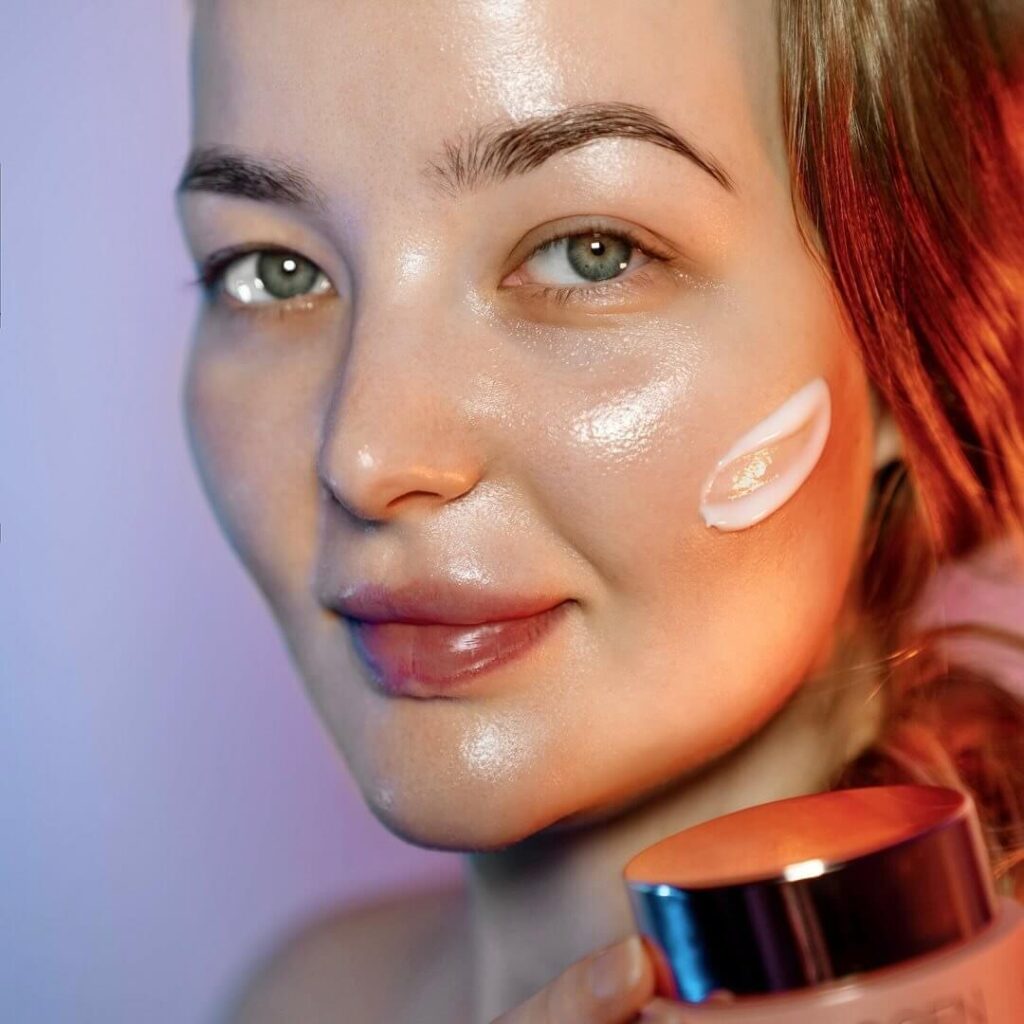

















Planning a visit? A short consultation can clarify which glass skin facial protocol suits your skin, outline a transparent cost, and fit the session or course around your travel schedule. Our multilingual team at Reberry Clinic is happy to walk you through the components, candidacy and aftercare before you decide.
Dr. Yoon-Gon Ryu
Frequently Asked Questions
How much does a glass skin facial cost in Korea?
Cost is confirmed during consultation rather than fixed, because a glass facial is built from variable steps. The protocol, the serums chosen, any add-on masks or boosters, and whether you book a single session or a course all affect the total. A transparent quote after your skin assessment at Reberry Clinic is more reliable than any generic online figure.
What does a glass skin facial actually include?
It is a multi-step program: a hydrating cleanse, gentle exfoliation, layered hydrating serums and essences rich in hyaluronic acid, and a hydrating mask, sometimes with barrier ingredients or massage. You can review glass facial details and confirm exactly which steps suit your skin during a consultation at Reberry Clinic in Seoul.
How long does a glass skin facial session take?
Most sessions run around an hour, though exact timing depends on the protocol, the number of serum layers, and whether a mask or massage is included. The clinician decides the steps on the day to suit your skin. You can review glass facial details and confirm timing during a consultation at Reberry Clinic.
Is there any downtime after a glass skin facial?
There is little or no downtime, which appeals to travelers. Most people resume activities and apply makeup the same day, with any mild flush from exfoliation settling quickly. For a day or two, use sunscreen and avoid saunas and harsh actives. Follow the aftercare from Reberry Clinic and contact them if anything feels unusual.
How soon will I see results, and how long do they last?
Glow is largely visible right after the session and looks freshest in the first days. Because it works at the surface, the effect softens over weeks, so a glass facial is often repeated as a course for sustained radiance. Diligent moisturizing and daily sunscreen meaningfully help the result hold longer.
How many sessions do I need for glass skin?
There is no fixed number, but a glass facial is often done as a short course spaced over weeks for cumulative radiance, then periodically for upkeep. A single session still gives glow, yet layering builds smoother tone. A consultation at Reberry Clinic confirms a personalized schedule based on your skin and travel plans.
Does a glass skin facial hurt?
No, it is generally relaxing rather than painful. The steps, cleansing, gentle exfoliation, serum layering, optional massage and a mask, feel spa-like for most people. Skin may feel slightly more sensitive after exfoliation. The clinician adjusts the protocol to your skin and sensitivity, so let them know if any step feels uncomfortable during the session.
Who is a good candidate for a glass skin facial?
It suits most skin types wanting hydration, brighter tone and a smooth, dewy glow, especially for dullness, dehydration or uneven texture. Some should wait or adjust the protocol, such as those with active breakouts, irritated skin, recent peels, eczema or rosacea flares, or ingredient allergies. A consultation at Reberry Clinic confirms suitability and tailors a gentle approach.
Can a glass skin facial remove wrinkles or tighten skin?
No. A glass facial works at the surface to improve hydration, tone and glow, so it does not remove deep wrinkles or tighten significant laxity. For firmness or structural goals, a clinician may discuss energy-based options or a face lift during your consultation in Seoul, matched honestly to your concern rather than to this facial.
Can I combine a glass skin facial with other treatments?
Yes, thoughtfully. Some people pair it with deeper cleansing such as a Hydrafacial, or sequence it with other services over time. Any combination should be spaced by a qualified clinician based on your skin and recovery. At Reberry Clinic, the doctors can outline a realistic plan and how combining affects cost and scheduling.
What should I do before a glass skin facial appointment?
Arrive with clean skin and tell the clinic about recent peels, laser work, active breakouts, skin conditions, pregnancy or ingredient allergies, since these affect candidacy and product choice. Pausing strong actives shortly before may be advised. A consultation confirms the right pre-care, and deeper concerns might suit a laser treatment instead.
Before you budget, it helps to browse glass facial before and after photos from our Seoul clinics to see typical results.
What should I avoid after a glass skin facial?
For a day or two, avoid saunas, very hot showers, intense exercise, strong retinoids or exfoliating acids, and unprotected sun exposure, since freshly exfoliated skin is more sensitive. Keep skin moisturized and use daily sunscreen. These are general comfort measures, and Reberry Clinic tailors specific aftercare to the products and exfoliation used in your session.
Is a glass skin facial safe for sensitive skin?
Often yes, because the program is gentle and non-ablative, and the clinician can soften exfoliation, choose calmer serums and patch-test where appropriate. Active flares of conditions like rosacea or eczema may mean postponing. A consultation reviewing your skin type and history is the right way to confirm a suitable, individualized plan at Reberry Clinic.
Can I have a glass skin facial during a short trip to Seoul?
Yes, easily. Because it has little or no downtime, a single session fits neatly into one visit and can be added around sightseeing or before an event. A course may benefit from spacing across a longer stay. Sharing your travel dates with Reberry Clinic early helps the team plan a realistic schedule and transparent cost.
Is a glass skin facial worth it for travelers?
Many travelers value it because it delivers an immediate, no-downtime glow and is easy to fit around a trip, especially given Seoul’s connection to the glass-skin aesthetic. Whether it is right for you depends on your skin and goals. A consultation at Reberry Clinic helps weigh a single session against a course and confirms realistic expectations and cost.