


If you’re a new mom considering Botox to refresh your look while breastfeeding, you might wonder: Can you get Botox while breastfeeding? It is completely understandable, since Botox works by temporarily paralysing the injected site to reduce wrinkles. Although the risk of babies getting infected during breastfeeding is considered low because of its large molecular structure, which makes it unlikely to pass into the breast milk. But, due to limited studies and formal safety, most medical experts recommend waiting until after breastfeeding to resume the treatments.
In this article, we’ll explore everything that a new nursing mother needs to know about Botox and breastfeeding, its safety during breastfeeding, the precautions, and safe alternatives.
What is Botox and how does it work?
Botox, also known as onabotulinumtoxinA, is a purified protein derived from botulinum toxin, widely used in cosmetic and medical treatments such as chronic migraines and muscle spasms, to temporarily reduce muscle movement.
Botox works by temporarily blocking the release of Acetylcholine, a neurotransmitter responsible for sending signals from nerves to muscles. When these signals are interrupted, the targeted muscles become unable to contract or make any movements. As a result, it smooths out your dynamic wrinkles, those caused by repeated facial movements such as frown lines, forehead creases, and crow’s feet. However, the effects it gives are temporary, typically lasting around 3-4 months, and to maintain smoother-looking skin, regular maintenance sessions are required.
Is it safe to Get Botox During Breastfeeding

Botox (OnabotulinumtoxinA) is a purified protein that works only where it’s injected, relaxing your muscles by blocking signals from Acetylcholine. Because it’s a large molecule, experts believe it’s very unlikely to pass into breast milk in significant amounts. Even if trace amounts are found, they would likely be broken down in your baby’s digestive system rather than absorbed.
However, it’s important to emphasize that there is limited direct research on Botox use during breastfeeding. According to the National Institutes of Health (NIH) LactMed database, “It was not detectable in the milk of two women and detectable in only minute amounts in 5 others after 40 to 92 units injected into the face.” While this is reassuring, available data remain limited. Because of this uncertainty, many healthcare providers recommend taking a cautious approach. Consulting with your doctor or a qualified medical professional can help you weigh the potential risks and benefits based on your specific situation.
Does Botox Get Into Breast Milk?
Many breastfeeding mothers worry about whether Botox can pass into breast milk. In most cases, it is unlikely to enter breast milk because of its large molecular structure. A small 2024 pilot study detected only trace amounts in a few breast milk samples, and these levels were far below what could harm an infant.
Even if a tiny amount were present, it would likely be broken down by the baby’s digestive system. However, because research in this area is still limited, healthcare providers often recommend discussing cosmetic injections with a medical professional and taking a cautious approach while breastfeeding.
What Are the Potential Risks of Botox While Breastfeeding?

Research on Botox use during breastfeeding is very limited, which makes it difficult to confirm its safety for nursing mothers and their infants fully. Although Botox is injected into specific muscles and usually remains localized, clinical studies involving breastfeeding women are lacking. Because of this uncertainty, healthcare professionals often recommend a cautious approach.
Some potential risks and considerations include:
- Limited research: There are very few clinical studies evaluating Botox use in breastfeeding mothers, so its full safety profile during lactation is not well established.
- Theoretical transfer to breast milk: Although unlikely, it is not completely known whether small amounts of the toxin could pass into breast milk.
- Infant sensitivity: Babies are more sensitive to toxins, and in theory exposure could lead to symptoms such as muscle weakness or feeding difficulties.
- Rare side effects in the mother: In uncommon cases, the toxin produced by Clostridium botulinum may spread beyond the injection site and cause temporary muscle weakness or flu-like symptoms.
Because of these uncertainties, many experts recommend postponing cosmetic Botox injections until breastfeeding has ended or discussing possible risks with a qualified healthcare professional before treatment.
Precautions and What to Do if Botox Is Administered While Nursing

Even though scientific data on Botox (botulinum toxin type A) use in breastfeeding mothers remains limited, current understanding indicates that the potential risk to a nursing infant is very low. This is because Botox acts locally at the injection site, with minimal systemic absorption, and its large molecular size makes it unlikely to pass into breast milk in significant amounts. Even if trace amounts were present, they would likely be broken down in the infant’s digestive system before being absorbed. Nevertheless, it is important for nursing mothers to follow proper precautions.
Key Steps for Mothers Who Receive Botox While Nursing
- Consult Your Healthcare Providers: Let your general practitioner, obstetrician/gynecologist, and your baby’s pediatrician know about your Botox treatment. Share the dose, injection site, and the date.
- Monitor your Baby: Watch for anything unusual, signs such as poor feeding, extreme sleepiness, weak muscles, trouble breathing, or a weak cry. It is essential to seek medical attention immediately if any of these occur.
- Assess the Necessity of Botox Treatment: If the Botox is being used to treat migraines or muscle issues, consulting a professional specialist can help to ensure whether it is safe to continue while breastfeeding.
Precautions for Nursing Mothers Receiving Botox

- Postpone elective procedures: Many healthcare providers recommend waiting until your baby is fully weaned before having cosmetic injections to avoid any potential risk.
- Check Product Guidelines: Botox and other botulinum toxin manufacturers generally state that safety during breastfeeding has not been confirmed.
- Consider Non-Invasive Options: If you want to maintain or improve skin appearance while nursing, discuss with an aesthetic medicine specialist safer alternatives such as topical therapies or procedures that don’t involve injections.
For mothers who prefer to avoid injections or want extra safety measures, several non-invasive options can still be useful and effective to help maintain skin health.
Safe Alternatives to Botox while Nursing

Many breastfeeding mothers want to maintain healthy, youthful-looking skin but prefer to avoid injectable treatments like Botox. Fortunately, there are several safe, effective options that address wrinkles, uneven texture, sagging, and hydration without exposing your baby to risk. Below are some key approaches you can consider while nursing:
Reducing Fine Lines and Wrinkles
Peptide-based creams can be best to reduce fine lines and wrinkles during breastfeeding as it actively works to stimulate collagen, helping your skin stay firm and smooth. Also, pairing them with hyaluronic acid serums locks in moisture and softens wrinkles for a refreshed, plump look. For extra safety, retinol-free anti-aging products support gentle skin renewal, giving you visible results without any risk to your baby.
Improving Skin Texture and Brightness
In order to boost your skin’s radiance during breastfeeding, then Vitamin C can be considered as it brightens the complexion and supports collagen production, helping even out tone and revitalize dull patches. Meanwhile, Mild, breastfeeding-safe chemical peels can gently exfoliate dead skin cells, and treatments like microdermabrasion refine texture leaving your skin smoother and more radiant. Together, these approaches provide safe, effective ways to maintain glowing skin while nursing.
Tightening and Lifting Skin
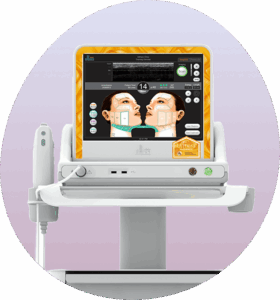
During the breast feeding phase, if you are looking for tightening and lifting skin, then non-invasive treatments like radiofrequency and ultrasound therapies can be a suitable option. These treatments work by stimulating collagen production, helping to gradually tighten and firm the skin while improving overall elasticity. Some individuals also consider non-ablative laser treatments to refine skin texture and enhance smoothness with minimal downtime, supporting a more lifted and refreshed appearance.
Maintaining Skin Hydration and Overall Health
Throughout the breastfeeding phase, hormonal changes can lead to dryness, sensitivity, and a weakened skin barrier, making skin hydration essential. To manage these concerns, gentle skincare moisturizers containing ceramides, hyaluronic acid, or glycerin can help restore moisture and support the skin barrier, promoting a smoother and healthier appearance. Lifestyle factors such as adequate sleep, a nutrient-rich diet, proper hydration, stress management, and sun protection also play an important role in supporting overall skin health. With a consistent routine, these habits can help maintain balanced, healthy-looking skin throughout the breastfeeding phase.
These approaches offer gentle yet effective ways to support your skin’s health and appearance during breastfeeding, helping you maintain a radiant, refreshed look while prioritizing both safety and overall well-being.
Book a Consultation to Explore Safe Options While Nursing at Reverry Clinic

Botox is generally considered a safe and effective ingredient for individuals to smooth wrinkles. However, when it comes to breastfeeding moms, it is often advised to avoid or delay, although the chance of passing chemicals into your bloodstream is very low, and infecting babies is rare.
At Reberry Clinic, our experienced aesthetic medicine specialists provide personalized consultations to help nursing mothers explore safe skincare options. From non-invasive treatments to carefully tailored routines, we guide patients in achieving healthy, radiant skin while prioritizing both maternal and infant well-being. Our goal is to offer effective solutions that balance cosmetic results with safety, so mothers can feel confident and cared for during this special time.