

Fine lines and wrinkles in your 40s can feel frustrating, especially when you’re noticing them despite your best skincare efforts. As collagen and elastin production naturally begin to slow down, you might notice more pronounced expression lines or early sagging, which don’t fade away easily as before. While you cannot stop this natural process, Botox offers a reliable way to manage these visible signs of aging. Still, you may find yourself wondering how often you should get Botox in your 40s?
In the 40s, the goal is often no longer just prevention but active management and correction. While a 3 to 4 month interval is generally ideal for Botox treatment, the exact schedule can vary depending on factors such as muscle activity, skin condition, and aesthetic goals.
In this guide, we will break down exactly how Botox works in your 40s, the ideal treatment frequency, treatments that can be combined, and tips to make your results last longer.
How Does Botox Work on Your Skin in the 40’s?
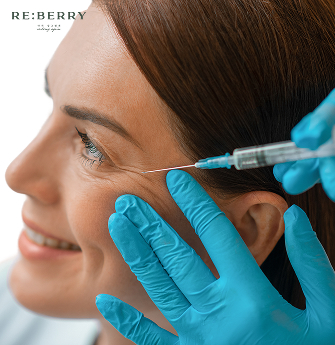
In your 40s, skin naturally begins to show more pronounced signs of aging. A natural decline in collagen and elastin production, along with repeated facial expressions over the years, causes fine lines, wrinkles, and sagging. Botox works by temporarily blocking nerve signals to the muscles it targets, specifically those in the forehead, glabella, and eye-contour areas. When injected, the botulinum toxin relaxes the underlying facial muscles responsible for dynamic wrinkles, such as forehead lines, frown lines, and crow’s feet.
Furthermore, in your 40s, Botox can help correct existing wrinkles and prevent new lines from forming, helping maintain a youthful, refreshed appearance. At this age, skin retains enough firmness and elasticity, allowing Botox to soften the overall appearance of the face. It’s important to note that while Botox is excellent for treating expression-related wrinkles, it does not add volume. So, in your 40s, Botox works best when combined with skincare, hydrating treatments, or dermal fillers to address both muscle movement and volume loss.
How Often To Get Botox In Your 40s?

In your 40s, you should generally get Botox every 3 to 4 months to effectively manage wrinkles and maintain a youthful appearance. While some individuals may stretch this to every 6 months based on metabolism, 3–4 times per year is the standard recommendation to keep muscles relaxed and prevent lines from becoming permanent.
This interval allows the muscles to respond properly to the treatment and helps maintain smooth, natural-looking results. If you wait longer than the suggested period, the effect may fade, while going too soon can lead to overtreatment and an unnatural look.
However, the exact treatment schedule can vary based on factors such as muscle activity, skin condition, and aesthetic goals. Some individuals may find that results last longer after several sessions as the muscles gradually adapt to the treatment. A qualified provider can evaluate your facial movement and recommend a treatment plan that maintains natural results while supporting long-term skin maintenance.
How Many Units of Botox Are Typically Needed in Your 40s?

The number of Botox units needed in your 40s varies depending on factors such as muscle strength, wrinkle depth, and the overall condition of your skin. At this stage, treatments usually focus on softening visible lines while preserving natural facial movement, so the dosage is carefully adjusted to achieve balanced and natural-looking results. Individuals in their 40s often require slightly higher units compared to younger adults.
Common treatment areas and typical units required per session:
| Treatment Area | Typical Units |
|---|---|
| Forehead lines | 10–20 units |
| Frown lines | 20–30 units |
| Crow’s feet | 10–24 units per side |
| Neck bands | 20–40 units total |
| Jawline | 20–30 units per side |
| Gummy smile | 4–6 units |
| Lip lines | 4–6 units per line |
Using more units doesn’t guarantee better results; the right dose delivers a natural, refreshed look rather than a frozen appearance. A qualified provider can evaluate your facial movement and customize the dosage to deliver effective results while avoiding overtreatment.
Before and After Botox 40’s Images

What Are The Key Areas To Treat With Botox At 40s?

In your 40s, certain areas of the face begin to show more visible signs of aging than others. Unlike later stages of life, when wrinkles are deeper, the lines at this stage are still forming, so treating the right areas at the right time can significantly influence how your skin ages over the years. Below are the key areas where Botox is most commonly and effectively used:
Forehead Lines
Forehead lines are horizontal wrinkles across the forehead that form over time due to frequent movement of the frontalis muscle. Botox gently relaxes this muscle, softening existing lines and preventing them from deepening over time. A balanced dose helps smooth the skin while maintaining natural facial expressions and avoiding a frozen look.
Frown Lines (11s)
Frown lines, or ‘11s,’ are the vertical wrinkles that form between the eyebrows from repeated frowning. By your 40s, they can become visible even when your face is relaxed. Botox relaxes the corrugator and procerus muscles between the eyebrows, reducing the appearance of frown lines and creating a smoother, natural look.
Crow’s Feet
Crow’s feet are the fine lines that form at the outer corners of the eyes. Over time, these lines can become more noticeable, appearing even when you’re not smiling or squinting. Botox is injected into the orbicularis oculi muscle around the eyes to relax the movements, helping the eye area appear smoother and more refreshed.
Gummy Smile
A gummy smile occurs when an excessive amount of gum tissue is visible above the teeth when smiling. Botox is injected into the upper lip muscles called levator labii superioris to lift and reduce gum exposure, creating a natural, attractive smile.
Neck and Jawline
The neck and jawline are areas where signs of aging often become noticeable. By relaxing the platysmal bands, Botox reduces the appearance of vertical lines that become more visible with age, resulting in a smoother, more defined neck. It also targets the muscles along the jawline, reducing the appearance of sagging skin and giving the lower face a naturally lifted look.
Benefits Of Starting Botox In Your 40s

Your 40s are an ideal time to start or maintain a Botox routine. At this stage, the skin retains sufficient collagen and elasticity to respond effectively to the treatment, delivering natural, rejuvenated results. Here are the key benefits of starting Botox in your 40s:
Prevents Early Signs of Aging
Botox prevents early signs of aging by relaxing the muscles that create wrinkles. It reduces the formation of new lines and slows the deepening of existing ones, keeping your skin smooth and youthful.
Softens Visible Wrinkles
With age, wrinkles can become noticeable even when your face is relaxed. Botox relaxes the underlying muscles, targeting dynamic wrinkles such as forehead lines, crow’s feet, and frown lines, resulting in a refreshed, youthful appearance.
Natural, Subtle Results
In your 40s, the skin still retains good elasticity, allowing Botox to deliver subtle, natural results without creating a “frozen” look, keeping your features soft and refreshed.
Reduces the Need for Expensive, Invasive Treatments
Starting Botox in your 40s addresses wrinkles early, reducing the need for costly or invasive procedures later. Early, consistent treatment helps maintain your skin’s condition, making anti-aging care simpler and more effective.
Enhances Skin Health with Combined Treatments
Botox can be combined with dermal fillers, skin boosters, or collagen-stimulating procedures to address wrinkles and restore lost volume. This combination not only improves facial contours but also helps maintain skin vitality and a naturally refreshed appearance.
Which Treatments Can Be Combined with Botox in Your 40s for Optimal Results?

Combining Botox with other treatments in your 40s can enhance results by addressing multiple signs of aging at once. While Botox relaxes facial muscles to soften wrinkles, complementary treatments can improve volume, texture, and overall skin health. Common options include:
Restore Volume with Dermal Fillers
Dermal fillers are injectable treatments that restore lost facial volume, smooth deeper lines, and enhance facial contours. When combined with Botox, fillers complement the treatment by addressing both muscle-related wrinkles and areas of volume loss, creating a natural, youthful appearance. Fillers add structure and lift areas like the cheeks, under-eye hollows, and nasolabial folds. This procedure requires minimal downtime and delivers immediate results.
Improve Skin Texture and Tone With Laser Treatments
Laser treatments use focused light energy to target various skin concerns such as uneven texture, fine lines, pigmentation, and sun damage. When paired with Botox, lasers improve the skin’s texture and tone, enhancing the overall rejuvenation results. The procedure is minimally invasive, causing only mild redness or swelling in most patients, and allows a quick recovery.
Enhance Skin Firmness and Tightness With Radiofrequency Microneedling
Radiofrequency microneedling stimulates collagen and elastin production, tightening and firming the skin. When combined with Botox, it enhances overall rejuvenation by improving skin texture and addressing sagging, resulting in a smoother, more youthful appearance. It also reduces the fine lines and minor scars, helping the skin look smoother and more even. Most patients find the treatment comfortable, with only mild, temporary redness that resolves naturally.
Refresh and Renew Your Skin With Chemical Peels
Chemical peels remove dull, damaged skin cells to reveal a smoother, brighter, and more even complexion. Together with Botox, chemical peels enhance overall rejuvenation by improving skin texture and reducing fine lines, pigmentation, and sun damage. The procedure is minimally invasive, with mild redness or peeling for a few days, and allows you to return to your daily routine quickly.
Tips to Maintain Botox Results Longer in Your 40s

Botox helps you achieve a smooth, refreshed look, but following proper habits ensures the results last longer. Simple daily practices and lifestyle choices play a big role in preserving natural-looking skin between treatments. By following a few guidelines, you can maximize the effectiveness of your Botox and maintain healthy skin. Here are some essential tips to help you get the most out of your treatment:
Follow a Consistent Treatment Schedule
Botox gradually wears off, and waiting too long between sessions can cause wrinkles to reappear. Following a routine every 3 to 4 months helps keep the muscles relaxed and prevents lines from becoming more noticeable, maintaining a consistently refreshed appearance.
Use Sunscreen Daily
Ultraviolet (UV) rays from the sun are a main cause of collagen breakdown and early skin aging. Daily sun exposure leads to the formation of wrinkles and reduces the effect of Botox. Using a broad-spectrum sunscreen every day protects your skin, slows visible aging, and helps maintain smoother skin.
Hydrate Your Skin
Hydrated skin responds better to Botox and retains a youthful, radiant look. Dry, dehydrated skin makes fine lines more noticeable and reduces the longevity of treatment. Daily use of a quality moisturizer enriched with hydrating ingredients such as hyaluronic acid helps maintain results longer.
Avoid Strenuous Activity After Treatment
For the first 24 to 48 hours after injections, high-intensity exercise, hot showers, saunas, or other activities that increase blood flow and heat in the face can interfere with how the treatment settles. Limiting strenuous activity during this period maximizes the treatment’s effectiveness.
Maintain a Healthy Lifestyle
Your lifestyle directly affects skin aging and the longevity of Botox results. Smoking, an unhealthy diet, and chronic stress can accelerate collagen breakdown and wrinkle formation. By prioritizing a balanced diet rich in antioxidants, staying hydrated, getting sufficient sleep, and managing stress, you can support healthier skin and maintain longer-lasting, natural-looking results.
Maintain Youthful, Natural-Looking Skin in Your 40s at Rebbery Clinic
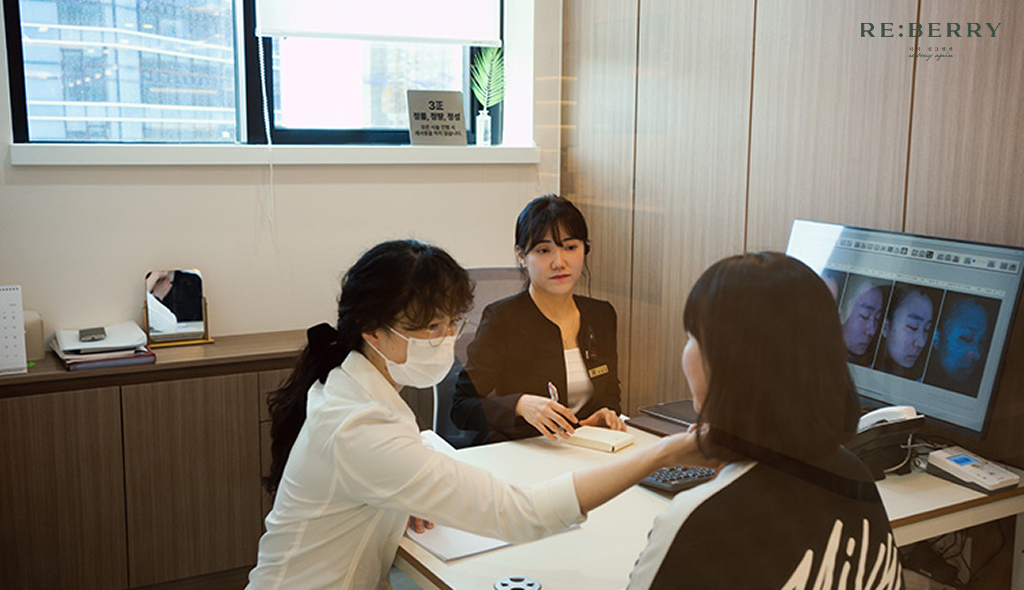
In your 40s, subtle signs of aging start to appear, including fine lines, dynamic wrinkles, and a slight loss of skin firmness. Early treatments like Botox can help maintain a smooth, youthful appearance with precision micro-doses, delivering natural results that last 3-4 months. At Reberry Clinic, our expert dermatologists assess your skin, muscle tone, and previous treatments to create a Botox plan tailored specifically to your needs.
We use only FDA-approved products and follow protocols that prioritize both safety and effectiveness. Whether you want to smooth forehead lines, reduce crow’s feet, or maintain a naturally refreshed appearance, our team ensures results that enhance your features while keeping your skin looking youthful and vibrant.