

Gangnam
Dr. Yoongon Ryu
Aesthetic Medicine Specialist
Flagship clinic · KOL for leading lifting & regenerative devices

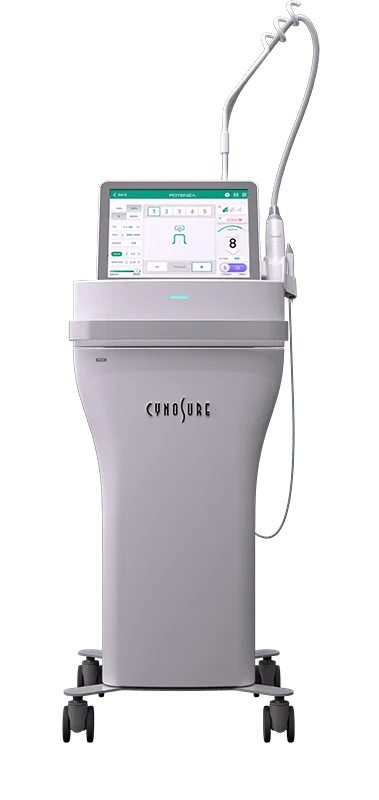
Most patients see acne calm over 3 to 6 sessions, with clearer skin held for many months when a maintenance routine and occasional visits continue.
Acne treatment results in Korea typically build over a series of 3 to 6 sessions and can hold for many months, but acne is a chronic condition, so it is not a one-time fix. Maintenance visits, medication, and a good skincare routine keep skin clear, while acne scar results from microneedling tend to last longer, across our three Seoul-area locations.
One-on-One guidance from a dedicated doctor, ensuring your skin is professionally monitored and treated from start to finish.
Fluent assistance in English, Japanese, and Chinese, making communication clear, respectful and comfortable for international patients.
Over 100,000 patients worldwide have received our personalized dermatological care, highlighting our expertise and reliable results.
How long acne treatment lasts depends on what you are treating. Clearing active breakouts usually takes a series of 3 to 6 sessions, and the calmer skin that follows can hold for many months, especially when paired with prescribed medication and a consistent routine. Because acne is driven by hormones, oil production, and bacteria, it is a chronic condition rather than a single event, so most plans focus on long-term control instead of a one-time fix.
Acne scar improvement behaves differently. Once collagen is rebuilt through RF microneedling or laser resurfacing, those structural gains in skin texture tend to be longer-lasting, often years, because scars do not simply return like active pimples can. That is why doctors usually treat active acne first to stabilise the skin, then address scarring afterwards.
At Reberry Clinic, acne care is consultation-led and supported in English across our three Seoul-area locations (Gangnam, Myeongdong, Incheon Airport). The clinic’s doctors set honest expectations about maintenance, because lasting clarity comes from an ongoing plan rather than a promise of permanently clear skin.
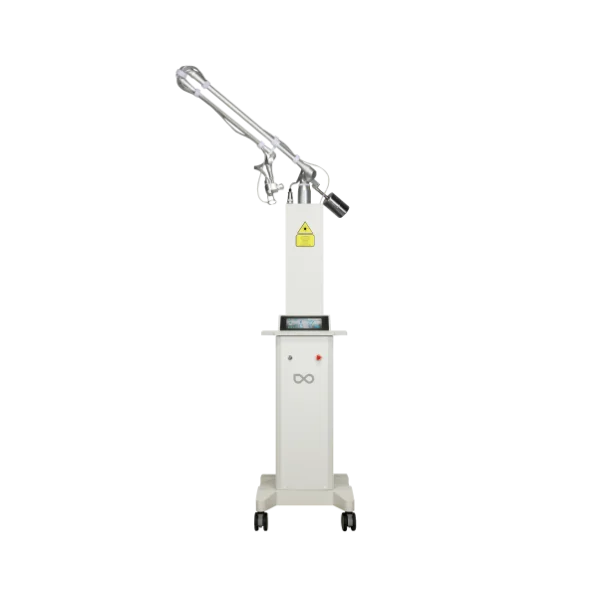
Durability comes down to the type of acne, the method used, and your aftercare. Active inflammatory acne responds to laser, light therapy, peels, and medication that reduce oil and bacteria, but because these underlying factors continue, results need reinforcing every few months for many patients. Scar treatments such as RF microneedling work differently: they remodel collagen in the dermis over weeks, and the resulting smoother texture is structural, so it lasts far longer, often years, once the series is complete. Hormonal status, age, skin type, sun exposure, and how consistently you follow a maintenance routine all shift the timeline. This is why the clinic’s doctors plan an individualised schedule at consultation rather than quoting a single fixed duration for everyone.
One Reberry Clinic, multiple Seoul-area locations. Pricing & current promotions are listed on each branch's own site — tap a clinic to view pricing & book.
Our flagship in the heart of Gangnam.
In Seoul's shopping & tourism heart.
A beauty stop between flights.
The newest Reberry Clinic — in Seoul's trend district.
ONE REBERRY CLINIC · MFDS-REGISTERED DEVICES · MULTILINGUAL CARE AT EVERY LOCATION
Active acne calms over a series of 3 to 6 sessions spaced 2 to 4 weeks apart as oil and bacteria are reduced.
Once breakouts settle, results can hold for many months when 1 consistent routine and any prescribed medication continue.
RF microneedling rebuilds collagen over several weeks, and these texture gains typically last years, not just months.
Because acne is chronic, top-up visits every few months help manage recurrence rather than expecting a single permanent result.
Daily sunscreen and gentle skincare, ideally for at least 1 to 2 weeks after each session, protect both clearer skin and rebuilt scar texture.
See representative outcomes from Reberry Clinic. Results build gradually and vary by individual; your plan is assessed at consultation.
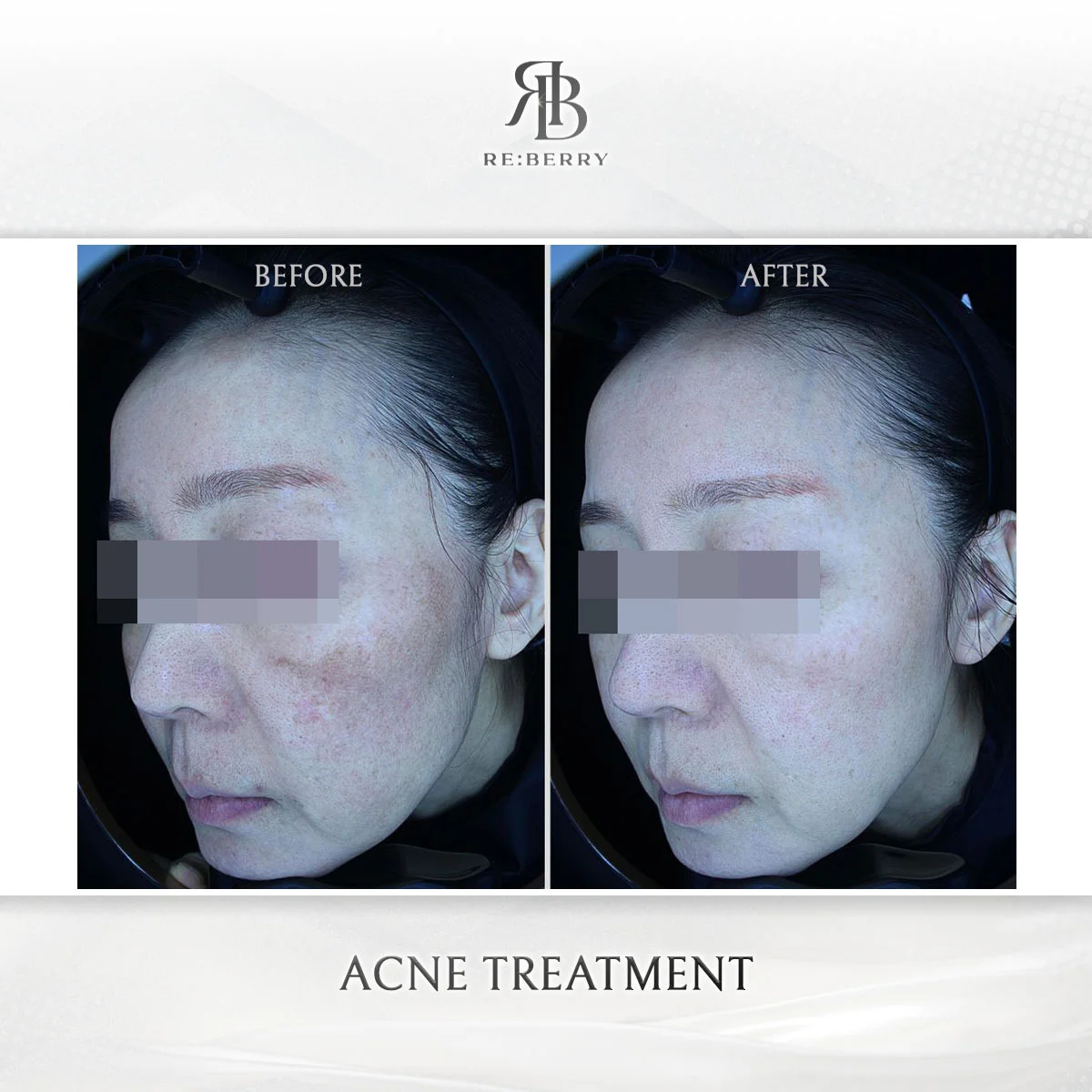
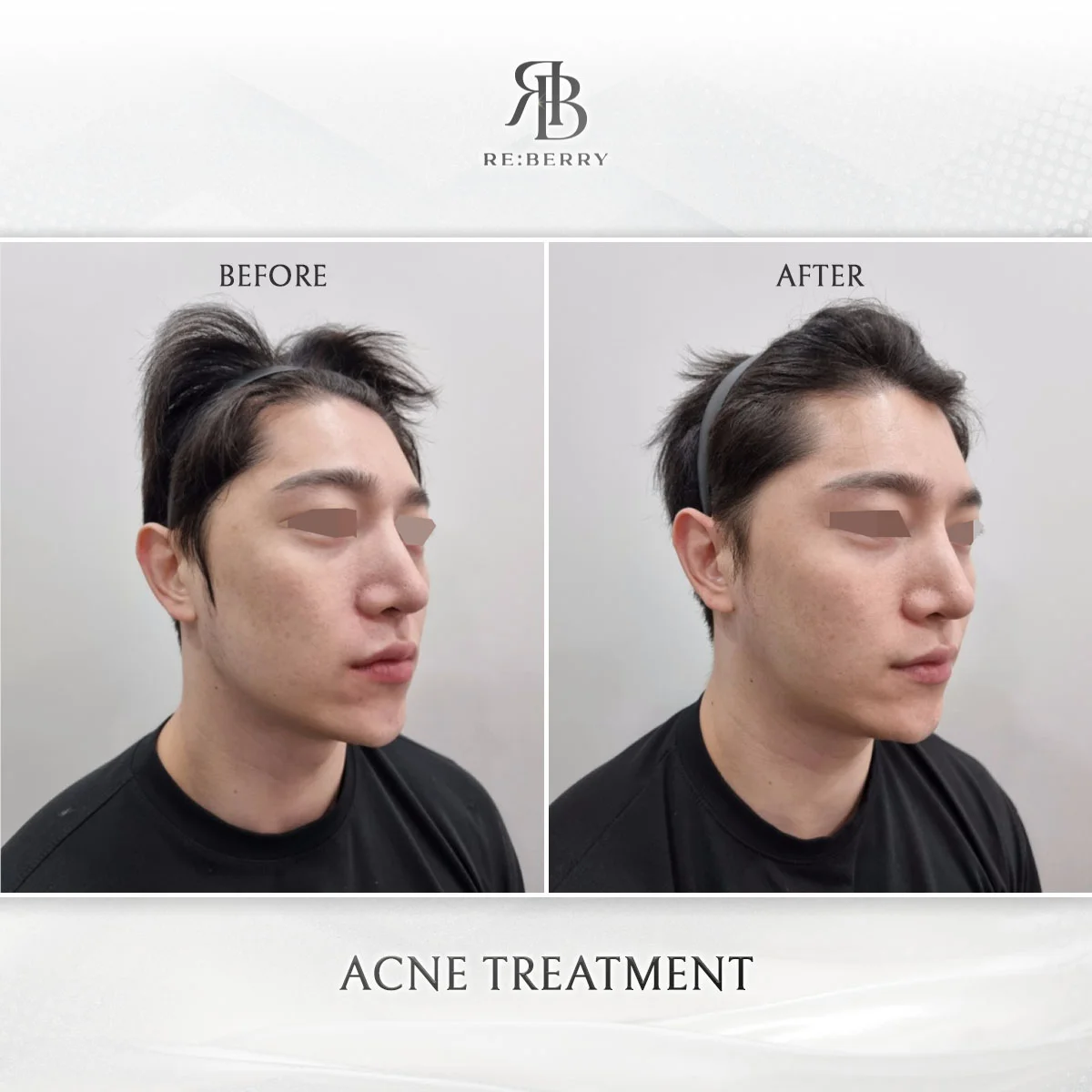
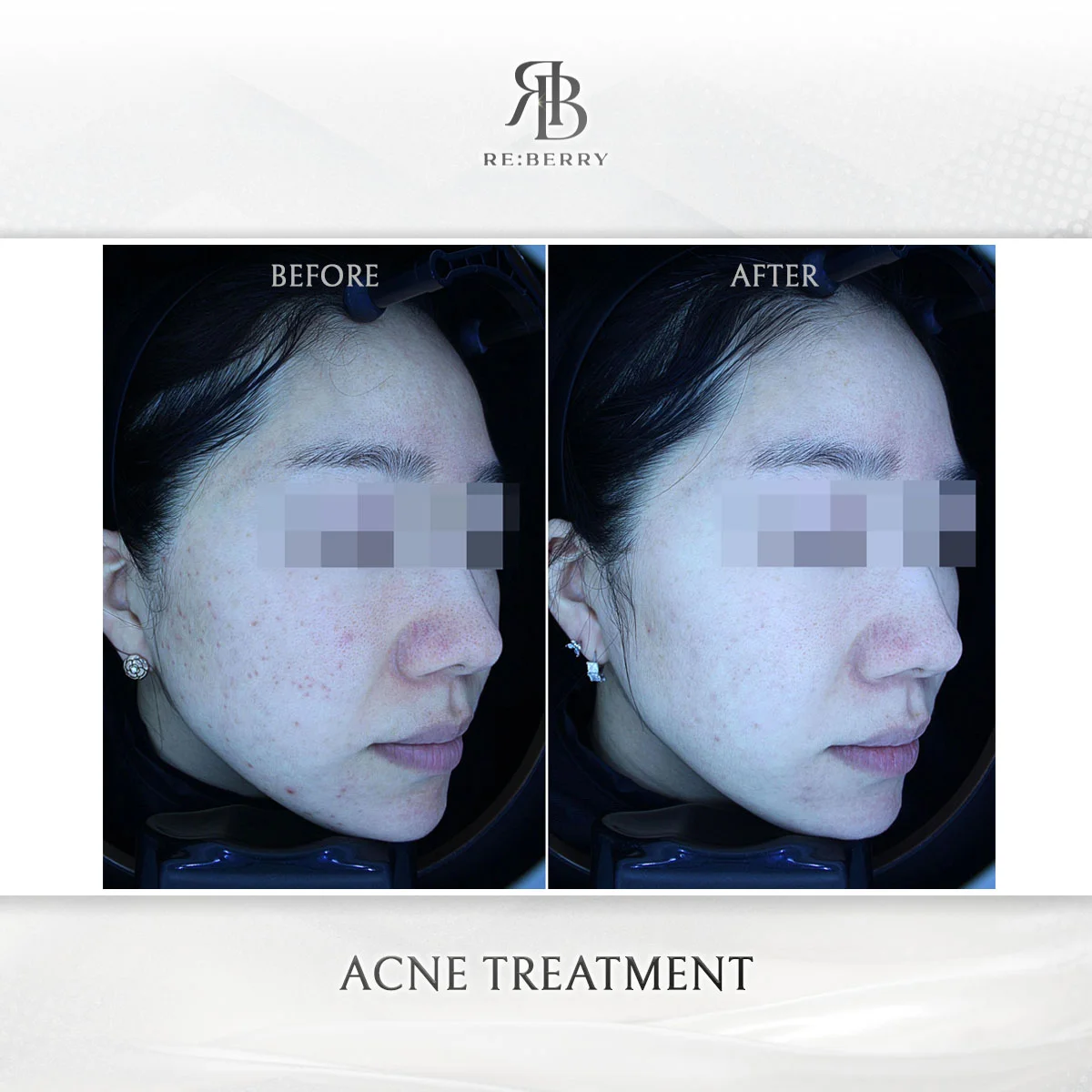
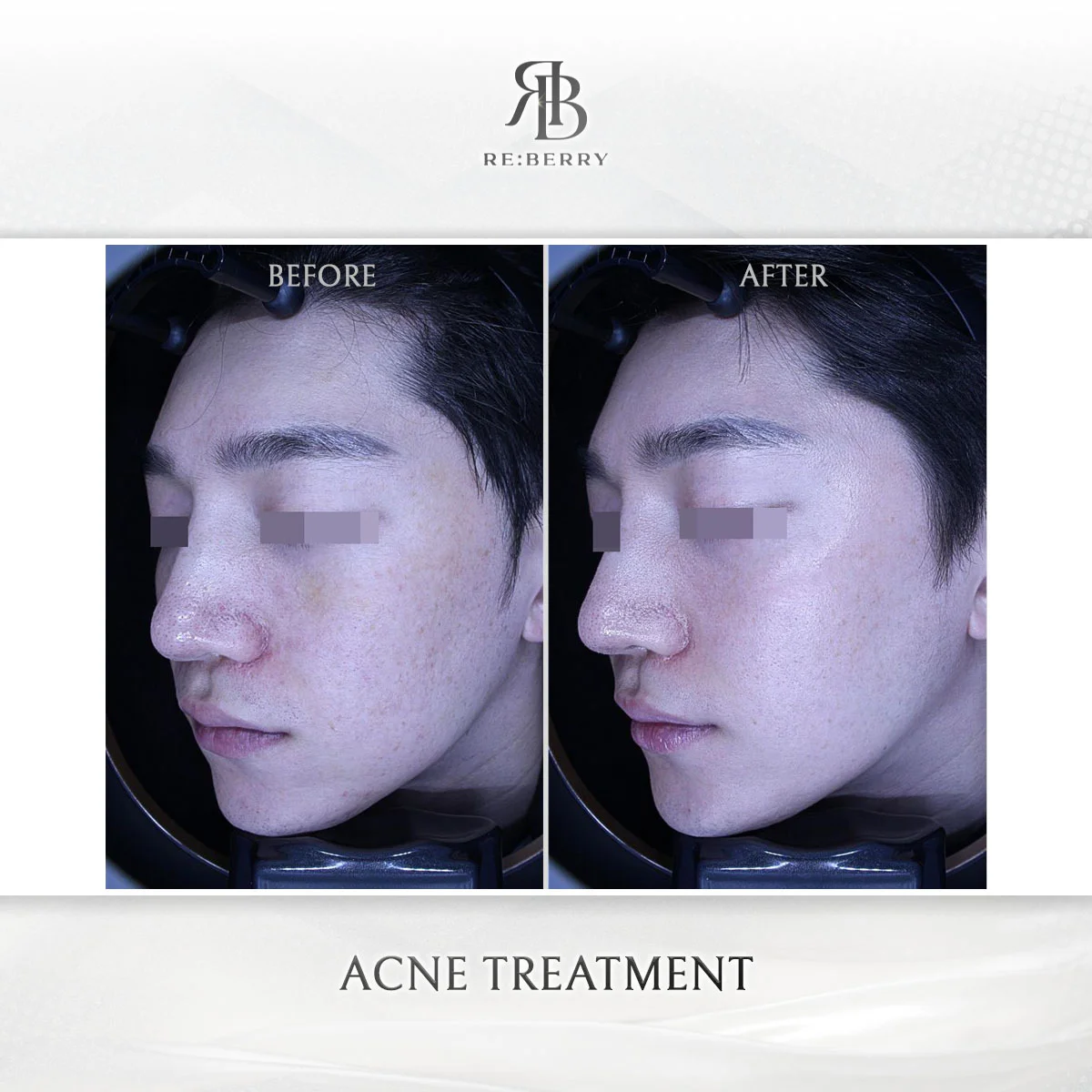
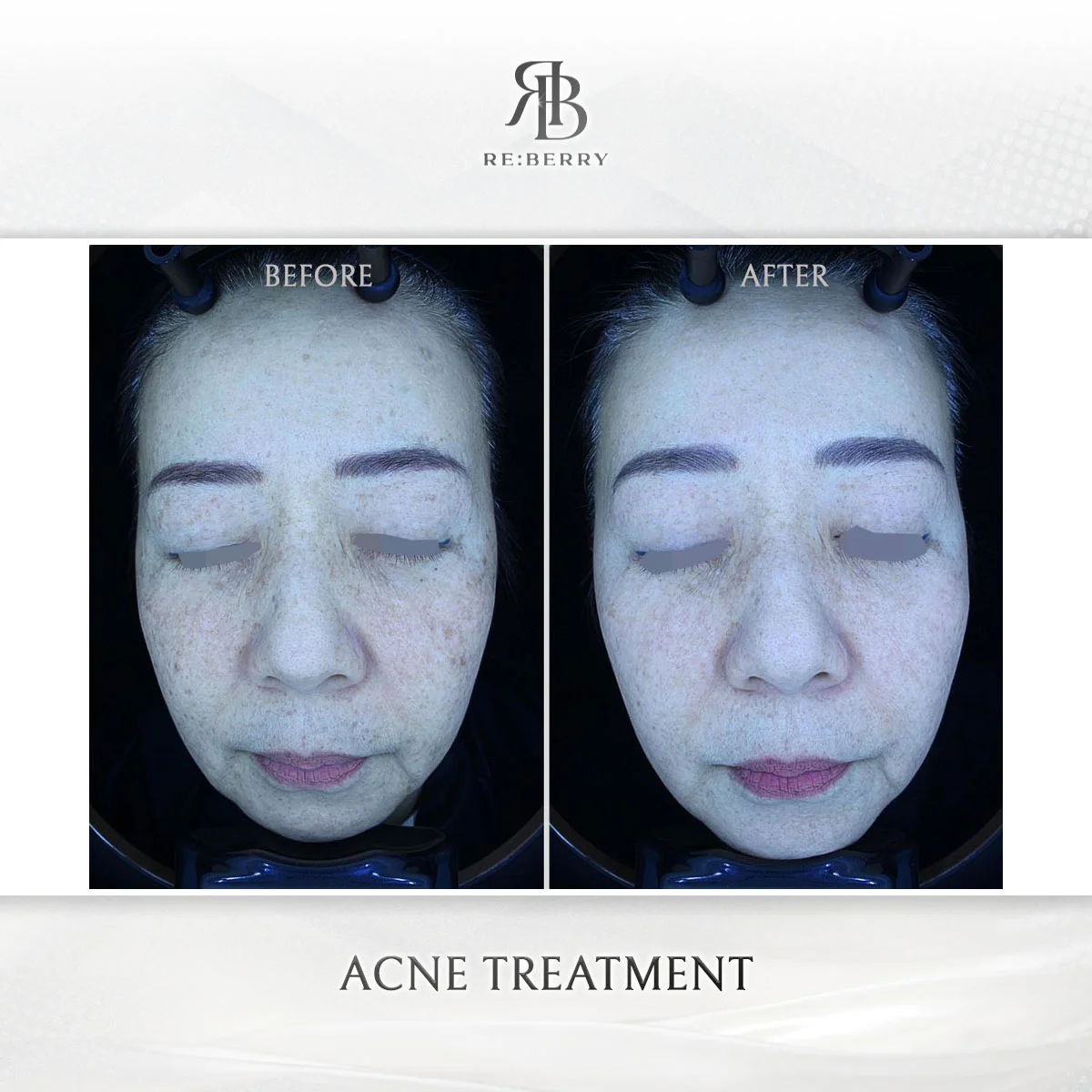
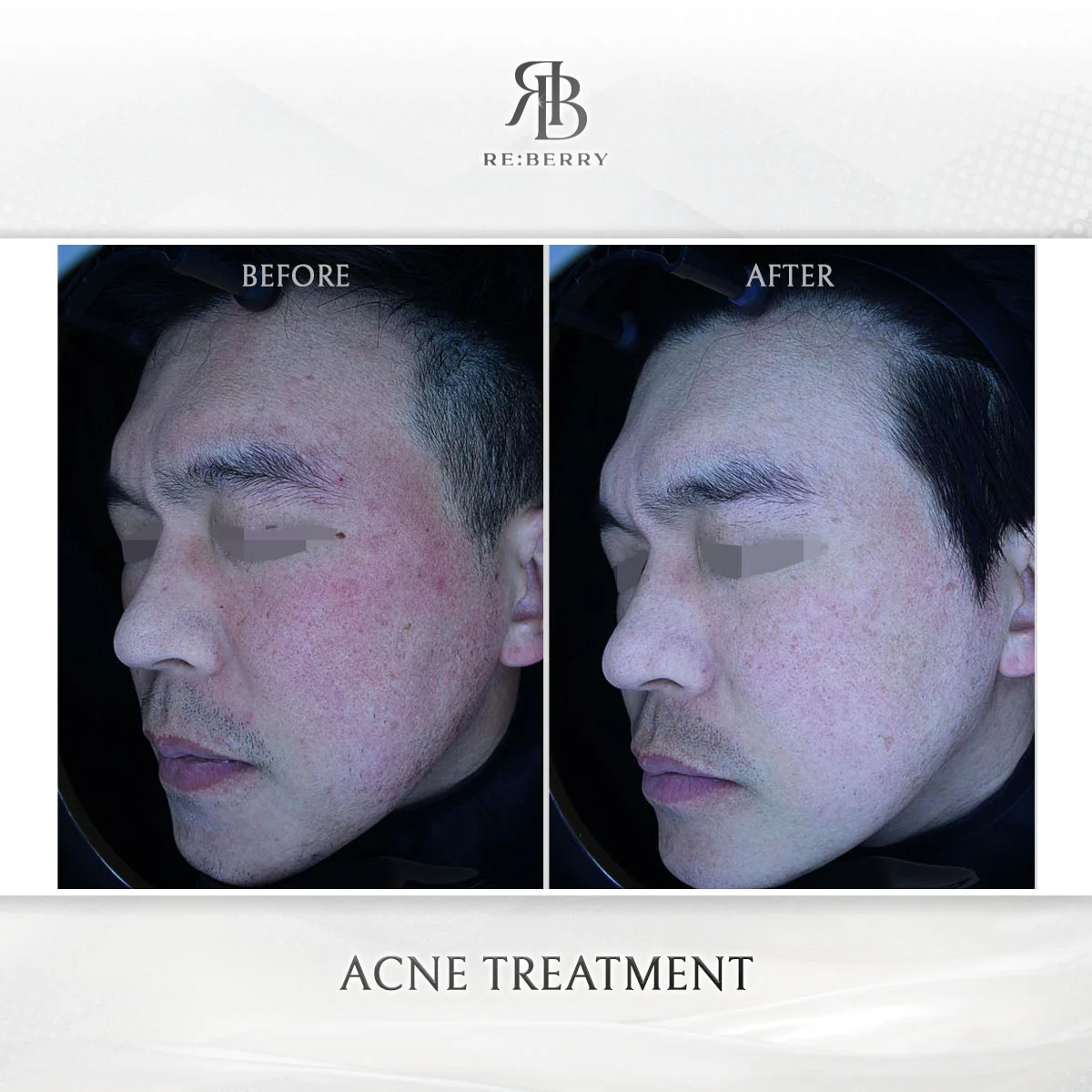
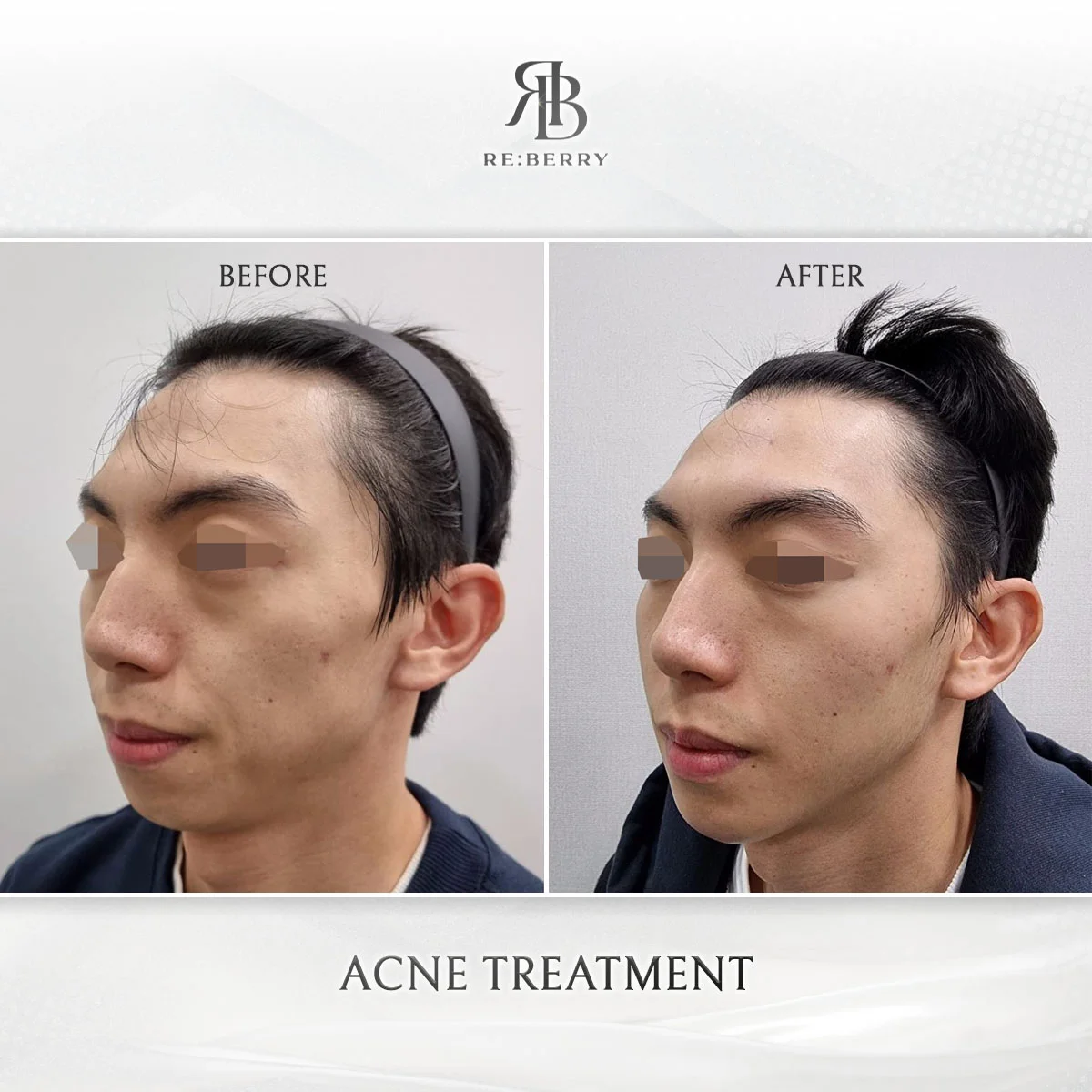
The clinic’s doctors grade your acne, review history, and set a realistic timeline for clearing and maintenance in English.
After cleansing and optional numbing, a session usually takes 20 to 40 minutes depending on the method.
A typical plan runs 3 to 6 sessions over 2 to 3 months, with scar work sometimes added afterward.
Active acne calms across the series, and results can hold for many months when maintenance continues.
Because acne is chronic, occasional top-ups and a steady routine keep skin clear rather than a one-time fix.
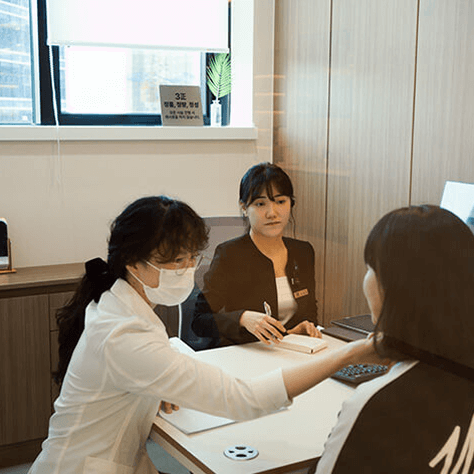
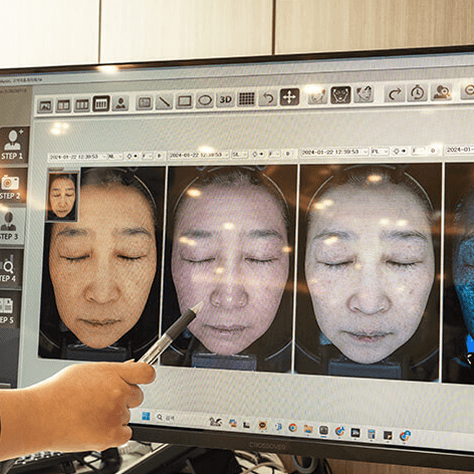

Acne treatment results typically build over 3 to 6 sessions and can hold for many months, but acne is chronic, so it is not a one-time fix. Maintenance visits and a steady routine keep skin clear. Scar results from microneedling tend to last longer, often years, once collagen rebuilds.
Acne treatment is not permanent because acne is a chronic condition driven by hormones, oil, and bacteria that continue over time. Instead, treatment controls breakouts and reduces scarring, with results sustained through maintenance. You can review medically supervised options on our acne treatment page to plan realistically.
Most patients need a series of 3 to 6 sessions spaced 2 to 4 weeks apart before active acne stabilises and results hold for months. Scar work often needs 3 to 4 microneedling rounds. The clinic’s doctors confirm your schedule at consultation, since grade and skin type affect timing and durability.
Yes, acne scar improvements usually last longer because RF microneedling rebuilds collagen, giving structural texture gains that often persist for years. Active acne results, by contrast, need upkeep since breakouts can recur. Explore texture-focused options on our laser treatment page to understand the difference.
Acne can return after treatment because the underlying tendency continues, especially without maintenance, medication, or a good routine. This is normal for a chronic condition rather than a failure of treatment. Periodic top-up visits and consistent skincare markedly reduce how often and how strongly breakouts recur for most patients.
Lasting results depend on daily sunscreen, gentle non-comedogenic skincare, any prescribed medication, and occasional top-up sessions every few months. A supportive skin care routine protects clearer skin between visits. Your doctor tailors the maintenance plan to your acne grade, skin type, and lifestyle.
Visible improvement usually builds gradually over a series rather than after one visit, with active acne calming across 3 to 6 sessions and scar texture refining over several weeks. Some patients see a brief purge first. Your doctor reviews progress between sessions and adjusts the plan as your skin responds.
Most acne procedures cause only mild discomfort, often a tingling, warmth, or light snapping around 2 to 3 out of 10. Numbing cream is available for peels, laser, and microneedling. Cooling and conservative settings keep sessions tolerable, and your doctor adjusts intensity if anything feels too strong during treatment.
Downtime is usually little to none for light peels and laser, with mild redness that settles within hours to a day. RF microneedling can cause redness and swelling for 1 to 3 days. Most international patients return to sightseeing the same afternoon with sun protection and gentle skincare in place.
Yes, doctors often combine peels, laser, medication, and later scar treatment to both clear acne and improve texture durably. Some patients add a hydrating facial for barrier support. Your doctor sequences treatments so the skin is not over-stressed and gains accumulate safely over time.
Common side effects are temporary redness, dryness, mild flaking, and short-lived darkening of spots that resolve within days. Less often, transient pigment change can occur, especially after sun exposure. Following aftercare and strict sun protection markedly lowers these risks, and most reactions are mild and self-limiting for the majority of patients.
Most adults with mild to moderate acne or acne scarring who are willing to follow a maintenance plan are suitable candidates. A consultation confirms your grade, skin type, and medication so a durable plan can be built. Severe nodulocystic acne may need medication-led care first before energy-based procedures begin.
Hormonal acne can be more persistent, so results may need closer maintenance and sometimes medication to stay controlled over time. Treatment still helps significantly, but the underlying hormonal driver means recurrence is more likely without ongoing care. Your doctor builds a plan that accounts for hormonal patterns and recommends a realistic review schedule.
Daily broad-spectrum sunscreen is essential, along with gentle, fragrance-free skincare and avoidance of picking, heat, and scrubbing. A supportive skin care routine protects both clearer skin and rebuilt scar texture. Your doctor provides a written aftercare and maintenance plan tailored to the methods used.
For a single session, 2 to 3 days is comfortable, allowing a consultation, the procedure, and a short review. To begin a multi-session plan or scar work, longer stays or split trips can be arranged. Our English-speaking team helps coordinate timing around your travel schedule and the spacing your skin needs.
Yes, flying within 24 hours is generally fine because most acne procedures are non-invasive. Cabin air can be drying, so moisturise and protect treated skin from sun at your destination. If you had microneedling with mild swelling, your doctor will advise on aftercare and timing while you travel home.
International patients can complete a series across one or more visits, and the clinic offers remote check-ins in English between trips to guide maintenance. You can also book related care such as ongoing skin care when you return. Your treatment notes are kept on file for continuity.
| Active Acne (Laser / Peels) | Acne Scars (RF Microneedling) | Medication-led Control | |
|---|---|---|---|
| What it targets | Oil, bacteria, inflammation | Pitted or atrophic scar texture | Underlying breakout tendency |
| How long results last | Many months with maintenance | Often years once collagen rebuilds | Holds while routine is followed |
| Recurrence risk | Breakouts can return without upkeep | Scars do not simply return | Returns if treatment stops abruptly |
| Sessions | Typically 3 to 6 | Usually 3 to 4 | Ongoing, doctor-reviewed |
| Maintenance | Periodic top-ups recommended | Minimal once series is done | Regular review with a doctor |
| Cost factors | Depends on area and session count | Depends on scar area and rounds | Depends on plan and duration |
Real verified reviews from our Google Business Profile, across all Reberry Clinic locations.
PULLED LIVE FROM GOOGLE · GANGNAM · MYEONGDONG · INCHEON AIRPORT
Your treatment is planned and performed by experienced, MFDS-registered doctors across our Seoul-area clinics, with multilingual support for international patients.
Flagship clinic · KOL for leading lifting & regenerative devices
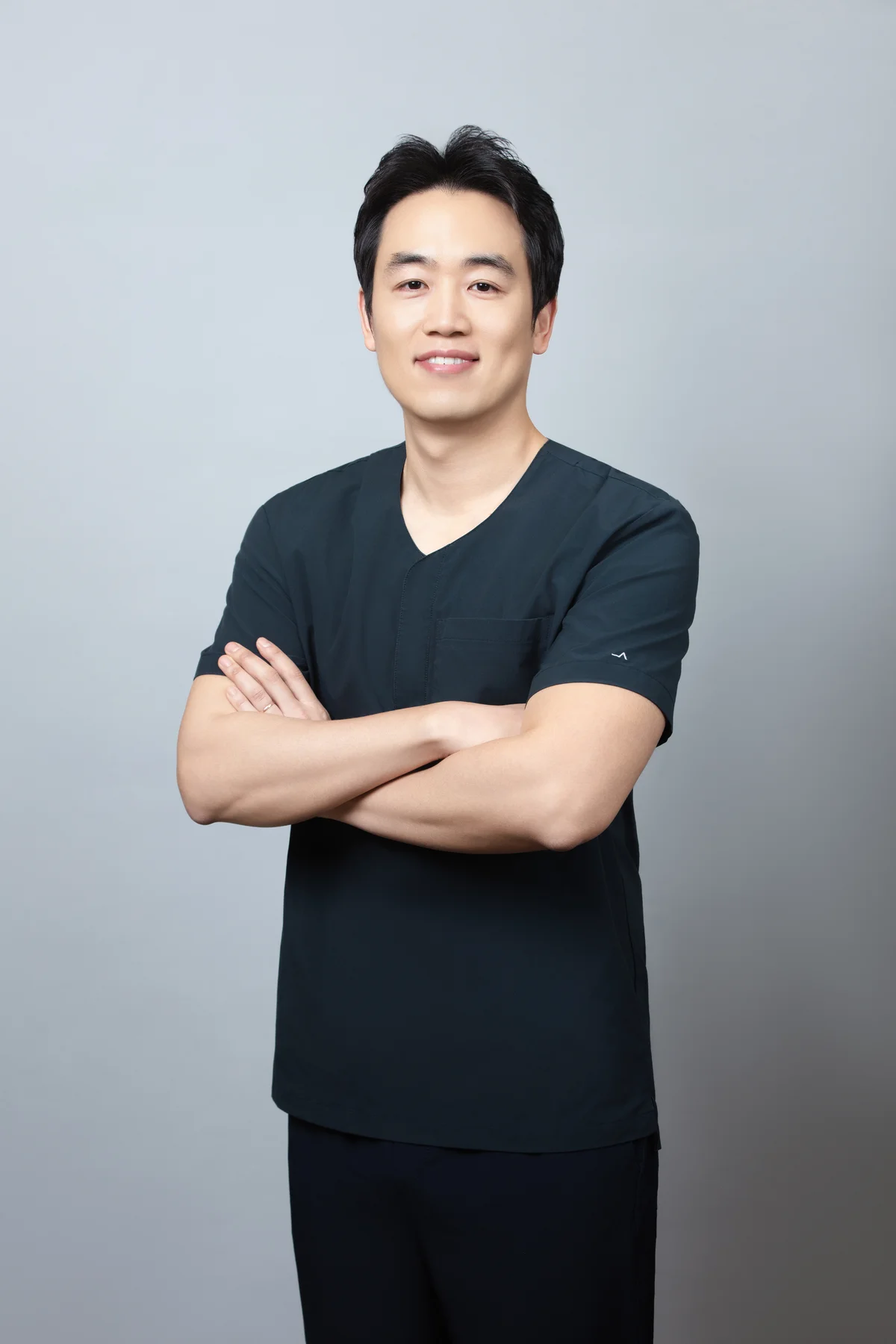
Multilingual tourist care beside Myeongdong Cathedral
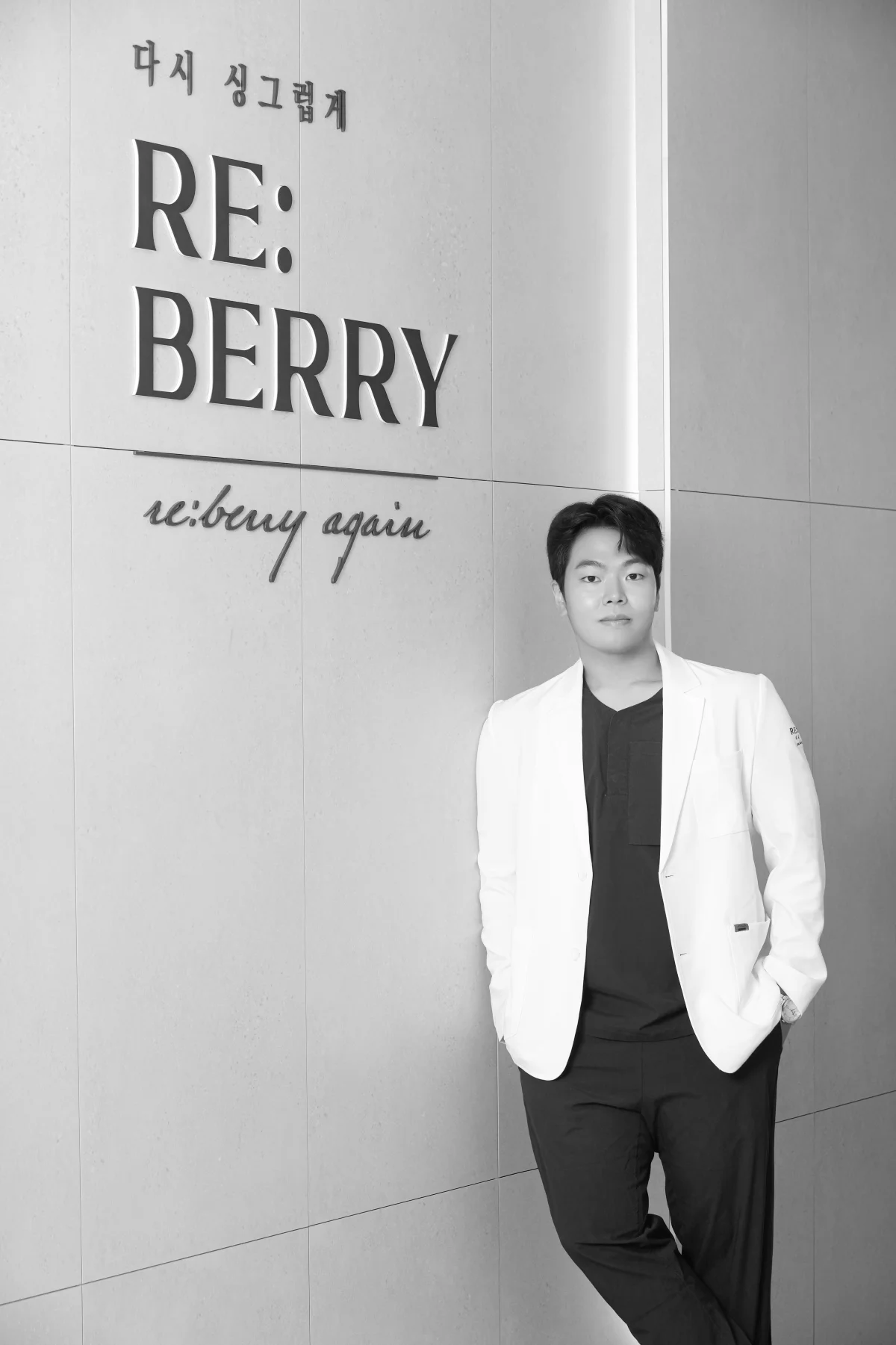
Fast, effective care 20 minutes from the terminals
Message us on WhatsApp for a free consultation in English about your acne timeline and maintenance plan.